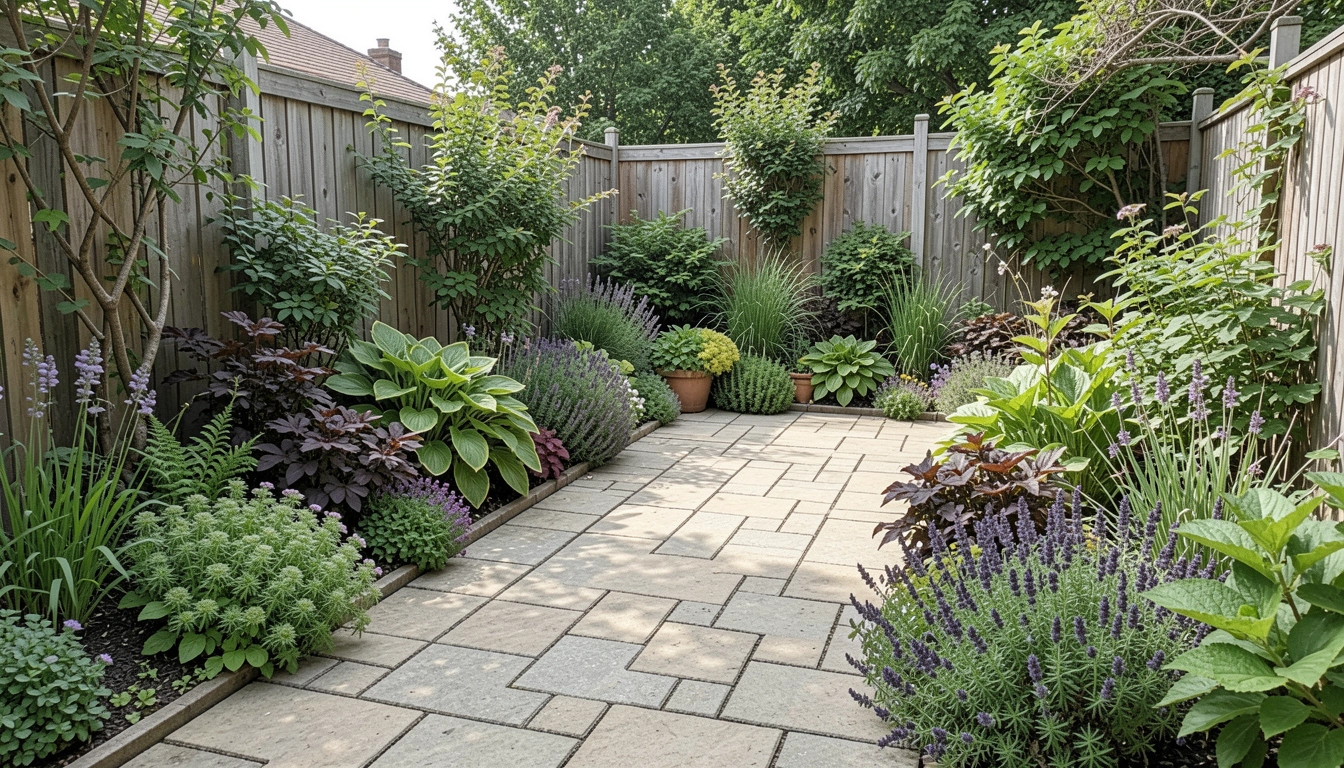
Blog

  • 11 English Garden Privacy Ideas For Classic Style

    11 English Garden Privacy Ideas For Classic Style

    A few years back, my backyard felt too open. Neighbors' windows stared right at my seating area. I hated that exposed feeling during summer evenings.

    I started small, adding plants that grew fast but stayed classic. No fancy redesigns—just what worked in my soil.

    Now, it's private and cozy. You can create that too, without big budgets or perfect conditions.

    11 English Garden Privacy Ideas For Classic Style

    These 11 English garden privacy ideas come from my own yard fixes. They're straightforward, using plants and simple structures that deliver real screening. Pick one and get that sheltered feel.

    1. Layered Yew Hedge for Year-Round Cover

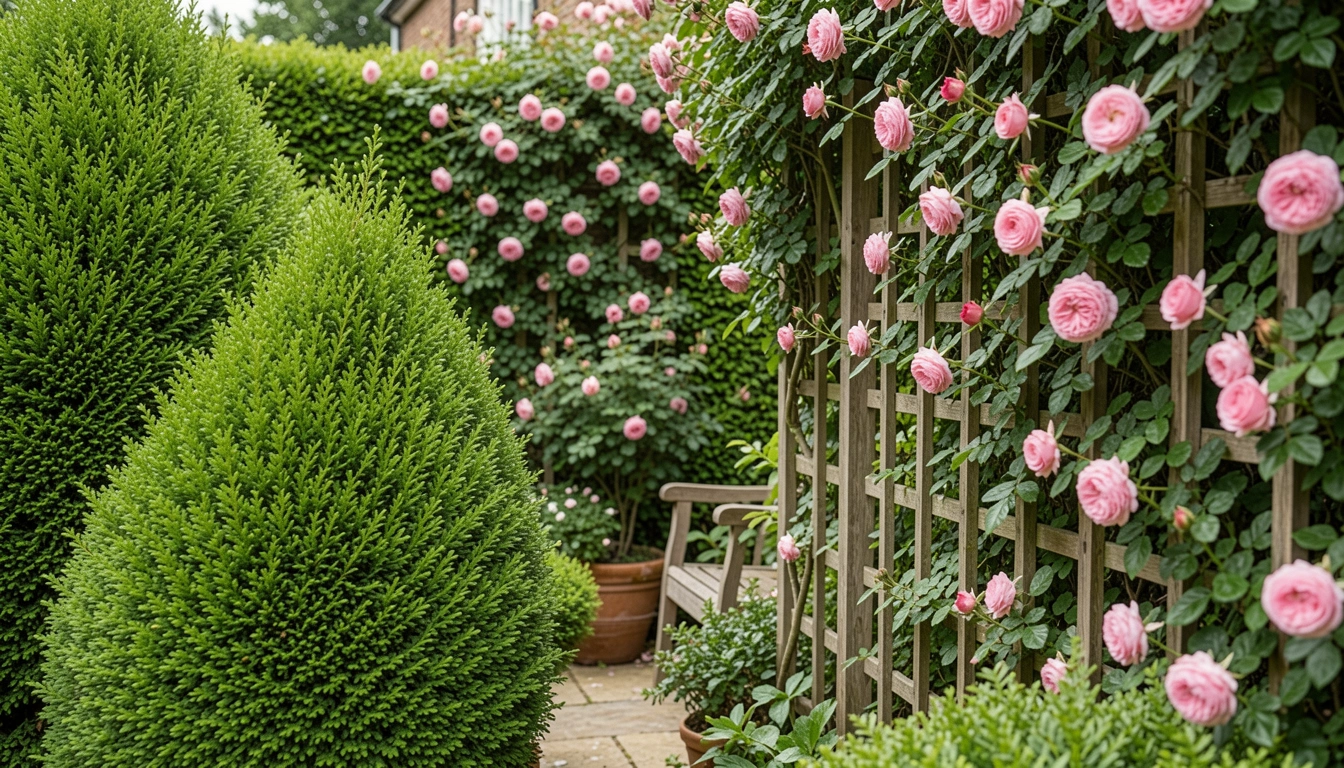
    I planted yew along my back fence five years ago. Started with staggered heights—tall ones behind shorter fillers. It blocks the street view completely now, even in winter.

    The key was spacing them 18 inches apart. They filled in thick without gaps. I learned to prune lightly in spring; heavy cuts made them sparse once.

    Feels enclosed, like a secret room. Wind drops too, making it quieter.

    What You’ll Need for This Look

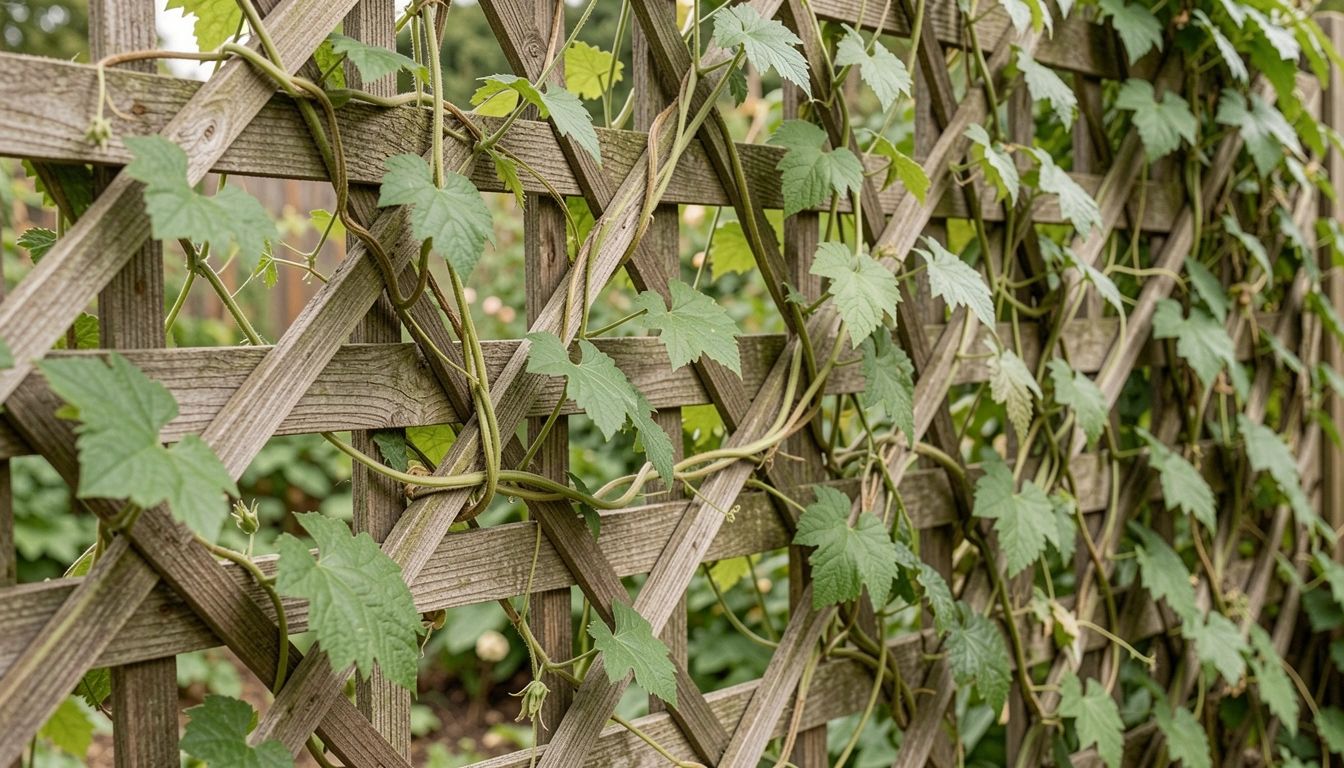
    2. Climbing Roses on Arched Trellis Gate
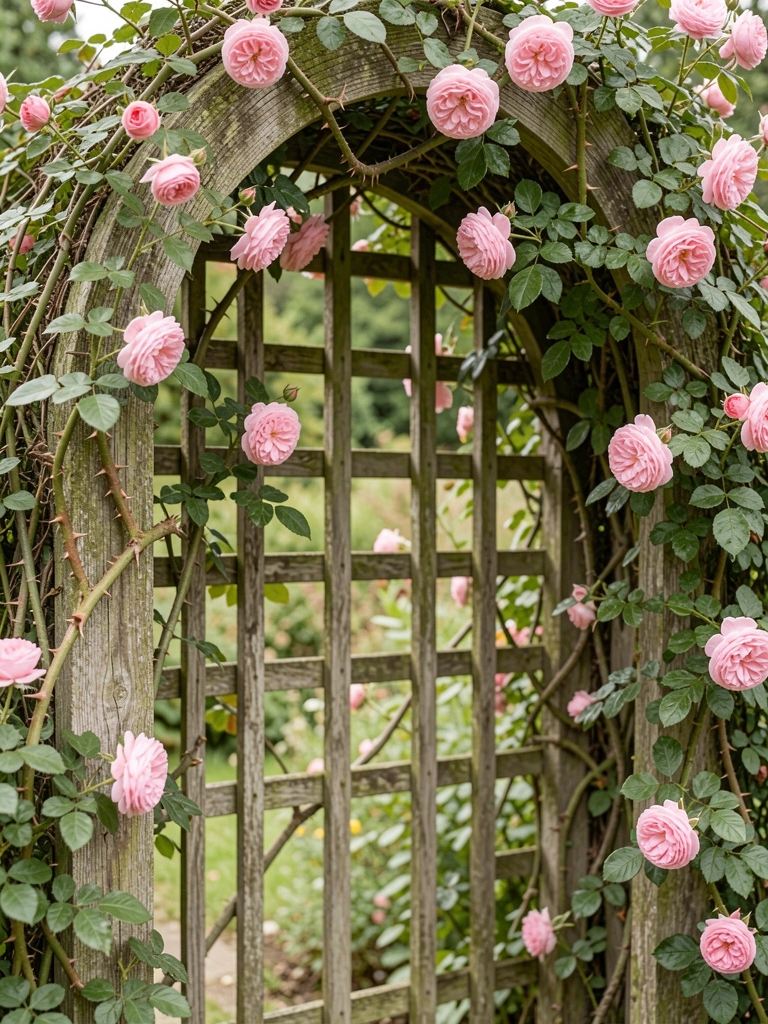
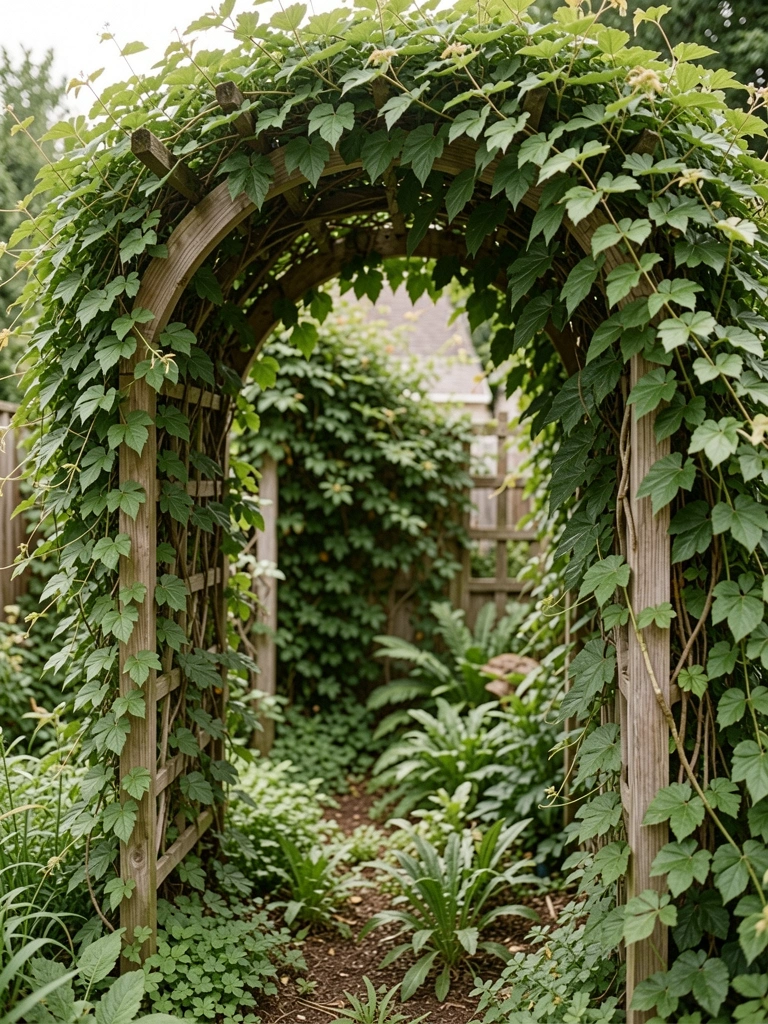
    My side gate faced the neighbor's drive. I added an arched trellis and 'Zephirine Drouhin' roses—they climb fast and flower nonstop.

    Blooms hide the slats by midsummer. The arch frames it nicely, feels welcoming yet private.

    I bought cheap metal arches first; they rusted. Switched to wood, lasts better in rain.

    Now, peeking eyes stop at the petals. Smells amazing too.

    What You’ll Need for This Look

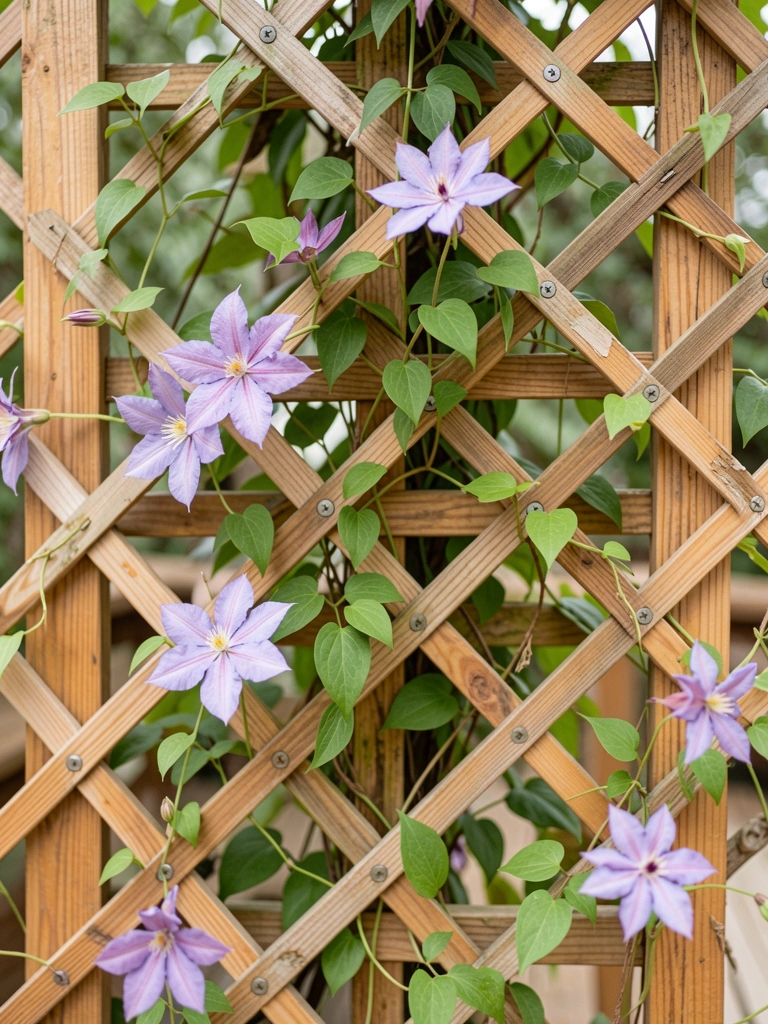
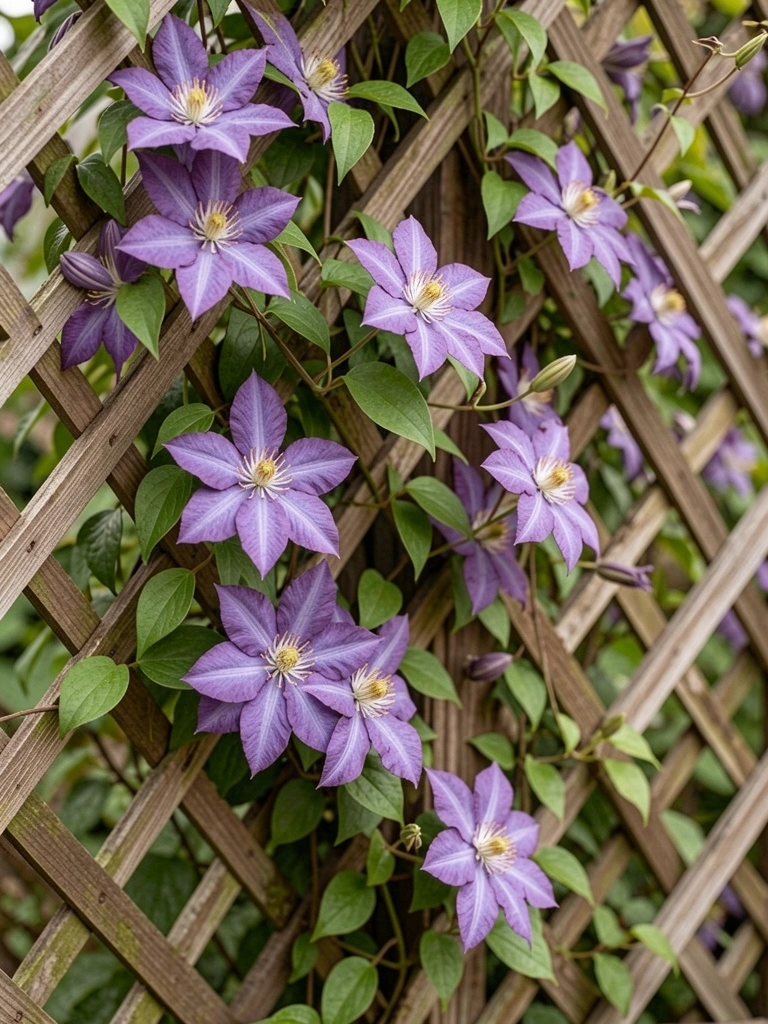
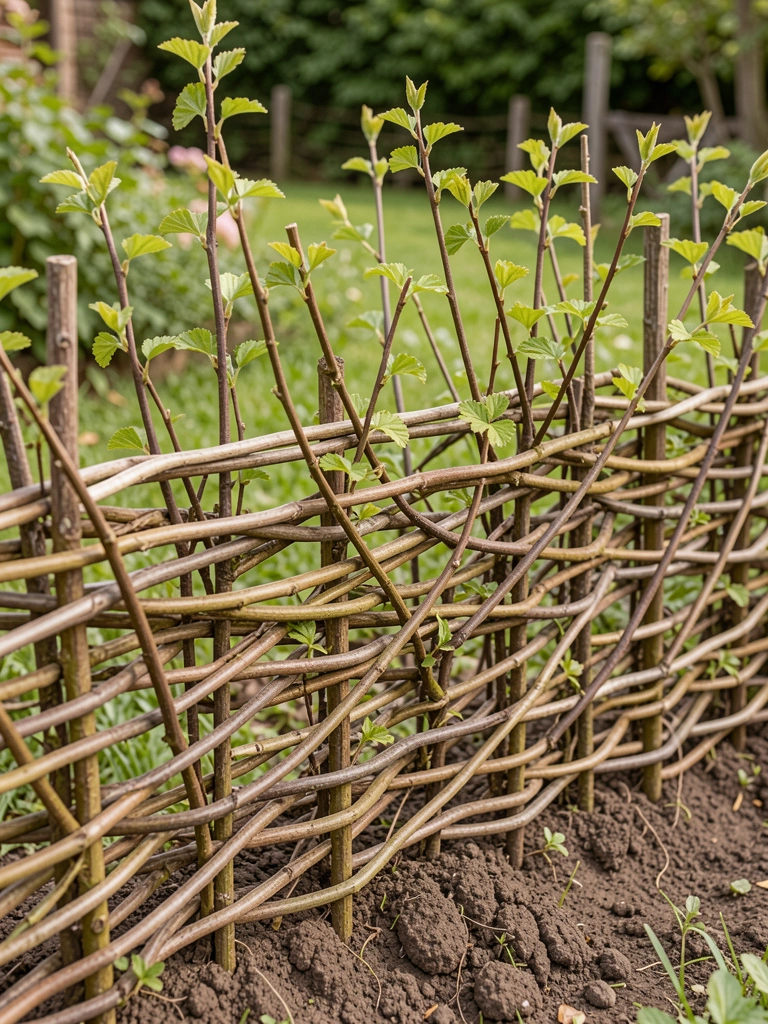
    3. Woven Hazel Fencing with Clematis Vines

    Woven hazel panels went up quick on my patio edge. Planted clematis 'Nelly Moser' at the base—they scramble over in a season.

    It softens the fence line, blocks views without feeling solid. Rustic look fits my cottage vibe.

    Once, I skipped ties; vines flopped. Now I secure loosely each spring.

    Sitting there feels tucked away, birds nest in it.

    What You’ll Need for This Look

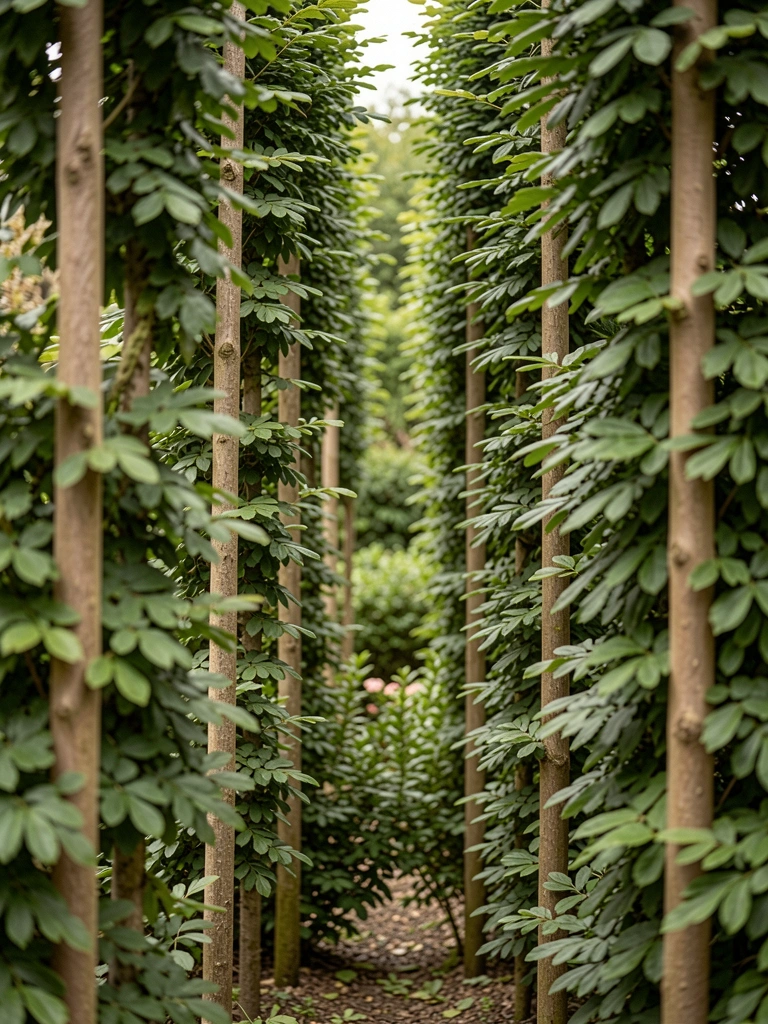
    4. Pleached Hornbeam for Walkway Screening
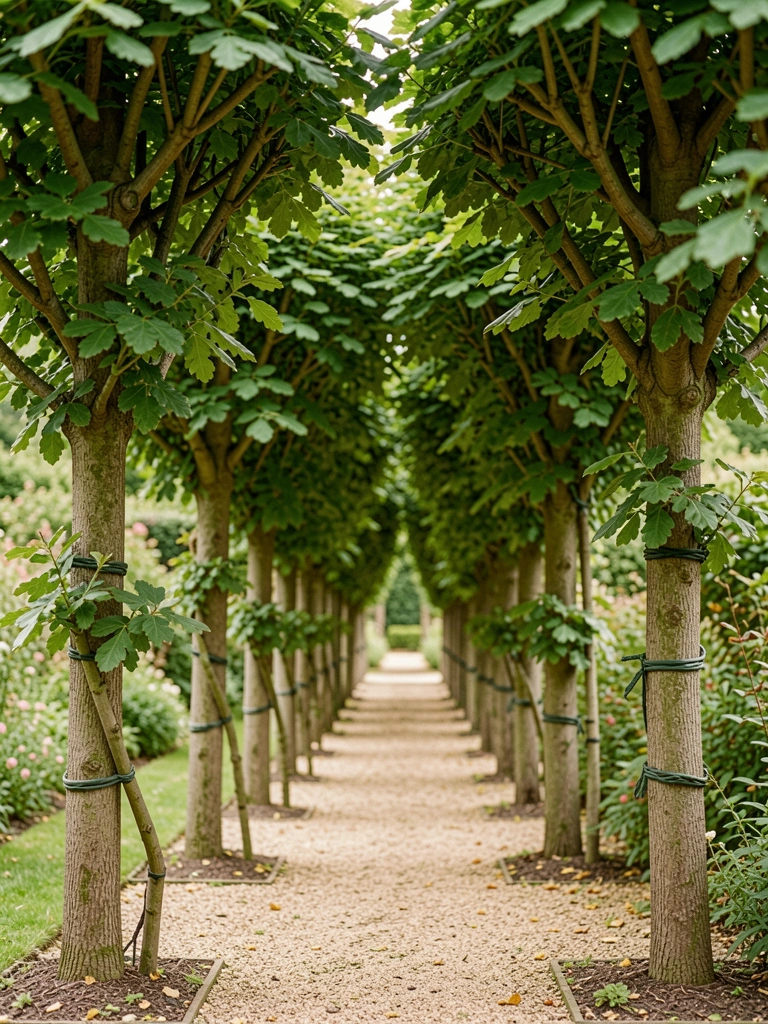
    I pleached young hornbeams along my path. Tied branches flat over years—now it's a living wall overhead.

    Shades and screens perfectly. Leaves turn gold in fall, adds warmth.

    Took patience; first ties snapped in wind. Used softer wire next time.

    Walks feel private, like strolling a country lane.

    What You’ll Need for This Look

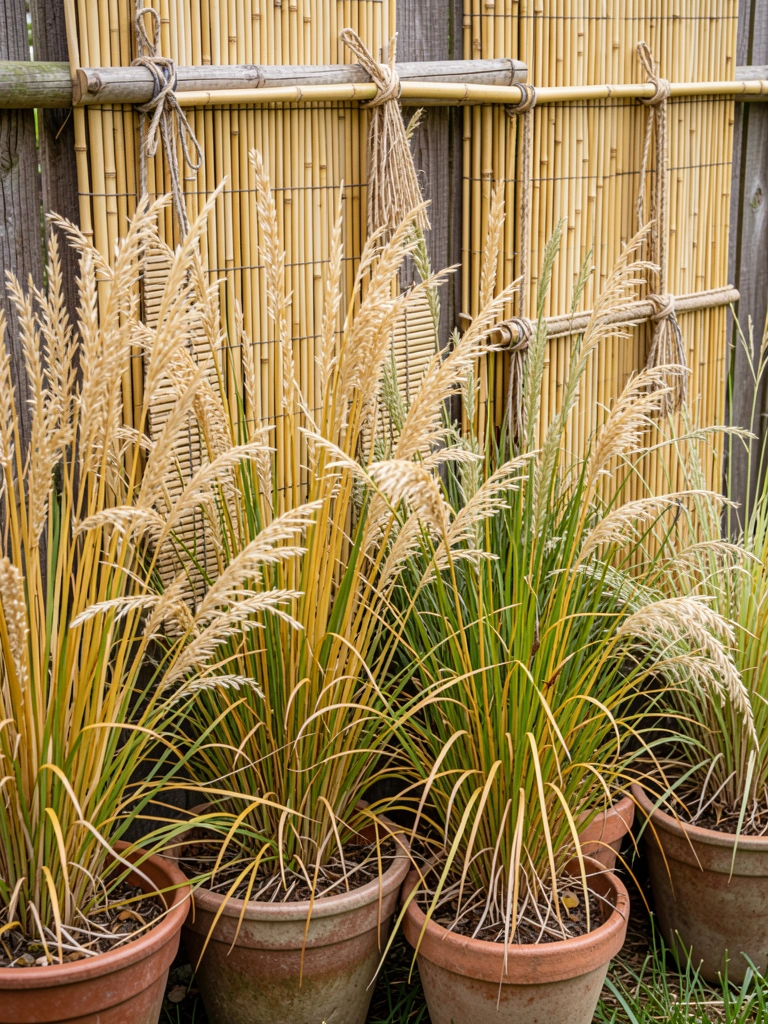
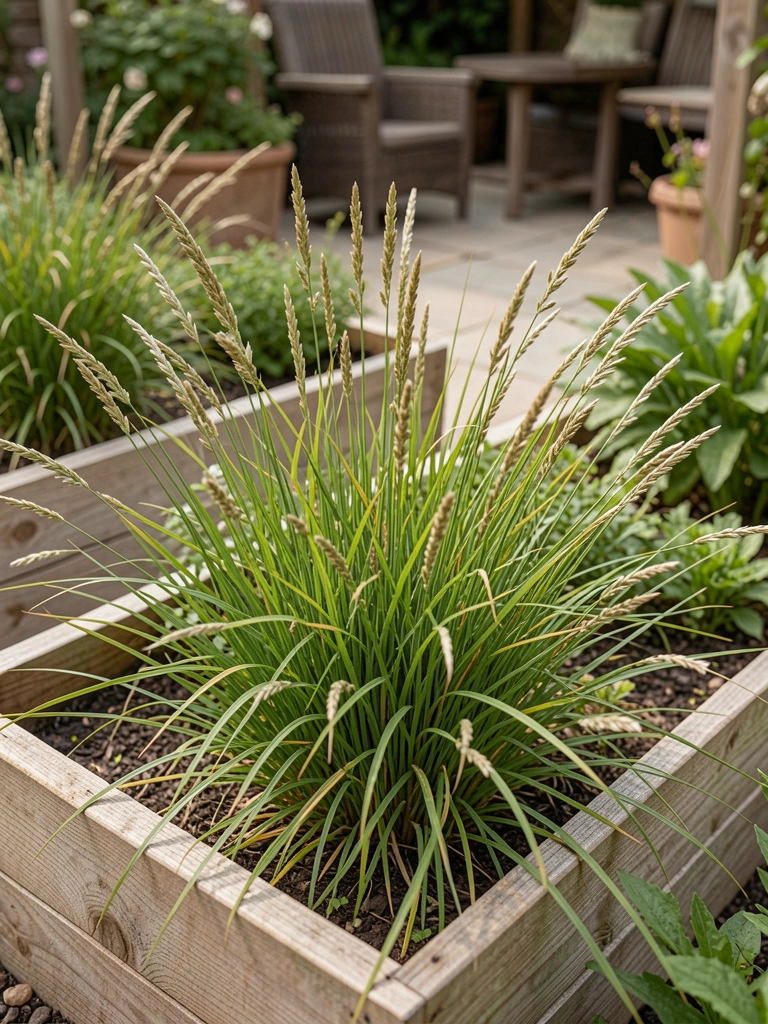
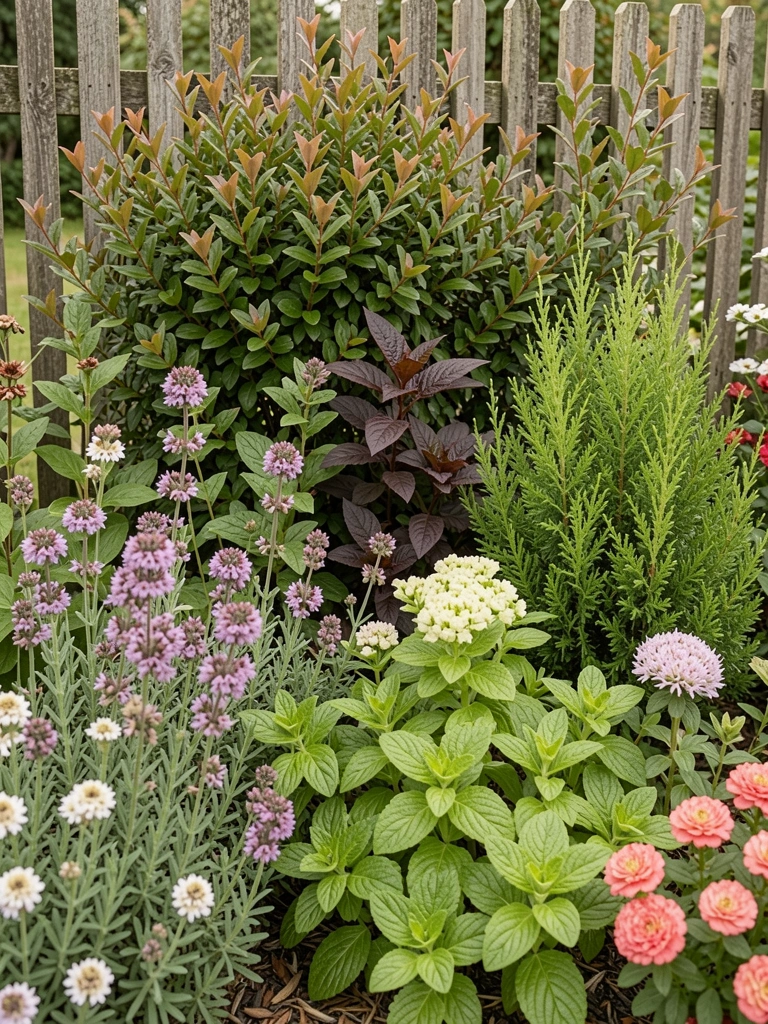
    5. Tall Lavender Borders Mixed with Perennials
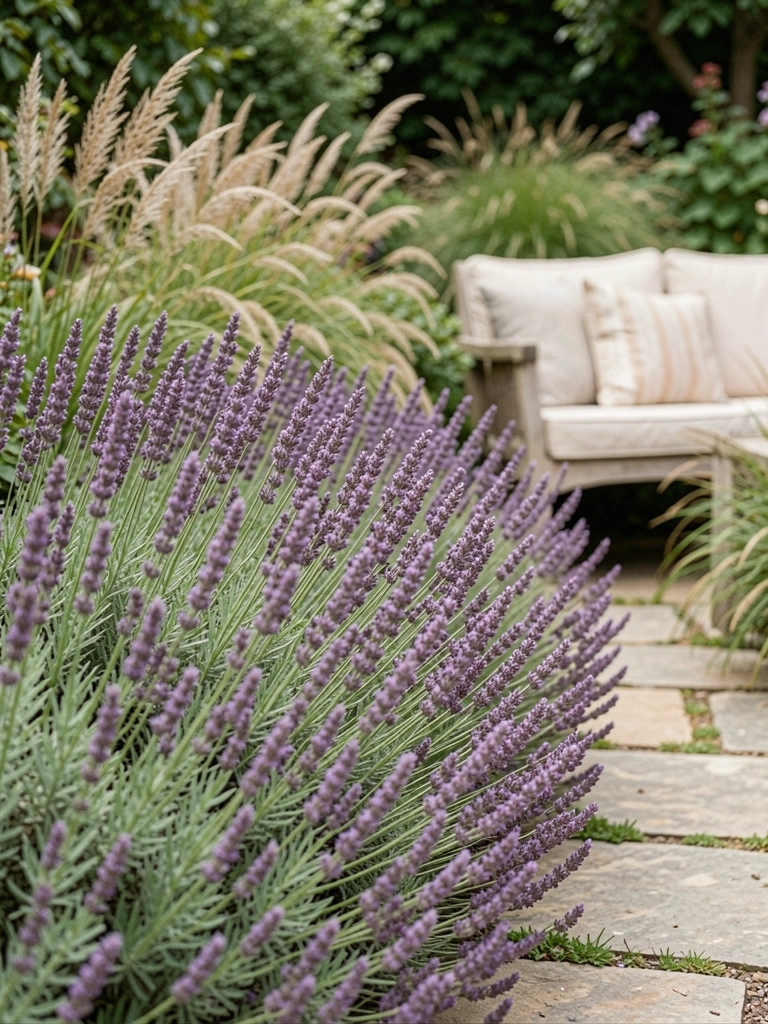
    Lavender 'Hidcote' and miscanthus grass line my terrace. Grows to 5 feet, sways gently for soft screening.

    Bees love it, scent drifts on breezes. Hides the fence behind.

    Planted too close first; crowded out. Spaced 2 feet now, thrives.

    Feels abundant, calms the space.

    What You’ll Need for This Look

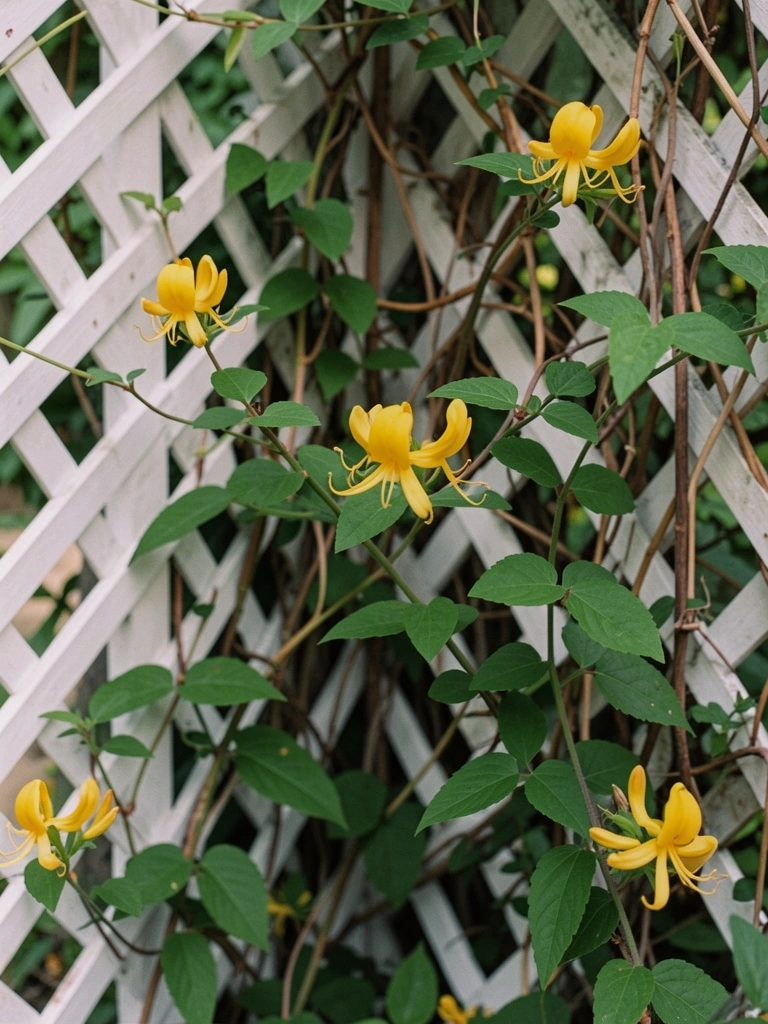
    6. Honeysuckle-Wrapped Obelisks for Corners

    Obelisks in corners with 'Gold Flame' honeysuckle. Vines twist up fast, fill the height.

    Corners feel sealed off, sweet smell lingers. Twigs add texture.

    I overwatered once; roots rotted. Let soil dry now.

    Perfect for small spots, draws you in.

    What You’ll Need for This Look

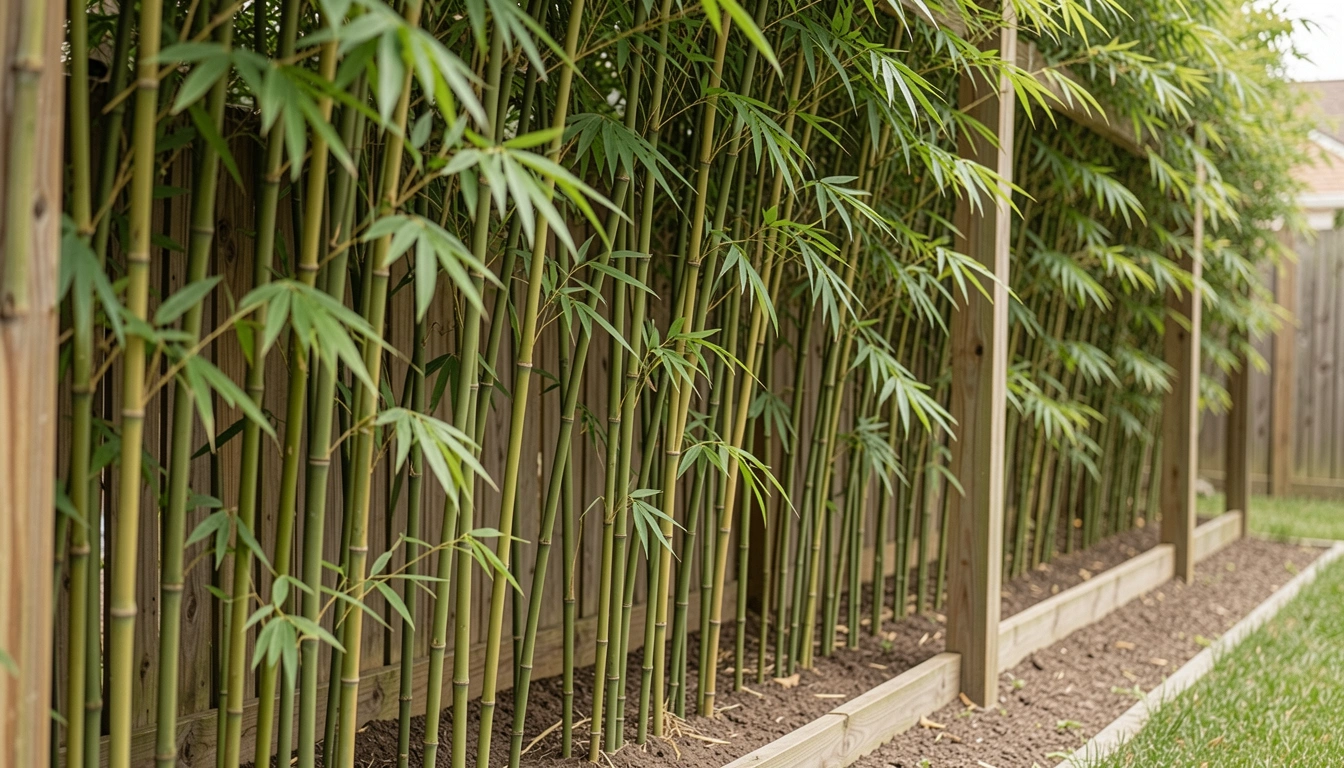
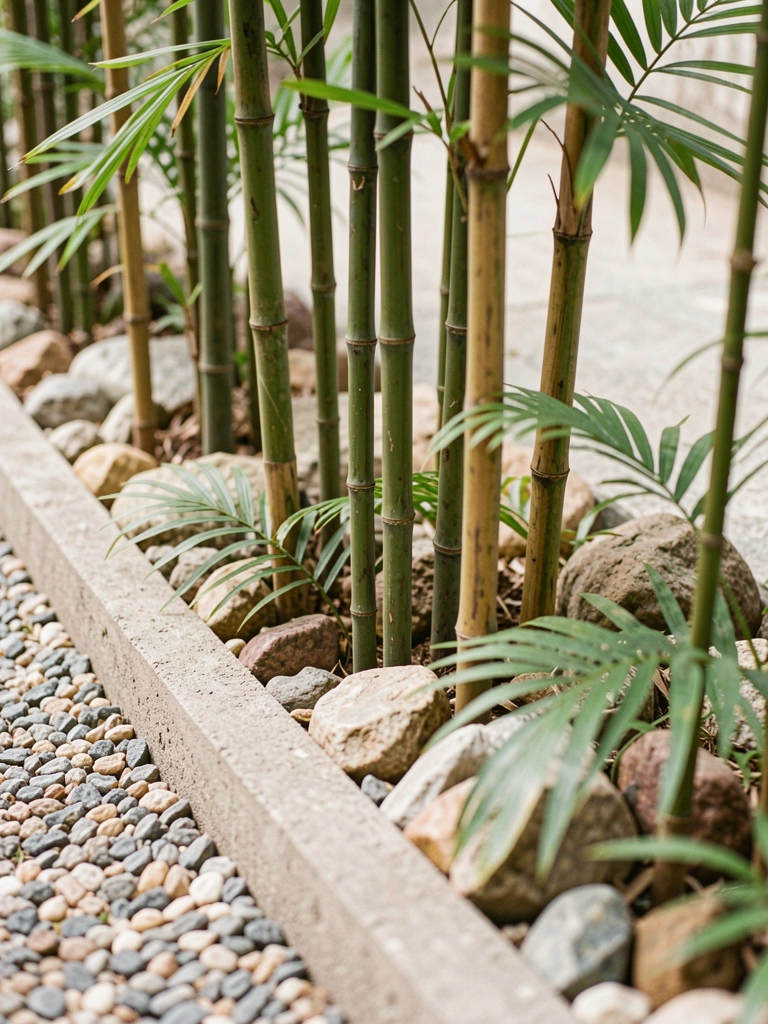
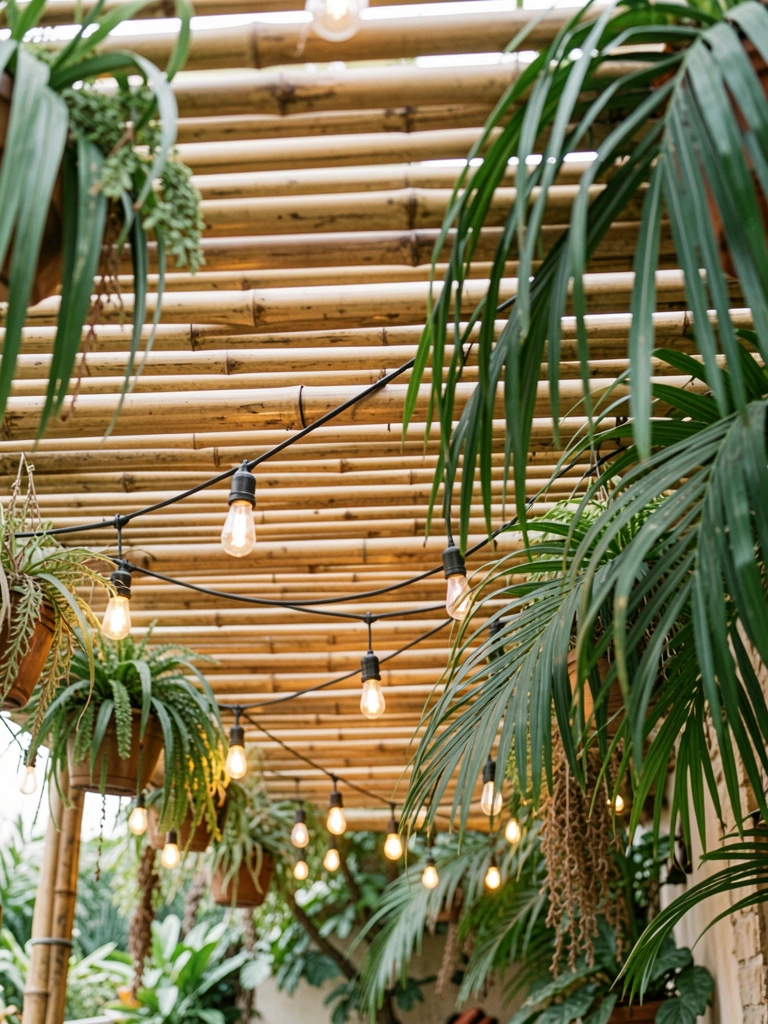
    7. Bamboo Screens Backed by Ferns
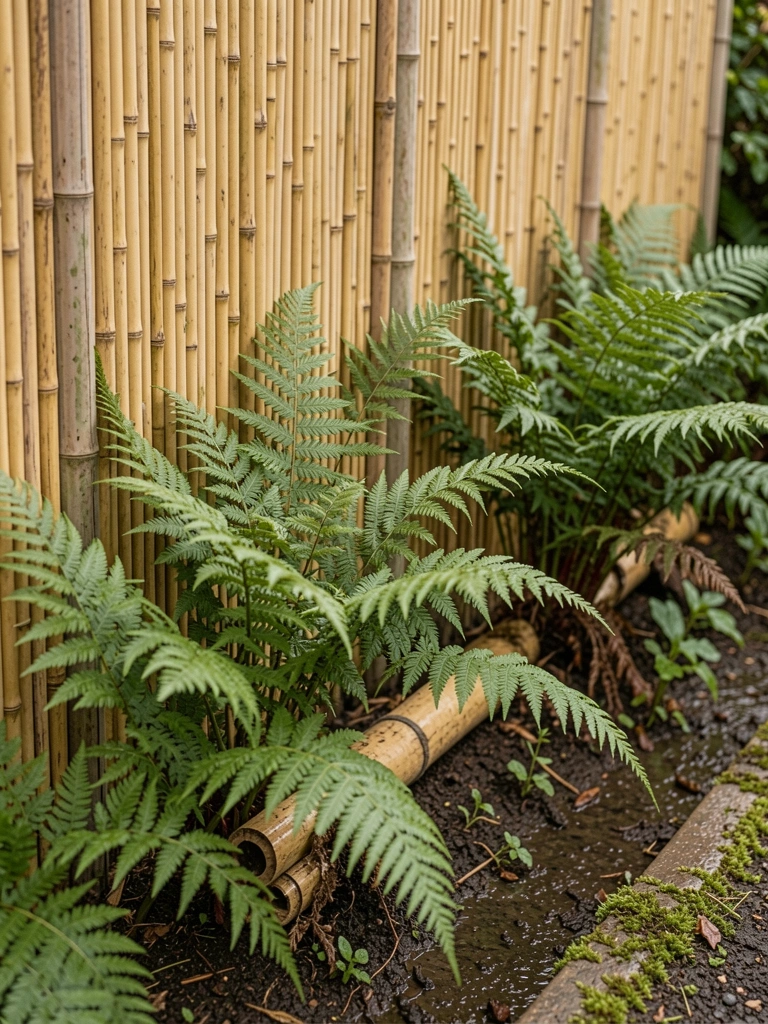
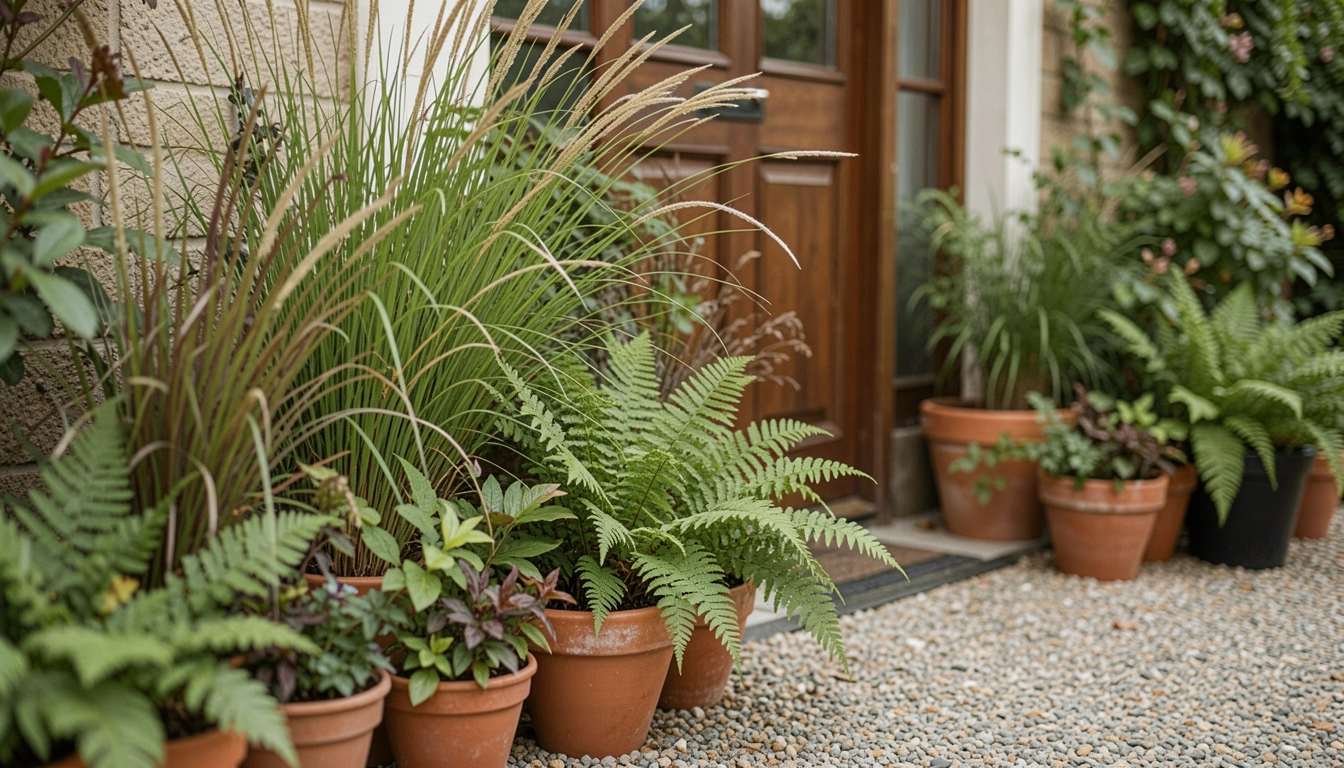
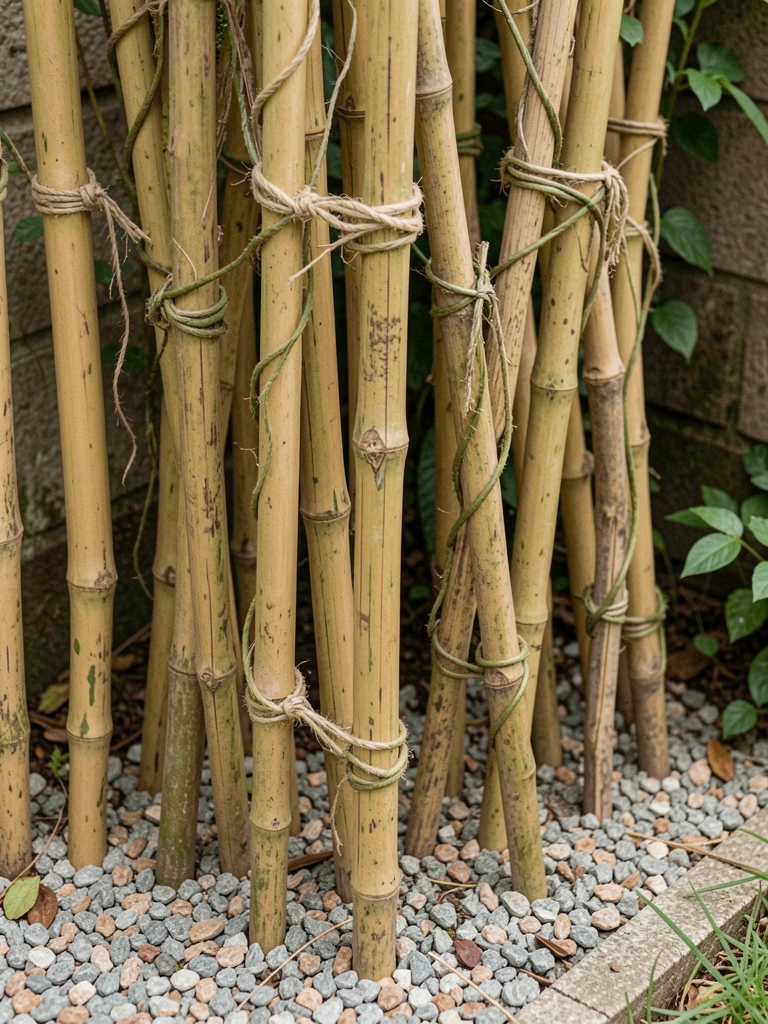
    Rolled bamboo on my side fence, ferns like Dryopteris behind. Instant height, ferns soften the base.

    Shady spots stay green year-round. Feels lush, damp.

    Bamboo faded fast in sun; painted now. Lasts longer.

    Quiet, woodsy hideaway.

    What You’ll Need for This Look

    8. Espaliered Apples Against Boundary Walls

    'Espalier' 'Discovery' apples on my wall. Trained horizontally—covers 10 feet high.

    Fruit bonus, screens nosy views. Blossoms in spring delight.

    Wires too tight first; branches scarred. Looser now.

    Harvest feels rewarding, space intimate.

    What You’ll Need for This Look

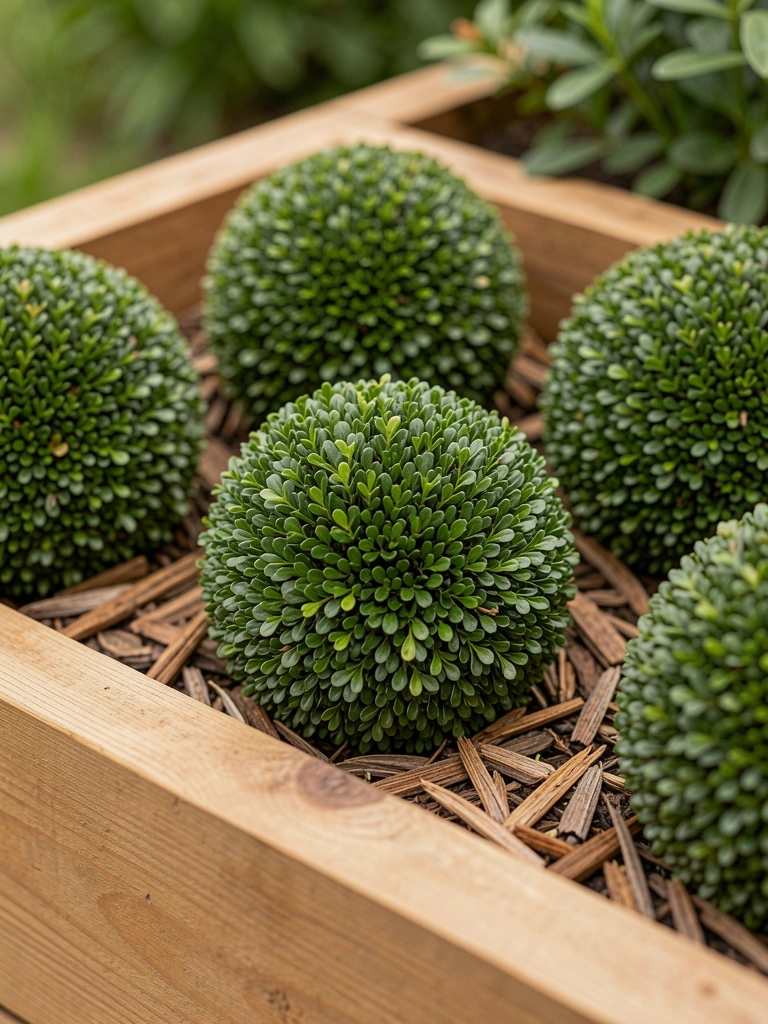
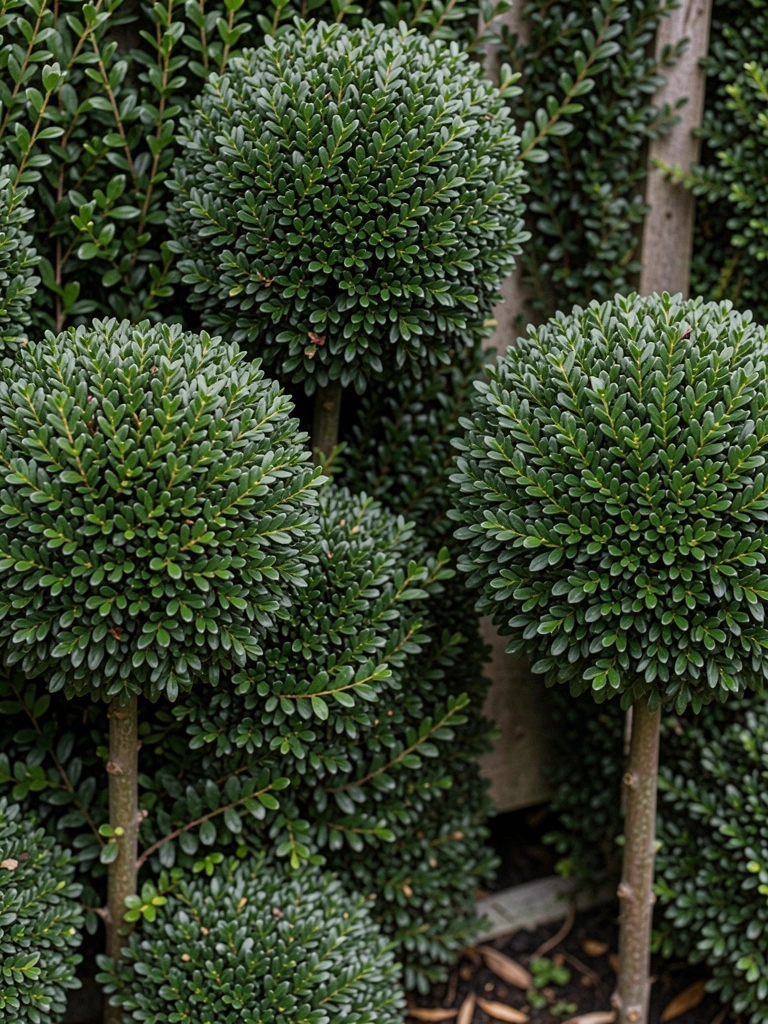
    9. Boxwood Topiary Balls in Rows
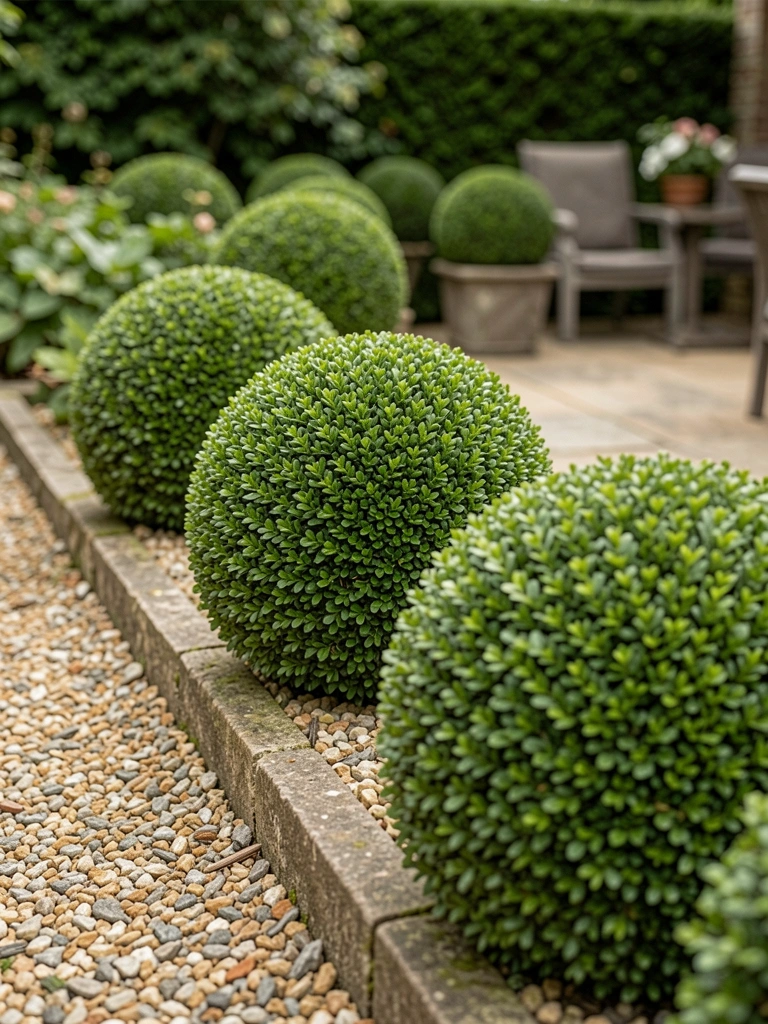
    Boxwood balls along my low wall. Clipped to 3 feet, rows block lower views.

    Neat, evergreen structure. Snow dusts them pretty.

    Overfed once; leggy growth. Balanced feed now.

    Crisp privacy, easy clip.

    What You’ll Need for This Look

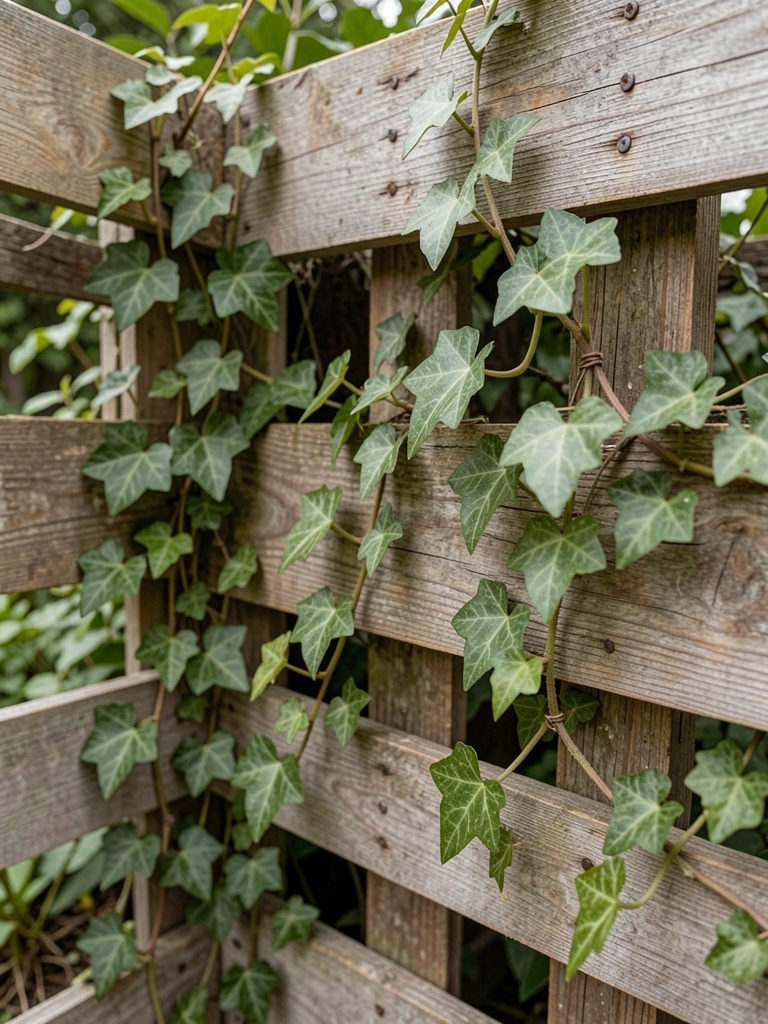
    10. Willow Hurdle Panels with Ivy Trails
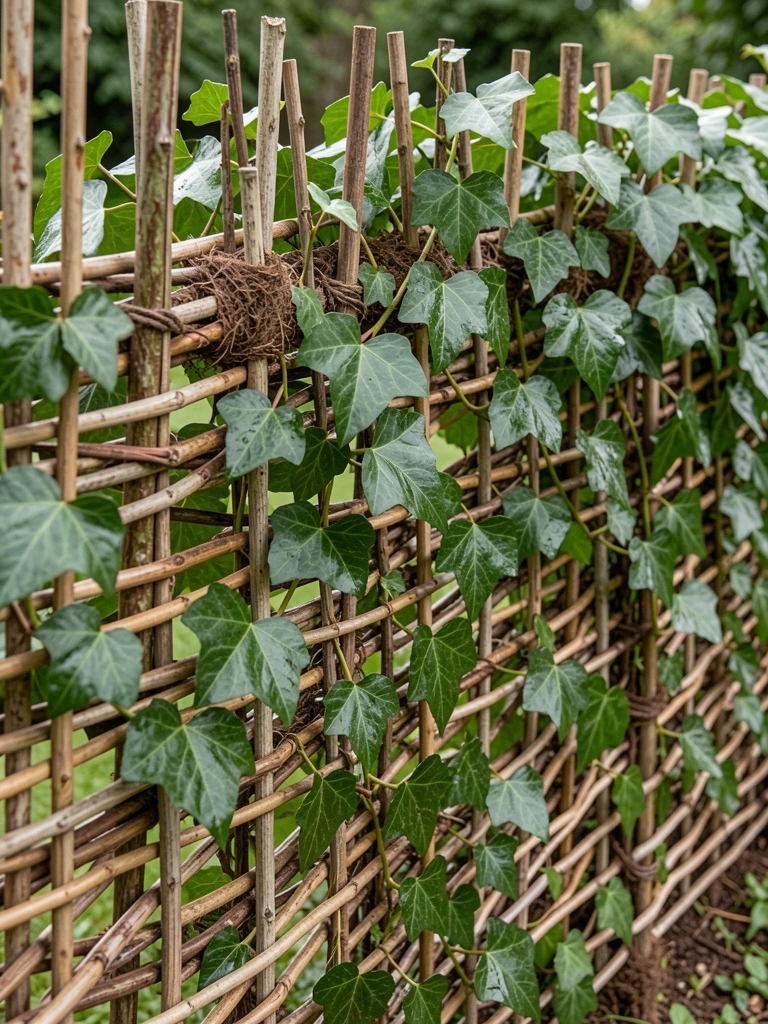
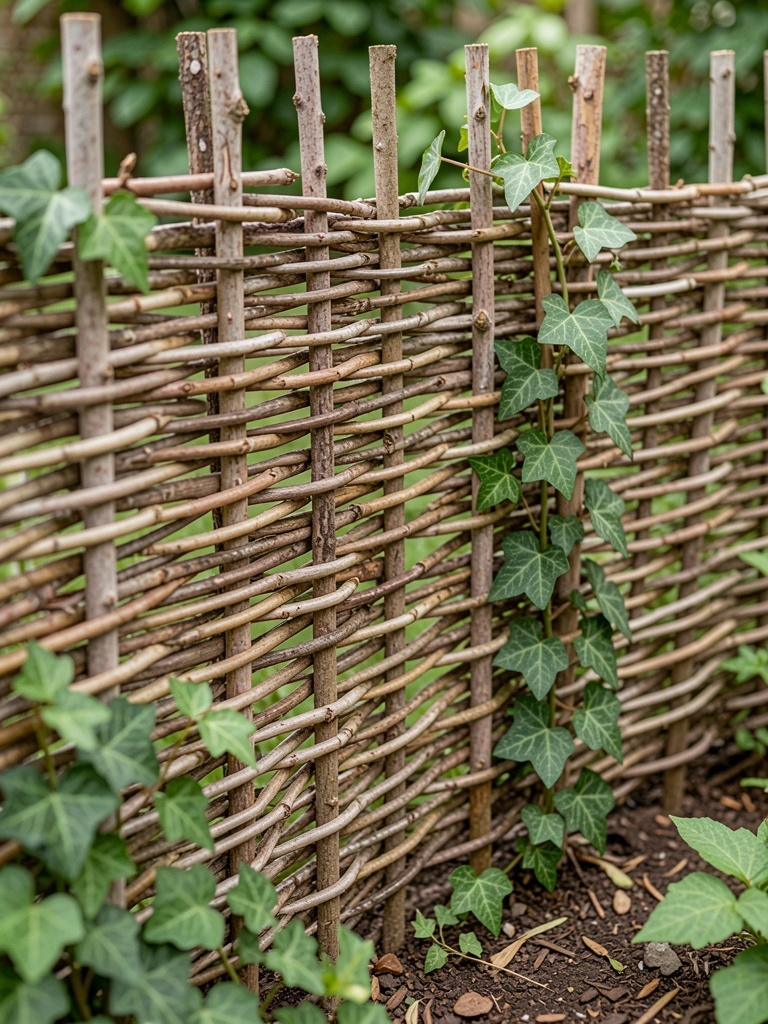
    Willow hurdles on posts, ivy 'Glacier' weaving through. Gaps fill quick.

    Natural curve softens lines. Ivy evergreen in mild spots.

    Hurdles sagged first; stronger posts fixed it.

    Rustic screen, wildlife friendly.

    What You’ll Need for This Look

    11. Container Laurels for Movable Screens
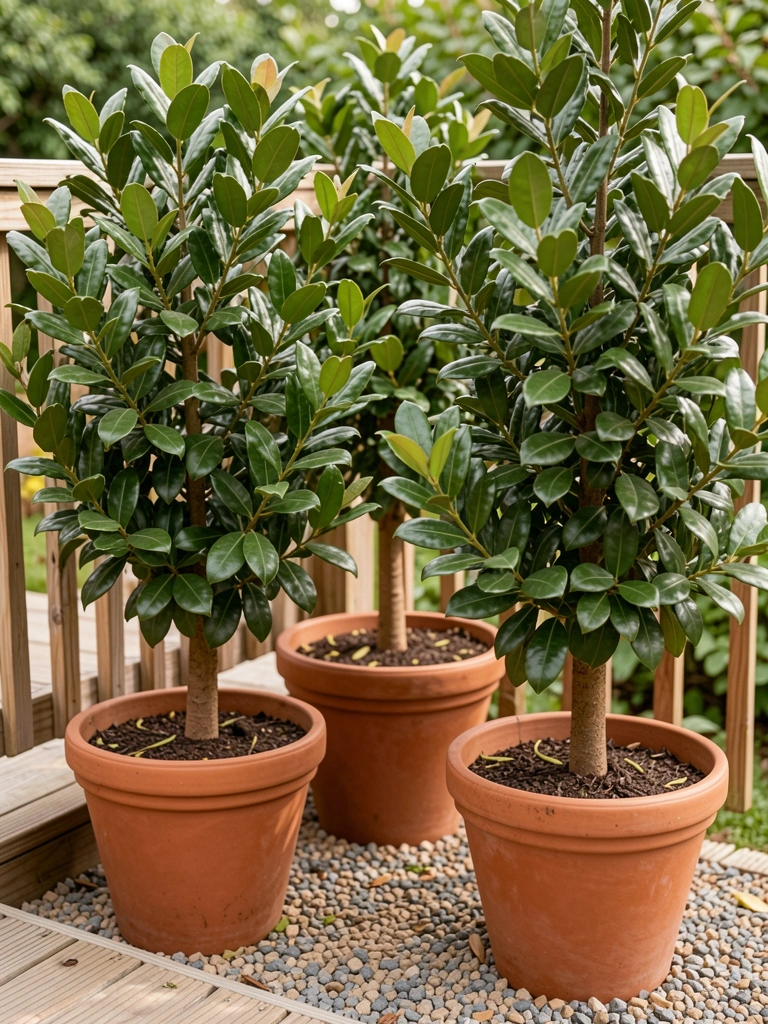
    Laurels in big pots wheel around my deck. Grow to 8 feet, reposition easy.

    Flexible privacy—move for sun. Fills pots dense.

    Forgot winter wrap once; leaves burned. Burlap now.

    Portable, no digging needed.

    What You’ll Need for This Look

    Final Thoughts

    Start with one idea that fits your spot. My garden built up over time—no rush.

    These screen without overwhelming. You'll feel that cozy shift soon.

    You've got this; dirt under nails proves it.
  • 10 Vertical Garden Privacy Ideas For Decks For Green Walls

    10 Vertical Garden Privacy Ideas For Decks For Green Walls

    I used to sit on my deck with coffee, waving at neighbors who waved back too much. No privacy, just open air. Then I hung some plants high and low. Suddenly, it felt like my own green room.

    Greens softened the edges. Birds came closer. I could breathe.

    Now my deck's a quiet spot. You can build this too—start small.

    10 Vertical Garden Privacy Ideas For Decks For Green Walls

    These 10 vertical garden privacy ideas for decks screen out the world while growing real plants. I've tried them all. Pick one, and your space changes fast.

    1. Layered Hanging Baskets That Block Views from Above

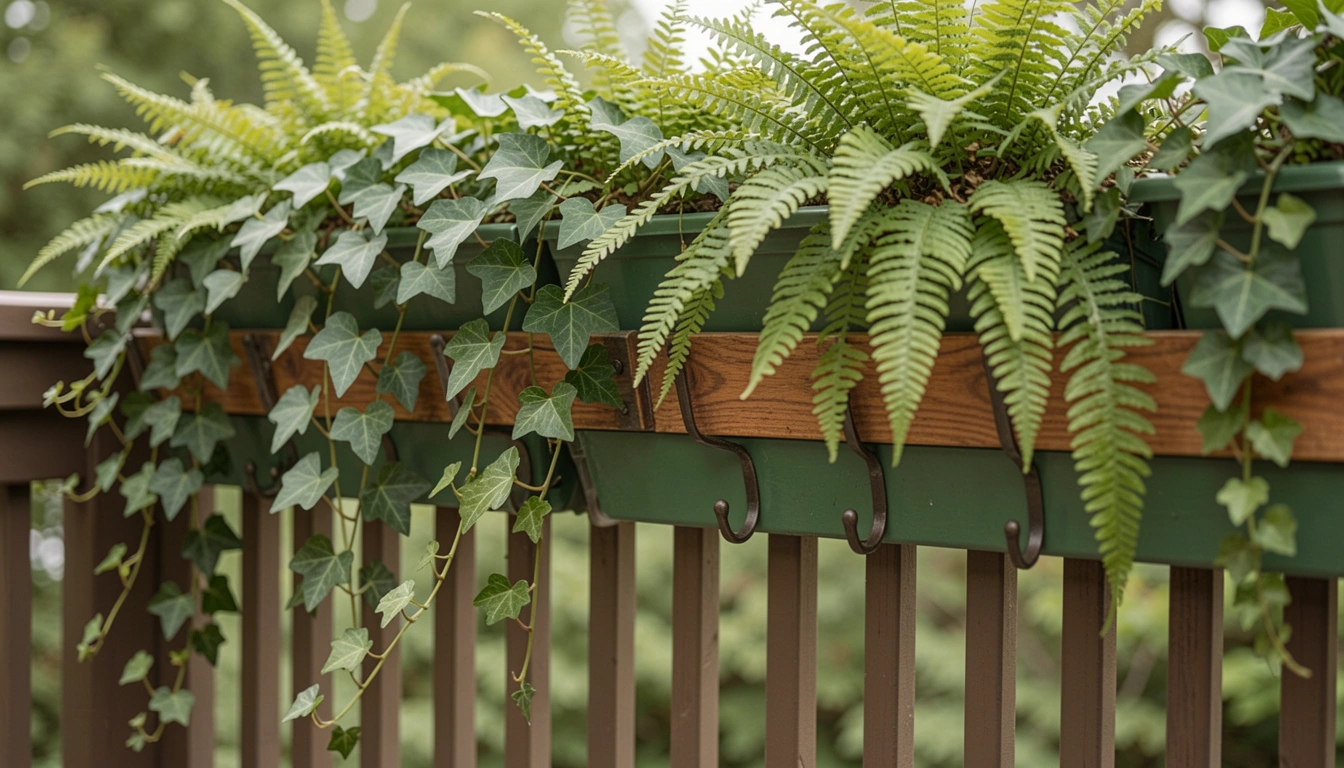
    I hung three baskets at different heights along my deck rail. Trailing ivy from the top one draped down, petunias spilling from the middle. The bottom held ferns that filled gaps.

    It blocked the upstairs neighbor's view first. Then the sides felt enclosed. Wind swayed them gently—no stiff screen feel.

    Watch the weight—mine tipped once until I added brackets. Space them 18 inches apart for full coverage.

    Feels cozy now, like sitting in a treehouse.

    What You’ll Need for This Look

    Wire hanging baskets (10 inch)

    Deck railing brackets, black metal

    Trailing ivy plants

    2. Trellis Panels with Climbing Vines for Full Coverage

    I screwed trellis panels to my deck posts last spring. Clematis took off fast, twisting up the lattice. Honeysuckle joined for scent.

    Views vanished behind green waves. Bees hummed through, but no eyes peering in. Better than a fence—it breathes.

    I picked the wrong spot first; too shady, slow growth. Move to sun, and it thickens in months.

    Now it's my favorite backrest.

    What You’ll Need for This Look

    Wooden trellis panels (4×8 foot)

    Deck screws, galvanized

    Clematis vine starters

    3. Pocket Planters Stuffed with Ferns for Soft Screening

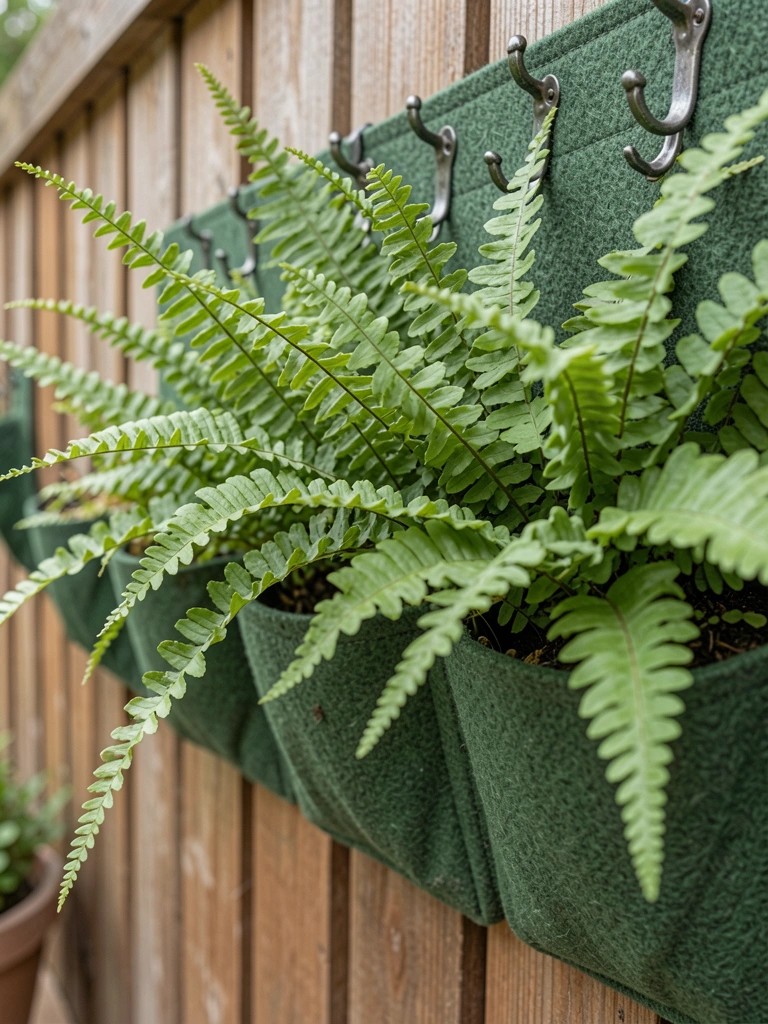
    Fabric pockets nailed to my deck fence hold ferns tight. Boston ferns fluff out, overlapping for no-see-through coverage.

    They softened harsh fence lines. Morning light filters green, not glaring. Deck feels deeper.

    Overwatered once—roots rotted. Now I check soil weekly, finger-deep dry.

    Quiet, feathery privacy that sways.

    What You’ll Need for This Look

    Vertical garden pocket planters (large, felt)

    Heavy duty wall hooks

    Boston fern plants

    4. Modular Stackable Planters for Corner Privacy

    Stacked modular planters in my deck corner rose five high. Grasses like fountain grass swayed, hiding the side yard.

    It carved out a private nook. Coffee tastes better there. No assembly headaches.

    They leaned until braced. Add stakes behind.

    Simple height without digging.

    What You’ll Need for This Look

    Stackable vertical planters (modular, gray)

    Metal stakes for support

    Fountain grass plugs

    5. Ladder Leaners with Potted Climbers for Rustic Block

    An old ladder leaned against my deck rail, pots of pothos climbing rungs. Vines spilled everywhere.

    Blocked the direct line from next door. Rustic look warmed the wood deck.

    Painted it first—wrong color faded. Leave weathered.

    Easy to shift if needed.

    What You’ll Need for This Look

    A-frame wooden ladder (6 foot)

    Plastic self-watering pots (8 inch)

    Pothos vine plants

    6. Bamboo Roll-Ups with Trailing Succulents

    Rolled bamboo screens clipped to rails, succulents like string of pearls dangling through gaps.

    Light peeks but views stay out. Textures mix—rough bamboo, soft trails.

    Slipped down in wind once. Zip ties fixed it.

    Dry loving, low fuss.

    What You’ll Need for This Look

    Bamboo privacy screens (6×8 foot)

    Wire clips for screens

    String of pearls succulents

    7. Pallet Herb Walls for Edible Screening

    A pallet stapled flat to the deck side, lined with fabric, stuffed with basil and mint.

    Herbs grew thick, pinching for dinner. Privacy plus fresh picks.

    Too much sun burned edges first. Partial shade spot now.

    Smells amazing out there.

    What You’ll Need for This Look

    Wood pallet (recycled style)

    Landscape fabric rolls

    Basil and mint starter plants

    8. Wire Grid Frames with Ivy Mats

    Chicken wire grids stretched on wood frames, ivy planted at bottoms weaving up.

    Dense mat in a season. Deck felt wrapped in forest.

    Overgrew and tangled—trim yearly.

    Evergreen hold.

    What You’ll Need for This Look

    Chicken wire rolls (3 foot)

    Wood frame kits

    English ivy cuttings

    9. Rail-Mounted Tube Planters for Slender Lines

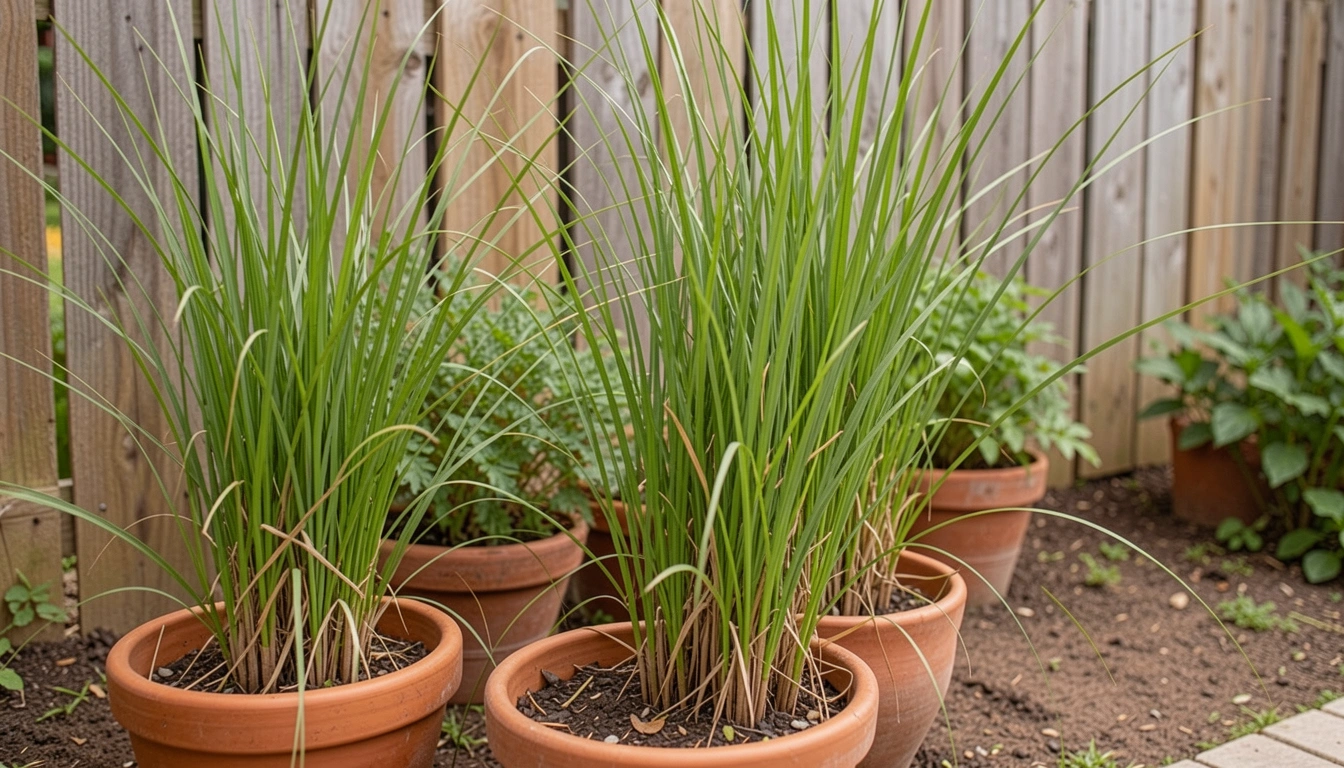
    PVC tubes capped and mounted on rails, lemongrass poking out tops.

    Slim profile screens without bulk. Airy but private.

    Leaked at first—seal ends well.

    Narrow decks love this.

    What You’ll Need for This Look

    PVC pipes (4 inch diameter, 3 foot)

    End caps for PVC

    Lemongrass plants

    10. Living Wall Kits with Mixed Foliage

    A plug-in living wall kit velcroed to deck beams. Heuchera and sedum mix for color.

    Full wall fast, low water. Deck nook private now.

    Plugs dried out early—mist daily first week.

    Set and grow.

    What You’ll Need for This Look

    Vertical living wall kits (modular)

    Velcro strips heavy duty

    Heuchera and sedum plugs

    Final Thoughts

    Start with one idea that fits your deck's light and size. Mine grew over years—no rush.

    Watch what thrives where you live. Adjust as it goes.

    You'll have that green privacy soon. Enjoy the quiet.

  • 23 Garden Door Privacy Ideas For Entry Protection

    23 Garden Door Privacy Ideas For Entry Protection

    I remember staring out my back door one summer evening, feeling like the whole street could watch us eat dinner. That exposed feeling hit hard. I started small, grabbing pots from the garage, and layered in some tough plants. Over time, it blocked the view and made the space ours. No fancy design—just what grew and felt right.

    Now that door welcomes us home without eyes on it.

    23 Garden Door Privacy Ideas For Entry Protection

    Here are 23 garden door privacy ideas pulled from my own yard and neighbors' fixes. These 23 ideas screen your entry simply. Pick one, start small—you'll feel more at home right away.

    1. Tall Potted Bamboo for Quick Green Walls

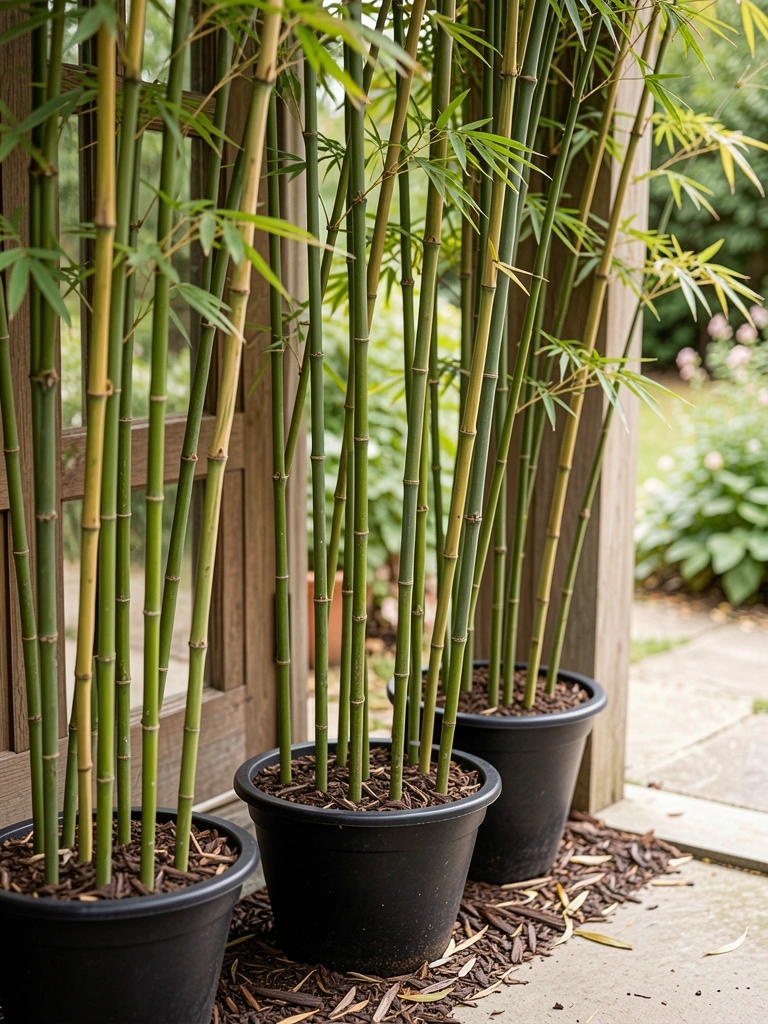
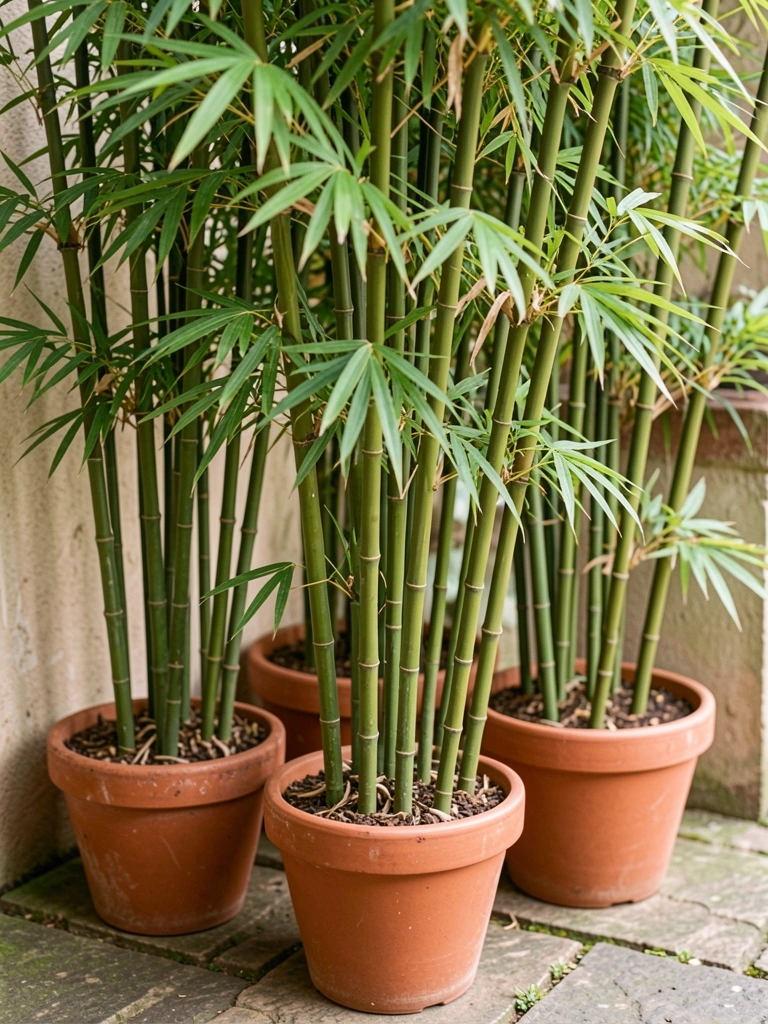
    I planted clumping bamboo in big pots right by my patio door last spring. It shot up fast, over six feet, turning the entry into a private nook. The canes sway gently, rustling in the breeze, and block sightlines without crowding the path.

    What changed was that instant coziness—no more peeking neighbors. I love how the leaves filter light, keeping it cool inside.

    Watch the pots' weight; I tipped one over early by not anchoring. Cluster three pots staggered for fuller cover.

    What You’ll Need for This Look

    2. Climbing Roses on a Simple Arched Trellis

    My side garden door needed cover, so I set up a cheap arched trellis and trained New Dawn roses up it. Blooms came summer after summer, thick foliage hiding the door completely by fall.

    It feels romantic but tough—the thorns keep critters away too. The scent hits you walking in.

    I bought the wrong trellis first, too flimsy; it bent. Pick metal or sturdy wood, tie loosely.

    What You’ll Need for This Look

    3. Layered Ornamental Grasses in a Row

    I lined my entry door with miscanthus and switchgrass in a staggered row. They grew to five feet, waving softly, turning the path into a private tunnel.

    The movement draws your eye up, away from the door. Feels wild yet contained.

    Planted too close once; they flopped. Space 18 inches apart, cut back yearly.

    What You’ll Need for This Look

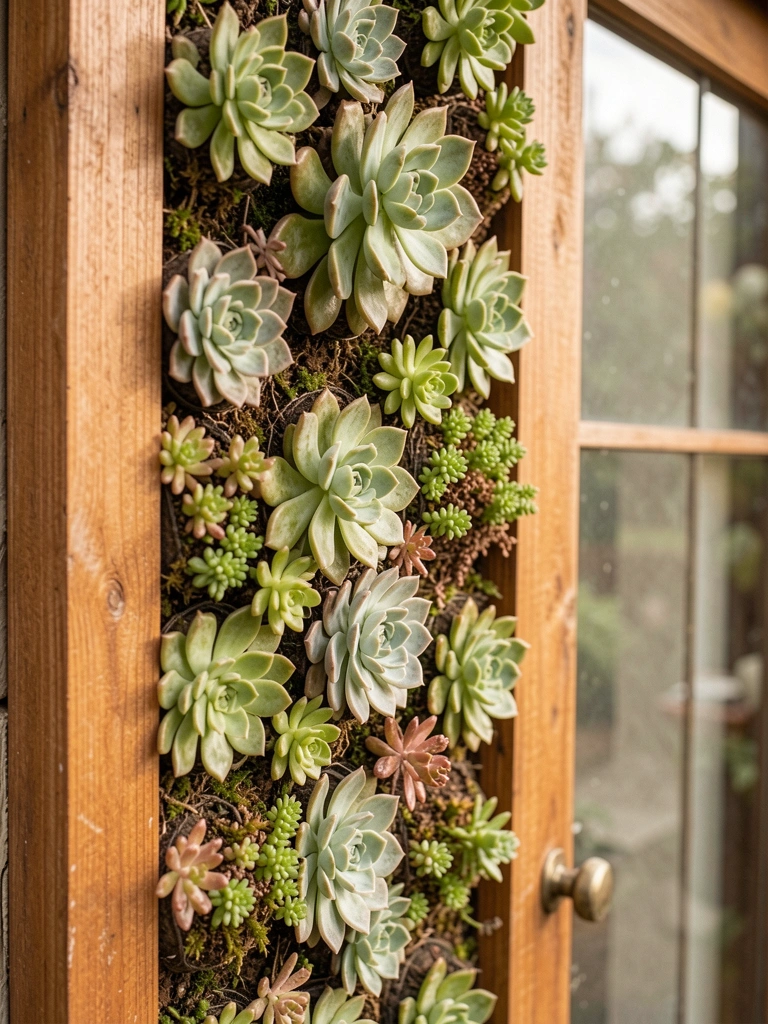
    4. Vertical Succulent Wall on a Frame

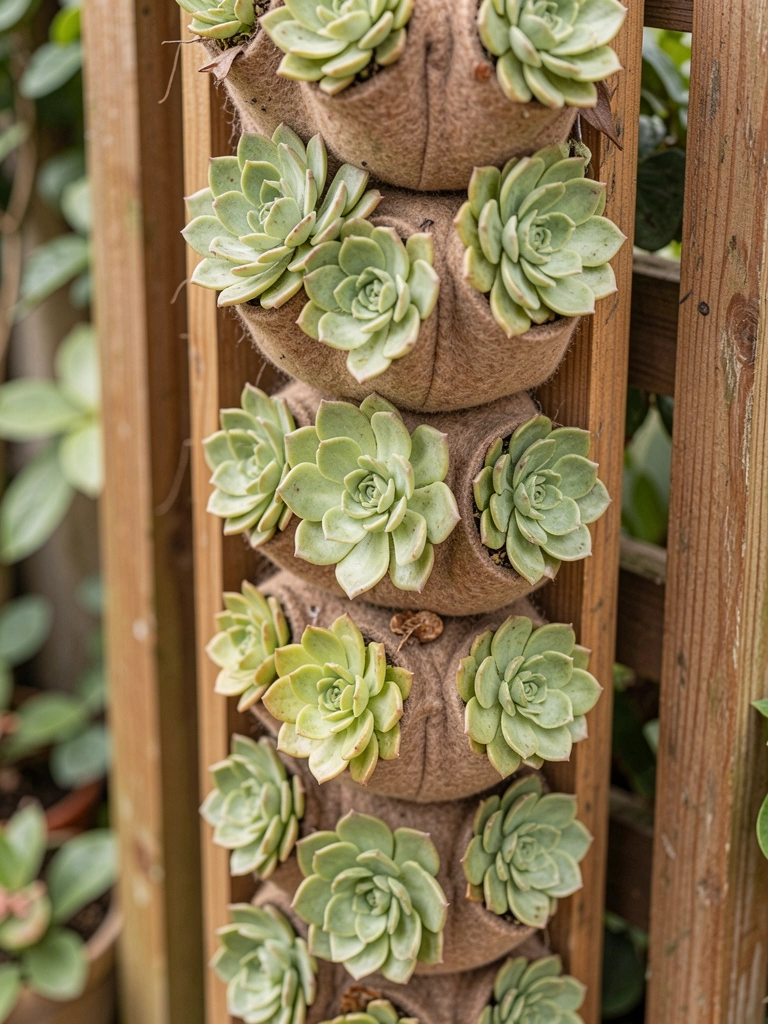
    Hung a pocket frame of succulents next to my back door. Low-water types filled it out, creating a textured green wall that hides the knob and lock.

    It's dry and colorful year-round, pulls heat off the door too.

    Forgot drainage first; rotted some. Line pockets with mesh.

    What You’ll Need for This Look

    5. Dark-Painted Privacy Lattice with Vines

    Painted lattice panels black and propped by the door, letting English ivy climb. Fills gaps quick, blends into shadows for total screen.

    Feels modern and hidden. Vines soften the edges.

    Paint peeled once from cheap wood. Use exterior stain.

    What You’ll Need for This Look

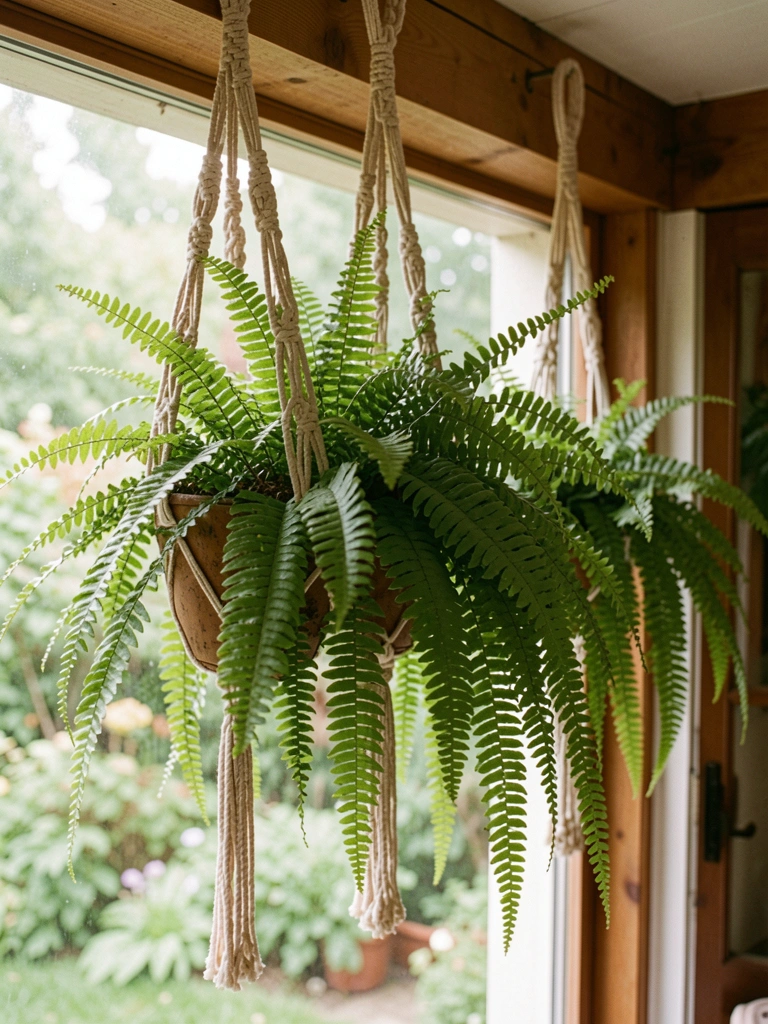
    6. Hanging Boston Fern Baskets in Clusters

    Suspended fern baskets from the door overhang. Lush fronds drape down, blocking side views completely.

    Shady spot thrives them; feels tropical and cool.

    Watered too much early; yellowed. Mist daily instead.

    What You’ll Need for This Look

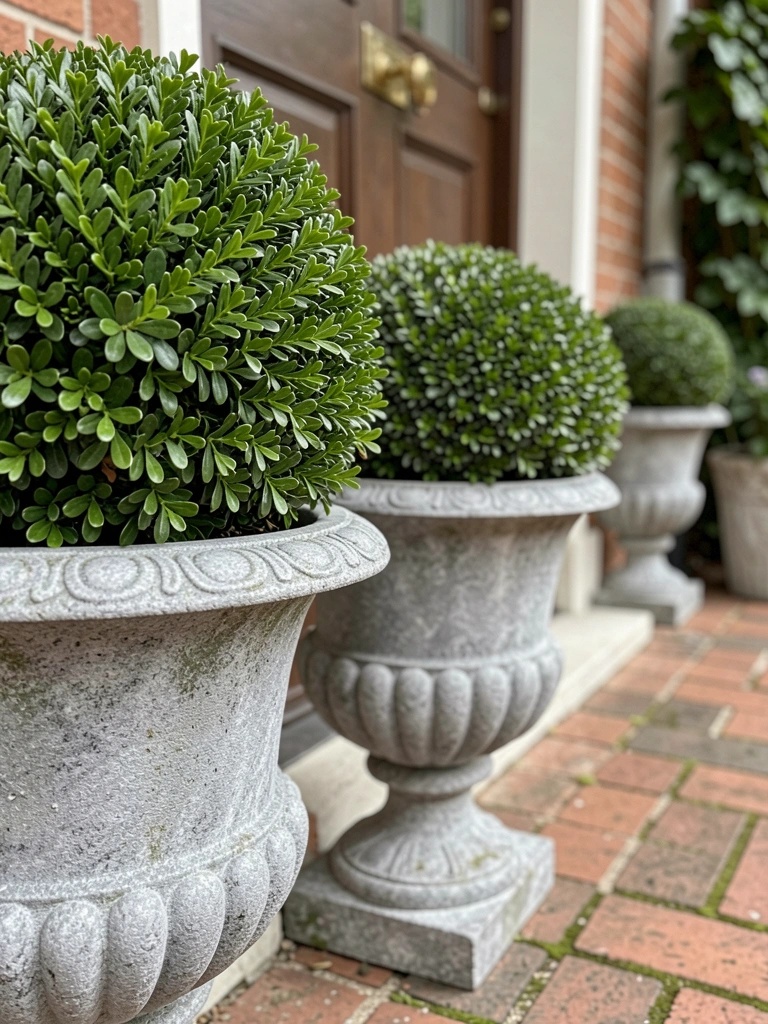
    7. Boxwood Topiaries in Stone Urns

    Flanked the door with boxwood balls in urns. Evergreen shape stays neat, screens four feet high.

    Classic and low fuss. Shapes frame the entry nicely.

    Sheared too hard once; sparse regrowth. Trim lightly.

    What You’ll Need for This Look

    8. Willow Hurdle Fencing Panels

    Set willow panels between posts by the door. Natural weave blocks views, weathers to soft gray.

    Rustic warmth, easy swap out.

    Posts rotted fast; use treated metal.

    What You’ll Need for This Look

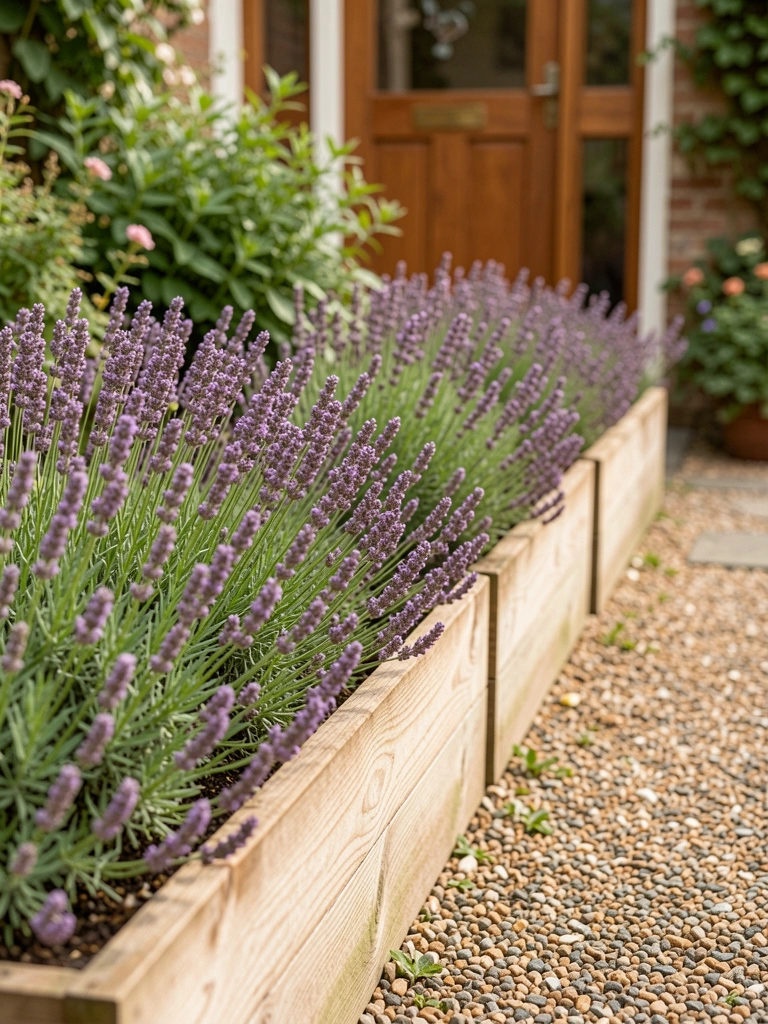
    9. Lavender in Raised Beds Along the Path

    Built low raised beds of lavender edging the door path. Spikes grow dense, fragrant screen to waist height.

    Smells amazing entering, bees love it.

    Planted in clay soil first; struggled. Amend with sand.

    What You’ll Need for This Look

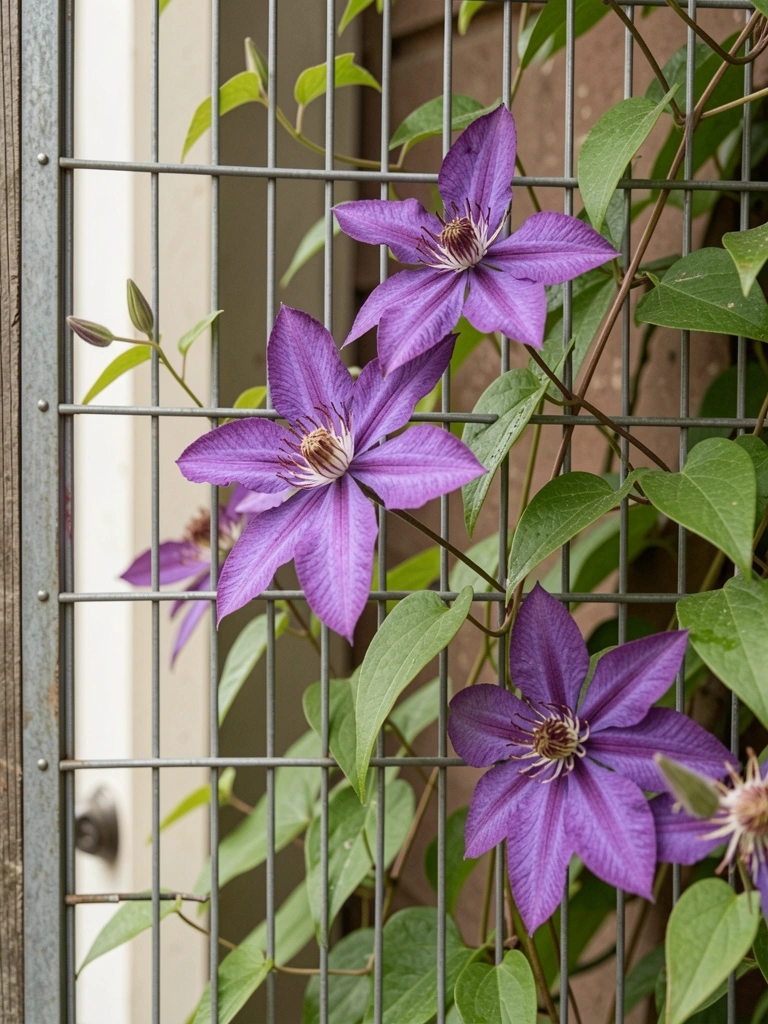
    10. Clematis Vines on Wire Mesh Fence

    Attached wire mesh to posts, planted clematis at base. Blooms explode summer, full cover hides door.

    Vibrant color shift yearly.

    Mesh rusted; galvanized next time.

    What You’ll Need for This Look

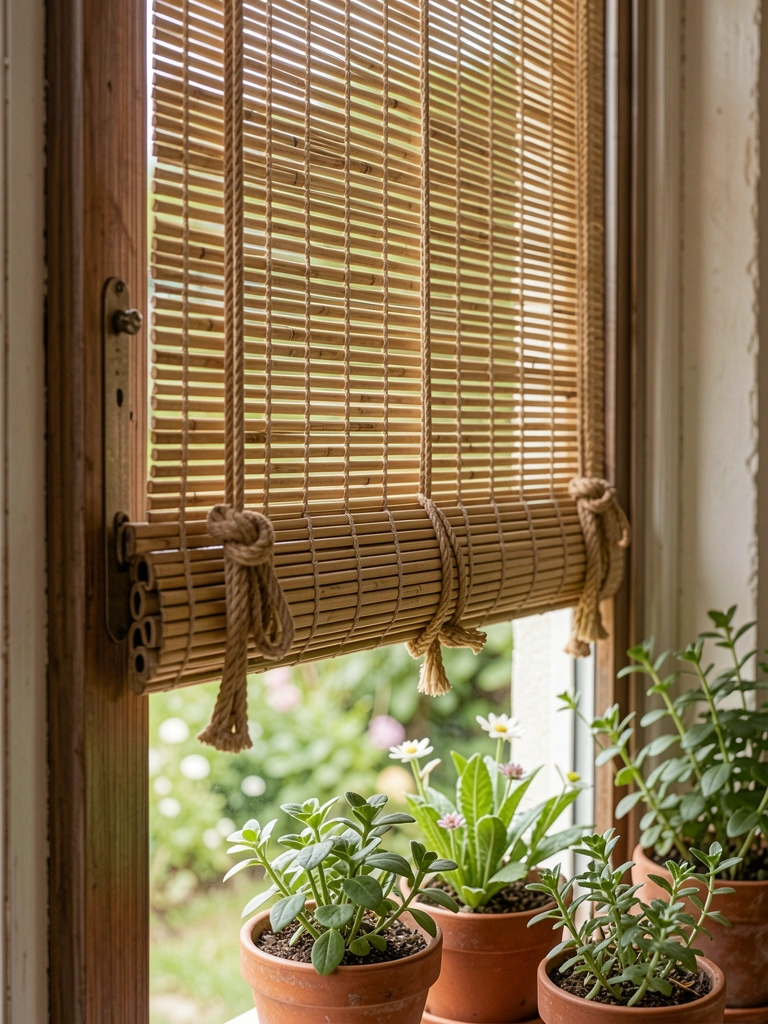
    11. Roll-Down Bamboo Roller Shades

    Mounted bamboo shades on the door frame. Roll up for air, down for privacy—light filters through.

    Simple control, beachy feel.

    Cords tangled; add stops.

    What You’ll Need for This Look

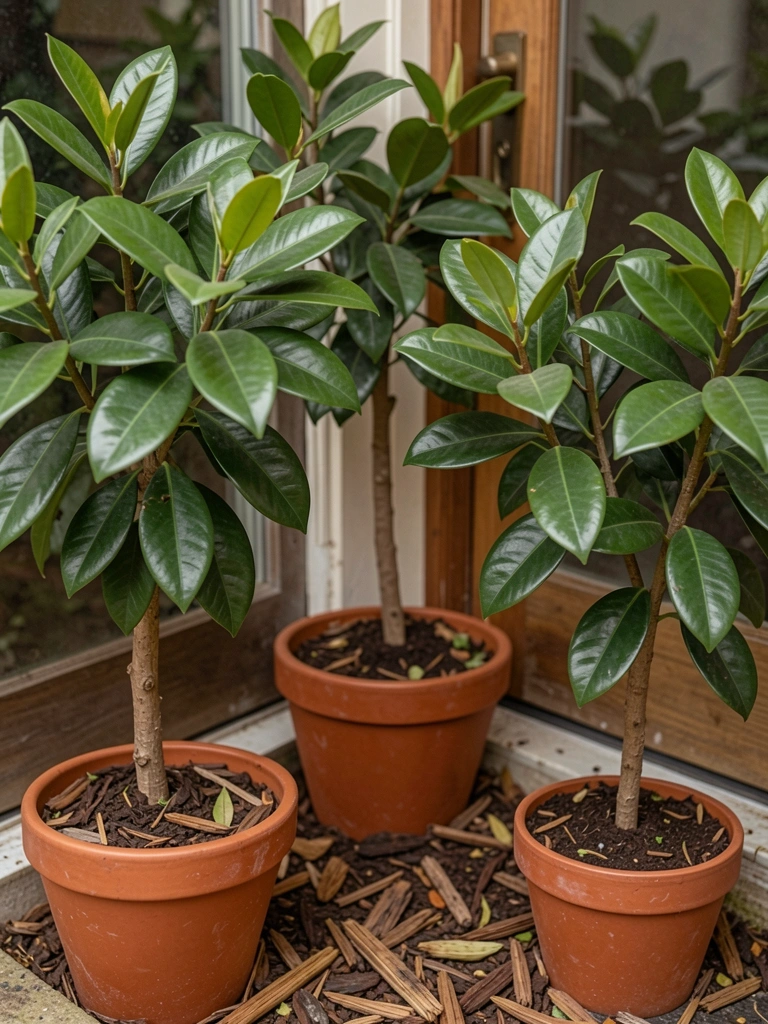
    12. Potted Dwarf Ficus Trees in Corners

    Placed ficus in corners by the door. Dense branches screen from angles, indoors-out feel.

    Thrives partial shade.

    Overwatered leaves dropped. Let dry between.

    What You’ll Need for This Look

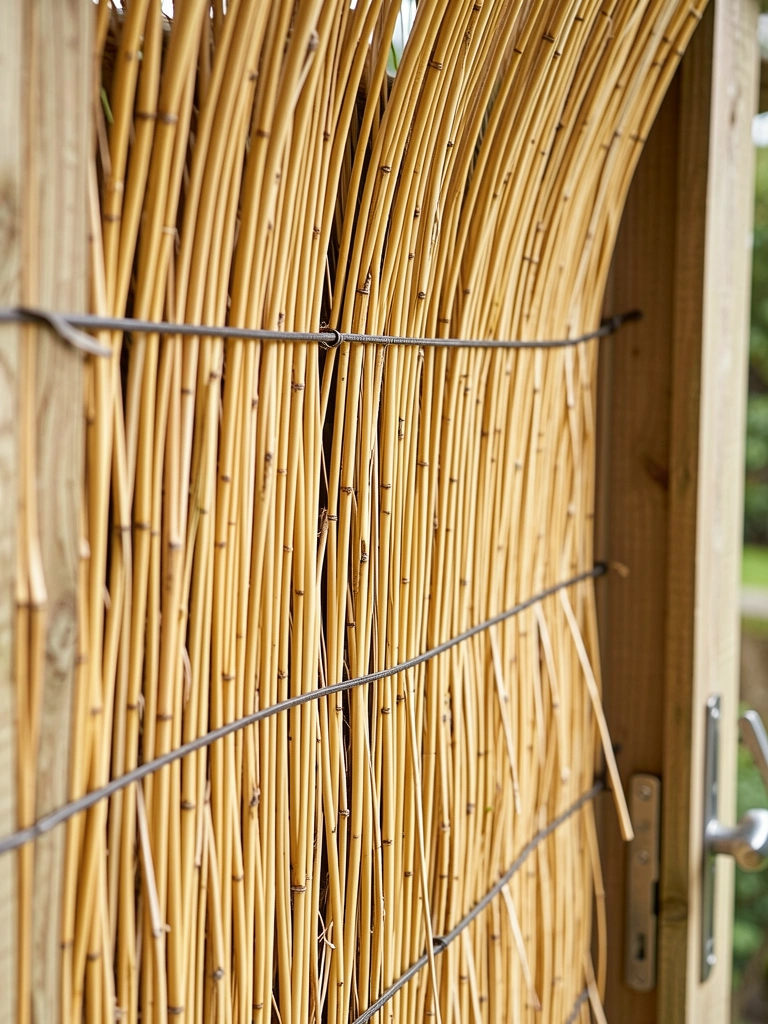
    13. Thatch Reed Screening Rolls

    Rolled reed mats onto a frame. Tropical look, full block, wind-resistant.

    Faded fast in sun; partial shade best.

    What You’ll Need for This Look

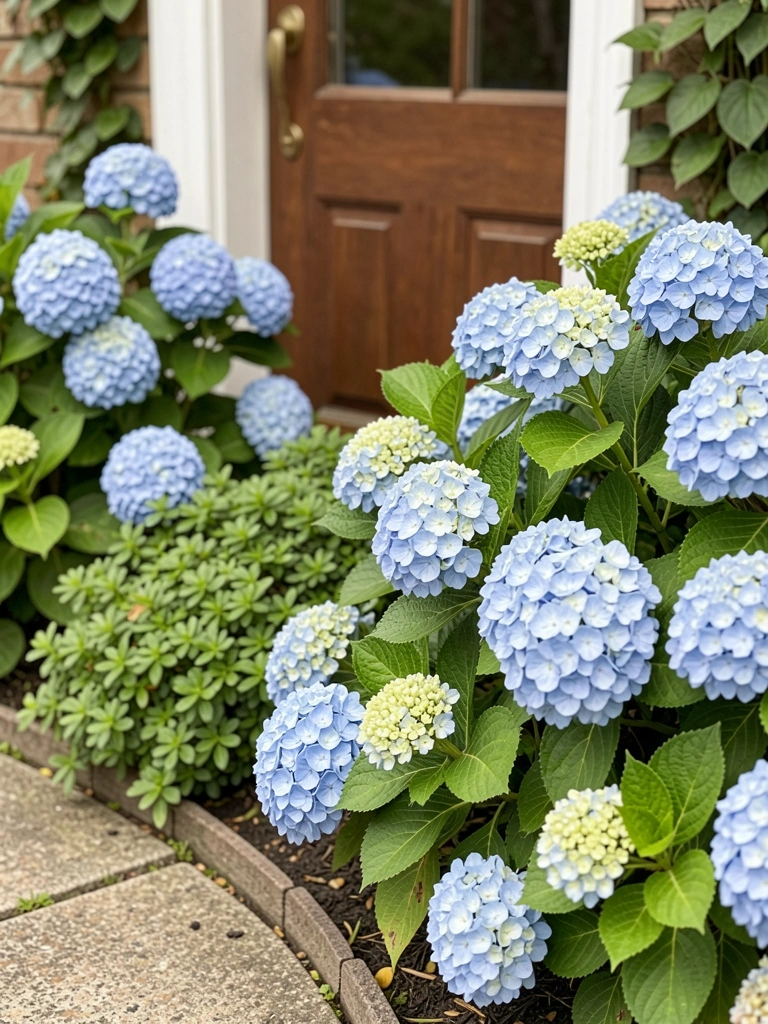
    14. Hydrangea Bushes in a Curved Border

    Curved border of endless summer hydrangeas. Big blooms hide door, color changes soil pH fun.

    Moist shade loves them.

    Planted dry spot; wilted. Mulch heavy.

    What You’ll Need for This Look

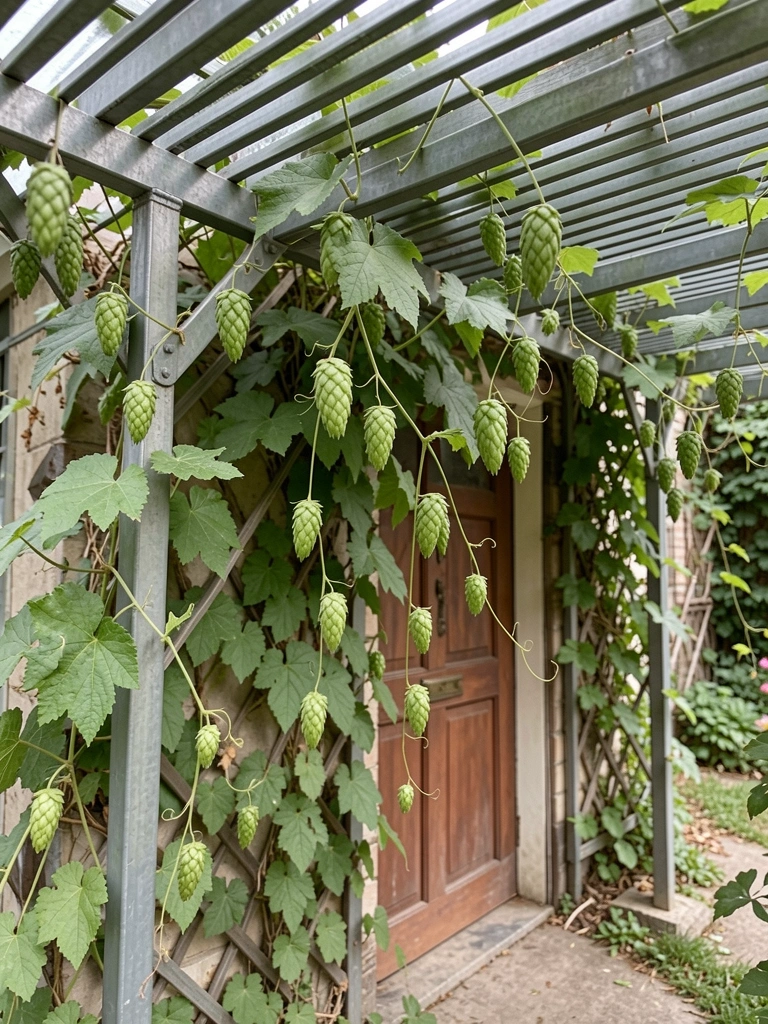
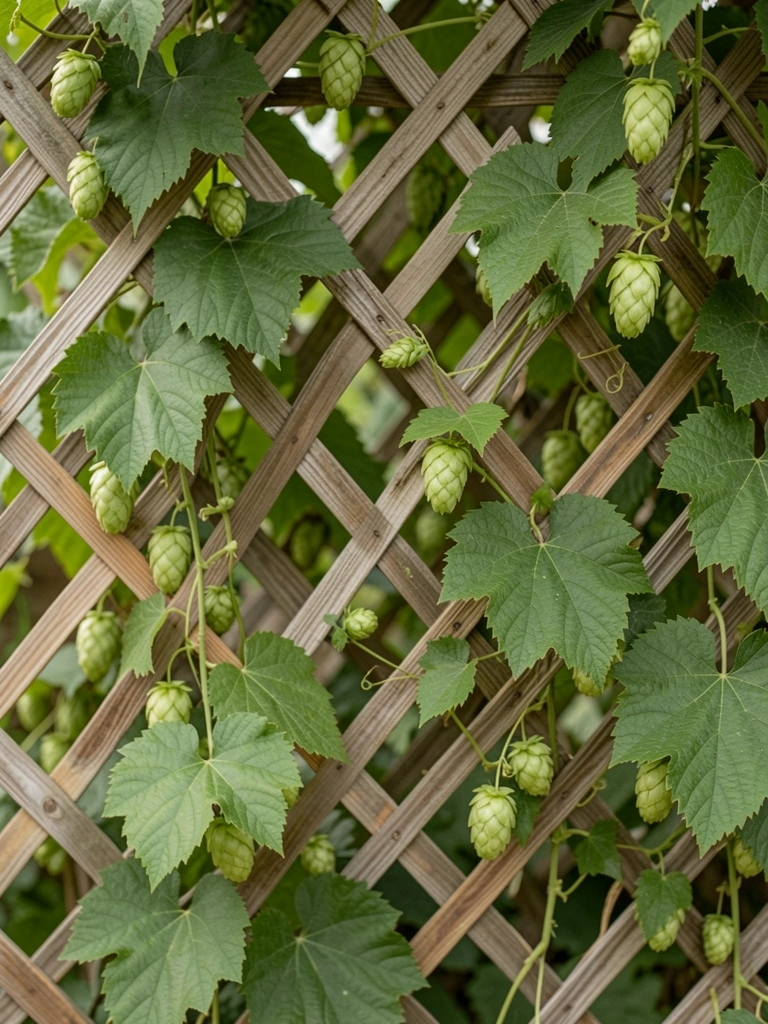
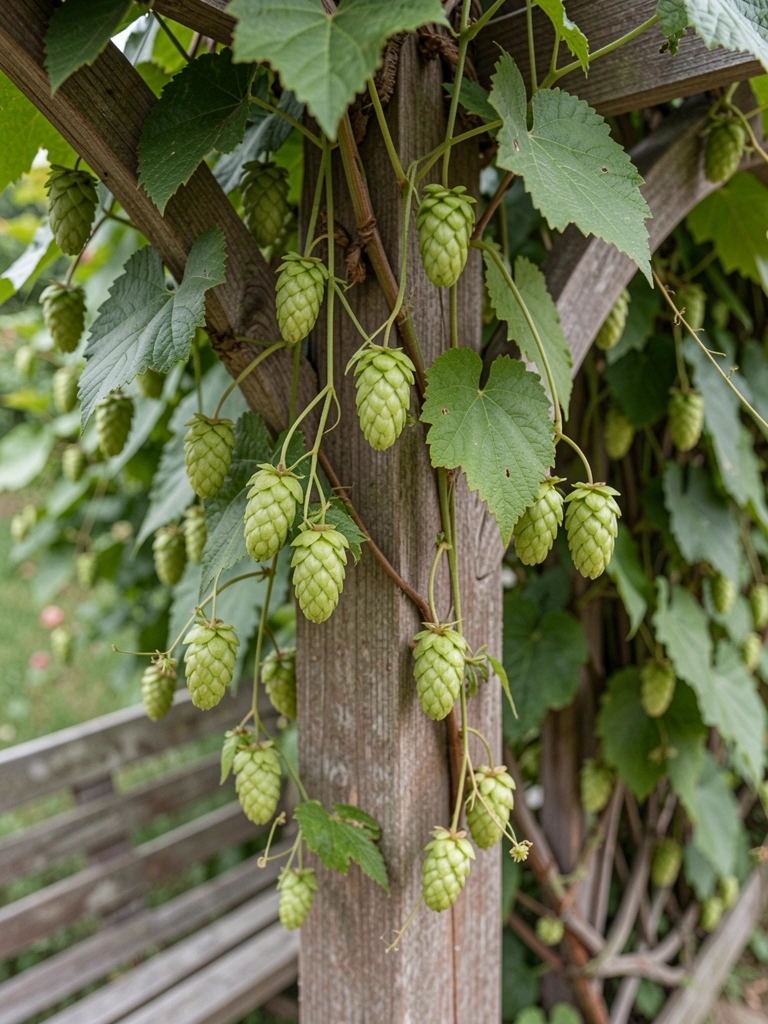
    15. Metal Pergola Draped in Hops

    Small pergola over door, hops climbing top. Vines thicken roof, shade and screen.

    Edible bonus, fast grower.

    Hops spread wild; contain roots.

    What You’ll Need for This Look

    16. Canvas Drop Cloth Curtains on Rods

    Hung drop cloths on a rod across door opening. Tie back days, close nights—soft barrier.

    Washes easy, cottage simple.

    Faded color; natural best.

    What You’ll Need for This Look

    17. Recycled Pallet Vertical Planter

    Leaned pallet planter on door wall, stuffed with trailers. Greenery cascades, covers view.

    Upcycled cheap, herbs bonus.

    Soil spilled early; staple landscape fabric.

    What You’ll Need for This Look

    18. Espaliered Apple Trees on Wires

    Wired espalier apples flat to fence by door. Branches fan out, fruit screens.

    Harvest right there.

    Pruned wrong; bare spots. Follow fan pattern.

    What You’ll Need for This Look

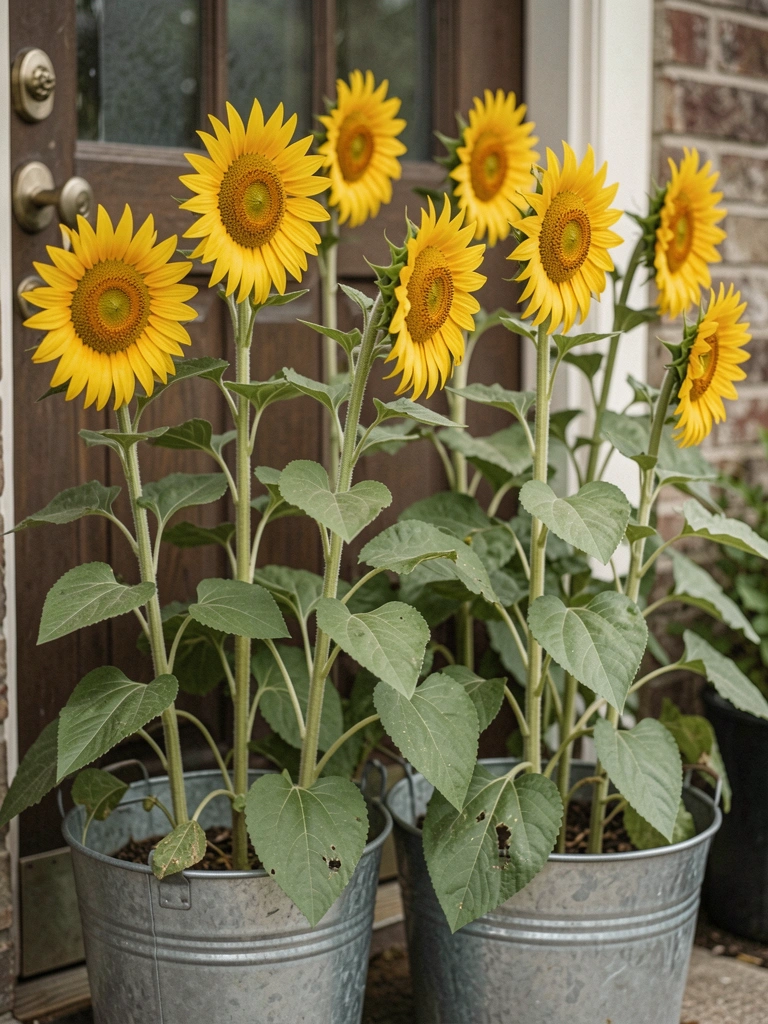
    19. Tall Annual Sunflowers in Buckets

    Planted sunflowers in old buckets yearly. Heads turn to block sun and views.

    Cheerful seasonal wall.

    Birds ate seeds; net tops.

    What You’ll Need for This Look

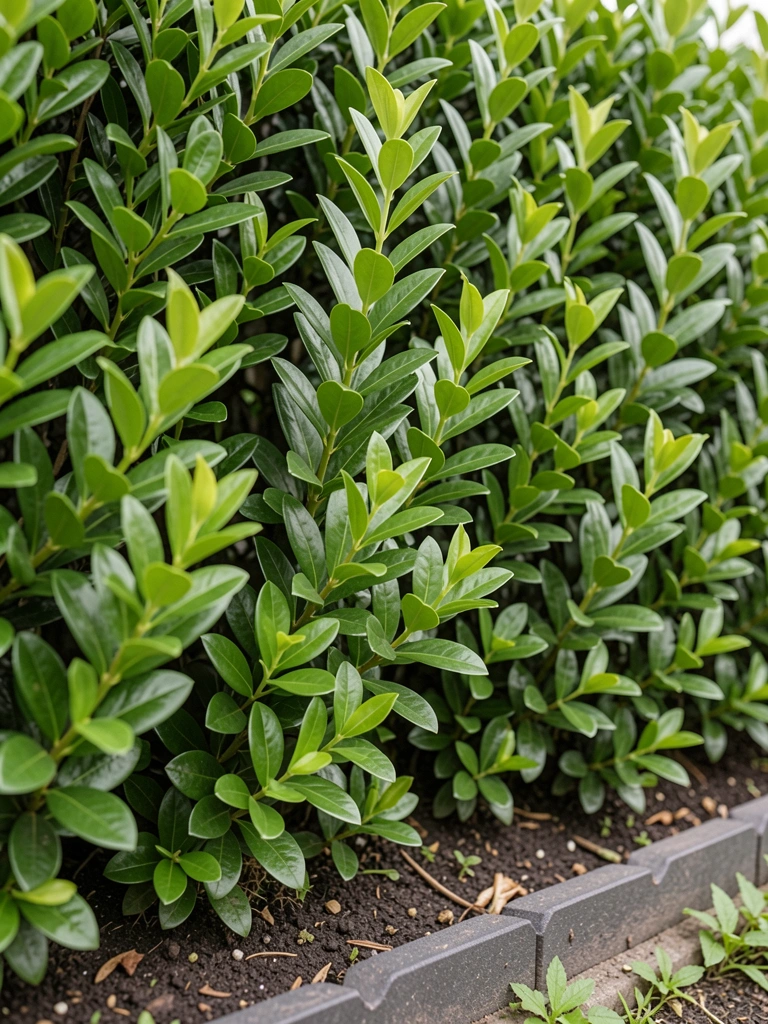
    20. Pot-Grown Arborvitae in a Line

    Lined door with potted arborvitae. Tight feathers make solid hedge, movable.

    Winter green holds.

    Wind dried tips; shelter side.

    What You’ll Need for This Look

    21. Mixed Evergreen Container Cluster

    Clustered junipers and yews in pots. Varied heights fill gaps, all-season cover.

    Textured interest.

    Mismatched watering; group similar.

    What You’ll Need for This Look

    22. Fern and Hostas Under Solar Lights

    Planted ferns and hostas low, topped with solar stakes. Plants screen, lights add depth illusion.

    Night privacy glows gentle.

    Lights dimmed dirty; clean monthly.

    What You’ll Need for This Look

    23. Curved Lilac Branches in Vases

    For spring, cut lilac branches in vases along door. Tall arcs block view, scent strong.

    Seasonal swap easy.

    Wilted fast; recut stems daily.

    What You’ll Need for This Look

    Final Thoughts

    Start with one idea that fits your space—no need for all 23. I've seen small changes make the biggest difference in feeling settled.

    Your door will feel protected soon. Grab a pot or panel, plant it in. You've got this.

  • 17 Backyard Garden Privacy Ideas For Outdoor Comfort

    17 Backyard Garden Privacy Ideas For Outdoor Comfort

    I remember the first summer in my backyard. Neighbors chatting over the fence, kids' toys flying over. Felt wide open, not restful. I started small, planting grasses that swayed just right. Now it's my quiet spot. You can build that too – no big budget, just smart layers.

    One fence tweak at a time changed everything. Made me breathe easier outdoors.

    These ideas come from my dirt-stained hands.

    17 Backyard Garden Privacy Ideas For Outdoor Comfort

    Here are 17 backyard garden privacy ideas I've used or watched grow in real yards. They block views without fuss. Pick what fits your space – you'll feel that cozy shift fast.

    1. Tall Grasses Layered Along the Fence Line

    I planted miscanthus along my back fence three years back. It sways in the wind, softens the whole yard. Neighbors faded out, but light still filters through. Feels open yet private, like a natural curtain.

    Started too close to the fence once – crowded it. Now I space them 2 feet out. Grows 6 feet tall fast, no trimming needed much.

    Watch sun patterns; full sun spots bulk them up best. In my garden, it cut noise too.

    What You’ll Need for This Look

    2. Climbing Vines on a Freestanding Trellis

    Clematis took over my old trellis last spring. Set it midway in the yard, views blocked from the side. Flowers pop pink, bees hum around – alive and private.

    Bought a cheap one first; wobbled. Anchored with stakes now. Vines knit tight by summer's end.

    Position for air flow – mine gets morning sun, stays healthy. Yard feels deeper, more mine.

    What You’ll Need for This Look

    3. Potted Bamboo Clusters for Quick Height

    Clumping bamboo in pots lines my patio edge. Hits 8 feet, rustles softly. Moved them around till perfect – flexible privacy.

    Chose running type once; invasive mess. Stick to clumping now. Roots stay put.

    Group three pots tight for density. Waters easy, feels tropical calm.

    What You’ll Need for This Look

    4. Fast-Growing Shrubs in a Mixed Hedge

    Privet and viburnum mix makes my side hedge. Filled in under two years, berries for birds. Blocks street view clean.

    Planted singles first; sparse. Now stagger heights for full cover.

    Prune once spring – shapes nice. Yard quiets down, cozy pocket forms.

    What You’ll Need for This Look

    5. Vertical Planters Stacked for Wall Effect

    Stacked planters on my shed wall spill ivy down. Covers 6 feet high, hides tools too. Green wall vibe, easy reach for herbs.

    Overwatered at first; roots rotted. Now check soil dry. Thrives in partial shade.

    Screw secure – wind test first. Feels like a room divider.

    What You’ll Need for This Look

    6. Arbor with Dense Vine Coverage

    My grape arbor frames the seating area. Vines leaf out full by June, shades and screens. Grapes sweet bonus.

    Picked weak wood once; sagged. Metal now holds heavy growth.

    Train vines side to side. Creates hidden nook feel.

    What You’ll Need for This Look

    7. Fence-Top Planters with Trailing Plants

    Long planters atop my chain-link spill petunias. Softens metal, adds 2 feet height. Flowers bloom nonstop.

    Light pots first; tipped. Weighted bottoms fix that.

    Sun lovers here – colors pop. Patio feels enclosed gentle.

    What You’ll Need for This Look

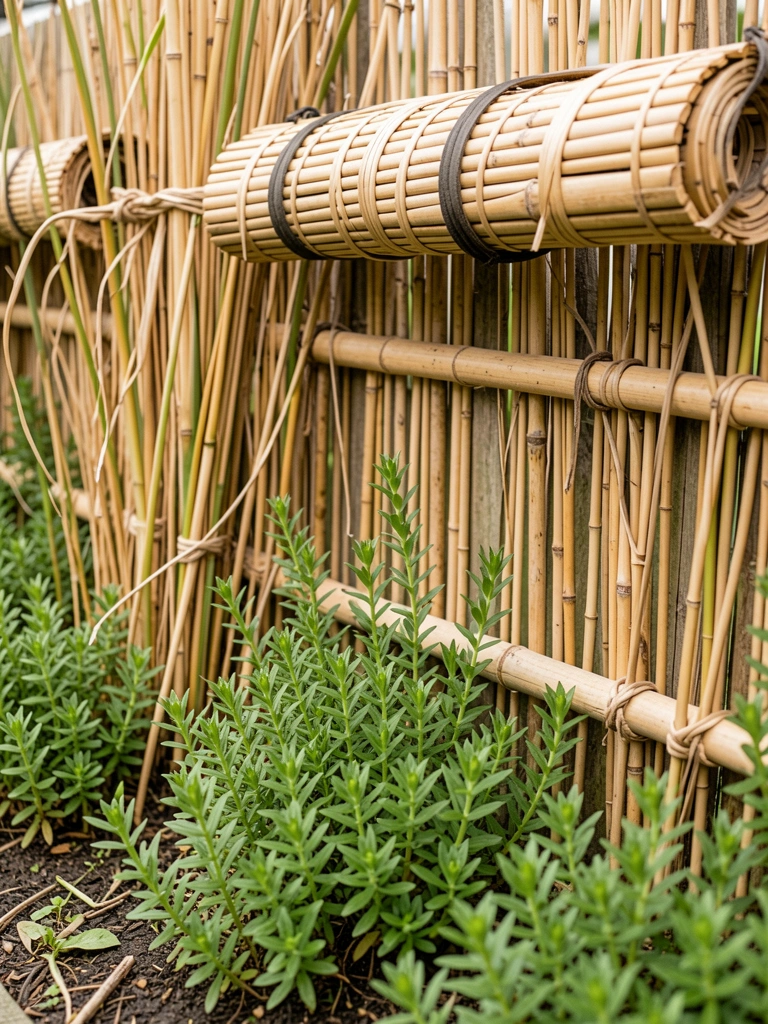
    8. Woven Bamboo Rolls Behind Low Plants

    Bamboo rolls zip-tied to my fence, lavender in front. 6 feet coverage quick, smells good up close.

    Stretched tight wrong; gaps. Overlap seams now.

    Low maintenance – yard breathes easier, private lounge spot.

    What You’ll Need for This Look

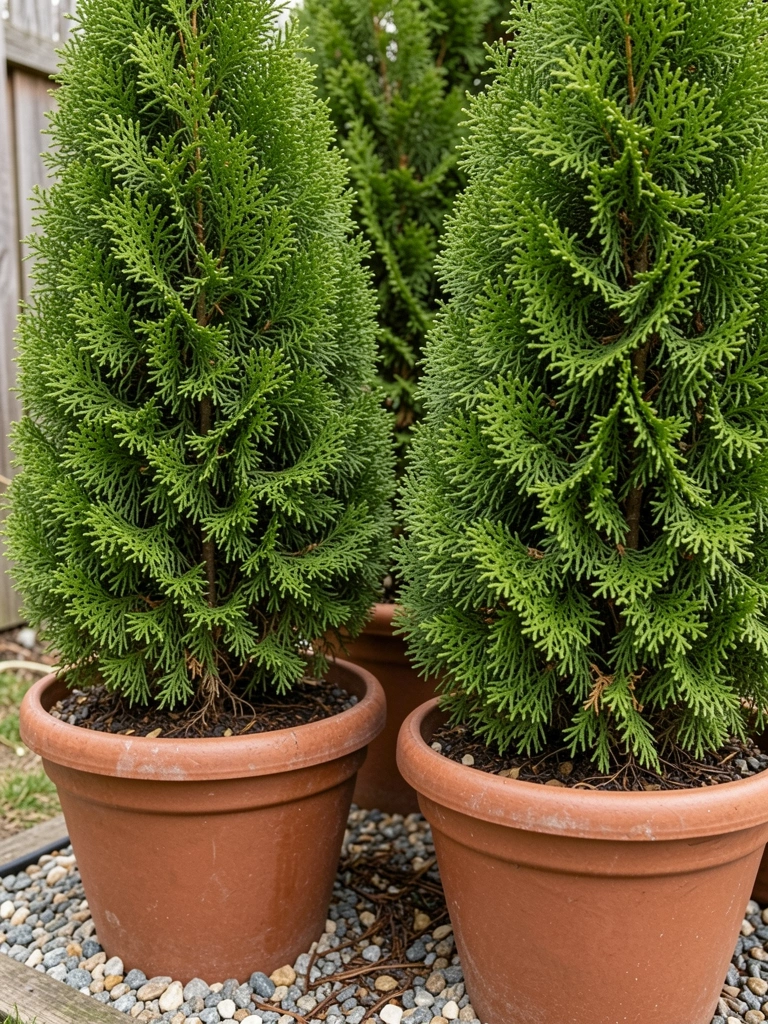
    9. Container Trees for Corner Screening

    Arborvitae in big pots guard my grill area. Dense evergreens block side views year-round. Wheels let me shift.

    Too small pots first; stressed. Upgrade size key.

    Cluster odd numbers. Green wall without digging.

    What You’ll Need for This Look

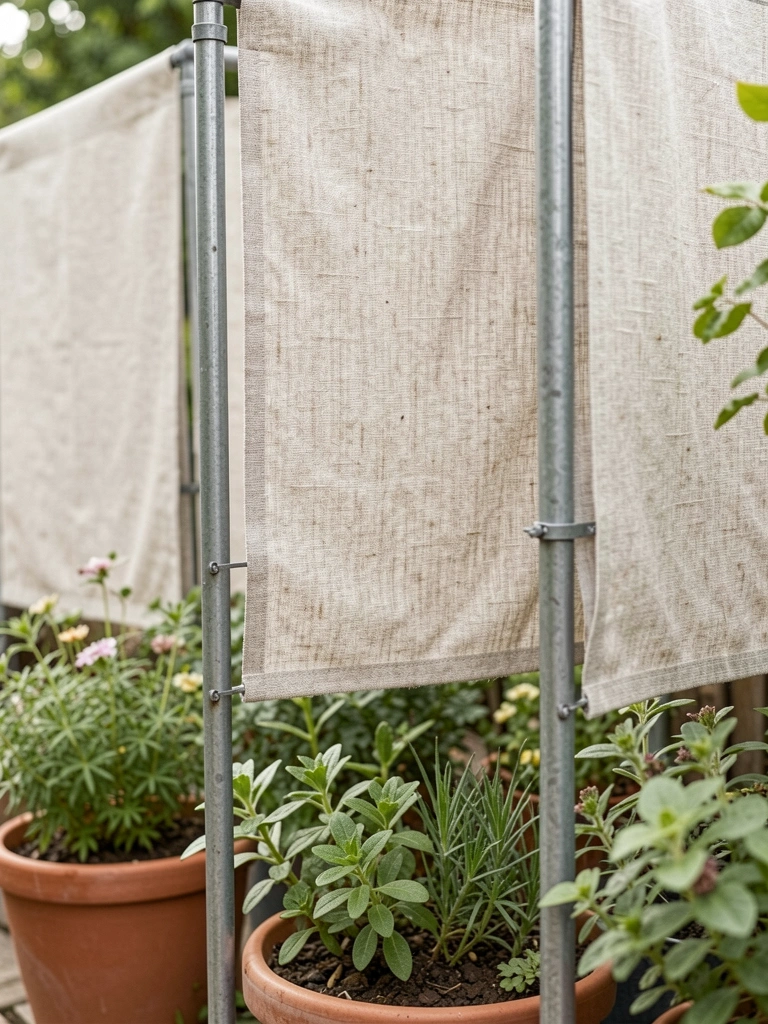
    10. Outdoor Fabric Panels on Poles

    Linen panels on tension poles divide my yard. Soft light through, full block from angles. Breeze moves them gentle.

    Cheap fabric faded fast. UV-resistant now lasts.

    Easy swap seasons. Feels like indoor extension.

    What You’ll Need for This Look

    11. Raised Beds Lined with Perennials

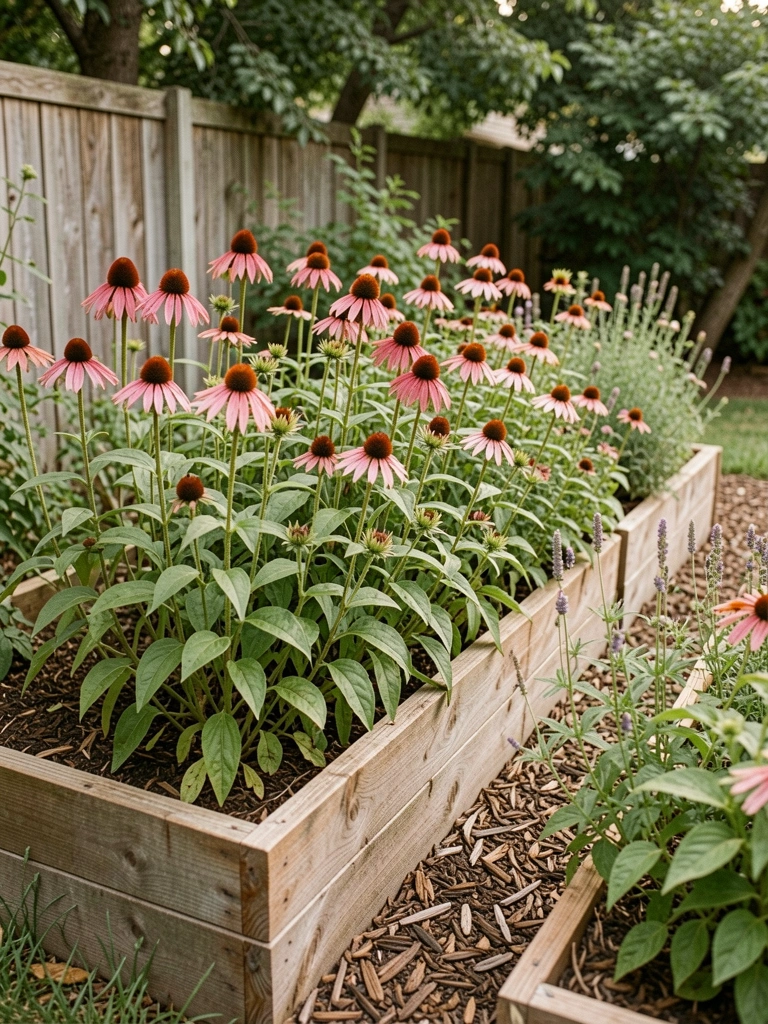
    Raised beds edge my lawn with echinacea. 4 feet high, flowers draw butterflies. Hides the fence mess.

    Soil mix wrong once; drowned. Drainage layer fixes.

    Blooms summer long. Seating behind feels tucked away.

    What You’ll Need for This Look

    12. Lattice Panels Trained with Clematis

    Lattice sheets with clematis screen my hot tub. Blooms hide the slats full. Fragrant evenings.

    Lattice too flimsy; bent. Thicker gauge holds.

    Tie vines loose. Privacy with color punch.

    What You’ll Need for This Look

    13. Native Switchgrass Strips

    Switchgrass natives run my property line. Tough, 5 feet tall, wildlife loves it. Low water once set.
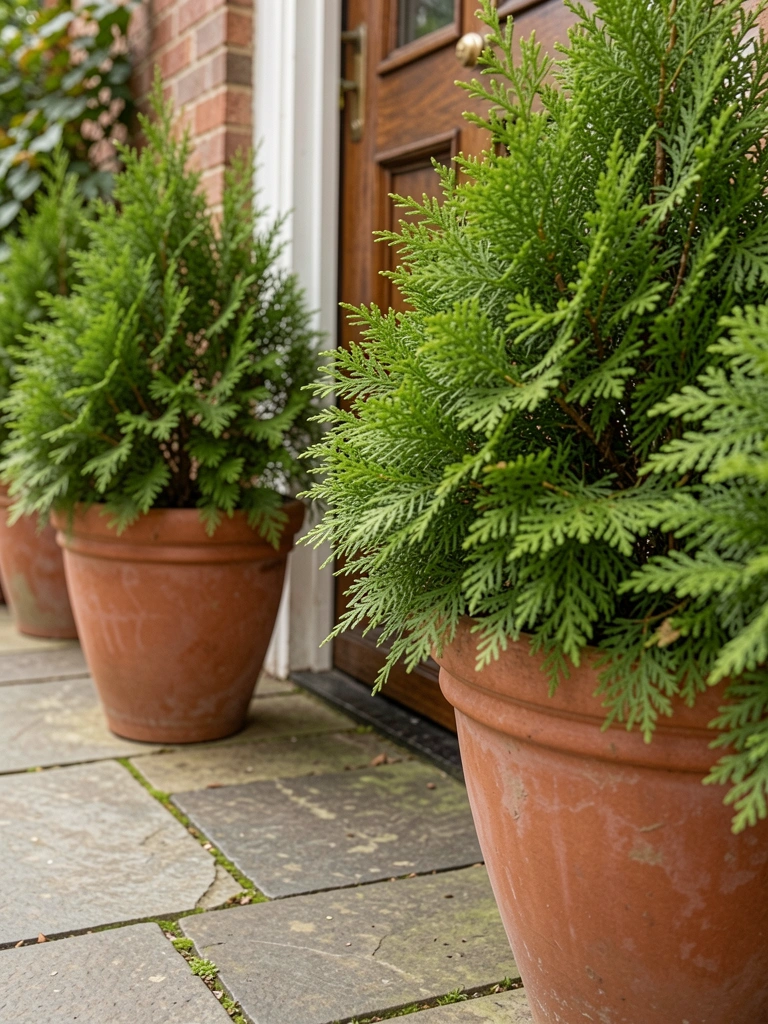
    Planted shade spot; flopped. Sun only now.

    Rustles peaceful. Yard blends into wild edge.

    What You’ll Need for This Look

    14. Pergola Draped in Climbing Roses

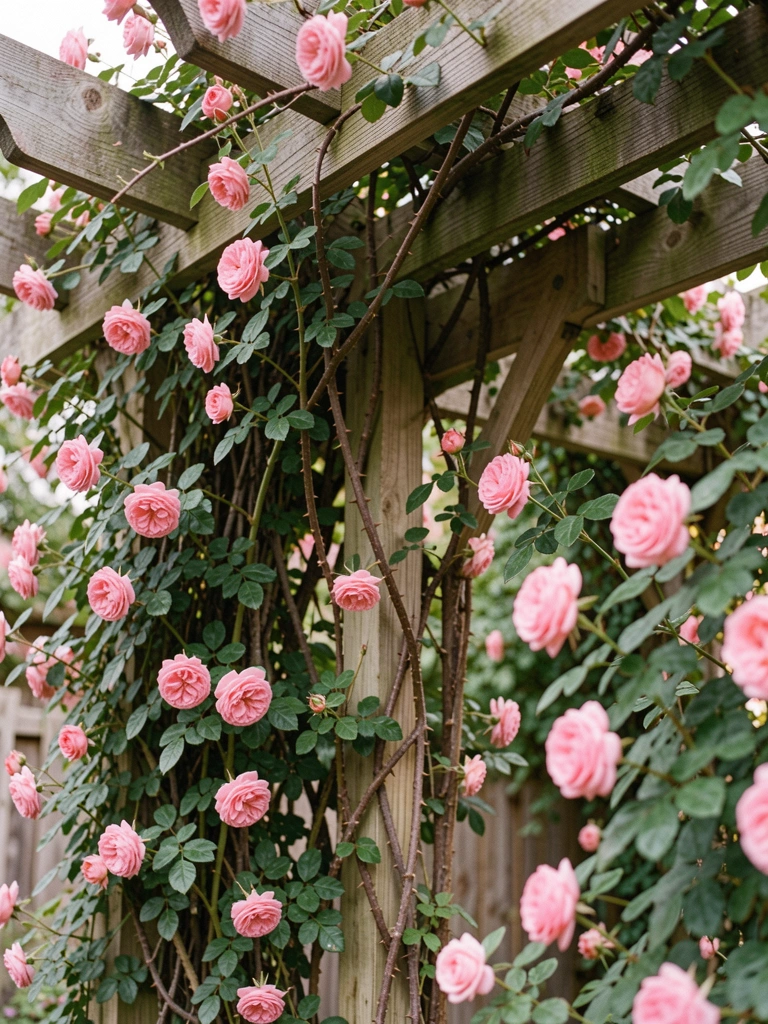
    Roses climb my pergola top. Dense canopy shades the table below. Petals drop soft.

    Pruned wrong year one; bare spots. Light trim summer best.

    Scent marks the space private. Dinner feels special.

    What You’ll Need for This Look

    15. Mixed Potted Evergreens Along Paths

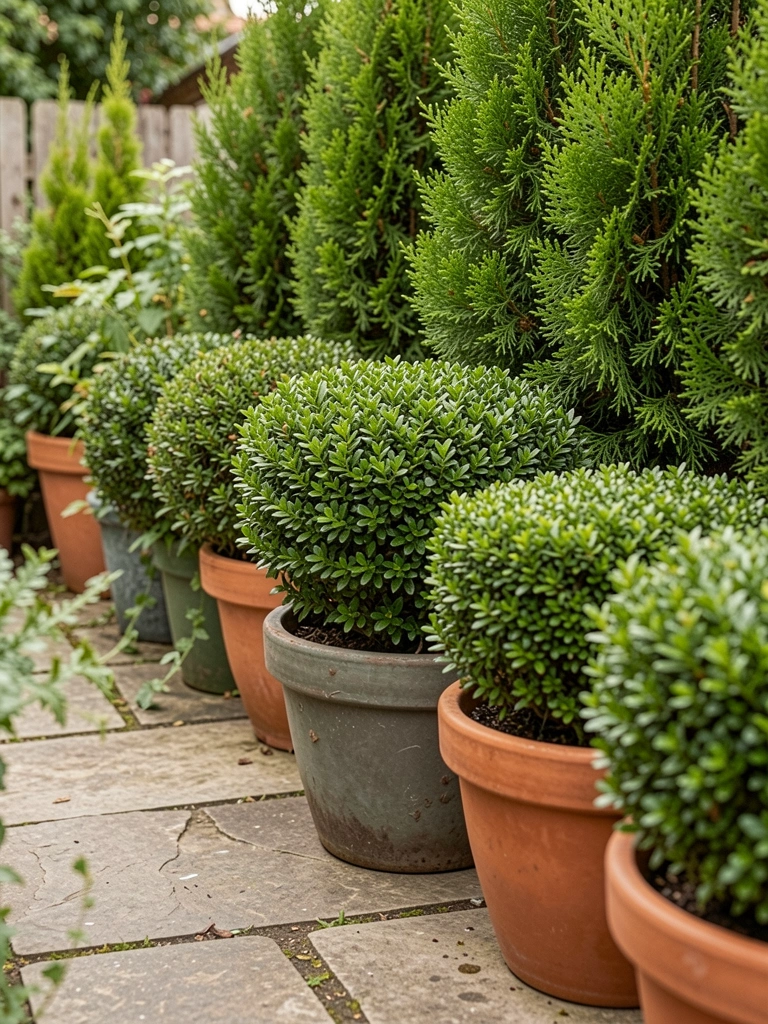
    Junipers and boxwoods in pots flank my path. Fills gaps, evergreen hold. Rotate for even growth.

    Forgot winter wrap; browned tips. Burlap now.

    Guides eyes in, hides sides. Walk feels sheltered.

    What You’ll Need for This Look

    16. Willow Branch Fencing with Base Plants

    Willow weave fences my play area. Rustic look, hostas soften bottom. 5 feet blocks little eyes.

    Tied loose; splayed. Wire reinforces.

    Ages pretty. Kids' zone feels safe contained.

    What You’ll Need for This Look

    17. Overlapping Trellis Screens with Hops

    Hops on double trellises overlap for my deck. Thick screen by July, beer bonus harvest.

    Sun scorched leaves first; shade cloth helped. Partial sun sweet spot.

    Vines vigorous – guide them. Deck oasis complete.

    What You’ll Need for This Look

    Final Thoughts

    Start with one idea that matches your yard's light and soil. Watch it grow, add another later. No rush – these build comfort over time.

    You'll have that outdoor spot that feels just yours. Dirt under nails, peace in reach.

  • 13 Garden Corner Privacy Ideas For Hidden Spaces

    13 Garden Corner Privacy Ideas For Hidden Spaces

    I stared at that empty corner behind my shed last summer. Neighbors' lights peeked right over the fence at night. Made me skip sitting there.

    I started small. Added some plants that grew fast. Now it's tucked away, quiet.

    That shift felt good. You can make your own hidden spot. Just pick what fits your dirt and sun.

    13 Garden Corner Privacy Ideas For Hidden Spaces

    These 13 garden corner privacy ideas come from my own yard fixes and neighbor chats. They're straightforward, no big budget. You'll see exactly what to grab and plant.

    1. Tall Miscanthus Grasses for a Breezy Screen

    I planted miscanthus in my side-yard corner three years back. They shot up to six feet, swaying soft against the fence. Blocked the view from next door without feeling closed in.

    Wind rustles them, adds calm. That corner went from bare dirt to a hidden lounge spot. I sit there with coffee now.

    Watch the sun—full blasts fine, but they flop in shade. I lost one plant that way first try.

    Space them two feet apart. They fill in thick by year two.

    What You’ll Need for This Look

    2. Climbing Clematis on a Corner Trellis

    My back corner trellis holds clematis now. I screwed it right to the fence posts. Vines twisted up fast, blooming heavy purple last spring.

    It softens the wood slats, hides the alley view. Feels cozy, not stiff.

    Pick 'Jackmanii'—tough, repeats flowers. I tried a finicky one first; it died quick.

    Train stems loose at first. They grab on their own.

    What You’ll Need for This Look

    3. Layered Potted Ferns and Hostas

    Ferns and hostas in pots stacked my shady corner high. Big Boston ferns on stands, hostas below. Greenery piles up to eye level.

    No digging needed. I move them for winter. Corner feels lush, private now.

    Hostas slug-chewed once—sprinkle diatomaceous earth. Learned that after first summer.

    Group odd numbers. Looks natural.

    What You’ll Need for This Look

    4. Bamboo Poles Tied in a Cluster

    I lashed bamboo poles tight in my patio corner. Eight-footers lean in, block the neighbor's deck. Cheap, quick set.

    Vines like honeysuckle climb them now. Rustic feel, air flows through.

    Poles splintered once untreated—grab oiled ones. Fixed that mistake.

    Sink bases in gravel for drain.

    What You’ll Need for This Look

    5. Willow Hurdle Panels Leaning Loose

    Willow hurdles leaned against my fence corner. Woven branches weave a soft wall, six feet tall. Lets light filter.

    Ivy trails over top now. Blends right in.

    They warp wet—space from fence a bit. Noted after rain.

    Easy swap if needed.

    What You’ll Need for This Look

    6. Outdoor Fabric Curtains on Tension Rods

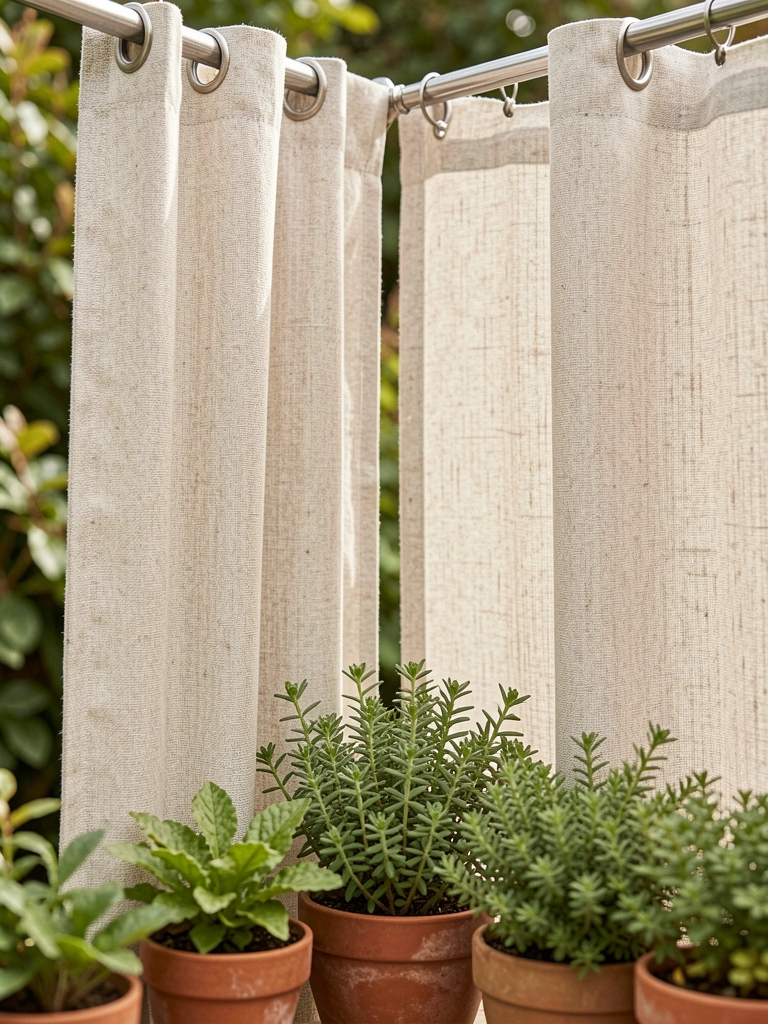
    Tension rods hold linen curtains in my sunny corner. Pull shut for full hide. Light glows through soft.

    Plants at base ground it. Simple swap for seasons.

    Faded first summer—pick UV fabric. Switched after.

    What You’ll Need for This Look

    7. Vertical Succulent Frame Wall

    A pocket frame stuffed with succulents covers my stucco corner. Hens and chicks spill low, echeveria high. Dry spot loves it.
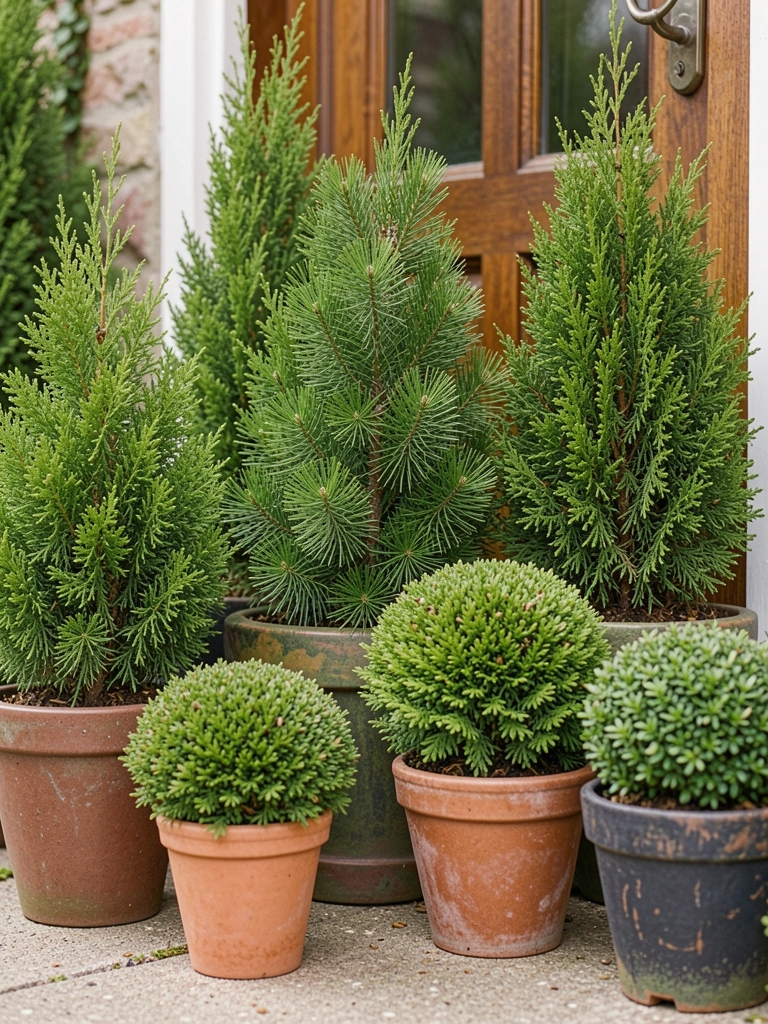
    Low water, big cover. Textures pop up close.

    Overwatered pockets first—let soil dry full. Key lesson.

    Hang secure from hooks.

    What You’ll Need for This Look

    8. Potted Dwarf Bamboo Cluster

    Dwarf bamboo pots crowd my deck corner. Fargesia type clumps tight, hits five feet. Screens without spreading wild.

    Rustles nice in breeze. Evergreen year-round.

    Pick clumping—running type invades. I checked labels after.

    Group three big pots.

    What You’ll Need for This Look

    9. Lattice with Fast Honeysuckle Vines

    Lattice bolted to posts, honeysuckle scrambles over. Blooms yellow, smells sweet. Covers quick in sun.

    Hides the shed side full. Bees love it too.

    Prune spring—gets thick. Trimmed mine late once, tangled bad.

    What You’ll Need for This Look

    10. Corner Arbor with Hops Vines

    Wood arbor frames my reading corner. Hops climb the sides, drape top. Full shade by July.

    Beer scent in fall. Cozy nook formed.

    Hops need sun—mine lagged shady first. Moved it.

    Bolt secure to ground.

    What You’ll Need for This Look

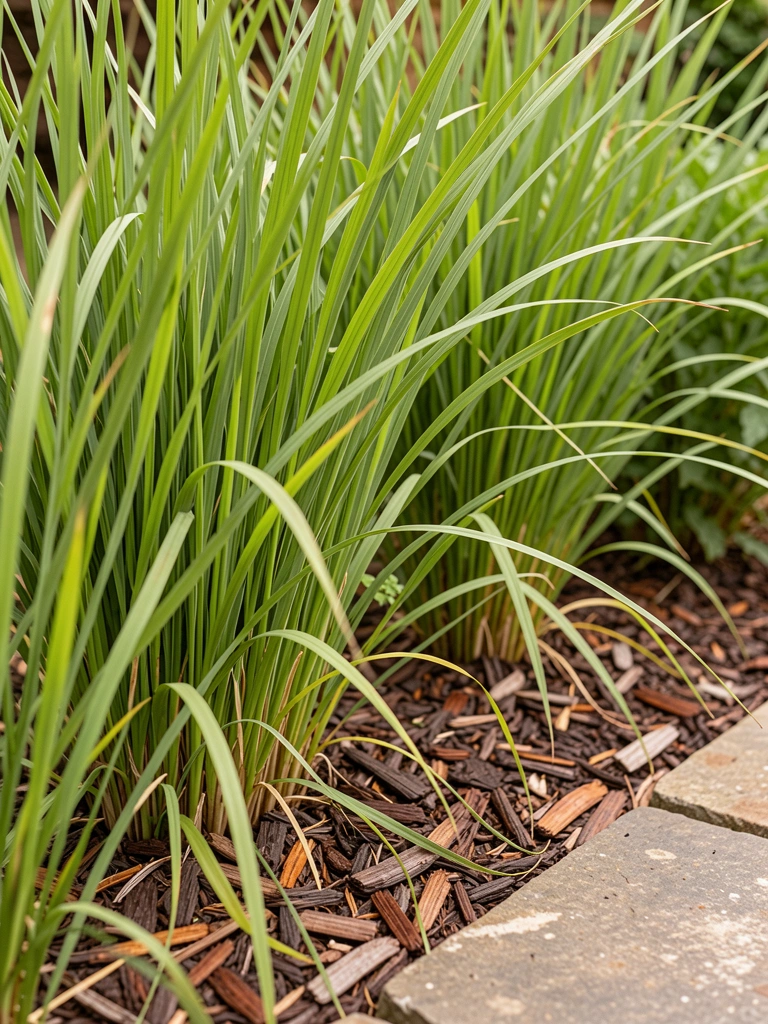
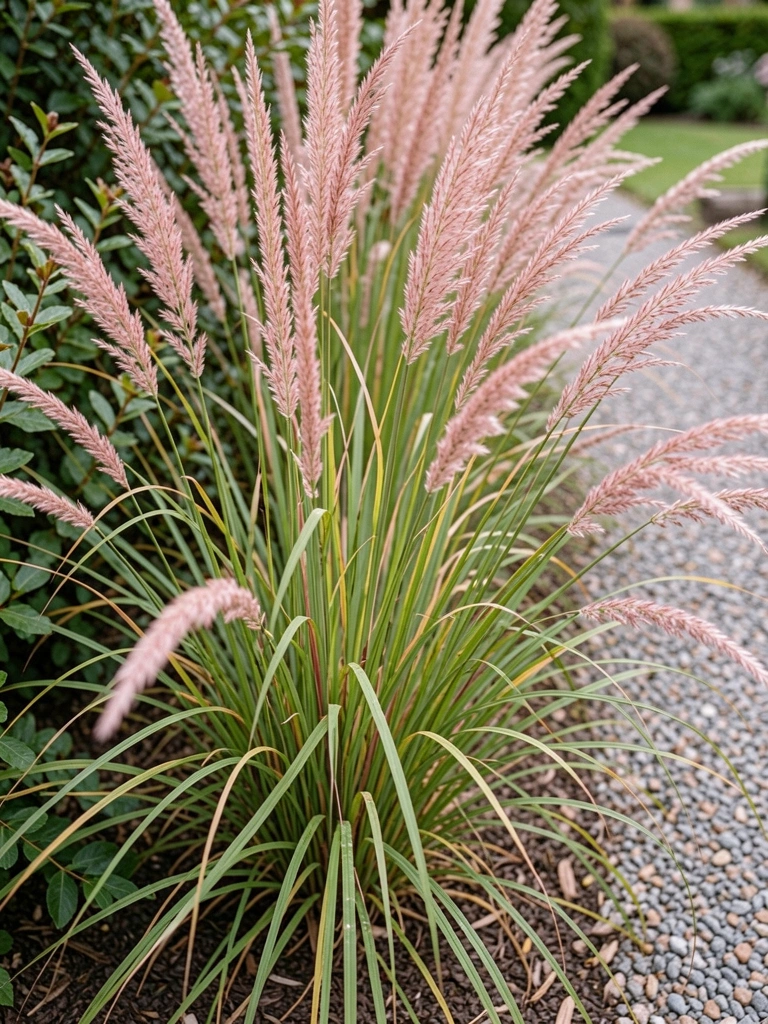
    11. Feather Reed Grass Border

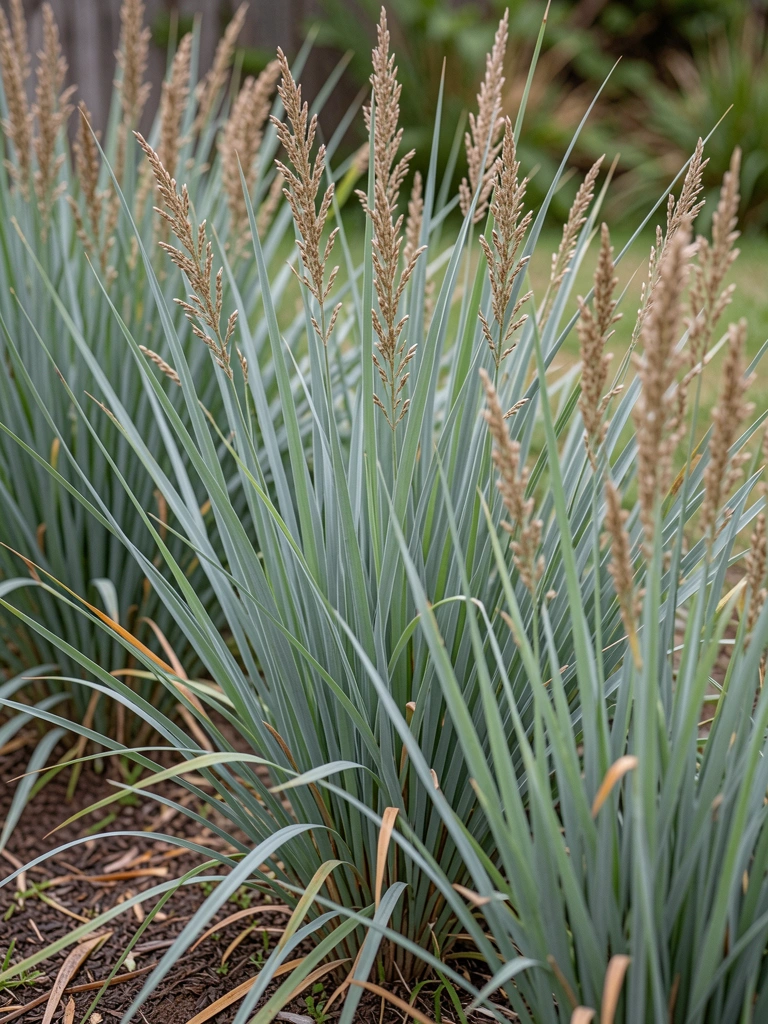
    Feather reed lines my fence corner. Upright to five feet, plumes wave. Tough in clay soil.

    Stiff screen, winter interest. Cut back late winter.

    Planted too close once—thinned them. Better air now.

    What You’ll Need for This Look

    12. Recycled Pallet Screen with Ivy

    Pallets stood end-up, screwed together for my alley corner. Ivy fills gaps now. Free wood, sturdy hide.

    Weathers gray nice. Vines knit it tight.

    Stapled chicken wire first—rusty mess. Skip that.

    Lean or stake firm.

    What You’ll Need for This Look

    13. Boxwood Balls in Raised Corners

    Raised bed holds boxwood balls in my front corner. Trim round, shoulder high. Formal but soft screen.

    Shear twice yearly. Evergreen, deer skip it.

    Overfed yellowed leaves—ease fertilizer. Balanced now.

    Corners fill neat.

    What You’ll Need for This Look

    Final Thoughts

    Pick one or two ideas that match your spot. Start small—see how it grows.

    Your corner can feel like yours alone. I've seen it work in tough yards.

    Grab what you need, plant steady. It'll come together.

  • 15 Garden Privacy Ideas With Bamboo For Fast Coverage

    15 Garden Privacy Ideas With Bamboo For Fast Coverage

    A few years back, my backyard felt exposed. New houses popped up close, and every barbecue had eyes on us. I needed cover fast without waiting decades for hedges.

    Planted my first bamboo row. It filled in quick, turned the space cozy. Now it's my go-to for that enclosed feel.

    You can do this too. Bamboo grows like crazy if you pick the right kind.

    15 Garden Privacy Ideas With Bamboo For Fast Coverage

    These 15 ideas use bamboo for fast coverage. I've tried them in my own yard—clumping types that won't take over. Pick one, start small, and watch your garden close in comfortably.

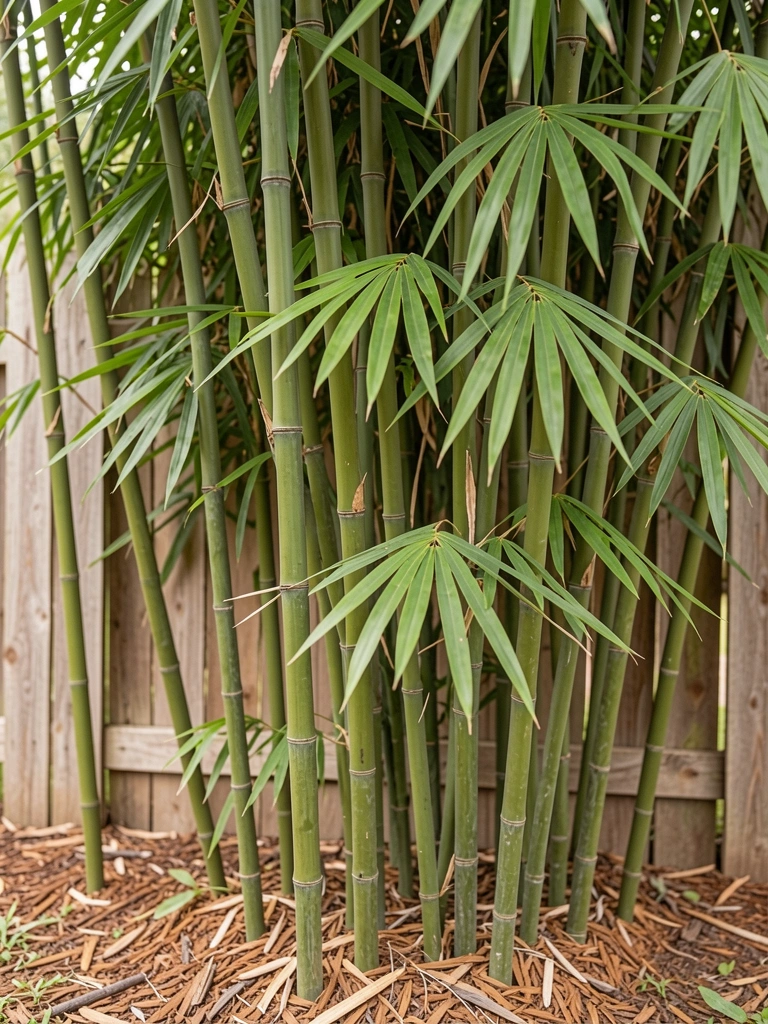
    1. Tall Clumping Bamboo Along the Back Fence

    I lined my back fence with Fargesia bamboo three summers ago. It shot up to 10 feet, blocking the neighbor's view completely. The canes sway gentle in wind, make the yard feel deeper.

    Before, the fence looked bare. Now it's a soft green wall. Mornings, light filters through, cozy not dark.

    Pick clumping varieties—running ones spread wild, like I learned the hard way once. Space them 3 feet apart. Water deep first year.

    They root shallow, so mulch heavy to hold moisture. Feels private without feeling closed off.

    What You’ll Need for This Look

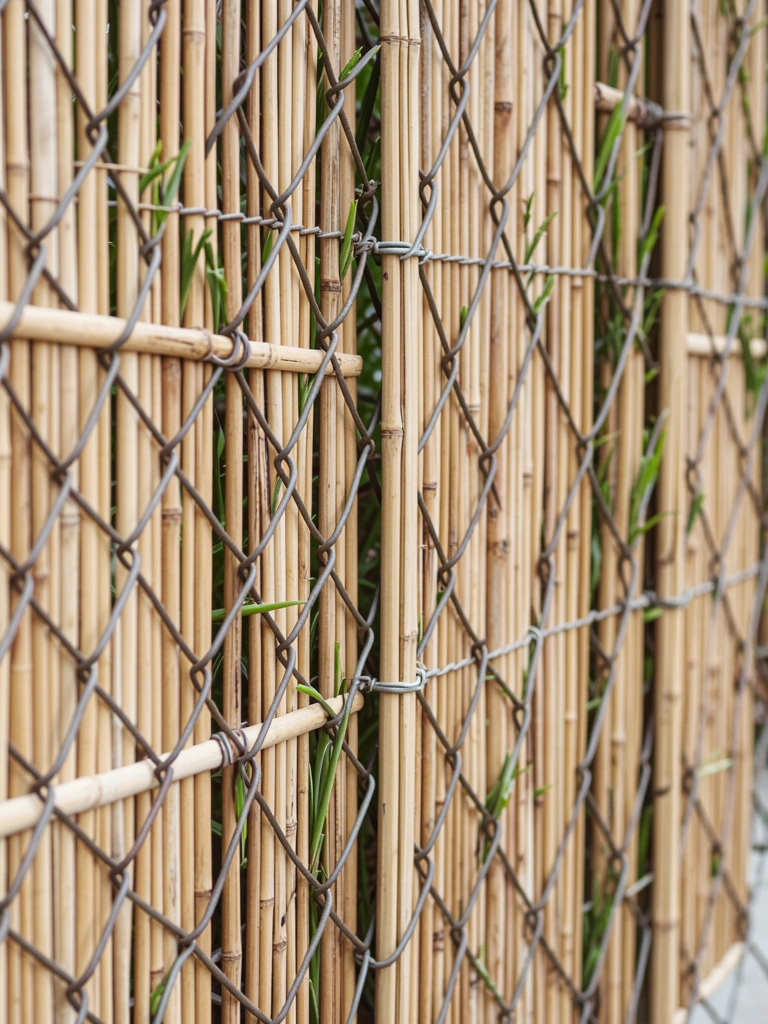
    2. Instant Bamboo Screen Panels on Chain Link

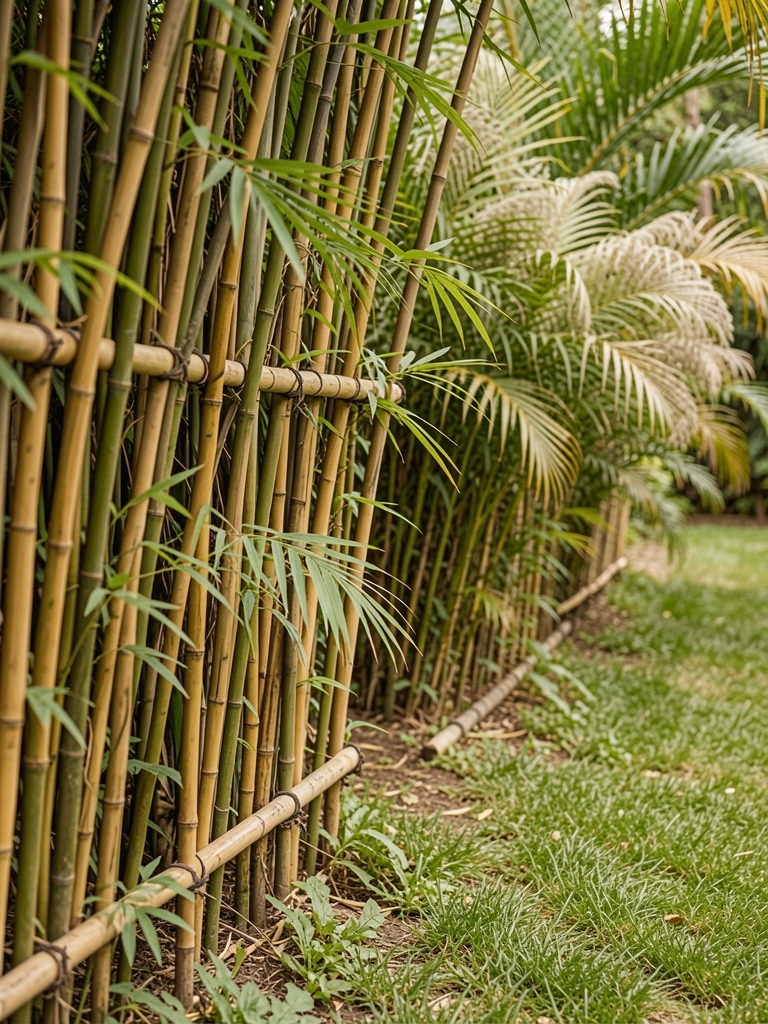
    Chain link screams open—I zip-tied bamboo screens to mine last spring. Instant 6-foot cover, no digging. Wind rustles them soft, hides the metal grid.

    My patio went from see-through to snug overnight. BBQ smells stay ours.

    They fade in sun, so I swap every two years. Cheap fix. Secure top and bottom tight.

    Add potted bamboo in front for layers. Feels full, not flat.

    What You’ll Need for This Look

    3. Potted Bamboo Trios in Patio Corners

    Corners catch eyes first. I grouped three Fargesia pots there—hit 8 feet fast, screens the seating area perfect.

    Before, it felt sparse. Now chairs tuck away private, breeze carries through.

    Drainage matters—pots sat in saucers once, roots rotted. Elevate on feet now.

    Wheels let me shift for cleaning. Grows dense without spreading.

    What You’ll Need for This Look

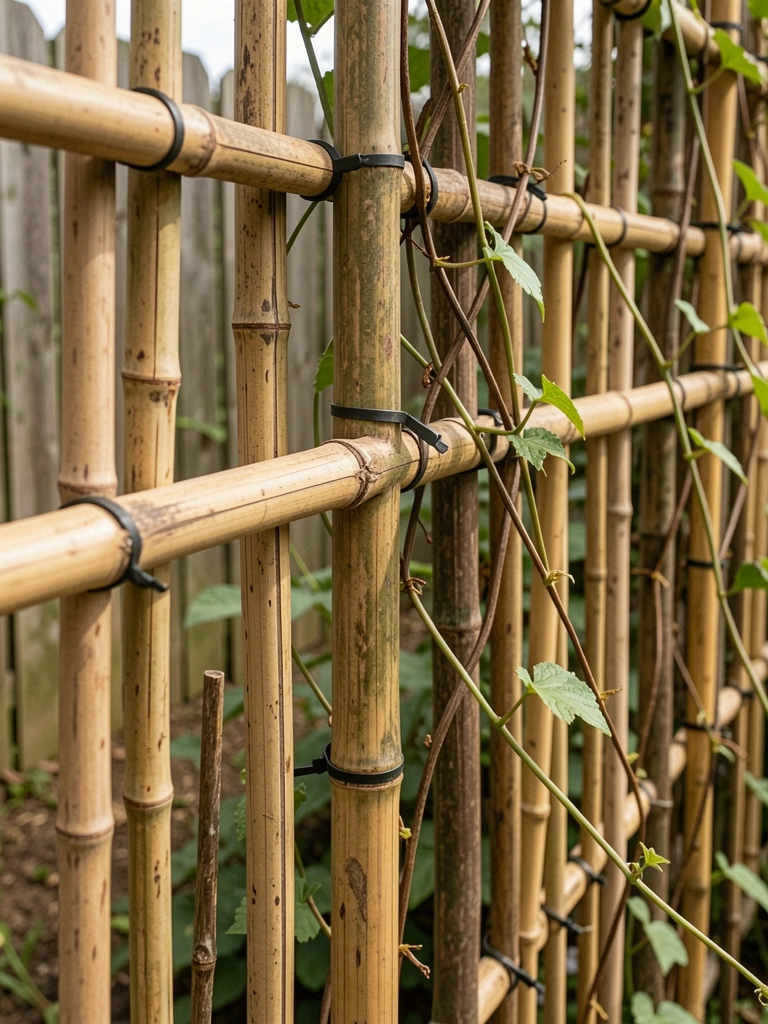
    4. Bamboo Trellis Covered in Climbing Vines

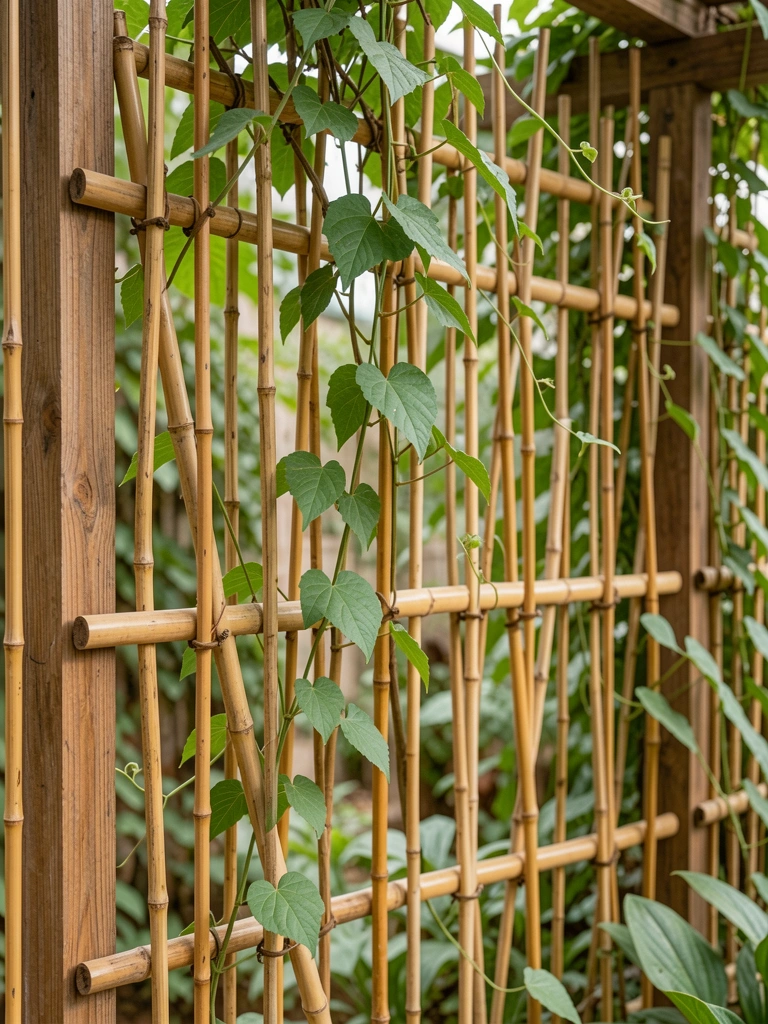
    Built a simple bamboo pole trellis along my side yard. Planted clematis at base—it climbs fast, weaves through for thick cover by year two.

    Hides the trash bins, makes walks feel secret. Flowers pop late summer.

    Poles split once from rain—seal ends now. Lean it slight for wind.

    Bamboo base anchors it all. Low effort, high screen.

    What You’ll Need for This Look

    5. Layered Bamboo in Raised Beds

    Raised beds along my driveway—front row short bamboo, back tall Fargesia. Grows to 12 feet layered, blocks street view total.

    Yard feels wider inside. Beds hold soil poor spots well.

    Overplanted first, crowded—thin every spring now. Mulch keeps it tidy.

    Edges crisp, growth fast. Practical privacy.

    What You’ll Need for This Look

    6. Bamboo Privacy Hedge Divider

    Divided my yard with a bamboo hedge—Fargesia murielae, 10 feet high now. Splits play area from beds, total screen.

    Sounds softer inside. Kids play unseen.

    It leans in shade—full sun spot picked right. Trim tips yearly.

    Roots stay put, no mess. Feels like rooms outdoors.

    What You’ll Need for This Look

    7. Vertical Bamboo Pole Screens

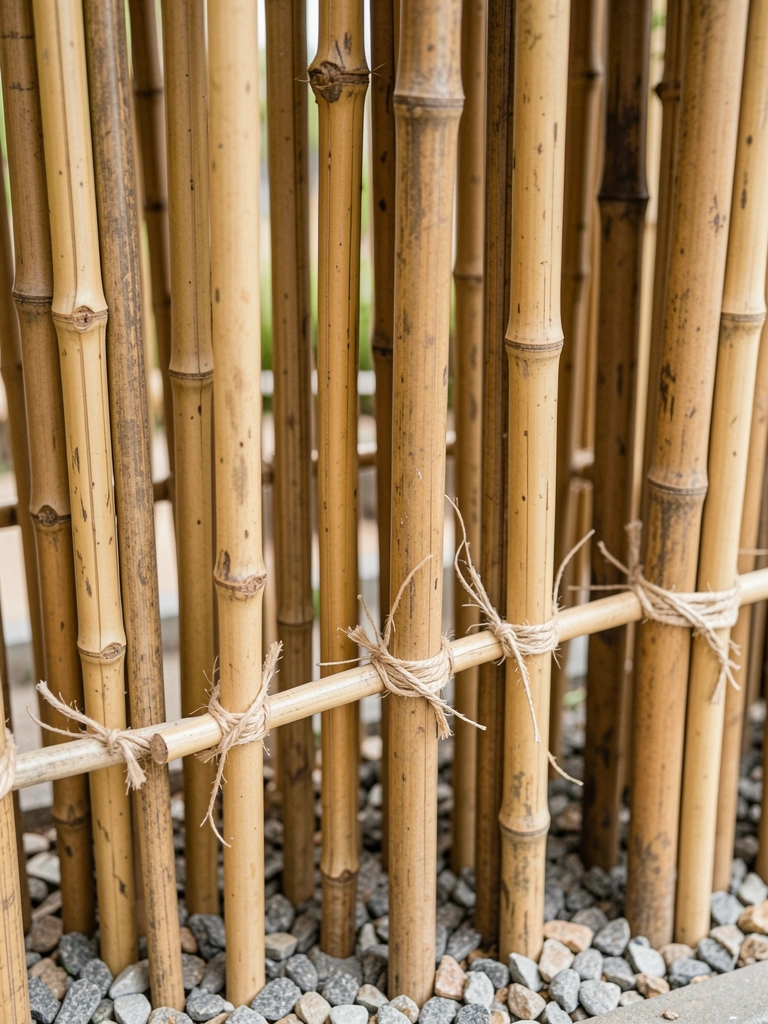
    Lashed bamboo poles vertical on my deck rail—8 feet tall, slim profile. Blocks upper views without bulk.

    Deck feels mine again. Light slips between poles soft.

    Twine rots—use wire now. Sink bases in gravel.

    Plant base fillers. Quick, movable privacy.

    What You’ll Need for This Look

    8. Bamboo in Gravel Border Strips

    Gravel strip by my garage—planted bamboo through fabric. Roots stay contained, shoots 7 feet quick.

    Hides ugly siding. Gravel drains perfect.

    Forgot fabric once, weeds fought back. Double layer now.

    Clean look, fast fill. No mud.

    What You’ll Need for This Look

    9. Clumped Bamboo Windbreak for Beds

    Clumped bamboo around my veggie beds—cuts wind, screens from path. Grows 9 feet, beds stay calm.

    Tomatoes thrive hidden. Yield doubled.

    Wind snapped young canes—stake first season. Strong now.

    Protects without shade steal. Real workhorse.

    What You’ll Need for This Look

    10. DIY Bamboo Mat Backdrop Wall

    Stapled bamboo mats to my shed wall—full cover day one, 6 feet high. Backdrop for seating nook.

    Feels like a room. Textures warm.

    Mats curl in wet—under roof edge now. Refresh easy.

    Add hooks for tools. Functional hide.

    What You’ll Need for This Look

    11. Bamboo Arbor Over Side Gate

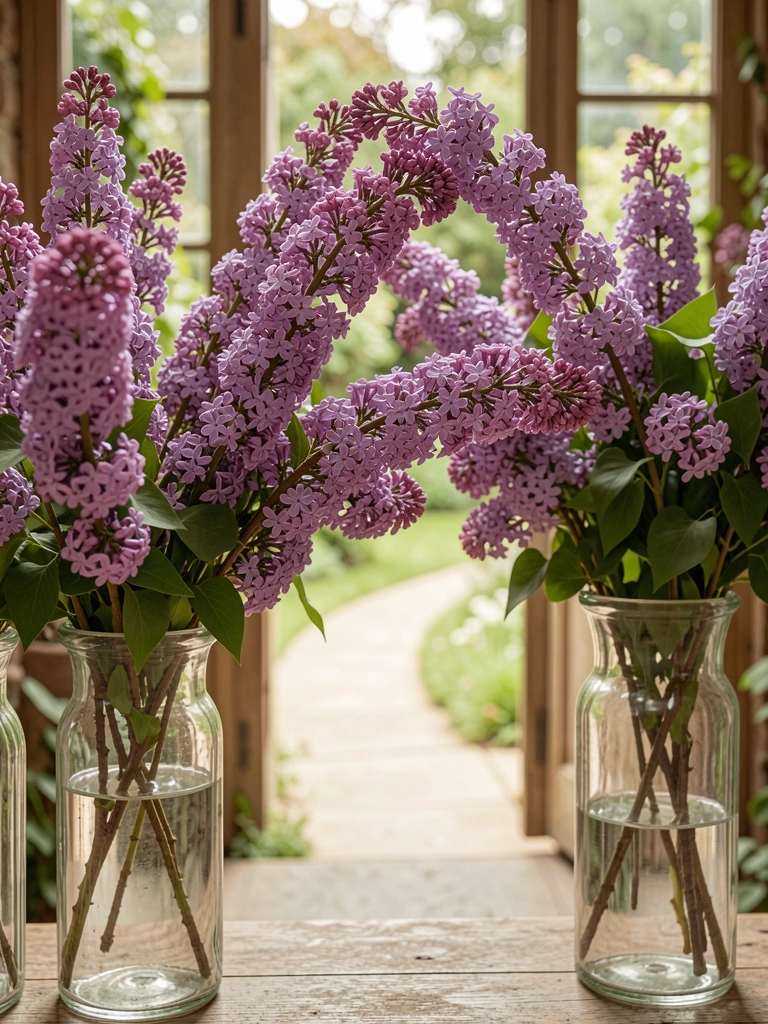
    Arched bamboo over my gate—grows in with shoots, screens entry. 7 feet span, private path feel.

    Walks feel special. Vines thicken it.

    Tied loose first, sagged—wire tight now. Adjust yearly.

    Entrance owns it. Welcoming block.
    What You’ll Need for This Look

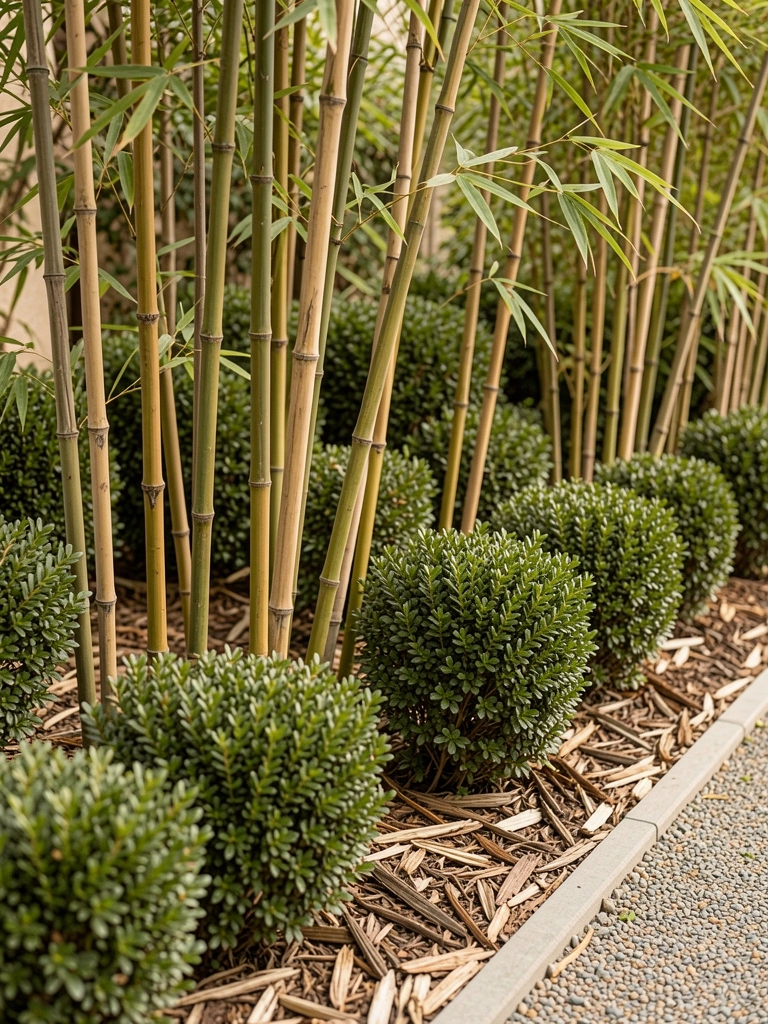
    12. Mixed Bamboo and Low Shrubs Border

    Bamboo back, boxwood front along walkway—full height fast, base filled. Blocks side views clean.

    Yard edges soft. No gaps.

    Shrubs outgrew once—choose dwarf. Trim together.

    Layered comfort. Evergreen all year.

    What You’ll Need for This Look

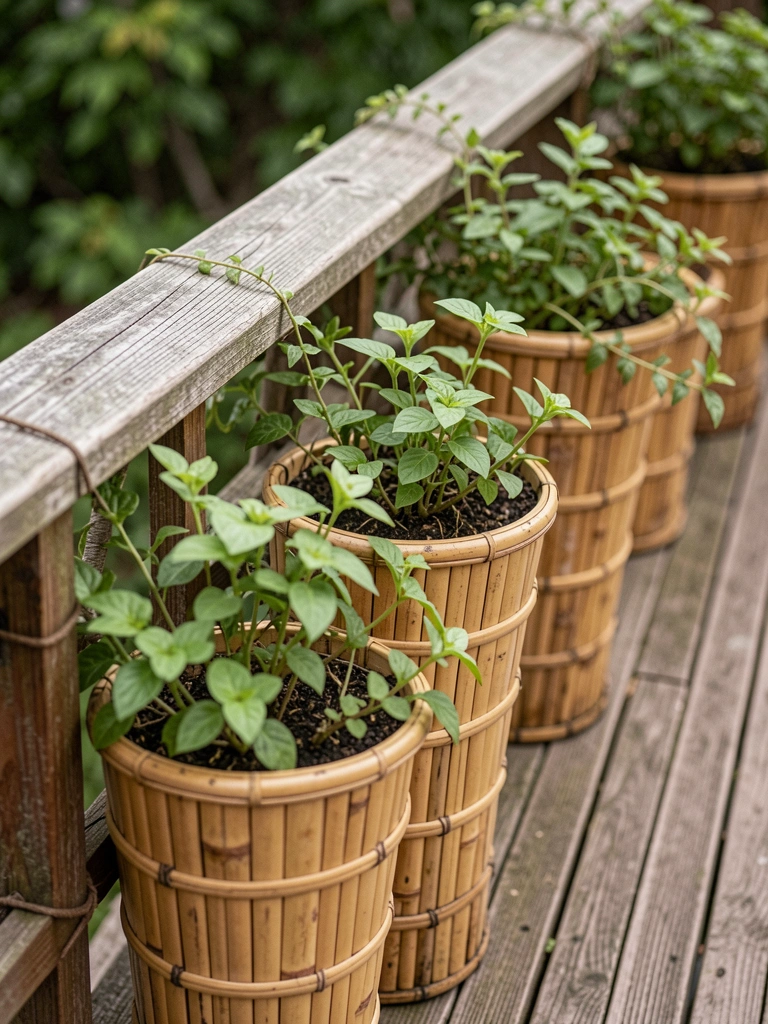
    13. Bamboo Pots Lined on Deck Rails

    Pots of bamboo on deck rails—staggered, 5 to 8 feet. Screens diners from yards over.

    Meals private now. Pots warm wood.

    Tip over in wind—rail brackets hold. Rotate plants.

    Easy swap. Deck oasis.

    What You’ll Need for This Look

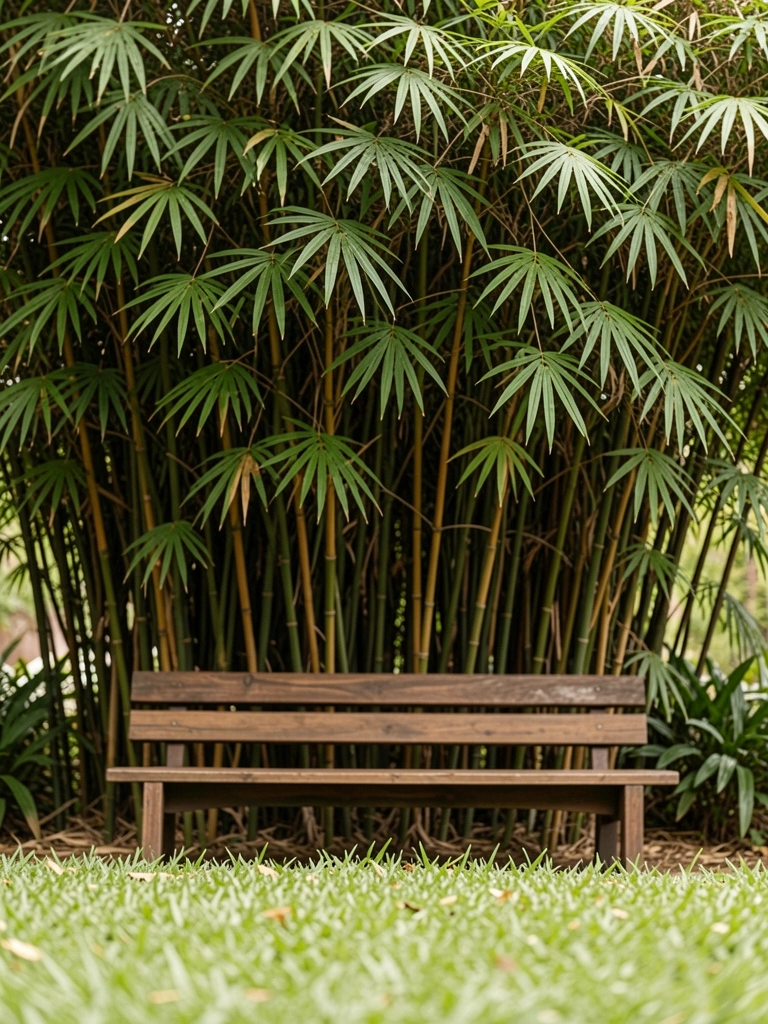
    14. Fast-Screen Bamboo Backdrops

    Alcantarilla bamboo backdrop to benches—hits 15 feet year three, full block. Seats feel tucked.

    Talks stay quiet. Growth surprised me.

    Thirsty young—drip line saved it. Shade tolerant too.
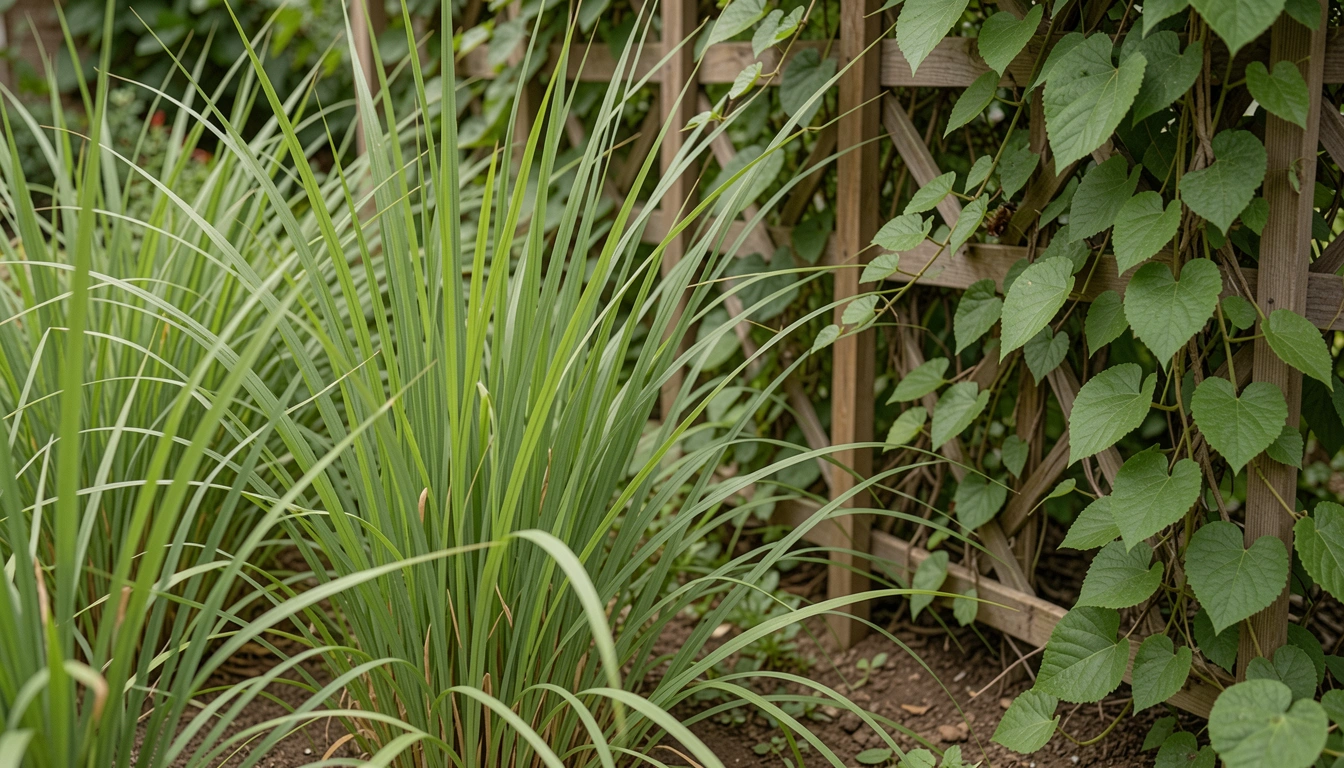
    Big impact spot. Choose space wise.

    What You’ll Need for This Look

    15. Overhead Bamboo Canopy Frame

    Framed overhead bamboo on my terrace poles—droops down for roof-like screen. Cuts sky views gentle.

    Terrace shaded cozy. Lights glow through.

    Sagged middle—cross braces now. Train shoots down.

    Top privacy layer. Unique feel.

    What You’ll Need for This Look

    Final Thoughts

    Start with one idea that fits your spot. Bamboo covers quick if you go clumping.

    I've messed up spots before, but these work steady. Your garden will feel yours soon.

    Plant, watch, tweak. You've got this.

  • 7 Garden Privacy Fence Ideas For Secure Yards

    7 Garden Privacy Fence Ideas For Secure Yards

    I used to dread summer barbecues. My yard felt like a fishbowl—neighbors peering over the low fence, kids running wild where they shouldn't. One afternoon, I grabbed some wire and plants from the shed. By fall, it was private. Cozy, even.

    That shift changed everything. No more awkward waves. Just quiet space to breathe.

    These ideas come from yards I've worked on. Real dirt, real fixes.

    7 Garden Privacy Fence Ideas For Secure Yards

    Here are 7 garden privacy fence ideas I've tested in my own backyards. They block views, keep things secure, and grow with minimal fuss. Pick one that fits your space.

    1. Fast-Climbing Clematis on a Wire Trellis Frame

    I built this first after a nosy dog kept jumping the fence. Stretched cheap wire between posts, planted clematis at the base. In one summer, it filled in dense—those vines grip like crazy.

    The yard felt enclosed overnight. Flowers added a soft touch, not just green wall. Kids played without worry.

    Watch the soil—too dry, and they sulk. I forgot to mulch once; half died back. Water weekly now.

    Space posts 8 feet apart for strength. It'll hold against wind.

    What You’ll Need for This Look

    Clematis vine plants (evergreen variety)

    Garden wire trellis netting (6 ft x 50 ft)

    Wooden fence posts (8 ft, pressure treated)

    2. Layered Arborvitae Hedge for All-Season Block

    Planted these after a winter storm trashed my old slats. Chose arborvitae for their tight growth—no gaps. Staggered them in rows, tallest at back.

    Now it's solid green year-round. Blocks wind too, yard stays warmer. Feels secure, like a natural room.

    Bought too small once; took years to fill. Go for 4-foot starters.

    Trim lightly in spring. They bush out fine.

    What You’ll Need for This Look

    Arborvitae shrub plants (4 ft tall)

    Landscape fabric mulch mat (3 ft x 50 ft)

    Hand pruner set for shrubs

    3. Bamboo Reed Screening with Base Planting

    Tied these mats to my chain-link after a party—quick privacy win. Added grasses in pots at the bottom for living touch.

    Instant screen, but soft. Grasses sway, hide the edges. Yard went from open to intimate fast.

    Reeds faded in sun once; pick UV-treated. Swap grasses yearly.

    Secure with zip ties every foot.

    What You’ll Need for This Look

    Bamboo reed fence screening (6 ft x 16 ft)

    Ornamental pampas grass plants (tall variety)

    Heavy-duty zip ties (12 inch, pack of 100)

    4. Woven Living Hazel Fence That Thickens Over Time

    Wove hazel whips into this after reading about fedges. Pushed roots in deep, trained as they grew.

    Two years in, it's 6 feet tall, leafy wall. Birds nest there now. Secure and alive.

    Overwatered early; roots rotted. Let dry between now.

    Cut new whips each spring to weave in.

    What You’ll Need for This Look

    Hazel whips for living fence (6 ft lengths)

    Garden twine natural jute (200 ft roll)

    Post hole digger manual tool

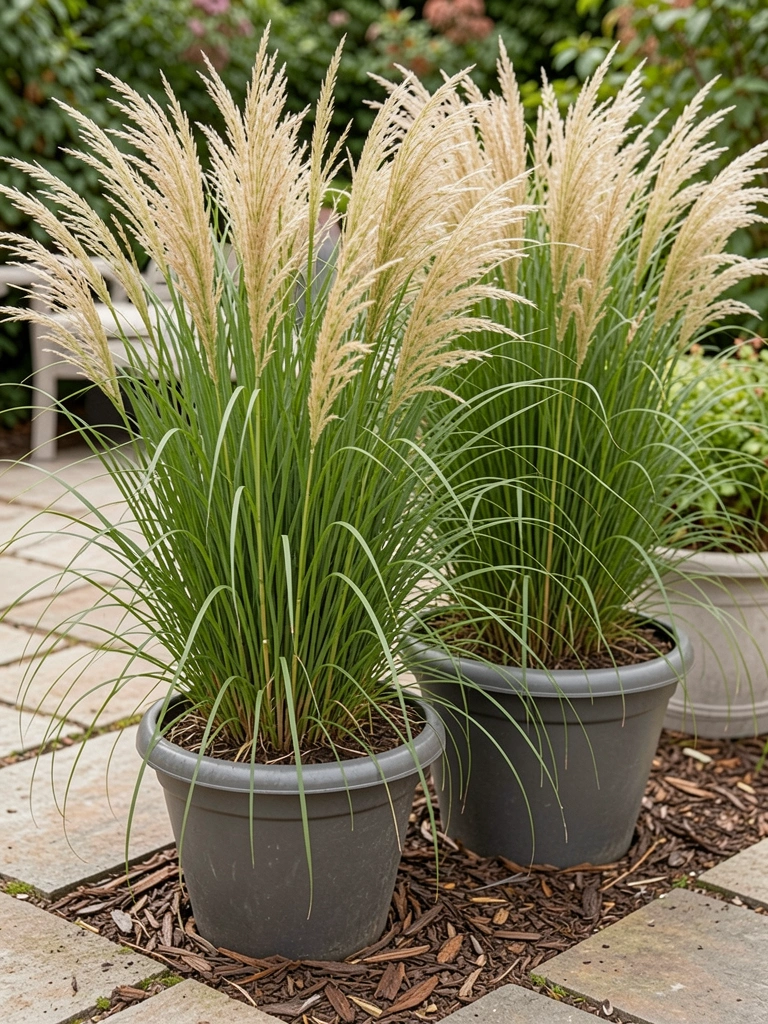
    5. Tall Potted Grasses Screening an Existing Fence

    Lined my patio fence with these pots when digging wasn't an option. Miscanthus grew fast, 7 feet high.

    Swishes in breeze, hides the fence completely. Feels private, airy. No neighbor views.

    Pots tipped in wind once; weight them with rocks.

    Divide clumps every 3 years.

    What You’ll Need for This Look

    Miscanthus grass plants (tall ornamental)

    Large black plastic pots (24 inch diameter)

    River rocks for pot weighting (20 lb bag)

    6. Ivy-Covered Metal Grid Panels for Modern Edge

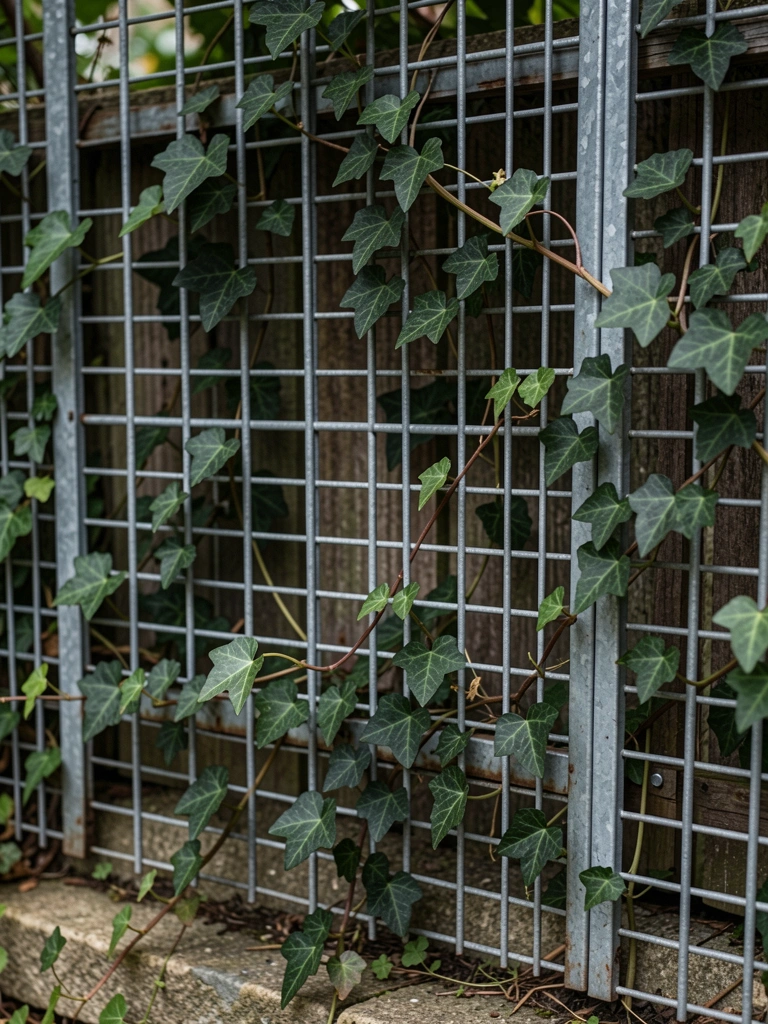
    Bolted these grids up for a clean look. English ivy took off, filled every square.

    Sleek but green now. Blocks sightlines tight. Modern feel without starkness.

    Ivy spreads wild; trim runners monthly.

    Anchor panels deep.

    What You’ll Need for This Look

    English ivy plants (groundcover variety)

    Galvanized metal grid panels (6 ft x 4 ft)

    Hedge shears for ivy trimming

    7. Recycled Pallet Fence Planted with Climbing Roses

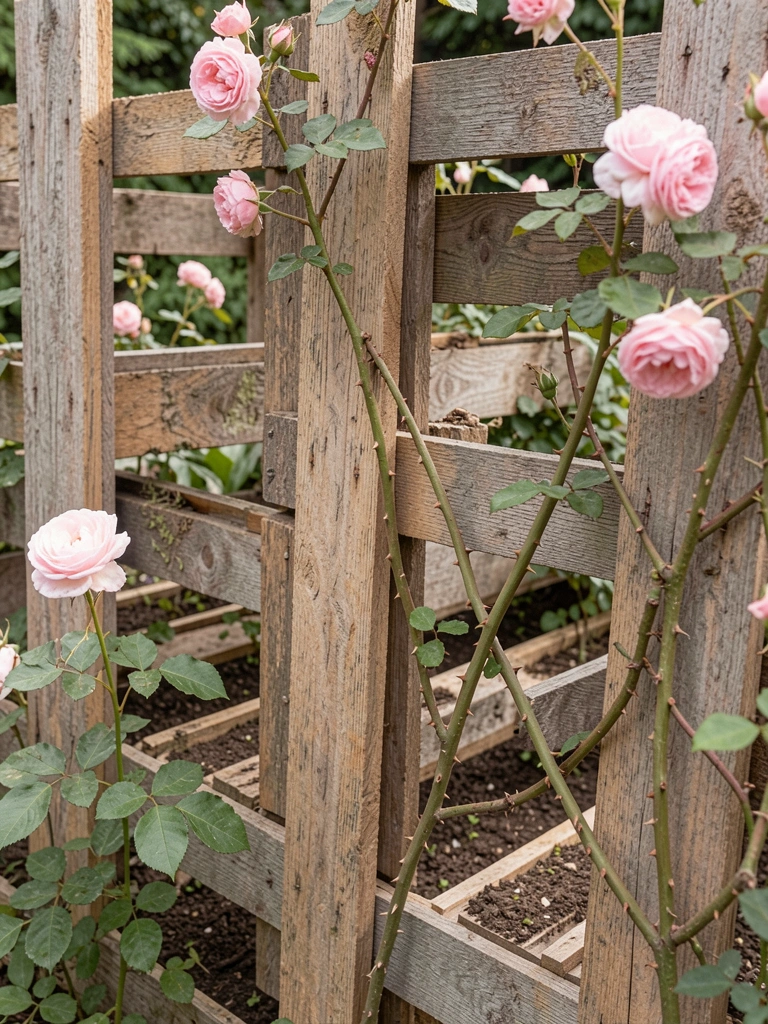
    Stacked pallets free from a build site, filled gaps with soil. Planted roses to climb through.

    Blooms every summer, thorns deter climbers. Rustic privacy that smells good.

    Roses browned in poor drainage; added gravel first.

    Nail pallets firm.

    What You’ll Need for This Look

    Climbing rose bushes (repeat bloomers)

    Wooden pallets (standard garden size)

    Landscape gravel (pea size, 20 lb)

    Final Thoughts

    Start with one idea that matches your yard's sun and soil. I've mixed a few over time—no need for all seven.

    They'll settle in, grow secure. Your space will feel yours. Grab gloves and go.

  • 21 Garden Privacy Ideas With Plants For Natural Screening

    21 Garden Privacy Ideas With Plants For Natural Screening

    A few years back, my patio dinners got awkward with the road noise and passing glances. I started with cheap pots of vines, nothing fancy. Over time, they knit together into walls of green that sway in the breeze. It changed everything—cozy, not closed off. I've messed up placements, watched droops from bad soil, but these plant screens stick.

    21 Garden Privacy Ideas With Plants For Natural Screening

    These 21 garden privacy ideas with plants build natural screens that feel right in everyday yards. I've used most in my own plots or helped friends. They work with what you've got—no big budgets needed. Each one screens without overwhelming.

    1. Bamboo Clumps Along a Side Yard Fence

    I planted bamboo in my side yard after a nosy dog kept peeking through slats. Chose clumping types—they spread slow, hit 10 feet fast. Now it rustles softly, blocking views while letting light filter. The key was digging deep holes with gravel bottom; poor drainage killed my first batch.

    Changed the feel from exposed alley to hidden path. Birds nest in there now.

    Space them 4 feet apart for density. Water weekly first year.

    What You’ll Need for This Look

    Bamboo plant Fargesia Rufa 3 gallon

    Landscape fabric 4×50 feet

    Heavy duty garden shovel

    2. Climbing Hydrangea on a Free-Standing Trellis

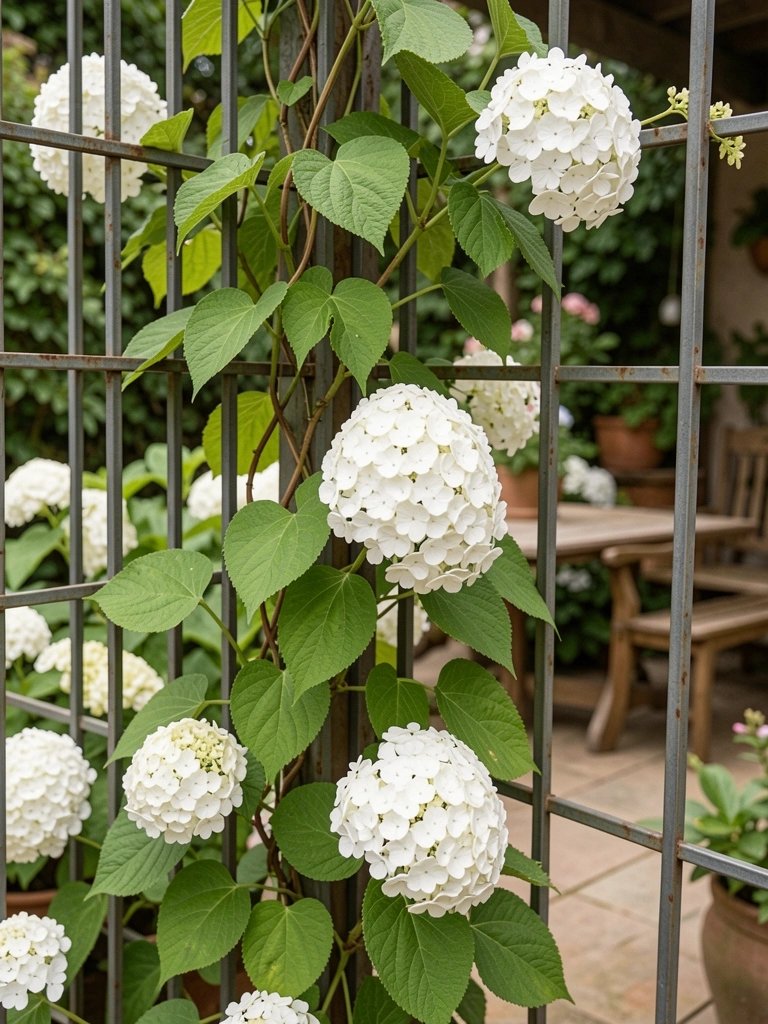
    My back fence was too low, so I set up a trellis with hydrangea. It grips without ties, covers 8 feet in three years. Flowers draw bees, leaves go butter yellow in fall. I learned to prune lightly—overdid it once, stunted growth.

    Patio feels wrapped now, private chats stay private.

    Pick shady spots; full sun burns them.

    What You’ll Need for This Look

    Climbing hydrangea petiolaris quart pot

    6 foot garden trellis black metal

    Organic potting soil 2 cubic feet

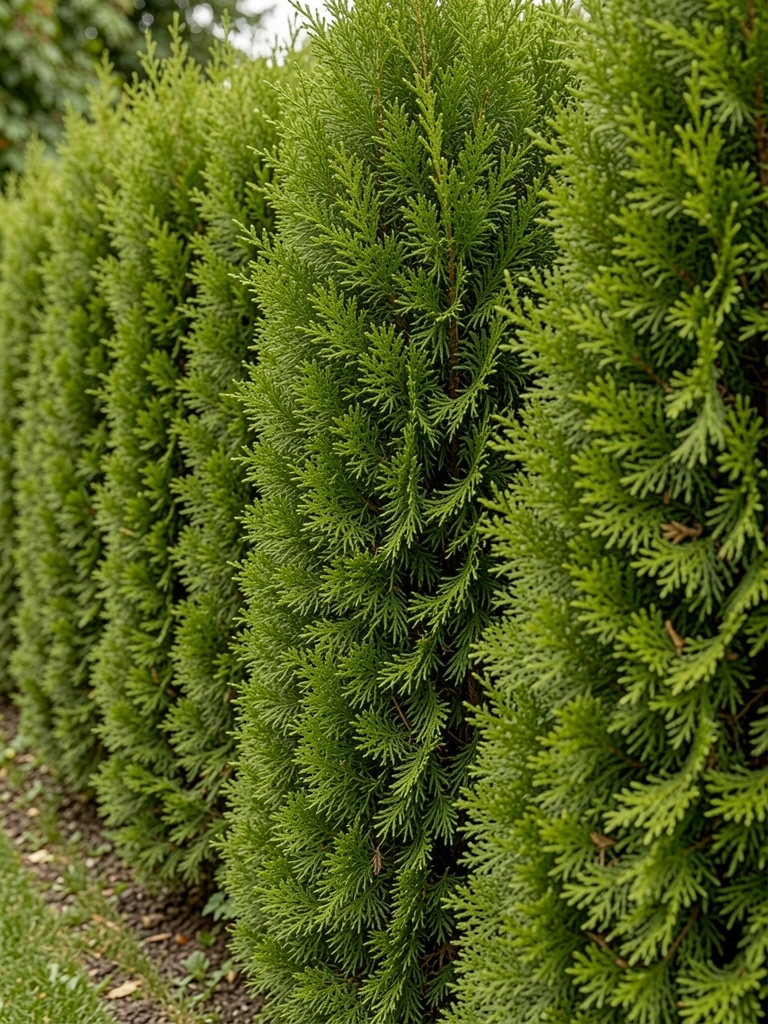
    3. Emerald Green Arborvitae in a Straight Row

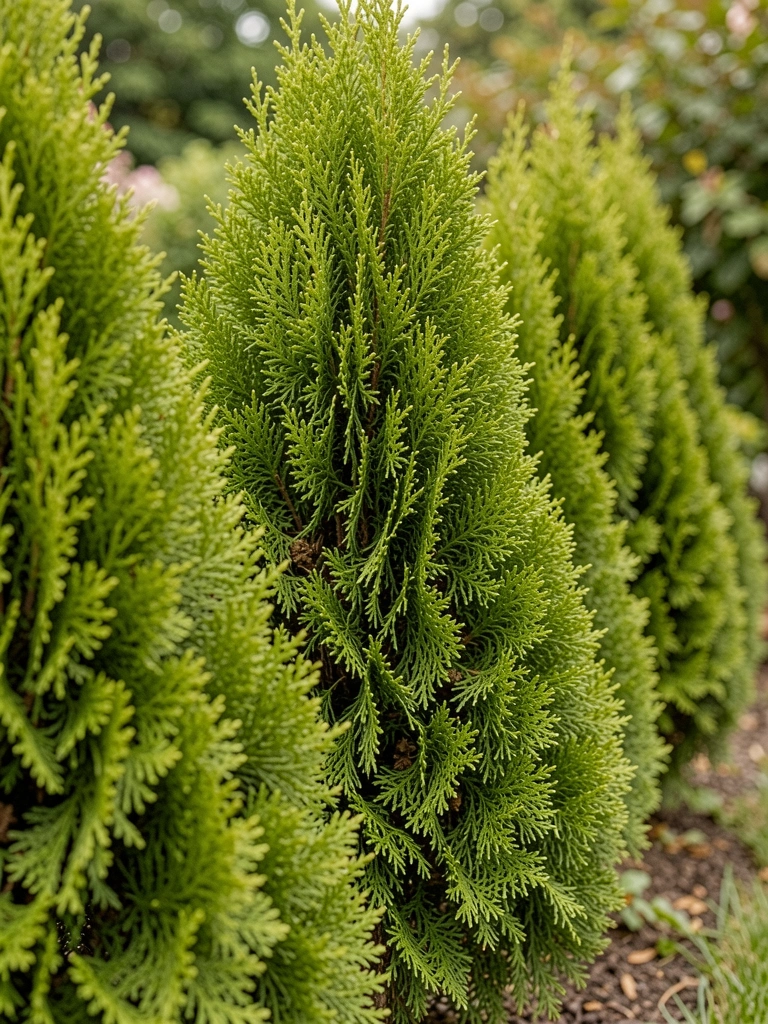
    Neighbors' lights blinded us at night, so arborvitae went in along the line. Emerald green stays tight, 12 feet tall, no bare bottoms if mulched. Shear sides yearly for hedge look. My mistake: planted too close at first, thinned them out.

    Yard feels deeper, wind blocked too.

    Full sun, amend clay soil.

    What You’ll Need for This Look

    Emerald green arborvitae 5 gallon

    Cedar mulch 2 cubic feet bag

    Hand pruner bypass style

    4. Tall Pampas Grass in Corner Clusters

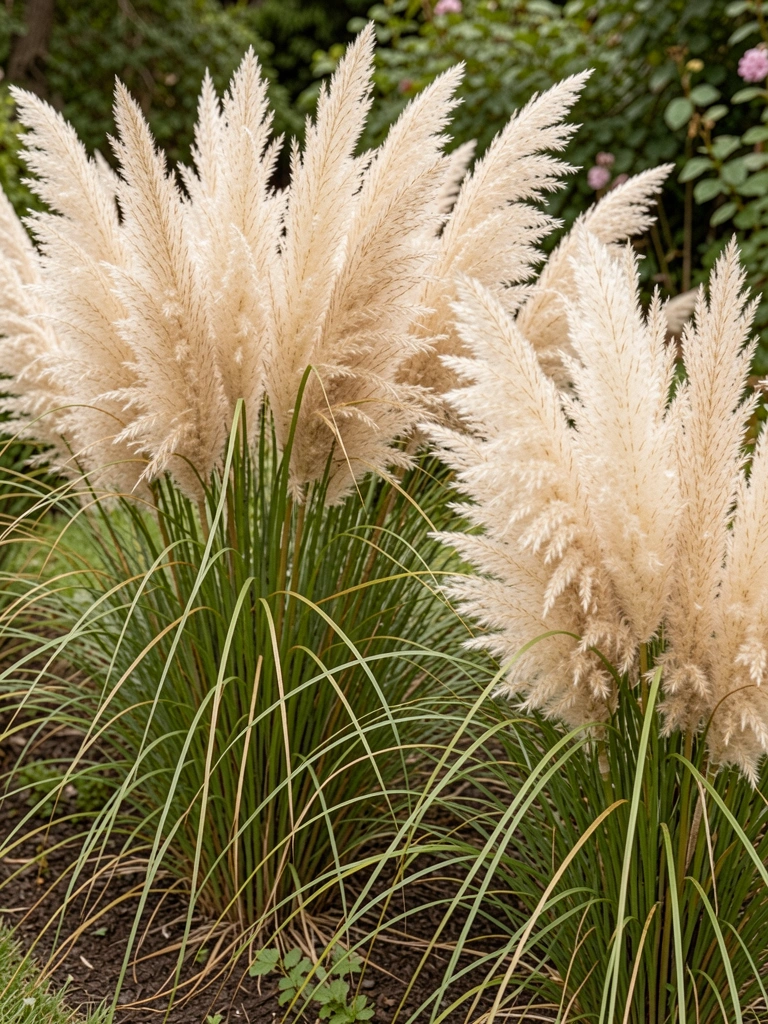
    Corners let in street views, pampas fixed that. Plumes wave 8 feet high, blades hide fence gaps. Cut back in spring; they regrow thicker. I ignored deer netting once—nibbled to stubs.

    Swishy movement makes it lively, not stiff.

    Dry soil okay, divide every few years.

    What You’ll Need for This Look

    Pampas grass Cortaderia 1 gallon

    Garden twine natural fiber

    Deer netting 7×100 feet

    5. English Ivy Draped Over Chain Link

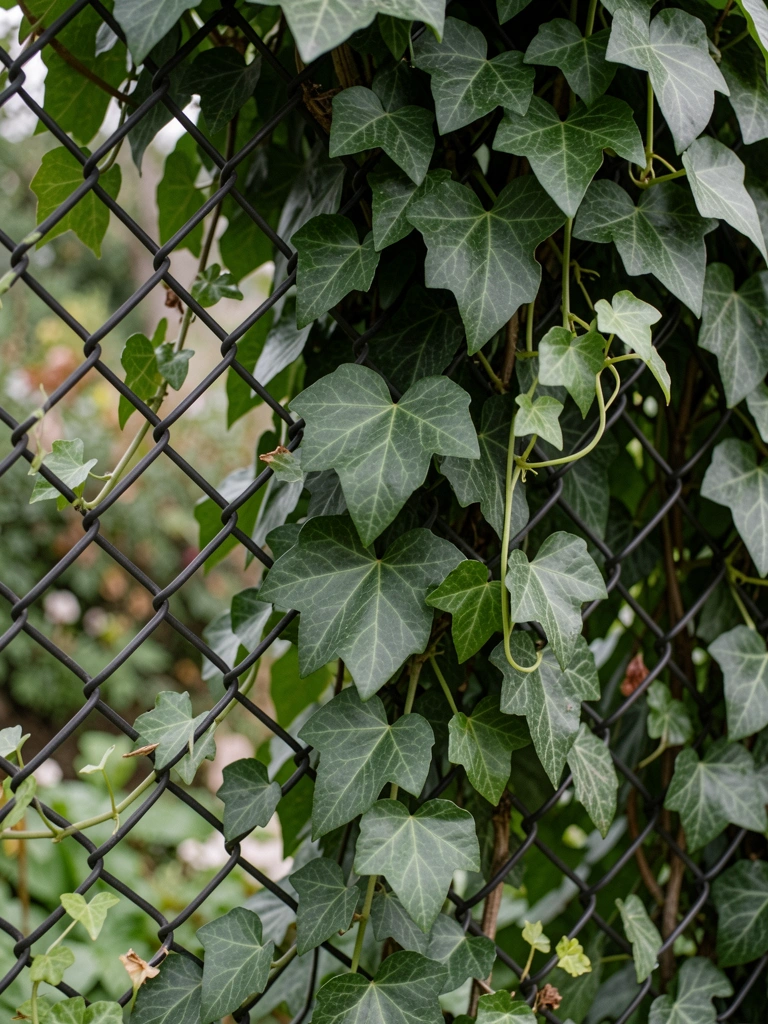
    Chain link rattled and showed everything—Ivy turned it green curtain. Climbs fast, evergreen in mild spots. Trim runners to keep tidy. Planted in fall once, froze back.

    Blocks peeks, softens metal clank.

    Shade tolerant, moist soil.

    What You’ll Need for This Look

    English ivy Hedera 4 inch pot

    Garden gloves leather palm

    Hedge shears 22 inch

    6. Mixed Lavender and Rosemary Border Hedge

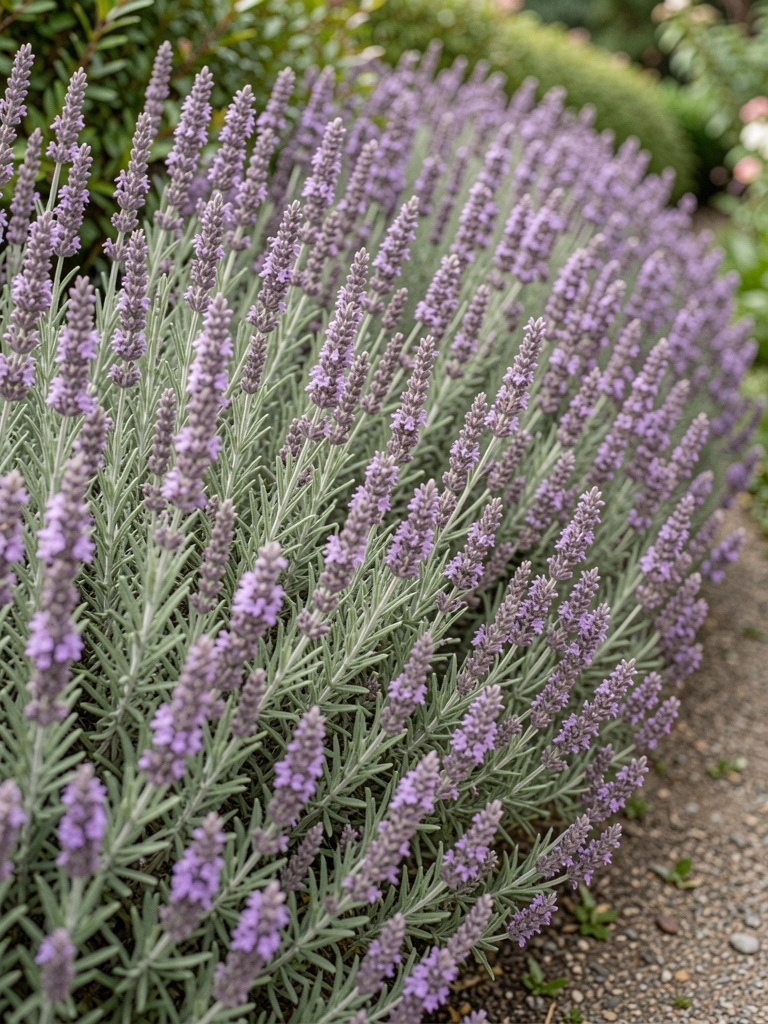
    Walkway felt public; lavender-rosemary row at 4 feet screens it. Fragrant, bee-friendly, drought tough. Shear after bloom. Watered too much first go—roots rotted.

    Smells amazing up close, hides low fences.

    Sunny, gritty soil.

    What You’ll Need for This Look

    Lavender Hidcote 1 gallon

    Rosemary Tuscan Blue 1 gallon

    Sand garden soil amendment 40 lb

    7. Willow Branch Woven Living Fence

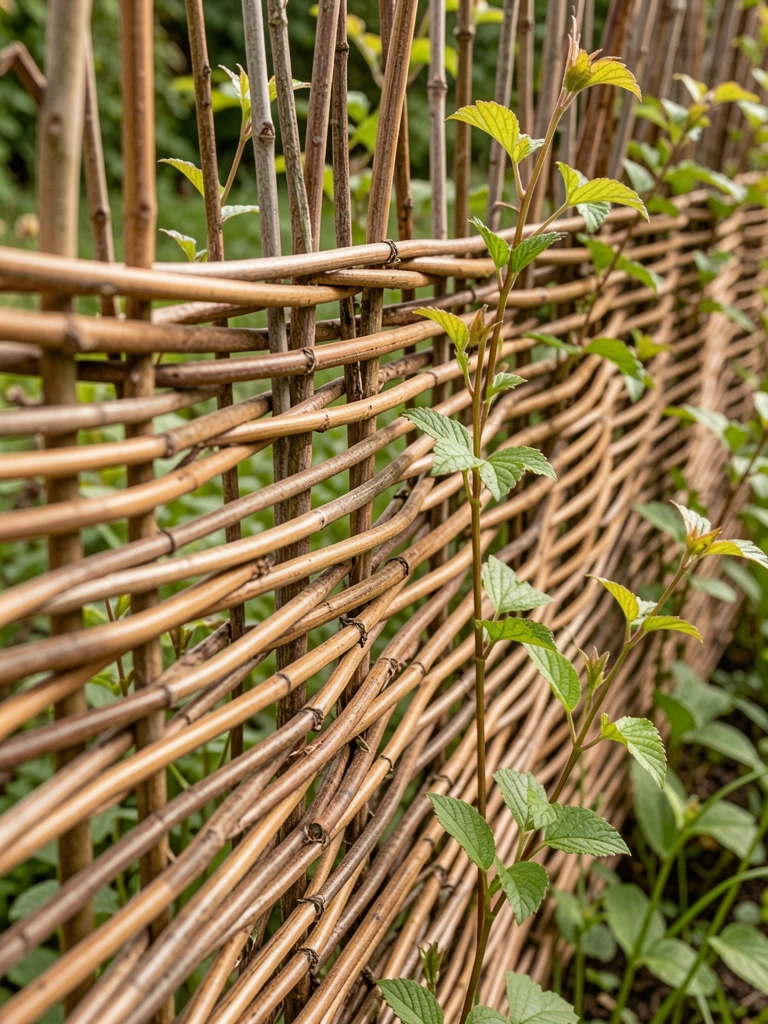
    Wanted rustic screen—wove willow whips into posts. Roots grow, fills out green. Waters itself near ponds. My weave loosened first winter; retied tighter.

    Feels cottage-y, birds perch.

    Moist soil, full sun.

    What You’ll Need for This Look

    Willow cuttings live 6 foot bundle

    Wooden garden stakes 4 foot

    Wire garden ties galvanized

    8. Holly Bushes for Year-Round Density

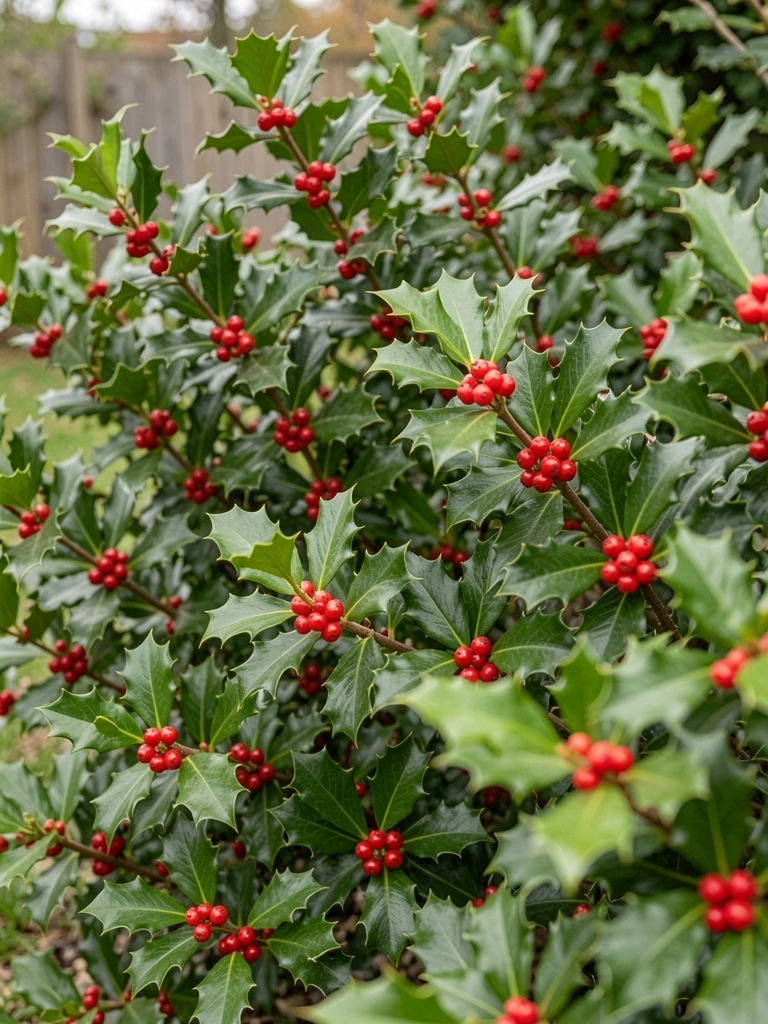
    Winter bareness bugged me—holly holds leaves, berries add color. Grows 10 feet dense. Male-female mix for fruit. Planted singles only once—no berries.

    Stays private cold months.

    Part shade, acidic soil.

    What You’ll Need for This Look

    Inkberry holly 3 gallon

    Miracle-Gro azalea fertilizer

    Landscape staples 6 inch

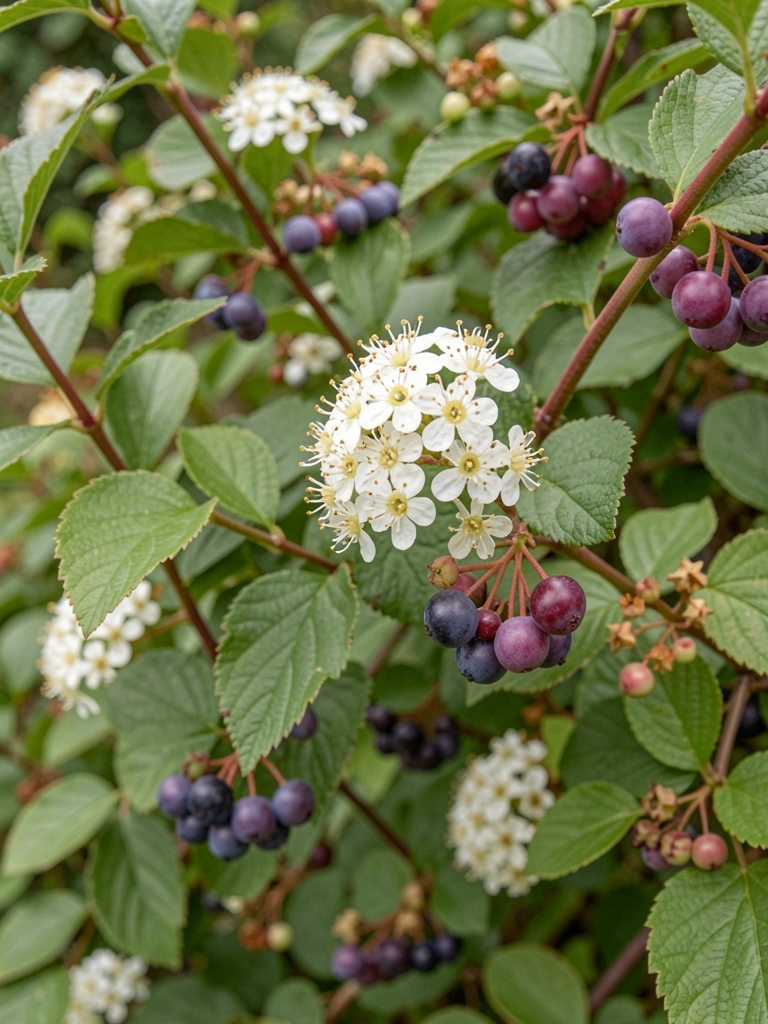
    9. Viburnum Shrub Layer for Textured Screen

    Fence showed house next door—viburnum layers block it. Flowers, berries, fall color. Prune suckers. Too shady spot yellowed leaves for me.
    Multi-season interest, wildlife draw.

    Sun to part shade.

    What You’ll Need for This Look

    Viburnum trilobum 5 gallon

    Pruning saw folding

    Compost manure blend 40 lb

    10. Clematis Vines on Tall Obelisks

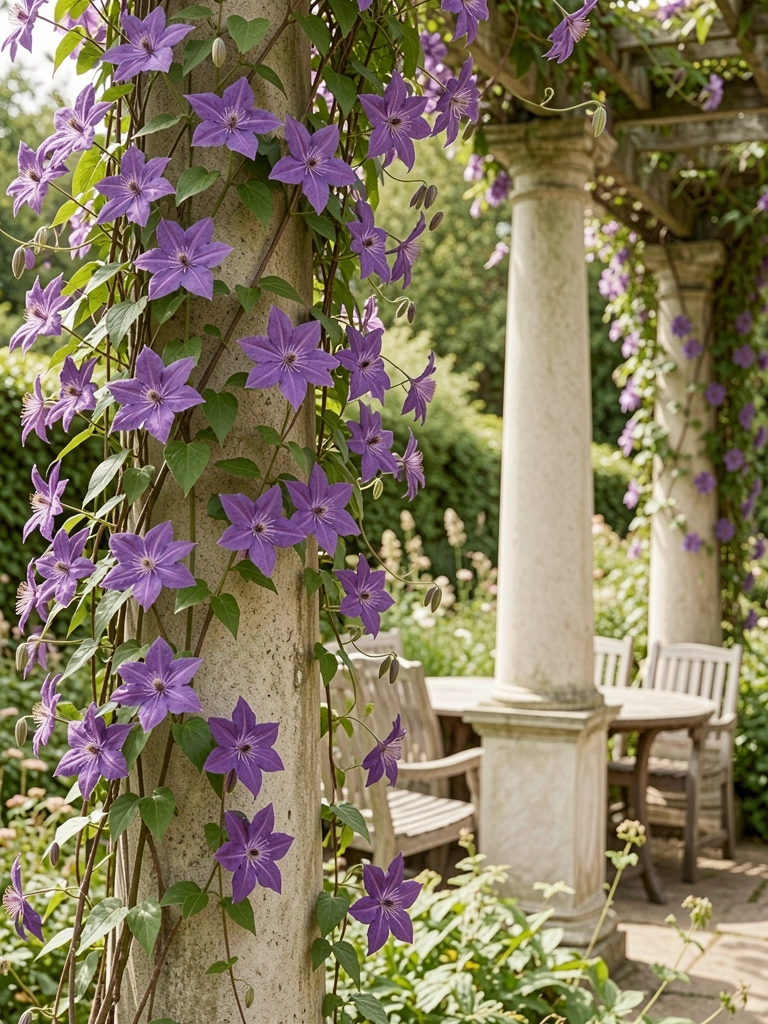
    Seating nook needed height—obelisks with clematis hit 10 feet. Blooms repeat summer. Feet in shade, top sun. Tied loosely; over-tied choked once.

    Flowers pop against green.

    Cool roots key.

    What You’ll Need for This Look

    Clematis Jackmanii 1 gallon

    Metal obelisk 7 foot black

    Burlap root shade cloth

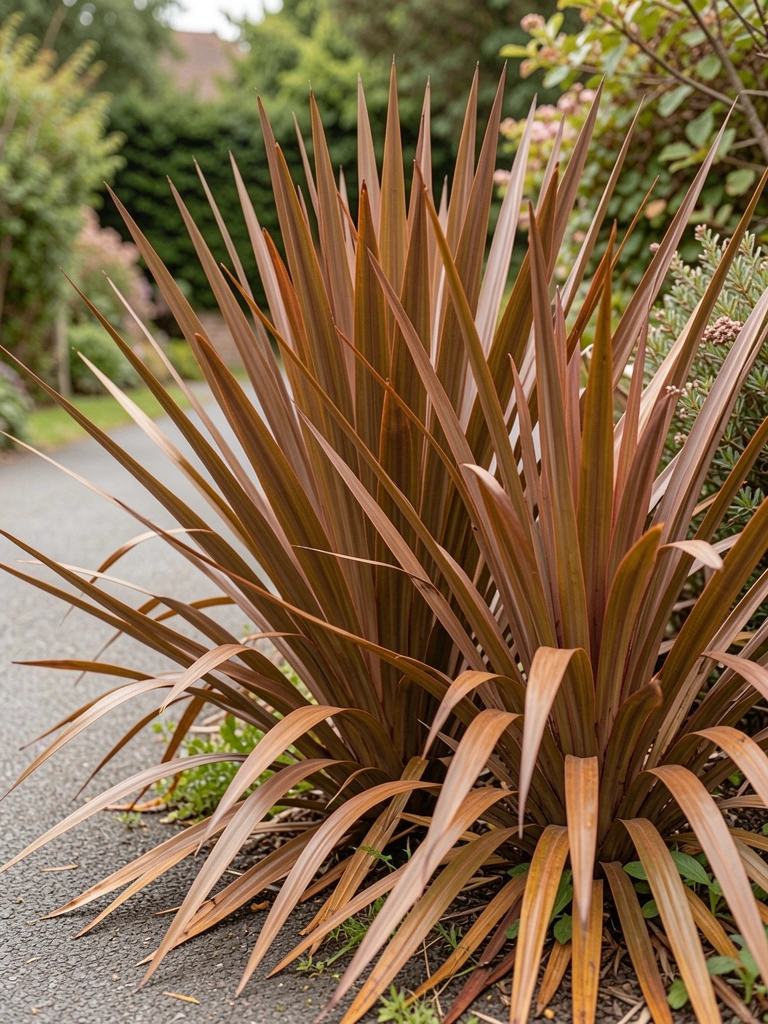
    11. New Zealand Flax for Sword-Like Barriers

    Driveway views intrusive—flax swords block at 8 feet. Strappy leaves rustle. Poor soil tolerant. Wet winter rotted crowns for me.

    Modern edge, low water.

    Full sun.

    What You’ll Need for This Look

    Phormium tenax 5 gallon

    Raised bed soil mix 1.5 cu ft

    Garden fork digging

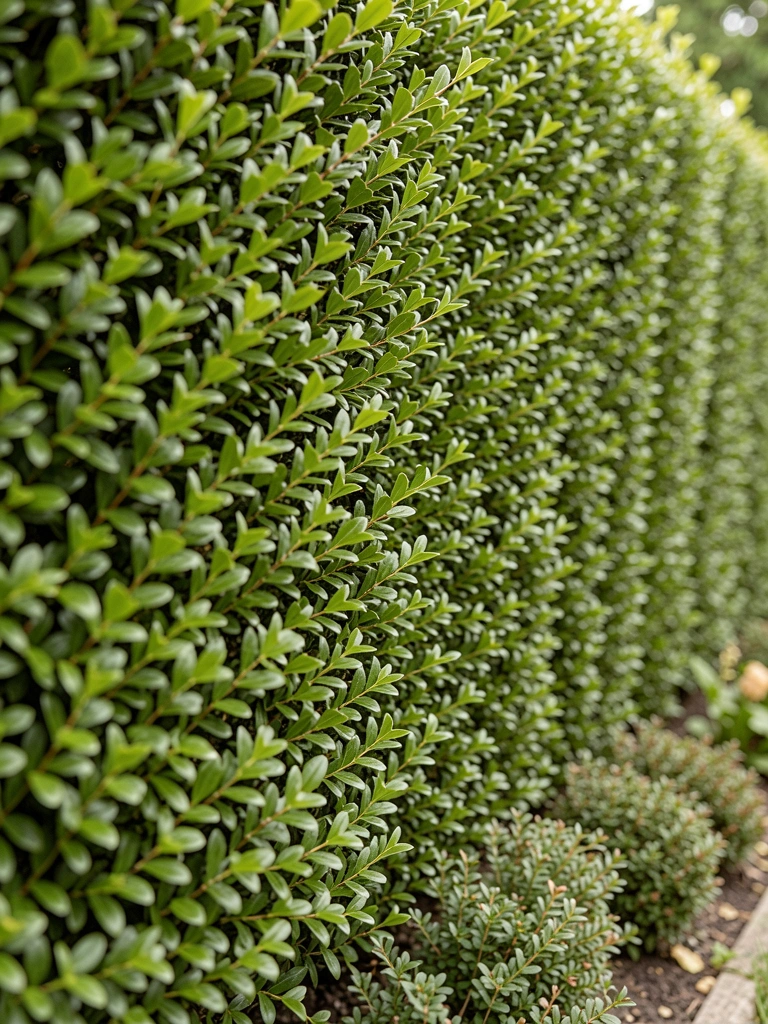
    12. Privet Hedge Clipped Narrow

    Narrow strip needed screen—privet clips to 2 feet wide, 8 feet tall. Grows anywhere. Semi-evergreen. Forgot lime in acid soil—weakened.

    Classic, fast fill.

    Sun, any soil.

    What You’ll Need for This Look

    Privet Ligustrum 1 gallon

    Epsom salt garden lime 5 lb

    Electric hedge trimmer cordless

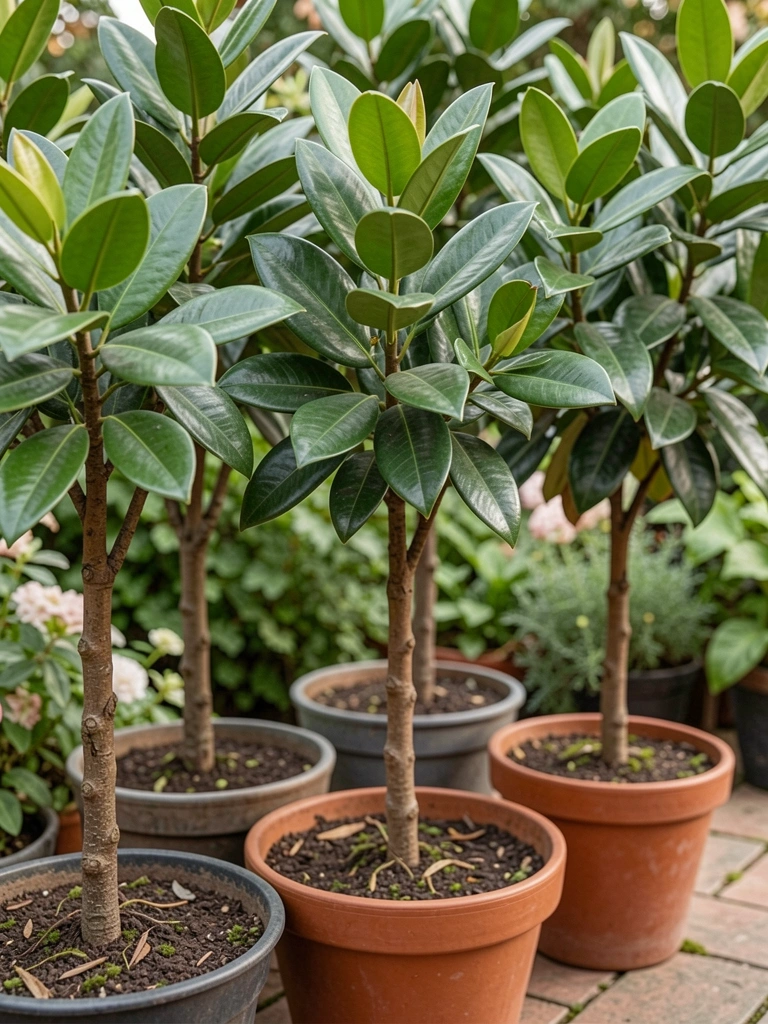
    13. Container Ficus Trees in a Line

    Renter yard? Ficus pots screen patios at 10 feet. Moveable, evergreen. Drain well. Over-fertilized, dropped leaves.

    Instant, flexible privacy.

    Part shade.

    What You’ll Need for This Look

    Ficus benjamina 3 gallon tree

    15 gallon plastic planter brown

    Slow release palm fertilizer

    14. Ferns in Tall Vertical Planters

    Wall too bare—vertical ferns make 6 foot screen. Shade lovers, drip irrigation. Soil dried fast once—added moss.

    Woodland feel, small space.

    Moist shade.

    What You’ll Need for This Look

    Boston fern 6 inch pot

    Vertical wall planter 24×36 inch

    Drip irrigation kit 50 feet

    15. Leyland Cypress for Quick Tall Hedge

    Needed fast height—Leylands hit 15 feet in 5 years. Space 6 feet. Rust hit mine from crowding.

    Windbreak too.

    Sun, mulch heavy.

    What You’ll Need for This Look

    Leyland cypress 5 gallon

    Pinch bark fungicide spray

    Wheelbarrow 6 cu ft steel

    16. Rambling Roses Over an Archway Screen

    Gate view too open—roses on arch block it flowery. Thorns deter. Train laterals. Black spot from wet leaves once.

    Romantic scent.

    Sun.

    What You’ll Need for This Look

    Rambling rose Alberic Barbier

    Metal garden arch 8 foot

    Rose fungicide granular

    17. Boxwood Pairs for Formal Gaps

    Fence gaps peeked through—boxwood globes fill neat. Slow grow, shear easy. Bronze in cold once—picked hardier.

    Clean lines.

    Part shade.

    What You’ll Need for This Look

    Green Velvet boxwood 3 gallon

    Hand shears precision

    Soil test kit pH

    18. Ornamental Grasses in Raised Beds

    Patio low—raised grasses screen 7 feet. Miscanthus sways. Divide clumps. Flopped in wind first—staked.

    Movement adds life.

    Sun.

    What You’ll Need for This Look

    Miscanthus maiden grass 1 gallon

    Cedar raised bed 4x4x1 foot

    Garden stakes bamboo 3 foot

    19. Elderberry Thicket for Native Density

    Back line wild—elderberry thicket screens natural. Berries for jam. Suckers spread. Birds ate young—netted.

    Pollinator spot.

    Moist sun.

    What You’ll Need for This Look

    Native elderberry Sambucus 1 gallon

    Fruit netting 14×14 foot

    Pruning lopper 24 inch

    20. Fastigiate Hornbeam Columns

    Narrow alley screen—hornbeam columns fit tight, 20 feet tall slim. Fall color orange. Slow start, patient.

    Urban friendly.

    Sun part shade.

    What You’ll Need for This Look

    Fastigiate hornbeam 5 gallon

    Tree stake kit with ties

    Leaf rake flexible

    21. Layered Perennials and Shrubs Mix

    One fence all around—layered tall rudbeckia back, salvia mid, hosta front. Fills 6 feet deep. Perennials shift yearly.

    Evolving, colorful.

    Sun mix.

    What You’ll Need for This Look

    Rudbeckia plant 1 gallon

    Salvia May Night quart

    Hosta Sum Substance 1 gallon

    Final Thoughts

    Start with two or three ideas that match your light and space. Plants take time, but they settle in real. You've got this—your garden, your screen. Watch them grow, tweak as needed. It'll feel like home.

  • 11 Cheap Garden Privacy Ideas For Budget Outdoor Spaces

    11 Cheap Garden Privacy Ideas For Budget Outdoor Spaces

    I remember staring out my kitchen window, feeling exposed with neighbors just across the fence. No big budget for fancy walls. So I started small, grabbing cheap plants and scraps that grew into real screens. It changed everything—made the yard feel mine again. Quiet mornings, no prying eyes.

    Now my space holds that cozy privacy without breaking the bank.

    11 Cheap Garden Privacy Ideas For Budget Outdoor Spaces

    These 11 cheap garden privacy ideas come straight from my yard fixes. All under $50 a pop. You'll see exactly what to grab and plant. Pick one or two—your space will feel tucked away fast.

    1. Tall Potted Grasses That Block the View in Weeks

    I planted miscanthus in big pots along my back fence three summers ago. They shot up to six feet quick, swaying in the wind like a soft wall. Hid the alley view completely. Before that, I bought shorter grasses by mistake—too see-through. Learned to pick fast-growers.

    The yard feels deeper now, more peaceful for coffee out back. No one peeks over.

    Space pots a foot apart. Water weekly at first. They fill in dense.

    What You’ll Need for This Look

    Large plastic grow bags (20 gallon)

    Miscanthus grass plants (3 pack)

    Organic mulch bag (2 cubic feet)

    2. DIY Bamboo Poles Tied into a Quick Screen

    Bamboo poles from the hardware store run me $20 for a bundle. I zip-tied them to my chain-link fence last spring. Added some honeysuckle at the base—it climbs and thickens everything. Neighbors can't see through anymore.

    Felt instant height without digging posts. Wind rustles them softly.

    Cut poles eight feet tall. Overlap for no gaps. Plant climbers low.

    What You’ll Need for This Look

    Bamboo poles (1 inch diameter, 8 foot)

    Heavy duty zip ties (12 inch, 100 pack)

    Honeysuckle vine starts (2 pack)

    3. Climbing Beans on a Net Backed Trellis

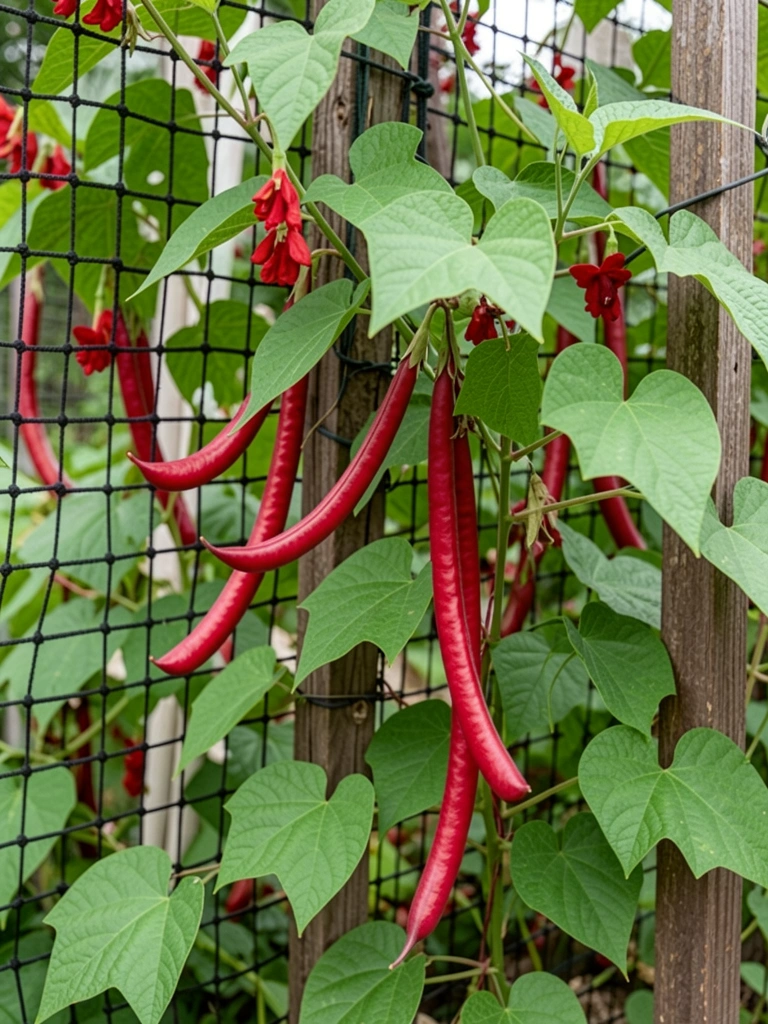
    Scarlet runner beans grew wild on garden netting I stretched across my side yard. Cost $15 total. In two months, full coverage—flowers even bloom pretty. I skipped fancy frames first time; netting sags less with stakes.

    Patio sits private now, beans pod up for eating too.

    Stretch net tight between posts. Sow seeds direct in soil below.

    What You’ll Need for This Look

    Garden netting (6×50 foot)

    Scarlet runner bean seeds (50 seeds)

    Wooden garden stakes (6 foot, 4 pack)

    4. Reed Screening Rolls Clipped to Existing Fences

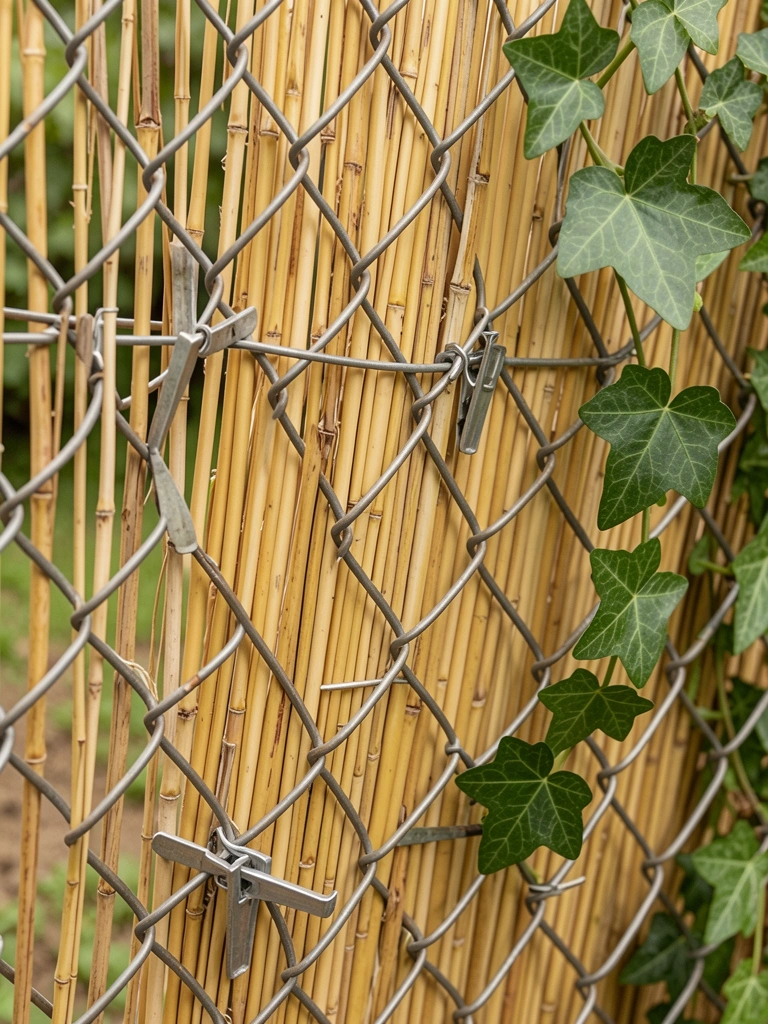
    Rolled reed mats hide my ugly chain-link for $25. Clipped them on easy—no tools needed. Added ivy at bottom for hold-down. Lasted three years so far.

    Yard looks cottage-like, blocks wind too.

    Measure fence height first. Overlap edges. Trim with shears.

    What You’ll Need for This Look

    Reed fencing rolls (6×16 foot)

    Fence clips (galvanized, 50 pack)

    English ivy plugs (10 pack)

    5. Stacked Straw Bales as a Temporary Wall

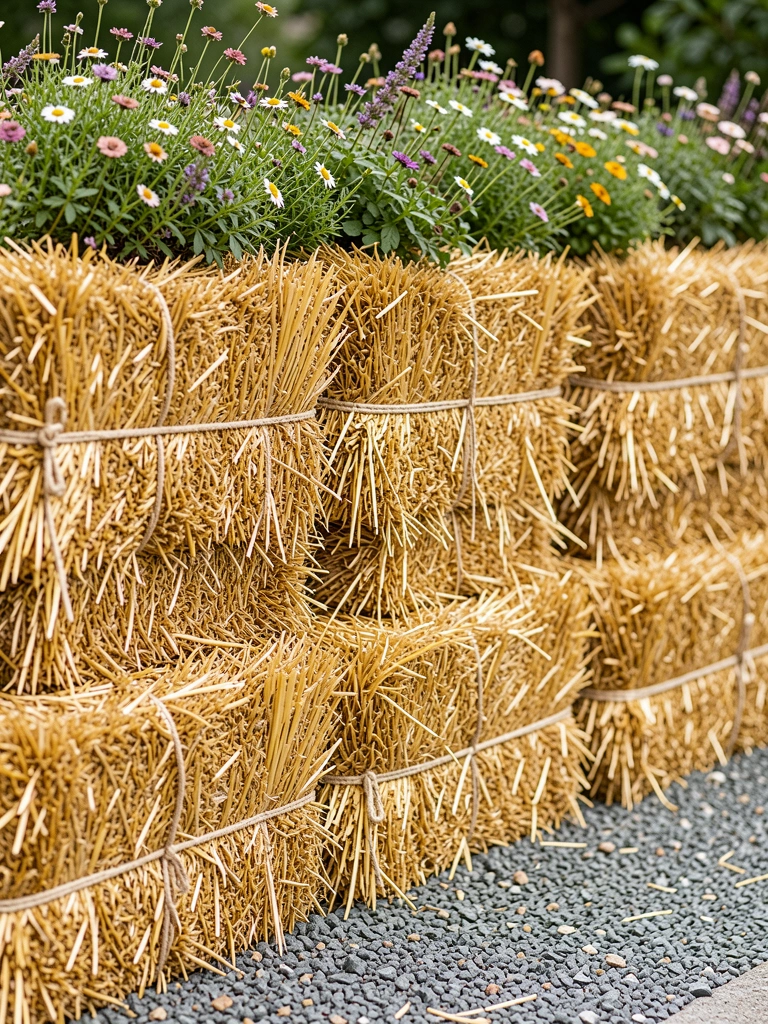
    Straw bales stacked four high made a corner screen cheap—$30 from the farm store. Planted flowers on top. They softened the look, held through rain. I worried about rot first; bales last if off ground.

    Feels farm-cozy, hides the shed.

    Level ground. Stack zigzag for strength. Plant shallow-rooted stuff.

    What You’ll Need for This Look

    Straw bales (3 pack, standard size)

    Wildflower seed mix (1 pound)

    Landscape gravel (50 pound bag)

    6. Thrifted Pallet Sections Painted and Upright

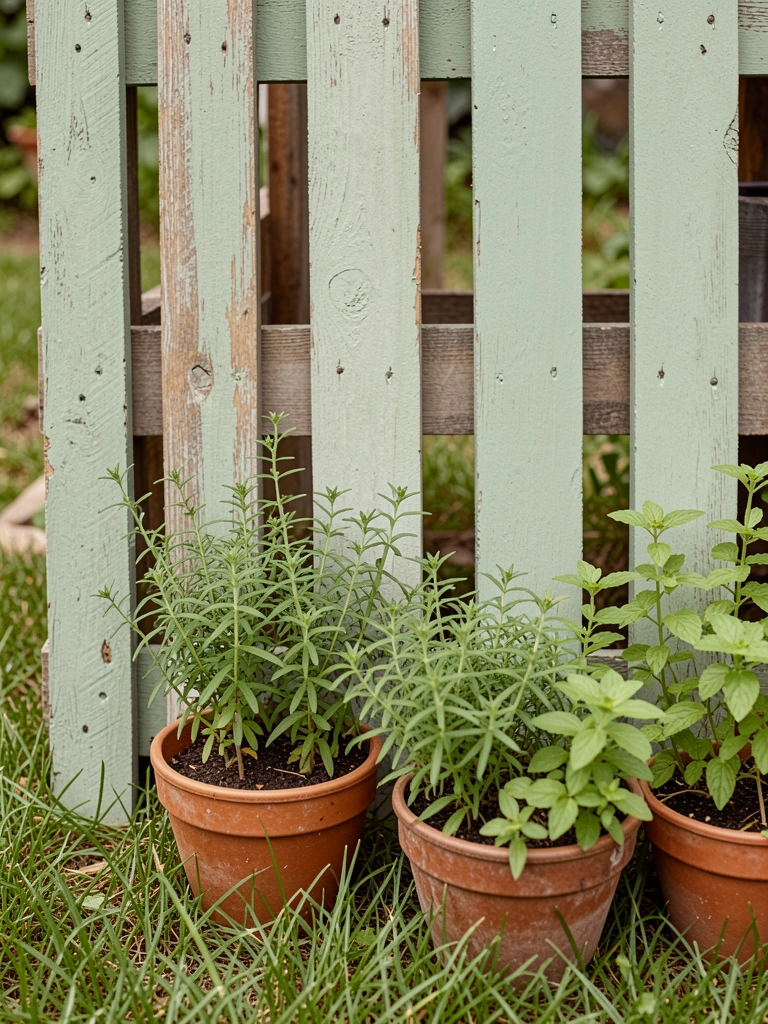
    Free pallets from behind stores, painted green, leaned against posts. $10 in supplies. Herbs in front fill gaps. One leaned wrong and tipped—stake now.

    Backyard nook private for reading.

    Sand first. Use outdoor paint. Secure top and bottom.

    What You’ll Need for This Look

    Exterior wood paint (quart, sage green)

    Wood stakes (4 foot, 6 pack)

    Potted herb collection (basil, rosemary)

    7. Fast-Growing Arborvitae in Grow Bags

    Arborvitae in bags grew to five feet in two years—$40 for four. Line my patio edge. Dense needles block views solid. Overwatered once; now mulch keeps soil right.

    Sits comfortable, low fuss.

    Plant close, one foot apart. Fertilize spring.

    What You’ll Need for This Look

    Arborvitae shrubs (1 gallon, 4 pack)

    Landscape fabric grow bags (15 gallon)

    Slow release fertilizer spikes (12 pack)

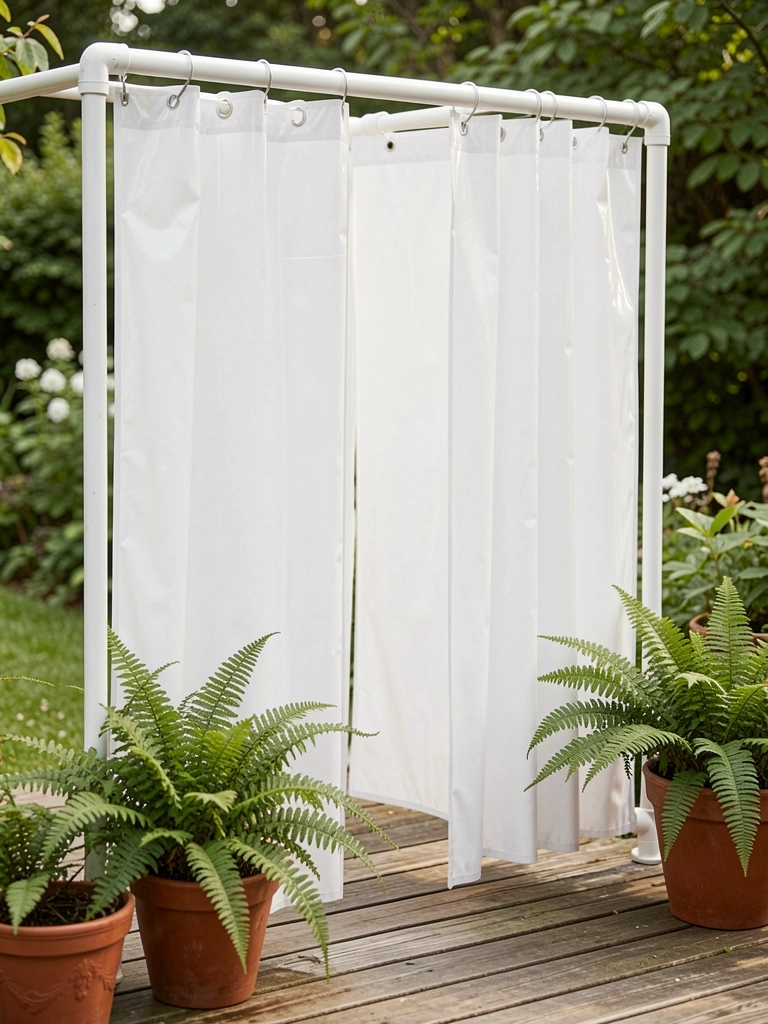
    8. Outdoor Shower Curtains on PVC Frames

    PVC pipes and cheap shower curtains made a $25 enclosure around my hot tub. Ferns below soften it. Wind-proof with connectors. Curtains faded once—pick UV ones.
    Feels spa-like, private soak.

    Cut PVC to height. Hang with clips.
    What You’ll Need for This Look

    Outdoor shower curtains (white vinyl, 72×72 inch)

    PVC pipe kit (1 inch, 10 foot sections)

    PVC connectors (elbows and tees, 10 pack)

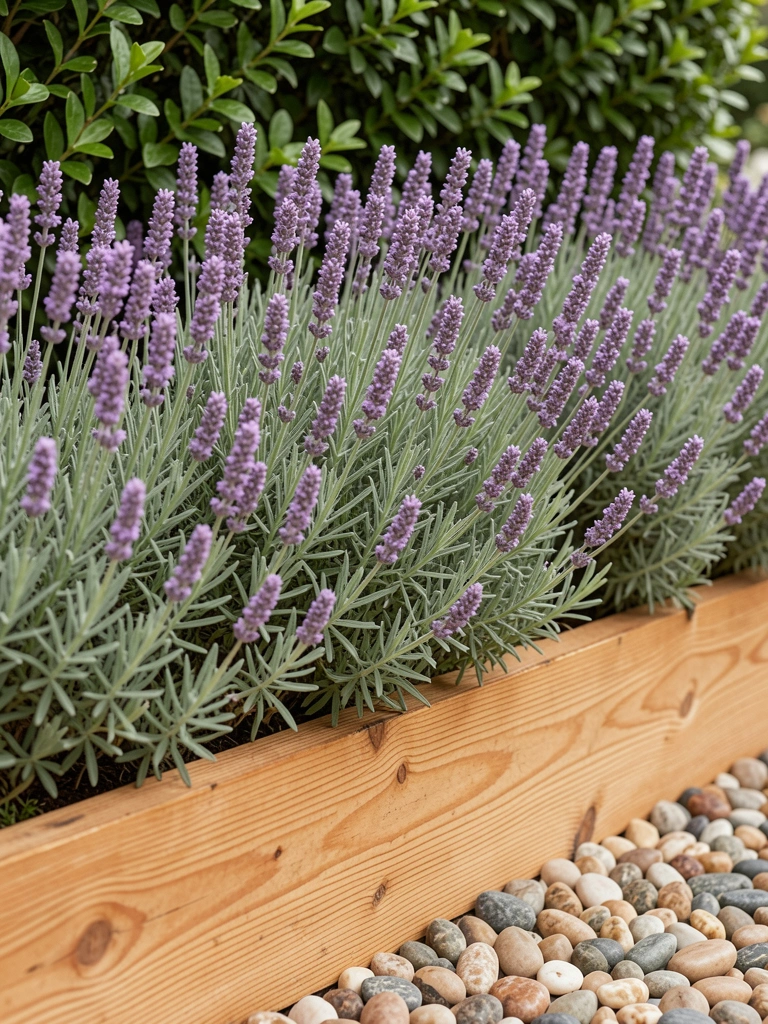
    9. Dense Lavender Hedges in Raised Beds

    Lavender rows in a low cedar bed screen my seating area—$35 setup. Smells amazing up close, bees love it. Planted too shallow first; deeper soil fixed.

    Yard calm, fragrant hideaway.

    Trim yearly. Full sun spot.

    What You’ll Need for This Look

    Lavender plants (4 inch pots, 6 pack)

    Cedar raised garden bed (2×4 foot)

    Pea gravel (20 pound bag)

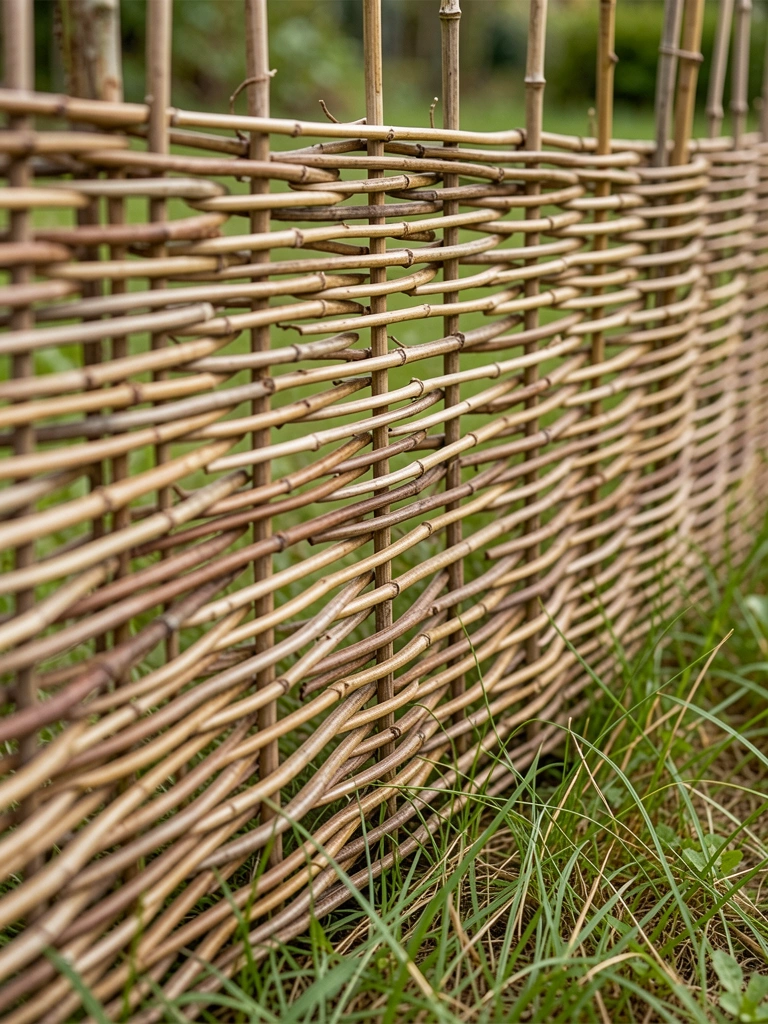
    10. Willow Branches Woven into Hurdle Panels

    Wove willow into panels using branches from the woods—$15 for extras. Leans easy, rustic look. Curves block angles perfect.

    Side yard private for kids' play.

    Soak branches first. Tie with twine.

    What You’ll Need for This Look

    Willow branches (6 foot lengths, bundle)

    Gardening twine (natural, 300 foot)

    Metal garden stakes (rebar style, 4 pack)

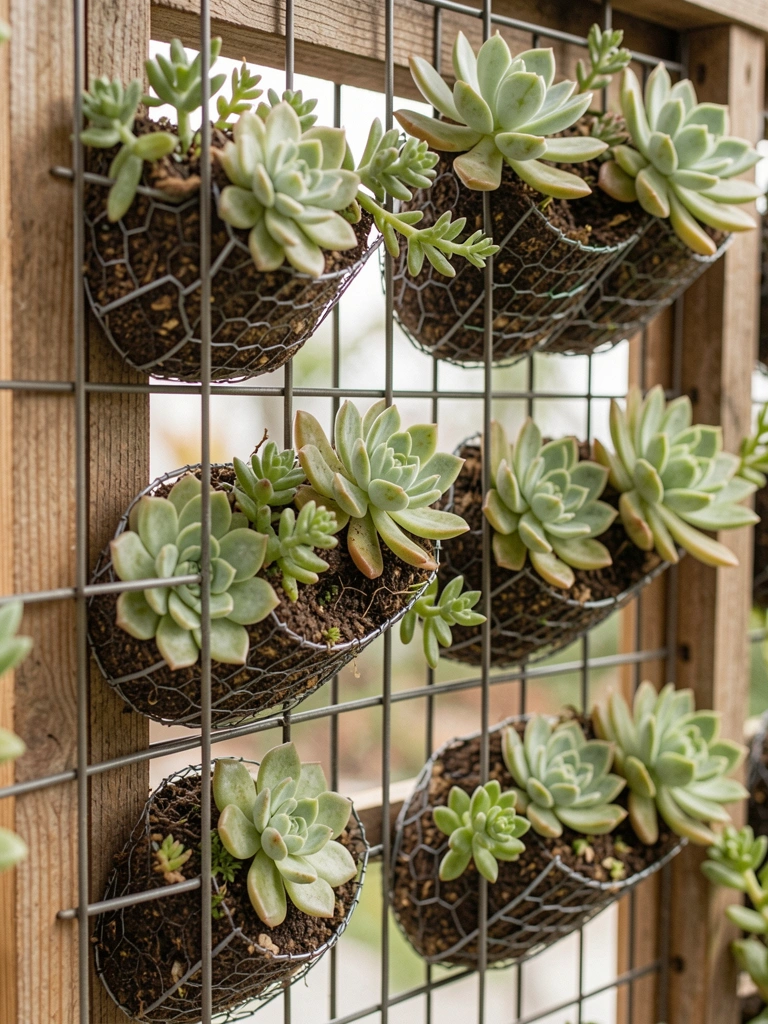
    11. Vertical Succulent Frames from Wire Grids

    Chicken wire on a wood frame, stuffed with succulents—$30 project. Hangs on fence, trails down thick. Drought-proof once rooted. Soil spilled early; line with moss.

    Patio wall green and hidden.

    Water from top. Morning sun.

    What You’ll Need for This Look

    Chicken wire (36×25 inch)

    Succulent assortment (2 inch pots, 12 pack)

    Sphagnum moss (8 ounce bag)

    Final Thoughts

    Start with one idea that fits your spot. My yard didn't change overnight, but these built real privacy cheap. You've got this—grab a few supplies, plant, watch it grow. Your outdoor space will feel right at home.

  • How To Lay Pavers For A Patio

    How To Lay Pavers For A Patio

    I stared at the dirt patch behind my shed. It sloped awkwardly and collected puddles after rain. The rest of the yard flowed okay, but this spot killed the rhythm. I wanted a place to set a chair, maybe eat lunch outside. Without it, the garden felt lopsided.

    I'd tried mulch there once. It washed away. Grass grew patchy. Finally, I laid pavers myself. Now it anchors the space.

    How To Lay Pavers For A Patio

    This shows you how I lay pavers to create a solid patio that settles into the garden. It ends up balanced, walkable, and ready for pots or chairs. You can do this over a weekend.

    What You’ll Need

    Step 1: Mark the Patio Shape That Fits Your Yard

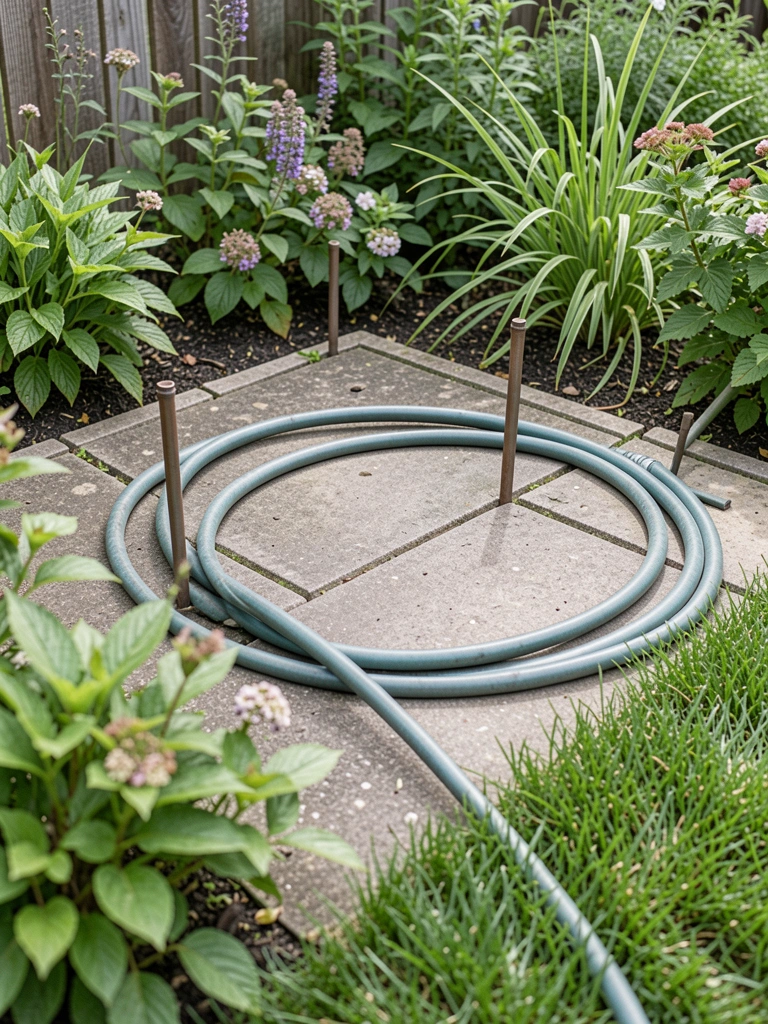
    I start by walking the area with a hose. Lay it out in a shape that echoes the yard's curves—not too square if the garden meanders. Stake the ends. Step back. Does it pull your eye comfortably from the lawn to the beds?

    This sets the feel. The visual change is instant: a defined zone appears amid the green. Most miss how a soft edge, not rigid lines, makes it blend. Avoid staking too tight to plants; leave room for roots to breathe.

    I adjust until sitting there in my mind feels right. It takes 20 minutes but saves rework.

    Step 2: Dig and Level for a Flat Base

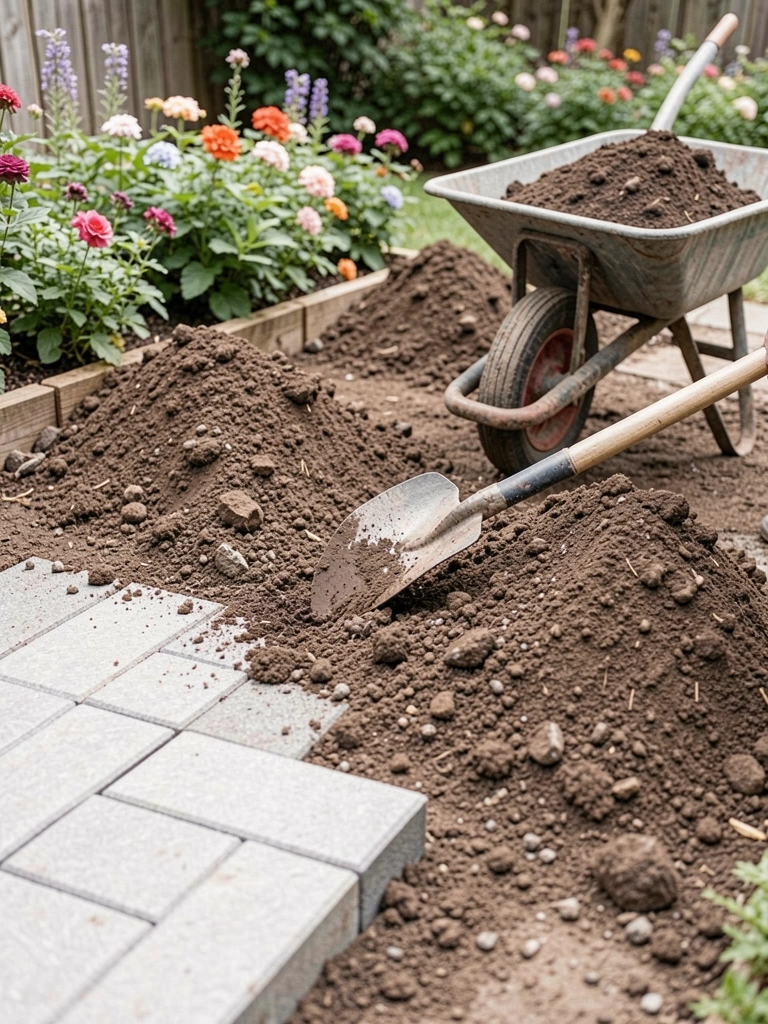
    I dig 6 inches deep, sloping slightly away from the house for drainage. Rake smooth. Why? Uneven ground shifts pavers later. Now the space looks like a blank canvas, ready.

    People overlook checking level every few feet—water finds low spots fast. Mistake to avoid: skipping this makes chairs wobble. Use a straight board and level.

    It feels steady underfoot already, even bare. This base holds everything balanced.

    Step 3: Add Gravel and Compact for Stability

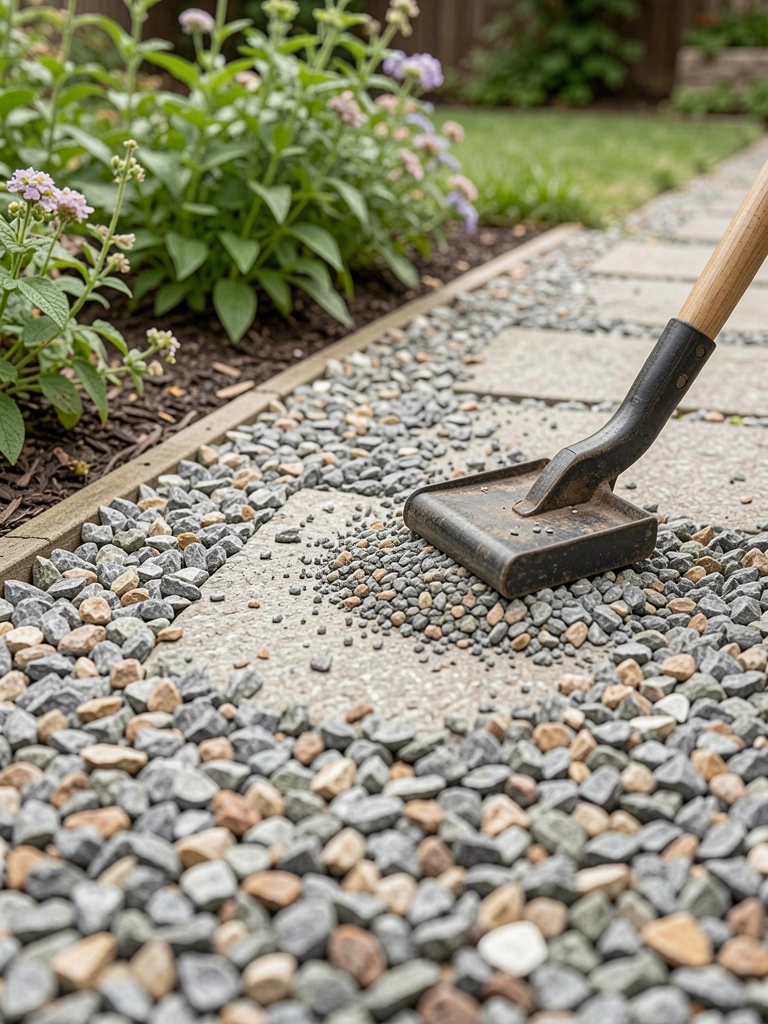
    Spread 4 inches of gravel. Wet it lightly, then compact in layers. I do this because it locks in place—no sinking over time. The area firms up, looking solid against soft garden soil.

    Insight: Compact wet gravel; dry just puffs up. Avoid overpacking edges; it cracks there first.

    Visually, it shifts from loose dirt to a firm pad that grounds the whole yard.

    Step 4: Lay the Pavers with Even Gaps

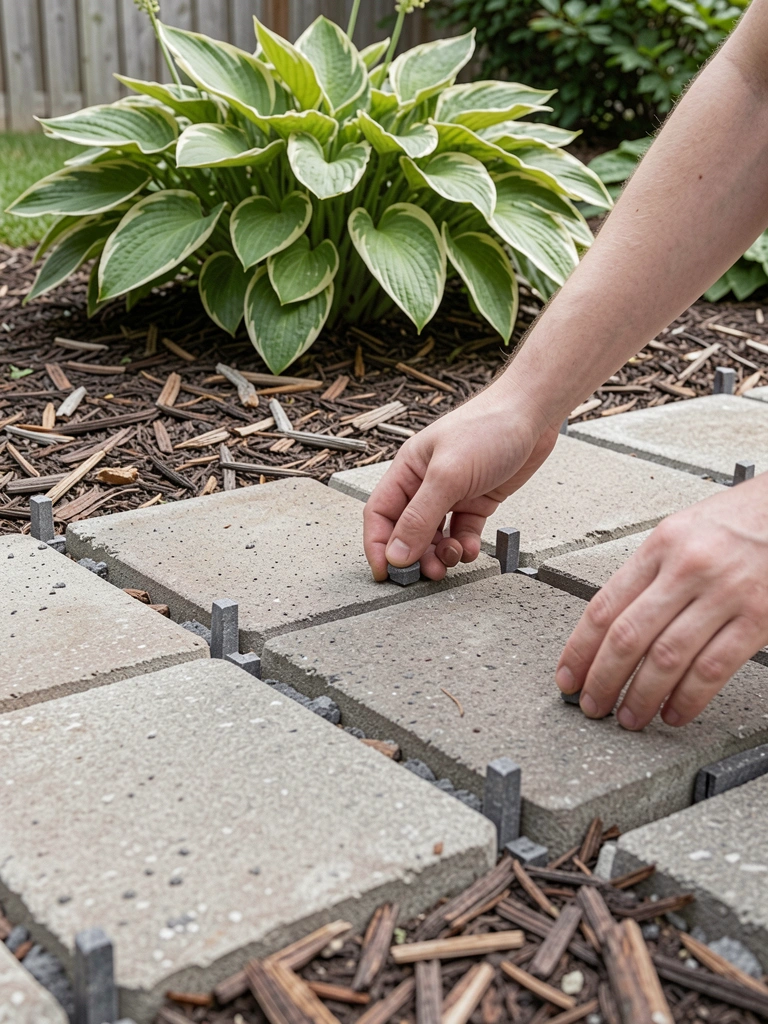
    Place pavers from the center out, tapping gently. Keep 1/8-inch gaps for sand. Why? Tight joints look stiff; gaps let it breathe. The patio emerges, mirroring the yard's calm flow.

    Most miss starting center—it prevents wonky edges. Avoid forcing pieces; cut if needed for clean lines.

    It feels intentional now, inviting a chair.

    Step 5: Fill Joints and Settle In

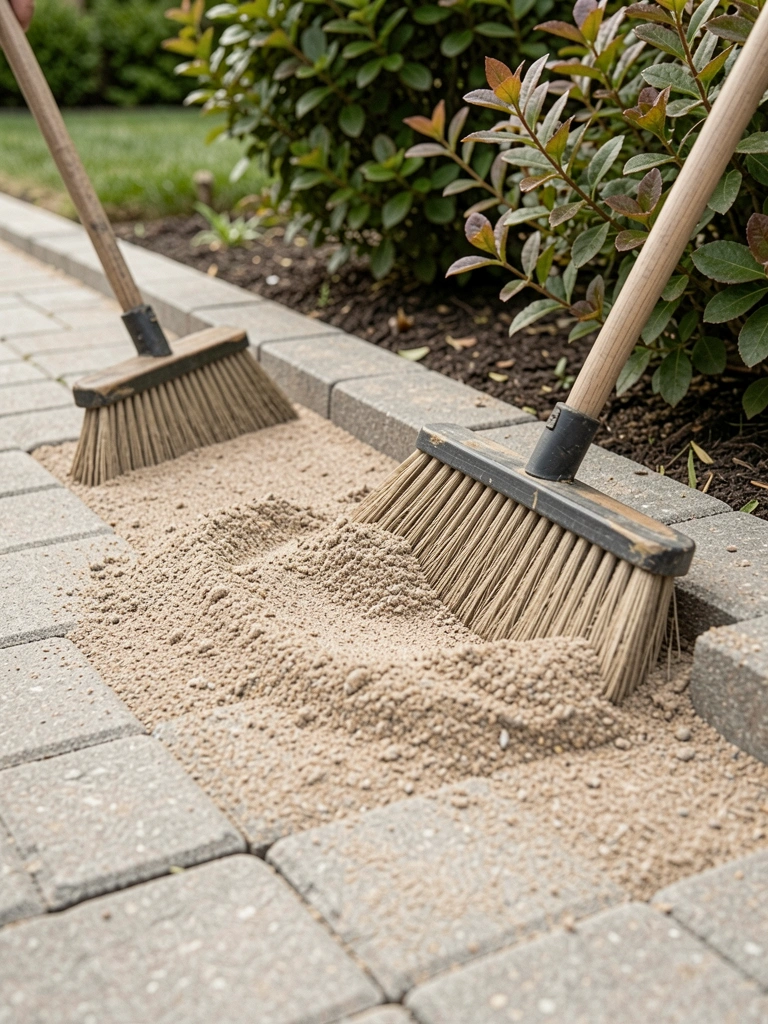
    Sweep in polymeric sand, mist to set. This binds without grout mess. Visually, gaps vanish; the surface warms, blending with paths.

    Overlooked: Sweep excess before wetting, or it stains. Avoid heavy traffic right away; let it cure.

    The patio sits balanced, part of the garden.

    Step 6: Edge and Plant to Anchor

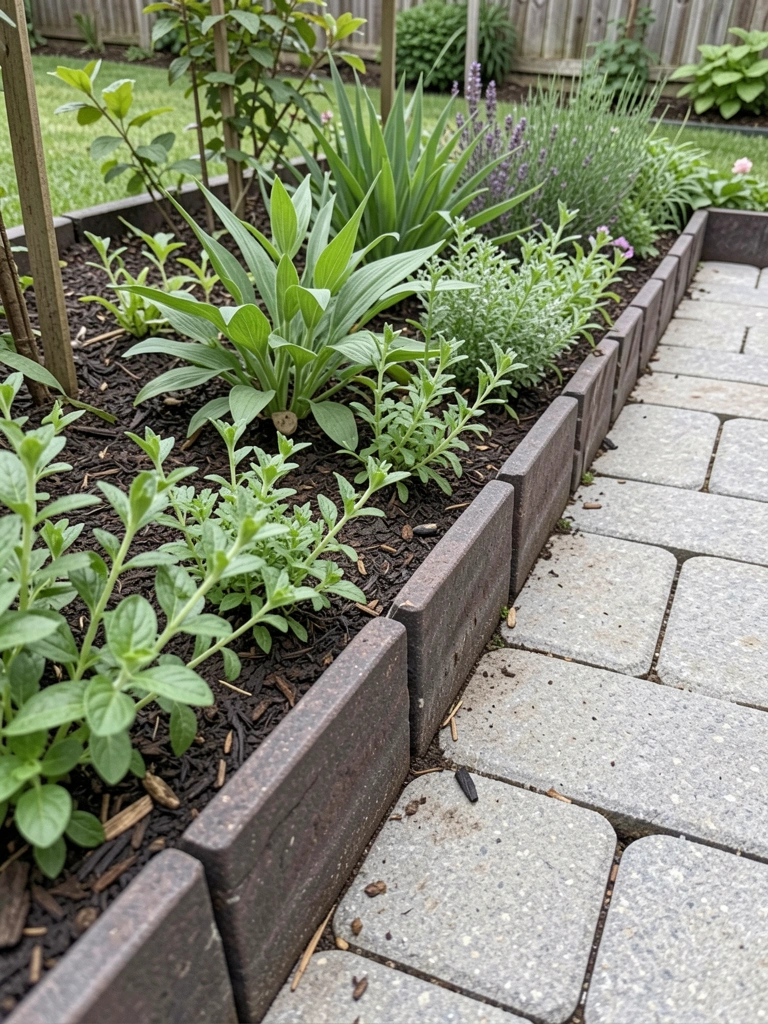
    Stake edging, tuck in low plants like sedum. Why? It softens hard lines, ties to beds. Now it flows.

    Missed insight: Plants hide minor shifts. Avoid bare edges; they scream "new."

    The space feels lived-in, comfortable.

    Blending Your Patio with Garden Beds

    I plant low growers right up to the pavers. They spill over slightly.

    This keeps the hard surface from dominating.

    • Sedum or creeping thyme work best—no mowing needed.
    • Add mulch between for clean lines.
    • Taller perennials behind frame views.

    It makes the patio a garden room.

    Handling Slopes and Uneven Ground

    Slopes challenge me most. I build up low sides with extra gravel.

    Step back often.

    • Check level across the whole area.
    • Use base panels on soft soil.
    • Test walk before final sand.

    Even tricky spots end up solid.

    Keeping It Clean Year After Year

    Weed seeds find joints. I spot-treat early.

    Pressure wash gently once a year.

    • Refresh sand every two seasons.
    • Rake leaves off promptly.
    • Trim overhanging plants.

    It stays balanced with little work.

    Final Thoughts

    Start with a small 10×10 area if the yard feels big. You'll see how it steadies everything.

    You've got this—it's just dirt to pavers.

    Now your garden has a spot that holds it together. Sit there soon.