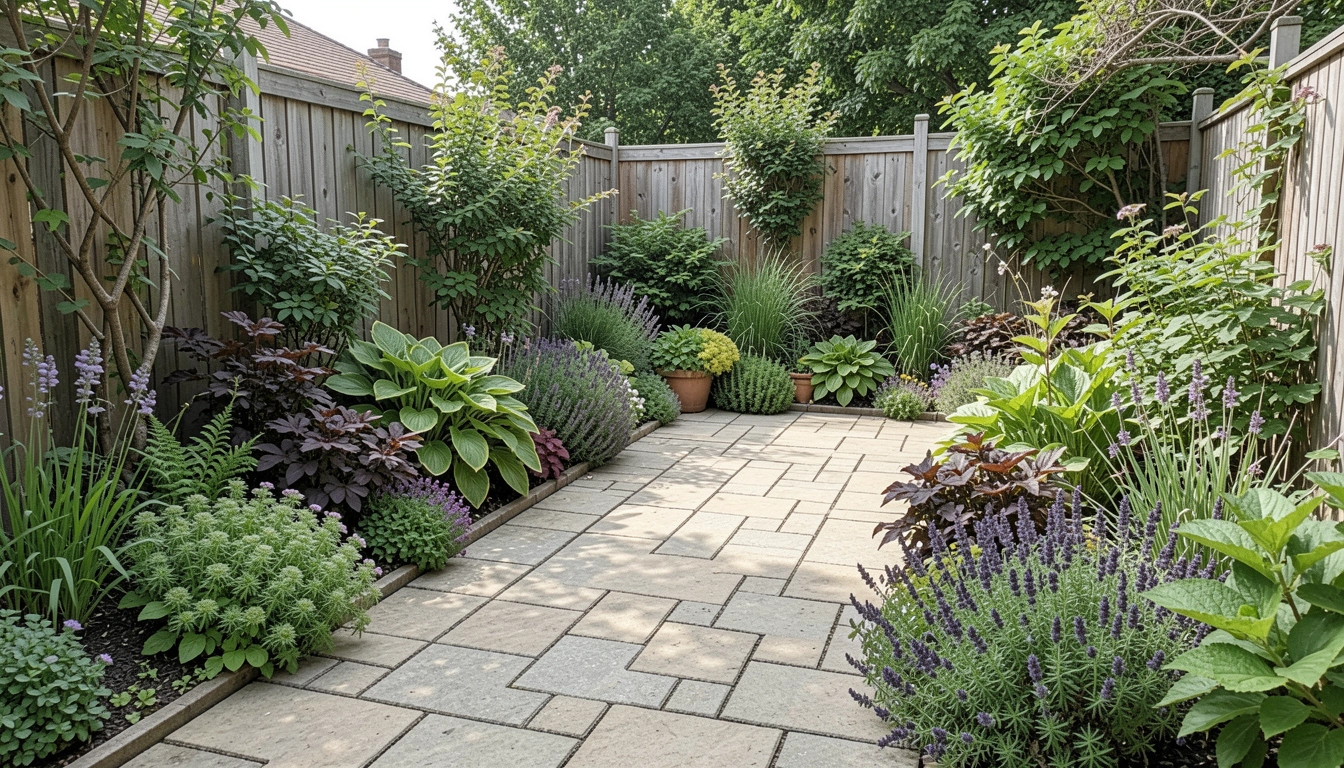
I stared at the dirt patch behind my shed. It sloped awkwardly and collected puddles after rain. The rest of the yard flowed okay, but this spot killed the rhythm. I wanted a place to set a chair, maybe eat lunch outside. Without it, the garden felt lopsided.
I'd tried mulch there once. It washed away. Grass grew patchy. Finally, I laid pavers myself. Now it anchors the space.
How To Lay Pavers For A Patio
This shows you how I lay pavers to create a solid patio that settles into the garden. It ends up balanced, walkable, and ready for pots or chairs. You can do this over a weekend.
What You’ll Need
- 12×12 inch tumbled concrete pavers in gray
- Polymeric joint sand for patios, 50 lb bag
- 3/4 inch crushed gravel base, 0.5 cubic yard
- Non-woven landscape fabric, 4×50 feet
- 4-6 inch edging stakes, galvanized steel pack of 10
- Coarse masonry sand, 50 lb bag
- Permeable patio paver base panels, 20 pack
Step 1: Mark the Patio Shape That Fits Your Yard
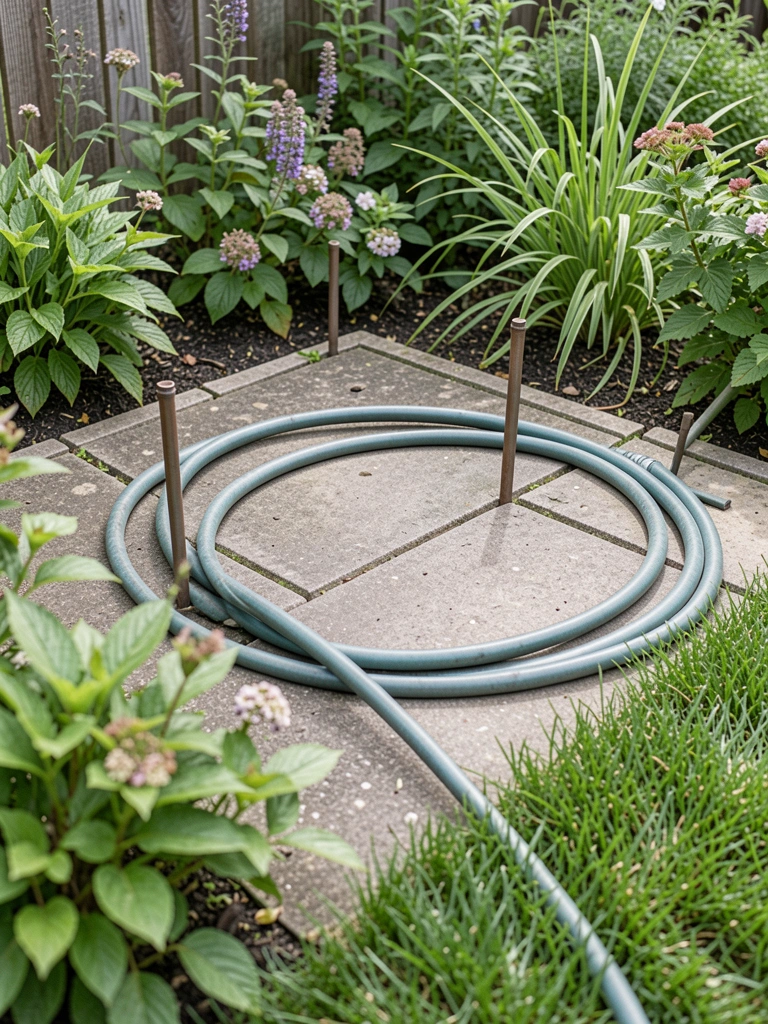
I start by walking the area with a hose. Lay it out in a shape that echoes the yard's curves—not too square if the garden meanders. Stake the ends. Step back. Does it pull your eye comfortably from the lawn to the beds?
This sets the feel. The visual change is instant: a defined zone appears amid the green. Most miss how a soft edge, not rigid lines, makes it blend. Avoid staking too tight to plants; leave room for roots to breathe.
I adjust until sitting there in my mind feels right. It takes 20 minutes but saves rework.
Step 2: Dig and Level for a Flat Base
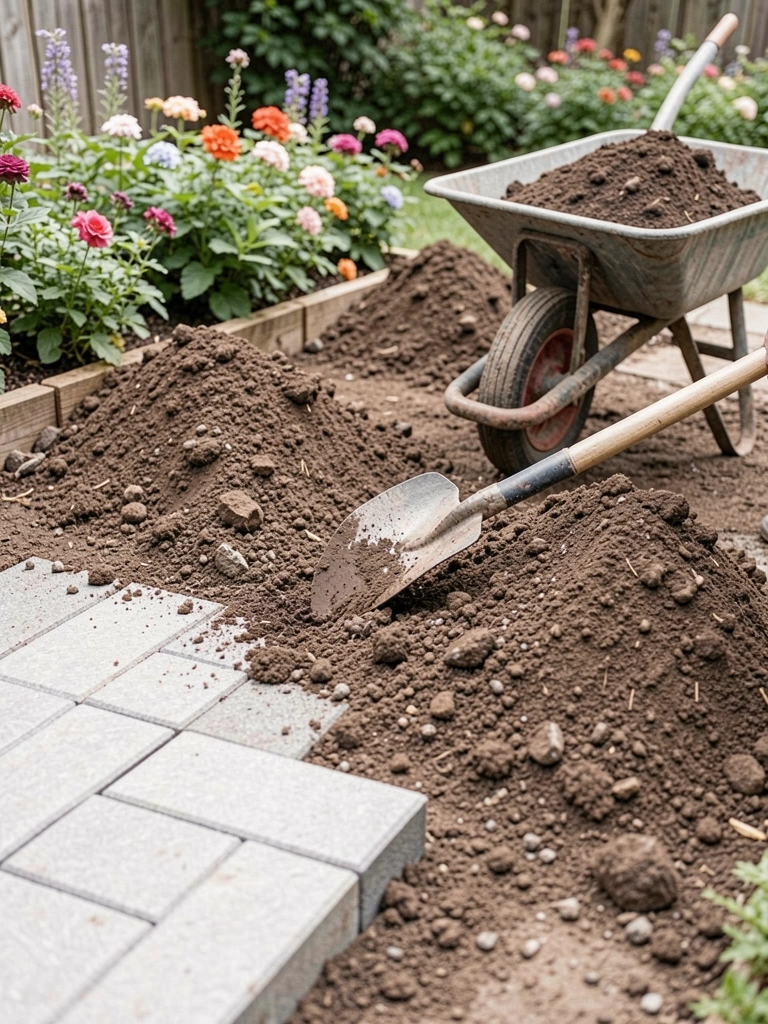
I dig 6 inches deep, sloping slightly away from the house for drainage. Rake smooth. Why? Uneven ground shifts pavers later. Now the space looks like a blank canvas, ready.
People overlook checking level every few feet—water finds low spots fast. Mistake to avoid: skipping this makes chairs wobble. Use a straight board and level.
It feels steady underfoot already, even bare. This base holds everything balanced.
Step 3: Add Gravel and Compact for Stability
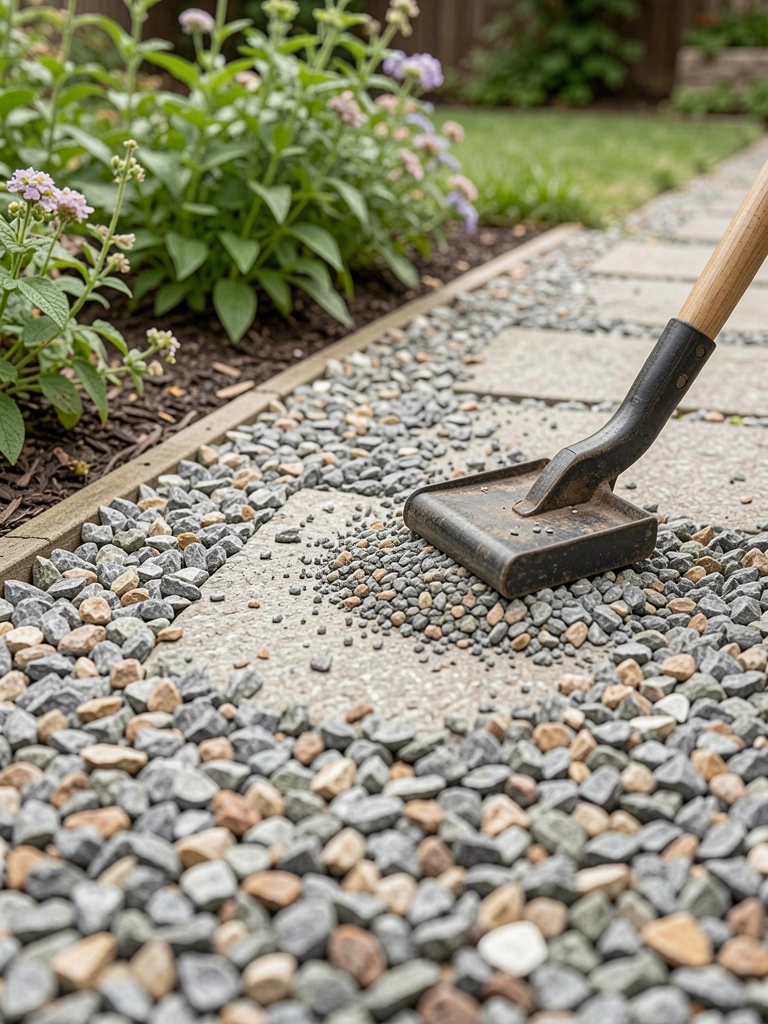
Spread 4 inches of gravel. Wet it lightly, then compact in layers. I do this because it locks in place—no sinking over time. The area firms up, looking solid against soft garden soil.
Insight: Compact wet gravel; dry just puffs up. Avoid overpacking edges; it cracks there first.
Visually, it shifts from loose dirt to a firm pad that grounds the whole yard.
Step 4: Lay the Pavers with Even Gaps
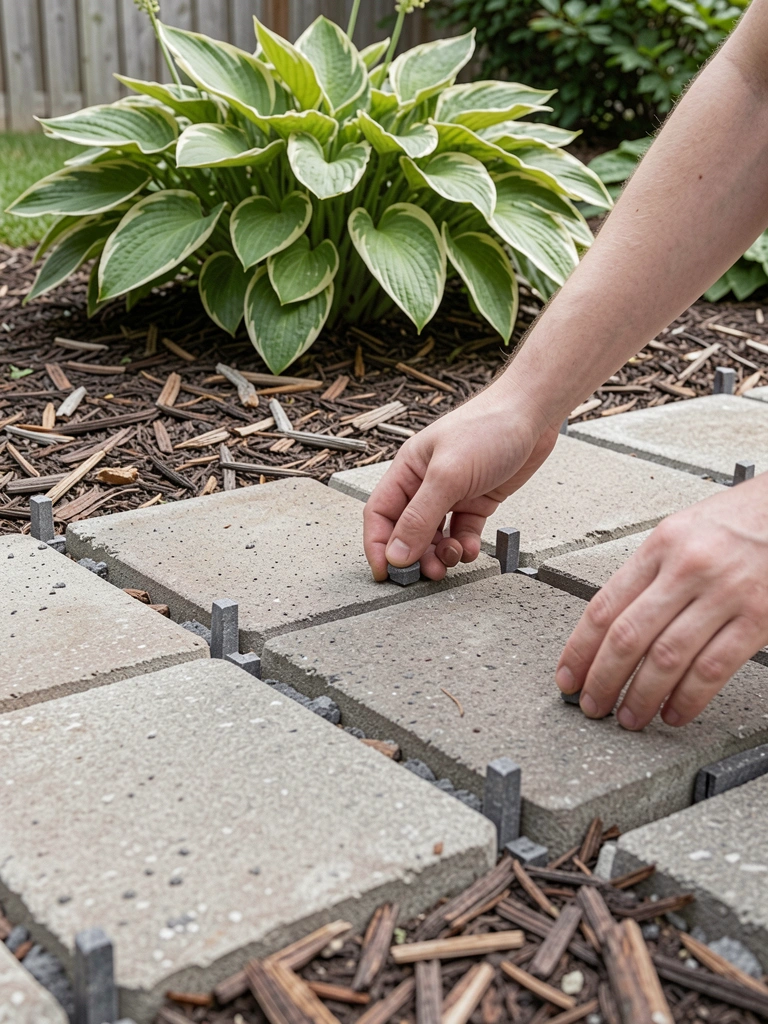
Place pavers from the center out, tapping gently. Keep 1/8-inch gaps for sand. Why? Tight joints look stiff; gaps let it breathe. The patio emerges, mirroring the yard's calm flow.
Most miss starting center—it prevents wonky edges. Avoid forcing pieces; cut if needed for clean lines.
It feels intentional now, inviting a chair.
Step 5: Fill Joints and Settle In
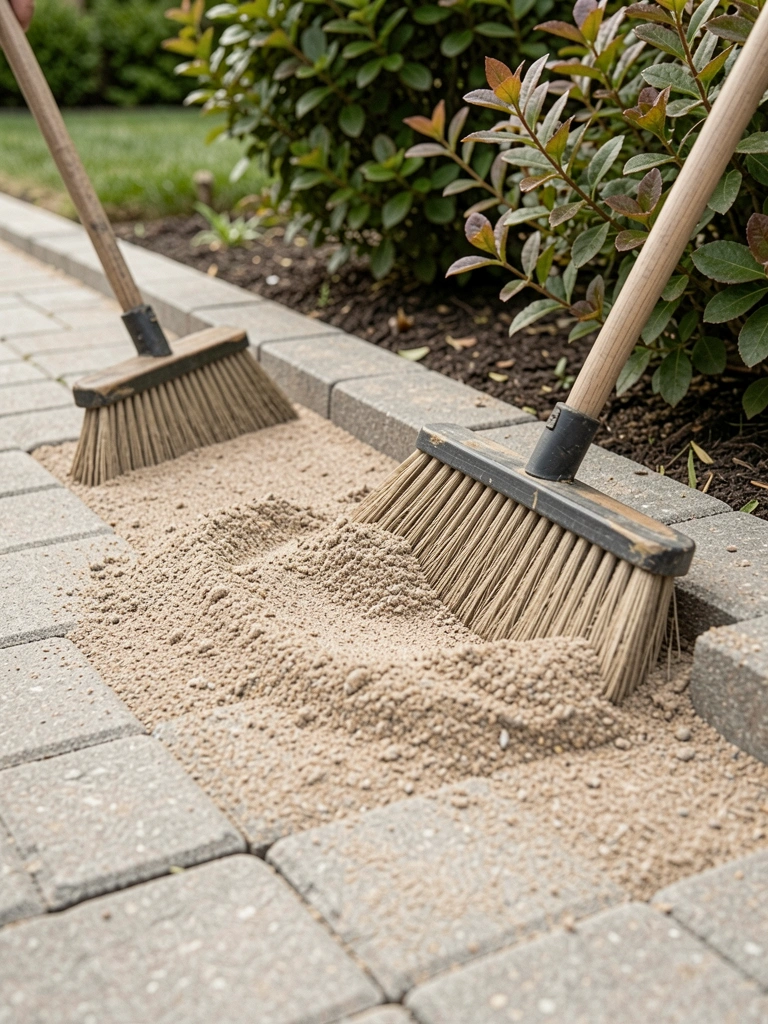
Sweep in polymeric sand, mist to set. This binds without grout mess. Visually, gaps vanish; the surface warms, blending with paths.
Overlooked: Sweep excess before wetting, or it stains. Avoid heavy traffic right away; let it cure.
The patio sits balanced, part of the garden.
Step 6: Edge and Plant to Anchor
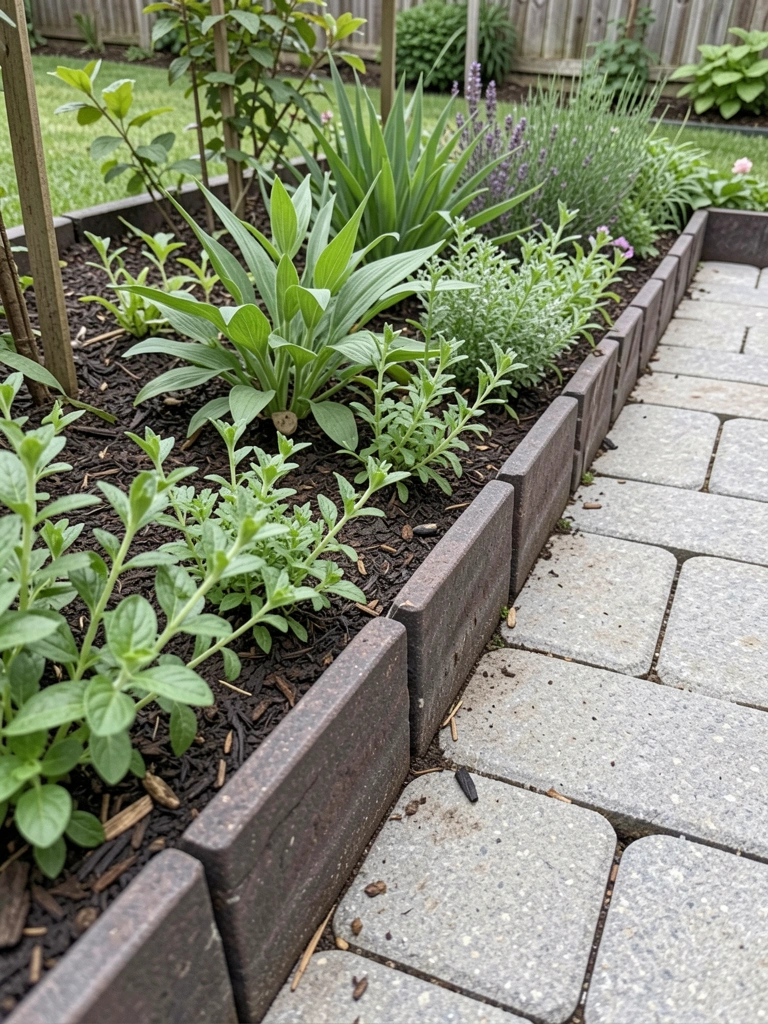
Stake edging, tuck in low plants like sedum. Why? It softens hard lines, ties to beds. Now it flows.
Missed insight: Plants hide minor shifts. Avoid bare edges; they scream "new."
The space feels lived-in, comfortable.
Blending Your Patio with Garden Beds
I plant low growers right up to the pavers. They spill over slightly.
This keeps the hard surface from dominating.
- Sedum or creeping thyme work best—no mowing needed.
- Add mulch between for clean lines.
- Taller perennials behind frame views.
It makes the patio a garden room.
Handling Slopes and Uneven Ground
Slopes challenge me most. I build up low sides with extra gravel.
Step back often.
- Check level across the whole area.
- Use base panels on soft soil.
- Test walk before final sand.
Even tricky spots end up solid.
Keeping It Clean Year After Year
Weed seeds find joints. I spot-treat early.
Pressure wash gently once a year.
- Refresh sand every two seasons.
- Rake leaves off promptly.
- Trim overhanging plants.
It stays balanced with little work.
Final Thoughts
Start with a small 10×10 area if the yard feels big. You'll see how it steadies everything.
You've got this—it's just dirt to pavers.
Now your garden has a spot that holds it together. Sit there soon.
Leave a Reply