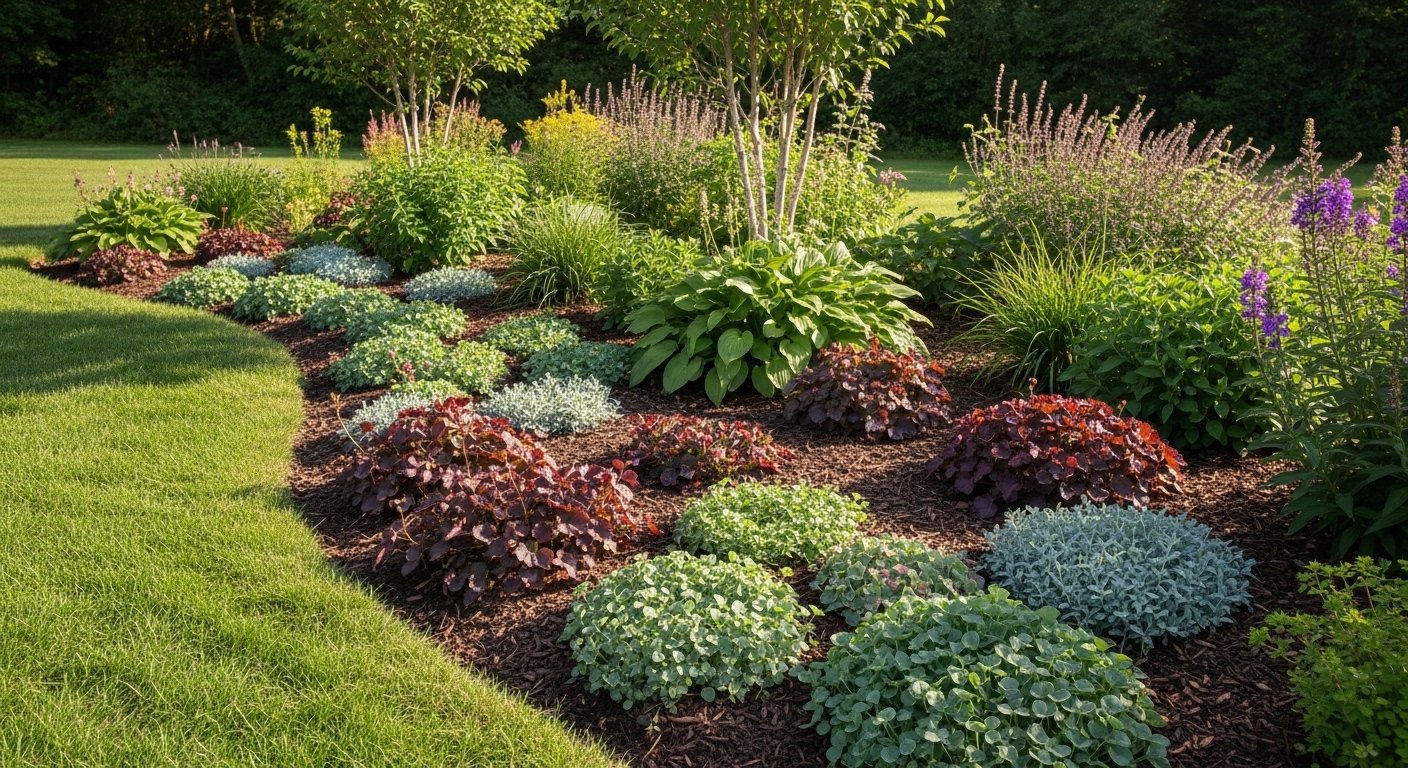
I used to spend weekends pulling the same stubborn weeds. It felt endless and wasted time.
I started planting low mats of ground cover wherever seedlings popped up. Within a season beds read cleaner and calmer.
This method keeps soil shaded, shrinks weed space, and makes beds look intentional without constant tinkering.
How to Stop Weeds With Ground Cover Plants For A Cleaner Garden
You’ll learn how to pick and place ground covers so beds stay tidy, shaded, and visually balanced—achieving a low-maintenance, lived-in look without endless weeding.
What You’ll Need
- Creeping thyme plug pack (low mat, 4–6 in spread)
- Ajuga (bugleweed) groundcover plugs, variegated or purple, 6–12 in
- Sedum (stonecrop) mat mix, succulent groundcover pack
- Irish moss (Sagina subulata) small plug trays, soft green carpet
- Lamium maculatum plugs (silver-variegated, shade-loving)
- Pachysandra terminalis plugs (evergreen groundcover, 8–12 in)
- Decorative bark mulch (2 cu ft bag, brown)
- Garden edging (low metal or plastic, black, 10 ft)
Step 1: Match the Plant to the Place
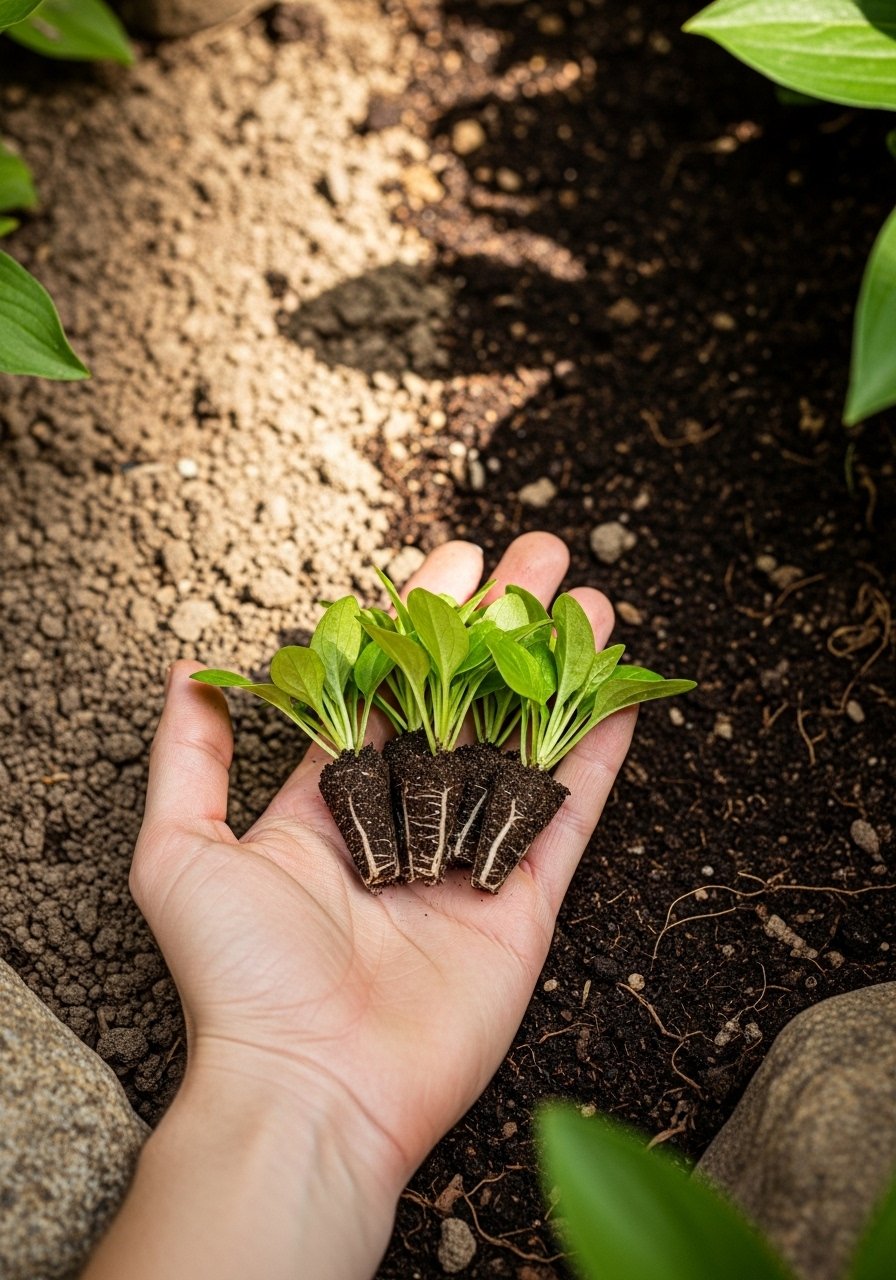
I start by standing in the bed and feeling the light and soil with my eyes. I pick covers that suit those conditions so they settle in and outcompete weeds. Visually, gaps begin to read as a single surface instead of a patchwork of empty spots. One insight people miss is seasonal habit—some covers look sparse in winter but bulk up later. A small mistake to avoid is forcing one favorite plant everywhere; scale and habit matter, so use what fits each micro-spot.
Step 2: Plant in Natural Drifts, Not Grids
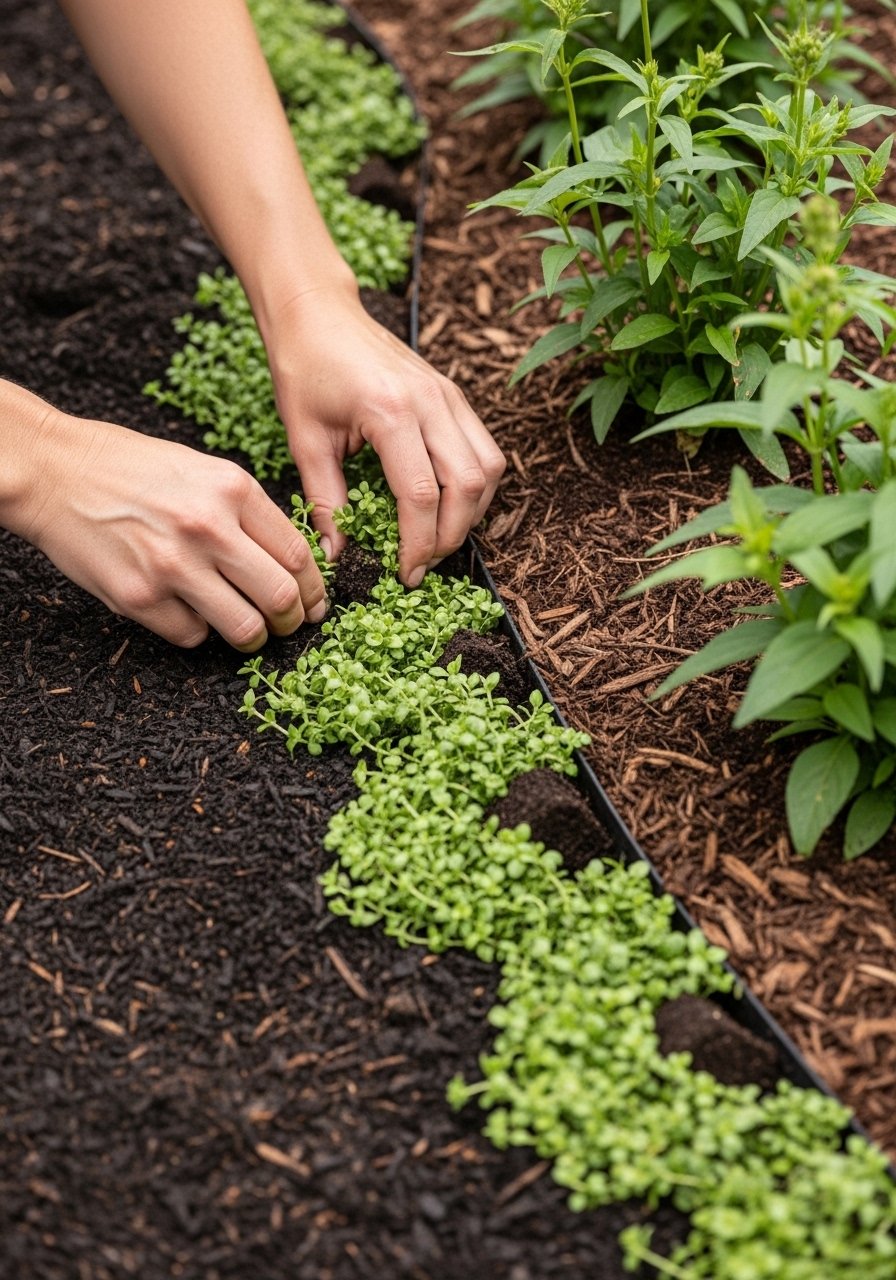
I plant in loose groups that echo how nature spreads. The bed immediately feels softer and more intentional than neat rows. People often miss scale—small clumps look more natural than uniform spacing. One common mistake is lining plants up like soldiers; it reads artificial and invites gaps. Instead I let drifts curve around taller plants and stones so the eye follows the flow. This creates pockets where the groundcover can thicken and choke off weeds without screaming “planted today.”
Step 3: Anchor with Taller Neighbors and Edging
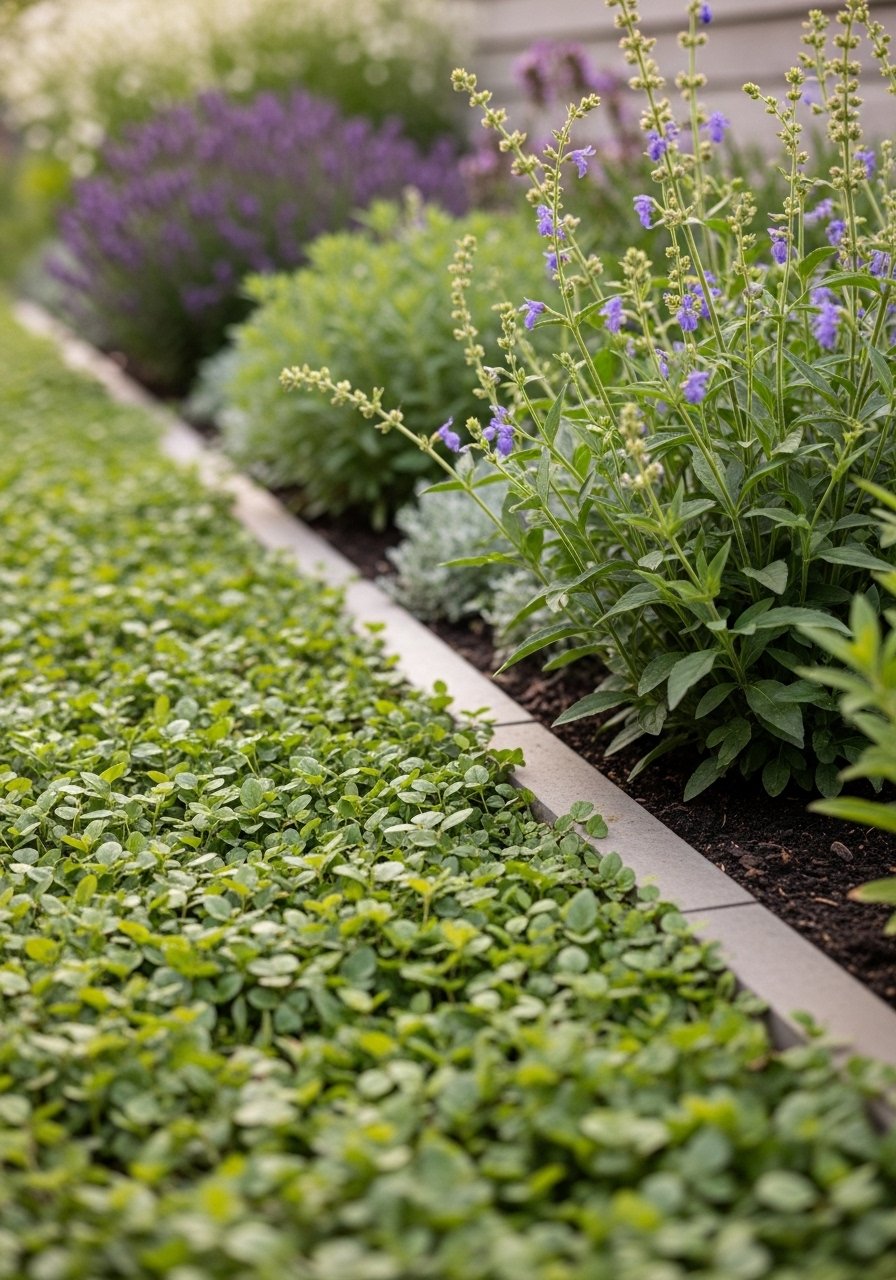
I pair low ground covers with taller anchors—ferns, salvia, or a small shrub—so the bed has depth. The visual change is immediate: a layered look where the groundcover becomes a tidy foreground carpet. An insight many miss is the power of a defined edge; a low border keeps the mat looking intentional. A mistake to avoid is covering everything to the edge with one plant; that creates a flat plane. Instead, leave breathing room for focal plants and paths to keep the scene balanced.
Step 4: Use Mulch and Paths to Control Start Points
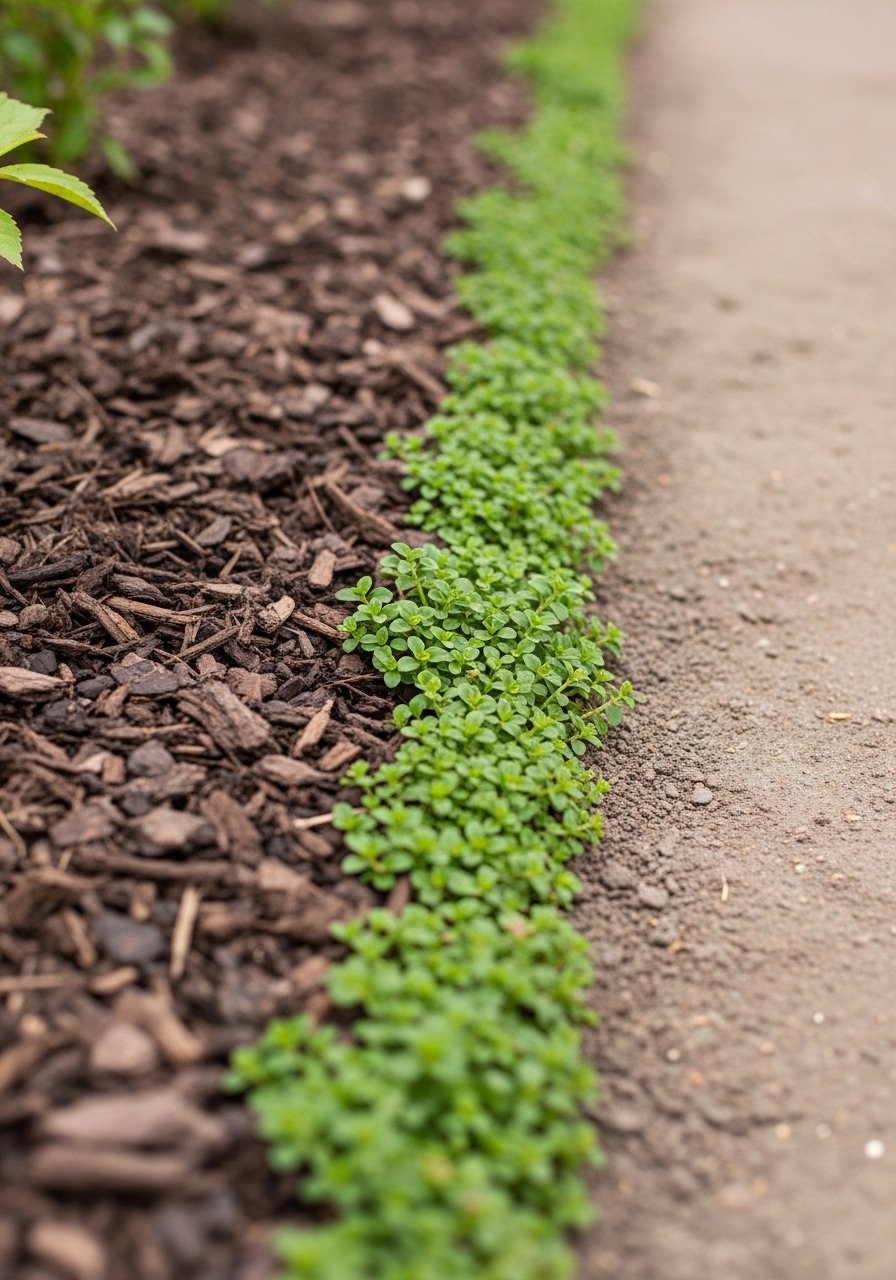
I let mulch and a narrow path be the intentional places where groundcover stops. That contrast makes beds read clean and reduces the raw soil where weeds begin. You’ll notice cleaner lines and richer color where mulch and plants meet. One insight I learned the hard way: mulch color shifts the whole bed’s mood—brown reads warm, black reads modern. One small mistake is smothering new plugs under too much mulch; keep the feel light so the covers can settle and show their form.
Step 5: Tidy Lightly and Let the Covers Do the Work

I walk the bed every few weeks and pull tiny weed seedlings before they seed. The groundcover thickens over time and the need to weed drops dramatically. Visually the mat gets denser and the bed reads finished. An insight people miss is patience—groundcovers earn you time, but they need a season to settle. A mistake to avoid is overreacting to a few weeds by ripping up a healthy mat; that sets you back. Gentle maintenance keeps the look calm and stable.
Choosing Ground Covers by Garden Feel
I pick covers not just by habit but by the mood I want. For a cozy cottage feel I use creeping thyme and ajuga. For a clean, cool look I favor Irish moss and pachysandra.
Think about texture and seasonality. Mix glossy leaves with tiny flowers or fuzzy mats so the bed reads layered across seasons.
Where Ground Covers Fail (and How I Fix It)
Sometimes a cover spreads too slowly or chokes out a smaller companion. I watch for gaps the first year and fill them with complementary plugs. If one species proves too aggressive, I trim it back and introduce a contrasting slower partner.
I also watch edges. If a mat creeps into paths, I redefine the line with low edging or a narrow gravel strip. Small corrections preserve the overall calm look.
Quick Pairings I Use
- Sunny, warm edge: creeping thyme + low sedum.
- Shady, cozy corner: pachysandra + lamium.
- Mixed perennial bed: ajuga drifts between taller clumps.
I keep pairings simple so the bed reads unified. Repeating the same pairings in several spots ties the garden together without looking matchy.
Final Thoughts
Start with a single small bed. Plant a few drifts and wait a season.
Groundcovers cut weed space and make beds read intentional. They reward patience more than constant upkeep.
Trust the plants to do the heavy lifting, and adjust with light edits as they settle.
Leave a Reply