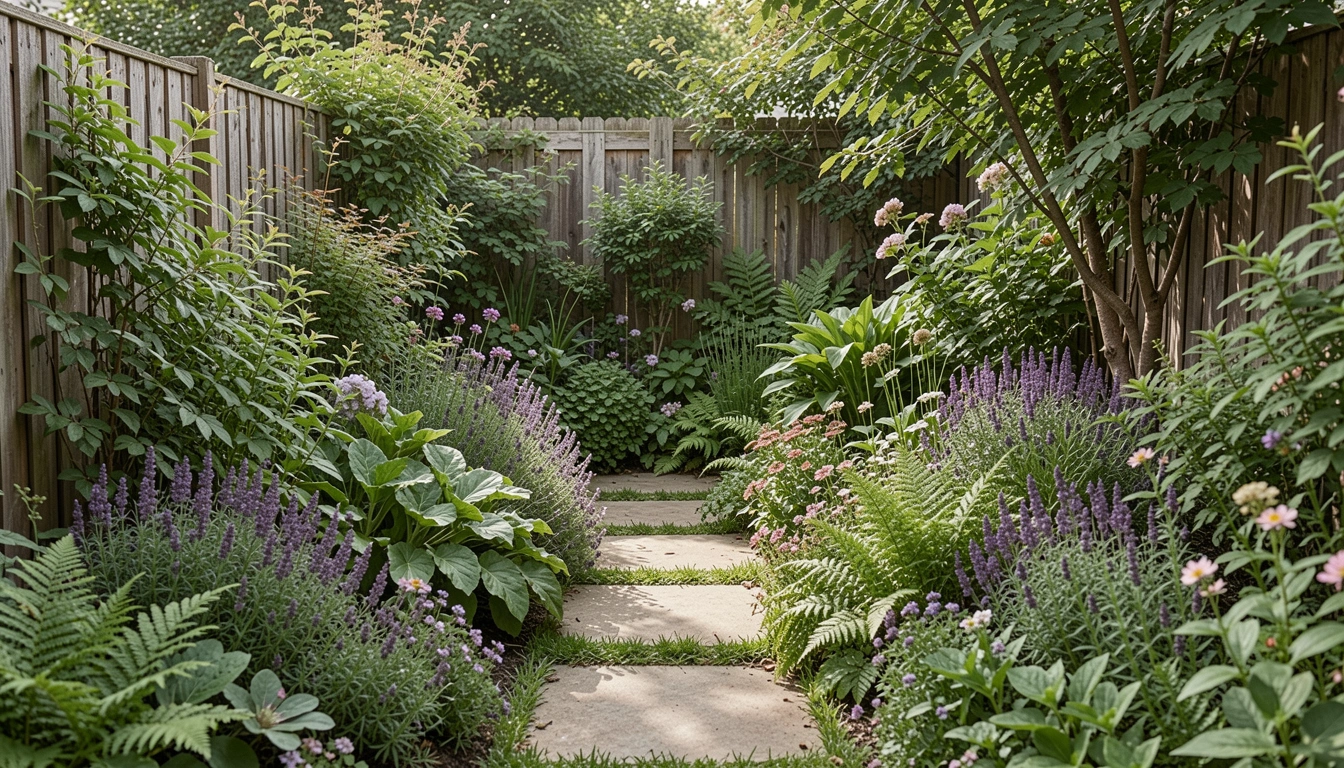
I stared at the muddy trail cutting through my backyard. It split the garden awkwardly, like a scar. Guests hesitated before stepping. I needed a path that invited them in, one that plants could soften over time.
No more bare dirt. I wanted low greenery spilling between stones, holding soil without weeds taking over.
It took trial and error. Now my walkways feel part of the garden.
How To Grow A Garden Walkway
This is how I grow walkways that weave plants and path together. You'll get a balanced route that draws eyes forward. It's simple, and it works in any yard.
What You’ll Need
- Creeping Thyme Seeds, 1,000 Count for Pathways
- Irish Moss Seeds, 5,000 Seeds Ground Cover
- Sedum Groundcover Plants, 18 Trays Perennial
- Natural Stepping Stones, 12×12 Inch Sandstone Set of 16
- Landscape Fabric Pins, 100 Pack Galvanized Steel 6 Inch
- Organic Compost, 40 Pound Bag for Soil Amendment
- Burlap Mulch Mat, 4×50 Foot Biodegradable
- Hand Trowel, Carbon Steel 11 Inch Ergonomic
Step 1: Trace the Path's Natural Line
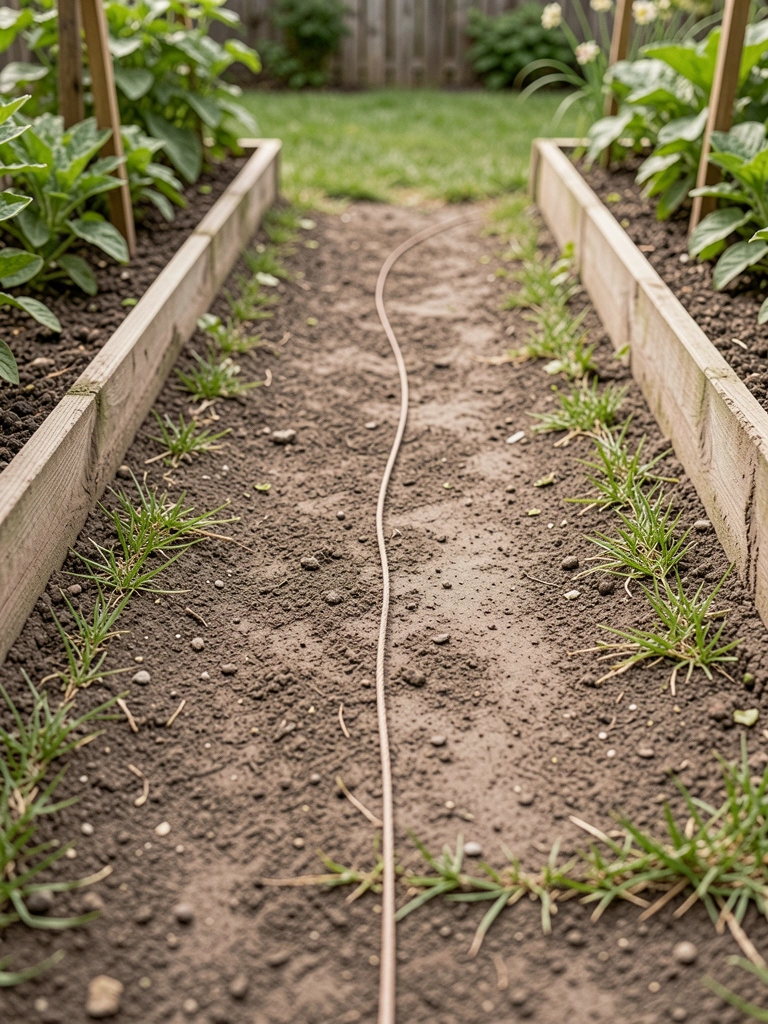
I walk the route first, barefoot if warm. Feet find the easiest line—around that big shrub, dipping by the bench. I stretch string between stakes. Why? It follows how people move, not a ruler's straight shot.
Visually, the string softens the yard. It hints at flow before anything grows.
Most miss how paths should curve with the land. Straight ones feel forced. Avoid staking too tight—leave room for plants to breathe, or it'll crowd later.
I step back. Does it balance the space? Adjust once.
Step 2: Clear and Shape the Base
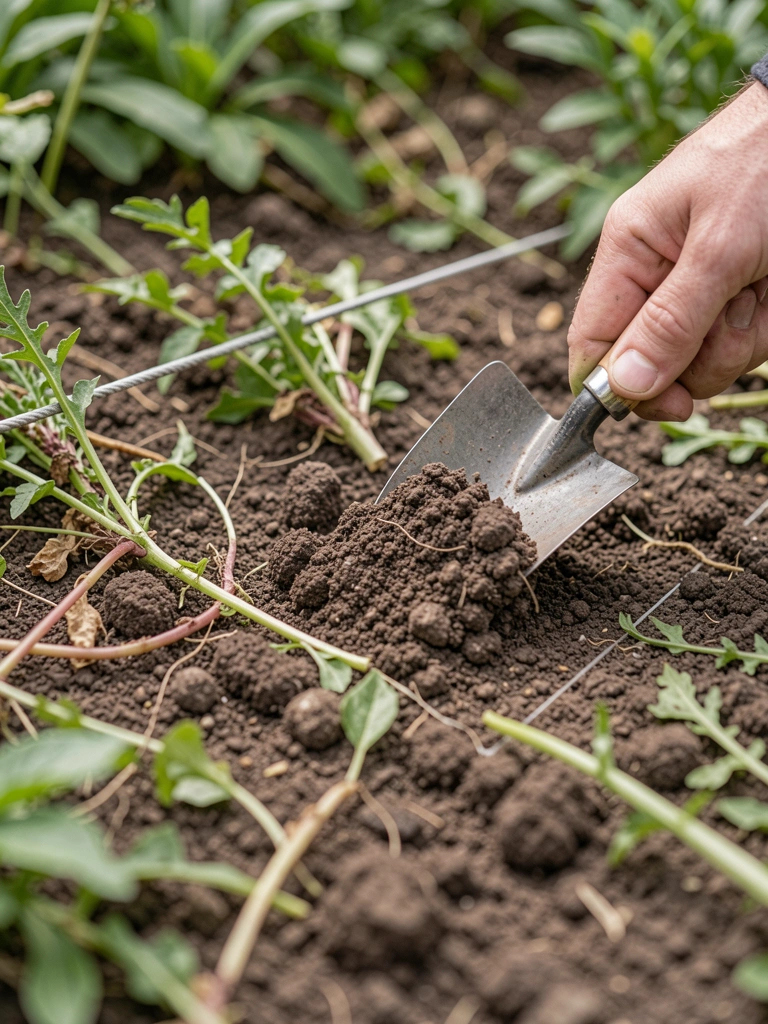
I kneel and pull weeds, roots and all. Loosen topsoil with the trowel, mix in compost. It feeds what's coming. The ground firms up even, slight dip between future stones.
Now it looks purposeful, not hacked. Bare earth waits patiently.
People forget drainage here. I tilt slightly downhill. Skip this, water pools, plants rot.
I press soil with my palm. Smooth, ready.
Step 3: Place the Stepping Stones
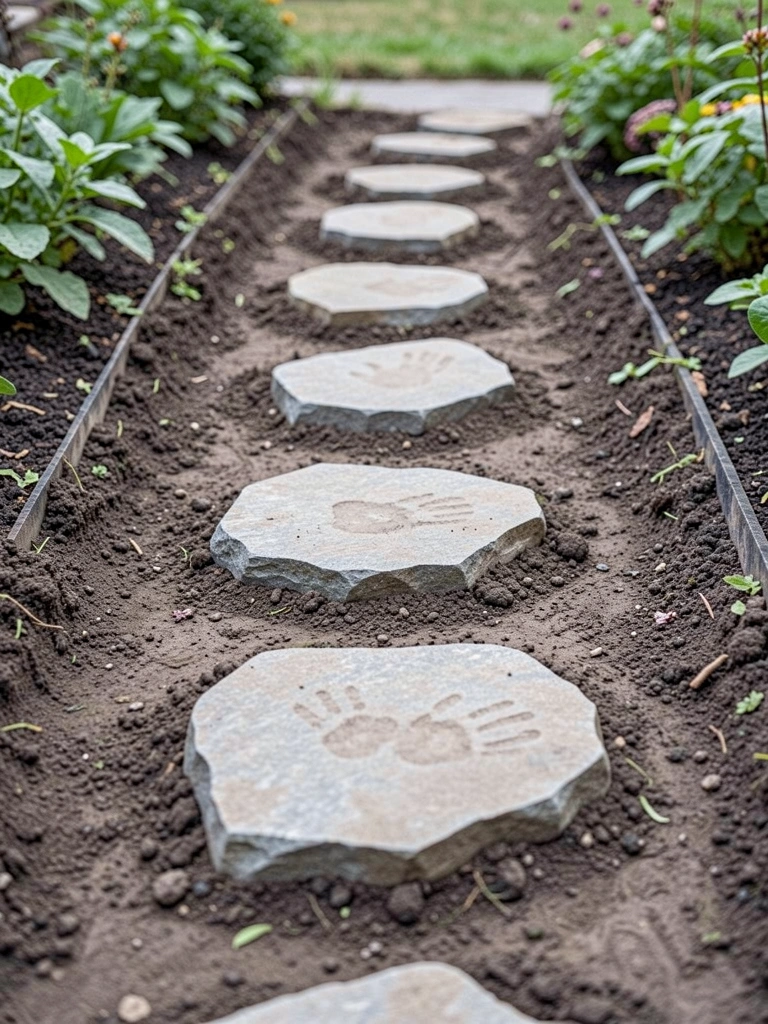
Stones go in next, sunk halfway into soil. Space them foot-width apart—test by walking. They anchor the path, plants fill gaps.
The line emerges strong yet soft. Stones ground the flow.
Insight: Larger stones at turns slow walkers, add calm. Don't butt them tight—gaps let roots spread, or plants starve.
I wiggle each. Stable, even with weight.
Step 4: Plant the Creeping Groundcovers
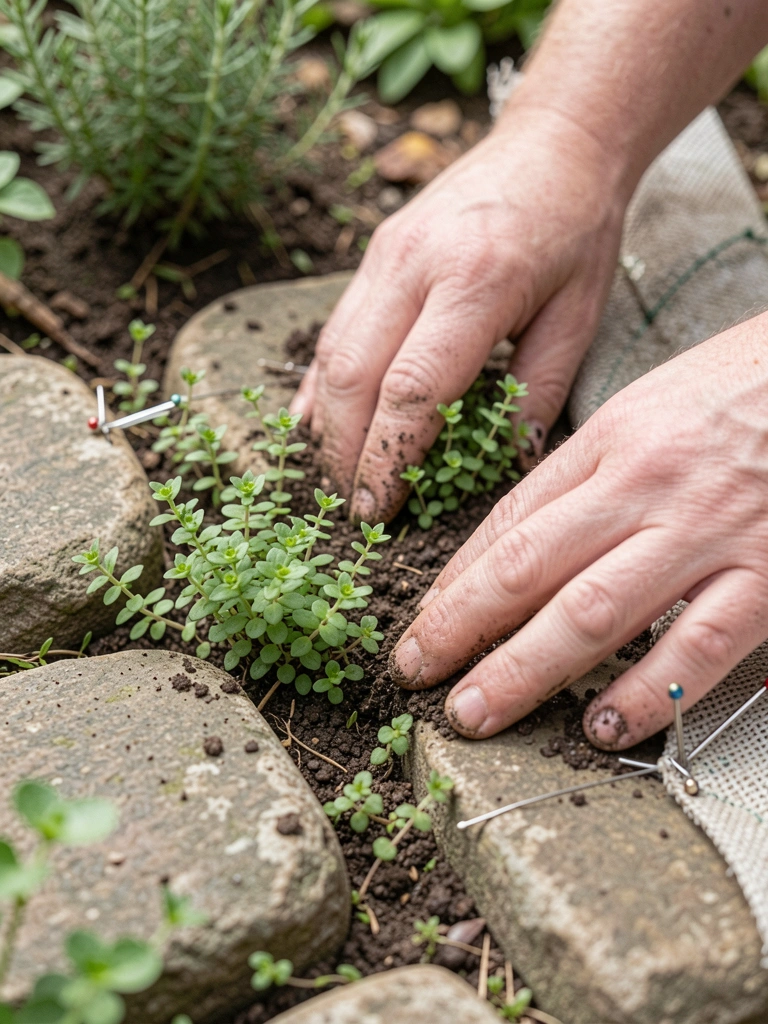
Scatter seeds or tuck plugs between stones. Thyme and moss first—they hug low, take foot traffic. Water gently. Pins hold burlap down till roots grab.
Gaps green up quick. Path feels alive, not stark.
Missed often: Mix heights—sedum behind for layers. All flat looks dull. Avoid overplanting edges—give air, or it spills onto lawn.
I mist daily first week. They settle in.
Step 5: Mulch and Edge for Balance
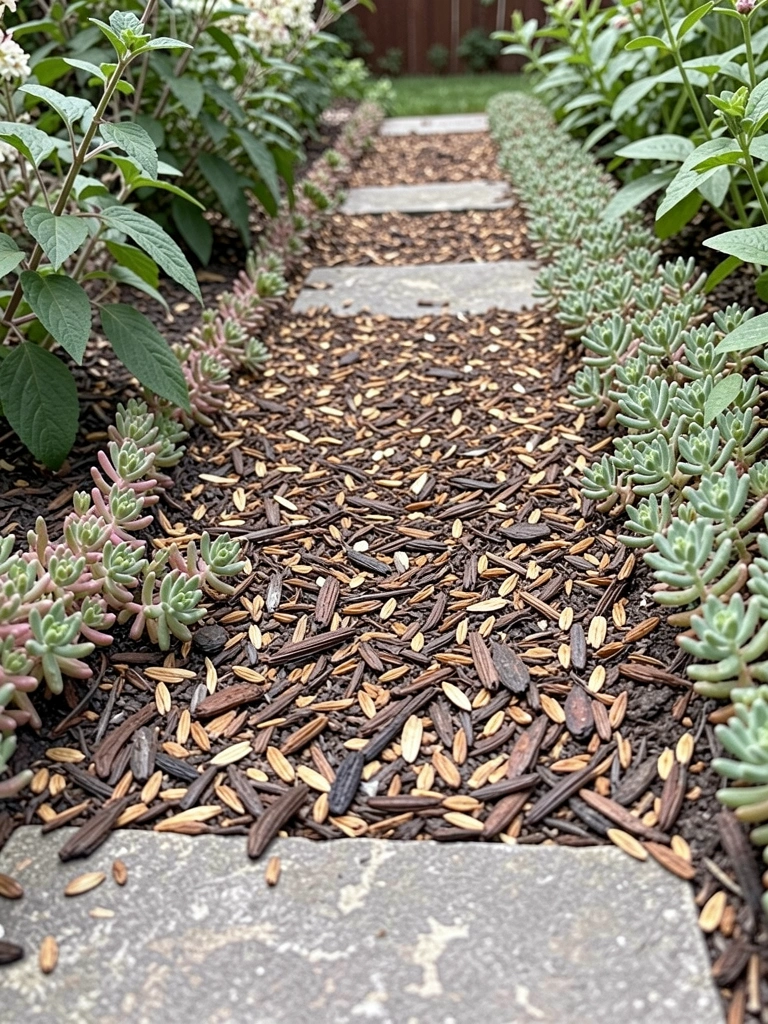
Spread thin compost mulch. It holds moisture, feeds slow. Plant sedum along sides for frame.
Whole path balances now—low center, slight rise at edges. Invites closer look.
Key miss: Edges define flow. Skip them, path blurs into beds. Don't mulch thick—suffocates young roots.
I walk it. Feels right, lived-in.
Best Plants for Walkways
Creeping thyme handles steps best. It releases scent underfoot. Irish moss stays lush in shade.
I mix these:
- Thyme for sun, dry spots
- Moss for moist curves
- Sedum for texture bumps
They knit together by summer. No bare gaps.
Low-Maintenance Care
Trim edges twice yearly. Pull weeds early—they hate competition.
Water deep first month. Then nature takes over.
- Mow around weekly
- Top compost yearly
- Divide clumps every three years
Paths stay clean without work.
Fitting Your Yard's Style
In my shady corner, moss leads. Sunny beds get thyme.
Measure light first. Test soil wet or dry.
Adapt scale—wider for big yards, narrow for tight.
It blends every time.
Final Thoughts
Start with one short path. Watch it grow in.
You'll see the garden connect better. Paths like this make spaces feel whole.
Yours will too. Just follow the flow.
Leave a Reply