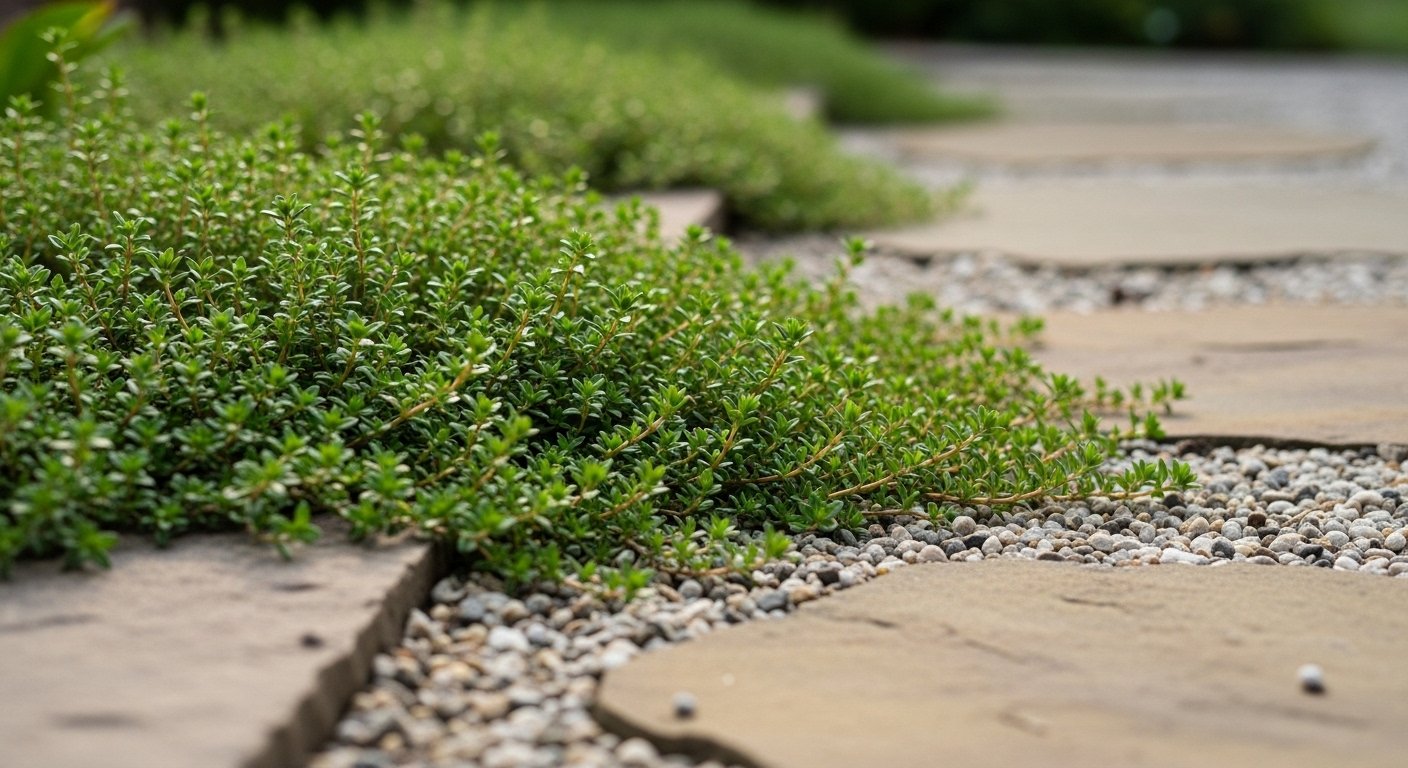
I used to plant big shrubs and regret the heavy look. Then I learned to think low and wide.
Ground covers healed a battered front yard. They knit soil, hide ugly edges, and make the space feel like it belongs.
They’re easy to start. Here are ideas I’ve tried and kept.
24 Stunning Ground Cover Plants For Front Yard To Boost Curb Appeal
These {{number_of_ideas}} ideas are tested in real front yards. I’ll tell you what worked, what didn’t, and what to buy to get the look.
1. Creeping Thyme Between Stepping Stones
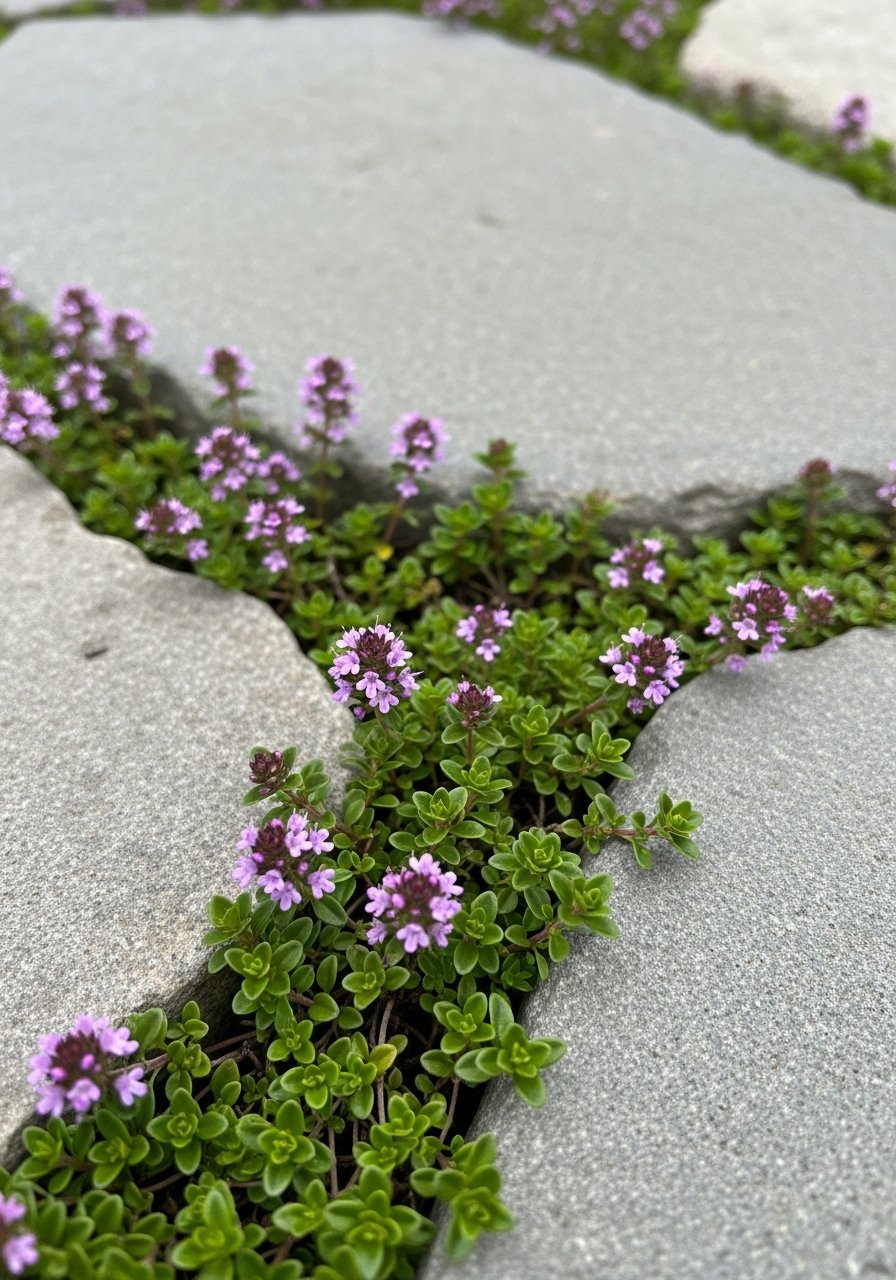
I planted creeping thyme in a narrow path and it softened the stones instantly. It smells like summer when you walk on it. I did overplant the first year and had to pull extras—lesson learned: start sparse.
Visually it reads tidy and fragrant. It survives light foot traffic and flowers in tiny purple pokes.
Watch for heavy shade; thyme prefers sun.
What You’ll Need for This Look
- Creeping thyme seeds (10 g) (Creeping thyme seeds (10 g))
- Flagstone stepping stones, irregular (12×18 inch) (Flagstone stepping stones (12×18 inch))
- Hand trowel, stainless steel (Stainless steel hand trowel)
2. Low-Growing Sedum Mat for Sunny Slopes
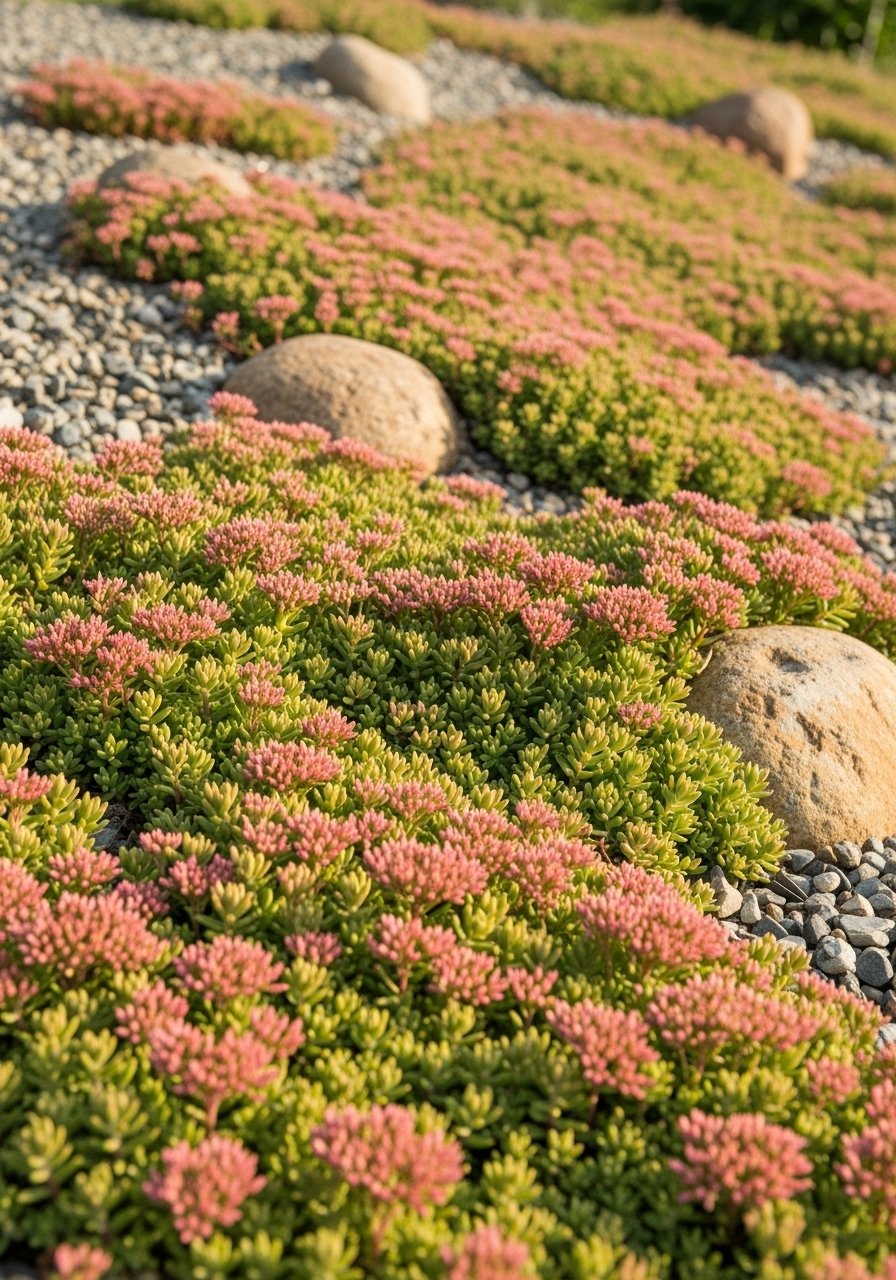
I put sedum on a dry front slope after one too many failed shrubs. It held the soil and bloomed late summer. At first I underestimated how thirsty it was the first summer—extra watering fixed that.
Sedum gives a succulent texture and bright late-season blooms. It’s forgiving and very low maintenance once established.
Use gravel around it for contrast.
What You’ll Need for This Look
- Sedum groundcover plugs (pack of 10) (Sedum groundcover plugs (pack of 10))
- Decorative gravel mulch (1 cu ft, gray) (Decorative gravel mulch (1 cu ft))
- Small boulder accent (20–30 lb) (Small garden boulder (20–30 lb))
3. Dwarf Mondo Grass Along the Foundation
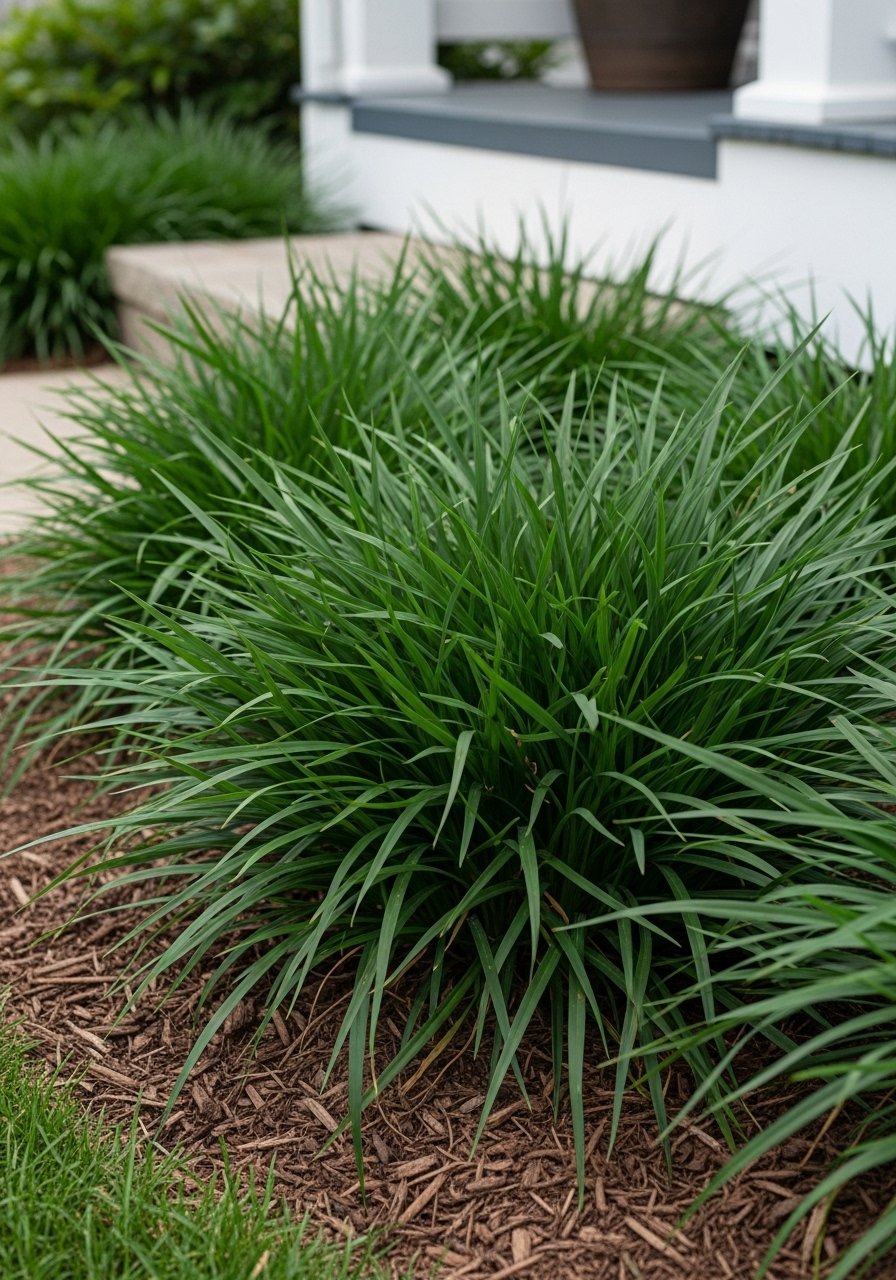
I used dwarf mondo grass where grass wouldn’t grow under eaves. It read neat and evergreen year-round. I learned to plant it a little away from the house to avoid drip-line wetness.
It’s slim and tidy, so it frames walkways and foundations without bulk. It never competes with neighboring perennials.
Trim brown tips in spring for a fresh look.
What You’ll Need for This Look
- Dwarf mondo grass plugs (20 count) (Dwarf mondo grass plugs (20 count))
- Mulch, shredded hardwood (2 cu ft) (Shredded hardwood mulch (2 cu ft))
- Garden gloves, durable leather (Durable leather garden gloves)
4. Creeping Jenny for Bright Edging
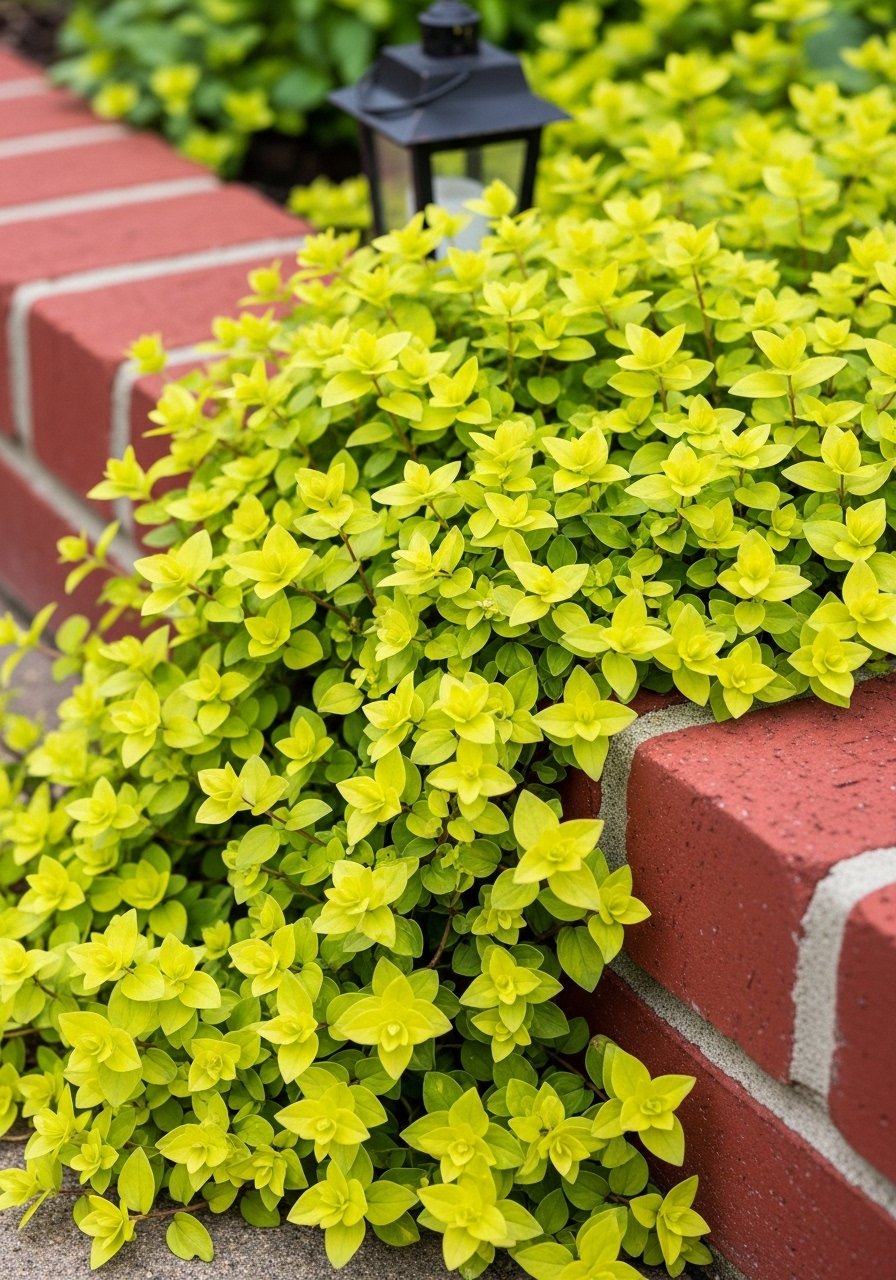
I planted creeping Jenny along a brick border and it brightened everything up. The chartreuse color reads like a highlight. I did let it touch the lawn once and it tried to wander—trim early.
It’s excellent for edging or softening hard materials. In shade it stays greener; in sun it gets that neon pop.
Keep a trim schedule to prevent runaway stems.
What You’ll Need for This Look
- Creeping Jenny plugs (12 pack) (Creeping Jenny plugs (12 pack))
- Brick edging (standard red brick) (Red brick edging (set))
- Small garden shears (Small garden shears)
5. Ajuga ‘Chocolate Chip’ Under a Small Oak
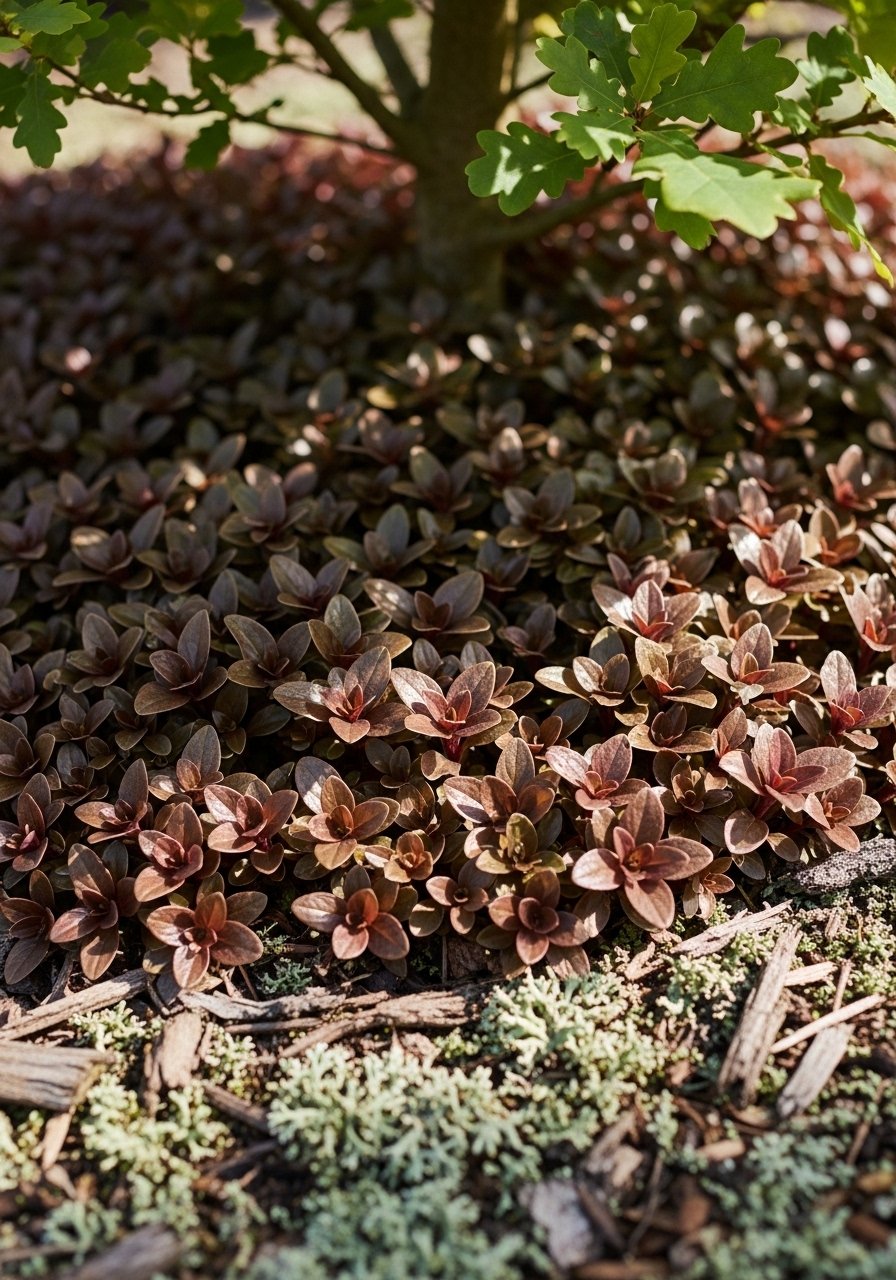
I planted Ajuga beneath a young oak where grass refused to grow. The bronze leaves read like a floor cloth. I made the mistake of crowding too many crowns; I had to thin them in year two.
It tolerates shade and handles foot traffic at the base of trees. It throws tiny blue flowers like confetti in spring.
Space plants to let runners fill in without choking.
What You’ll Need for This Look
- Ajuga 'Chocolate Chip' plants (6 pack) (Ajuga 'Chocolate Chip' plants (6 pack))
- Lichen mulch or composted bark (1 cu ft) (Composted bark mulch (1 cu ft))
- Garden rake, leaf (medium) (Garden rake (medium))
6. Irish Moss for a Spring Carpet
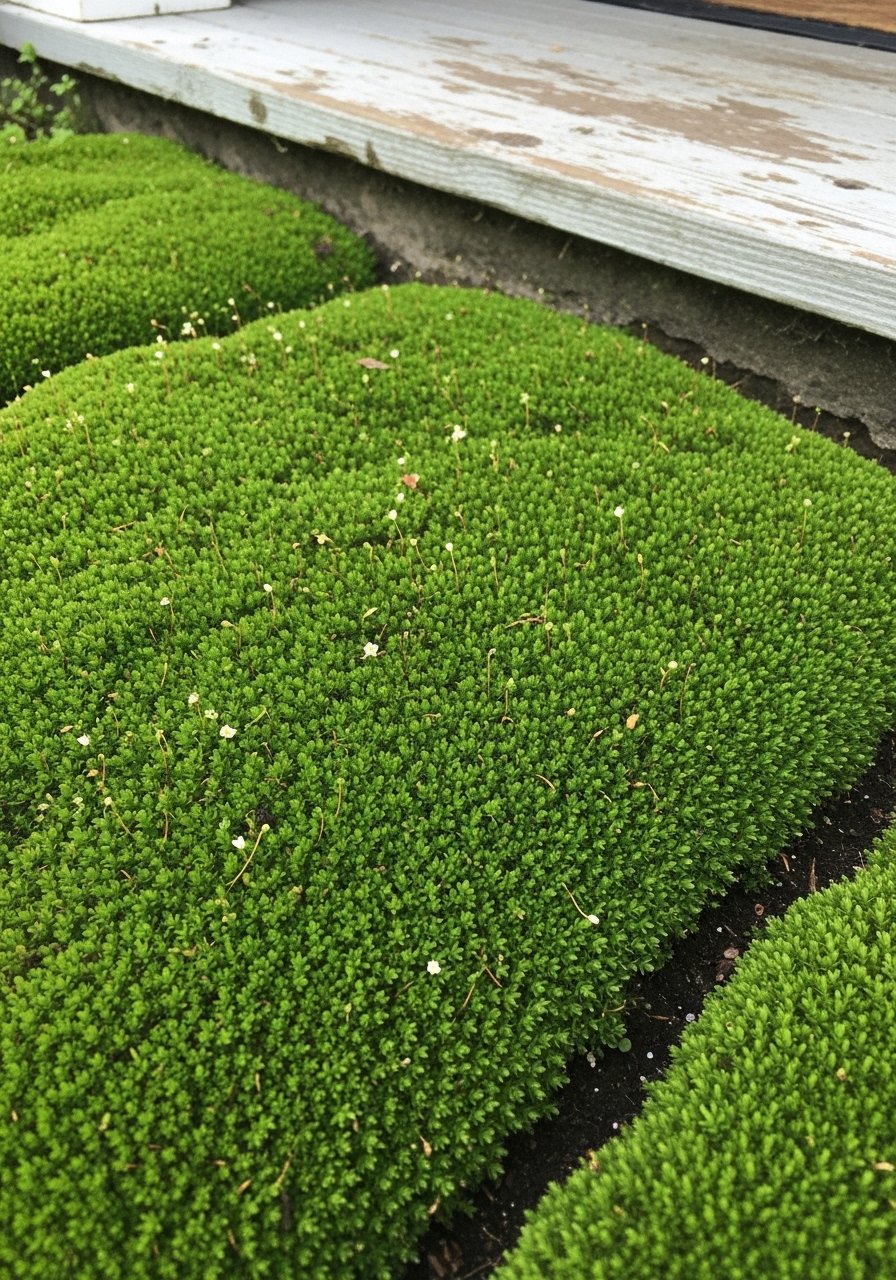
I used Irish moss in a damp pocket by my porch. It made a soft, almost mossy lawn substitute. I once planted it in dry soil and it sulked—don’t repeat that.
It hugs the ground and flowers in spring with tiny white blooms. It’s best where the soil stays cool.
Pinch back overgrowth near steps to avoid slipperiness.
What You’ll Need for This Look
- Irish moss plugs (pack of 20) (Irish moss plugs (pack of 20))
- Moisture-retentive soil mix (for shady beds) (Moisture-retentive soil mix)
- Watering can with rose (1.5 L) (Watering can with rose (1.5 L))
7. Chamomile Lawn Between Pavers
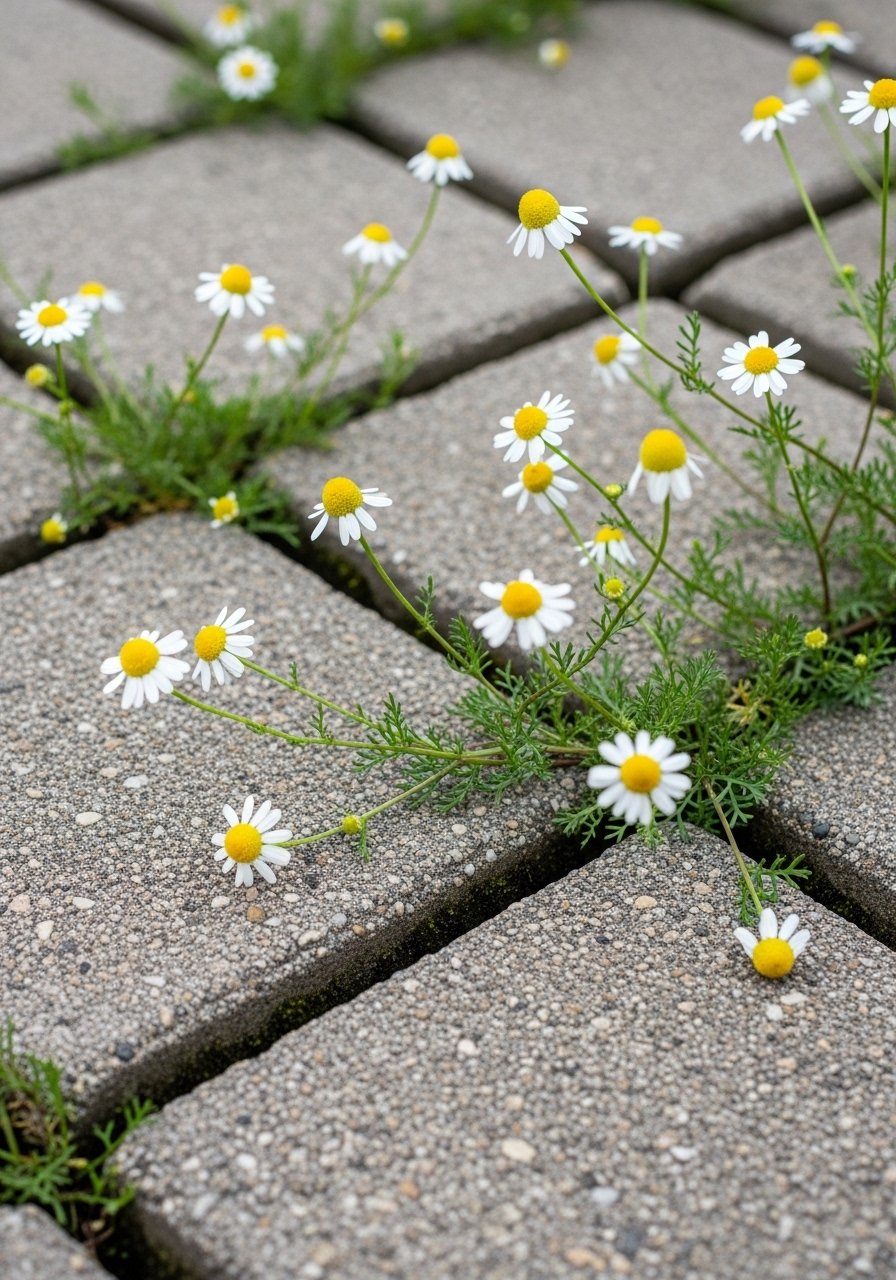
I swapped a strip of turf for chamomile between pavers. It smells like tea when mown lightly. I learned that if you mow too low you remove the blooms—so I raise the mower deck.
It gives a meadowy, delicate look. Bees love it, and kids pick flowers.
Cut after bloom to keep the carpet tidy.
What You’ll Need for This Look
- Roman chamomile seeds (20 g) (Roman chamomile seeds (20 g))
- Rubber paver joint brush (handheld) (Rubber paver joint brush)
- Electric reel mower (compact) (Compact electric reel mower)
8. Creeping Phlox for a Spring Color Blanket
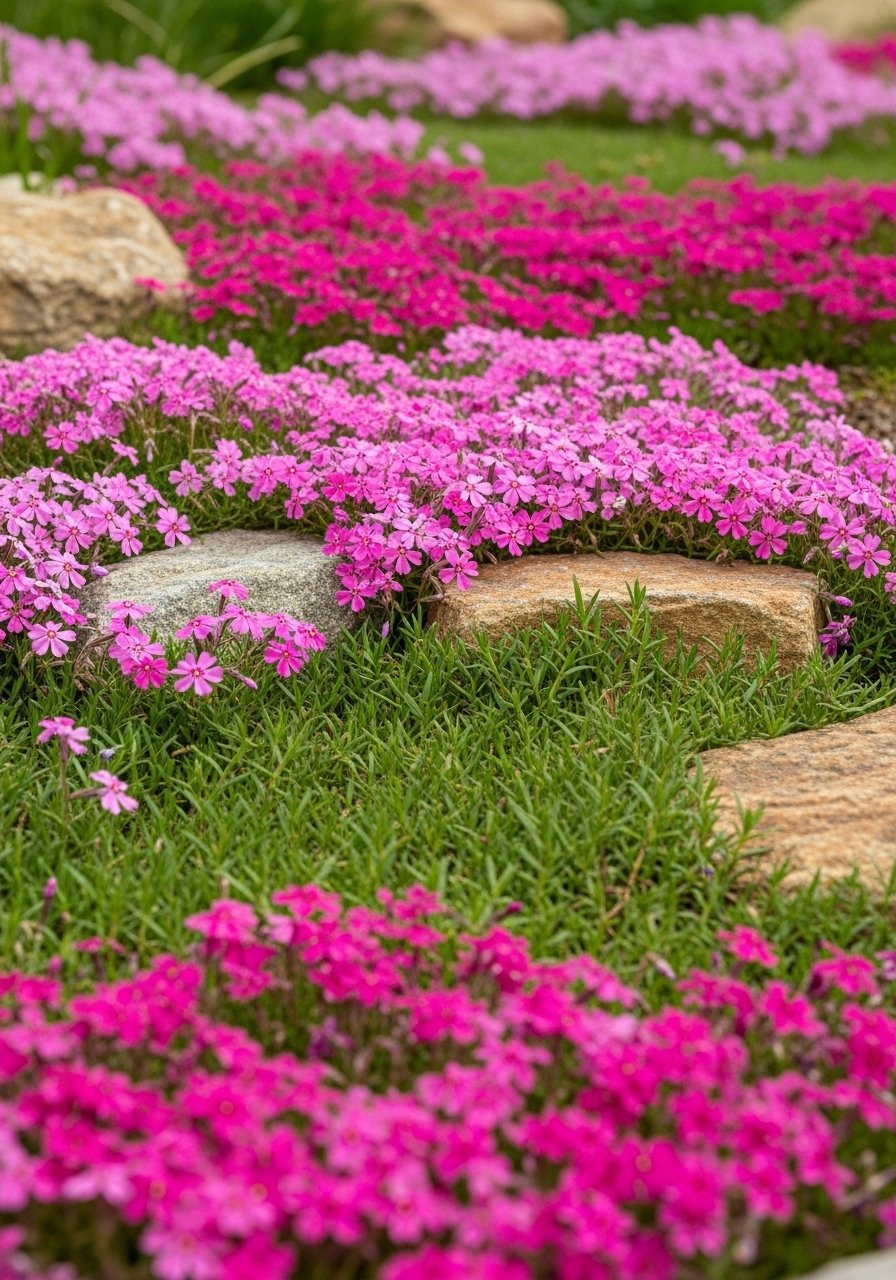
Creeping phlox gave my rockery a spring carpet that lasted for weeks. I planted several color mixes and the blend felt intentional. My first attempt had poor drainage; shifting soil up a bit fixed rot issues.
It blooms profusely and hides rock edges. It likes full sun and good drainage.
Divide clumps every few years to keep colors bright.
What You’ll Need for This Look
- Creeping phlox liners (15 pack) (Creeping phlox liners (15 pack))
- Rockery soil blend (for drainage) (Rockery soil blend)
- Garden soil knife (Garden soil knife)
9. Vinca Minor for Evergreen Shade Coverage
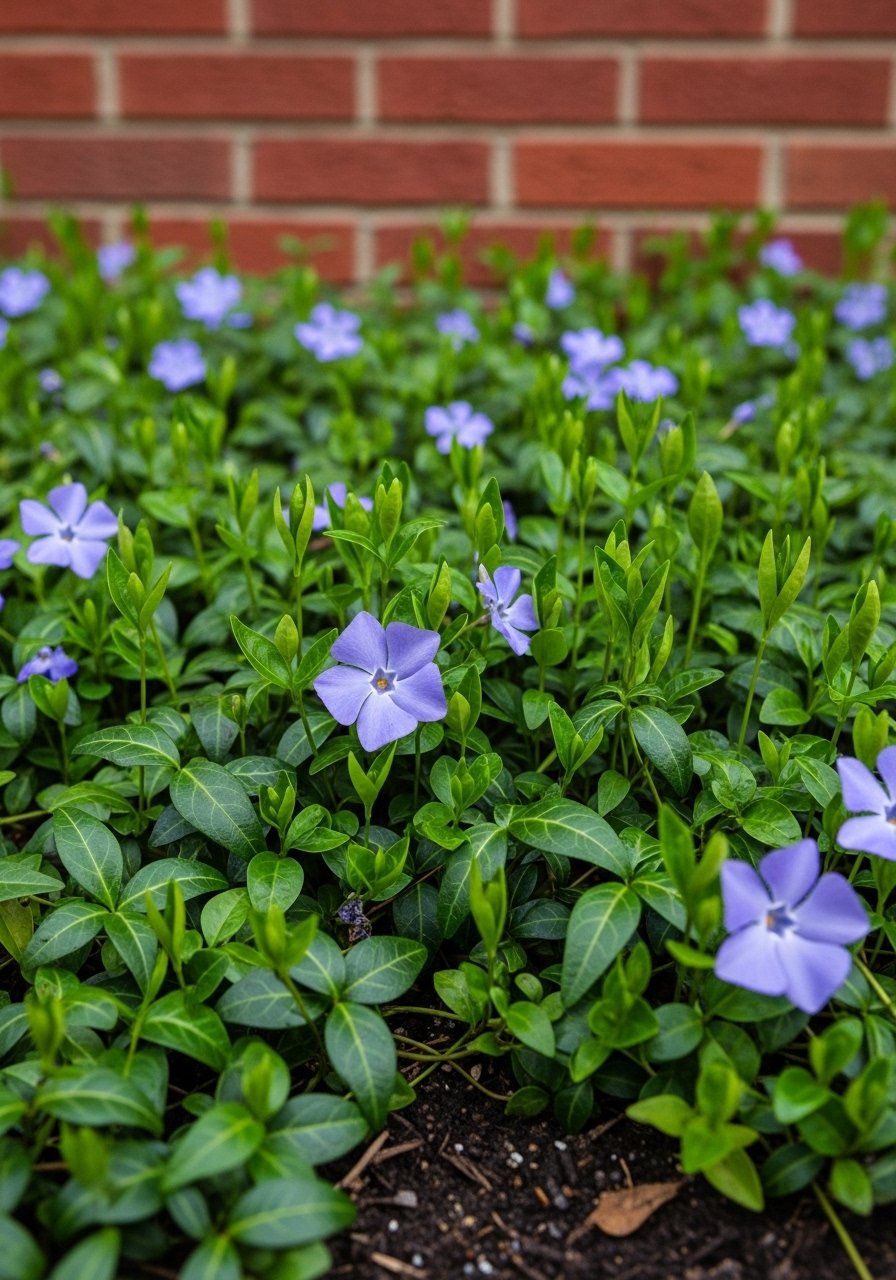
Vinca minor saved a shaded strip near my porch. It stayed evergreen and filled gaps quickly. I once planted non-native varieties that ran too aggressively—stick to local cultivars.
It tolerates deep shade and flowers with small periwinkles. It’s steady and reliable for that half‑sun spot.
Watch for neighboring beds if you want to keep it contained.
What You’ll Need for This Look
- Vinca minor plants (12 pack) (Vinca minor plants (12 pack))
- Landscape fabric (breathable, 3×50 ft) (Landscape fabric (3×50 ft))
- Landscape staples (100 count) (Landscape staples (100 count))
10. Woolly Thyme Near Entry Steps
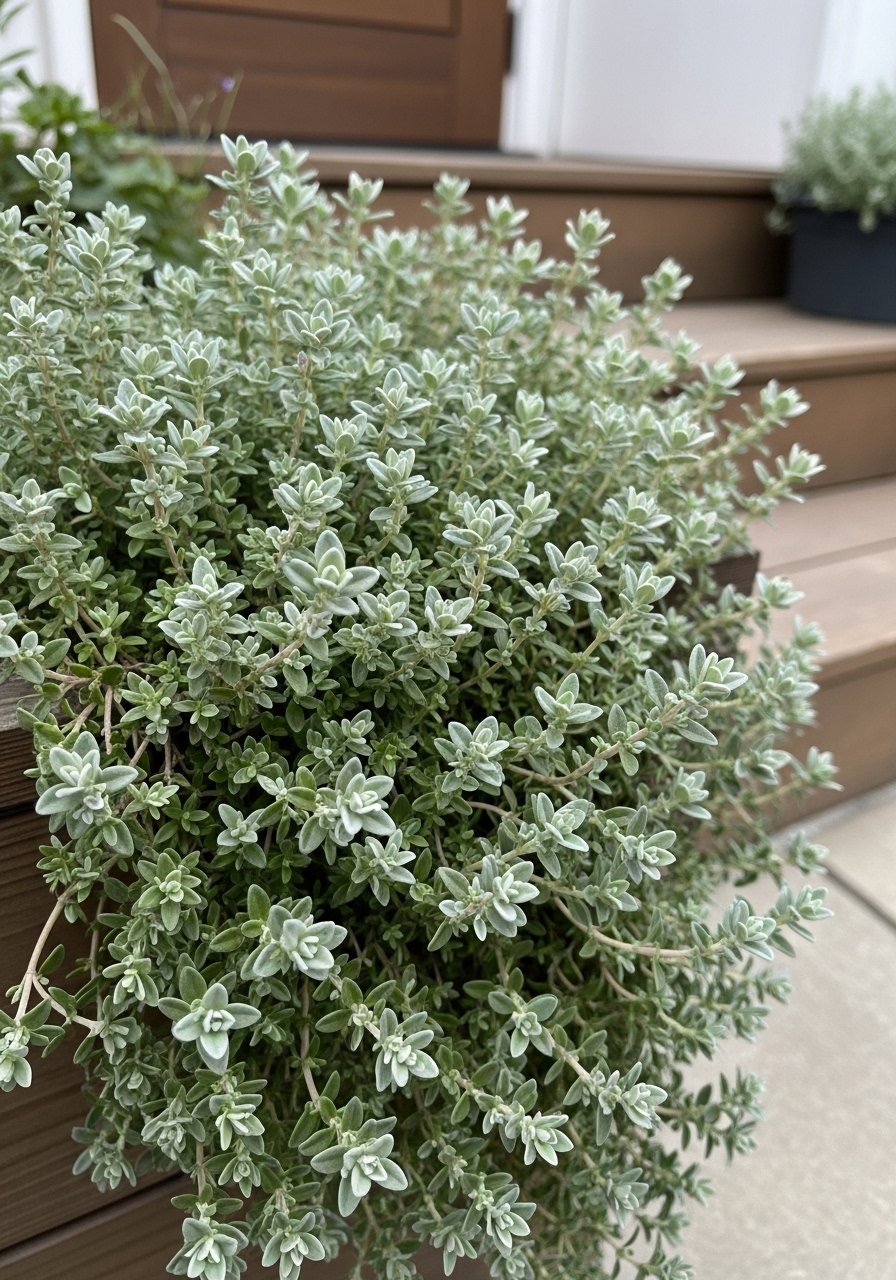
I planted woolly thyme next to my front steps to add a soft edge. The fuzzy leaves are tactile and quiet. I made the mistake of placing it in heavy shade; it sulked until I moved it.
It’s drought-tolerant and slightly aromatic when brushed. It creates a muted, soft contrast to hard steps.
Keep it clipped to prevent legginess.
What You’ll Need for This Look
- Woolly thyme plugs (10 pack) (Woolly thyme plugs (10 pack))
- Wooden entry step stain (natural) (Wood step stain (natural))
- Soft hand broom (Soft hand broom)
11. Irish Heath (Erica) for Acid-Loving Beds
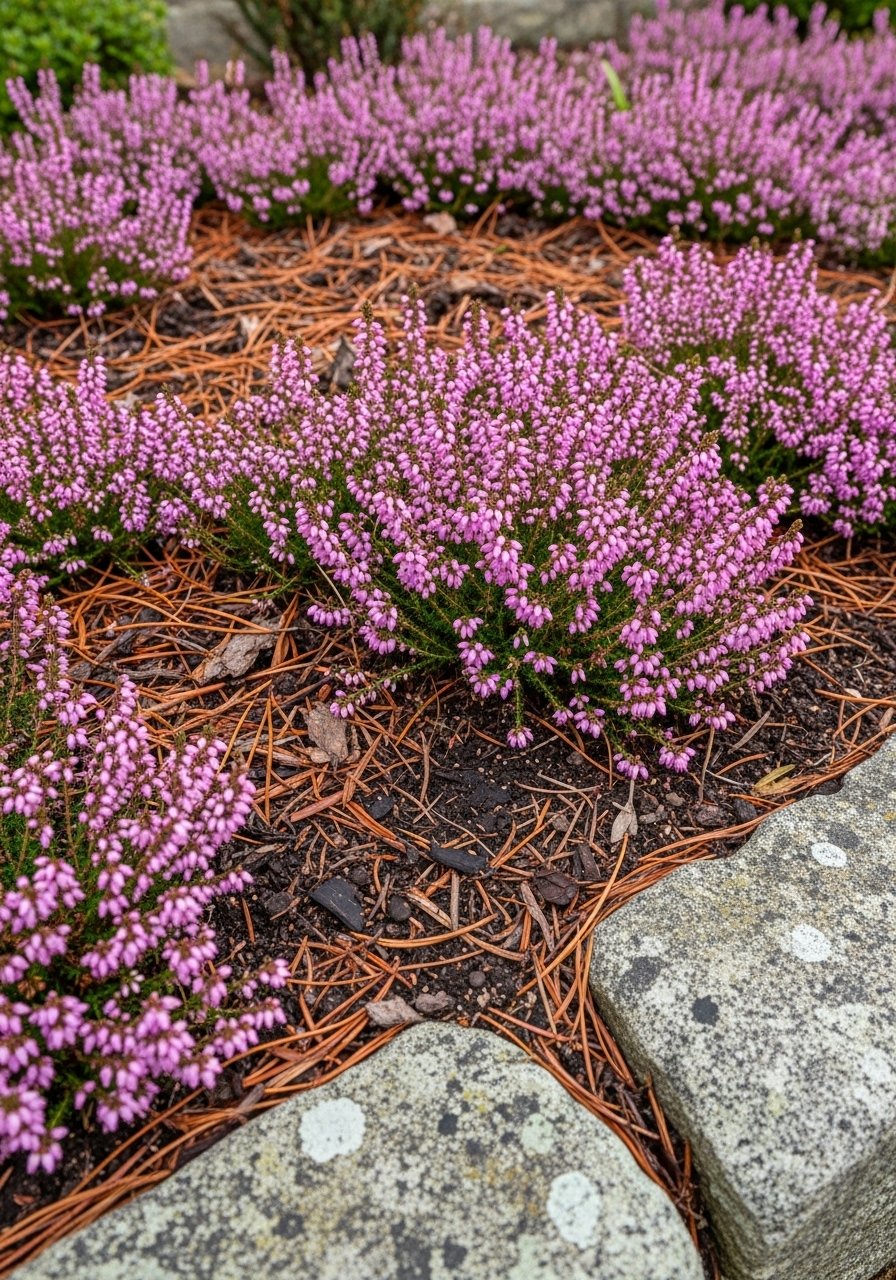
I added Erica to a bed under pine trees and it reveled in the acidic soil. The bell flowers extended color into late winter. I once fertilized with general-purpose plant food and it didn’t like that—use acid-loving amendments.
It’s low and shrubby, giving long-lasting interest in winter months.
Feed with ericaceous fertilizer and top-dress with pine needles.
What You’ll Need for This Look
- Erica (heath) liners (8 pack) (Erica (heath) liners (8 pack))
- Ericaceous fertilizer (slow release) (Ericaceous fertilizer (slow release))
- Pine needle mulch (baled) (Pine needle mulch (baled))
12. Sedum Album ‘Coral Carpet’ for Rock Borders
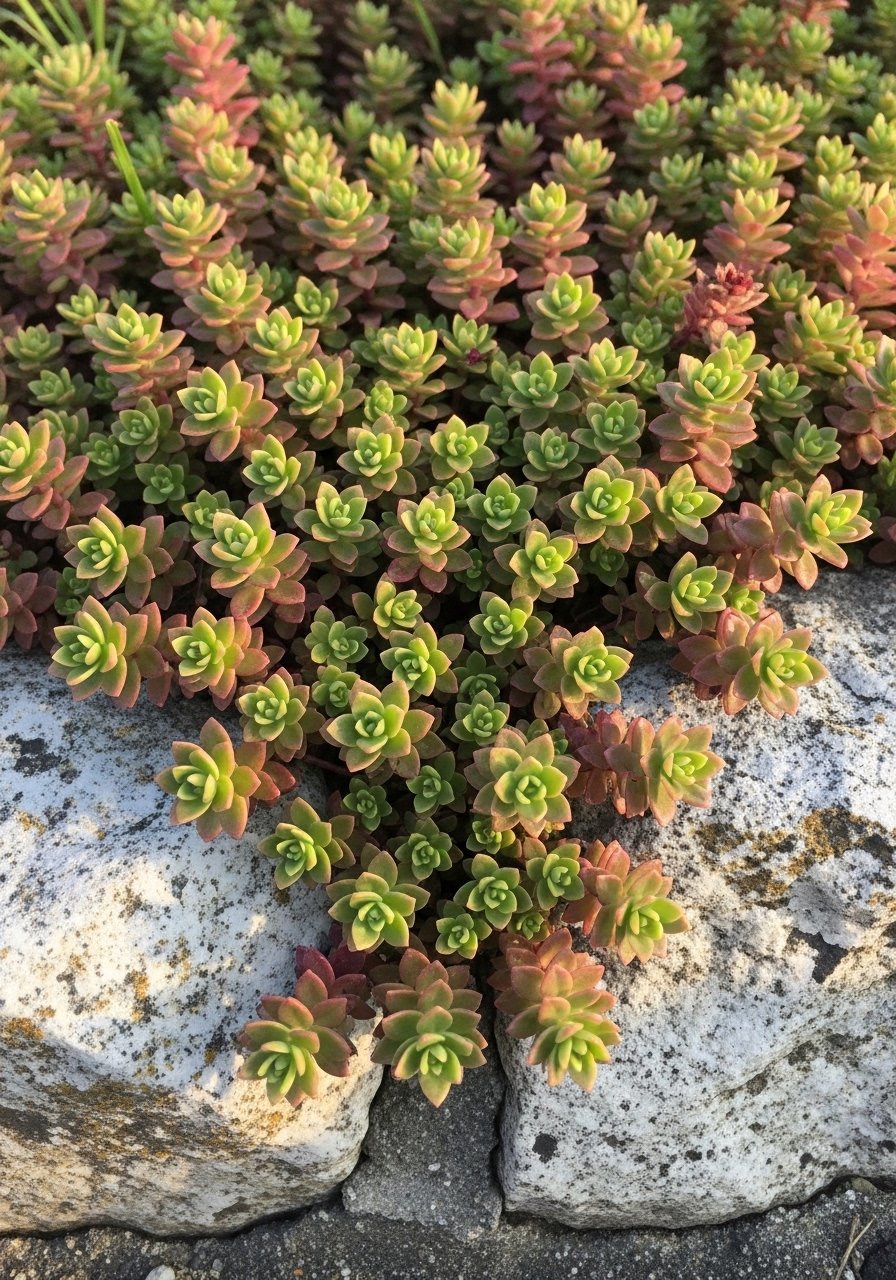
I planted ‘Coral Carpet’ sedum in cracks of my front rock border. It hugged the stones and gave a coral tint in summer. At first I planted it too deep and stems rotted—plant shallow.
It tolerates heat and poor soil. The seasonal color shift gives subtle movement across the bed.
Top-dress with grit for drainage if your soil is heavy.
What You’ll Need for This Look
- Sedum album 'Coral Carpet' cuttings (12) (Sedum album 'Coral Carpet' cuttings (12))
- Grit sand (coarse, 25 lb) (Grit sand (25 lb))
- Masonry trowel (Masonry trowel)
13. Blue Star Creeper for a Fine-Textured Lawn Substitute
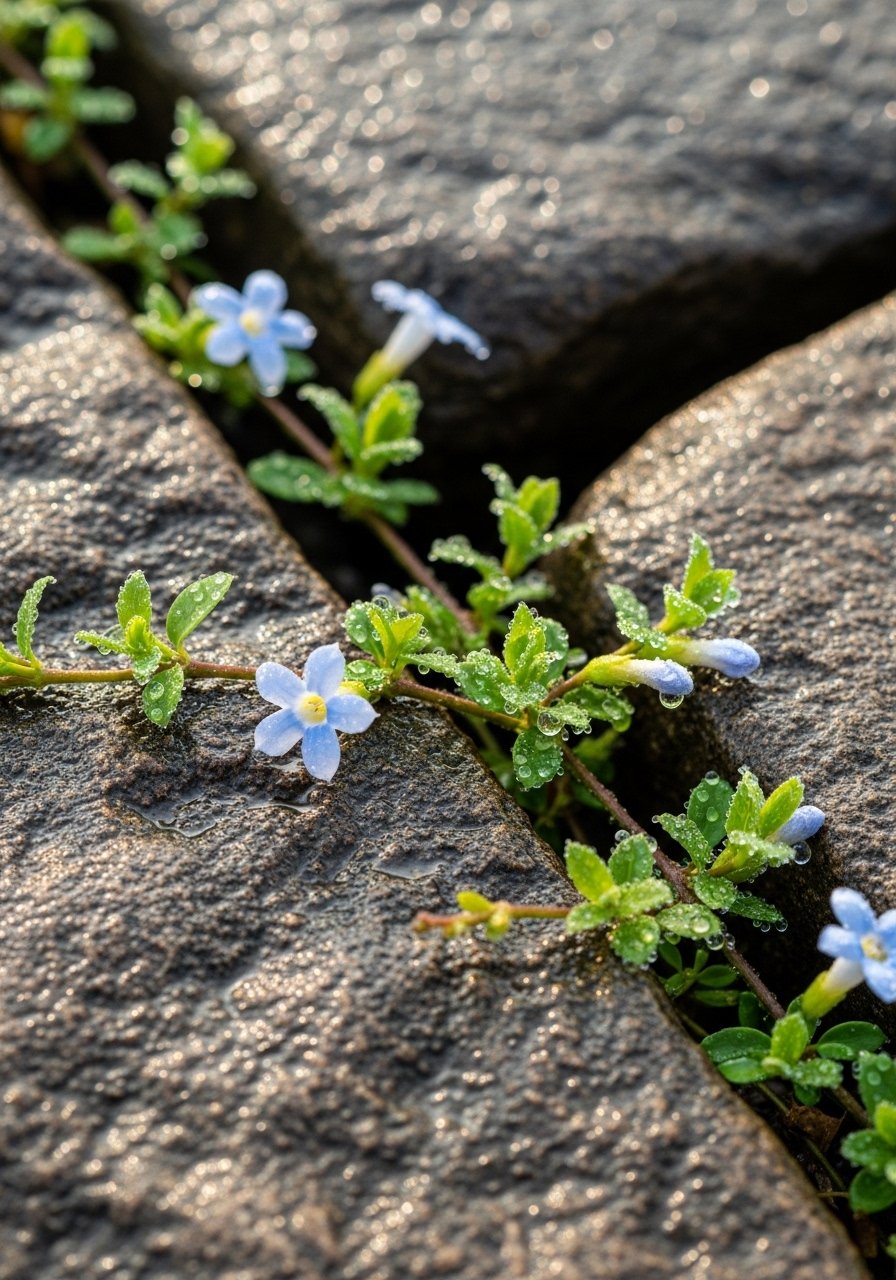
I seeded blue star creeper where I wanted a soft, fine-textured carpet. It stayed low and flowered with small blue stars. I made a timing mistake and planted in late heat; spring planting worked far better.
It tolerates light foot traffic and creates a lawn-like effect in small areas.
Mow with a high deck if you want to keep it short.
What You’ll Need for This Look
- Blue star creeper plugs (20 pack) (Blue star creeper plugs (20 pack))
- Cobbles for edging (small set) (Cobbles for edging (set))
- High-deck trimmer (electric) (High-deck trimmer (electric))
14. Native Wild Strawberry as a Fruity Ground Cover
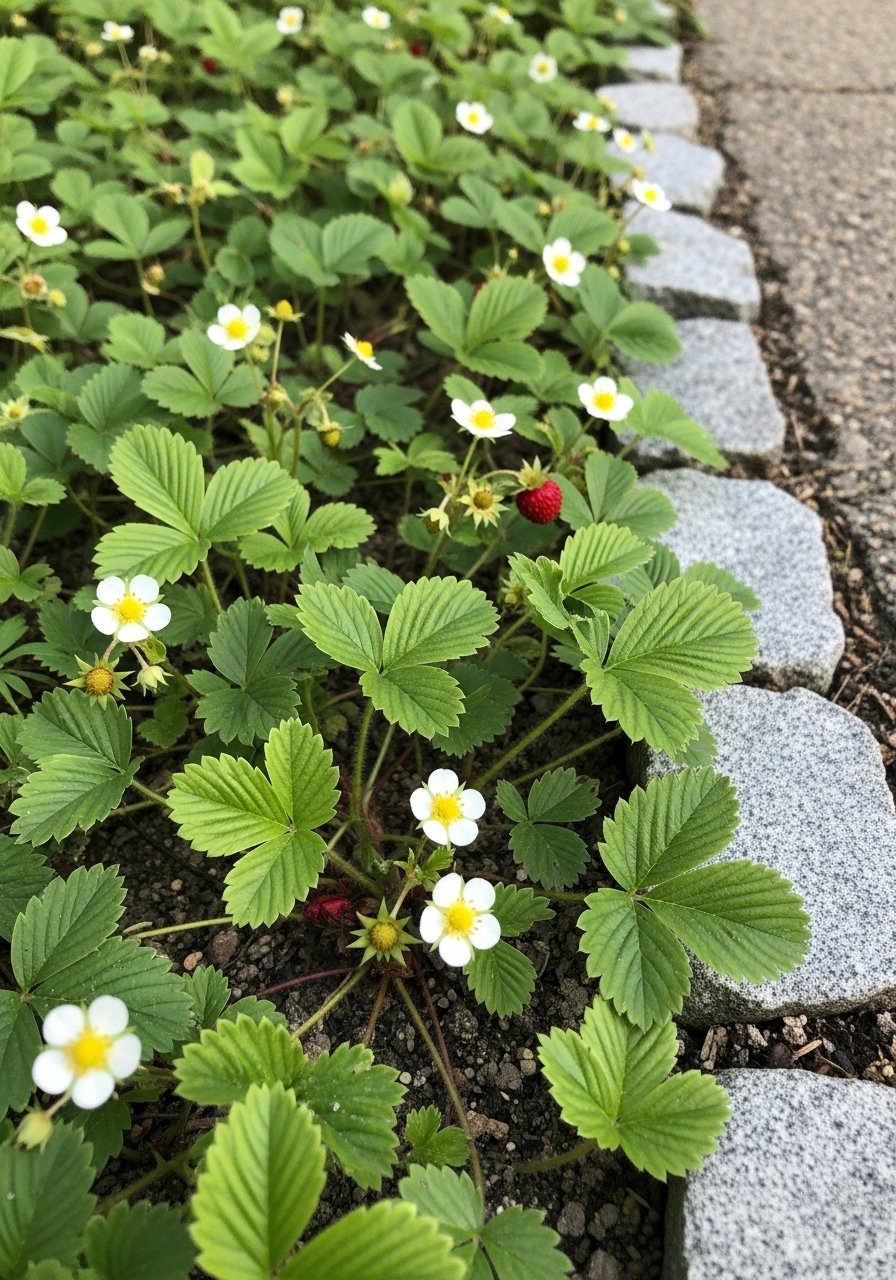
I planted wild strawberry under a sunny window box. The plants surprised me with tiny edible berries and white flowers. I did over-harvest the fruit one year and stunted the plants—leave some for seed and groundcover growth.
It’s informal and charming, and kids love the small fruits.
Keep weeds out early; strawberries aren’t the strongest competitors.
What You’ll Need for This Look
- Wild strawberry plants (12 pack) (Wild strawberry plants (12 pack))
- Front path stone pavers (set) (Front path stone pavers (set))
- Small hand fork (Small hand fork)
15. Pulsatilla (Pasque Flower) for Early Spring Interest
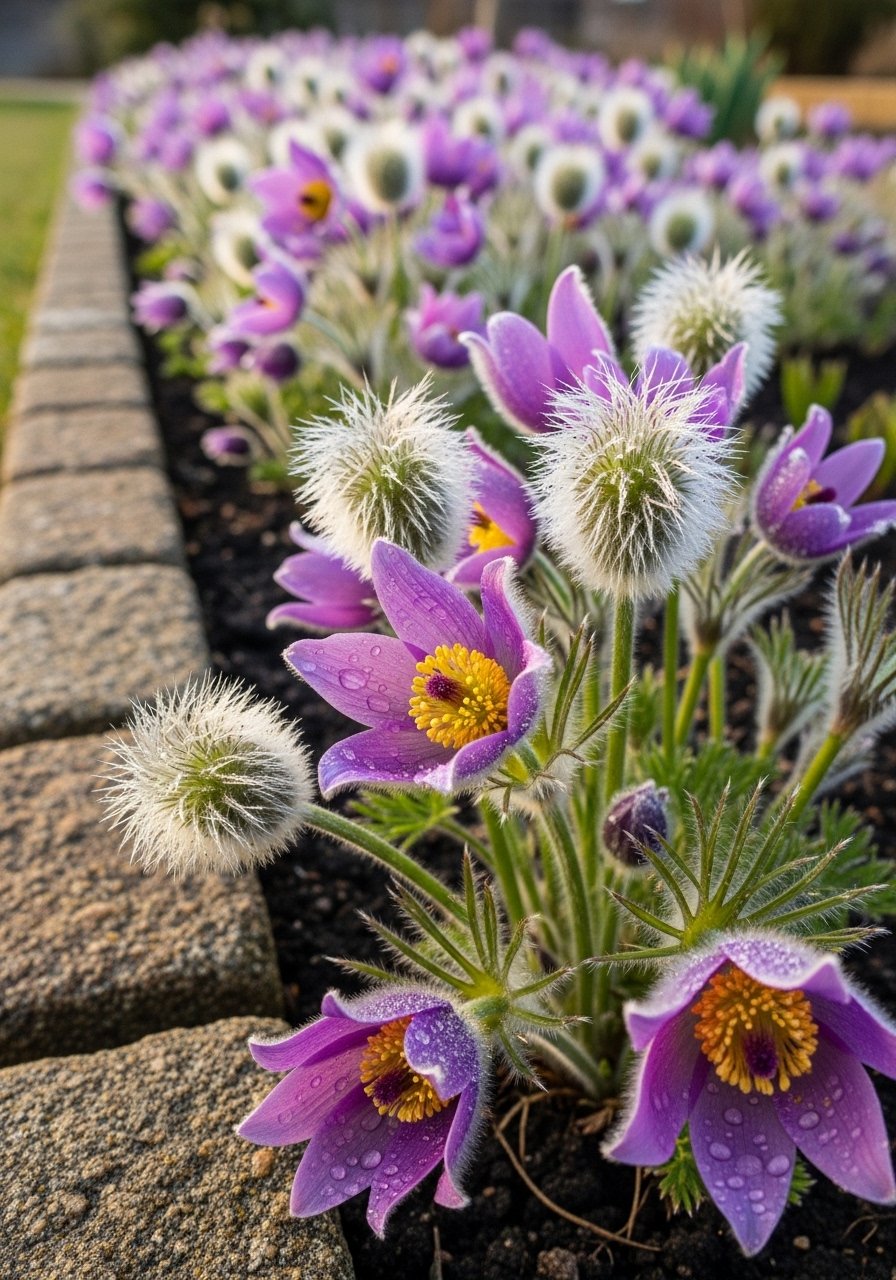
I tucked pasque flower into a sunbed for early purple blooms. It cheered up the path in late winter. I planted one too close to a thirsty shrub and it faded—give it its own dry patch.
It has airy seedheads later that add texture. It’s short-lived perennial in some zones, but pops back long enough to matter.
Let plants set seed if you like the fuzzy winter look.
What You’ll Need for This Look
- Pulsatilla (pasque flower) seedlings (8 pack) (Pulsatilla seedlings (8 pack))
- Stone edging set (small) (Stone edging set (small))
- Lightweight garden net (for frost protection) (Lightweight garden net)
16. Veronica (Speedwell) for Low Mounds of Blue
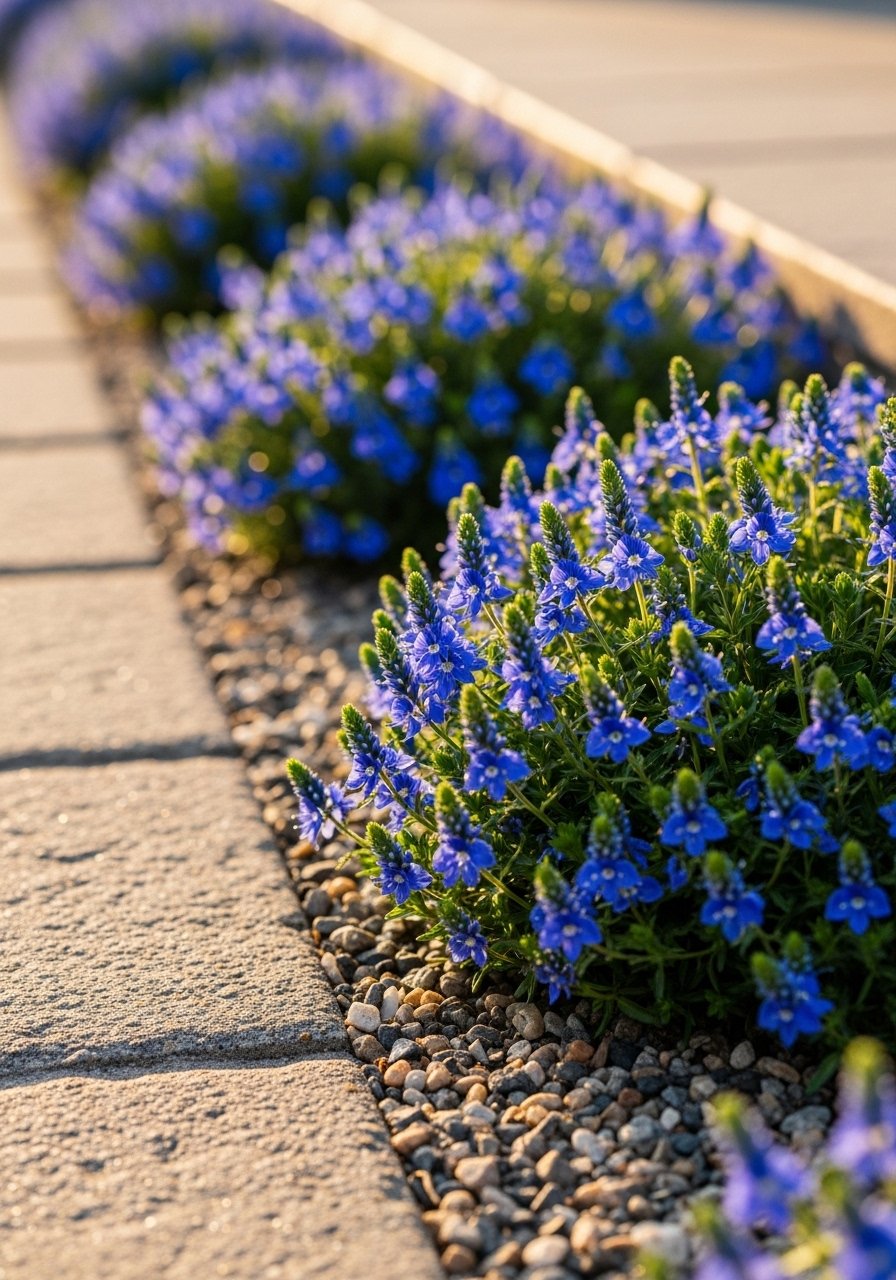
Veronica added upright blue spikes without bulk. I planted it beside a path and it created a rhythm. I once planted it in a boggy spot and it sulked—drainage matters.
It’s tidy and repeats well when you use several clumps. The vertical flowers lift the eye without tall height.
Deadhead to encourage longer bloom.
What You’ll Need for This Look
- Veronica (speedwell) plants (10 pack) (Veronica (speedwell) plants (10 pack))
- Gravel path topping (1 cu ft) (Gravel path topping (1 cu ft))
- Hand pruners (Hand pruners)
17. Japanese Spurge (Pachysandra) for Deep Shade
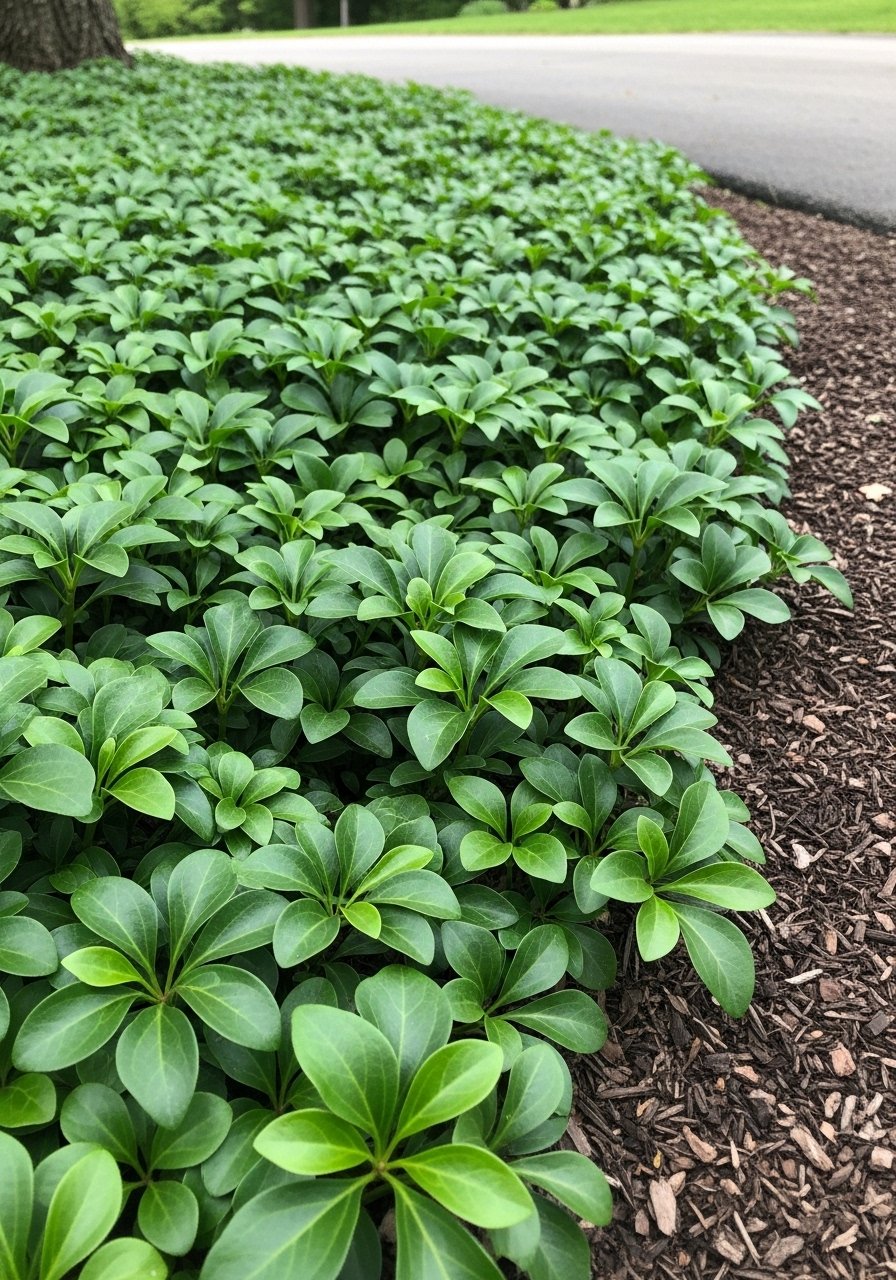
I used pachysandra beneath tall shrubs where nothing else grew. It made a dense, evergreen carpet. I learned to comb out leaves each spring; otherwise it traps moisture and invites fungus.
It’s resilient in deep shade and holds soil well. It’s not flashy, but it’s dependable.
Keep debris cleared and watch for slugs in wet springs.
What You’ll Need for This Look
- Pachysandra terminalis plugs (20) (Pachysandra terminalis plugs (20))
- Dark mulch (2 cu ft) (Dark mulch (2 cu ft))
- Leaf blower (compact) (Compact leaf blower)
18. Lamium for Variegated Shade Interest
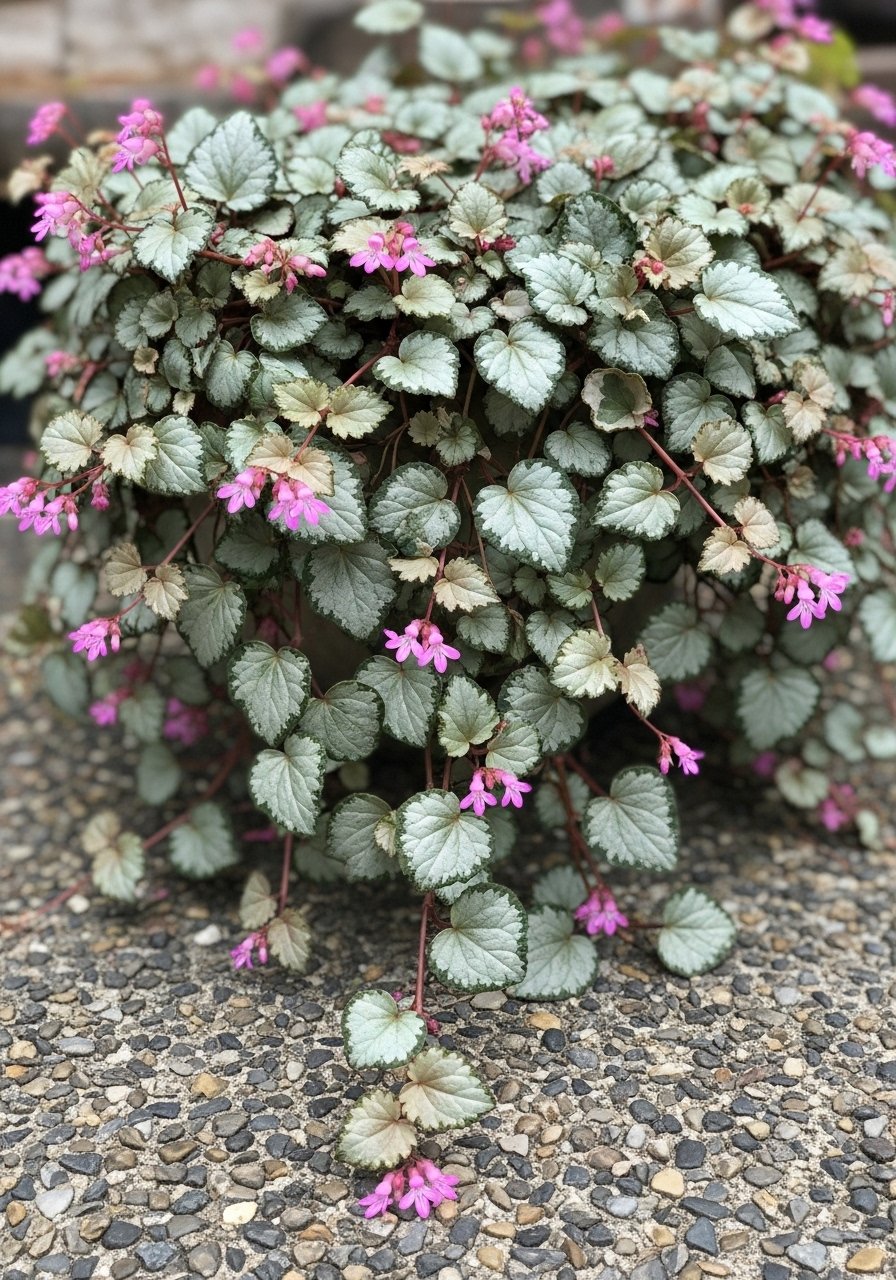
I planted lamium where I needed variegation under a large bush. The silver leaves illuminated the shade. I once let dogs run through it and it flattened—use durable placement if pets visit.
It creeps slowly and doesn’t mind shade. The variegation lifts dark corners instantly.
Plant in containers if you need containment.
What You’ll Need for This Look
- Variegated lamium plants (10 pack) (Variegated lamium plants (10 pack))
- Decorative gravel for containers (10 lb) (Decorative gravel (10 lb))
- Medium ceramic planter (12 inch) (Medium ceramic planter (12 inch))
19. Woolly Rosinweed (Aurinia) for Sunny Gravel Beds
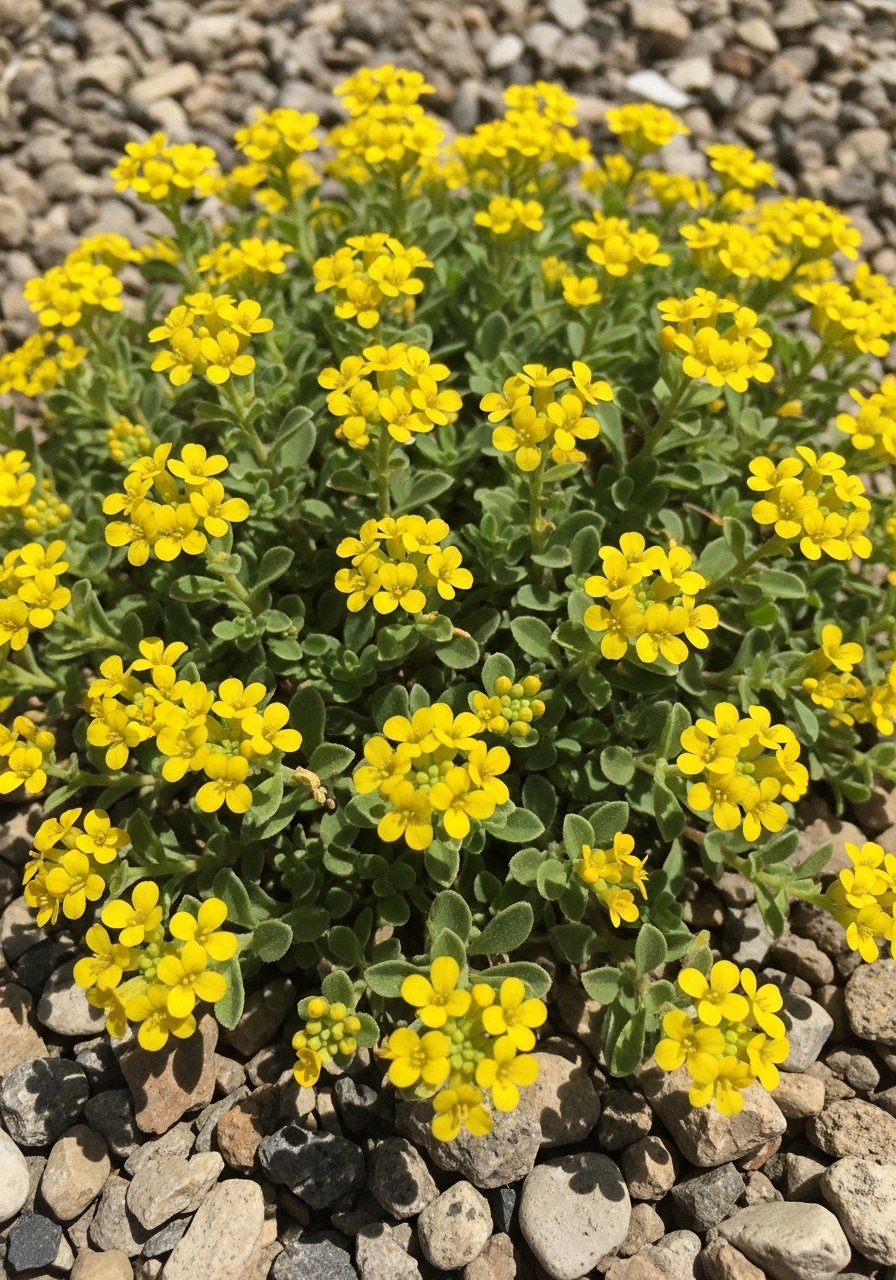
I used Aurinia on a sunny, poor-soil patch and it rewarded me with a gold carpet in spring. It’s brittle in heavy soil—my first bed was too rich and plants sprawled oddly.
It tolerates drought and poor soil and blooms reliably. Use it where you want early spring color without fuss.
Trim back after bloom to keep it compact.
What You’ll Need for This Look
- Aurinia saxatilis plugs (10 pack) (Aurinia saxatilis plugs (10 pack))
- Coarse gravel top-dress (1 cu ft) (Coarse gravel top-dress (1 cu ft))
- Pruning shears (Pruning shears)
20. Heuchera ‘Palace Purple’ as a Colorful Collar
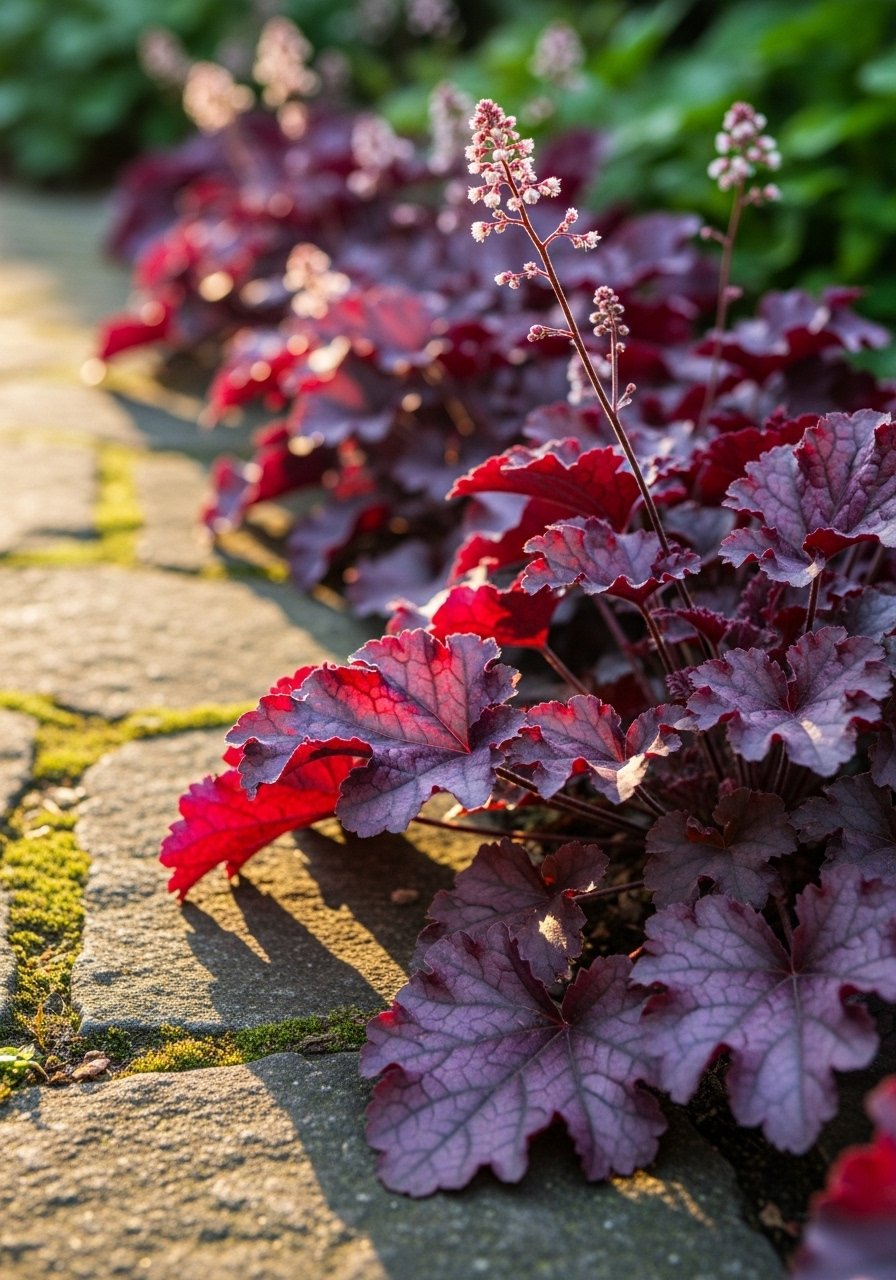
I used Heuchera as a low collar along a pathway. The purple foliage read like a border without needing blooms. I occasionally overwatered in a heavy clay spot and the crowns sat wet—raised soil worked better.
It’s evergreen-ish in mild climates and repeats well in groupings.
Mix with lime greens for contrast.
What You’ll Need for This Look
- Heuchera 'Palace Purple' plugs (8 pack) (Heuchera 'Palace Purple' plugs (8 pack))
- Raised bed soil (for better drainage) (Raised bed soil)
- Small edging stones (Small edging stones)
21. Lotus Berthelotii (Parrot’s Beak) in Warm Coastal Fronts
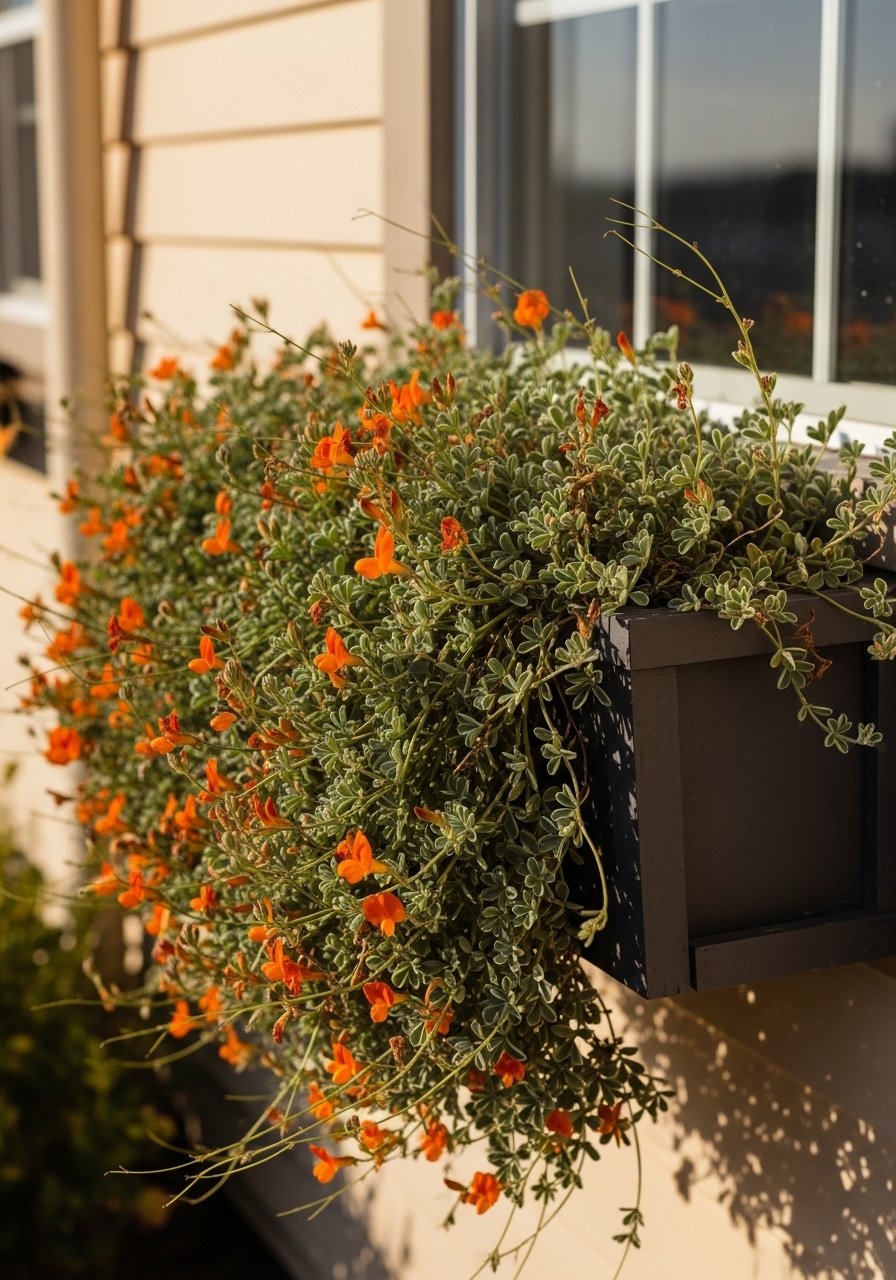
I added Parrot’s Beak to a sunny, coastal front bed. The tubular orange flowers attracted sun-loving pollinators. I misjudged frost risk once and lost a few plants—move them or cover in cold snaps.
It thrives in well-drained, sandy soil and bright sun. It reads exotic without fuss.
Protect from heavy winter wet.
What You’ll Need for This Look
- Lotus berthelotii plants (6 pack) (Lotus berthelotii plants (6 pack))
- Sandy soil mix (for coastal planting) (Sandy soil mix)
- Frost cloth (lightweight) (Frost cloth (lightweight))
22. Silver Carpet (Dymondia) for Hot, Coastal Walkways
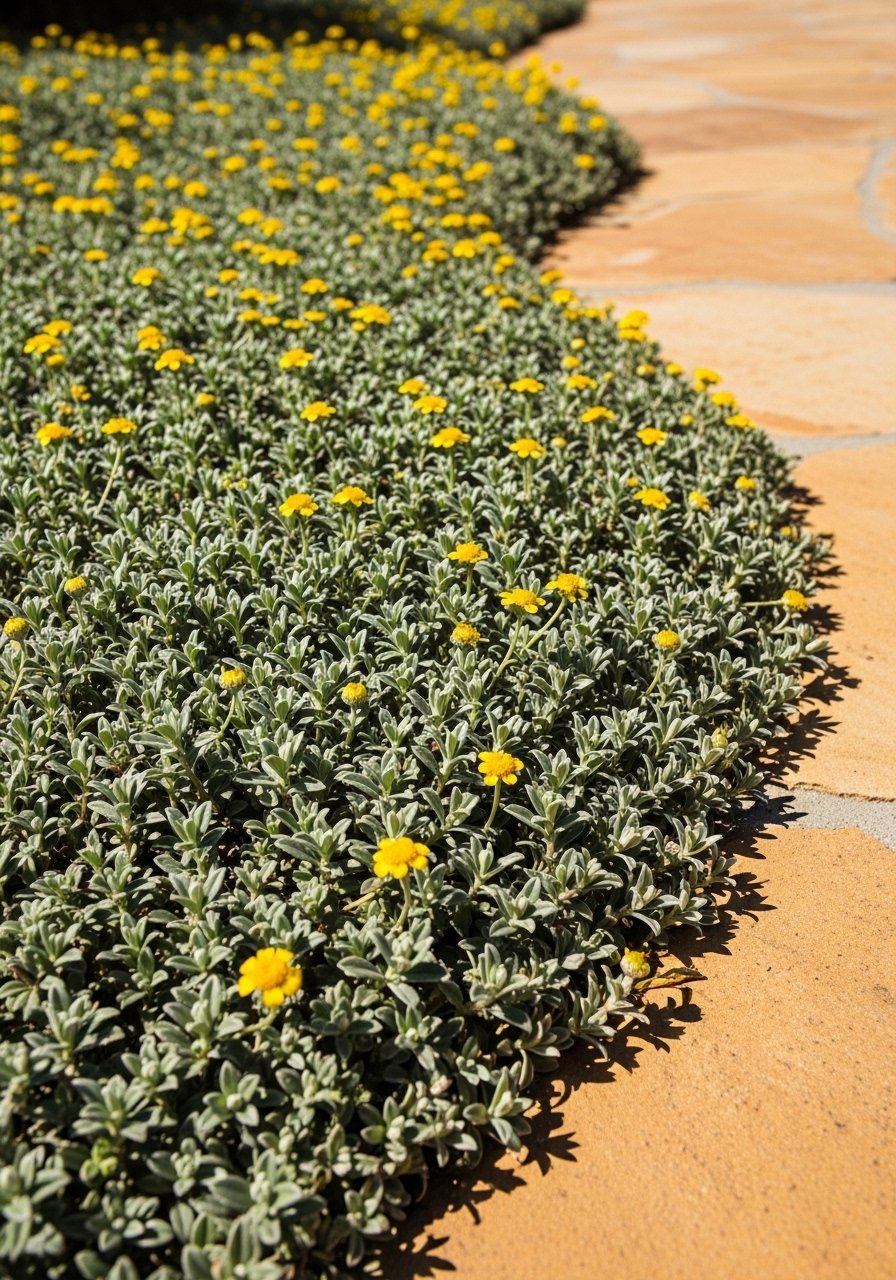
Dymondia became my go-to for hot, sandy walkways. It tolerates heat and salt spray and stays low. I once planted it in shade and it became leggy—full sun is key.
It’s tight and neat, with small yellow blooms. It handles light foot traffic and looks modern and low.
Edge it clearly to keep grass from invading.
What You’ll Need for This Look
- Dymondia margaretae plugs (20 pack) (Dymondia margaretae plugs (20 pack))
- Coastal soil conditioner (sand blend) (Coastal soil conditioner (sand blend))
- Steel lawn edging (12 inch) (Steel lawn edging (12 inch))
23. Moss Verbena for Long Blooming, Low Habit
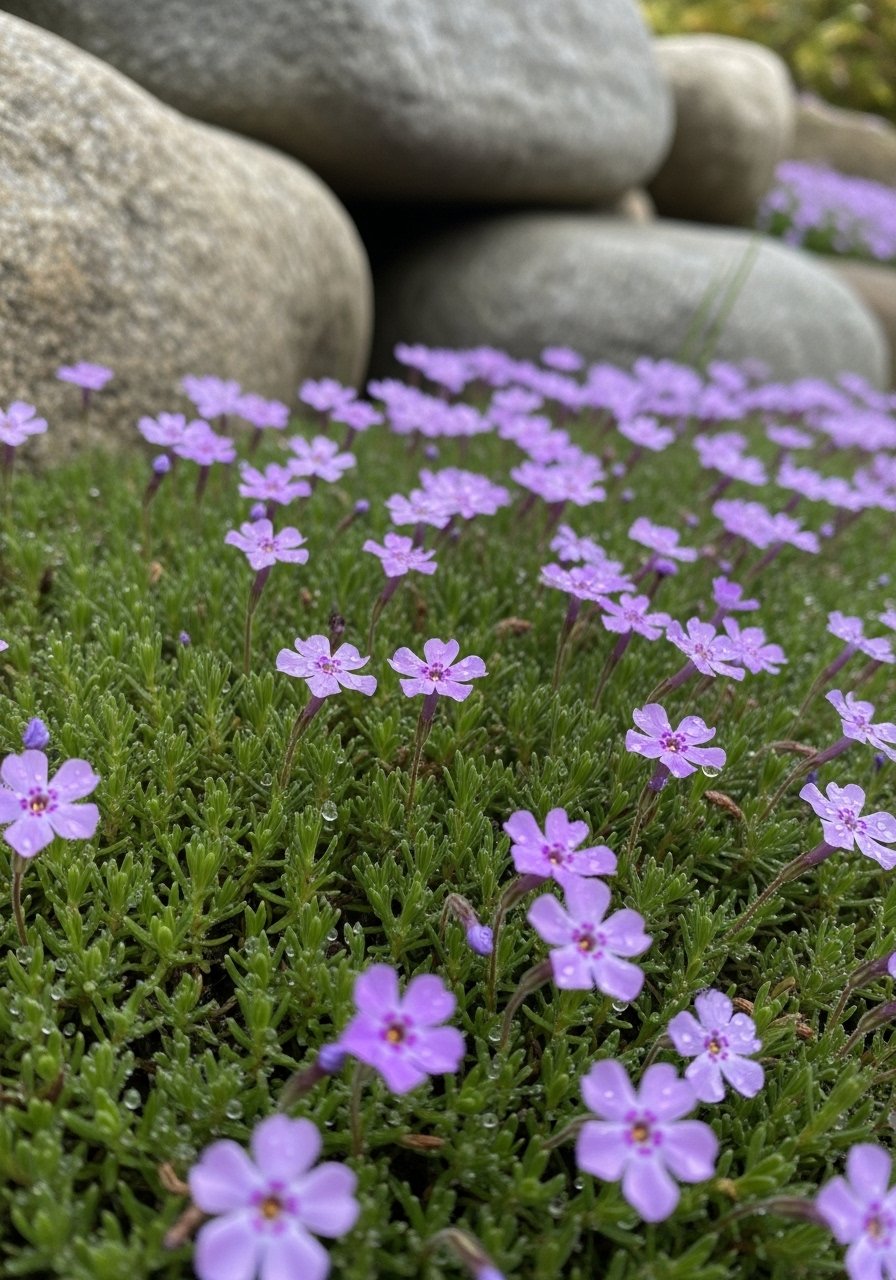
Moss verbena took a bare patch and turned it into weeks of bloom. The low habit suits rock gardens and borders. I overplanted once and had to divide to avoid mildew.
It blooms almost continuously in good sun. It’s a crowd-pleaser and easy to repeat across a bed.
Thin every few years to keep plants healthy.
What You’ll Need for This Look
- Moss verbena plugs (15 pack) (Moss verbena plugs (15 pack))
- Rock garden soil (well-draining) (Rock garden soil (well-draining))
- Garden gloves, breathable (Breathable garden gloves)
24. Native Clover Mix for Pollinators and a Soft Lawn
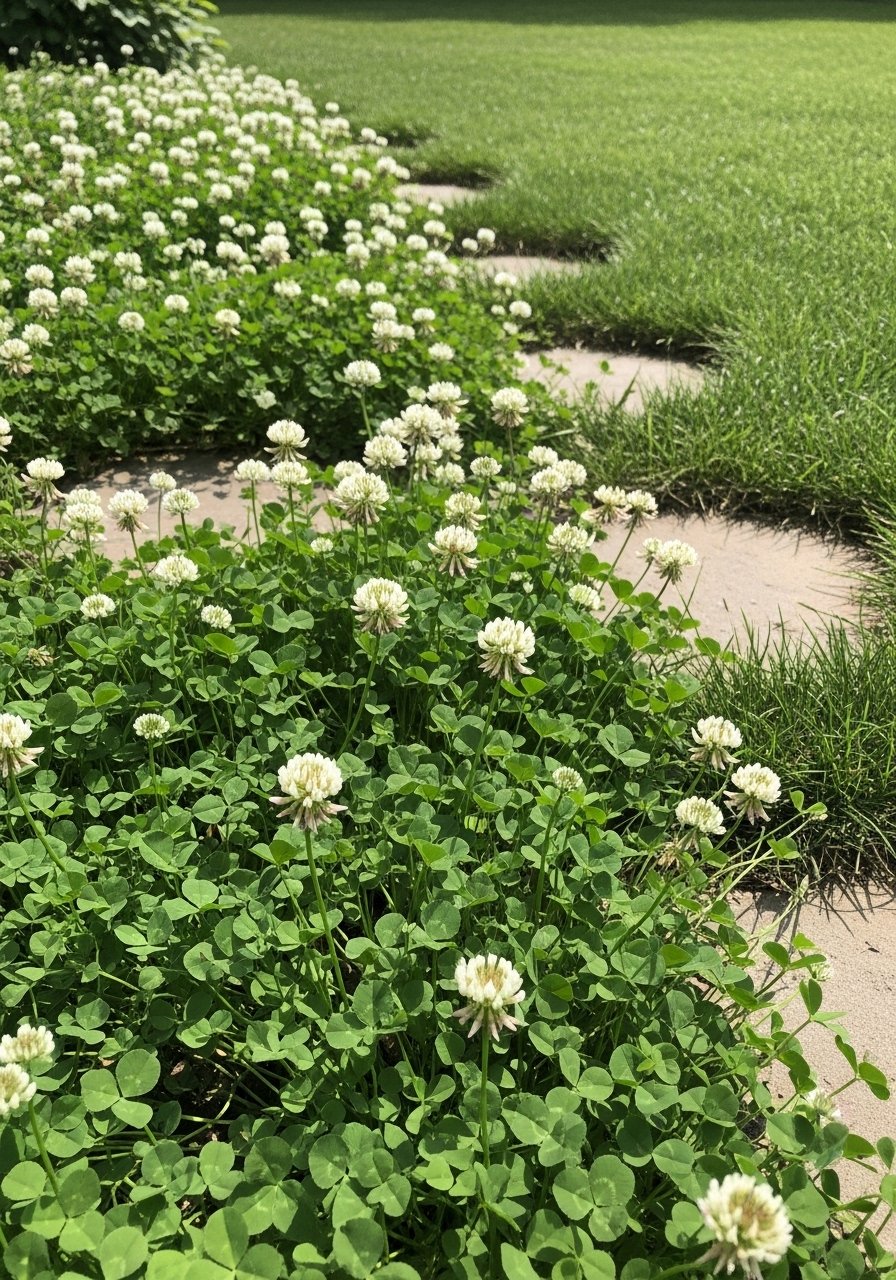
I sowed a native clover mix in a tired strip and it changed the front yard vibe. The white clover blossoms pulled in bees and softened the line between path and bed. I did not expect it to flower so heavily the first year—plan for a bit of mess while it establishes.
It tolerates mowing and light traffic and needs less water than grass.
Mow high to let flowers persist a bit longer.
What You’ll Need for This Look
- Native clover seed mix (1 lb) (Native clover seed mix (1 lb))
- Broadcast spreader (small, handheld) (Handheld broadcast spreader)
- Lawn mower with adjustable deck (Lawn mower with adjustable deck)
Final Thoughts
Ground covers are forgiving. They hide mistakes and reward small care.
You don’t need every idea here. Pick a few that match sun, soil, and your time.
Start small. I started with one patch and it changed how my whole front yard felt.
Leave a Reply