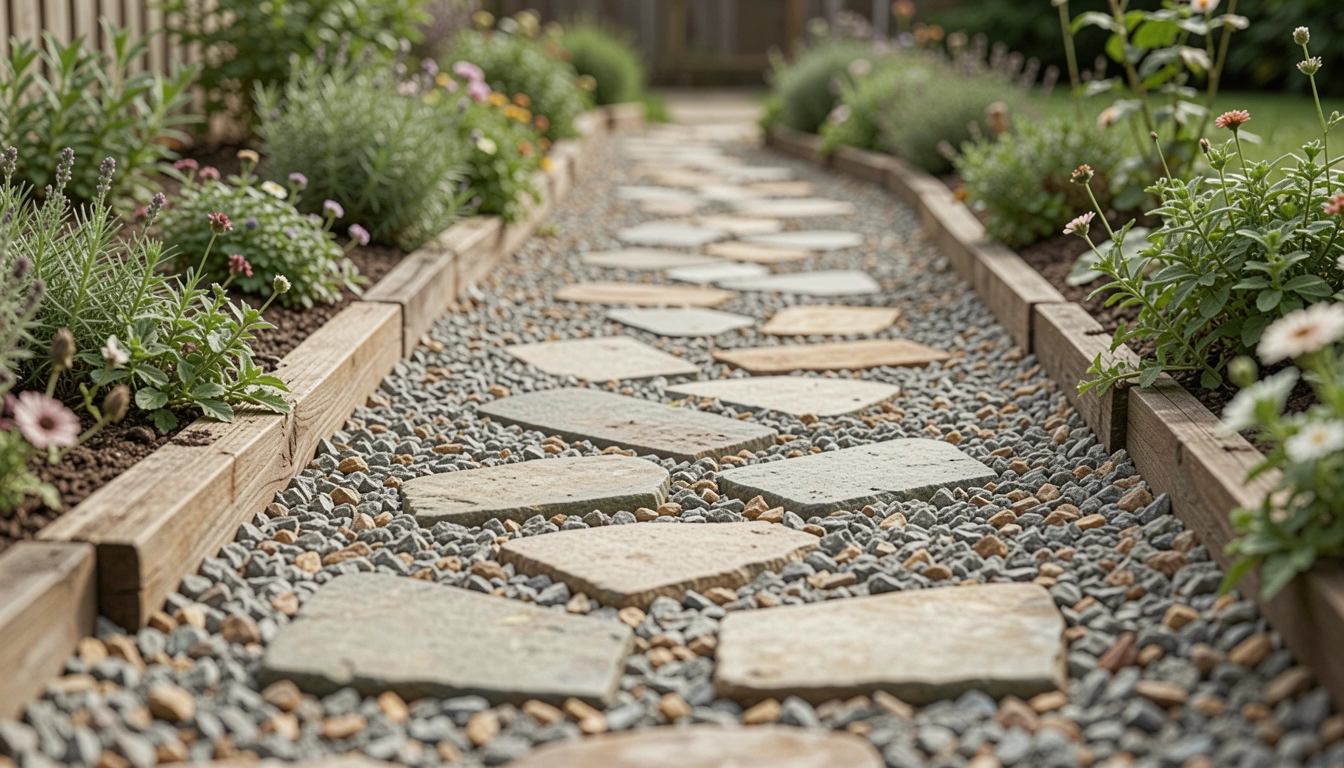
Author: Lily Victoria

  • 15 Rustic Garden Pathways For Natural Style

    15 Rustic Garden Pathways For Natural Style

    I still remember the first spring in my yard. Rain turned the dirt trail to the back fence into a slick mess. My boots sank in every time.
    I started simple, hauling gravel one bag at a time. Paths that breathe with the garden, not fight it.
    Now, walking them feels right. Grounded. They pull you in slow, let you notice the new shoots.
    You can build these too. No fancy tools.

    15 Rustic Garden Pathways For Natural Style

    These 15 rustic garden pathway ideas come from my own yard and helping neighbors. They're practical, hold up to real weather, and blend right in. Exactly 15 ways to get that natural look without the hassle.

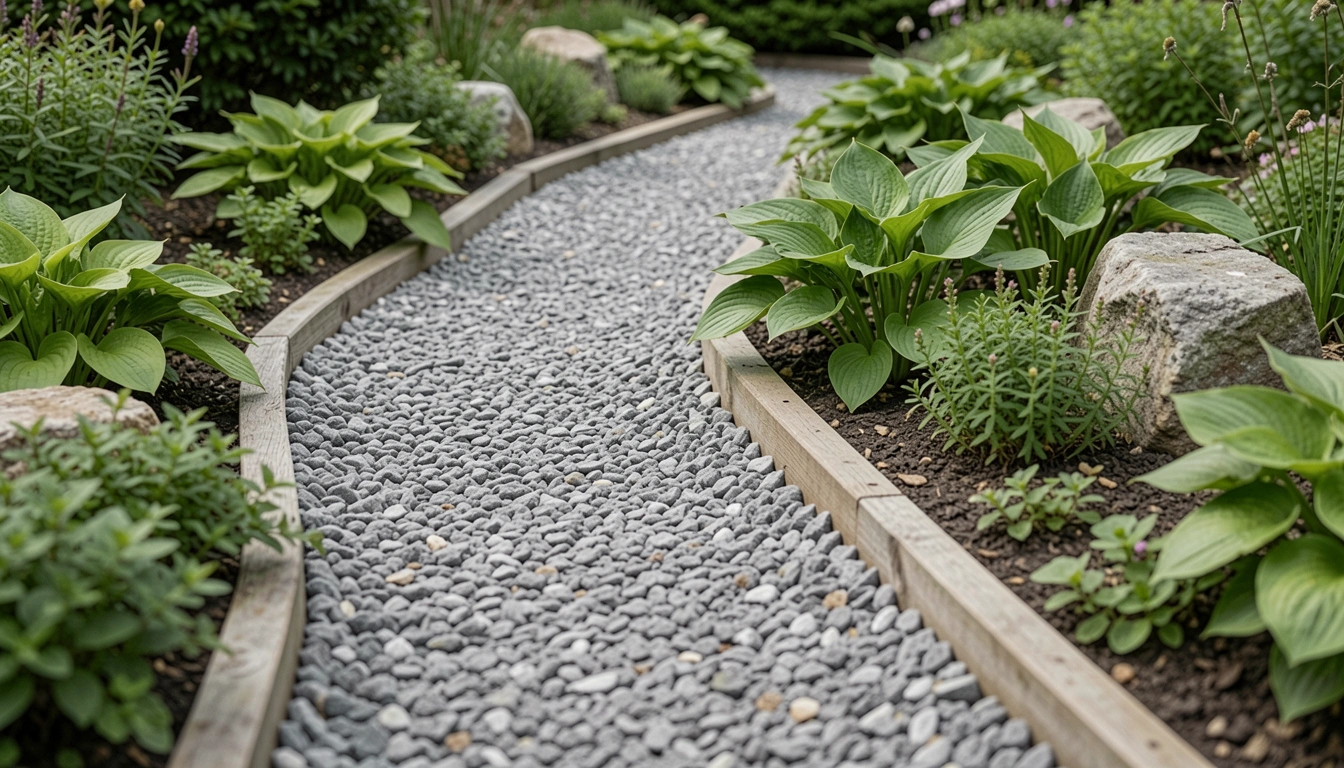
    1. Gravel Path Edged with Rough Timber for Easy Drainage
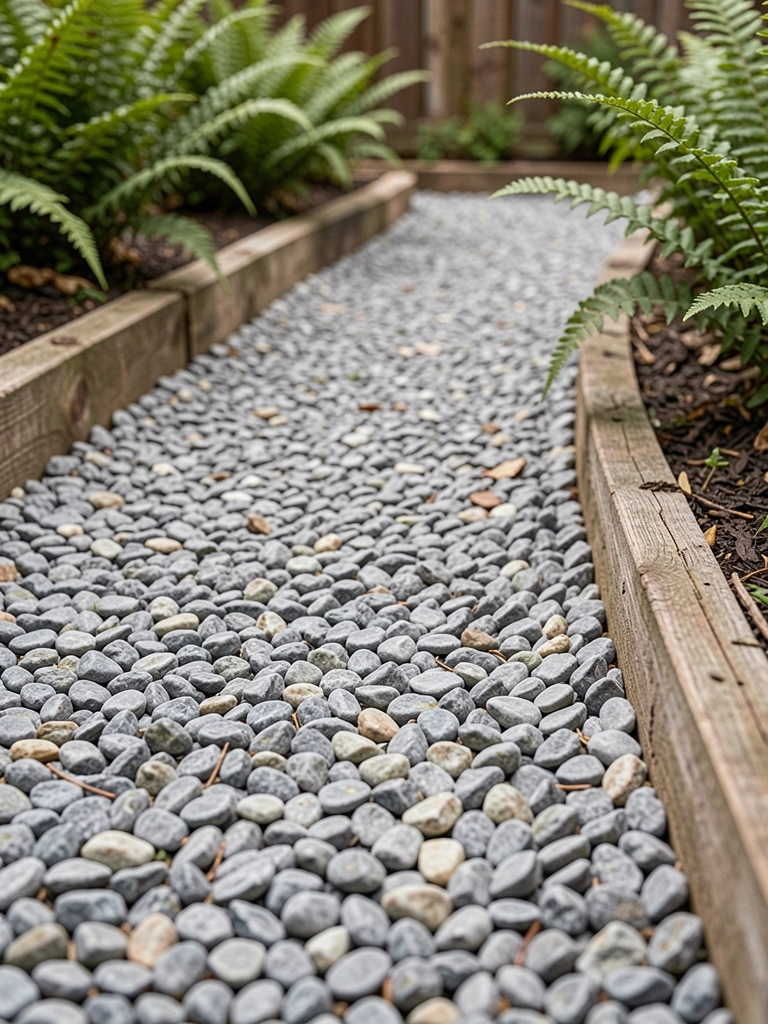
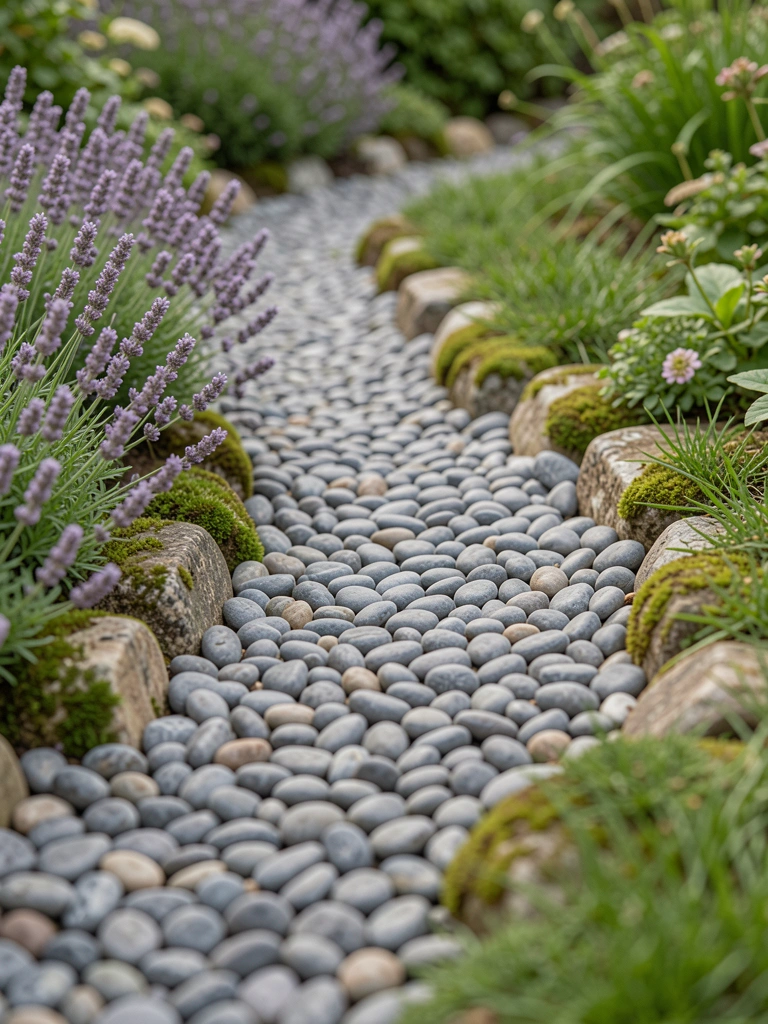
    I laid this gravel path last year to reach my compost pile. Rain used to pool everywhere, but the timber edging—cut from old fence posts—keeps it contained. Water drains fast now, no mud.
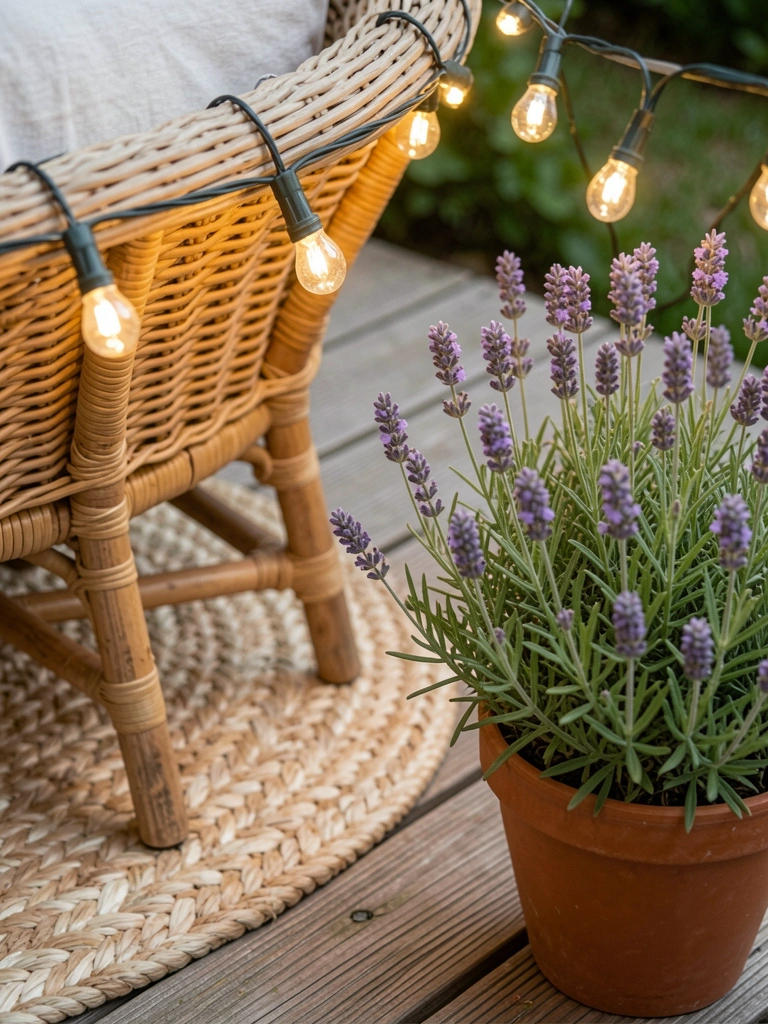
    The gray pea gravel softens underfoot, crunches just enough. It lets weeds poke through if you're not watching, but that's the rustic part. Surround it with low lavender; they spill over nicely.
    First time, I skipped landscape fabric. Gravel sank. Lesson learned—put it down.
    Now it pulls the eye back through the beds, quiet and steady.

    What You’ll Need for This Look

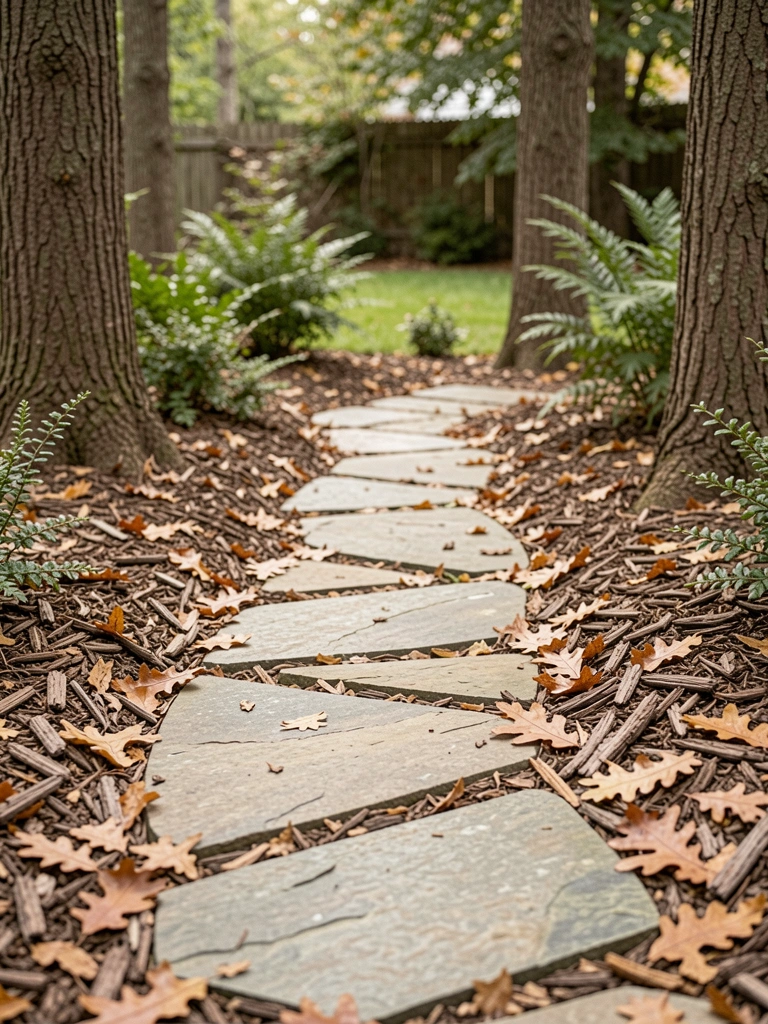
    2. Irregular Stepping Stones Set in Soft Grass

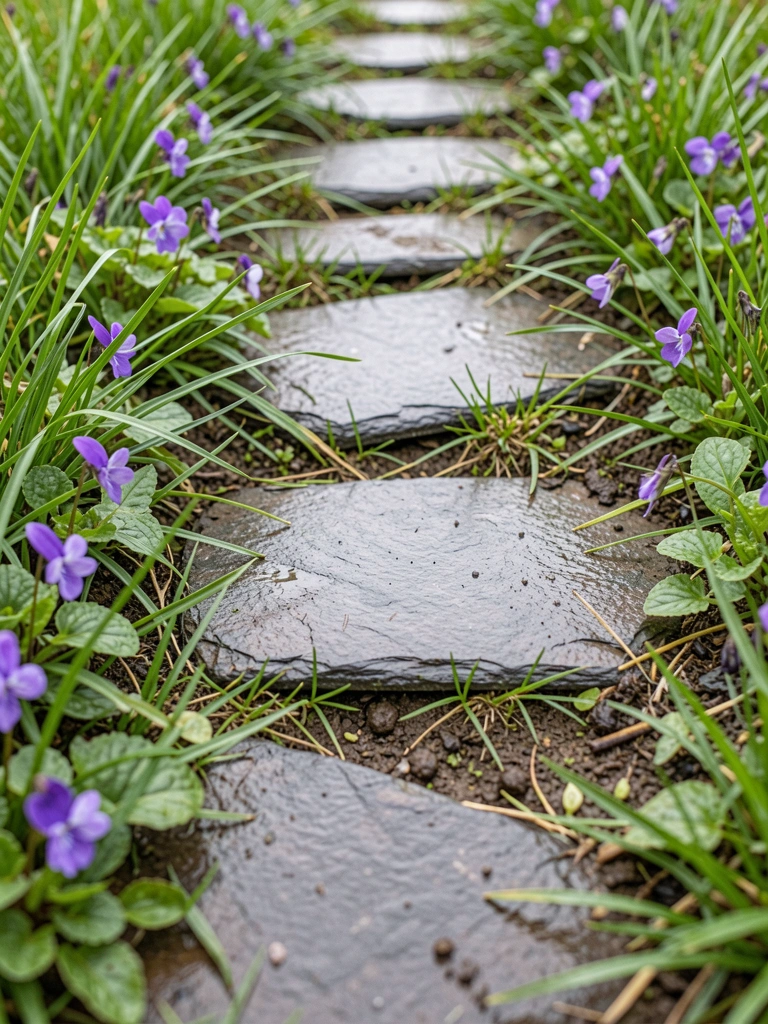
    Stepping stones changed my side yard. I dug them in randomly, flat fieldstones from a local haul. Grass fills the gaps, mowed easy. Feels like wandering a meadow.
    They stay cool in summer heat. Kids jump them without slipping. Planted creeping thyme between; it blooms pink now.
    I spaced them too far at first—tripped once. Closer is better, about two feet.
    This path invites pauses, right where the hostas thicken.

    What You’ll Need for This Look

    3. Wood Chip Mulch Trail Through Shady Beds
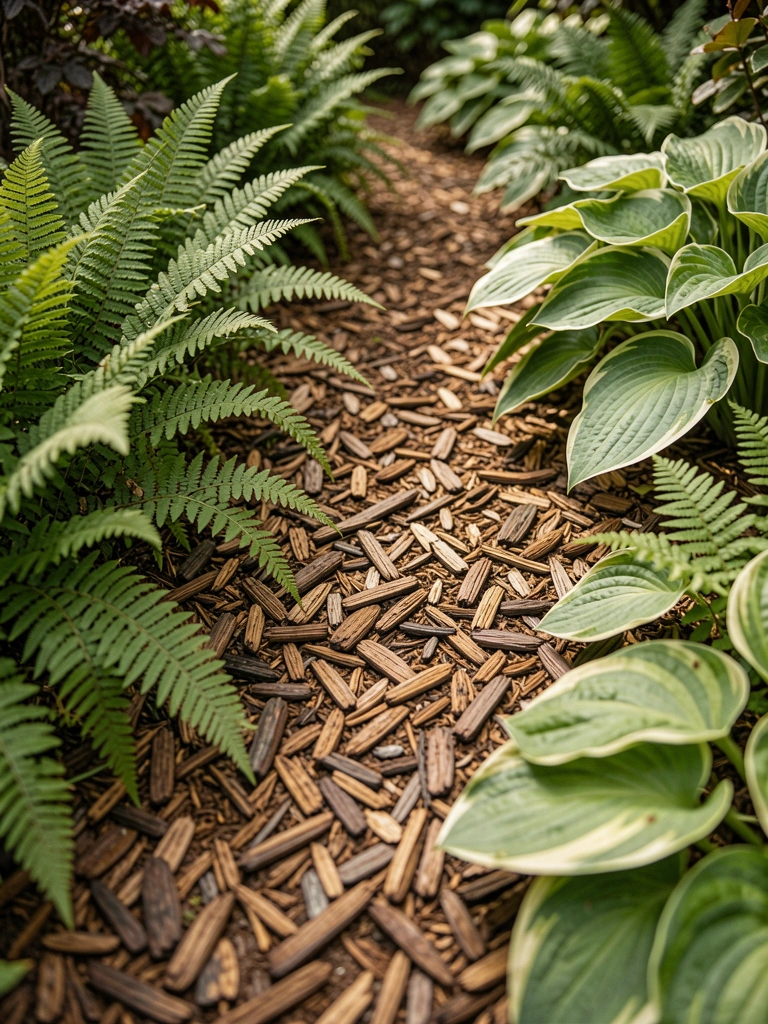
    In my shady back corner, wood chips made a perfect trail to the shed. Fresh from the arborist, they smell earthy. Soft on bare feet, breaks down slow.
    Fern fronds arch over it, hostas hug the sides. No weeds if you refresh yearly.
    Bought dyed chips once—faded ugly. Stick to natural.
    It quiets footsteps, makes the shade feel deeper, cozier.

    What You’ll Need for This Look

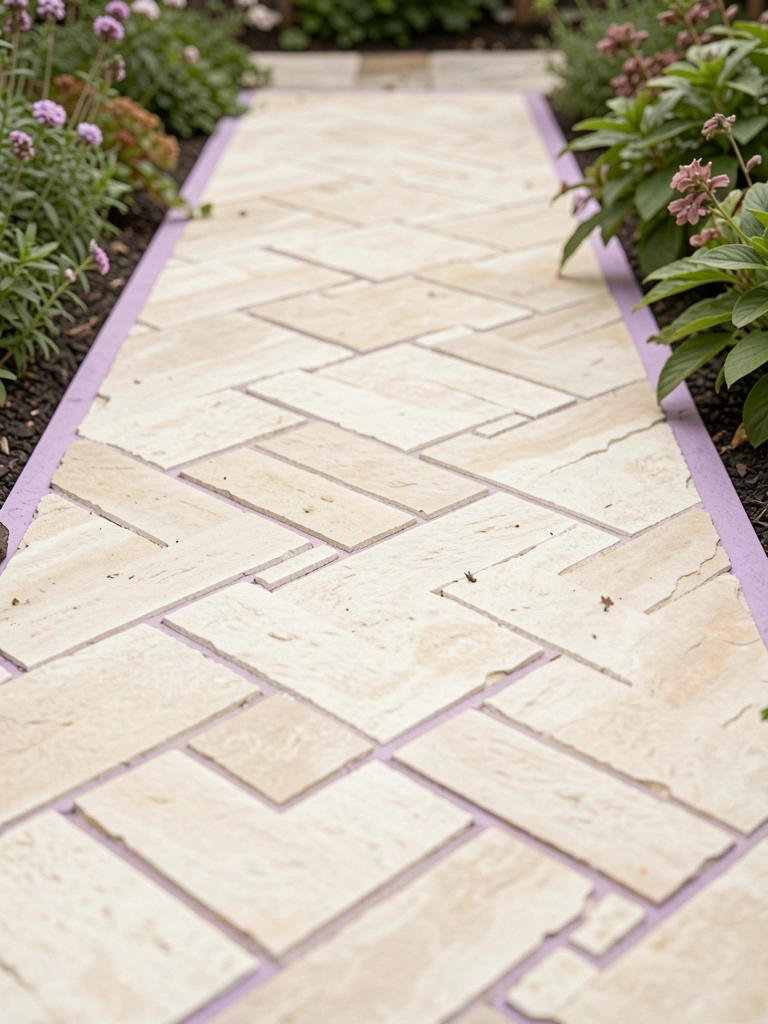
    4. Brick Path in Loose Herringbone for Cottage Charm

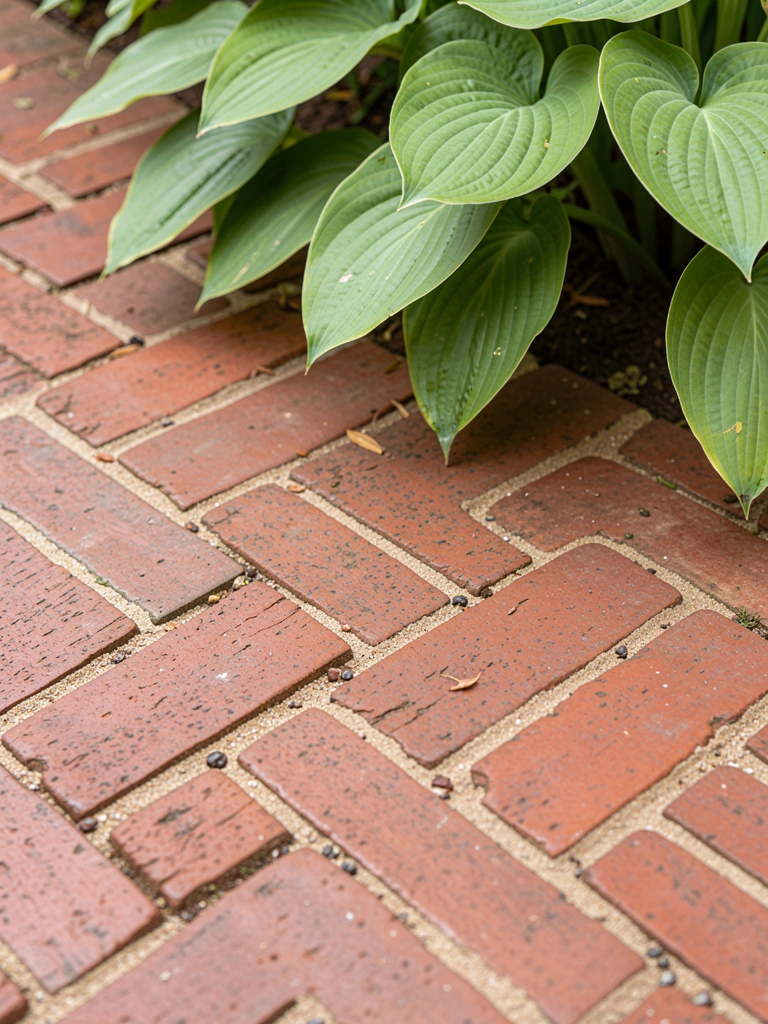
    Herringbone bricks line my herb garden path. Old reclaimed ones, no mortar—just sand. They shift a bit, settle natural.
    Lavender and rosemary tuck along edges, release scent when brushed. Rain beads up pretty.
    Laid them too tight first—cracked in freeze. Leave gaps for give.
    Walks you slow past the sages, feels tended but wild.

    What You’ll Need for This Look

    5. Flagstone Walkway with Meandering Curves

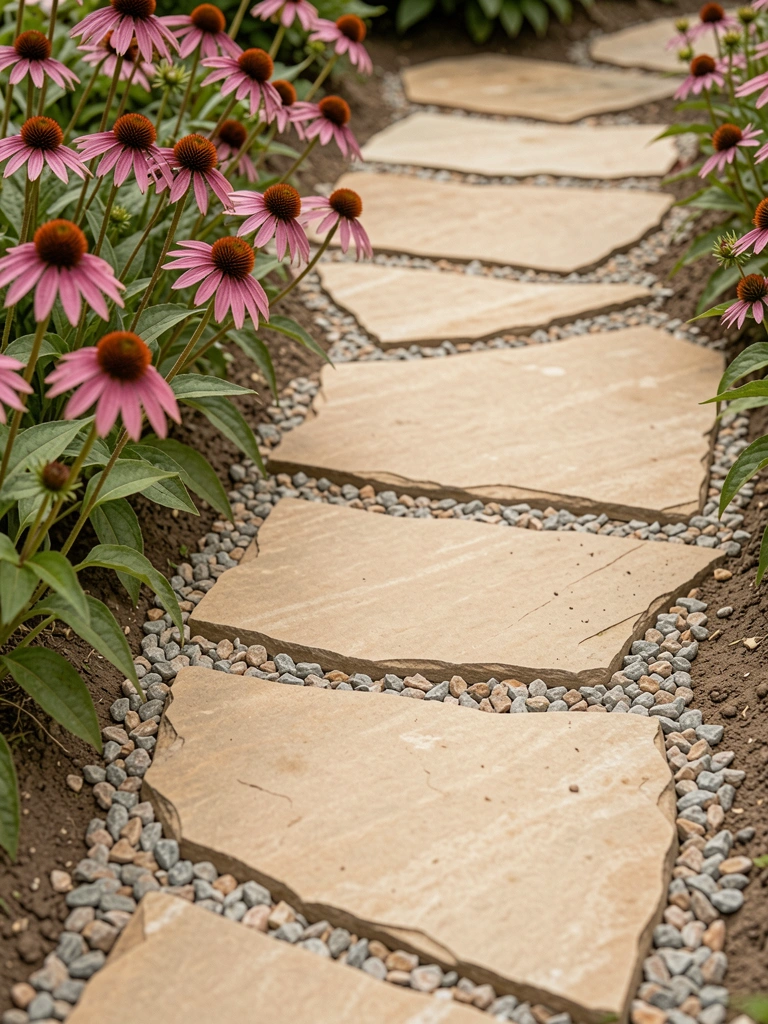
    Flagstones curve through my front beds now. Big, uneven slabs set in gravel base. Follows the slope natural.
    Grasses sway in gaps, butterflies land. Sturdy for wheelbarrows.
    Overlapped one slab wrong—wobbly. Level base first, patient.
    It draws you around roses, hides the fence line soft.

    What You’ll Need for This Look

    6. Log Slice Stepping Path for Woodland Feel
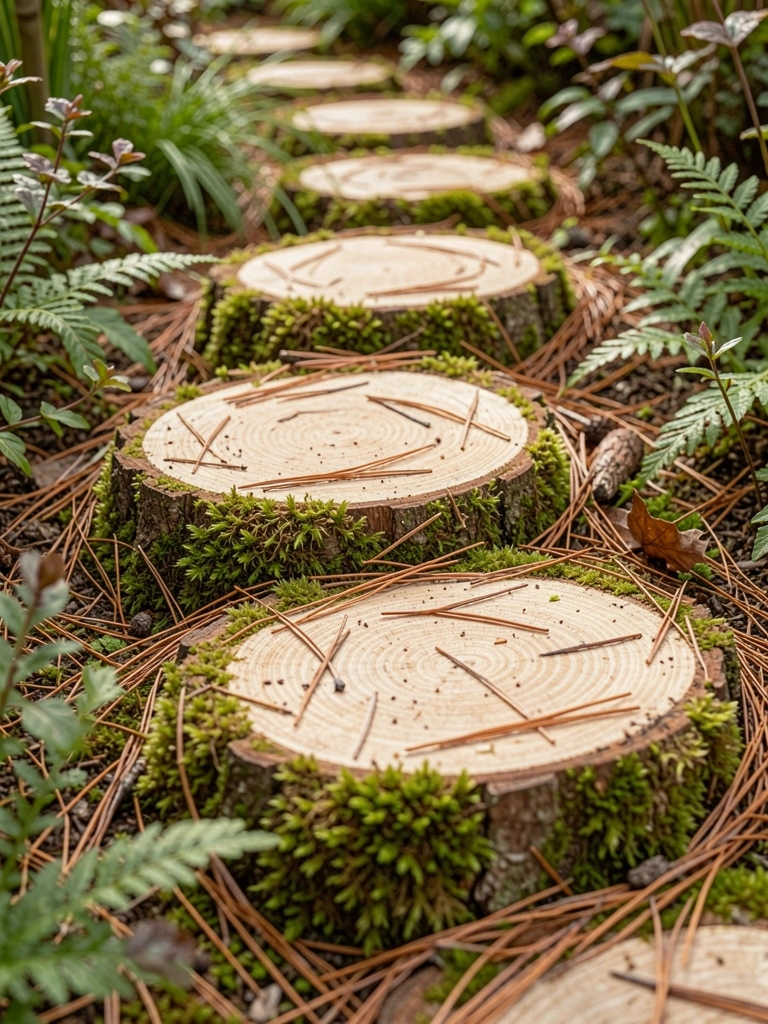
    Sliced logs from pruned trees make my woodland path. Thick rounds, sunk flat. Moss creeps over time.
    Pine needles drift in, smell sharp after rain. Barefoot friendly.
    Sealed them once—mildewed. Let weather naturally.
    Leads quiet to the bench, blends with trees.

    What You’ll Need for This Look

    7. Crushed Shell Path That Stays Bright White

    Crushed oyster shells brighten my coastal-style path. White glows at dusk, crunches light. Drains perfect.
    Sea thrift edges it, pink puffs nod. No compaction like gravel.
    Too deep first layer—slippery. Half inch max.
    Feels beachy, lifts the green beds.

    What You’ll Need for This Look

    8. Cobblestone Edges on Dirt Trail

    Cobblestones border my dirt trail to the orchard. Keeps edges crisp, lets grass grow middle. Low work.
    Wildflowers seed in, daisies pop yellow. Handles ruts from carts.
    Pried one loose wrong—chipped. Set gentle in sand.
    Earthy walk, smells real after rain.

    What You’ll Need for This Look

    9. Pallet Wood Plank Walkway Over Mud

    Pallet planks cross my wet spot to the gate. Disassembled free ones, laid lengthwise. Weathers gray nice.
    Ferns tuck under, no splinters after oil.
    Nailed loose—rotted fast. Screw instead.
    Quick fix, rustic stride.

    What You’ll Need for This Look

    10. River Rock Inlaid Steppers

    River rocks set in shallow concrete make sturdy steppers. Smooth underfoot, colors gleam wet.
    Grasses fill surrounds, holds heavy traffic.
    Mixed concrete thin—crumbled. Go two inches.
    Shimmers through the yard, steady path.

    What You’ll Need for This Look

    11. Mossy Stone Path in Shade

    Moss on stones greens my shady path. Flat rocks, misted regular till moss took. Velvet soft.
    Ferns frame it, damp air clings. Slippery rare.
    Cleared too much—moss slow. Shade helps.
    Secret trail feel, hushed steps.

    What You’ll Need for This Look

    12. Timber Boardwalk Along Fence Line
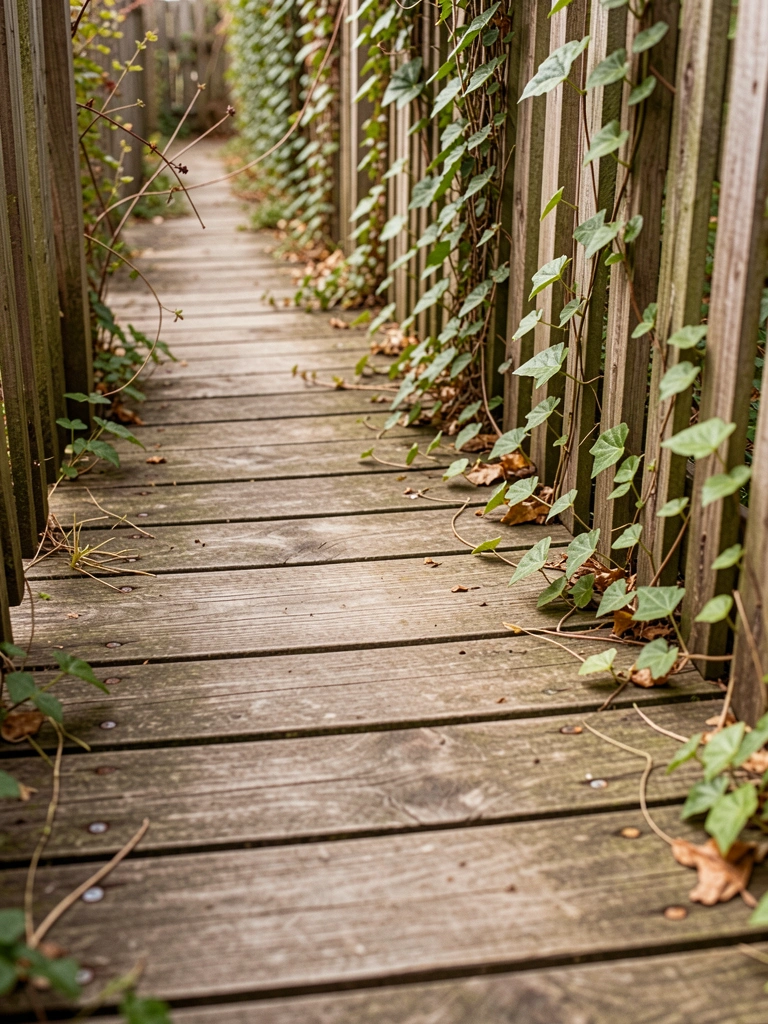
    Timber boards run my fence path. Pressure-treated, spaced for drainage. Vines climb over.
    Dry fast after rain, creaks comforting.
    Screwed wrong gauge—pulled out. Use long ones.
    Long view opens, easy haul.

    What You’ll Need for This Look

    13. Wildflower Gravel Lane

    Gravel lane with wildflowers seeds itself now. Broadcast mix, thin gravel top. Blooms all summer.
    Bees hum, colors shift. Crunches guide you.
    Overseeded—choked path. Light hand.
    Alive walk, seasons change it.

    What You’ll Need for This Look

    14. Bamboo Edged Soil Path

    Bamboo poles edge my soil path to veggies. Split lengths, buried half. Herbs spill over.
    Compacts firm, smells fresh tilled.
    Poles rotted fast untreated. Soak in salt water.
    Simple, grows with the plot.

    What You’ll Need for This Look

    15. Recycled Brick and Shell Mix Path

    Mixed bricks and shells patchwork my entry path. Scavenged bricks, shell fill. Textures play.
    Sedum roots in cracks, tough. Drains, glows.
    Bricks uneven—stumbled. Level sand bed.
    Welcoming crunch, story in every step.

    What You’ll Need for This Look

    Final Thoughts

    Pick one path that fits your spot. Start small—my first gravel strip taught more than plans.
    They settle, change with seasons. Yours will too.
    Walk them often. They'll feel like home soon. You've got this.
  • 7 Small Garden Path Ideas For Compact Spaces

    7 Small Garden Path Ideas For Compact Spaces

    I remember squeezing through my tiny backyard, mud on my shoes, no clear way to the shed. Paths matter—they make a small space feel open, not jammed. I started simple, testing what fits real life.

    One wrong turn taught me: straight lines box you in. Curves invite you along.

    Now, my paths pull you in, plants brushing your legs. They changed everything.

    7 Small Garden Path Ideas For Compact Spaces

    These 7 small garden path ideas fit tight spots like mine—backyards under 200 square feet. They're straightforward, from my trial and error. You'll see exactly what to use.

    1. Winding Stepping Stones Through Low Groundcover

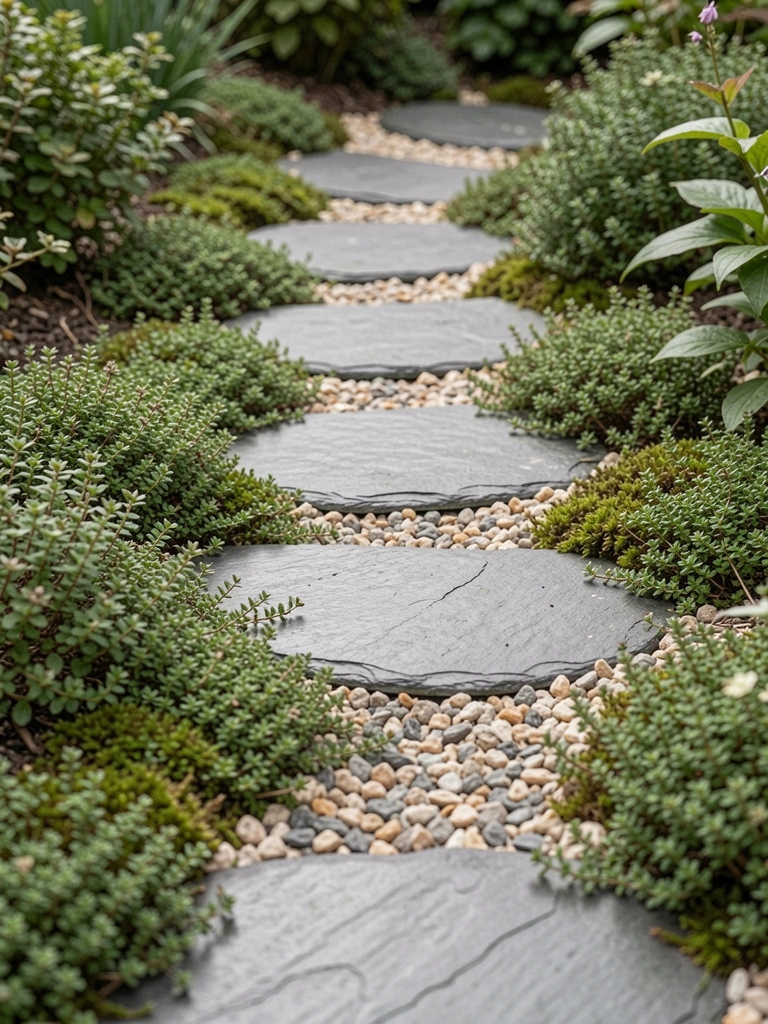
    I laid these flat slate stones in my side yard, curving them between raised beds. No straight march—just a gentle wander that opens up the squeeze. The thyme I planted between them filled in slow at first, but now it cushions your steps, smells good when brushed.

    It softens the whole yard, makes it feel twice as big. I spaced stones 8 inches apart—close enough for small feet, far for weeds to hide.

    Watch the soil settle; mine dipped after rain, so I topped with gravel. Feels solid now.

    What You’ll Need for This Look

    Stepping stones, irregular slate 12-inch

    Creeping thyme plants, 4-pack

    Pea gravel bag, 50 lb

    2. Narrow Brick Path Edged with Lavender

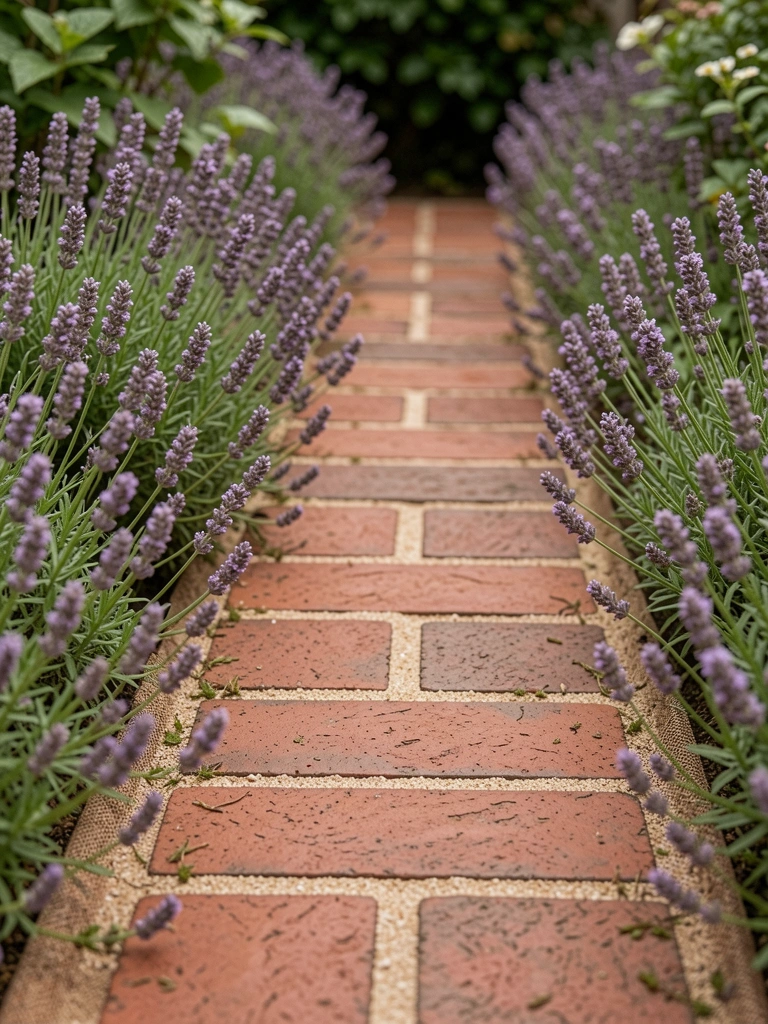
    Bricks from a yard sale went down easy in my front patio strip—two bricks wide, nothing fancy. Lavender along the edges took over last summer, hiding the joints. Walks quiet now, no crunch, just a soft step.

    It frames the space without crowding. Purple blooms nod at ankle height, draw bees close.

    I dug too shallow once; bricks heaved in frost. Level base with sand this time—stays put.

    What You’ll Need for This Look

    Red brick pavers, 4×8 inch set of 50

    Lavender plants, English variety 6-pack

    All-purpose sand, 50 lb bag

    Solar path lights, black metal

    3. Gravel Walkway with Timber Borders

    Pea gravel dumped between scrap cedar timbers in my backyard corner—cheap, drains fast after rain. Ferns spill over the edges now, softening the lines. Feet sink just a bit, cozy underfoot.

    Cleared the clutter path I had before. Now it leads straight to my chair spot.

    Timber rots slow here, but I sealed mine—lasts years. Rake monthly or weeds creep.

    What You’ll Need for This Look

    Pea gravel, 0.5 cubic foot bag

    Cedar timber edging, 4-foot lengths

    Ferns, Boston variety pots

    Landscape rake, adjustable head

    4. Wooden Slat Path Over Mulch

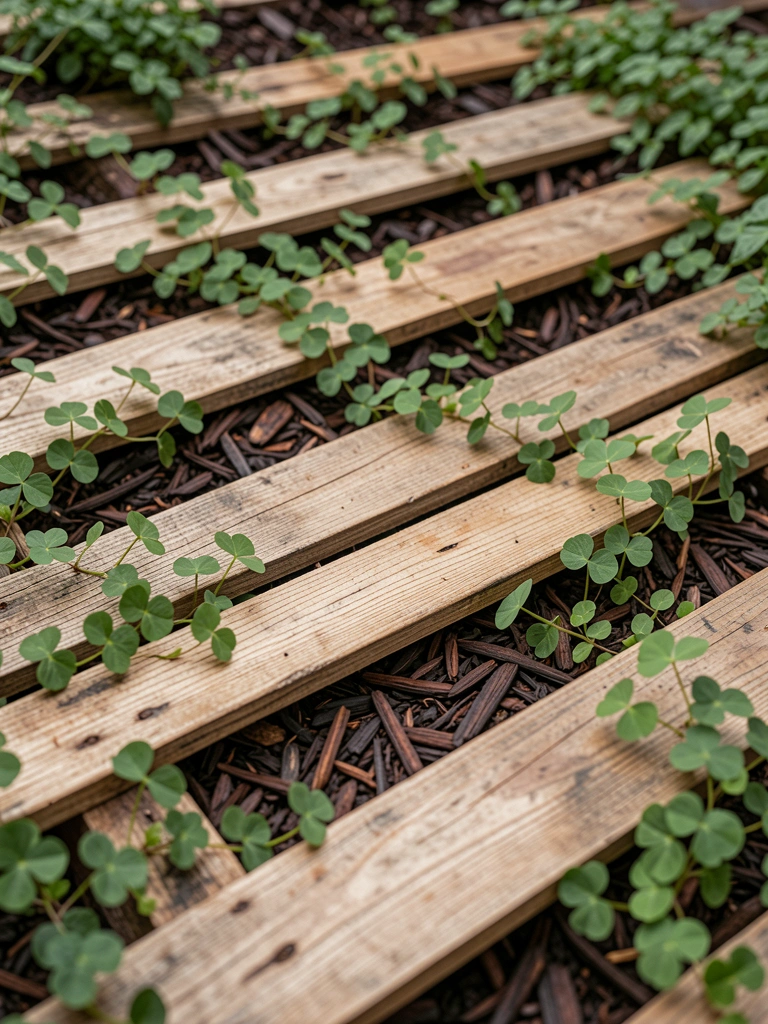
    I sliced old pallets into slats, laid them over mulch in my shady alley bed. Vinca crept between gaps, holds it down. Dry feet even in wet spells—mulch soaks it up.

    Feels like a secret walk, warms the cool shade. Slats weathered gray, blends right in.

    Nails pulled loose first winter; screws now. Cut 18 inches long for easy turns.

    What You’ll Need for This Look

    Pallet wood slats, reclaimed 1×6 inch

    Organic mulch, 2 cubic feet

    Vinca minor plants, 8-pack

    5. Flagstone Steps with Creeping Sedum

    Flagstones from a neighbor's dig set into my sloped side yard—uneven sizes fit the hill natural. Sedum spreads gold across tops, grips tight. Steps feel carved in, not built.

    I misjudged spacing; toes caught once. Now 10 inches apart, safe stroll.

    Low water, tough as nails. Flowers fade to green mat—year-round cover.

    What You’ll Need for This Look

    Flagstone pavers, natural mix 12-18 inch

    Creeping sedum, groundcover tray

    Landscape fabric pins, 100 pack

    6. Metal-Edged Pea Gravel Runner

    Steel edging hammered along my patio edge, filled with pea gravel—modern slice through chaos. Boxwood dots keep it tidy. Crisp under shoes, bounces light.

    I bought cheap edging; bent easy. Thicker gauge holds shape.

    Weeds hate the barrier. Sweep weekly, good as new.

    What You’ll Need for This Look

    Steel landscape edging, 4mm thick 40-inch

    Pea gravel bulk, 50 lb

    Dwarf boxwood shrubs, 1-gallon

    Push broom, outdoor stiff bristles

    7. Container-Lined Mulch Trail

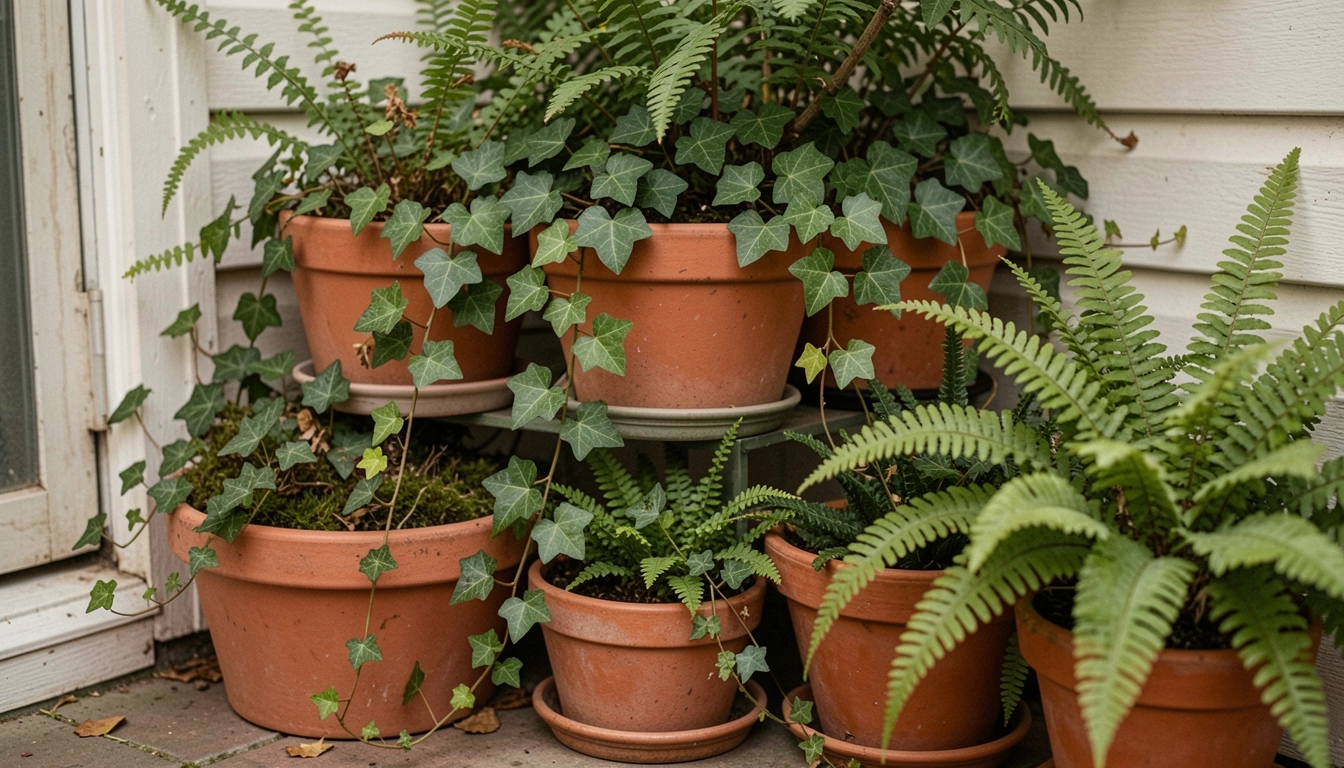
    Mulch trail flanked by pots in my no-dig yard—pots hold overflow plants, define the walk. Ivy trails down sides, hostas bulk the edges. Flexible, move as needed.

    Pots tip in wind first go; heavier soil fixed it. Feels enclosed, private.

    Swap plants seasonal—no commitment.

    What You’ll Need for This Look

    Terracotta pots, 10-inch set of 6

    Bagged mulch, cedar 2 cu ft

    Trailing ivy plants, 4-inch pots

    Hostas, mini variety pack

    Final Thoughts

    Pick one path that fits your dirt and light—start small. Mine evolved over years, not overnight.

    They breathe life into tight yards. You've got this; dirt under nails proves it.

    Walk your garden different tomorrow.

  • 21 Backyard Stone Path Designs For Natural Walkways

    21 Backyard Stone Path Designs For Natural Walkways

    I still smile thinking about my old backyard. No paths, just churned dirt from daily walks to the compost. Feet sank in after rain.
    One fall, I hauled home flat creek stones. Placed them where my boots naturally fell.
    Suddenly, the yard had direction. Feet stayed dry. Plants framed it just right.
    These designs come from that kind of fixing.

    21 Backyard Stone Path Designs For Natural Walkways

    These 21 backyard stone path designs pull from my real gardens over 15 years. Simple natural walkways that guide you without shouting. Each one lists exactly what you'll need.

    1. Irregular Flagstone Meander Through Lawn

    I laid this in my side yard last spring. Stones from a neighbor's pile, uneven sizes from 12 to 20 inches. Set them into the grass where I walked to the fence. No digging, just tamped soil flat.
    The gaps filled with grass over summer. It softened the look, felt like the path grew there. Walks to check the berries feel easy now.
    Watch the stone spacing—too tight, and it looks forced. Leave room for green.
    I once placed them too even. Boring. Jiggled a few for flow.

    What You’ll Need for This Look

    2. Straight Slate Pavers with Gravel Sides

    My front-to-back path started straight like this. Thin slate slabs, 16 inches square, edged with pea gravel. Dug a shallow trench, leveled sand underneath.
    It cuts through the yard clean. Gravel muffles steps, keeps weeds down. Leads right to the patio without wandering.
    Slate darkens when wet—love that shift. But test for slip; mine had rough texture.
    Gravel spills if not bordered. Added plastic edging after the first rain.

    What You’ll Need for This Look

    3. Round Stepping Stones in Tall Grass

    Planted these rounds in my wilder backyard corner. 18-inch concrete circles, sunk flush into grass. Stepped them out like giant footprints to the fire pit.
    Grass grows up around, hides edges. Feels secret, quiet underfoot. Birds perch nearby now.
    Pick thick stones—thin ones sink. Mine held after two winters.
    Overplanted grass once; mowed paths first to see the line.

    What You’ll Need for This Look

    4. River Rock Zigzag with Timber Edging

    Zigzagged this with creek rocks in my sloped yard. Flat river stones, 6-10 inches, between half-round timbers. Wove it downhill to the shed.
    Rocks shift less than gravel. Timbers warm the gray tones. Feet grip even damp.
    Size rocks even—odds look messy. Sorted mine over coffee.
    Timber rotted fast untreated. Switched to cedar next time.

    What You’ll Need for This Look

    5. Large Flat Rocks in Mulch Bed

    Big slabs here, 24-inch flats from a quarry. Buried edges in mulch around my berry patch. Path connects beds without compacting soil.
    Mulch quiets steps, plants spill over cozy. Berries feel closer now.
    Level each rock firm—rocking annoys. Used a board to check.
    Mulch faded fast; refreshed with cedar bark yearly.

    What You’ll Need for This Look

    6. Herringbone Limestone Pattern

    Tried herringbone with limestone rectangles in my patio lead-in. 12×18 inches, angled tight on sand base. Formal but fades into green.
    Pattern holds attention without overwhelming. Steps feel deliberate.
    Cut edges straight—rented a splitter. Worth it for fit.
    Joints too wide first try; weeds loved it. Narrowed with polymeric sand.

    What You’ll Need for This Look

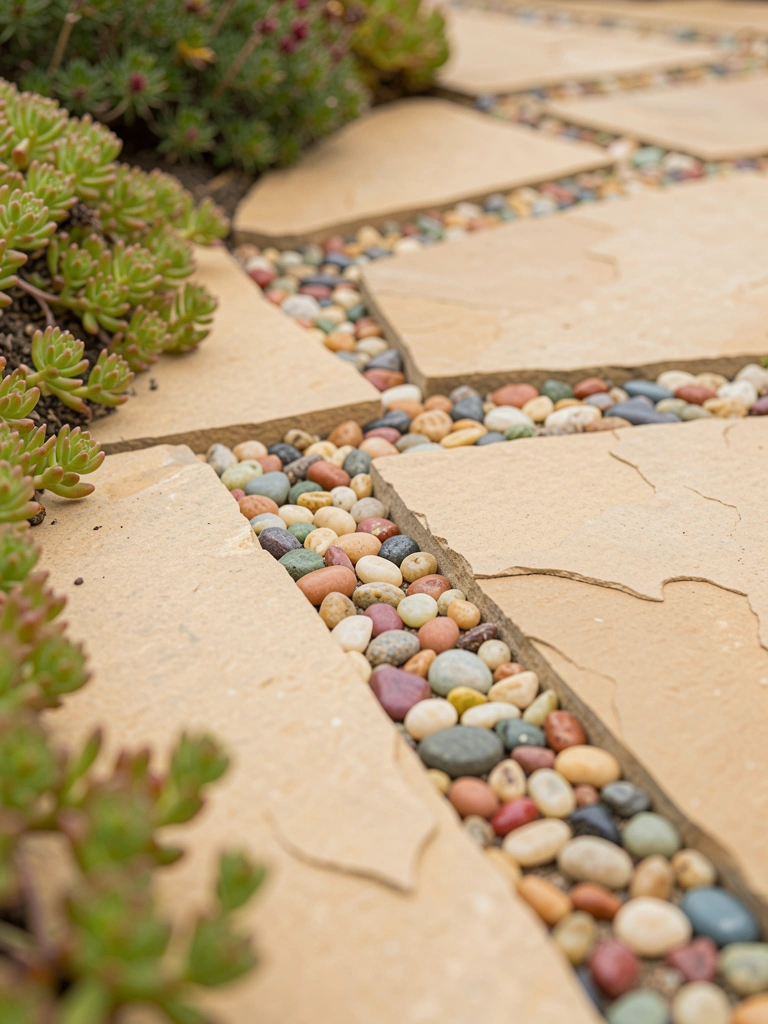
    7. Pebble-Filled Joints in Sandstone Slabs

    Sandstone slabs, 20-inch squares, with pebble joints in my herb garden walk. Slabs on sand, gaps packed with mixed pebbles.
    Pebbles add color pop, drain fast. Herbs brush legs walking by.
    Mix pebble sizes—uniform bores. Mine has quartz flecks.
    Slabs chipped hauling; bought thicker next batch.

    What You’ll Need for This Look

    8. Curved Fieldstone Path Lined with Lavender

    Curved fieldstones from a farm sale lined my rose bed path. Rough 15-inch pieces, swept into soil curve. Lavender planted tight along.
    Curve invites slow walks, scent hits mid-step. Roses frame the end.
    Fieldstone varies—embrace it. Sorted by shape for flow.
    Lavender spread too far; trimmed yearly now.

    What You’ll Need for This Look

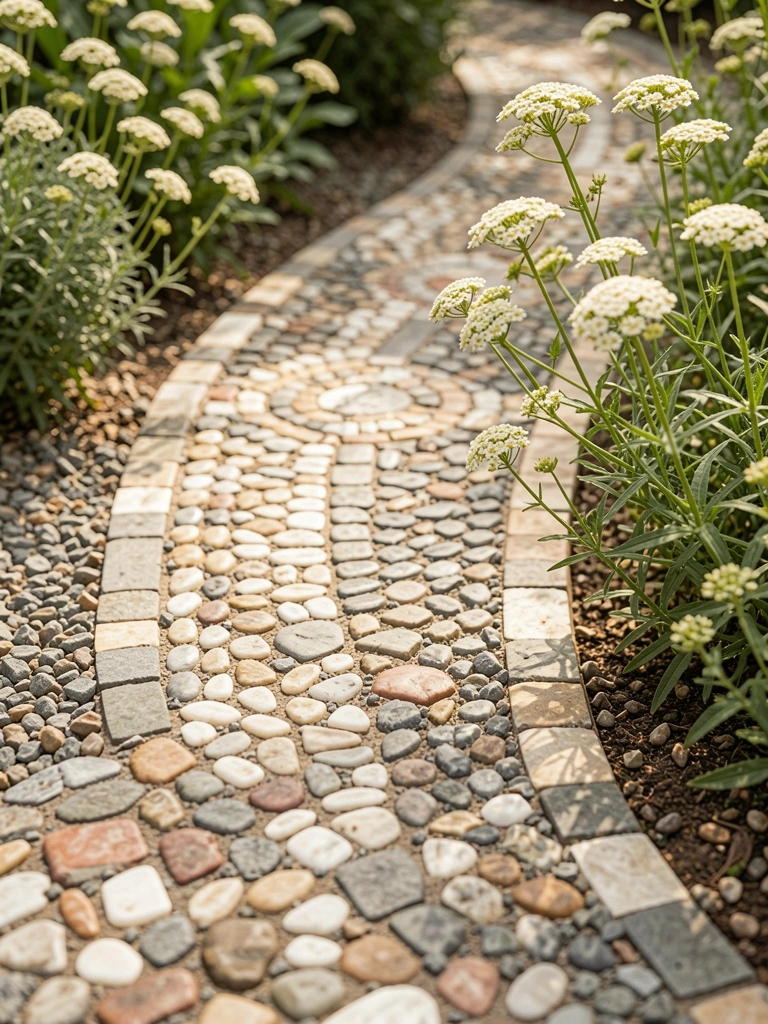
    9. Mosaic Stone Inlay for Curves

    Mosaic inlays on a gravel curve to my bench. Small polished stones pressed into mortar swirls between big flats.
    Patterns catch eye up close, fade from afar. Bench feels earned.
    Use mortar sparingly—too much cracks. Let dry slow.
    Chose slick stones; added rough mix for grip.

    What You’ll Need for This Look

    10. Dry-Stacked Boulder Steps

    Dry-stacked boulders down my bank. Round 18-inch rocks, wedged tight no mortar. Steps to lower lawn.
    Stack leans back into hill—stable years now. Moss fills cracks soft.
    Pick wide bases—narrow tip over. Tested with wobble.
    Forgot drainage; added gravel behind later.

    What You’ll Need for This Look

    11. Interlocking Granite Pads

    Granite pads interlocked in my veggie lead. 16×24 inch rectangles, dry-laid puzzle style.
    Fits snug, rolls wheelbarrow smooth. Veggies edge it green.
    Granite stays cool—bare feet fine.
    Laid on uneven ground first; leveled base fully after.

    What You’ll Need for This Look

    12. Mossy Brick and Stone Combo

    Mixed old bricks with stones for my shade path. Bricks between flagstone, moss encouraged in joints.
    Shade keeps moss happy—velvet underfoot. Feels ancient.
    Encourage moss with buttermilk spray. Works slow.
    Bricks crumbled; salvaged solid ones only.

    What You’ll Need for This Look

    13. Wide Cobblestone Boulevard

    Wide cobbles made a boulevard to my deck. 4-inch rounds, mortared tight for barrow traffic.
    Width lets two walk side by side. Boxwoods formal it up.
    Tamp base deep—settles otherwise.
    Cobbles uneven; swept sand smoothed.

    What You’ll Need for This Look

    14. Narrow Pebble Trail

    Narrow pebble trail snakes to my back fence. 1-inch pebbles between logs, 18 inches wide.
    Quiet crunch, fits tight spots. Strawberries creep in.
    Compact well—loose pebbles track. Used tamper.
    Logs warped; pressure-treated better.

    What You’ll Need for This Look

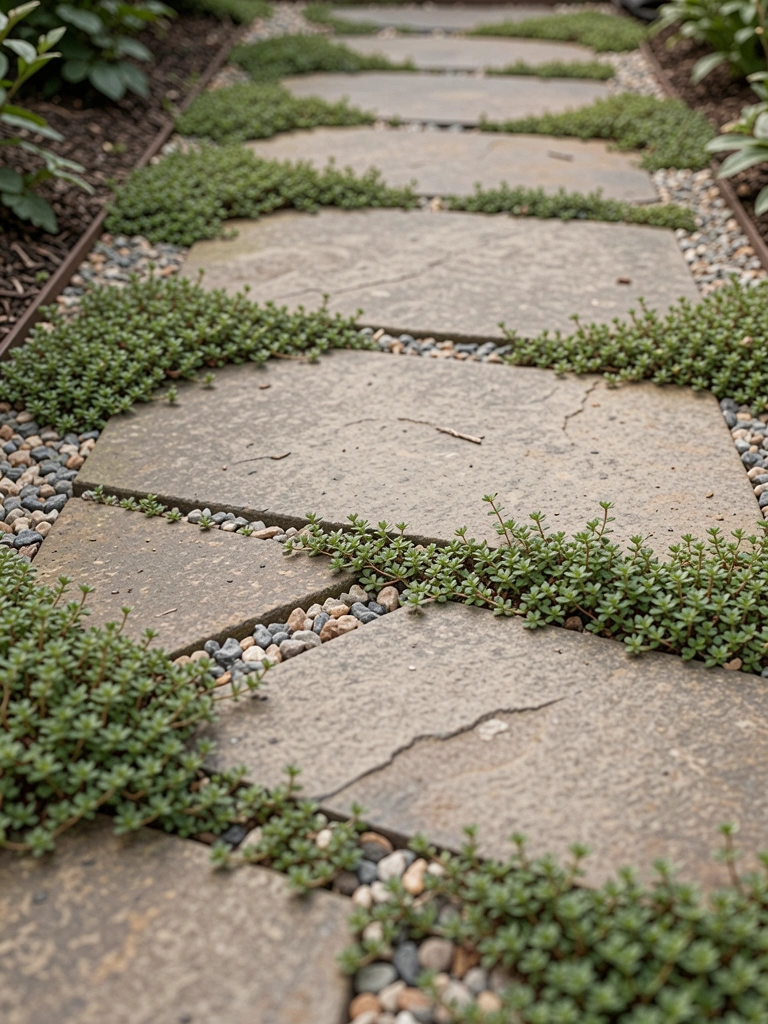
    15. Sunken Flagstone with Creeping Thyme

    Sunken flagstones in my sunny walk. Slabs flush with thyme, gravel joints. To the clothesline.
    Thyme fills gaps, releases scent stepped on. Barefoot heaven.
    Sink 1 inch below grade—mower friendly.
    Thyme slow starter; planted dense.

    What You’ll Need for This Look

    16. Arcing Stone Ribbon Around Trees

    Ribbon of thin stones arcs my oaks. 8-inch strips in mulch, tree circling.
    Protects roots, mulch buffers. Trees stand taller.
    Curve follows drip line—natural.
    Stones thin broke; doubled up.

    What You’ll Need for This Look

    17. Rustic Ledge Stone Wind

    Ledge stone winds up my hill. Chunky layers, dry fit. Ferns tuck in.
    Rough grip wet days. Hill feels tamed.
    Layer thick—skinny slips.
    Dirt base washed; gravel under now.

    What You’ll Need for This Look

    18. Modern Cut Stone Linear Walk

    Cut stone linear to my shed. Clean 12×24 rectangles, sand set.
    Modern line pulls eye. Grasses soften ends.
    Align straight—string line helps.
    Wet sand heaved; dry set fixed.

    What You’ll Need for This Look

    19. Organic Stone Drift with Hostas

    Drift of flats drifts shade garden. Organic scatter, hostas massed.
    Shade path cool, leaves frame. Quiet spot.
    Group hostas three—singles sparse.
    Stones sank shade; propped levels.

    What You’ll Need for This Look

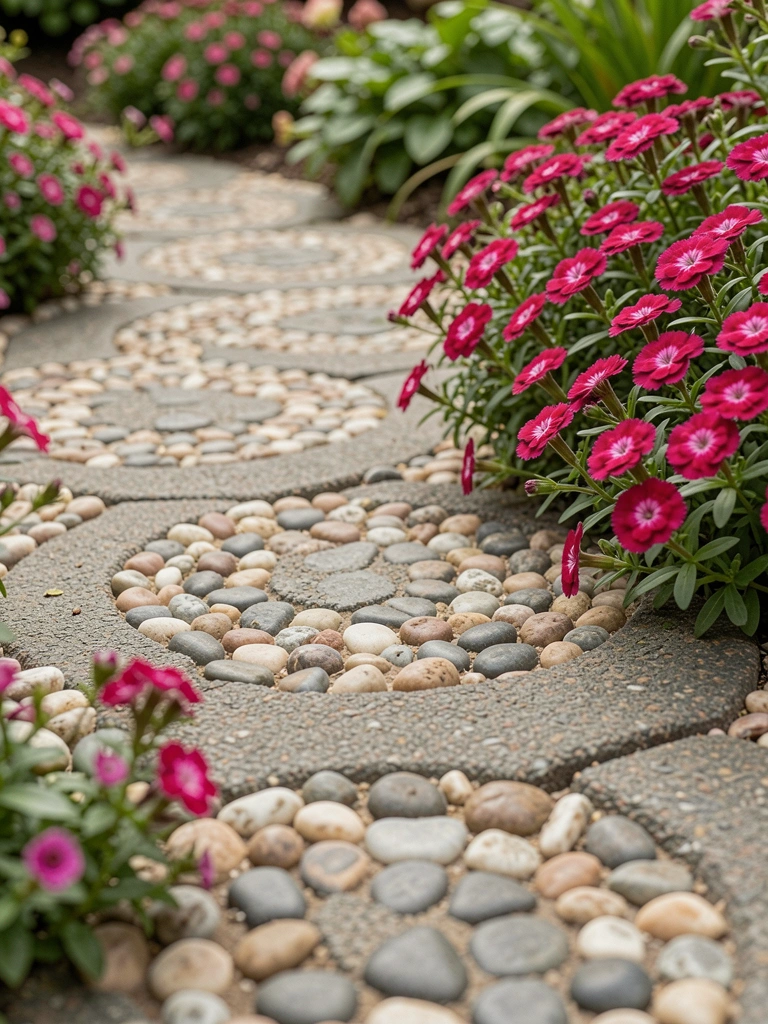
    20. Patterned Pebble and Paver Mix

    Pavers with pebble circles pattern my entry. Alternating sets.
    Pattern playful, dianthus pink dots. Welcomes feet.
    Set pebbles firm—loose roll.
    Pavers mismatched color; blended tones.

    What You’ll Need for This Look

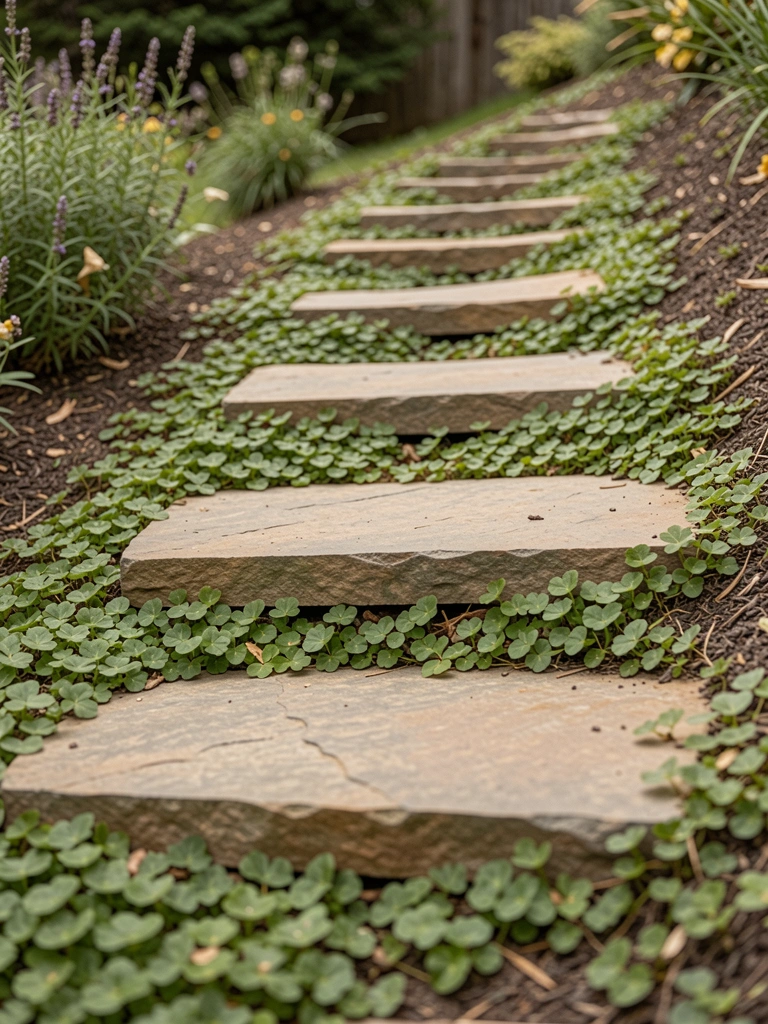
    21. Low-Step Riverstone Path for Slopes

    Low riverstone steps ease my slope. Flats with 4-inch rises, vinca cover.
    Gentle climb, no huffing. Vinca trails down.
    Step 18 inches apart—stride match.
    Rocks slid slope; pinned fabric.

    What You’ll Need for This Look

    Final Thoughts

    Pick one path that fits your steps. Start small—stones settle with use.
    Mine evolved over years, no rush. Yours will too.
    Walk it daily. It'll feel right soon. You've got this.

  • 11 Diy Garden Path Ideas For Creative Outdoor Design

    11 Diy Garden Path Ideas For Creative Outdoor Design

    I remember stepping out my back door one spring and sinking into mud. Every path was a mess after rain. I started small, laying gravel where I walked most. It felt right—quiet, soft underfoot.

    Paths connect everything in a garden. They pull you through, make it yours.

    Over years, I've tried eleven ways that stick. No perfection, just what holds up.

    11 Diy Garden Path Ideas For Creative Outdoor Design

    These 11 DIY garden path ideas come straight from my backyard fixes. Simple steps, real materials. Pick one and you'll have a path that lasts.

    1. Winding Gravel Path with Low Border Plants

    I laid this gravel path where I wander to the shed. Raked the soil flat, added landscape fabric, then dumped pea gravel. It curves gentle around my blueberry bushes. Feels easy on bare feet, drains fast after storms.

    The low lavender I planted along the edge fills the air on hot days. No mud anymore, and weeds stay down.

    Watch the gravel size—too big bites your shoes. I went fine pea gravel for that smooth roll.

    One time I skipped fabric; weeds owned it in a season. Lesson learned.

    What You’ll Need for This Look

    2. Irregular Stepping Stones Set in Grass

    These stones sit where my old dirt track washed out. I dug shallow spots, dropped in thrift-store flagstones, filled around with soil. Grass grew right up between. Now it invites slow walks to the veggie beds.

    Feels cottage-y without trying. Kids hop them like islands.

    Space them for your stride—mine are 18 inches apart. Too close feels cramped.

    I once laid them too deep; grass struggled. Lift a bit for roots to breathe.

    What You’ll Need for This Look

    3. Mulch Path with Timber Edging

    Timber edging holds my mulch path to the compost pile. I split old fence boards, buried them half-deep, piled cedar mulch over cardboard. Smells woodsy, soft crunch underfoot.

    It softens the yard's edges, blends with trees. Ferns lean in from the sides.

    Use rot-resistant cedar—pine rots fast, like I tried once.

    Keep mulch two inches thick; thinner lets weeds poke through.

    What You’ll Need for This Look

    4. Recycled Pallet Plank Walkway

    I broke down pallets from a neighbor's delivery for this straight shot to the garage. Leveled gravel base, nailed planks across stringers. Thyme creeps between gaps now.

    Gives a rustic boardwalk feel without cost. Ages to silver gray.

    Source heat-treated pallets—chemical ones stain soil. I checked stamps after a bad batch.

    Nail every foot or it shifts.

    What You’ll Need for This Look

    5. Herringbone Brick Garden Lane

    Bricks in herringbone saved my side yard slope. Dug trench, sand base, tapped bricks zigzag. Swept sand in joints. Leads cozy to the fire pit.

    Pattern holds firm, looks intentional. Foxgloves nod over it.

    Dig deeper on slopes—mine slipped first rain till I added gravel under.

    Bricks from salvage yards save cash.

    What You’ll Need for This Look

    6. Flagstone Meander Through Perennials

    Flagstones wind through my perennial bed to the bench. Set them in sand, no mortar, gravel between. Perennials brush your legs as you pass.

    Feels natural, like walking a streambed. Echinacea adds summer color.

    Irregular shapes puzzle fun—trace your route first.

    Oversized ones trip; mine max 24 inches.

    What You’ll Need for This Look

    7. Pea Gravel Strip with Steel Edging

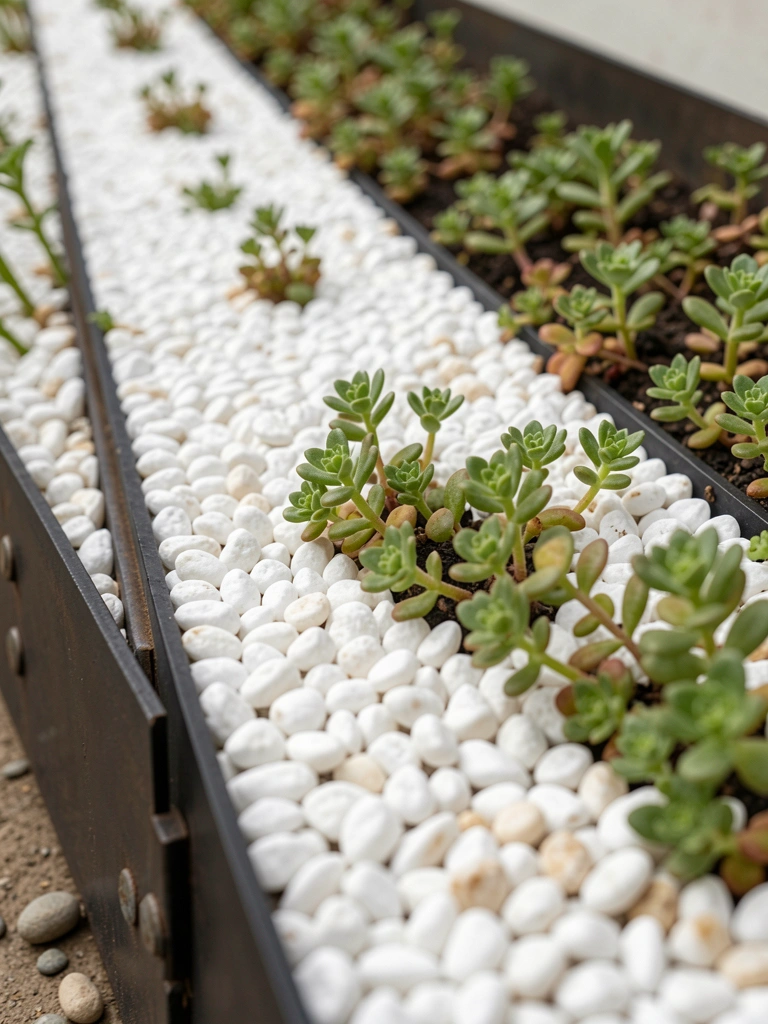
    Steel edging keeps this pea gravel strip crisp from patio to gate. Hammered it in, fabric down, gravel topped. Sedum softens the metal.

    Modern clean look, low fuss. Drains like nothing.

    Steel bends easy—stake corners firm.

    I bent cheap stuff first try; go 1/8 inch thick.

    What You’ll Need for This Look

    8. Log Slice Steps Down a Slope

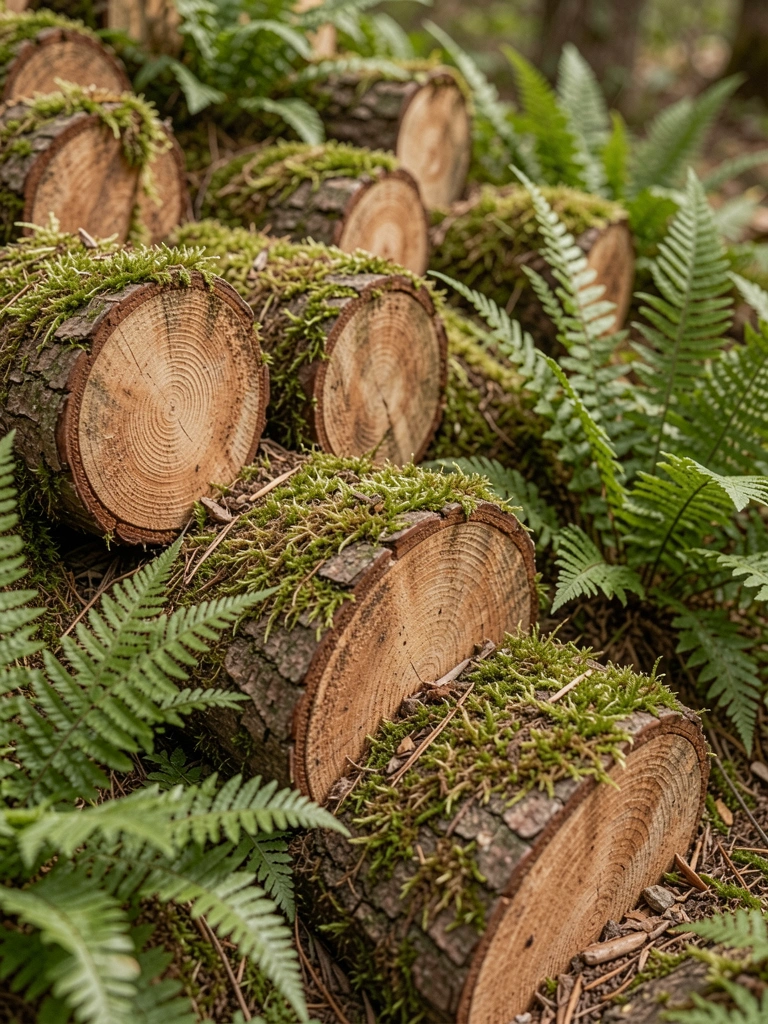
    Sliced oak logs make steps down my bank to the pond. Dug pockets, set flat side up, gravel backfill. Moss greens them over time.

    Rustic drop feels woodland. Ferns frame each riser.

    Fresh-cut warps; dry logs a month first, like I didn't.

    Level each slice true.

    What You’ll Need for This Look

    9. Glass Bottle Border Gravel Path

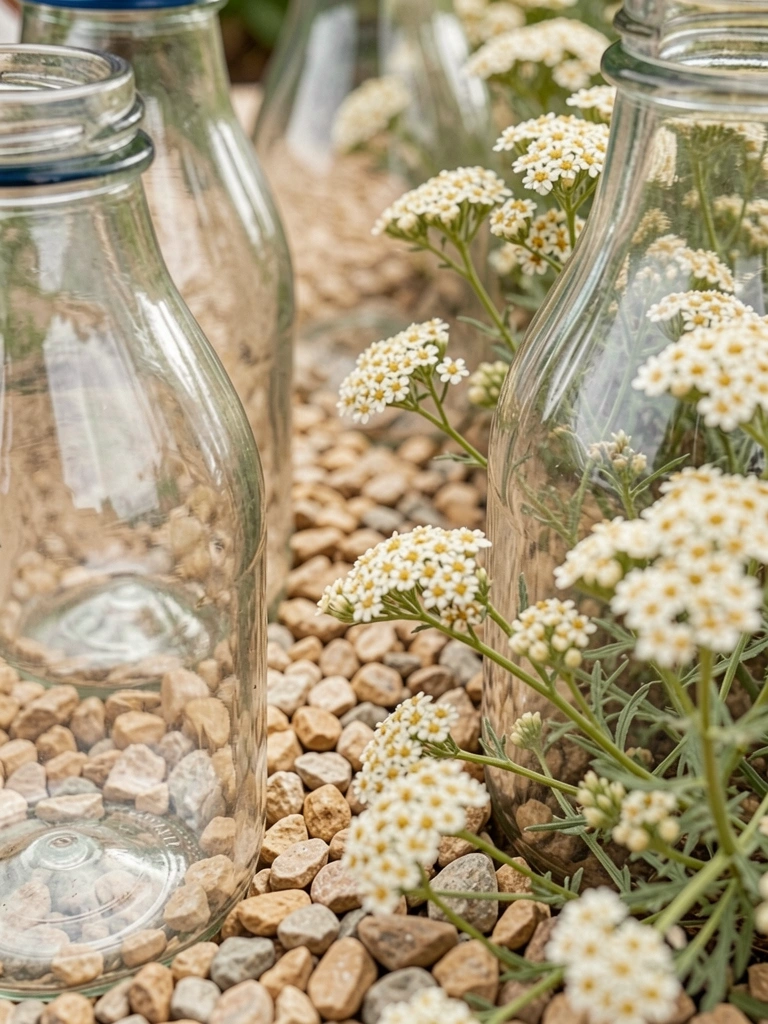
    Bottles from summer parties edge my gravel path to the orchard. Buried necks down, gravel inside. Catches light pretty at dusk.

    Quirky cozy vibe. Yarrow spills yellow over.

    Clean bottles smooth—gritty ones snag.

    Space tight or gaps show.

    What You’ll Need for This Look

    10. Concrete Paver Curve to the Patio

    Pavers curve smooth from lawn to patio. Sand base, wiggled tight, mondo grass in cracks. Simple modern flow.

    Ties spaces without fuss. Grass softens hard edges.

    Wet-set first row; mine shifted till I did.

    Standard 12×12 size fits easy.

    What You’ll Need for This Look

    11. Seashell Path by the Shed

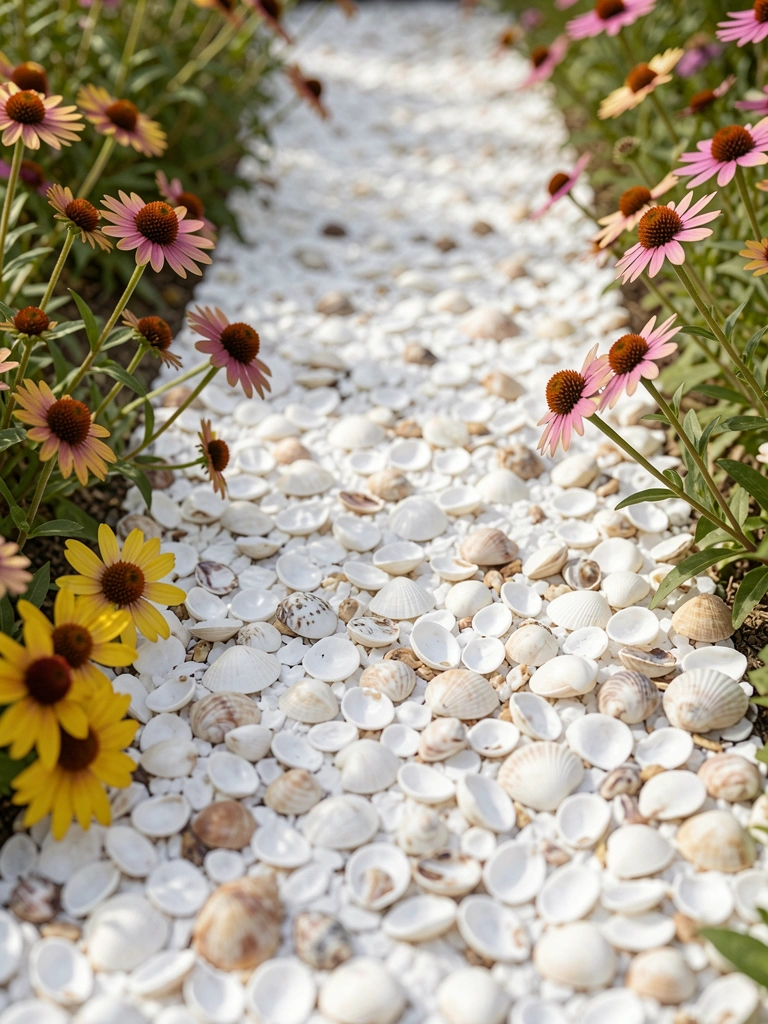
    Crushed shells pave the quick path to my shed. Layered over fabric, they crunch satisfying. Coneflowers add pink pops.

    Coastal feel inland. Stays cool in heat.

    Shells compact slow—rake yearly.

    Mixed sizes grip better than uniform.

    What You’ll Need for This Look

    Final Thoughts

    Start with one path where you walk most. See how it pulls your garden together.

    No need for all eleven. Yours will look right because it's yours.

    You've got this—grab a shovel this weekend.

  • How To Make A Small Patio Look Bigger

    How To Make A Small Patio Look Bigger

    I stared at my back patio last spring. Bare concrete walls hemmed it in. The table and two chairs took up every inch. It felt tight, like I couldn’t even walk around.

    I’ve fixed this in three different rentals. Each time, the same squeeze. You know that feeling—wanting to sit outside but dreading the boxy space.

    One tweak changed it. Now it pulls me out there daily.

    How To Make A Small Patio Look Bigger

    Here’s how I make my small patio breathe. You’ll end up with more flow and depth. It works on any tight spot, every time.

    What You’ll Need

    Step 1: Clear the Floor

    I start by hauling everything off the patio. Chairs, pots, that old umbrella stand—gone for now. The floor shows itself, plain concrete or whatever’s there.

    Why? Empty space tricks the eye into seeing more room. Suddenly, walls recede. It feels open, like air moves freely.

    People miss how clutter anchors everything down. One insight: leave just enough for feet to pass. Mistake to dodge: shoving items against walls—they still crowd the middle.

    Now my patio has breathing room. It’s the base for everything else.

    Step 2: Lay a Light Rug

    Next, I unroll a light-colored rug, sized to fit without touching walls. Beige or pale gray works best on mine. Anchor it under where the table goes.

    This grounds the space softly. Light tones bounce daylight, pushing edges outward. Visually, it softens hard lines—feels wider already.

    Most overlook rug scale. Insight: too big chops the floor; too small floats. Avoid overlapping with walls—it shrinks things.

    My patio floor now flows. It invites steps without tripping.

    Step 3: Place Furniture Smart

    I bring back the table and chairs, slim ones only. Tuck them to one side, against the longest wall. Leave the opposite side bare.

    Why? Asymmetry creates flow. Eye moves across open space, doubling it in feel. No more center blockage.

    Folks miss offsetting pieces—they center and cramp. Insight: test by walking around. Avoid matching sets if they bulk up.

    Mine sits cozy now. Two people fit easy, room to spare.

    Step 4: Add Vertical Layers

    I hang tall, slim planters high on walls. One or two per side, with trailing greens. No floor clutter.

    Height draws eyes up, expanding the ceiling view. Layers add depth—front plants frame back ones.

    Common miss: bottom-heavy pots weigh it down. Insight: space them unevenly for rhythm. Don’t overload—one side lighter.

    Walls lift now. Patio feels taller, deeper.

    Step 5: Reflect and Drape

    Last, I hang a small round mirror opposite a window. Drape ivy garland loosely around it, trailing down.

    Reflection bounces light, mimicking another yard. Greenery softens edges, blurs boundaries.

    People forget angles—mirror facing wall does nothing. Insight: aim at sky or plants. Avoid shiny overload; matte frames blend.

    Space doubles visually. It pulls me in.

    Step 6: Light It Evenly

    I string lights along top edges, not center. Warm white, spaced loosely over plants and walls.

    Evening light lifts shadows, keeps it open. Glow outlines without pooling.

    Missed often: harsh spots shrink areas. Insight: layer with daylight habits. Don’t dangle low—snags feet.

    Nights extend the feel. Balanced all day.

    Plant Picks That Pull Double Duty

    I stick to trailers and uprights on my patio. They layer without crowding.

    • Ivy or pothos for walls—softens hard lines.
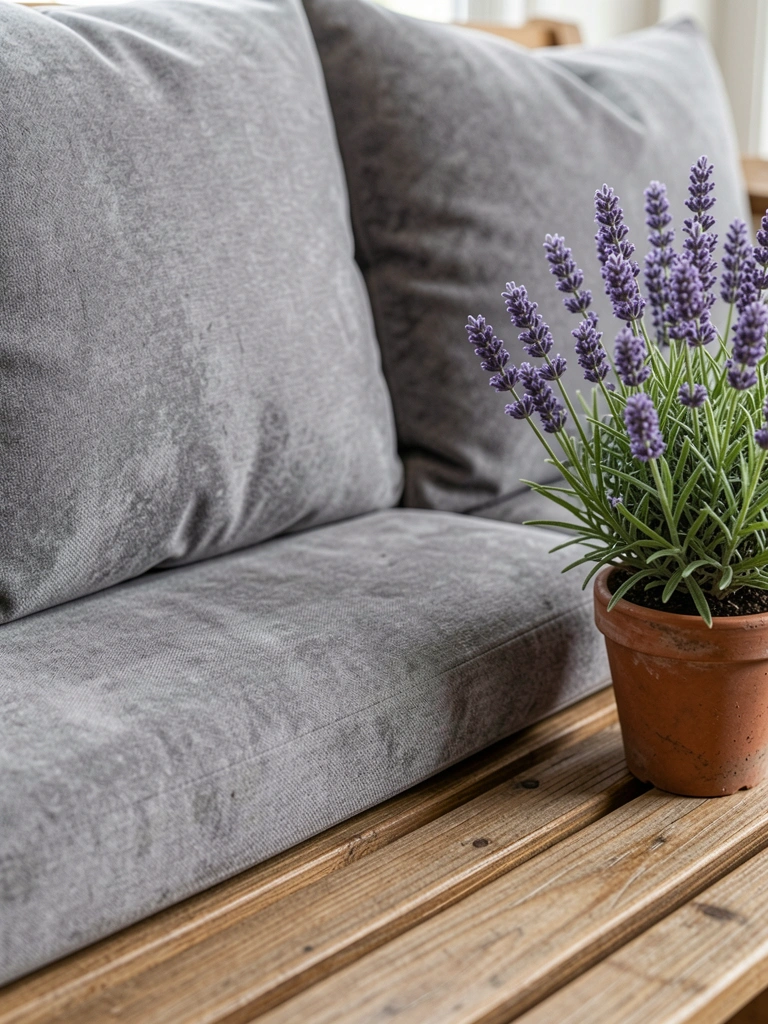
    • Lavender in heights—scent and slim shape.
    • Ferns low—fills without bulk.

    These hold up in pots. They make space feel alive, not stuffed.

    Furniture Tweaks for Flow

    Slim pieces changed my setup. I swap seasonally.

    Push chairs in when not using. Angle table to view.

    One side open always. It breathes.

    Keeping the Balance Year-Round

    Sweep weekly. Trim trails monthly.

    Rug lifts for air. Mirror dusts easy.

    Fade happens—refresh paint yearly. Stays intentional.

    Final Thoughts

    Start with just the clear and rug. See how it shifts.

    You’ve got this—small changes stick. My patio proves it.

    Now yours waits. Sit back soon.

  • How To Decorate A Small Outdoor Patio

    How To Decorate A Small Outdoor Patio

    My small patio sat there, bare concrete and a couple of chairs pushed to the edges. It felt squeezed, like it couldn't breathe. I'd walk by and think, why does this spot push me away?

    One afternoon, I stopped rushing. I looked closer. The walls loomed too close. No layers, no pull to sit.

    That's when I started shifting things. Not a big redo. Just nudging until it held my eye, made me pause.

    How To Decorate A Small Outdoor Patio

    This is how I settle a tight patio into something comfortable. You'll end up with a spot that draws you in, balanced and lived-in. It works every time.

    What You’ll Need

    Step 1: Clear the Floor and Anchor It

    I start by sweeping the concrete bare. No chairs jammed against walls. That opens the space right away.

    Then I unroll the 20×30-inch outdoor rug in neutral tones dead center. It pulls your eye in, softens the hard edges. Suddenly, the patio has a floor that says "this is the spot."

    People miss how the rug shifts the feel—it shrinks the walls, makes room feel bigger. Don't center chairs on it yet. Off-center pulls you to linger. Avoid shoving everything tight; that crushes the air.

    Now it breathes. Balanced base.

    Step 2: Place Seating for Easy Flow

    Next, I set the two-person bistro set in black metal on the rug, angled toward the yard. Not straight—slight turn invites conversation.

    Add weatherproof cushions in soft gray. They sink in, make it a place to stay. The view changes: now there's a nook, not scattered chairs.

    Insight folks skip: angle matters more than size in tight spots. It guides your eye outward. Mistake to dodge—don't face chairs wall-ward. That closes it off.

    Feels right already. Pulls you to sit.

    Step 3: Layer in Plants at Eye Level

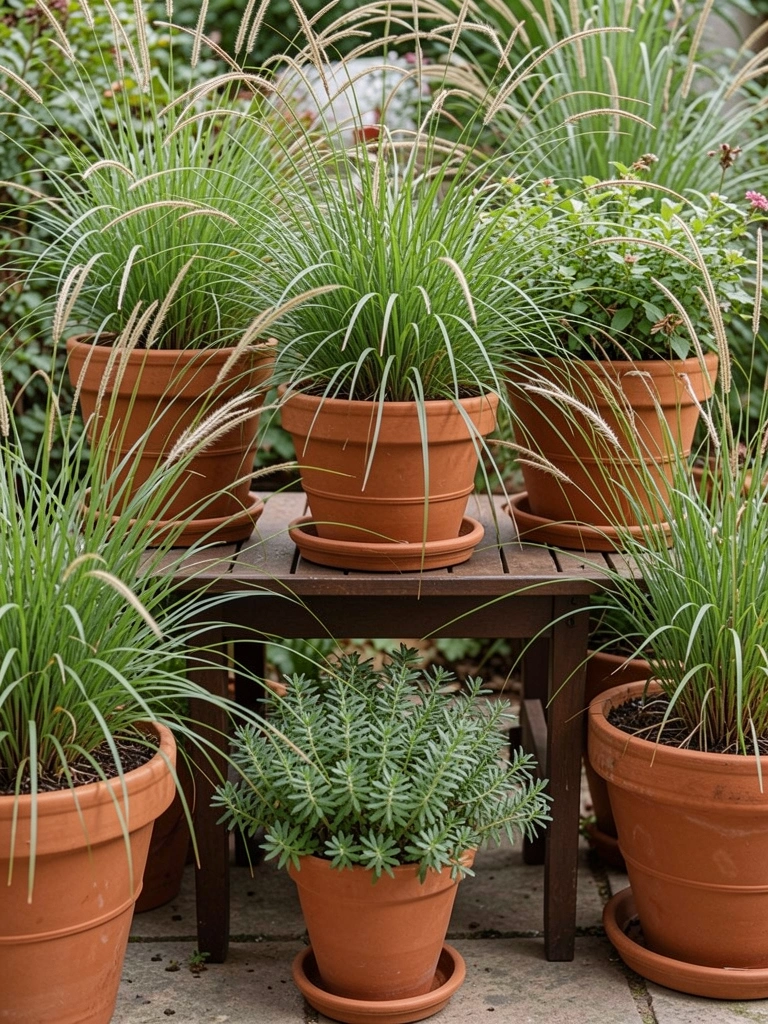
    I grab the 12-inch terracotta planters, set of 3 and fill with tall grasses in 10-inch pots. One on the side table in teak, 18-inch round, two flanking the chairs.

    Heights layer up—grasses brush your shoulder. Space softens, walls recede. Visually fuller without crowding.

    Most overlook eye-level plants; they frame your view, hold the balance. Skip filling every corner—clusters beat scatter. That keeps it open.

    Now it's alive. Textures pull you closer.

    Step 4: Hang for Vertical Lift

    I screw in the hanging basket brackets, pair above the table, add trailing greens. They lift the eye up, borrow wall height.

    Light filters through leaves, dappled shade on the rug. Patio gains depth, feels taller.

    Key miss: verticals balance low plants—without, it hugs the ground. Don't overload one side; even spacing flows better.

    Airier now. Intentional lift.

    Step 5: Soft Light to Settle It

    Last, I drape the string lights, 20-foot warm white from brackets to grasses, loose loops. No grid—follows the layers.

    Evening shifts: glow pools on cushions, warms the concrete. Invites night sits.

    People forget lights tie it together; they echo plant curves. Avoid harsh spots—diffuse keeps it cozy.

    Done. Balanced, holds all light.

    Bringing the Patio Indoors

    I treat my patio like an extra room. It flows from the house door.

    Rug color matches inside floors. Cushions pick up kitchen neutrals. Plants mirror window sills.

    • Pull one indoor throw outside for chairs.
    • Echo wall colors in pots.

    Feels connected. No jarring stop.

    Plants That Fit Tight Spots

    In small patios, I pick what thrives contained.

    Grasses sway without sprawl. Trailing ivies soften edges.

    • Dwarf ferns for shade corners.
    • Succulents on tables—low water, tough.

    They repeat shapes. Builds rhythm without fight.

    Evening Comfort Without Clutter

    Lights make it stay longer. But keep simple.

    String over plants. One lantern on table max.

    • Tuck candles in pots for flicker.
    • Avoid multiples—they shrink space.

    Warmth builds slow. Patio holds the dusk.

    Final Thoughts

    Start with the rug. One piece shifts everything.

    You'll see it settle as you go. Trust the feel.

    Your patio waits. It'll hold coffee mornings, quiet nights. Just right.

  • 15 Cozy Small Patio Decorating Ideas For Relaxed Vibes

    15 Cozy Small Patio Decorating Ideas For Relaxed Vibes

    I remember staring at my cramped back patio last spring, just bare concrete and a wobbly table. It felt cold, forgotten. Then I started small—added a pot here, a light there. Now it's where I unwind after work, coffee in hand, birds nearby. That shift? It came from real tweaks, not magazines. You can make your spot feel like that too, step by step.

    15 Cozy Small Patio Decorating Ideas For Relaxed Vibes

    These 15 ideas come straight from my own small patios over the years. They're simple to pull off in tight spaces, low-fuss, and built for everyday relaxing. No big budgets or fancy skills needed—just honest fixes that work.

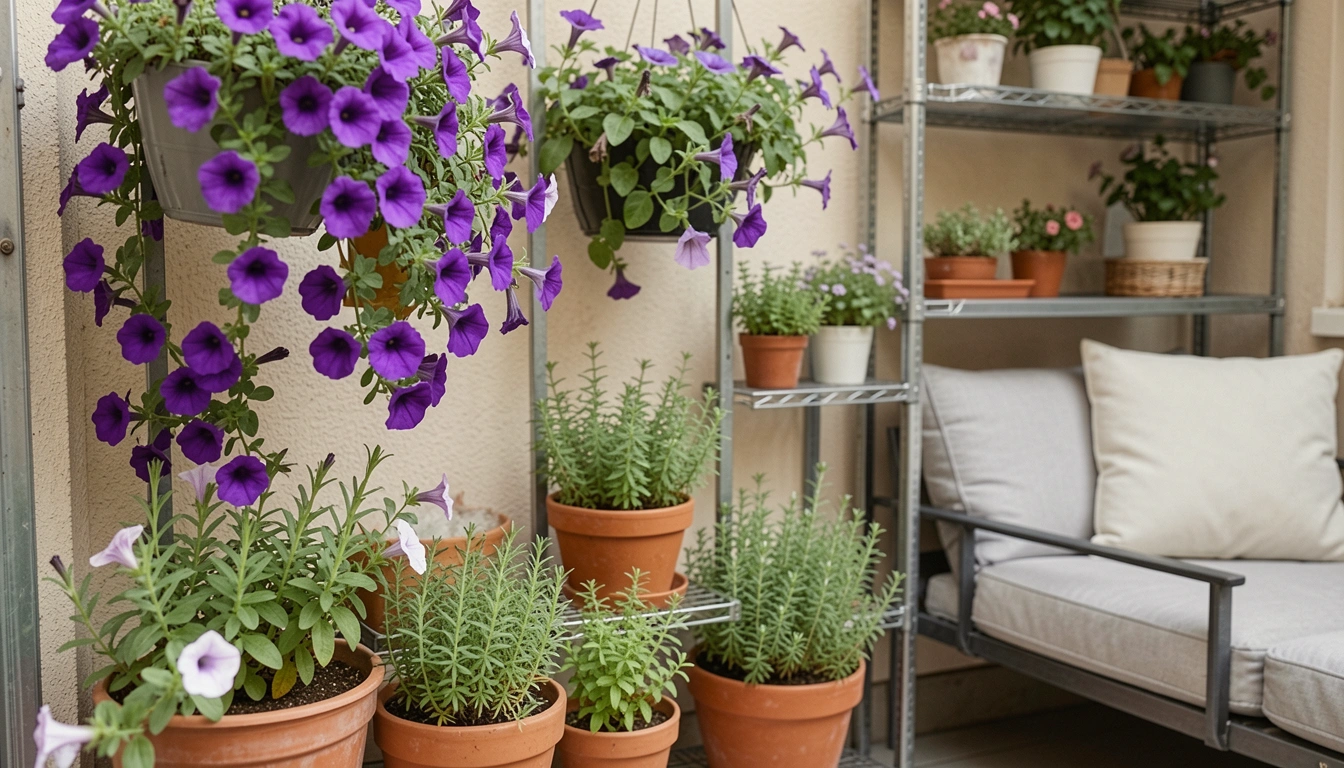
    1. Layered Container Planting That Fills Empty Corners

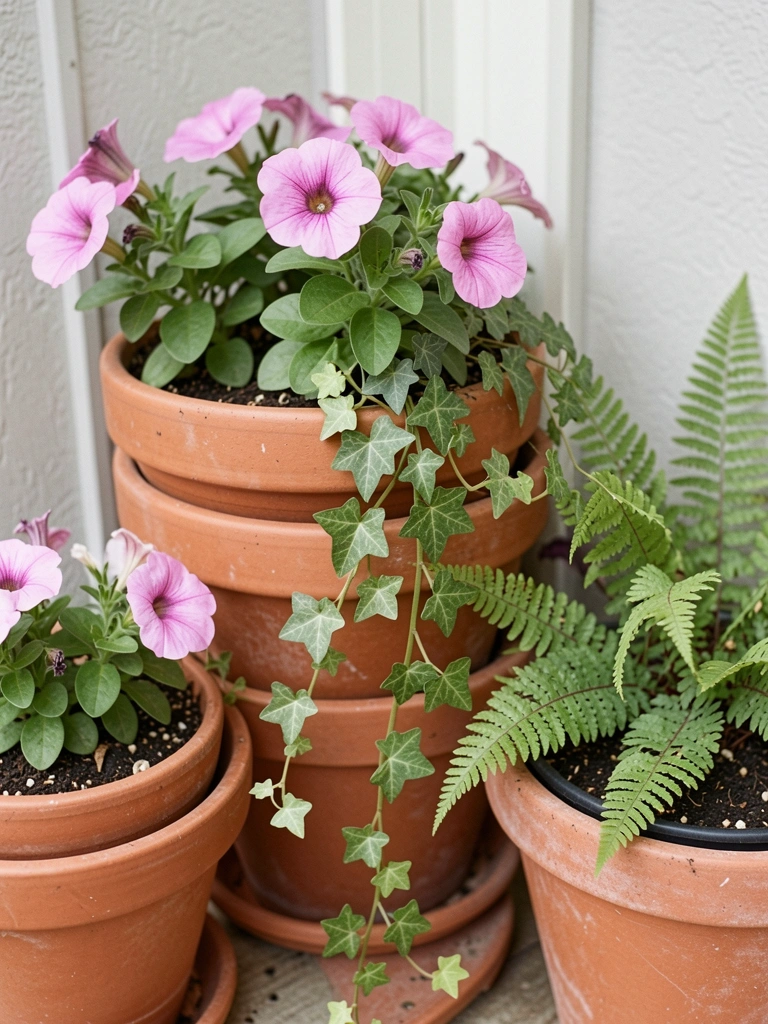
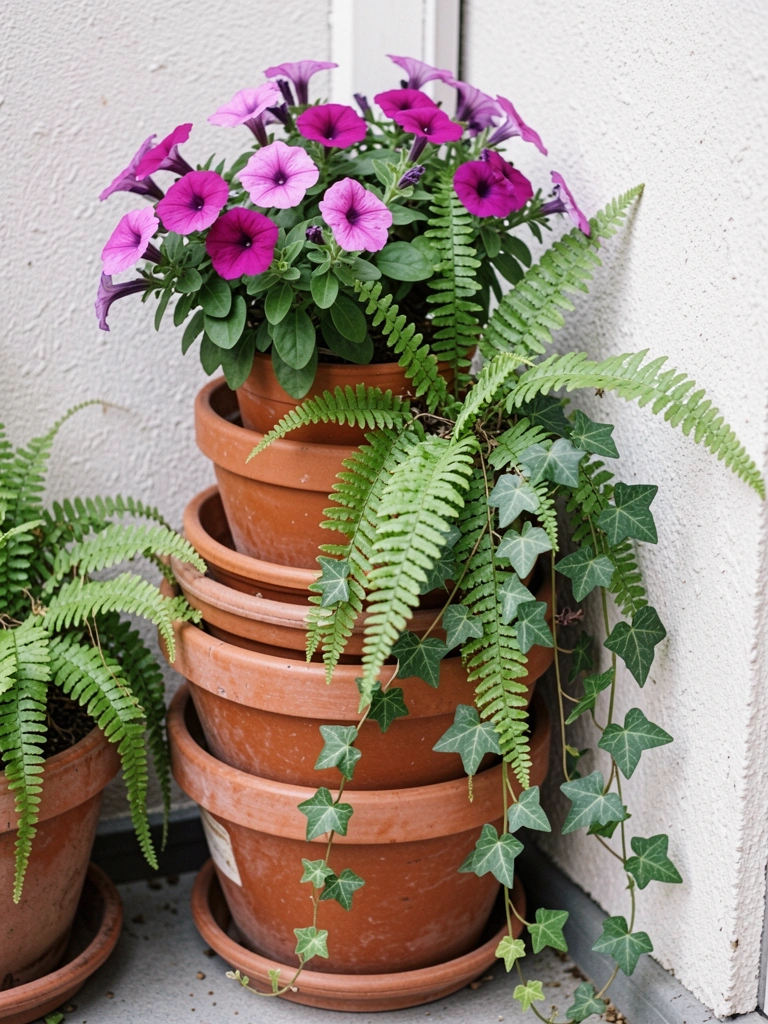
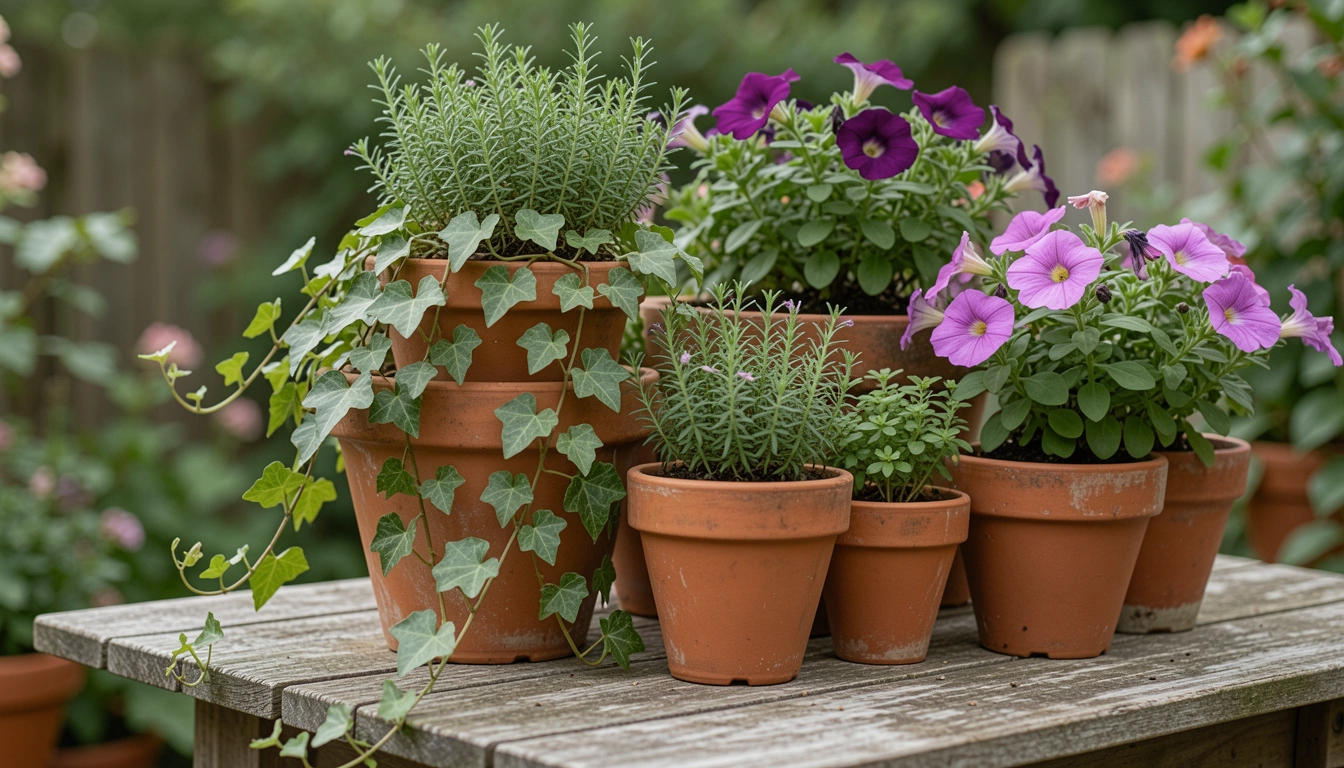
    I tucked three pots into my side corner last year—tall one with a fern, medium with petunias, low with ivy trailing over. It turned dead space into a lush pocket. The key? Mix heights so it feels full without crowding the floor.

    Before, that spot collected junk. Now, sitting nearby feels wrapped in green, calmer. Plants grew uneven—one fern flopped—but trimming kept it tidy.

    Watch drainage; soggy roots killed my first try. Group thrift-store pots for that settled look.

    What You’ll Need for This Look

    2. Soft String Lights Draped Over the Seating Spot

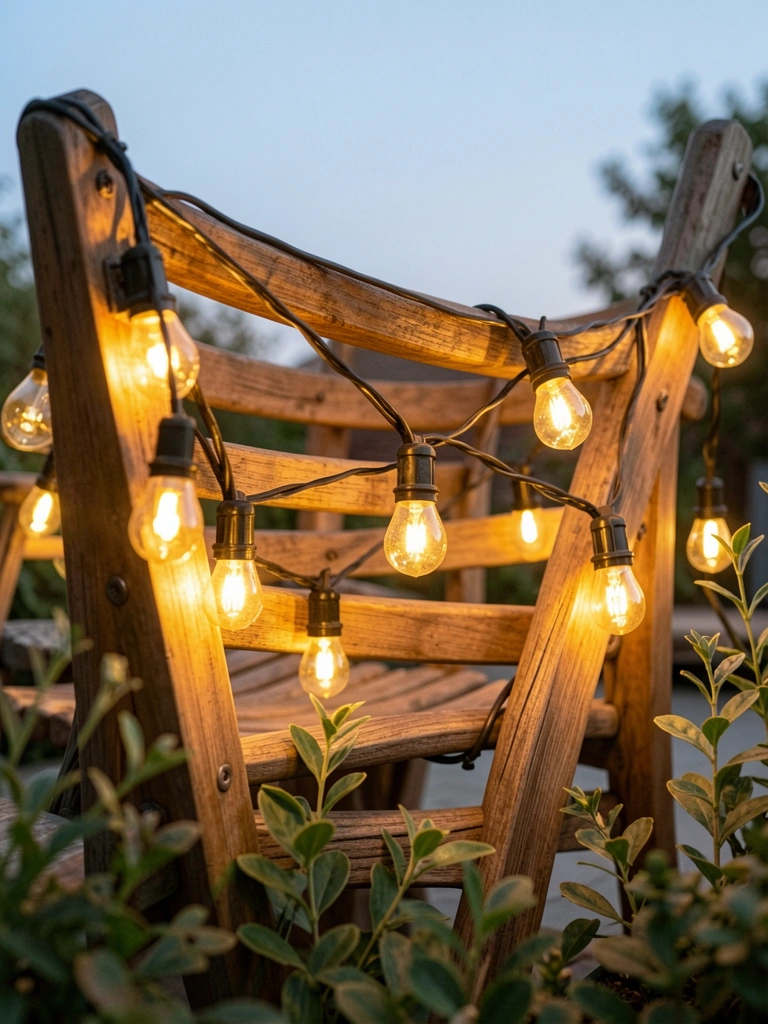
    I hooked warm white string lights across my patio eaves one evening. Instant shift—harsh afternoons softened into glowy nights. No more fumbling for chairs in the dark; it pulls you in.

    They sway gently, casting shadows on my potted herbs. Feels like a hug after a long day.

    I bought cheap ones first; they tangled and burned out. Go for solar now—reliable, no cords snaking around feet.

    What You’ll Need for This Look

    3. Woven Outdoor Rug That Grounds the Whole Space

    My concrete patio echoed every step until I rolled out a seagrass rug. Bare feet sink in now, and it ties chairs to plants like they belong.

    Colors faded a bit over summer—adds character. Chairs scoot easier too, no scraping.

    Size matters in small spots; too big overwhelms. Measure twice. Mine's 5×7, perfect fit.

    What You’ll Need for This Look

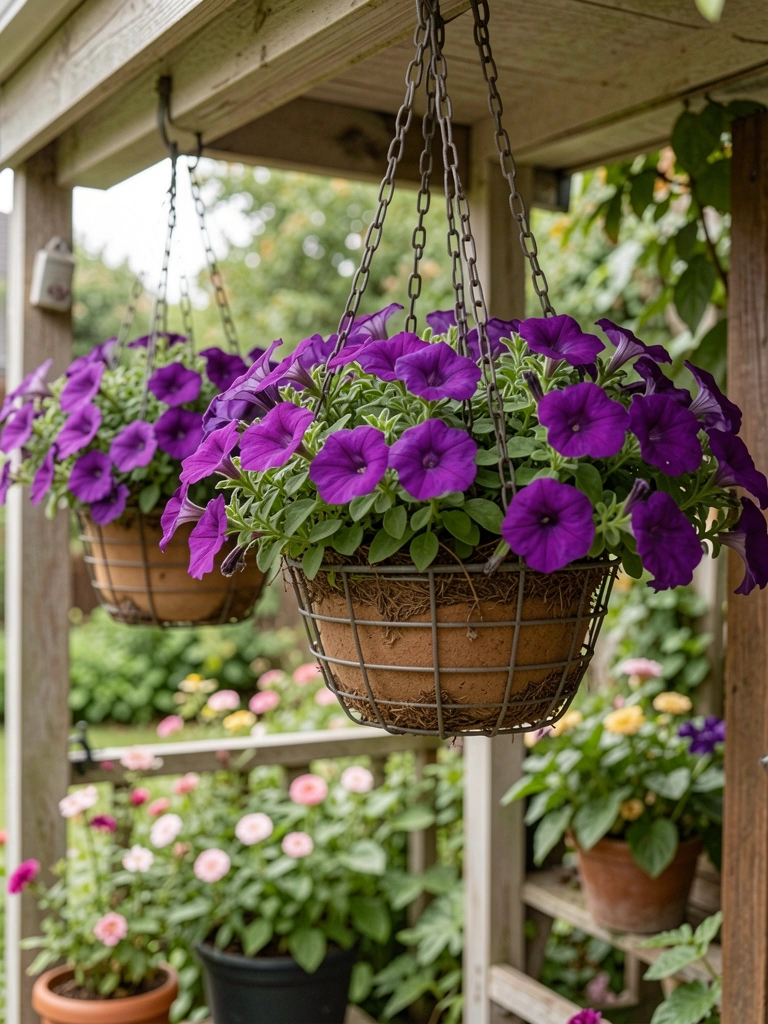
    4. Hanging Baskets Bursting with Trailing Petunias

    I hung two baskets from my patio beam—petunias tumbled down like a curtain. It softened hard edges, made 10×10 feel deeper.

    Wind whipped them at first; stronger chains fixed that. Now, blooms brush my shoulder when I sit—pure relax.

    Deadhead weekly or they sparse out. Water from below to avoid drips on guests.

    What You’ll Need for This Look

    5. Thrifted Bench Cushions for Comfy Lounging

    Found a weathered bench cheap; added weatherproof cushions. My back thanks me after hours reading out there. Patio went from stiff to sink-in cozy.

    Cushions faded unevenly—fine by me. Ties into the plants' natural look.

    Hunt sales; measure seat first. Mine's narrow, fits tight spaces perfect.

    What You’ll Need for This Look

    6. Clusters of Solar Lanterns on Side Tables

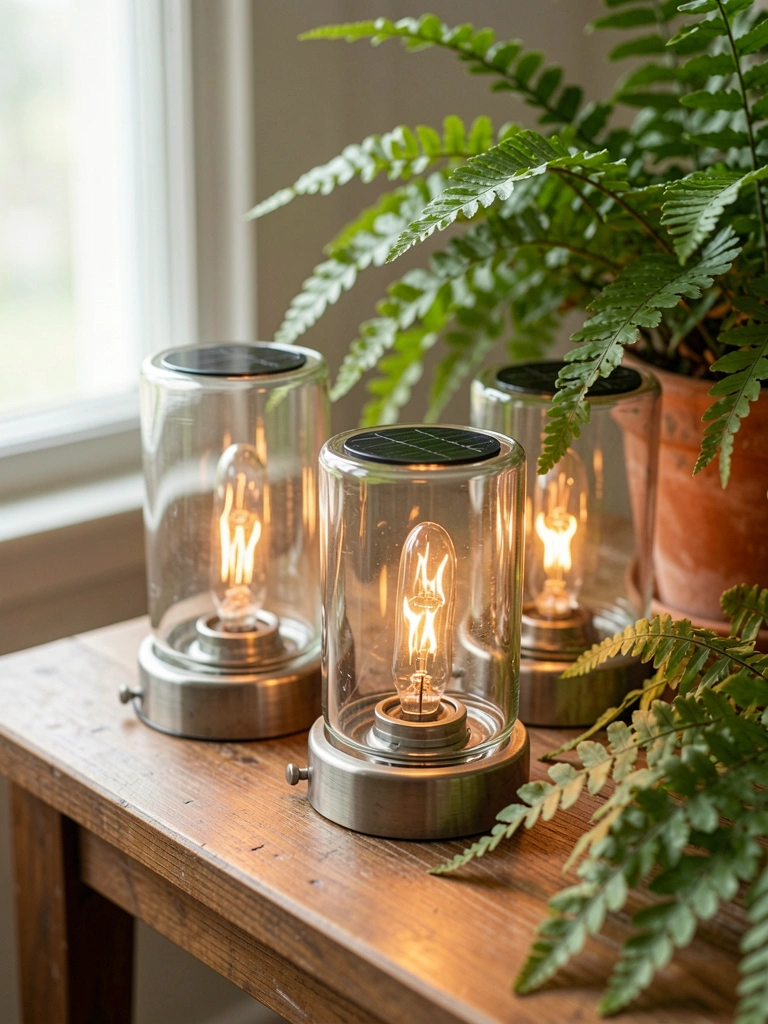
    I scattered three lanterns on my low table—solar ones charge by day, light up evenings soft. No glare, just pool of warm.

    One tipped once from wind; heavier bases now. Makes late coffee feel special.

    Position for max sun. Mix sizes for interest without clutter.

    What You’ll Need for This Look

    7. Rail-Mounted Herb Pots for Fresh Picks

    Clipped herb pots to my railing—basil and mint right where I sit. Snip for tea; smells fill the air.

    Overgrew once, blocked view—prune regular. Saves floor space huge.

    Sun-loving herbs only; shade flops them.

    What You’ll Need for This Look

    8. Woven Chair with Throw for Nestled Reading

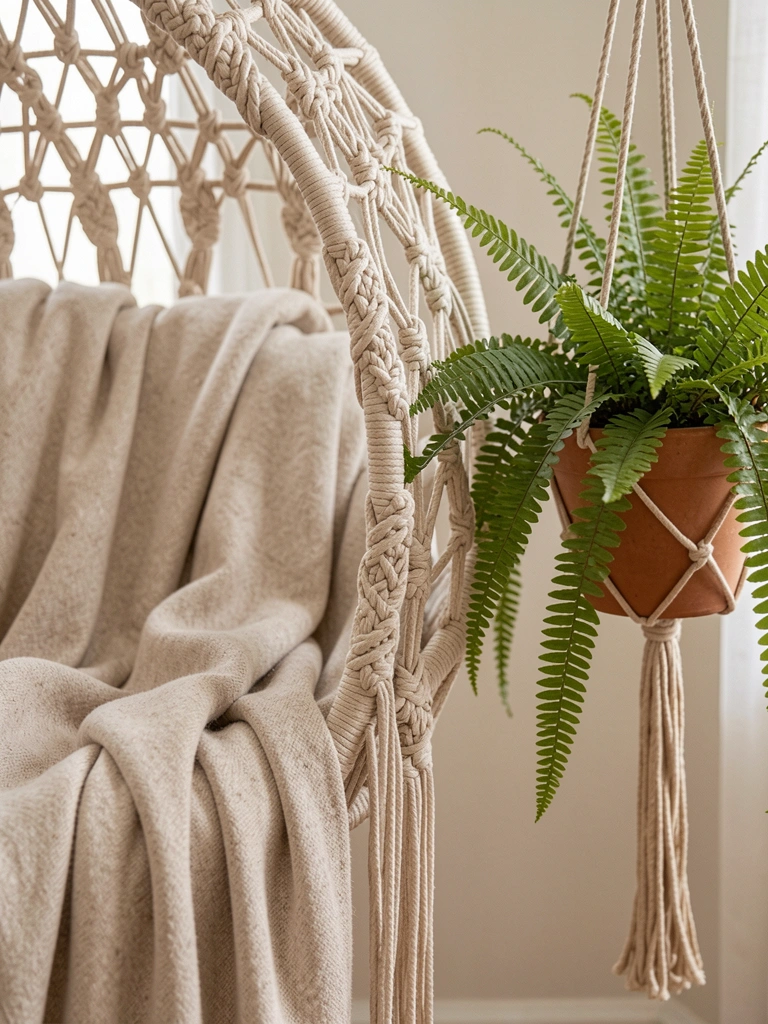
    Hung a macrame chair in the corner—throw over lap. Sways gentle, books stay put on side hook.

    Too low at first; raised chain fixed. Pure unwind spot.

    Lightweight for small patios; stores easy winter.

    What You’ll Need for This Look

    9. Faux Ivy Screen for Private Corners

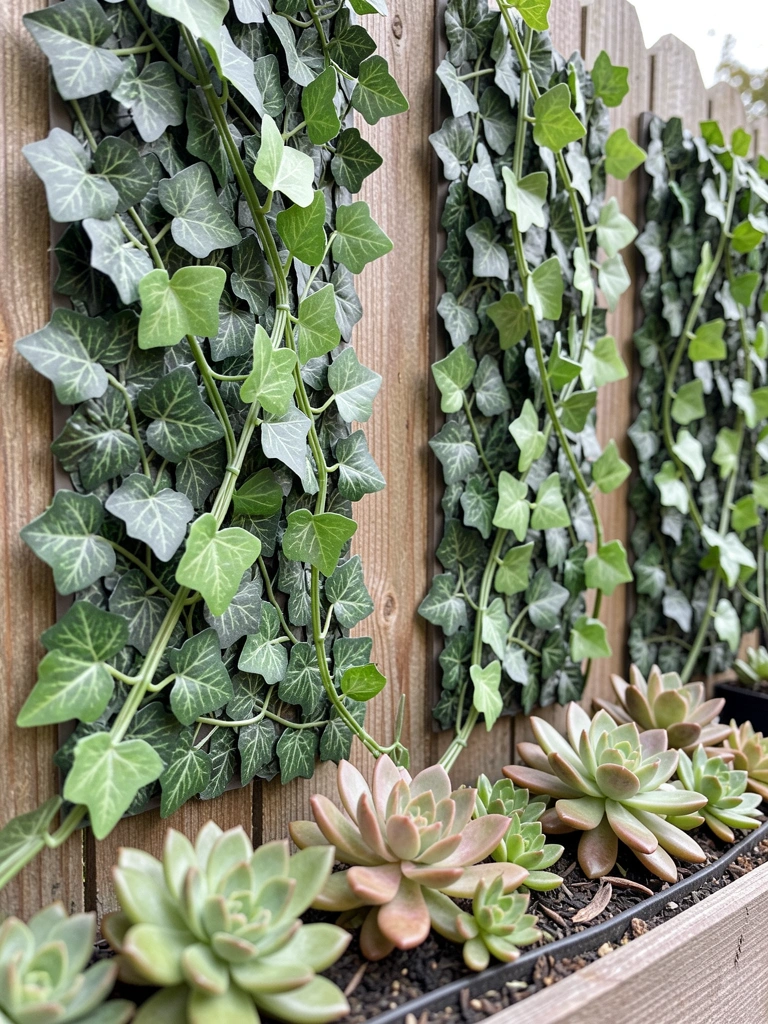
    Attached faux ivy panels to fence—blocks neighbor view soft. Added real pots below for mix.

    Faded in sun; darker green holds better. Feels secluded without walls.

    Clip, don't glue—easy swap.

    What You’ll Need for This Look

    10. Plush Pillows on Folding Adirondacks

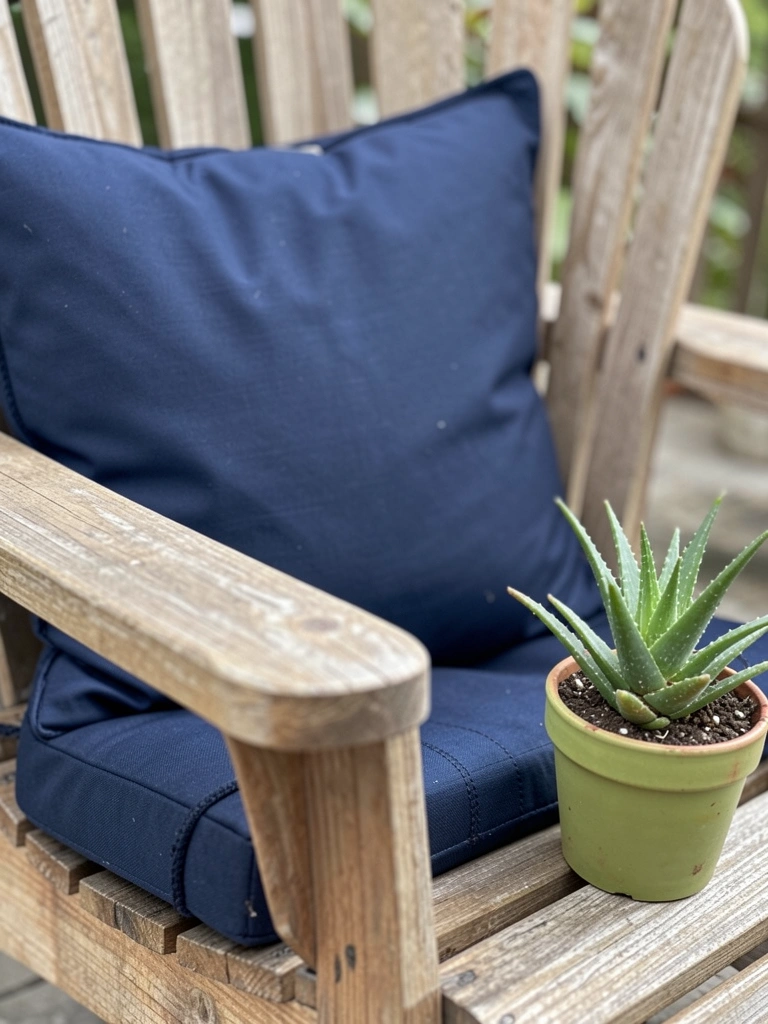
    Propped pillows on old Adirondacks—navy ones soften the slant. Lean back, feet up, total ease.

    Pillows mildewed once; UV ones now. Patio seats two comfy.

    Fold stores flat off-season.

    What You’ll Need for This Look

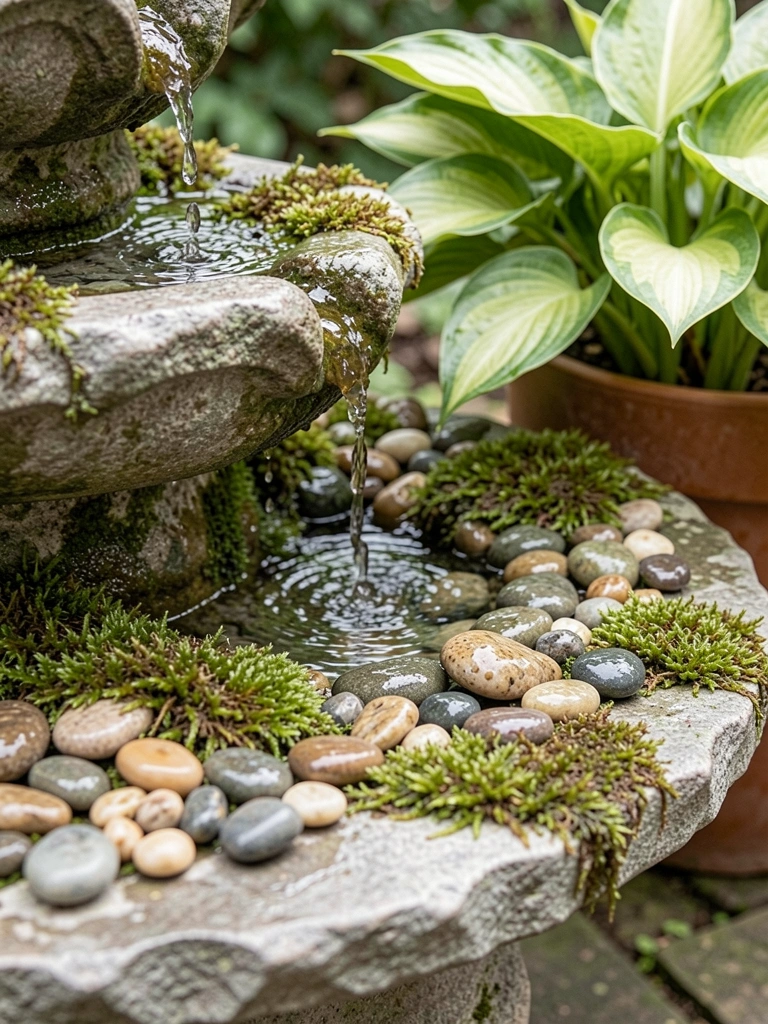
    11. Tiny Tabletop Fountain with Moss Edge

    Set a small fountain on my table—trickles mask street noise. Added moss around base; zen instant.

    Pumped clogged; clean monthly. Draws birds too.

    Solar keeps it simple.

    What You’ll Need for This Look

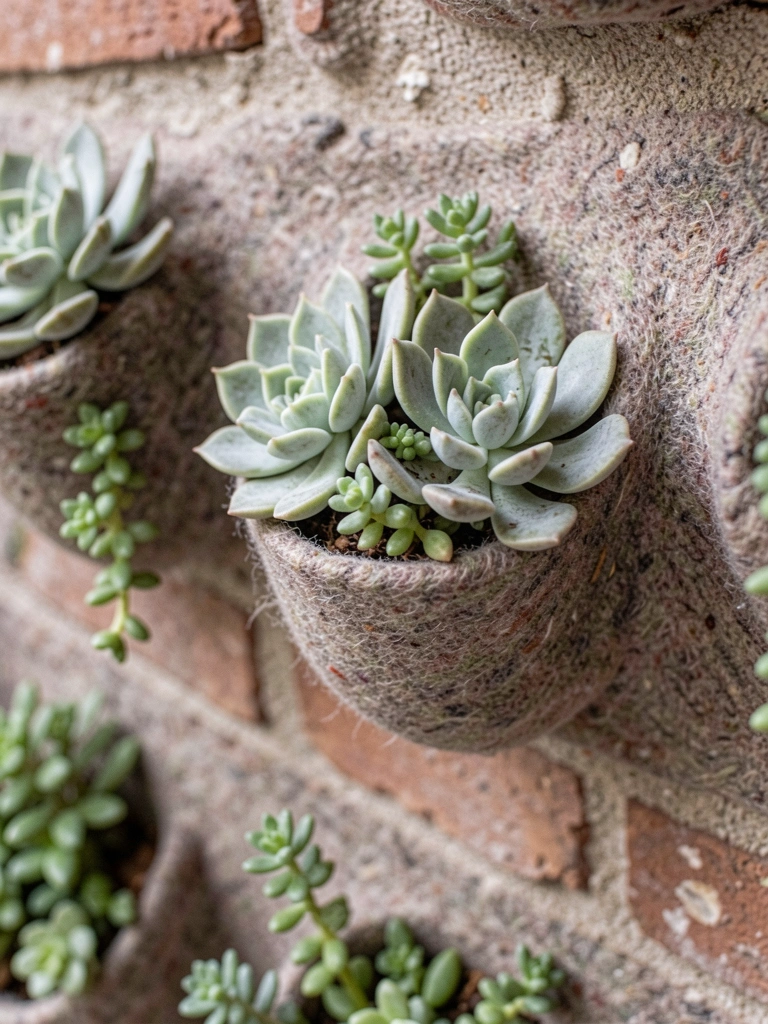
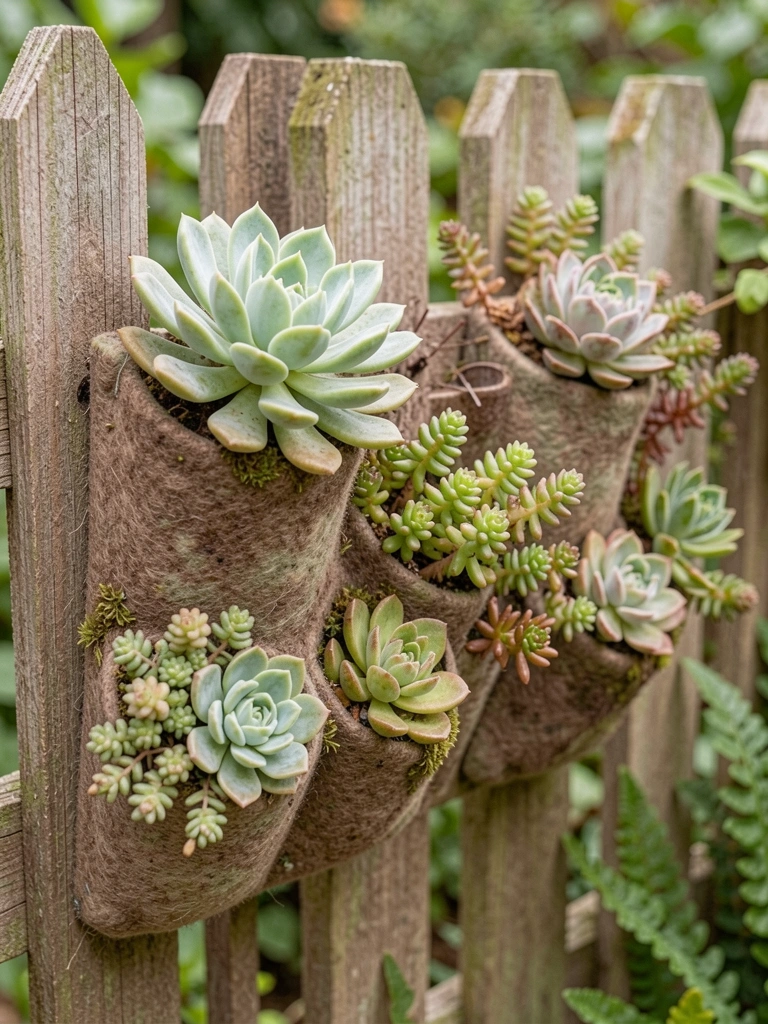
    12. Succulent Wall Pocket for Vertical Pop

    Pocketed succulents on wall—frees floor, adds texture high. Dusts off easy.

    One dried out; better soil mix fixed. Low water wins.

    Hang sturdy hooks.

    What You’ll Need for This Look

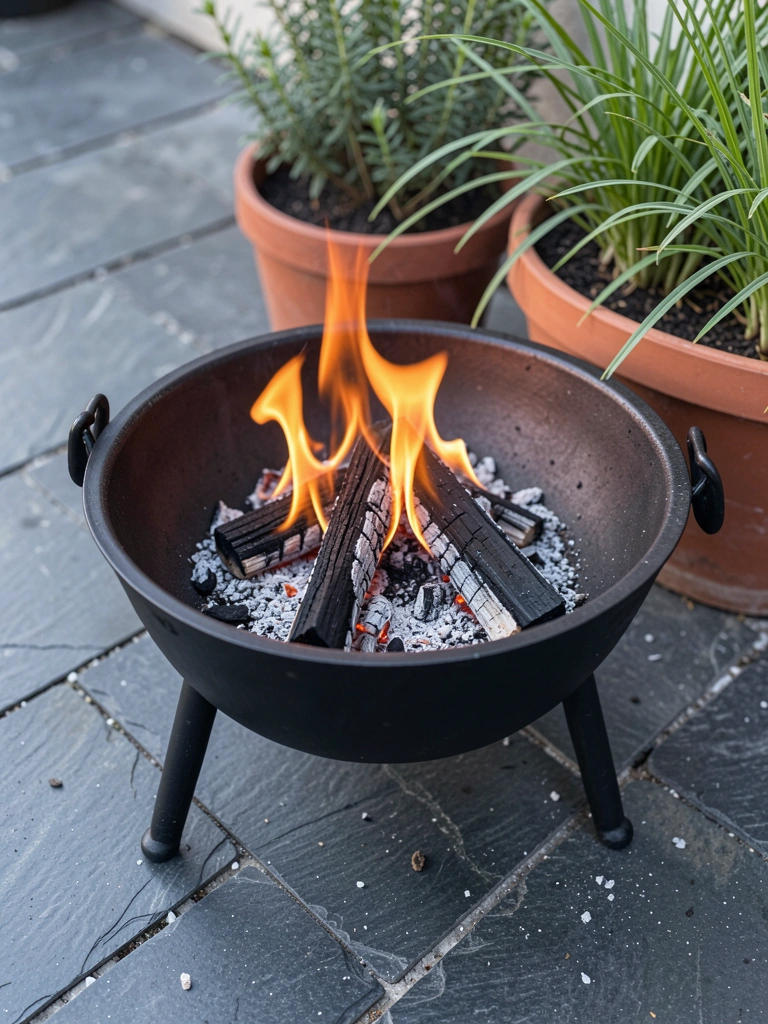
    13. Compact Fire Bowl for Chilly Nights

    Centered a small fire bowl—crackles draw me out cooler evenings. Warms laps, toasts marshmallows.

    Embers scattered once; tray underneath now. Cozy without smoke overload.

    Propane swaps wood mess.

    What You’ll Need for This Look

    14. Bird Feeder Trio Hanging Low

    Hung three feeders eye-level—birds flock mornings, soundtrack my coffee. Seeds sprout below; pull weeds fun.

    Squirrels raided; baffles helped. Life in the space.

    Metal holds weather.

    What You’ll Need for This Look

    15. Repurposed Metal Stools with Trailing Pots

    Stacked old stools as plant stands—trailing stuff drapes casual. Extra seats too.

    Rusted through once; paint sealed. Multifunctional smart.

    Scavenge or cheap finds.

    What You’ll Need for This Look

    Final Thoughts

    Pick two or three ideas that fit your light and space—start there. My patio bloomed slow, one tweak at a time. Yours will too. Sit back soon, breathe easy. You've got this.

  • 7 Apartment Patio Ideas Small Space For Urban Living

    7 Apartment Patio Ideas Small Space For Urban Living

    I squeezed my first plants onto that sliver of a balcony three apartments ago. Wind whipped everything over, and half drowned from poor drainage. But I kept at it. Now, my current spot feels like an outdoor room. You can too—start small, watch what thrives.

    These 7 apartment patio ideas for small spaces come straight from my trial-and-error. They'll fit your urban setup without overwhelming it.

    7 Apartment Patio Ideas Small Space For Urban Living

    Here are seven practical ideas that turned my tight patios into green escapes. Each one fits under 6×8 feet, uses everyday spots, and handles city quirks like shade and gusts.

    1. Layered Container Planting That Fills a Bare Corner

    I stacked pots in my old balcony corner after realizing flat layouts looked sparse. Started with a thrift stool as the base—topped it with three pots of different heights. Petunias up top spilled pink over ferns below, and ivy climbed the wall. Suddenly, that dead space breathed.

    The shift was instant: eyes traveled up, making the patio feel deeper. No more empty concrete staring back. In low light, these plants held their color without fuss.

    Watch drainage—my first stack tipped because saucers overflowed. Group by water needs so you don't drown the ferns.

    What You’ll Need for This Look

    2. Vertical Herb Wall That Saves Floor Space

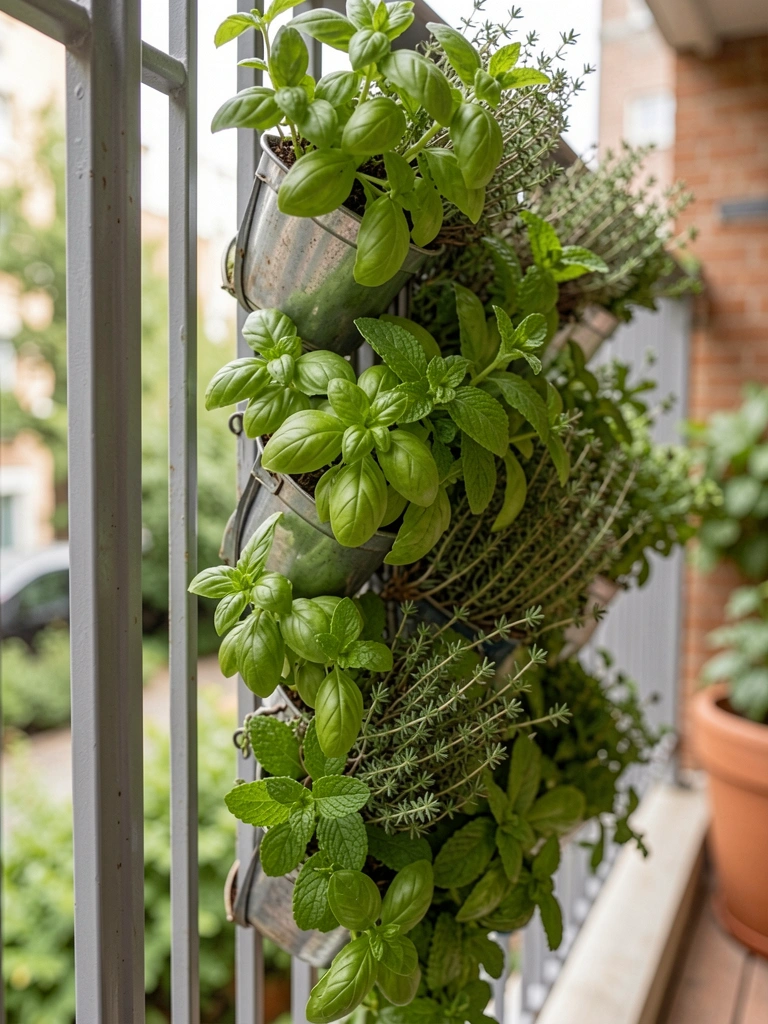
    My kitchen herbs kept crowding the floor until I hung a pocket planter on the railing. Basil and mint took off there, reaching for the sun. Thyme tucked in low, staying compact. I snip fresh for dinner without stepping out.

    It changed meal times—pestos tasted brighter, and the wall blocked the neighbor's view a bit. Herbs softened the metal railing's hard lines.

    I overplanted mint once; it invaded everything. Pick self-contained types and trim weekly.

    What You’ll Need for This Look

    3. Hanging Baskets That Swing Without Taking Room

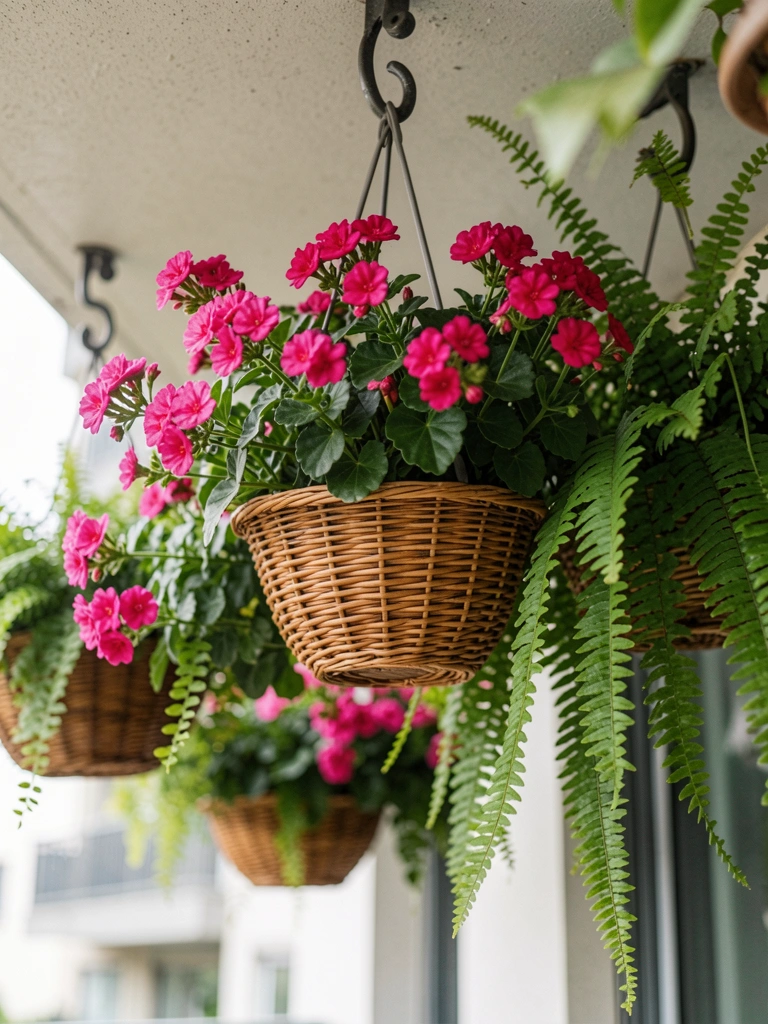
    I hooked baskets from the overhang after floor pots blocked my chair. Fuchsias bloomed nonstop, swaying in breezes. Ferns below added green depth without sprawling.

    The patio gained motion and scent—fuchsia perfume on warm days. It freed the center for feet-up lounging.

    Chains rusted fast in rain; swap for coated ones. Water from below to avoid drips on your head.

    What You’ll Need for This Look

    4. Rail-Mounted Succulents for Low-Effort Greenery

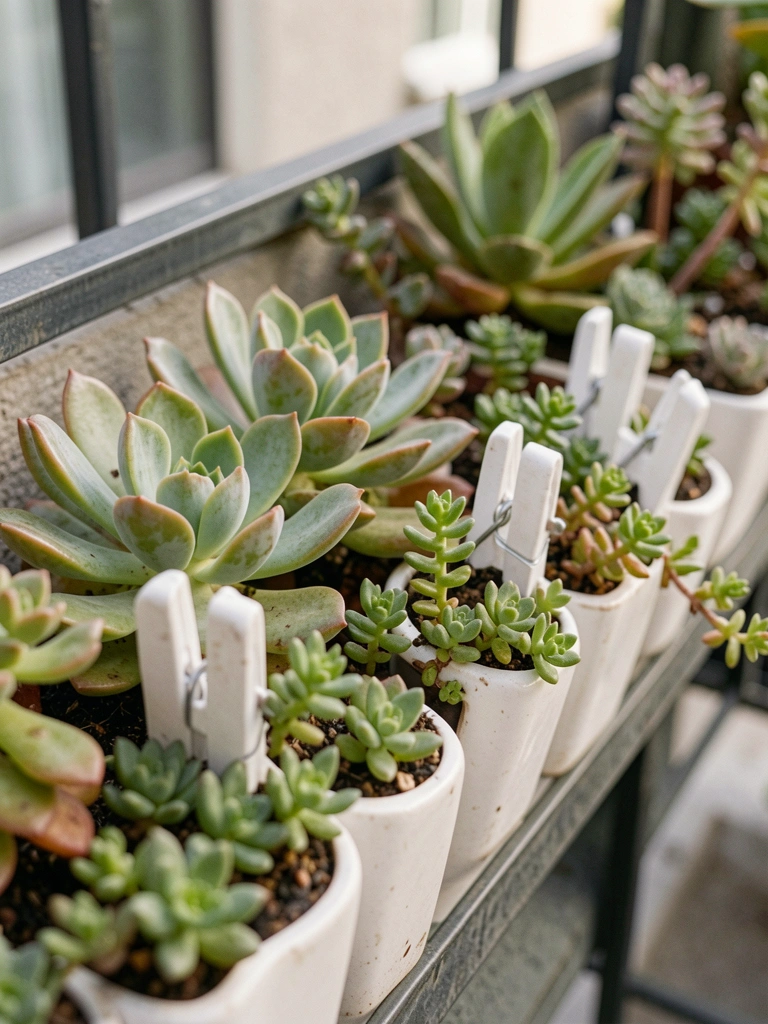
    Succulents clipped to my railing after I killed thirstier plants in shade. Echeveria rosettes and sedum filled the slots, hugging the bars. No soil spill, just plump leaves catching light.

    It made the edge feel alive, not stark. Mornings, dew glistened on them—quiet joy before coffee.

    Bought too-shady types once; they stretched leggy. Go for sun-lovers like these.

    What You’ll Need for This Look

    5. Cozy Rug Corner with Trailing Vine Accents

    I rolled out an outdoor rug under my stool, then trailed pothos from a shelf above. Vines softened the edges, pooling on the weave. Felt like an indoor nook outdoors.

    Sipping tea there now beats staring at walls. The rug grounds it all—warmer underfoot.

    Pothos yellowed from overwatering; let soil dry fully.

    What You’ll Need for This Look

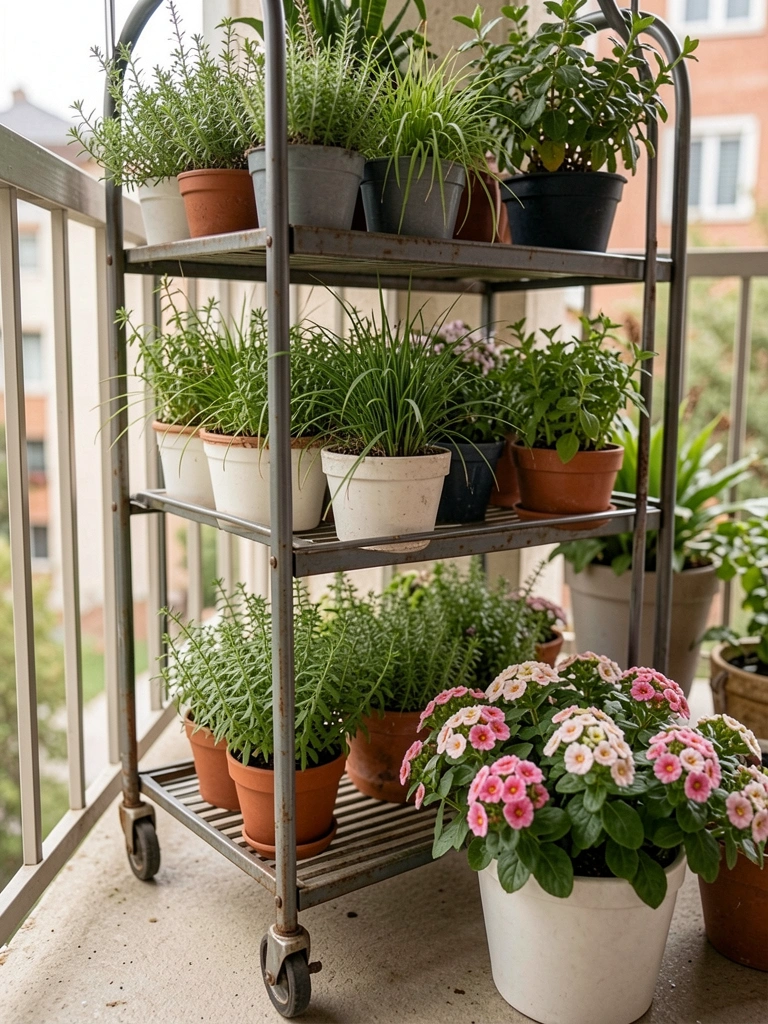
    6. Multi-Tier Trolley for Rotating Plants

    A trolley let me chase sun across my shady patio. Top tier calibrachoa bloomed vivid, middle grasses swayed, bottom herbs stayed moist. Wheeled it daily—no bending.

    Views shifted with light; fuller from every angle. Patio felt tended, not static.

    Overloaded it first—tipped sideways. Keep under 20 pounds.

    What You’ll Need for This Look

    7. Solar-Lit Potted Grasses for Evening Glow

    Fountain grasses in pots got solar stakes after dark patios felt unwelcoming. Blades rustled, lights warmed the base—cozy for night reads.

    Evenings extended outside; the glow highlighted textures softly.

    Grasses flopped in wind; stake them loosely.

    What You’ll Need for This Look

    Final Thoughts

    Pick one or two ideas that match your light and routine. My patios improved bit by bit—no big spend. Yours will settle in too. Green waits for simple steps. You've got this.

  • 21 Budget Small Patio Ideas For Low Cost Styling

    21 Budget Small Patio Ideas For Low Cost Styling

    I remember staring at my cramped patio last spring, just concrete and a wobbly chair. Nothing inviting. I wanted a spot to sit with coffee, but it felt bare and cold.

    Over months of trial, I added bits here and there. Pots overflowed unexpectedly, lights warmed the evenings. Now it's my quiet corner.

    You can shape yours the same way. Start small, use what works.

    21 Budget Small Patio Ideas For Low Cost Styling

    Here are 21 budget small patio ideas I've pulled off in my own space. All low cost, under $50 each mostly. They'll make your spot feel full and yours without big spending.

    1. Layered Container Planting That Fills Empty Corners

    I started with one pot in the corner, but it looked lonely. Stacking three sizes changed everything—suddenly that spot had depth, like a mini jungle.

    The ferns spilled over, softening the edges. Mornings feel greener now, coffee tastes better there.

    Watch the sun; taller plants shade shorter ones. I overplanted once, drowned roots—space them loose.

    Go for thrift store pots. Fill with soil you have, add perennials that come back.

    What You’ll Need for This Look

    2. Thrifted Pallet Vertical Garden for Wall Greenery

    An old pallet leaned against my fence forever. I lined the back with landscape fabric, stuffed in soil pockets—now herbs climb right up.

    It hides the blank wall, adds dinner picks steps away. Evenings smell fresh.

    I forgot drainage first time; water pooled. Drill holes low.

    Source pallets free from stores. Herbs like thyme root easy.

    What You’ll Need for This Look

    3. DIY String Lights Draped for Evening Glow

    Nights were dark on my patio. I strung cheap lights across poles—now it glows soft, pulls me out after dinner.

    Shadows play on plants, feels cozy. Lasted two summers.

    Don't overload plugs; mine tripped once. Solar ones save hassle.

    Clip to existing rails. Warm white flatters greens.

    What You’ll Need for This Look

    4. Woven Outdoor Rug That Grounds the Space

    Bare concrete chilled my feet. A simple rug defined the sitting area—instant room feel.

    Plants frame it now, ties colors together. Wipes clean easy.

    Size right; too big overwhelms. I bought small, perfect.

    Fade-resistant holds up. Neutral blends anything.

    What You’ll Need for This Look

    5. Mismatched Metal Chairs Pulled into a Nook

    Two odd chairs from garage sales faced each other. Added a stool—now chats happen there.

    Rust spots add character. Cushions soften seats.

    Match height; low ones felt off. Thrift hunts pay.

    Paint if needed, group tight.

    What You’ll Need for This Look

    6. Hanging Baskets That Lift Plants Upward

    Floor space tight, so I hung three baskets from the overhang. Flowers trail down, frees ground.

    Colors pop against walls. Bees visit often.

    Water weekly; dry fast up high. I skipped, lost one.

    Coco liner holds soil. Petunias bloom nonstop.

    What You’ll Need for This Look

    7. Succulent Wall Pockets for Low Water Greenery

    Wall begged for something. Felt pockets stapled on—succulents tuck in easy, no soil mess.

    Textures mix well, drought tough. Survived my vacation.

    Overstuff and they flop. Start sparse.

    Reuse old frame if handy.

    What You’ll Need for This Look

    8. Gravel Mulch Path Between Pots

    Pots crowded the slab. Spread gravel between—instant walkway, weeds gone.

    Crunching underfoot invites walks. Drains rain fast.

    Too deep traps water. Thin layer best.

    Weed fabric under if ants bug you.

    What You’ll Need for This Look

    9. Foldable Bistro Table Tucked Against Wall

    No table meant no meals out. Foldable one hugs the wall—out for coffee, away for sweeping.

    Stable, light. Folds flat.

    Wobble fix: rubber feet. Mine tipped once.

    Plants atop when stored.

    What You’ll Need for This Look

    10. Solar Lantern Clusters Hung Low

    Lights high felt distant. Clustered low lanterns sway gentle—table glows for reading.

    Charge all day, last late. No cords.

    Face sun; shady ones dim. Rotate spots.

    Mix sizes for interest.

    What You’ll Need for This Look

    11. Herb Pots Grouped on a Tiered Stand

    Herbs scattered, hard to reach. Tiered stand stacks them—pickings handy.

    Aromas mix, cooking calls. Grows bushy.

    Trim regular; leggy if not. Pinch tops.

    Metal sheds rain.

    What You’ll Need for This Look

    12. Upcycled Tire Stacked Planters

    Old tires piled up. Stacked three, filled with soil—flowers tumble out playful.

    Hides ugly spots. Sturdy base.

    Drain holes punched; soggy mess first try.

    Paint covers rubber smell.

    What You’ll Need for This Look

    13. Bamboo Privacy Screen Rolled Out

    Neighbors peeked in. Rolled bamboo screen blocks view—private now.

    Wind rustles soft. Ties easy.

    Secure top; flaps annoy. Zip ties work.

    Short lengths fit small.

    What You’ll Need for This Look

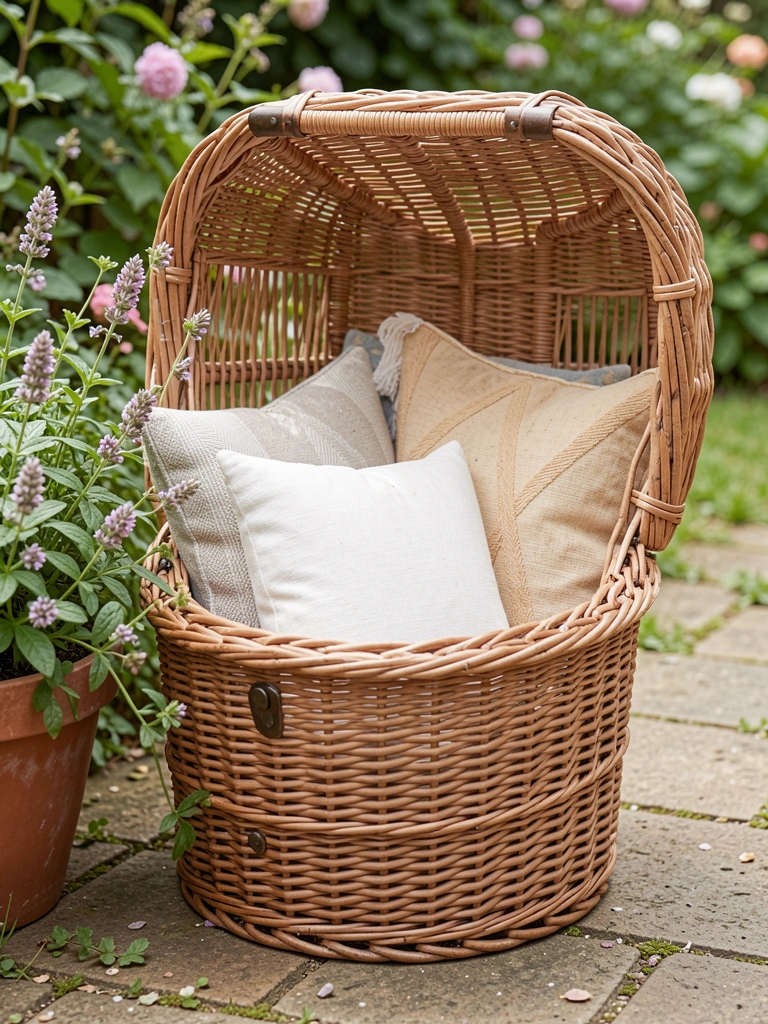
    14. Wicker Storage Basket for Cushions

    Cushions rained on. Wicker basket tucks them—dry, neat.

    Blends natural. Lid keeps dust out.

    Line plastic; wicks wet.

    Multi use for tools.

    What You’ll Need for This Look

    15. Bird Feeder Hooks Among Vines

    Quiet mornings bored. Hooks hold feeders—birds chatter, life adds.

    Seeds cheap. Vines frame.

    Squirrel proof high. Baffles help.

    Clean monthly.

    What You’ll Need for This Look

    16. Chalkboard Labels on Herb Pots

    Forgot what grew where. Chalk labels stick on—names clear, erase easy.

    Kids draw too. Personal touch.

    Wet erase smudges. Use dry.

    Pops against clay.

    What You’ll Need for This Look

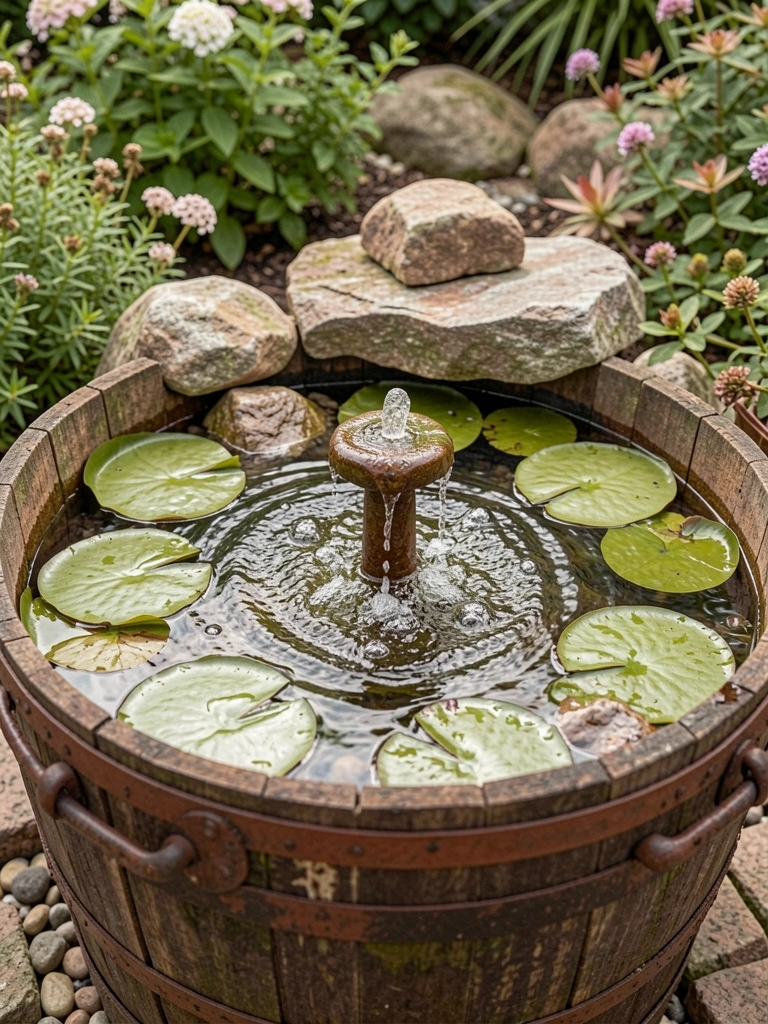
    17. Simple Solar Fountain in a Half Barrel

    Still air hung heavy. Solar fountain bubbles soft—masks traffic.

    Frogs visit. No pump cords.

    Shade kills solar; full sun spot.

    Rocks steady.

    What You’ll Need for This Look

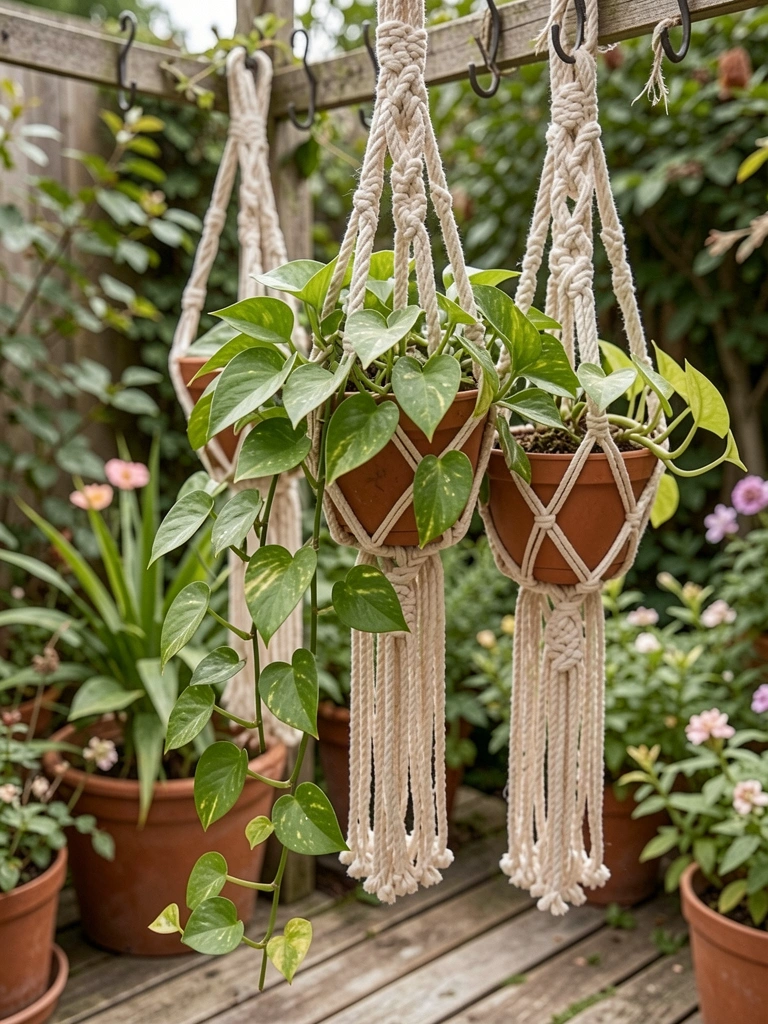
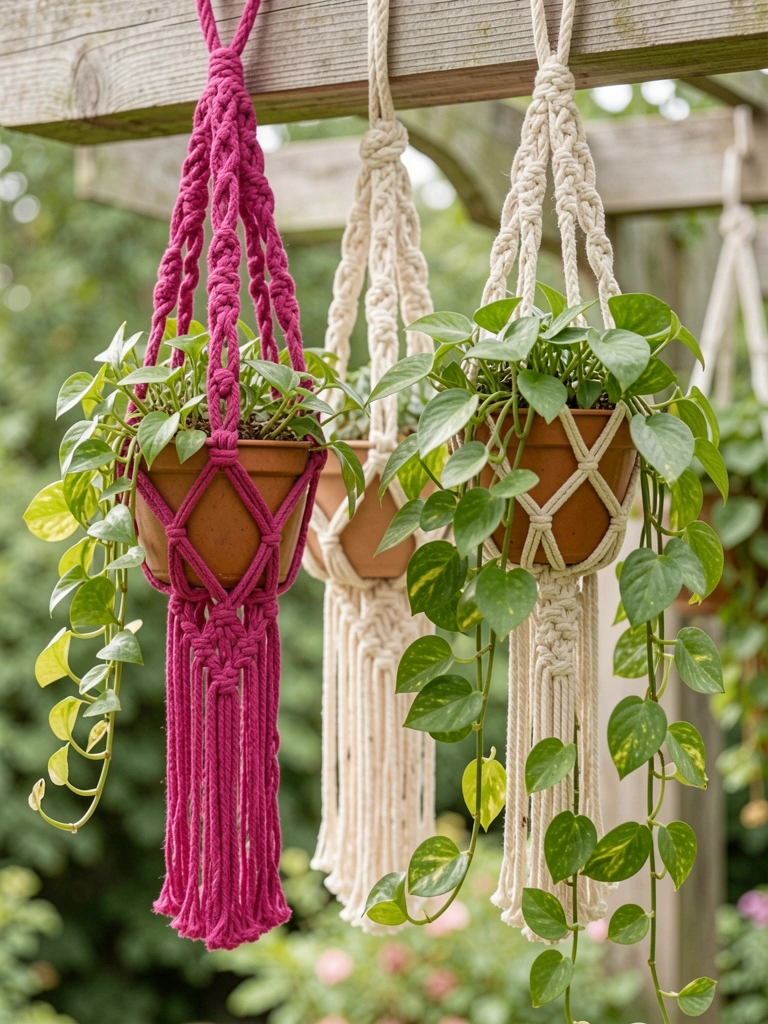
    18. Macrame Hangers for Trailing Vines

    Pots took floor. Macrame lifts vines—sways gentle.

    Textile warms metal rails. Grows long.

    Knots tight; mine slipped once.

    Cotton lasts outdoors.

    What You’ll Need for This Look

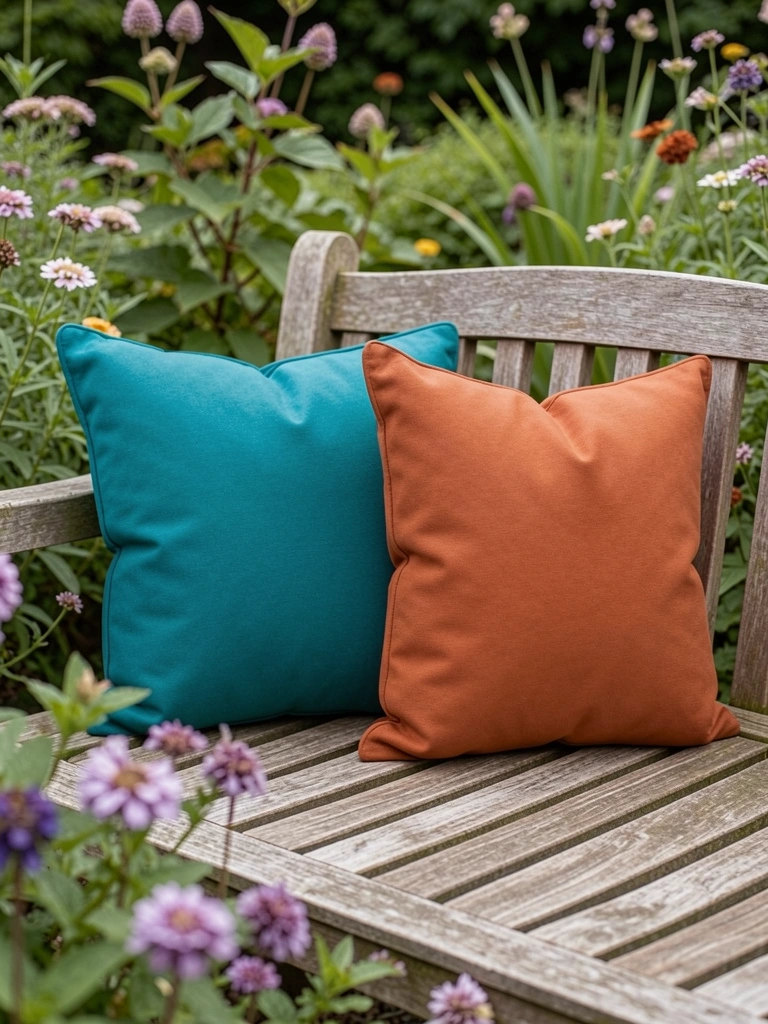
    19. Color Blocked Cushions on Benches

    Bench hard sat. Blocked cushions pop color—invites linger.

    Sun fades slow. Ties plants.

    Water bead off. Dry quick.

    Mix patterns low.

    What You’ll Need for This Look

    20. Bucket Fire Pit for Cool Nights

    Chilly evenings empty. Galvanized bucket holds small fire—warmth draws us.

    Sparks dance. Safe low.

    Sand base first; sparks out.

    Extinguish full.

    What You’ll Need for This Look

    21. Vertical Slat Herb Wall

    Herbs sprawled. Slat wall slots pots—neat, up off ground.

    Picks fresh. Rustic fits.

    Level slats; crooked annoys.

    Scrap wood works.

    What You’ll Need for This Look

    Final Thoughts

    Pick two or three ideas that fit your light and space. Mine grew slow, better that way.

    They add up quiet. Your patio waits—hands in dirt soon.

    You'll sit back satisfied.

  • 11 Small Outdoor Patio Ideas For Compact Homes

    11 Small Outdoor Patio Ideas For Compact Homes

    I squeezed my first patio setup into a 6×8 space behind a rental. Pots everywhere, but it felt jumbled. One summer, I shifted things around—stacked some high, hung others. Suddenly, it breathed. Room to sit, plants spilling over without crowding me out.

    That trial-and-error taught me compact patios thrive on smart layers, not more stuff.

    You don't need a big yard. Just tweaks that make tight spots feel open and yours.

    11 Small Outdoor Patio Ideas For Compact Homes

    These 11 small outdoor patio ideas come from my own tight spaces. They're renter-friendly, low-fuss, and fit budgets. Each one makes a difference you can feel right away.

    1. Layered Container Planting That Makes a Patio Feel Full

    I started with one pot on my concrete slab patio. Bare. Then I grabbed extras in different sizes, stacked 'em on crates. Petunias up top spilled down, ivy trailed low. It filled the 8×10 space without blocking the path.

    Visually, it draws your eye up, makes walls recede. Emotionally, it's lush but not wild—cozy for coffee.

    Watch soil levels; too much water pools in lowers. I overdid it once, rotted roots.

    Key: Mix heights for depth. Start small, add as plants grow.

    What You’ll Need for This Look

    12-inch terracotta planter set

    Trailing ivy plants

    Petunia seedlings

    Wooden crate risers (natural finish)

    2. Vertical Wall Garden for Instant Greenery

    My side patio hugged a blank fence. I bolted up felt pockets—stuffed in succulents and chives. Green shot up overnight, no floor space lost.

    It softened the fence line, cooled the air on hot days. Sit-back-and-relax green without weeding wars.

    I picked shallow-root plants first time; some dried out. Now I mist weekly.

    Pocket systems hug walls tight. Perfect for renters with screws.

    What You’ll Need for This Look

    Vertical garden felt pockets (set of 10)

    Succulent assortment pack

    Chive plants

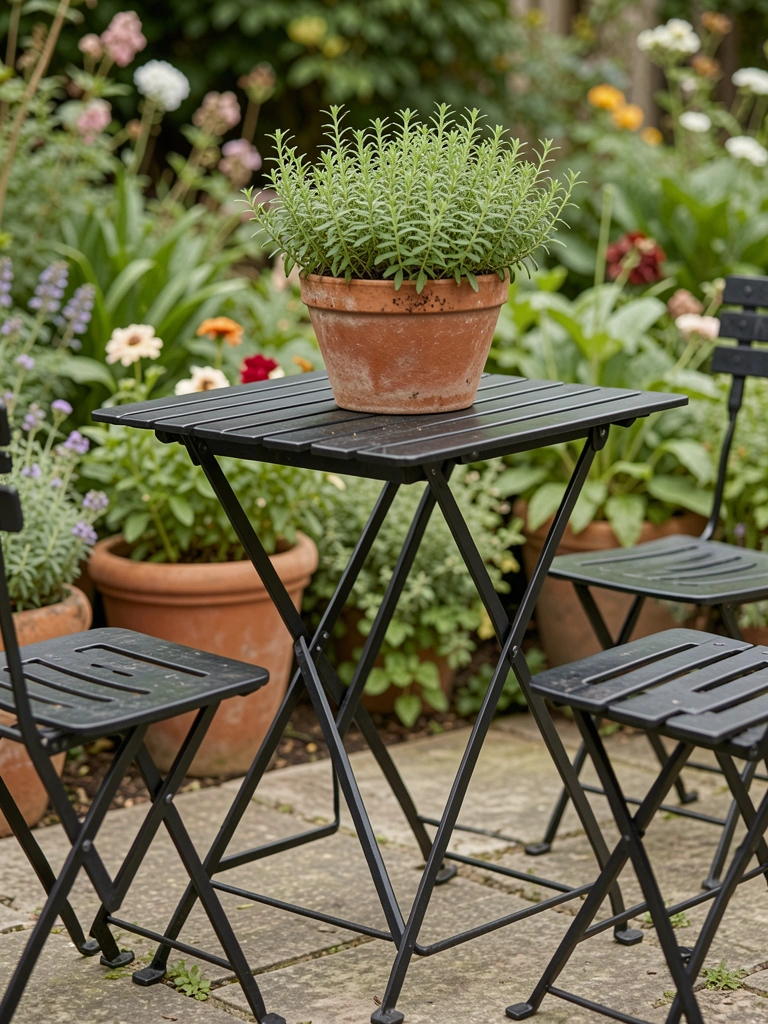
    3. Cozy Bistro Set with Potted Herbs

    That iron bistro set fit my 6×6 patio like it was made for it. I tucked herb pots—basil, mint—around the edges. Snip for meals right there.

    It turned eating spot into kitchen extension. Herbs perfume the air, bugs stay off.

    Bought too-big pots once; tipped the table. Go compact.

    Herbs grow fast here—pinch tops for bushiness.

    What You’ll Need for This Look

    Black metal bistro set (2 chairs)

    Basil plant in 6-inch pot

    Mint plant

    4. String Lights and Outdoor Rug for Evening Glow

    Dusk hit my patio hard—dark and cold. Strung warm LED lights along the rail, rolled out a seagrass rug. Glow pooled soft.

    Nights went from meh to linger-worthy. Rug grounds it, muffles concrete slap.

    Lights tangled first go; use clips. Rug sheds a bit—shake outside.

    Defines your zone without walls.

    What You’ll Need for This Look

    Solar string lights (warm white, 33ft)

    Seagrass outdoor rug (5×7 ft)

    5. Foldable Furniture That Tucks Away

    Space vanished when company came. Folding acacia table and chairs lean against the house—floor clear for yoga.

    Keeps patio airy daytime, seats four at night. Wood weathers nice, no plastic look.

    Chairs wobbled till I tightened bolts. Check yours.

    Ideal for multi-use spots.

    What You’ll Need for This Look

    Folding acacia wood bistro set

    Outdoor seat cushions (set of 2, neutral)

    6. Hanging Baskets Overhead for Ceiling Greenery

    Overhead was wasted on my covered patio. Macrame baskets with fuchsia dangled—trailing green curtain.

    Shades without darkening, sways in breeze. Feels sheltered.

    Wind snapped one chain; reinforce hooks.

    Turn ceiling into planter.

    What You’ll Need for This Look

    Macrame hanging baskets (set of 3)

    Fuchsia hanging plant

    Ceiling hook kit (heavy duty)

    7. Succulent Corner Display on a Ladder Shelf

    Corner collected junk. Slender ladder shelf crammed with succulents—echeveria, aloe—in low pots.

    Packs punch vertically, drought-proof. Textures pull you in close.

    Forgot sun once; leggy growth. Full light key.

    No-water look that lasts.

    What You’ll Need for This Look

    Tall ladder plant shelf (black metal)

    Succulent collection (6-pack)

    8. Privacy Lattice with Climbing Vines

    [Image Peek: Close-up of wooden lattice panel with clematis vines. Shows new shoots twisting up against fence. Patio chair behind. Soft daylight. Lived-in feel. Slight depth of field. No text. Focus on warmth and realistic planting.]

    Neighbors peered over. Freestanding lattice with clematis shoots screened it soft.

    Blooms hide slats yearly, windbreak too. Your nook now.

    Vines aggressive; prune or invade.

    Screw lattice to posts for stability.

    What You’ll Need for This Look

    Freestanding wooden lattice panel (4×8 ft)

    Clematis vine plant

    9. Small Tabletop Fire Pit for Warm Nights

    Chilly evenings killed patio time. Tabletop fire pit flickered safe—heat pocket.

    Draws folks in, roasts chestnuts. Compact, stores easy.

    Wind blew it out; use glass shield.

    Cozy without smoke.

    What You’ll Need for This Look

    Portable tabletop fire pit (propane)

    Fire pit wind shield (glass)

    10. Multi-Level Planter Steps for Edge Planting

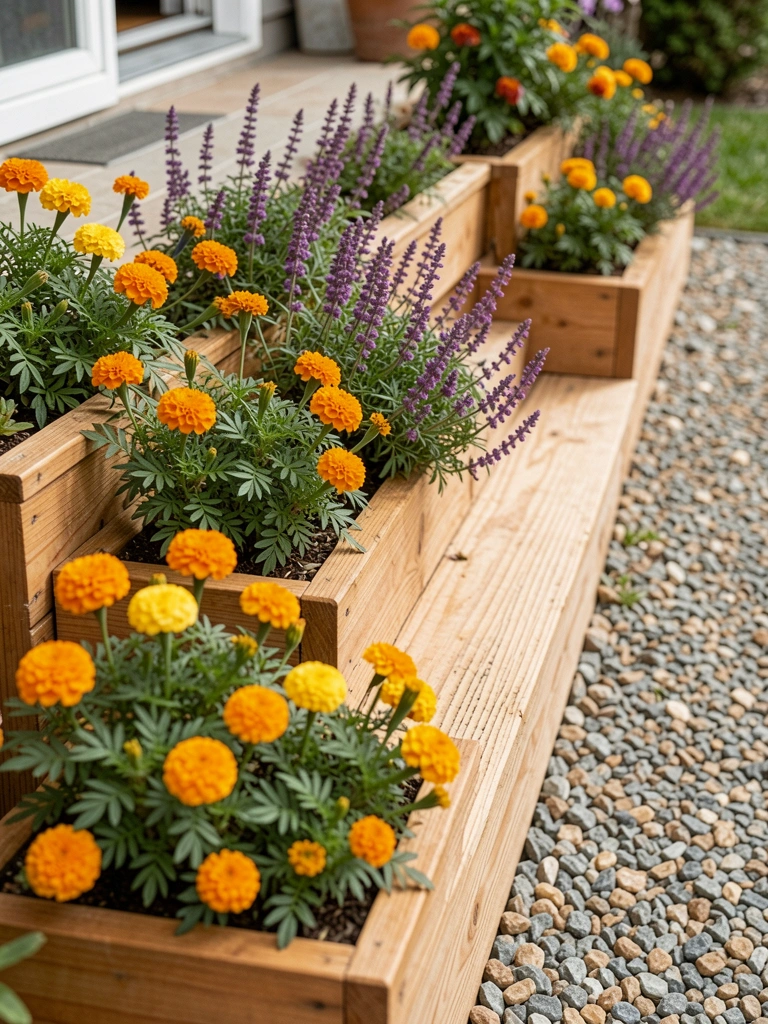
    Edge was dead space. Tiered cedar steps planted marigolds, salvia—stair-step color.

    Defines boundary, blooms wave at eye level. Bug-repelling too.

    Wood warped rainy first year; seal it.

    Builds height without bulk.

    What You’ll Need for This Look

    Cedar tiered planter steps (3-level)

    Marigold plants (pack)

    11. Garden Mirror for Added Depth Trick

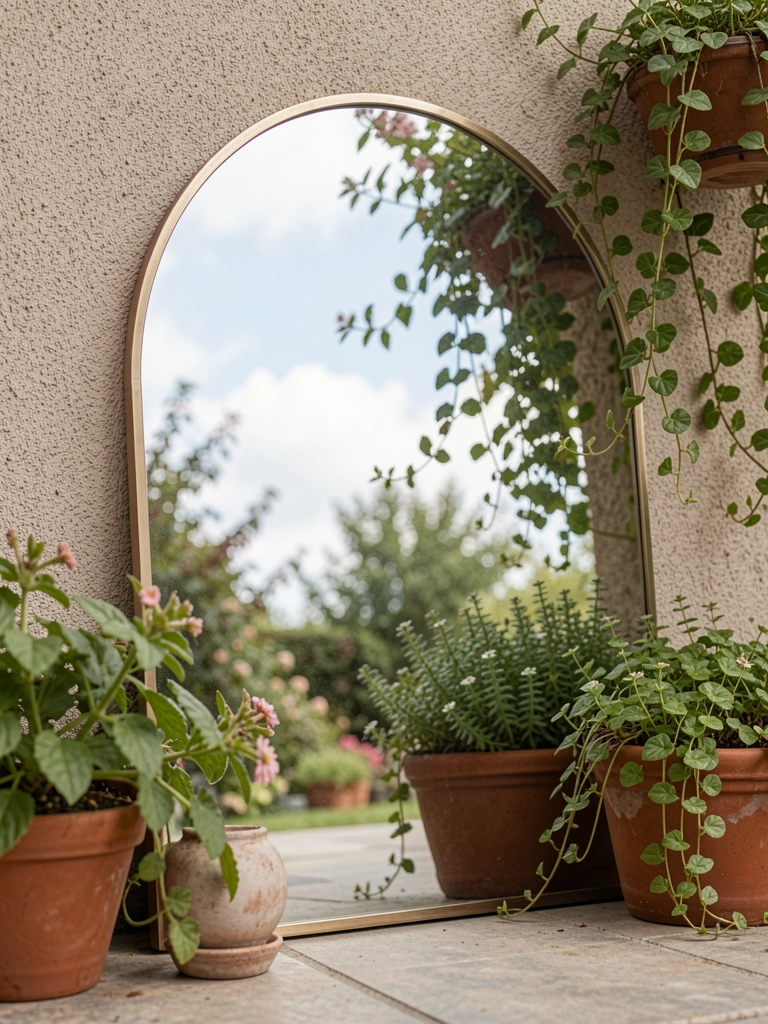
    Walls closed in. Arched mirror leaned back—doubled plants, faked distance.

    Bounces light, birds think window. Patio grew bigger.

    Dirt streaks easy; wipe monthly.

    Fool-the-eye simple.

    What You’ll Need for This Look

    Arched outdoor garden mirror (36×48 inch)

    Wall leaning bracket (rustproof)

    Final Thoughts

    Pick one or two ideas that fit your light and routine. My patios evolved slow—start there.

    They won't stay perfect; weeds happen, plants shift. But you'll have your spot.

    You've got this. Plant it, sit back.