Author: Lily Victoria

  • How To Decorate A Small Patio With Plants

    How To Decorate A Small Patio With Plants

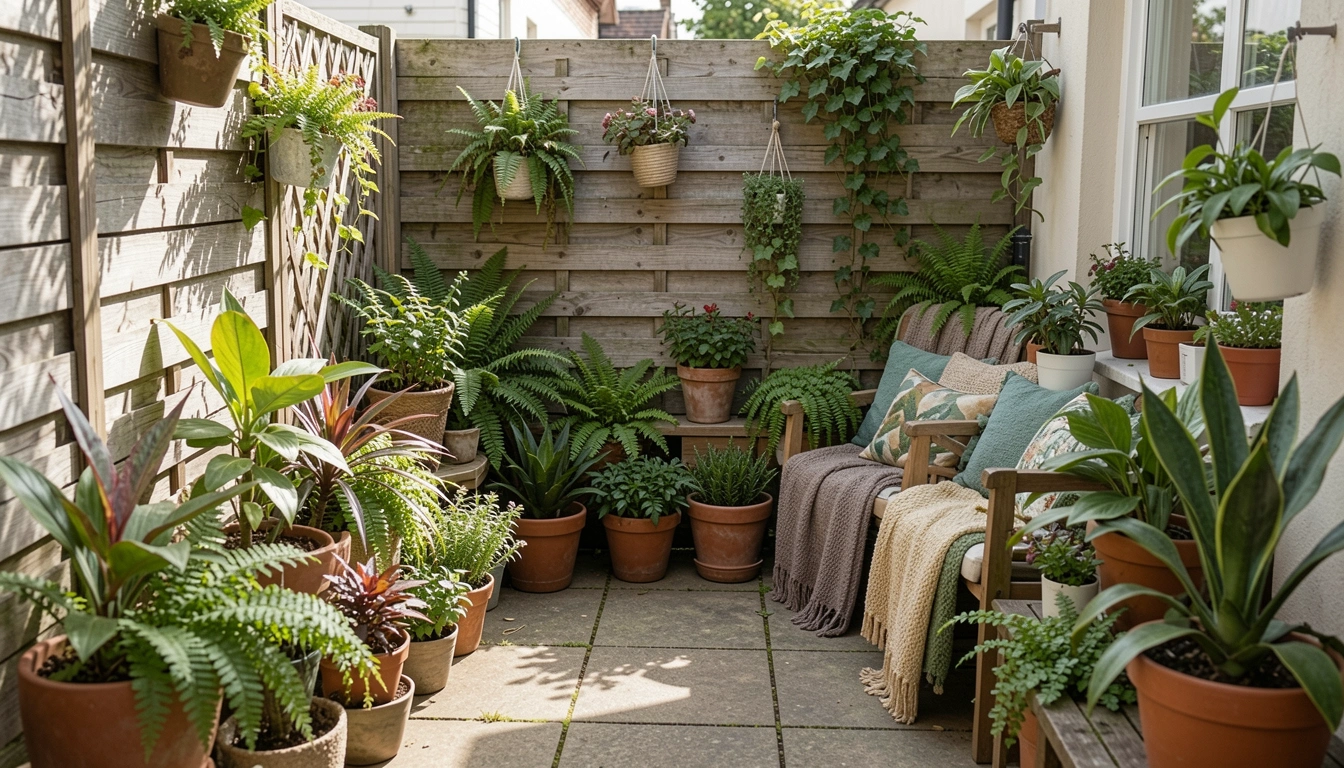
    My small patio used to feel squeezed. Chairs bumped into walls. No life. Just concrete staring back.

    I stood there one morning, coffee in hand. Plants could fix it, but where? Too many, and it'd crowd. Too few, still bare.

    This is how I settled it. Step by step. Now it holds chairs comfortably. Greenery pulls you in.

    How To Decorate A Small Patio With Plants

    This method makes a tight patio feel open and settled. You'll end up with balanced layers of green that fit the space. It's simple. I've done it on mine.

    What You’ll Need

    Step 1: Clear and Measure Your Space

    I start by sweeping the patio. Move chairs to one side. Measure the open spots—mine's 8 by 10 feet.

    This empties the view. You see the bones. Why? Plants need room to breathe, or it feels jammed.

    People miss how light hits corners. Check that first. Avoid cramming against the brightest wall—plants scorch.

    Now it looks bigger. Ready for greens.

    Step 2: Pick One Focal Plant for Height

    I grab my dwarf bamboo next. Set it in a 12-inch terracotta planter at the back corner.

    Height draws the eye up. Opens the space visually. Balance shifts—feels anchored.

    Missed insight: One tall plant fools the eye into more room. Don't skip it.

    Mistake? Too many heights early. Start with this one. Patio settles.

    Step 3: Layer Mid-Height Plants Around It

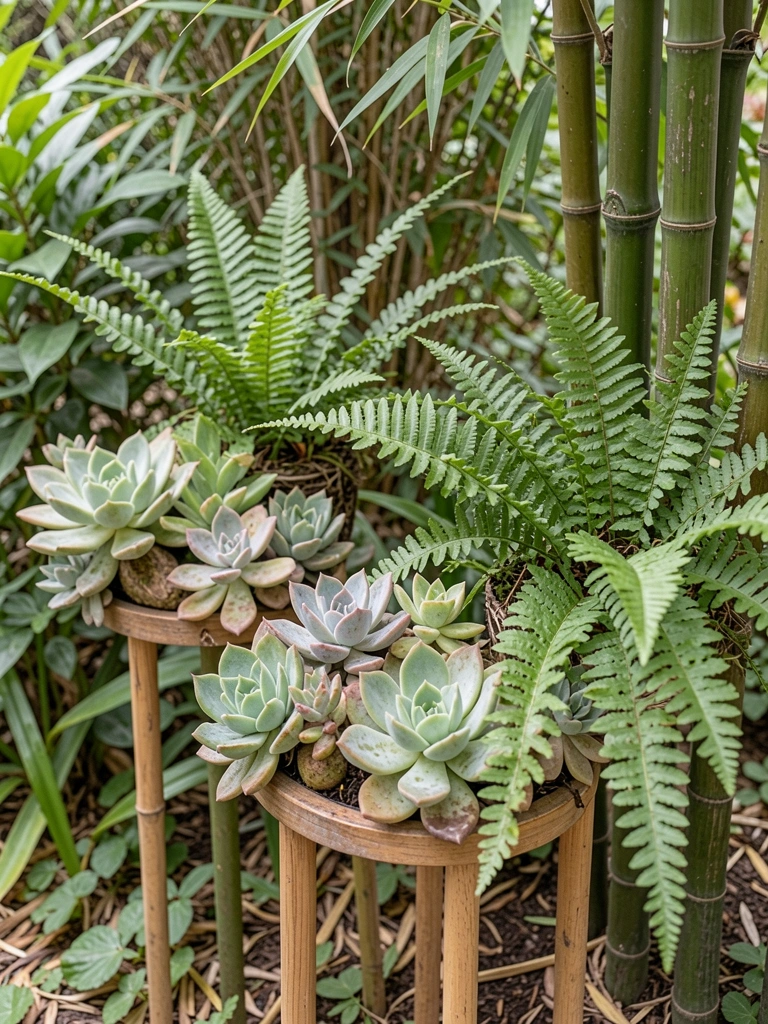
    Now assorted succulents on a metal plant stand. Cluster them low, off-center from the bamboo.

    Layers build depth. Mid-heights fill without crowding. View softens.

    People overlook offsets—group tight, it blocks paths. Space one inch apart.

    Visual change? Greenery flows. Chairs fit easier now.

    Step 4: Hang Trailing Plants for Movement

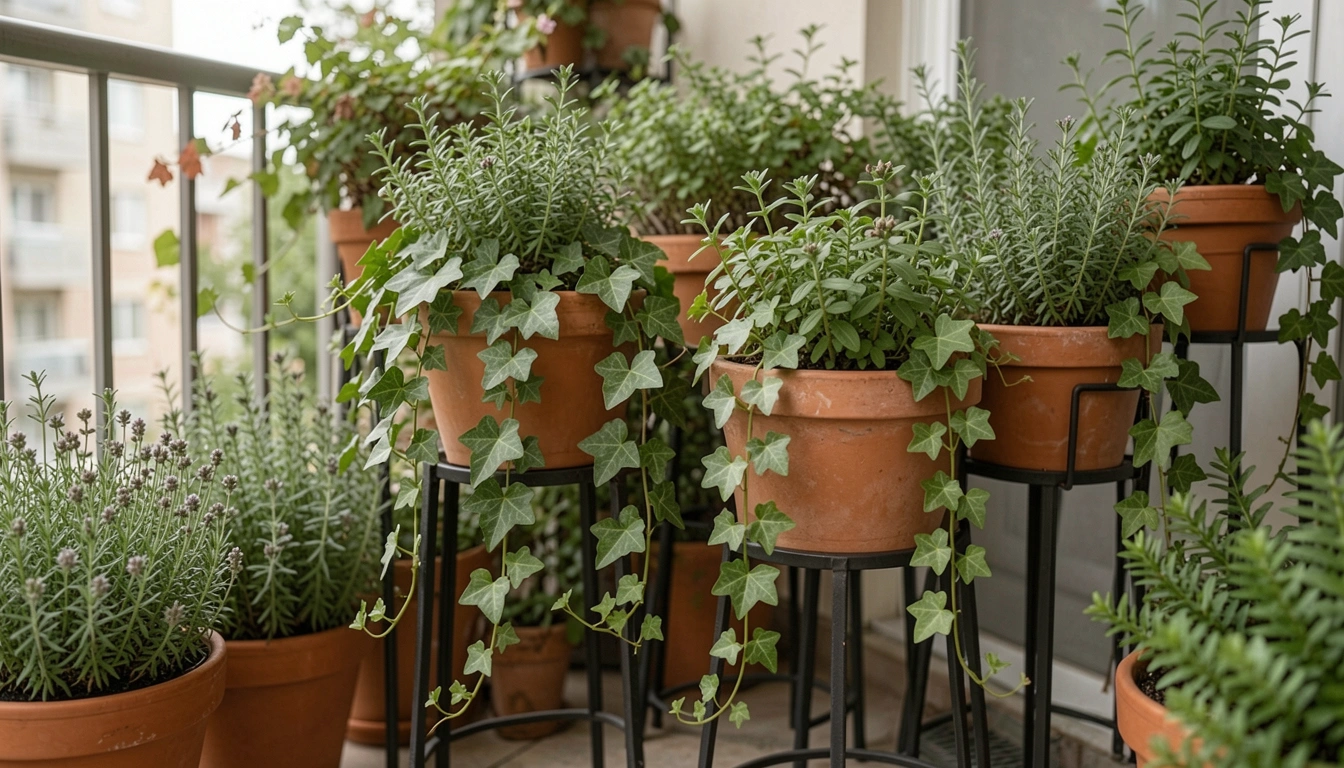
    I hook up a hanging basket with trailing ivy. One over the table edge.

    Trails add swing. Softens hard lines. Pulls light down.

    Insight: Hooks high—trails frame, don't tangle feet. Avoid low hangs.

    Patio warms. Feels lived-in.

    Step 5: Fill Edges with Ground-Level Pots

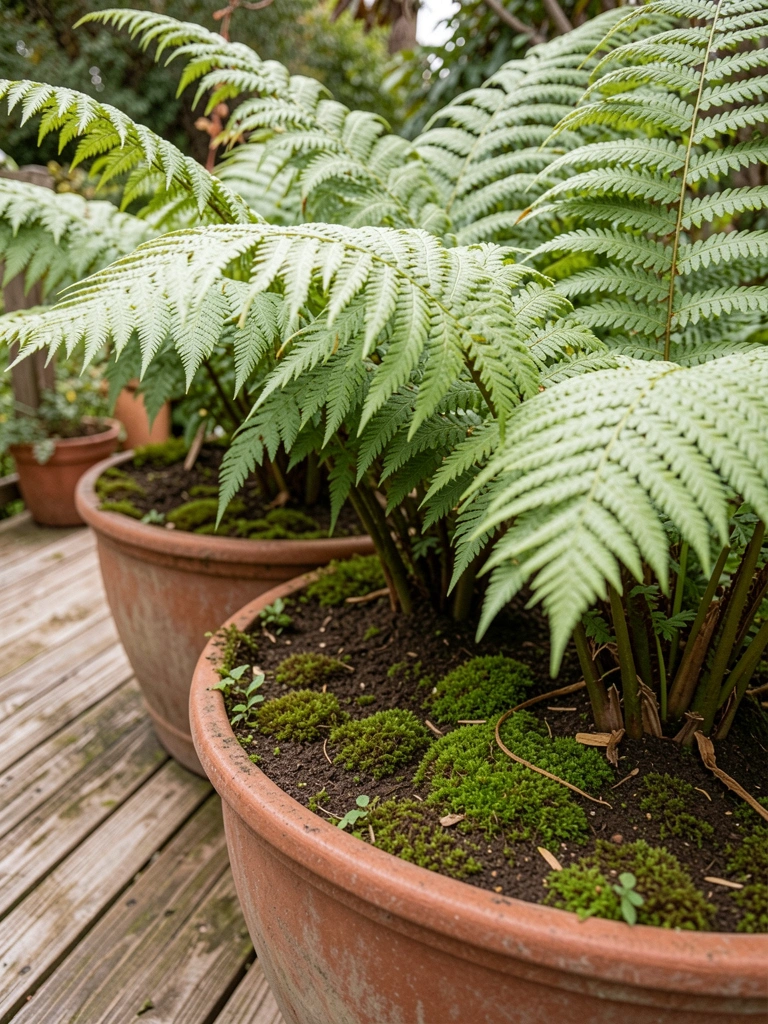
    Last, fiberglass self-watering planter with fern along the wall. Mirror on opposite side.

    Edges frame it in. Ties layers. Balance holds.

    Miss: Even spacing—stagger for flow. Don't line up like soldiers.

    Now it's cozy. Sit and breathe.

    Choosing Plants That Thrive in Small Patios

    Small patios mean shade and wind. I pick tough ones.

    Go for ivy or ferns—they trail without fuss. Bamboo holds height steady.

    • Ivy: Drapes easy, low water.
    • Succulents: Dry-tolerant, clean lines.
    • Ferns: Softens corners.

    They settle fast. No daily checks.

    Arranging for Balance and Flow

    Balance comes from odd numbers. Three pots beat two.

    Offset tall from short. Leave paths clear.

    • Tall back, low front.
    • Hang above, not over seats.
    • Textures mix: spiky with soft.

    Walk through. Adjust one inch. Flows right.

    Handling Common Patio Pitfalls

    Crowding kills it. I pull back half my first tries.

    Overwatering drowns roots. Feel soil—dry on top.

    • Check light daily first week.
    • Trim trails before tangle.
    • Winter: Cluster pots indoors.

    Fixes keep it comfortable year-round.

    Final Thoughts

    Start with that one tall plant. Build slow.

    Your patio will feel right. Not perfect, just balanced.

    Mine hosts coffee now. Yours can too. Grab a pot. See what happens.

  • How To Create A Small Patio Garden

    How To Create A Small Patio Garden

    I stared at my concrete patio last spring. Bare slabs, a table, some chairs. It felt flat, unused. Like a room missing its soul.

    I'd tried pots before. They crowded the edges or wilted fast. Nothing settled right.

    Then I stepped back. Started simple. Now it holds together, even on windy days.

    How To Create A Small Patio Garden

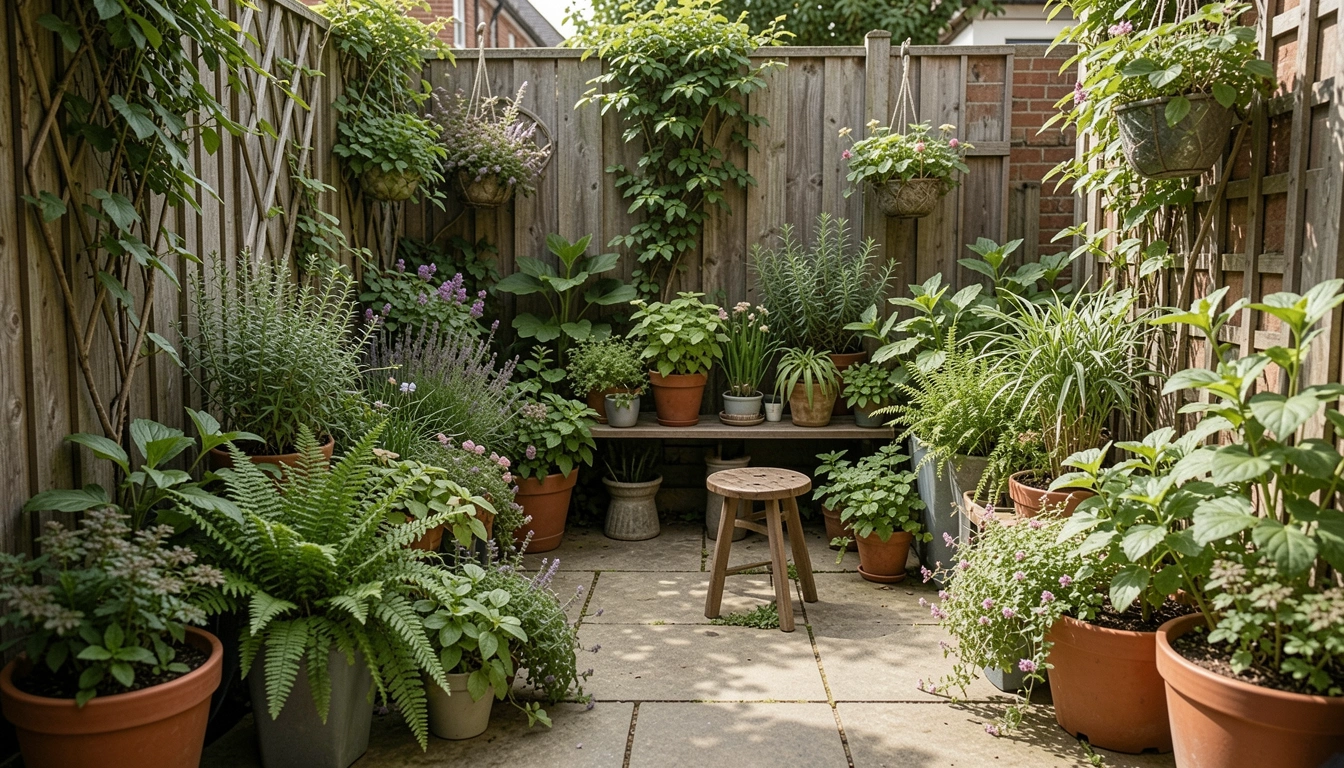
    This is how I turn a plain patio into a comfortable spot. You'll end up with balanced containers, layered plants, and open walking space. It works in tight corners.

    What You’ll Need

    Step 1: Clear and Measure Your Patio Floor

    I walk my patio first. Sweep leaves, move furniture to one side. Measure the open floor—mine's 8 by 10 feet.

    This gives breathing room. The space feels larger already. Without it, pots fight the table.

    People miss how light changes here. Morning sun hits one corner hard—note that. Don't cram tall pots there yet. Skip stacking extras against walls; it blocks flow.

    Now the floor waits, calm.
    Step 2: Place Containers for Balance

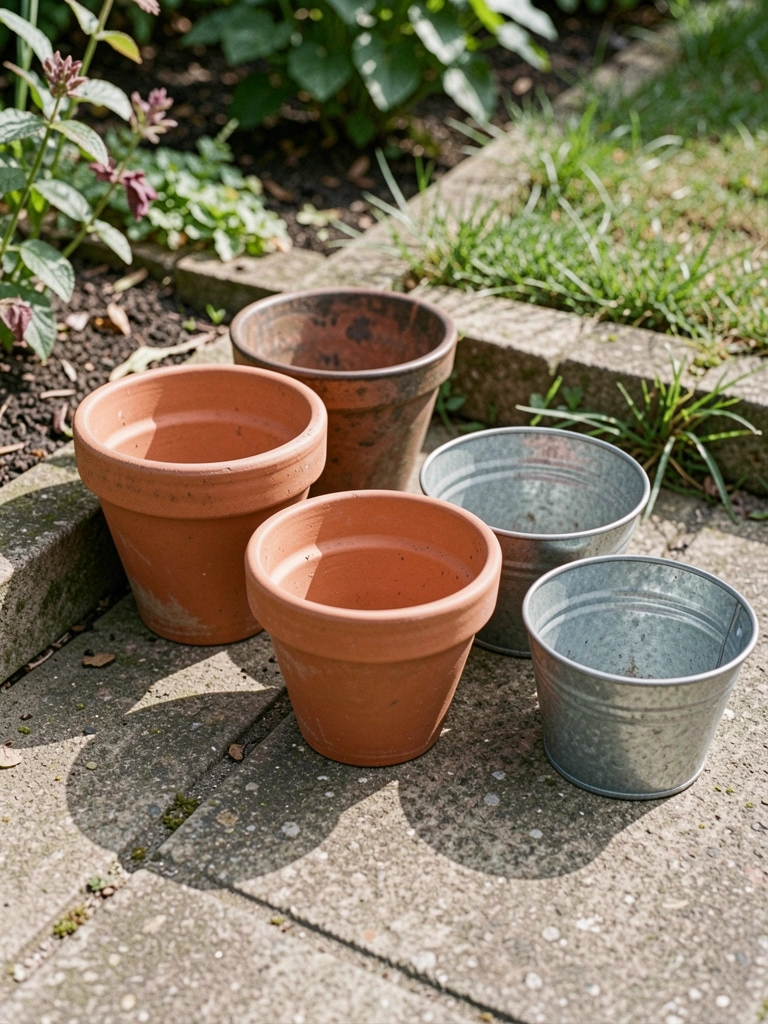
    I grab my pots. Set three terracotta ones in a loose triangle—one near the door, two by the seating. Add metal planters at knee height.

    It creates anchors. The patio pulls together visually, no dead zones.

    Most forget height variation. Low baskets balance tall pots—avoids top-heaviness. Don't line them up like soldiers; cluster for comfort.

    Step back. Walk through. Adjust one inch at a time.

    Step 3: Layer in Soil and Gravel Base

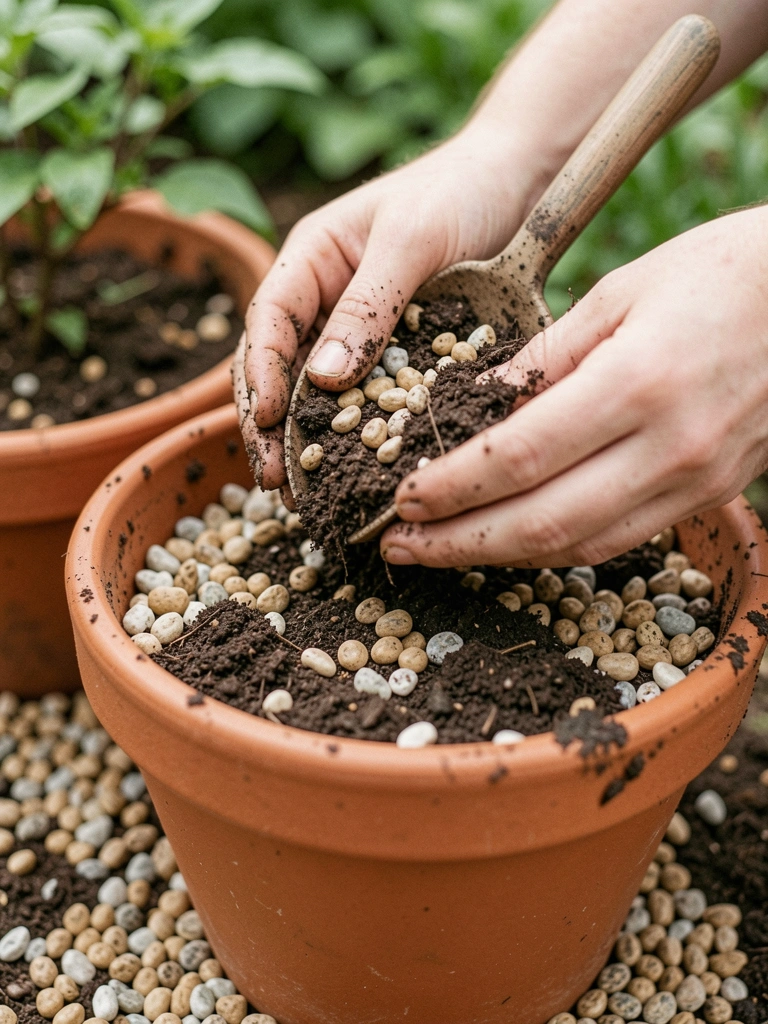
    I fill pots halfway with soil. Top with gravel for drainage—keeps roots happy.

    Colors warm up. Gravel catches light, ties to the floor.

    The insight? Gravel prevents rot in rain. Skip it, and plants slump. Don't overfill; leave space for roots to settle.

    Pots look ready now, grounded.

    Step 4: Plant for Height and Spill

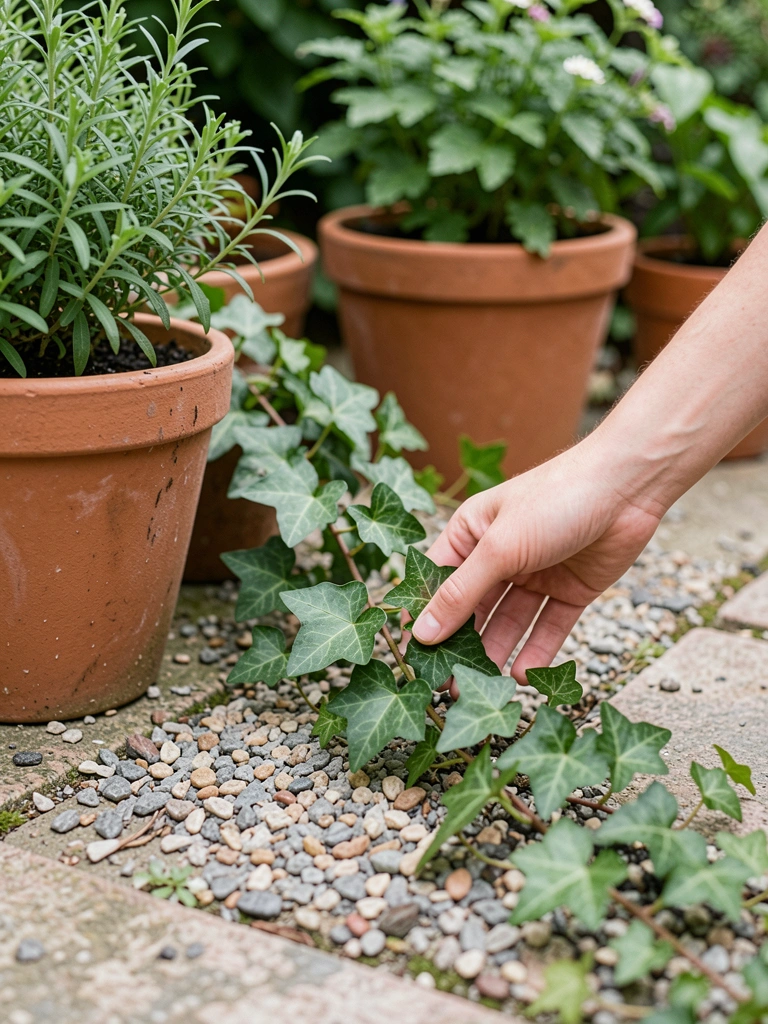
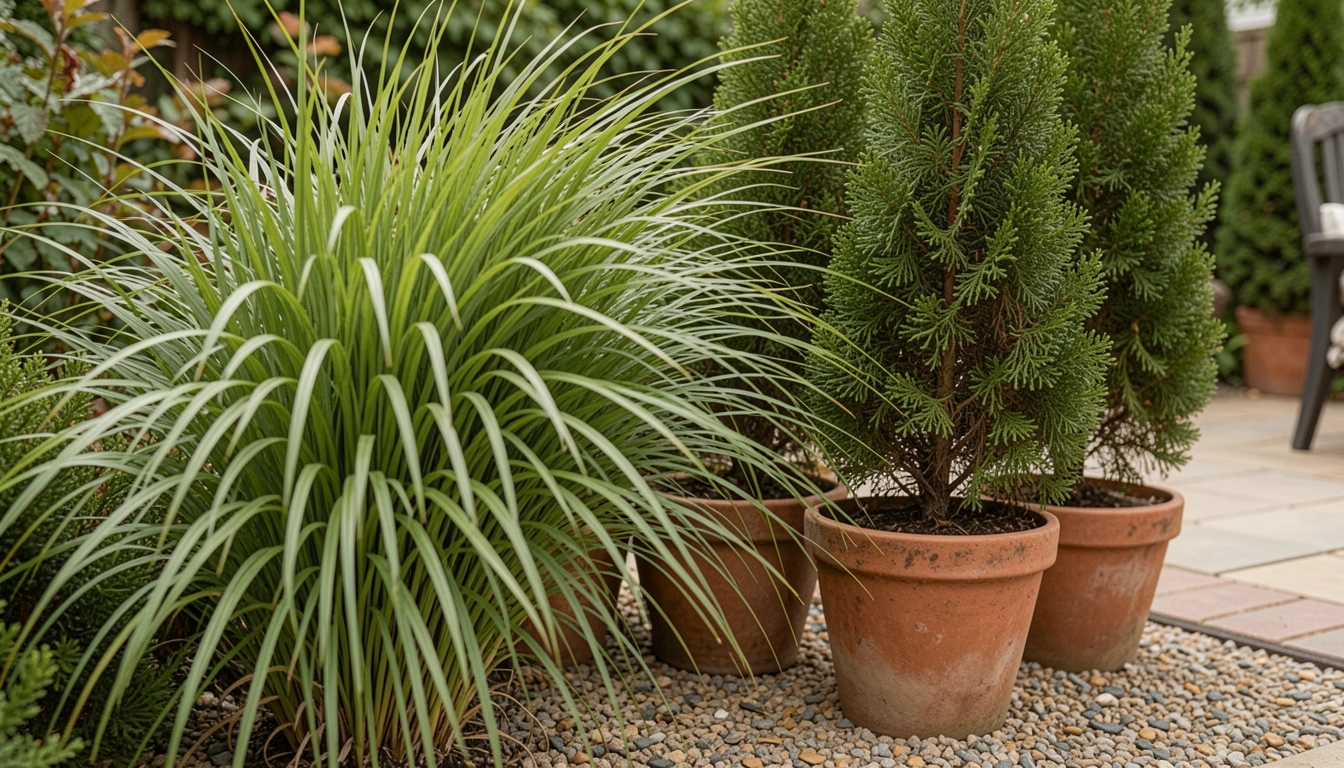
    I plant grasses tallest in back pots. Lavender mid-height. Let ivy trail over edges.

    Layers build depth. Space reads full but open—chair legs clear.

    Folks overlook spill-over plants. They soften hard edges. Avoid all uprights; it stiffens the feel.

    Water gently. Watch it settle.

    Step 5: Step Back and Tweak Flow

    I sit with coffee. Walk the path again. Nudge a pot left, trim a stray leaf.

    Flow emerges. Nothing blocks steps; eyes move easy.

    Common miss: ignoring your habits. Plant where you brush past? Trim low. Don't fixate on symmetry—nature isn't.

    It holds now, day or night.

    Choosing Plants for Your Patio

    I pick plants that fit my light and care level. Full sun gets lavender and grasses. Shade corners take ferns.

    Heights matter. Tall in back, trailers in front. Colors stay soft—greens, silvers.

    • Lavender: Fragrant, bee-friendly, drought-tough.
    • Ivy: Fills gaps, year-round green.
    • Grasses: Sways in breeze, low fuss.

    Mix three types max. Overdo varieties, it clutters.

    Simple Maintenance Routine

    I check weekly. Water when top soil dries—finger test.

    Deadhead flowers. Snip spent grass blades.

    • Spring: Fresh soil top-up.
    • Fall: Mulch bases for winter.

    Patios dry fast. Mist leaves on hot days. Skip chemicals; bugs balance out.

    Handling Seasons in a Small Space

    Summer fills out lush. I shear back midsummer for air.

    Winter: Swap tender plants indoors. Grasses stay, add structure.

    Evergreens anchor year-round. Empty pots? Tuck bulbs inside for spring surprise.

    Pot up small. Scale matches the patio.

    Final Thoughts

    Start with two pots if five feels much. Mine grew that way.

    You'll see it shift—more inviting sits.

    Patios like this pull you outside. Just keep tweaking as you live in it.

  • 15 Patio Herb Garden Ideas For Fresh Cooking Space

    15 Patio Herb Garden Ideas For Fresh Cooking Space

    I still get a kick out of brushing past rosemary on my way to the grill, that piney smell hitting me every time. My patio wasn't always like that—early on, I crammed too many pots in one corner, and nothing thrived.

    Then I spread things out, matched plants to spots, and suddenly cooking felt easier. Fresh snips right there, no wilting store bundles.

    These setups grew from my own stumbles and wins. They fit real patios, not magazines.

    15 Patio Herb Garden Ideas For Fresh Cooking Space

    These 15 patio herb garden ideas pull from my hands-in-the-dirt years. Each one works in tight spaces, delivers for cooking, and feels right at home. You'll see exactly what to try.

    1. Layered Container Planting That Makes a Patio Feel Full

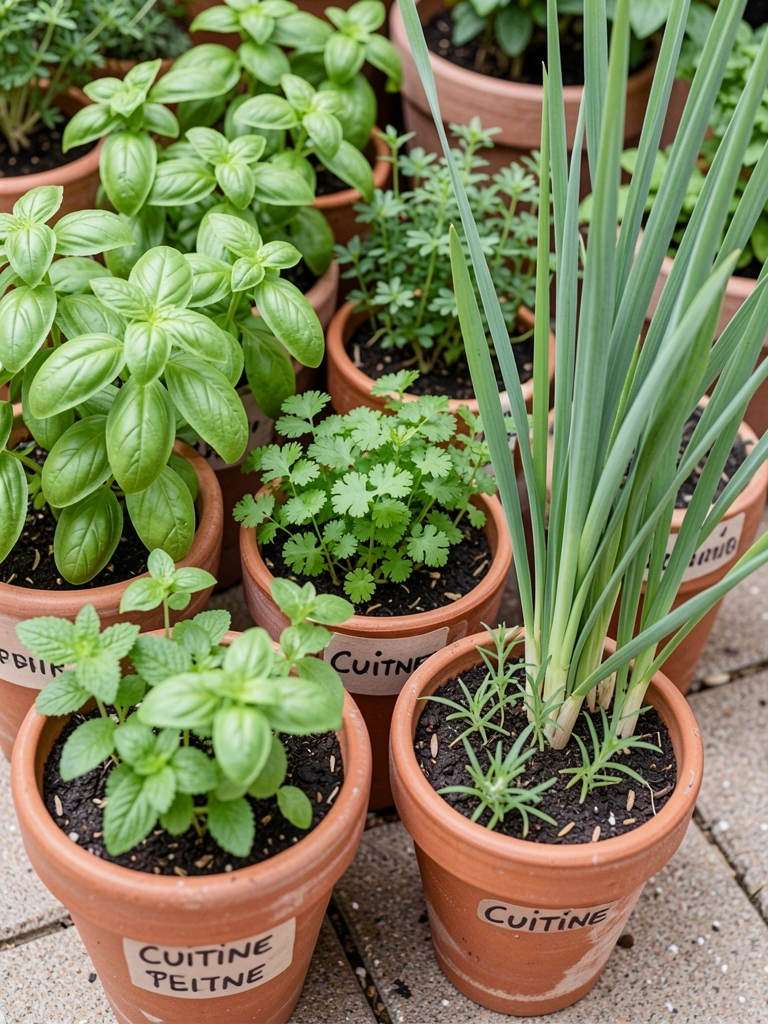
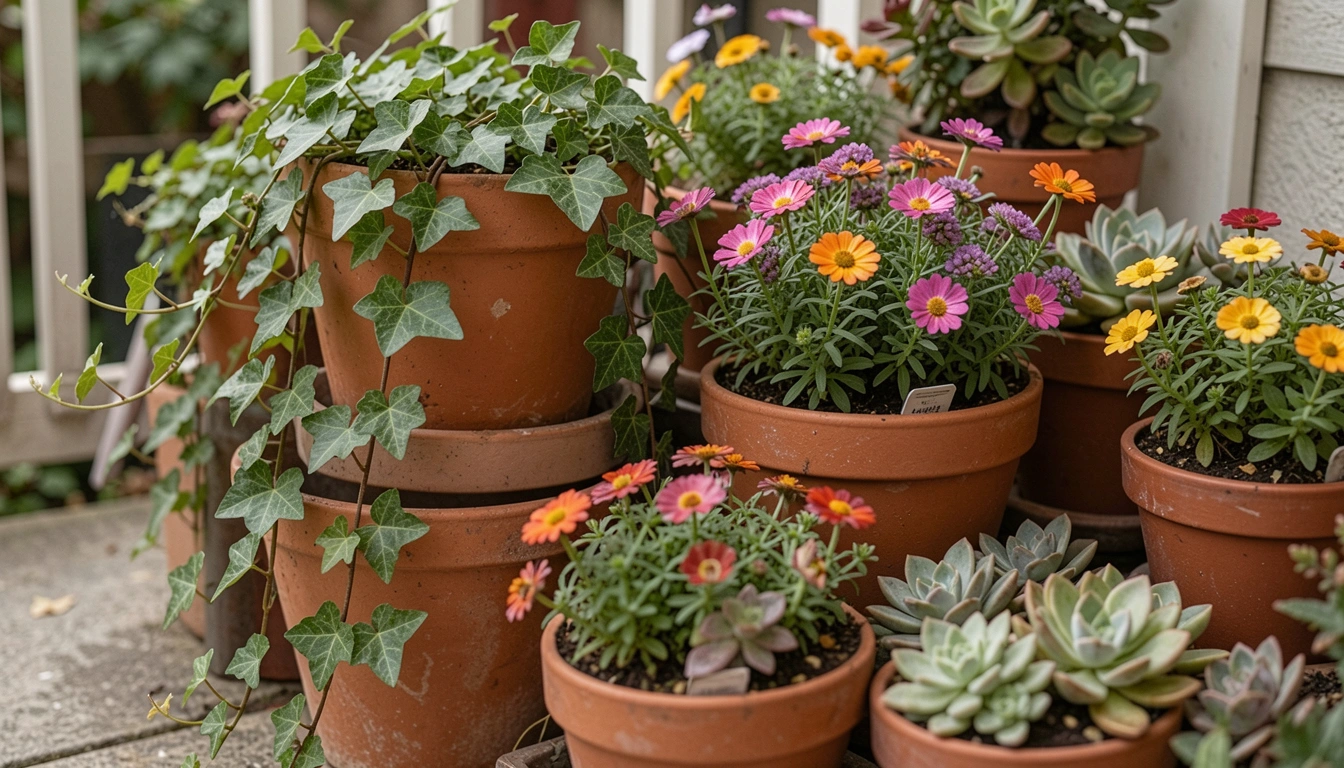
    I started layering pots on my back step because one level looked sparse. Stacked three high with basil at eye level, parsley below, chives tucked in back. It fills the view without eating floor space.

    The key? Heavier pots at the bottom so nothing tips. My first try wobbled until I wedged bricks underneath. Now it feels abundant, like a mini farm. Snip basil tops daily; they bush out thick.

    Visually, the heights draw your eye up, making the patio cozy. Emotionally, it's satisfying—reach for what you need without hunting.

    Pay attention to drainage; group saucers to catch runoff. In rain, it stays neat.

    What You’ll Need for This Look

    2. Vertical Herb Wall for Tight Patios

    My patio's narrow, so I bolted a wooden pallet to the fence and stuffed it with herbs. Mint climbs fast up top, oregano drapes middle, thyme fills bottom pockets. Freed up the whole floor.

    I learned the hard way—skip soil-less felt pockets; they dry out. Real dirt holds moisture better. Now it's lush green against brick, soft to touch.

    Harvesting feels easy; everything's at arm height. The wall blocks wind too, so plants stay sturdy.

    Watch sun patterns—shade-lovers like mint low, sun-hogs high. Mistake fixed: rotate seasonally.

    What You’ll Need for This Look

    3. Hanging Baskets Swinging with Basil and Mint

    I hung baskets from my railing for basil and mint—they swing gentle in breeze, brushing my legs when I cook. Started with cheap plastic; they cracked in sun. Switched to lined wire ones.

    The motion keeps pests off, and roots don't tangle. Visually, they soften hard edges, add green movement.

    Emotionally, it's joyful—pluck leaves mid-stir-fry. They catch morning light, glow soft.

    Tip: Water from bottom to avoid drips on guests. Chain length matters; too long, they tangle.

    What You’ll Need for This Look

    4. Rolling Herb Cart Right by the Grill

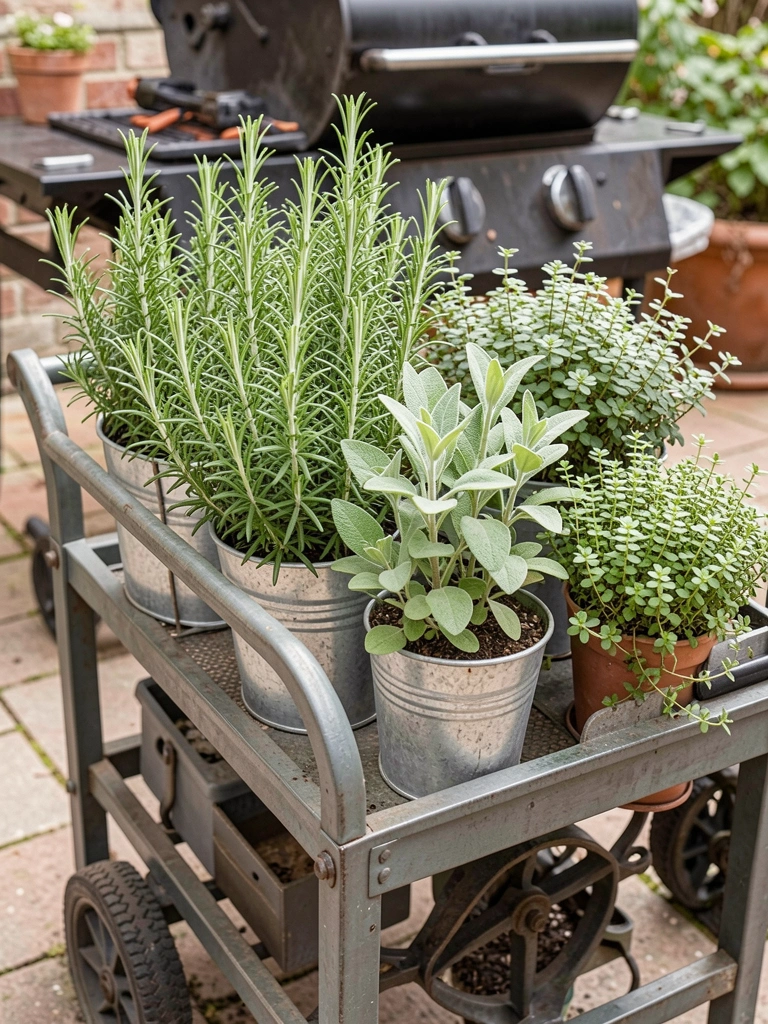
    Wheeled my old market cart next to the grill—rosemary, sage, thyme ride along. Roll it in for winter, out for sun. Saved my back from lugging pots.

    First summer, I overloaded; wheels stuck. Lightened it, added casters. Now it's handy for chops.

    Feels intentional, like a chef's station. Herbs pick up smoky scent, taste better grilled.

    Position for easy reach—test with a meal first.

    What You’ll Need for This Look

    5. Tiered Stands Bursting with Oregano and Thyme

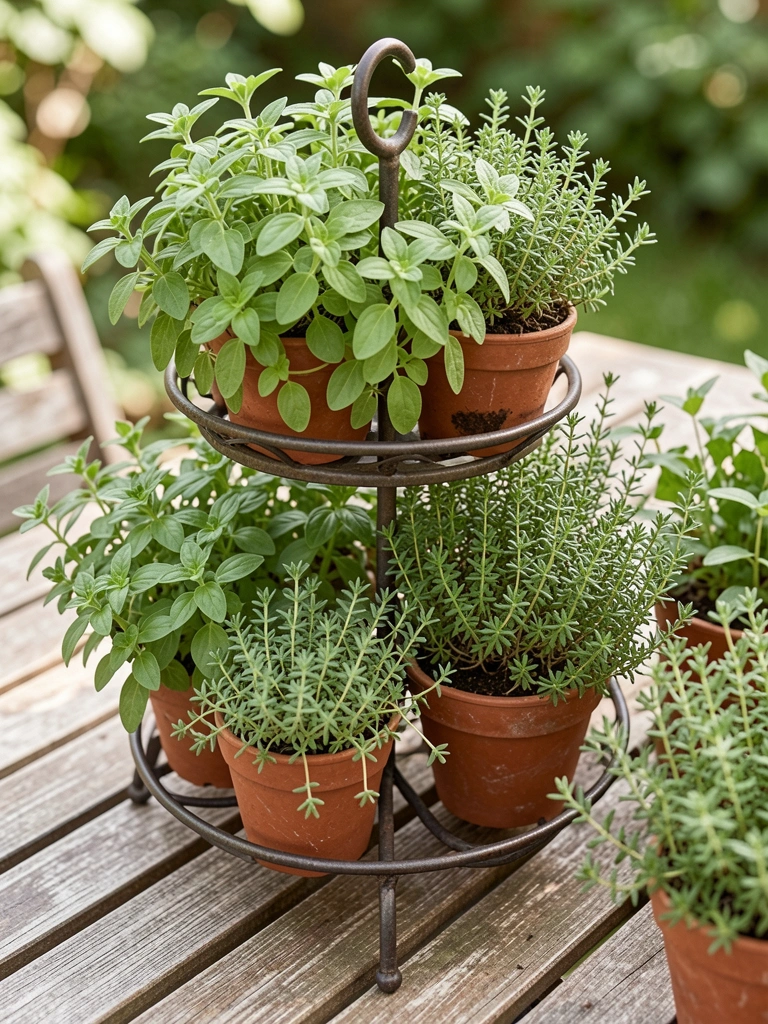
    A rusty tiered stand holds my oregano, thyme, marjoram—each shelf its own world. Compact for table's edge, but punches above weight visually.

    I planted too close once; they fought for light. Spaced now, they mound soft. Warm earth tones blend with patio stone.

    Snipping tops keeps them tidy, flavors sharp for sauces. Feels comforting, like non-stop supply.

    Anchor base heavy; wind tips light ones.

    What You’ll Need for This Look

    6. Self-Watering Pots That Save My Mornings

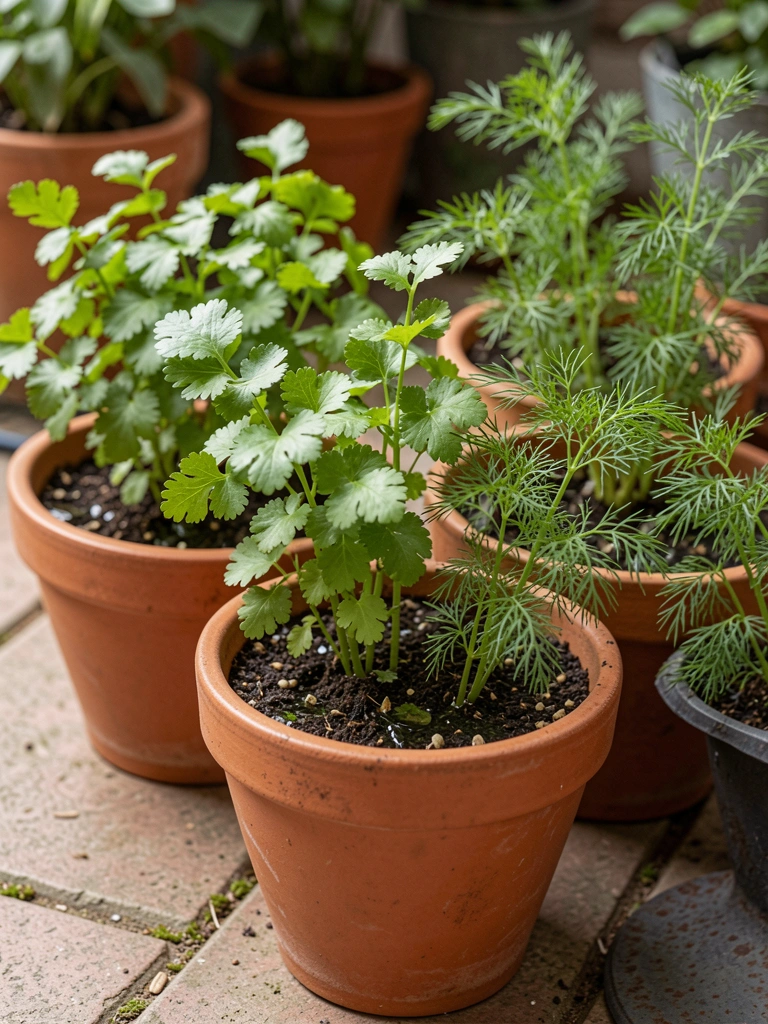
    Self-watering pots for cilantro and dill changed my routine—no daily checks. Fill reservoir weekly; wicks do the rest. Perfect for forgetful mornings.

    Tried cheap ones; leaked. These hold steady. Plants stay even green, no wilt.

    Feels reliable, less stress. Roots drink deep, flavors punchy.

    Empty reservoirs monthly to flush salts.

    What You’ll Need for This Look

    7. Pallet Lean-To Packed with Parsley

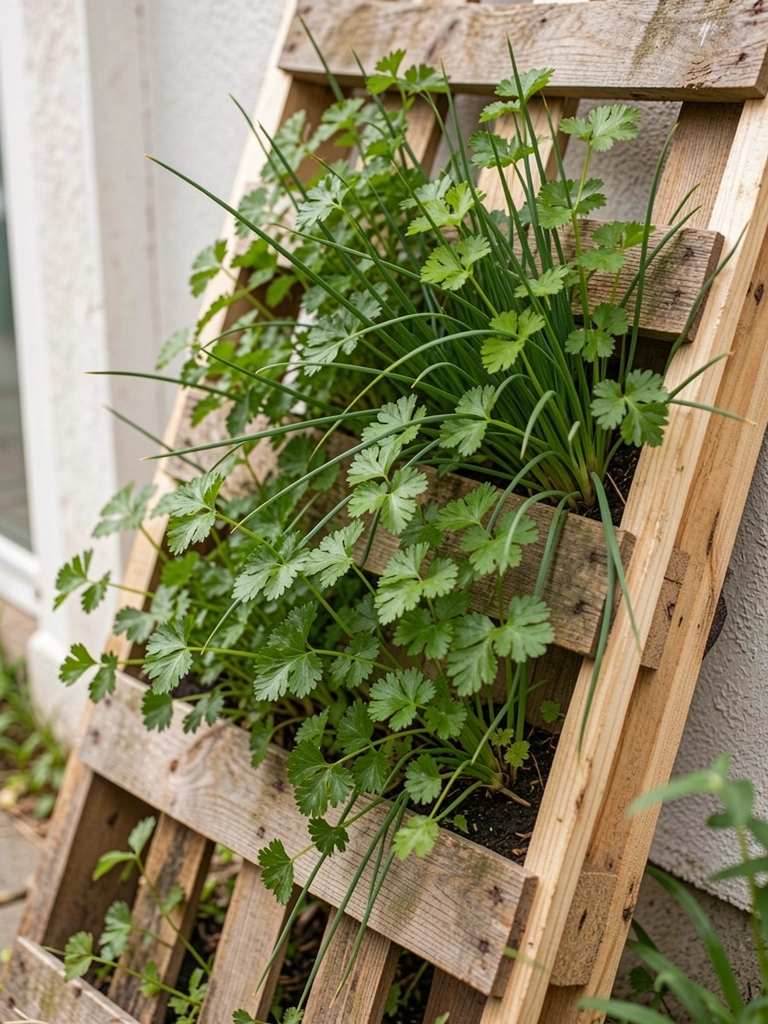
    Leaned a pallet against the wall for parsley and chives—slats hold pots snug. Cheap, rustic look fits my vibe.

    Overfilled first; soil spilled. Lined with landscape fabric now. Grows thick, easy pick.

    Softens blank wall, invites touch. Herbs curl gentle over edges.

    Secure top to wall; lean alone shifts.

    What You’ll Need for This Look

    8. Cozy Corner Trio in Mismatched Pots

    Mismatched pots in the corner—lavender, lemon balm, tarragon—feel collected over time. No matchy sets; real charm.

    Bought wrong soil once; too rich. Potting mix fixed it. Now they lean into each other.

    Cozy nook for quiet snips, scents mingle soft. Warms the spot.

    Mix heights for balance; eye travels natural.

    What You’ll Need for This Look

    9. Modern Rail Planters Along the Edge

    Slim rail planters run my edge—rosemary and sage in line. Clean lines, no clutter.

    Clips slipped first rain; magnetic ones grip. Herbs trail neat, frame the view.

    Feels modern yet touchable. Handy for rubs before meat hits grill.

    Level rails first; uneven tilts.

    What You’ll Need for This Look

    10. Herb Spiral in a Sunny Spot

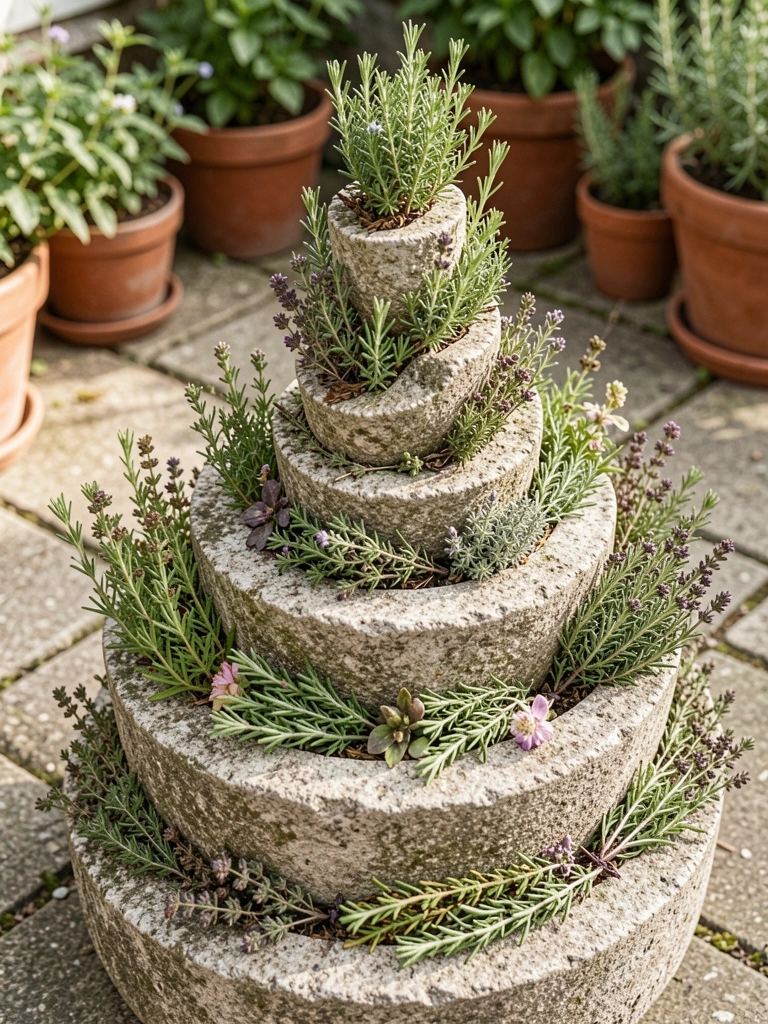
    Built a low stone spiral—dry herbs center, wet ones outer. Fits round table spot perfect.

    Too steep first build; tumbled. Gentler curve holds. Microclimates make it thrive.

    Spiral pulls you in, feels alive. Cooking picks vary by arm reach.

    Use gravel base for drain.

    What You’ll Need for This Look

    11. Upcycled Crate Stack for Chives and Dill

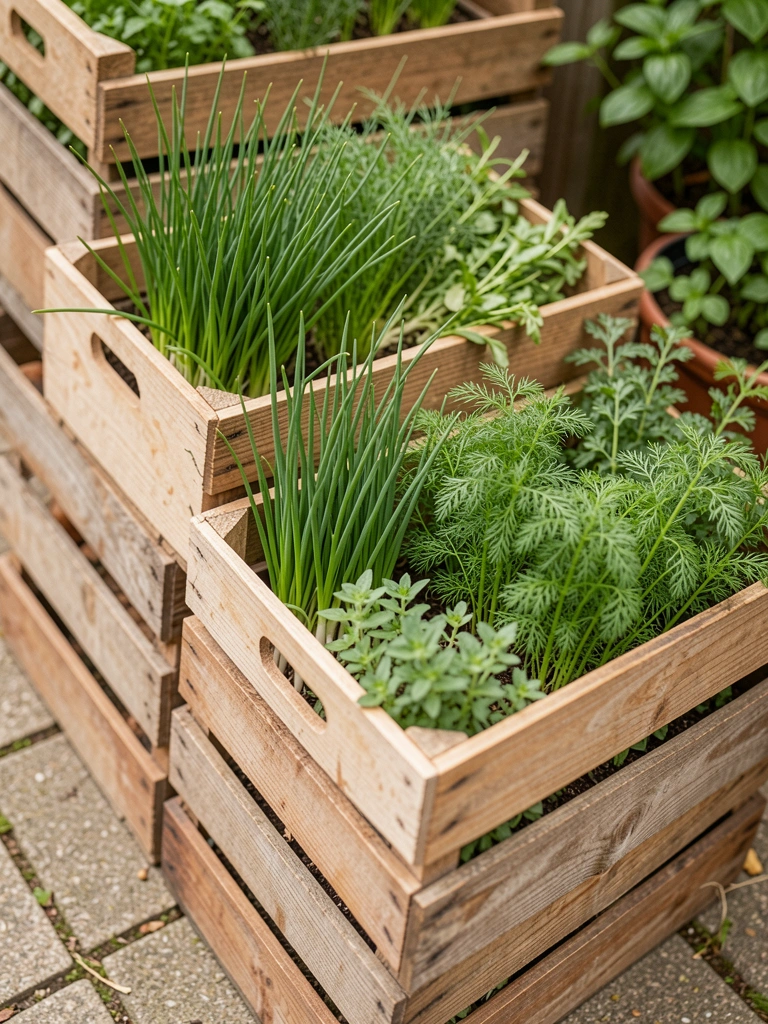
    Stacked old crates for chives and dill—line with plastic, fill soil. Free, sturdy height.

    Forgot lining; rotted fast. Now lasts years. Feels resourceful, patina warms up.

    Easy lift for clean under. Flavors fresh for salads.

    Stack odd numbers; looks balanced.

    What You’ll Need for This Look

    12. Low-Ledge Windowsill Style on Patio Walls

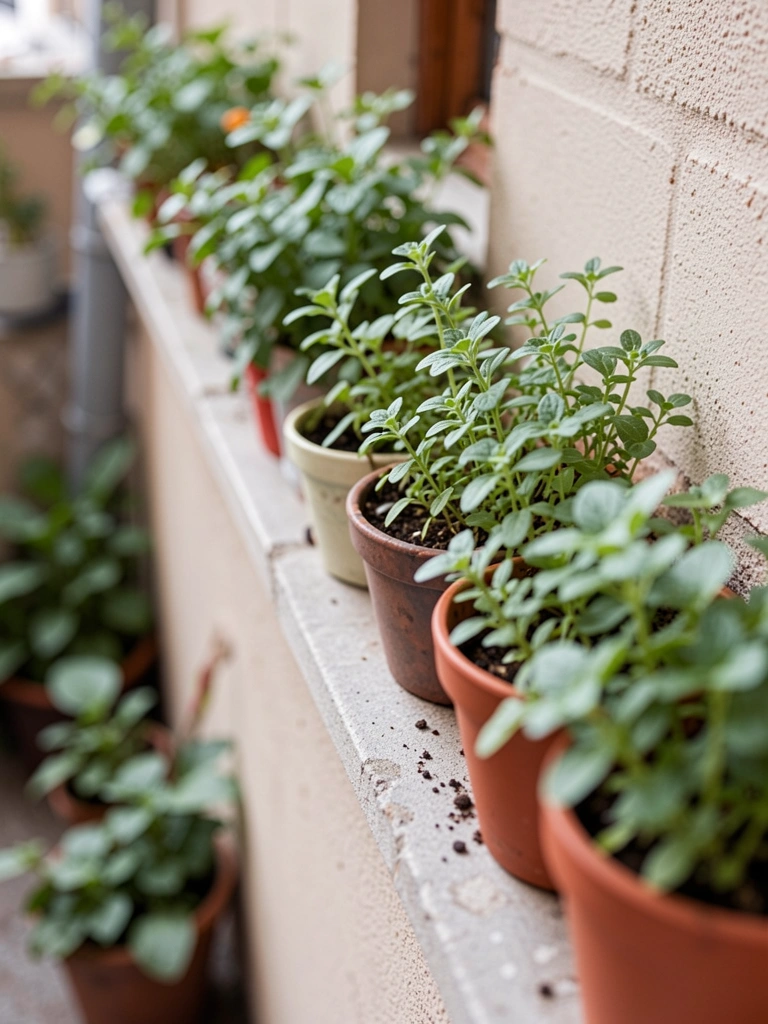
    Narrow ledge got small pots—basil front, taller back. Windowsill feel outdoors.

    Overhung edge once; added lip. Secure, productive strip.

    Frames cooking view, green line horizon. Snips tumble right into pan.

    Anchor pots; bump-proof.

    What You’ll Need for This Look

    13. Night-Glow Herbs with Solar Lights

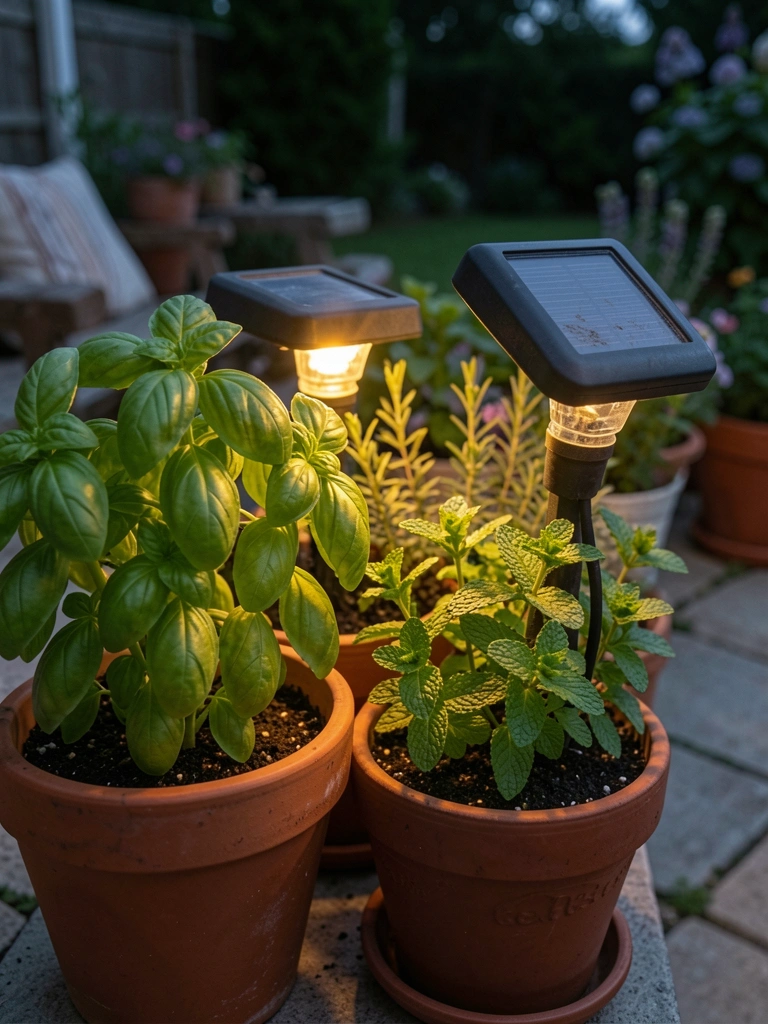
    Solar stakes light my basil and mint pots at night—soft glow for late cooks.

    Wrong angle first; no charge. South-facing now. Herbs safe from dark mishaps.

    Extends patio life, warm invite. Lights off by dawn.

    Stake deep; steady.

    What You’ll Need for This Look

    14. Cuisine-Zoned Pots: Italian, Mexican, Asian

    Zoned pots by meal—Italian basil/oregano, Mexican cilantro, Asian lemongrass. Logical grabs.

    Mixed once; flavors crossed. Separate now. Tailored taste hits.

    Feels organized, cooking flows. Colors pop by group.

    Label subtle; chalk tags.

    What You’ll Need for This Look

    15. Mobile Wagon for Seasonal Shifts

    Old wagon hauls seasonal herbs—summer basil out, winter parsley in. Moves with sun.

    Wheels rusted; greased up. Flexible, no replants.

    Adapts real weather, always fresh. Pulls to door easy.

    Drain holes in base.

    What You’ll Need for This Look

    Final Thoughts

    Start with one idea that fits your spot—no need for all 15. My patio evolved slow, picking what clicked.

    You'll mess up a bit, but that's how it grows on you. Fresh herbs close by? That's the win. Grab pots, plant, cook.

  • 7 Apartment Patio Garden Ideas For Small Living

    7 Apartment Patio Garden Ideas For Small Living

    I squeezed my first garden into a 6×8 foot apartment patio. Wind whipped everything over, pots tipped in the rain. Then I started small—pots tucked close, plants that hug walls. Suddenly it felt alive, like a room outdoors. You can too. No big budget, just what fits.

    7 Apartment Patio Garden Ideas For Small Living

    These 7 apartment patio garden ideas come from my own tight spaces. They're forgiving for renters, low-fuss, and pack a lot into little room. Let's get your patio green.

    1. Layered Container Planting That Makes a Patio Feel Full

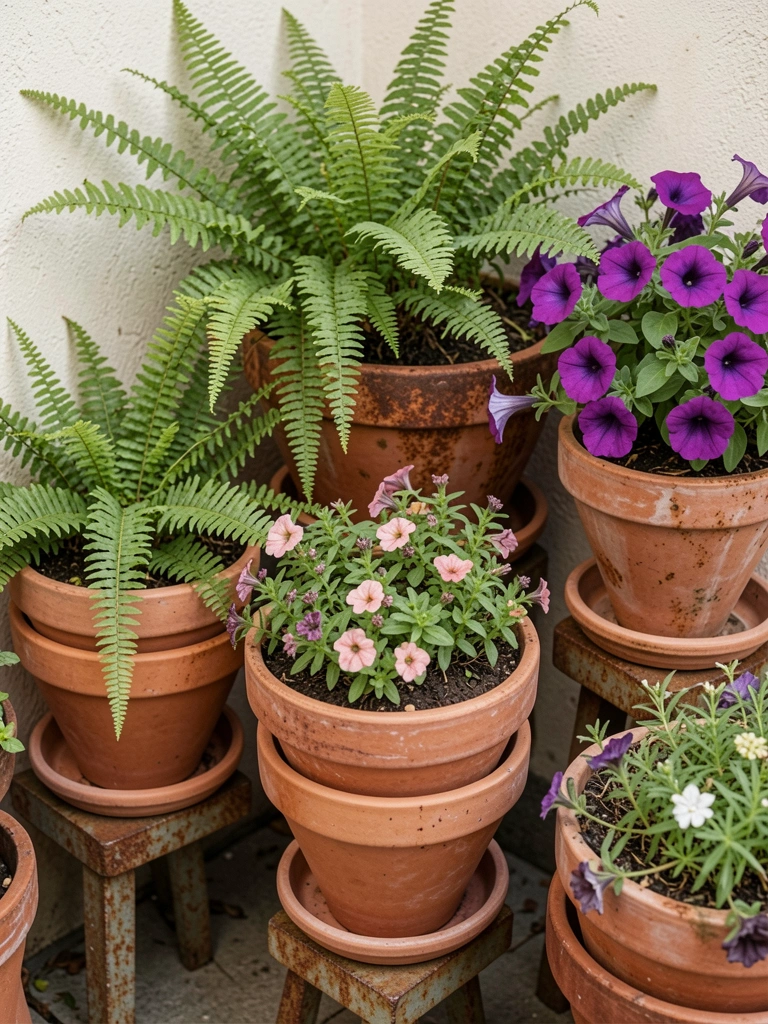
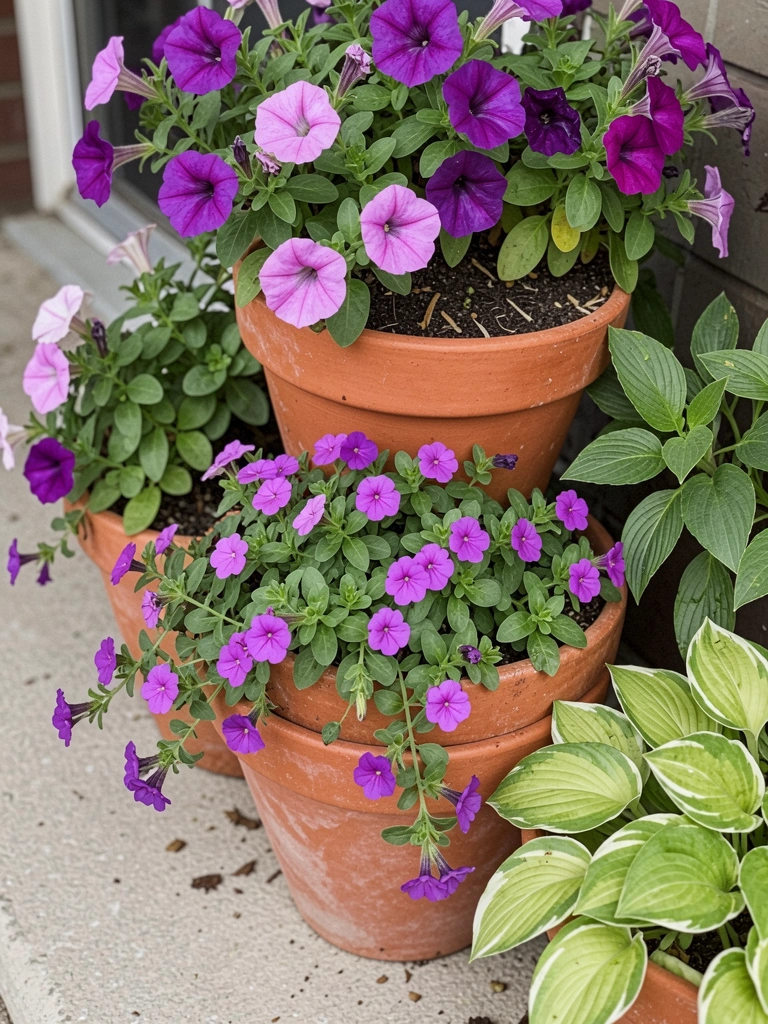
    I stacked three pots on a cheap metal stand in my old balcony. Low ferns at bottom, petunias spilling mid, a upright salvia on top. It tricked the eye—made 4 feet feel deep. The patio went from empty concrete to cozy nook overnight.

    Wind knocked the top one once; I learned to weight bottoms with rocks. Now it sways but stays put. Plants fill air without crowding floor.

    Group odds numbers—three or five—for natural look. Mix heights so nothing hides.

    What You’ll Need for This Look

    Terracotta planter set (12 inch)
    3-tier metal plant stand
    Compact fern plants

    2. Vertical Wall Planters for Zero Floor Space

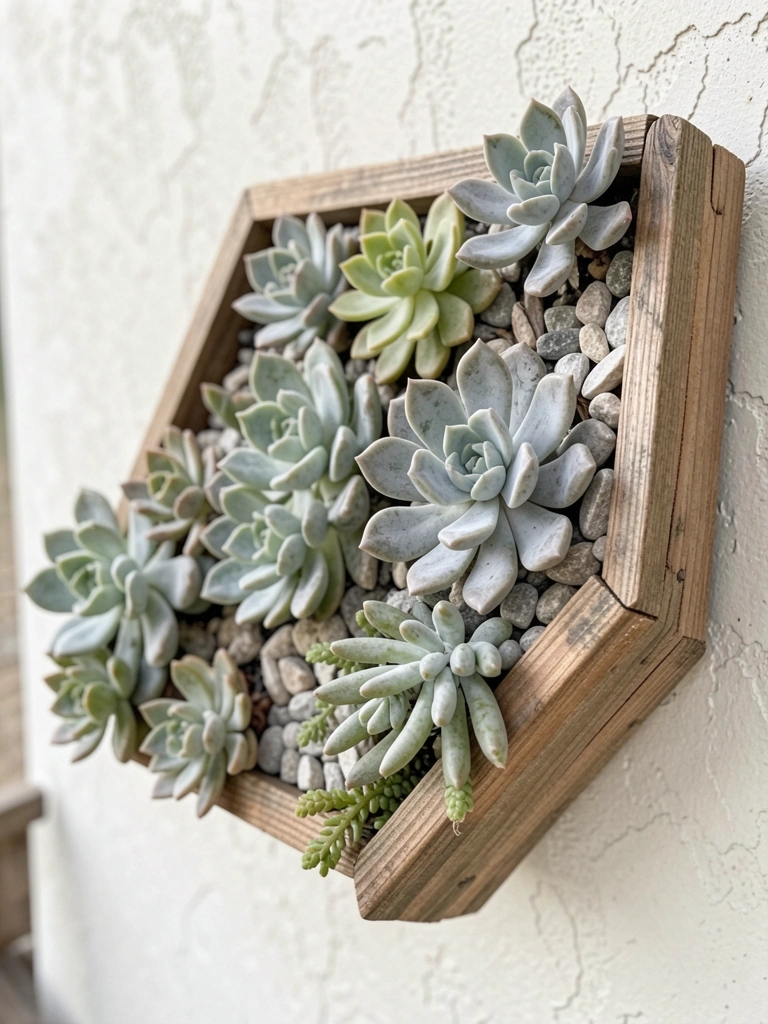
    My patio wall was blank brick till I hung slim planters. Echeveria and sedums tucked in—no floor clutter. It added green height, made the space breathe. Mornings, I'd sip coffee watching dew on leaves.

    I overplanted once; stems flopped. Now I thin yearly, keep air moving. Thrives in full sun, forgets water half the time.

    Screw into studs or use heavy-duty hooks. Face south if you can—sun feeds them.

    What You’ll Need for This Look

    Wooden vertical wall planters
    Outdoor wall hooks (50 lb)
    Echeveria succulent pack

    3. Hanging Basket Cascade Over the Railing

    I hooked baskets off my railing—lobelia tumbling down like a soft curtain. It softened the edge, hid ugly bars. Patio felt wrapped in color, breeze carrying scent.

    Baskets swung wild in gusts at first; I added chain stabilizers. Calms right down.

    Chain three per rail section, mix trailers with uprights. Water from top, let drip feed lowers.

    What You’ll Need for This Look

    10-inch metal hanging baskets
    Railing hanger hooks
    Lobelia trailing plants

    4. Corner Herb Station That Cooks Dinner

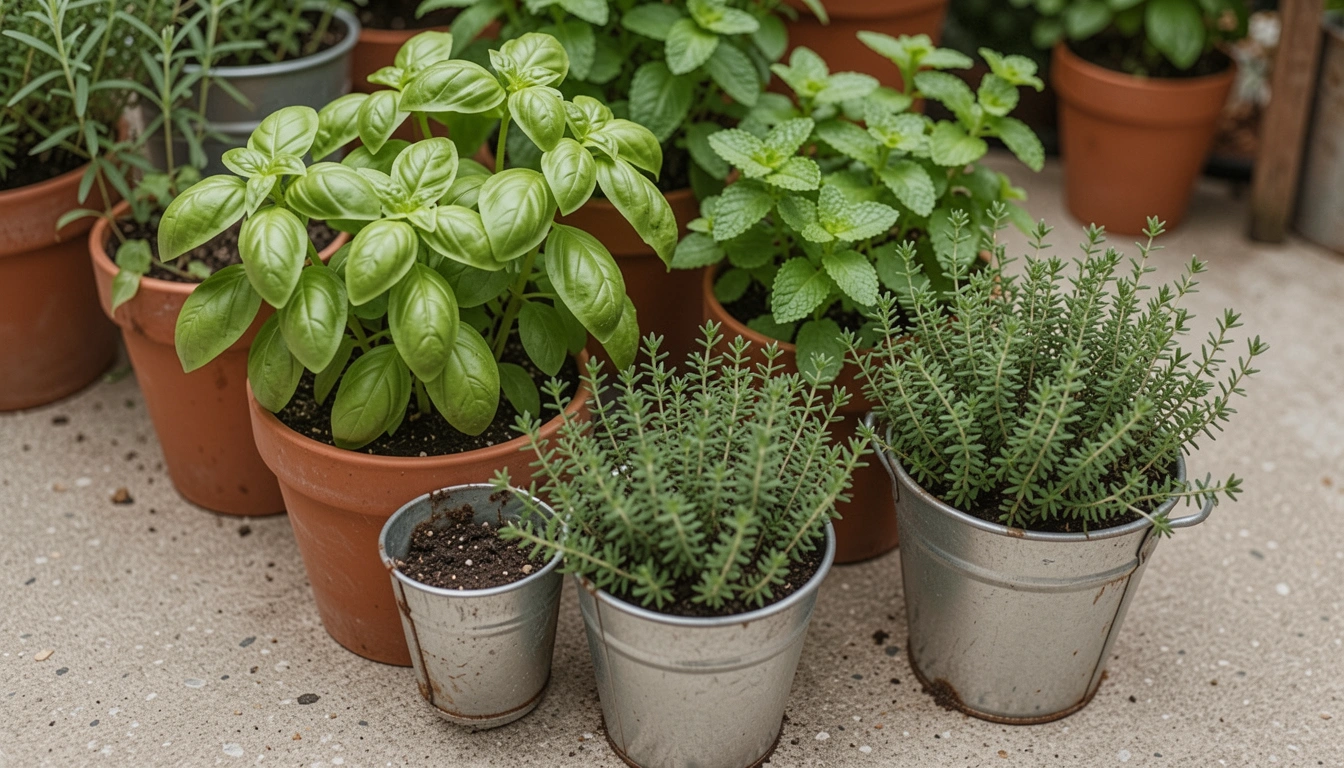
    Tucked herbs on a corner shelf—basil, thyme, mint close to kitchen door. Pinch for pesto, smells fill air. Patio turned useful, not just pretty.

    Mint took over once; I potted solo now. Stays tame.

    Pick perennials over annuals. Sun for basil, shade edge for mint. Snip often—grows bushier.

    What You’ll Need for This Look

    Ceramic herb planter set
    Wood corner shelf (24 inch)
    Basil and thyme starter plants

    5. Succulent Ladder for Instant Texture

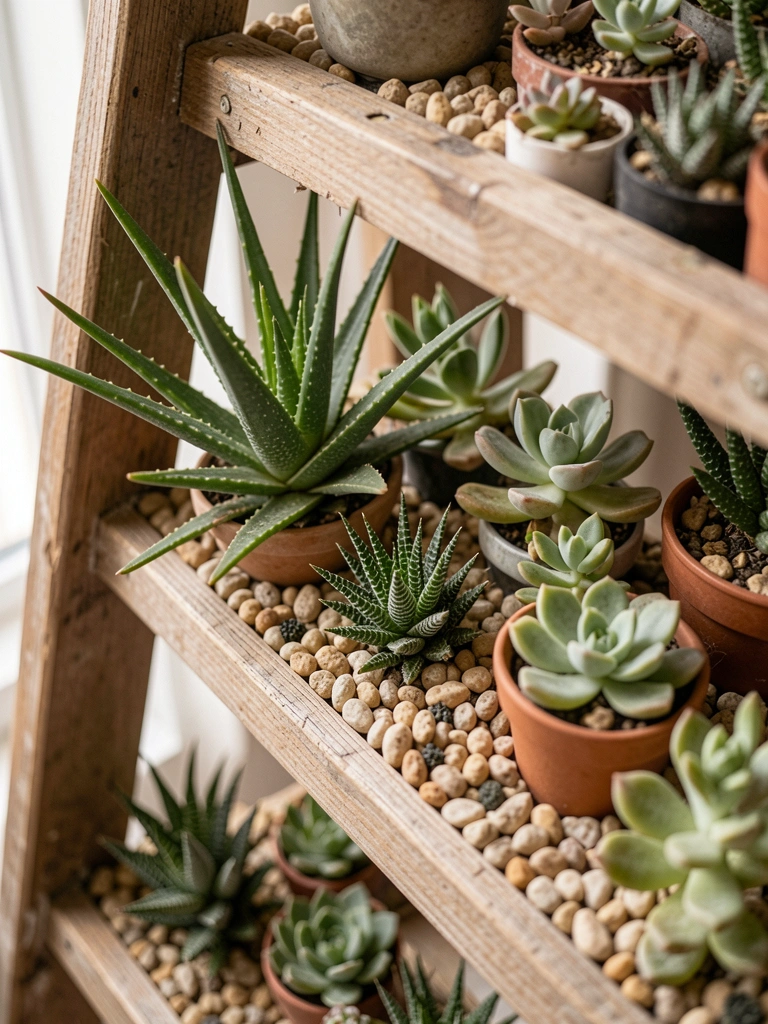
    Leaned an old ladder against wall, potted succulents on rungs. Aloe up high, haworthia low—texture everywhere. Dry look fits patios, no mud mess.

    Forgot water one summer; they hunkered fine. Drought tough.

    Secure ladder base. Group by light needs. Pebbles hide soil.

    What You’ll Need for This Look

    Leaning ladder shelf (5 ft)
    Aloe and haworthia plants
    Pebble mulch bags

    6. Rail-Mounted Troughs for Edible Greens

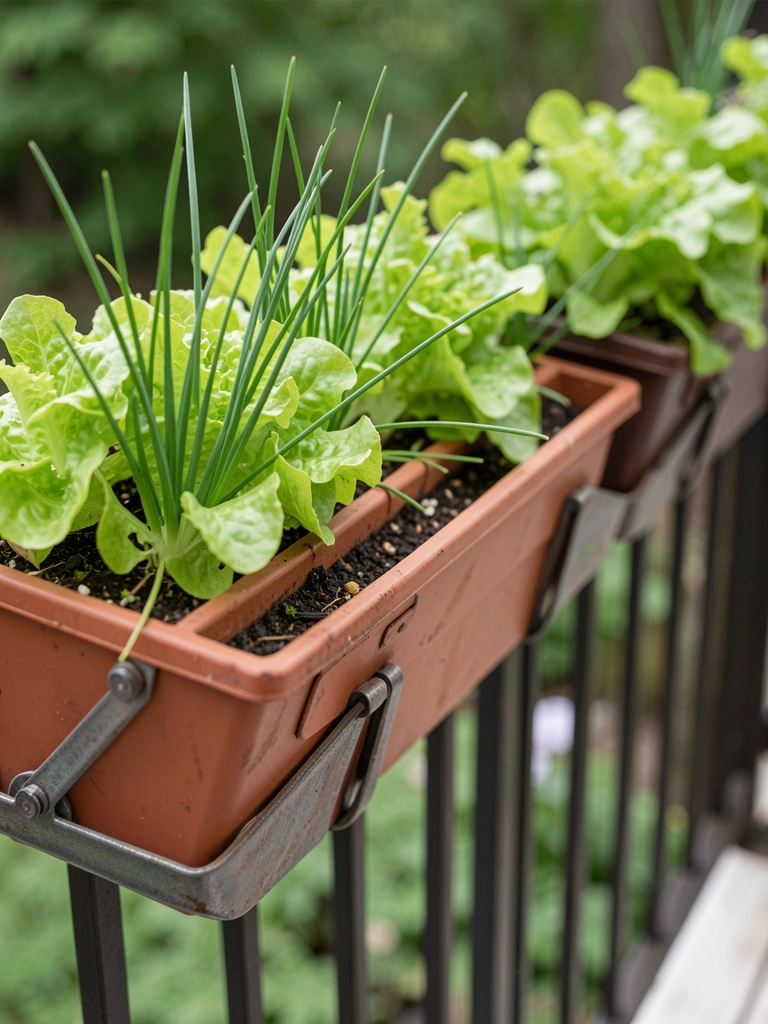
    Clipped long troughs to railing—lettuce, chives growing out. Harvest greens daily, patio feeds us. Slim profile saves floor.

    Over-fertilized once; leaves bitter. Compost tea now, mild taste.

    Level mounts key. Partial shade fine. Succession plant every few weeks.

    What You’ll Need for This Look

    Rail-mount planter troughs (24 inch)
    Lettuce and chive seeds

    7. Soft Glow Planter Lights for Evening Coziness

    Wove solar strings through pansy pots. Evenings light up soft—warm glow on flowers. Patio invites linger, not stark dark.

    Batteries died fast first year; waterproof ones now last.

    Tuck under leaves. Timer models best. Mix with table plants.

    What You’ll Need for This Look

    Woven basket planters (8 inch)
    Solar string lights (warm white)
    Pansy flower plants

    Final Thoughts

    Start with one idea—maybe the herbs if you cook. Your patio builds over time, mistakes and all. It'll feel right soon. You've got this; small spaces grow big heart.

  • 21 Budget Small Patio Garden Ideas For Affordable Style

    21 Budget Small Patio Garden Ideas For Affordable Style

    I squeezed my first garden into a tiny concrete patio, no bigger than a rug. Bare walls stared back. One summer, I piled cheap pots high with whatever grew easy. Suddenly, it breathed.

    That shift hit me—space isn't about size, it's about filling corners right. No fancy budget needed.

    Now my patio wraps around me like an old friend. Here's what worked, straight from the dirt.

    21 Budget Small Patio Garden Ideas For Affordable Style

    These 21 ideas come from my own tight patios over years. All under $50 a pop, using what I grabbed cheap. You'll see exactly what to plant and buy. Pick one, start small—you got this.

    1. Layered Container Planting That Makes a Patio Feel Full

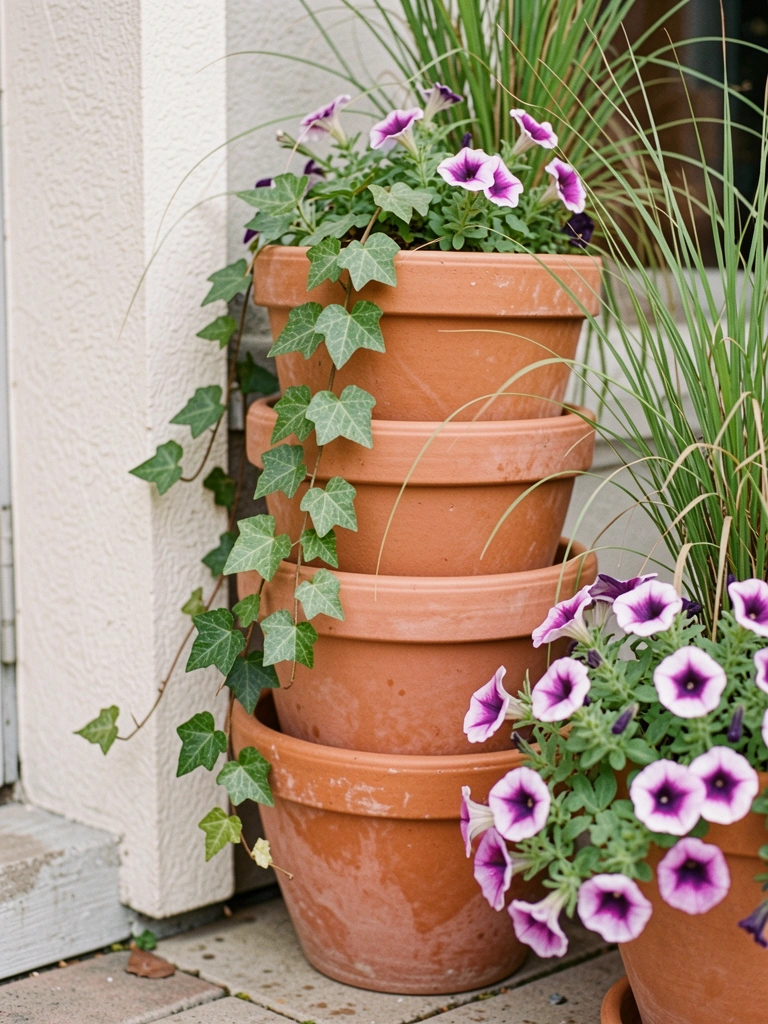
    I stacked three pots—one big, two small—right by my back door. Started with soil from last year's bags. Planted ivy to trail, petunias for color pops. It hid the blank wall overnight.

    The patio went from empty to hugging close. Layers pull your eye up, make tiny spots cozy without crowding feet.

    Watch drainage holes line up, or roots rot fast. I skipped that once, lost half the plants.

    Group in threes for balance. Feels natural, not forced.

    What You’ll Need for This Look

    A 12-inch terracotta planter

    Trailing ivy plant

    Petunia seeds or starts

    Potting soil bag

    2. Vertical Herb Wall Using Old Gutters

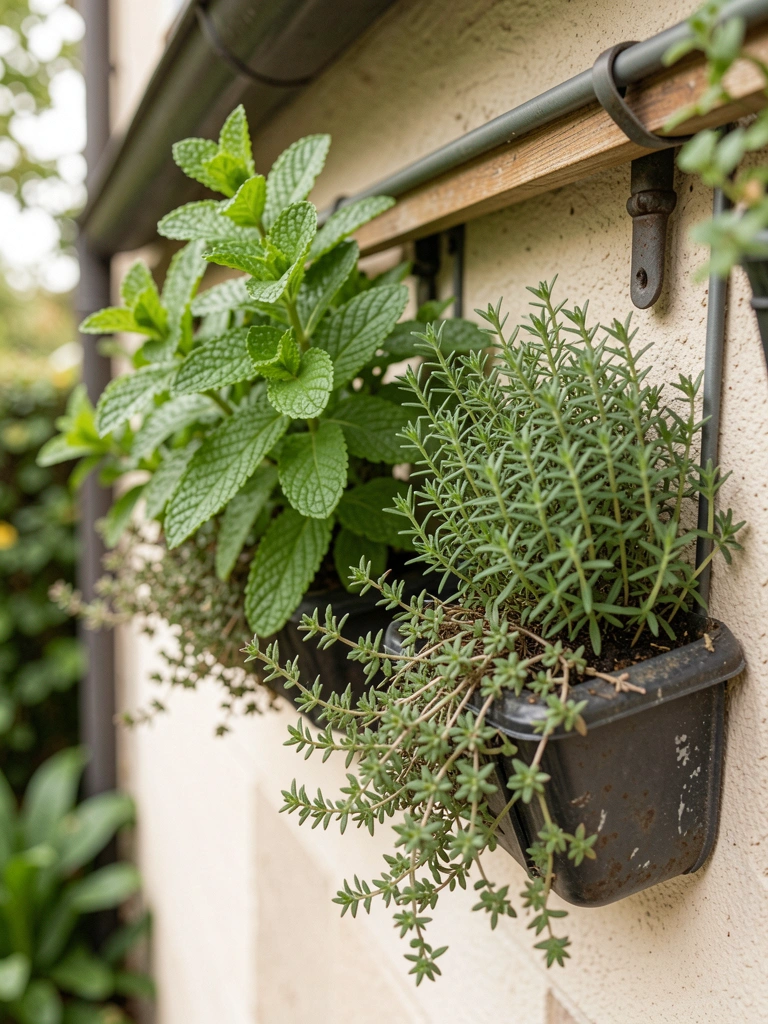
    Gutters from a yard sale—five bucks—screwed to my fence. Filled with herbs that love sun. Basil up top, mint below. Picked fresh for dinner every night.

    Walls vanished behind green. Air smells sharp now, feet stay clear.

    Seal ends tight, or soil spills. I learned after sweeping dirt for days.

    Water from the top, let it trickle. Herbs stay happy.

    What You’ll Need for This Look

    PVC gutter sections 4-foot

    Basil plant starts

    Mint herb plant

    Wall mounting brackets

    3. Thrifted Crates Stacked for Veggies

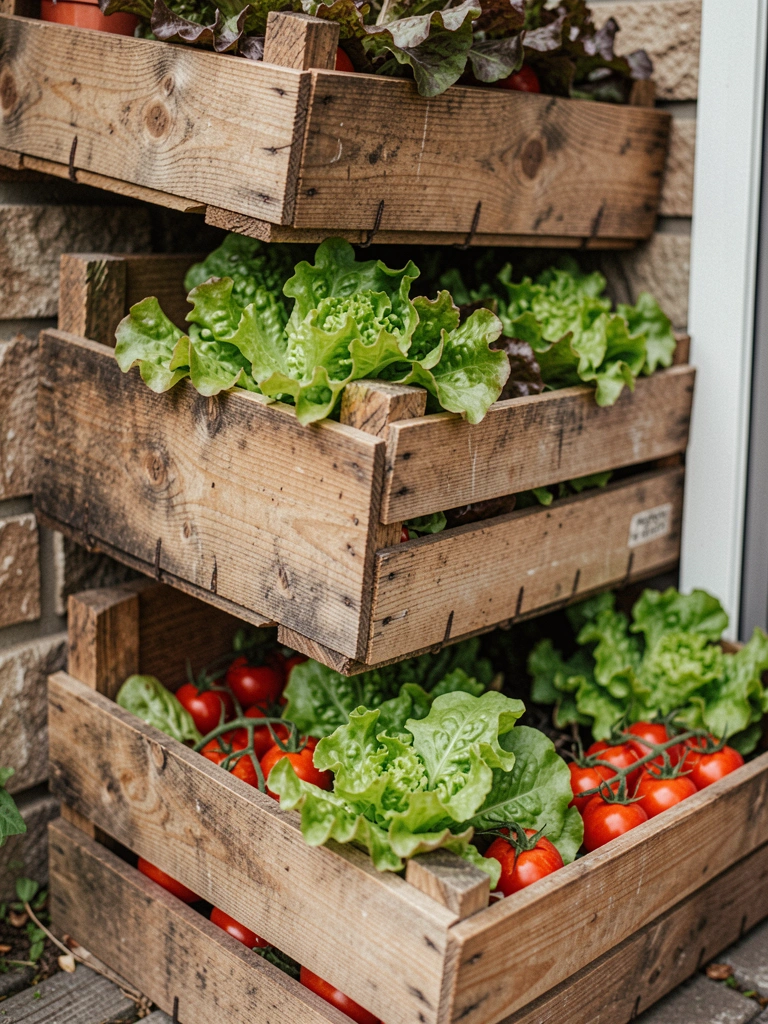
    Found crates at the dump, lined with plastic. Stacked two high for lettuce and cherry tomatoes. Grew my own salad right there.

    Corner filled soft, harvest in reach. No bending over beds.

    Drill holes bottom, skip and slugs move in. Happened to me first try.

    Tuck lettuce low, tomatoes high. Sun hits even.

    What You’ll Need for This Look

    Wooden crate planter set

    Lettuce seedlings

    Cherry tomato plant

    Landscape fabric liner

    4. Hanging Baskets for Trailing Petunias

    Hooks in the overhang, cheap baskets swinging with petunias. Purple waves down, softens the hard edges.

    Overhead color draws eyes up, space feels taller. Breeze sways them gentle.

    Chain too short once, plants fried in heat. Now I hang high.

    Feed weekly, they bloom non-stop.

    What You’ll Need for This Look

    12-inch hanging basket

    Petunia trailing plants

    Ceiling hook set

    Fertilizer spikes

    5. Succulents in Chipped Teacups

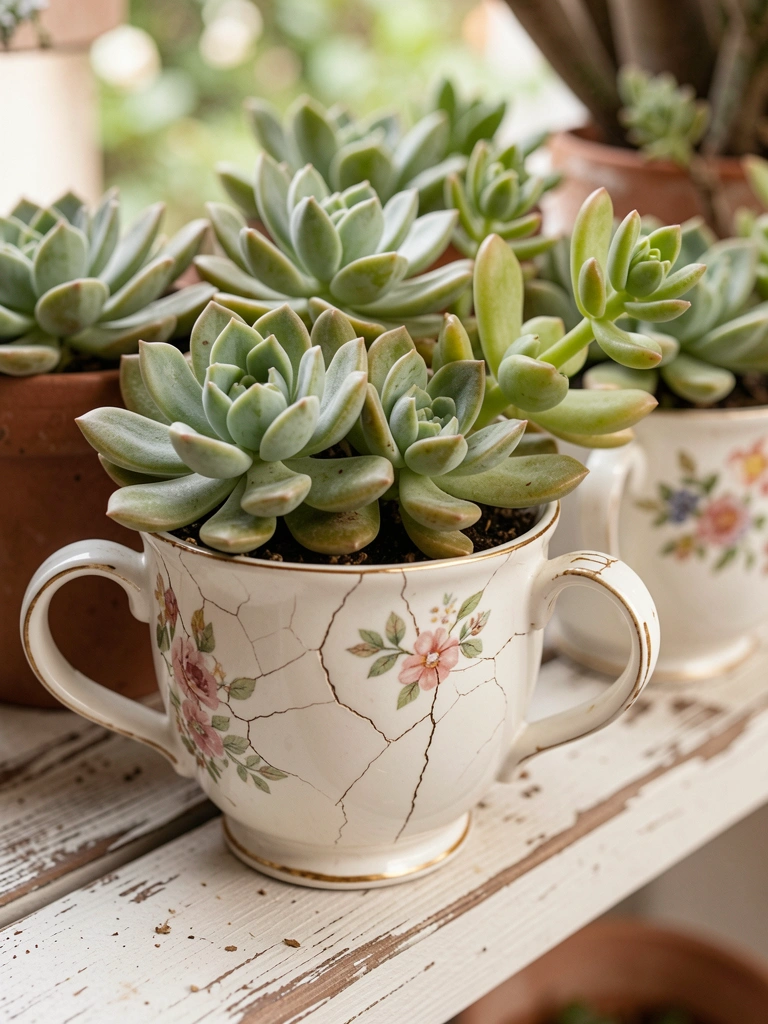
    My grandma's old cups, cracked ones too. Packed gravel bottom, poked in succulents. Shelf along the rail now quirky full.

    Adds personality without space steal. Dust stays off leaves easy.

    Gravel first, or rot sets in wet weather. I drowned a few early.

    Group by color for calm.
    What You’ll Need for This Look

    Echeveria succulent pack

    Small gravel bag

    Cactus soil mix

    6. Pallet Lean-To with Strawberries

    Old pallet leaned secure, slats stuffed with strawberry starts. Berries dangled sweet by June.

    Vertical fruit without ground loss. Pick standing up.

    Staple landscape cloth back, soil falls out else. Messy lesson.

    Sun bottom slats too, rotate plants.

    What You’ll Need for This Look

    Strawberry plants everbearing

    Landscape staple kit

    Pallet wood sealer

    7. Solar Lanterns Edging Potted Greenery

    Stuck solar lanterns stake-deep around fern pots. Nights glow soft, safe path.

    Evenings cozy now, plants safe from trips.

    Stake firm in soil, loose ones fade fast. I replaced twice.

    Mix heights for flow.

    What You’ll Need for This Look

    Solar lantern stakes warm white

    Fern plants potted

    10-inch plastic pots black

    8. Cozy Nook with Potted Lavender

    Chairs tucked corner, lavender pots each side. Smell hits when you sit.

    Spot invites linger, relaxes after work.

    Bought leggy plants once, trimmed hard—bushier now.

    Bunch for scent cloud.

    What You’ll Need for This Look

    Lavender plants compact

    8-inch clay pots set

    Outdoor chair cushions

    9. Painted Tires Stacked for Annuals

    Old tires stacked three, painted matte white. Marigolds inside repel bugs.

    Bold corner filler, kids love it.

    Drain holes drilled bottom, water pooled first time. Soggy mess.

    Stack stable with sand base.

    What You’ll Need for This Look

    Outdoor spray paint matte white

    Marigold plant pack

    Tire planter liner

    10. Trellis Climbers Hiding the Fence

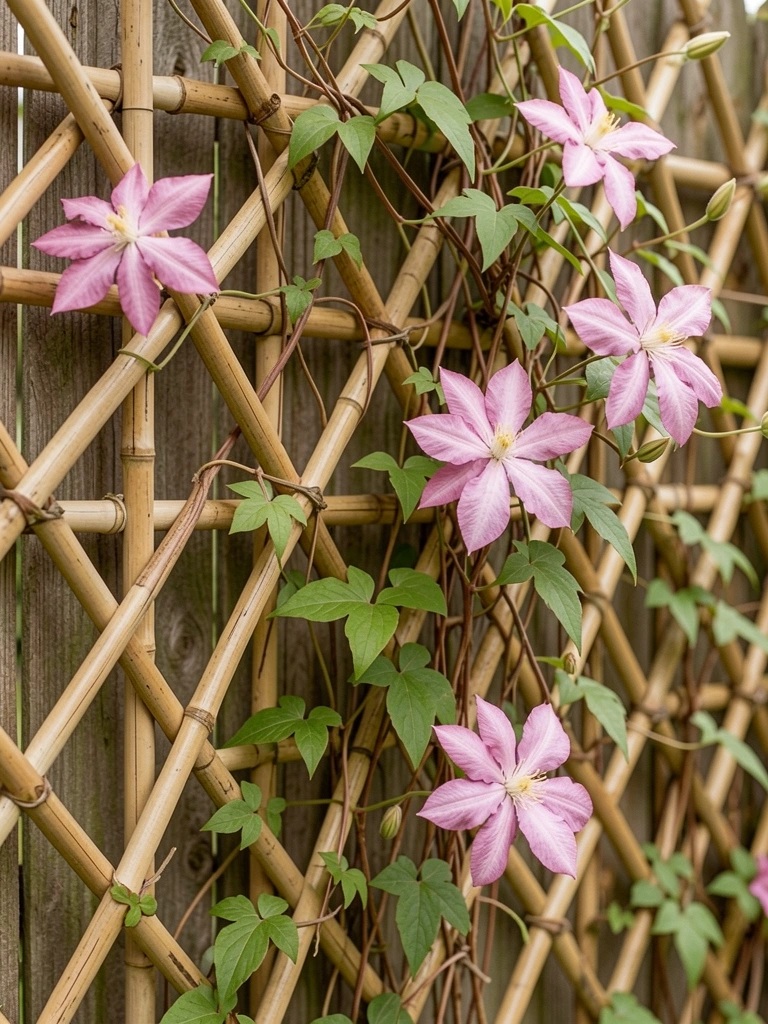
    Bamboo trellis zip-tied to fence, clematis shoots grabbed hold. Flowers hide ugly boards.

    Privacy green screen grows fast.

    Tie loose at first, sprawls wild. Now I train early.

    Feet clear below.

    What You’ll Need for This Look

    Bamboo trellis 4×8 foot

    Clematis vine plant

    Zip ties heavy duty

    11. Odd-Number Pot Groups for Balance

    Five pots—three tall, two short—in a wonky group. Hostas shade heuchera below.

    Feels gathered natural, not stiff rows.

    Even numbers looked off once. Odds hug right.

    Turn for even sun.

    What You’ll Need for This Look

    Hostas plant collection

    Heuchera coral bells

    Varied size plastic pots

    12. Bark Mulch Over Bare Patio Soil

    Dumped budget bark around pots, edged with stones. Weeds gone, soil moist.

    Clean look lasts, saves water.

    Too thin layer, weeds poke through. Double it now.

    Rake smooth weekly.

    What You’ll Need for This Look

    Bark mulch mini bag

    River pebbles small bag

    Garden rake hand size

    13. Dangling Bird Feeders with Sunflowers

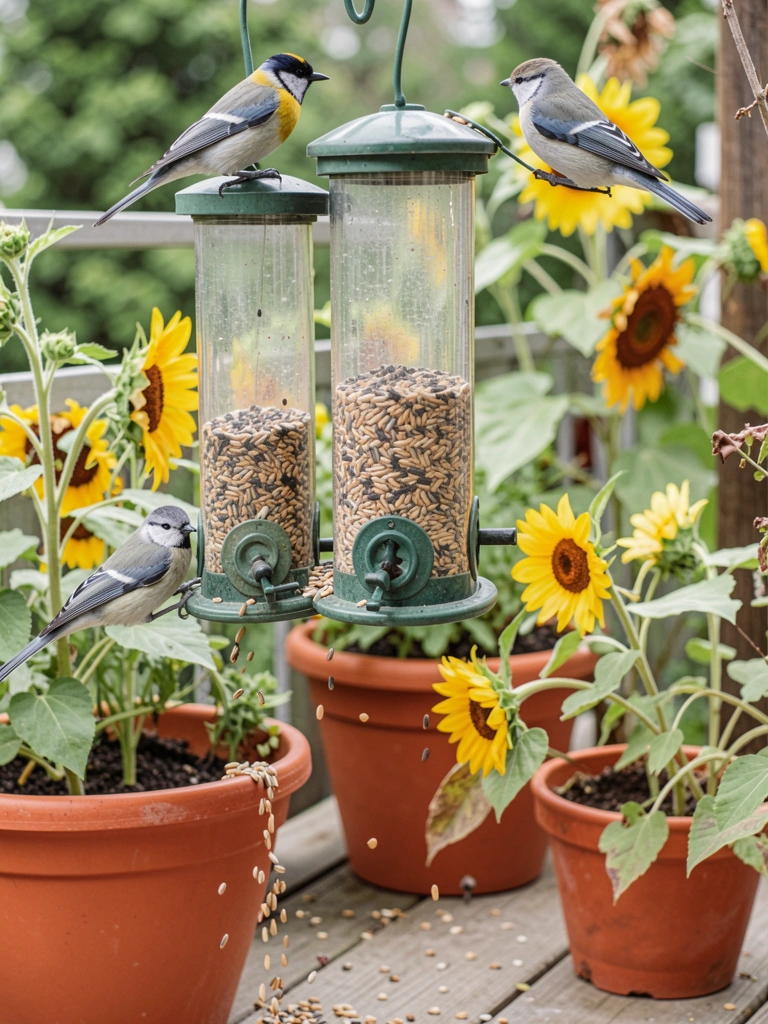
    Feeders on shepherds hooks near sunflowers. Birds flock, seeds drop feed plants.

    Life buzzes, free fertilizer.

    Overfill feeders, mess everywhere. Small scoops now.

    Sunflowers block feeders—space right.

    What You’ll Need for This Look

    Bird feeder tube style

    Shepherds hook single

    Dwarf sunflower seeds

    Bird seed mix

    14. Ladder Shelf for Trailing Ivies

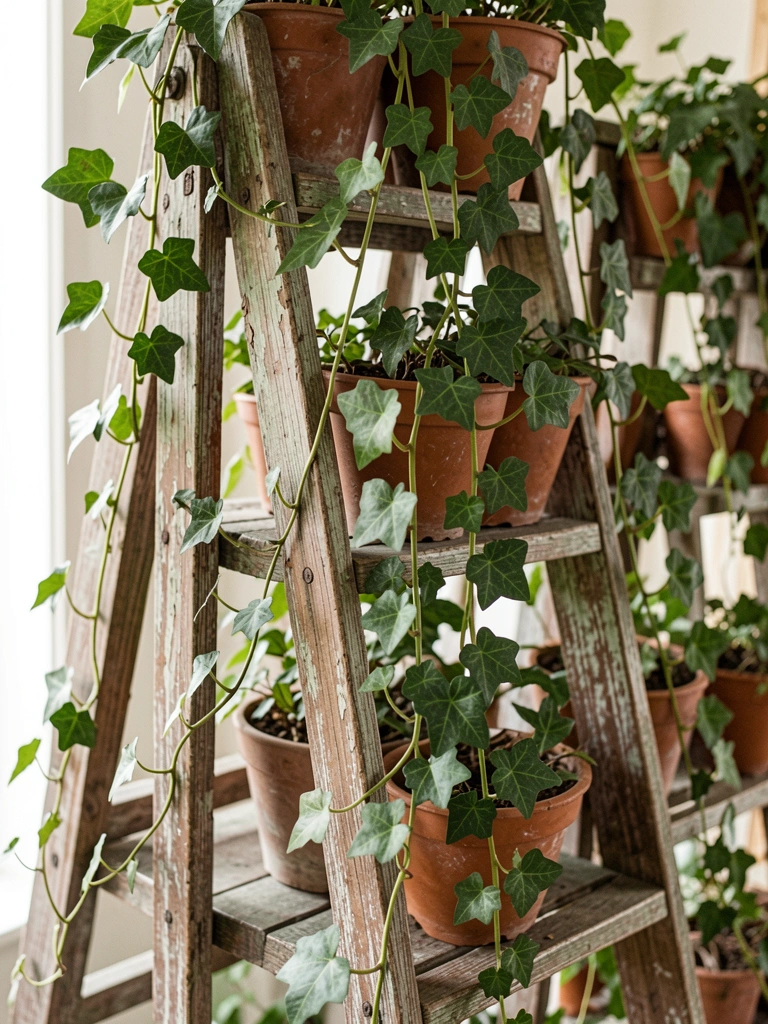
    Attic ladder braced open, pots on rungs with ivies. Greens waterfall down.

    Uses dead air space smart.

    Wobbly base once, shimmed stable.

    Light pots top rung.

    What You’ll Need for This Look

    Potted ivy varieties

    Ladder shelf brackets

    Anti-slip shims

    15. Window Box Herbs Above the Rail

    Box screwed rail-top, rosemary and thyme bushy. Snip for cooking easy.

    Edge turns useful, smells good.

    Wind tipped it first season. Brackets deeper now.

    Trim often for shape.

    What You’ll Need for This Look

    Window box planter 24-inch

    Rosemary herb plant

    Rail mount brackets

    16. Gravel Patch with Border Sedums

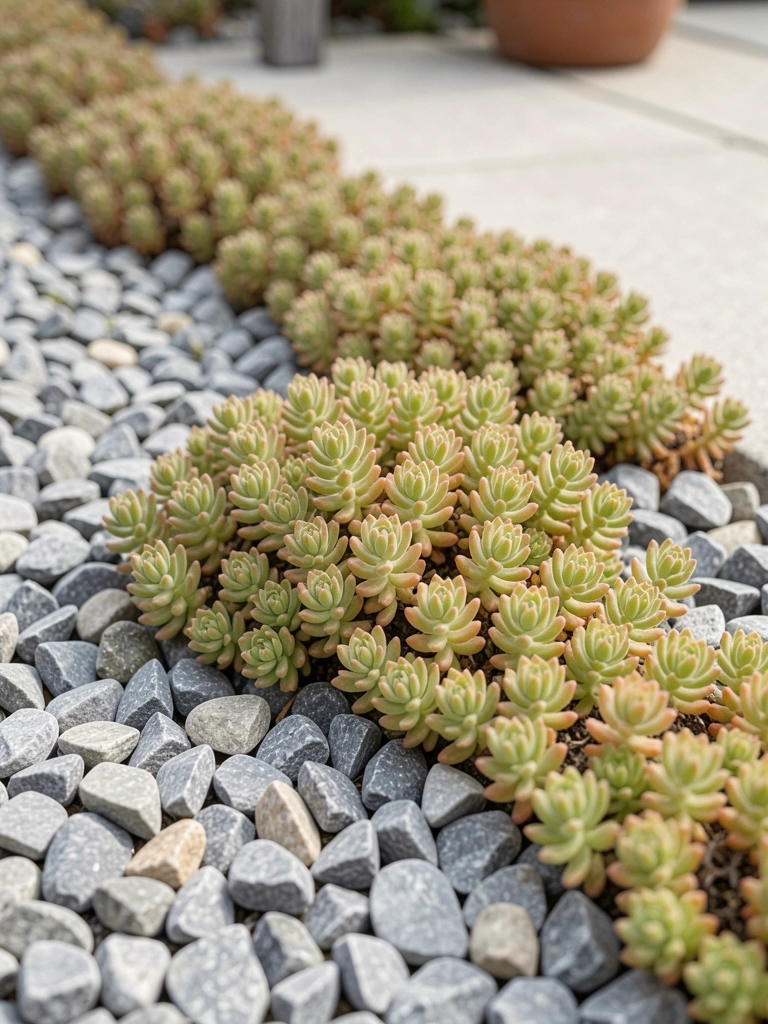
    Gravel sheeted bare spots, sedums dotted border. Low green frames it neat.

    Dry clean, no mow needed.

    Weeds crept gravel-only. Plants choke them.

    Rinse stones yearly.

    What You’ll Need for This Look

    Landscape gravel bag

    Sedum groundcover plants

    Weed barrier fabric

    17. Garden Mirror for Doubled Greenery

    Mirror leaned fence-back, reflects pots opposite. Garden looks twice big.

    Depth tricks eye soft.

    Fogged cheap one fast. Acrylic now.

    Angle to catch light.

    What You’ll Need for This Look

    Outdoor acrylic mirror 24×36

    Fence lean stand

    18. Greenery-Wrapped String Lights

    LED string woven pothos stems. Draped rail, glows green at night.

    Warm nights blend light and leaf.

    Tangled mess first hang. Clip loose now.

    Battery pack hides in pot.

    What You’ll Need for This Look

    Solar string lights 33-foot

    Pothos trailing plant

    Twist ties green

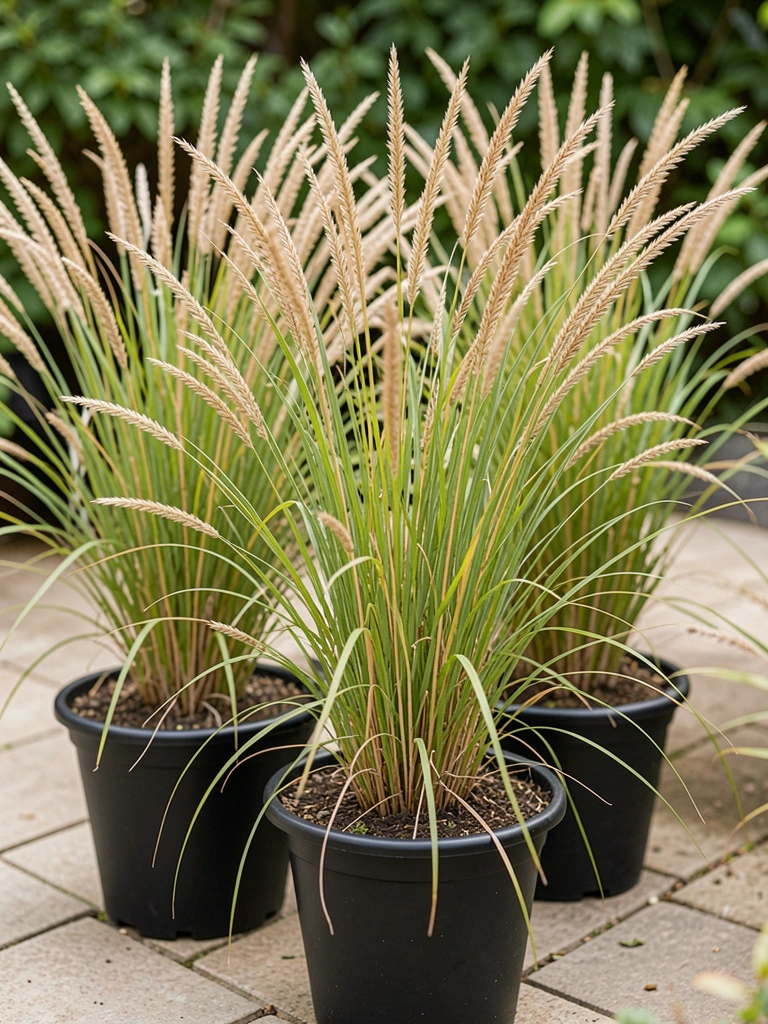
    19. Ornamental Grasses in Tall Pots

    Slender grasses in skinny pots, sway in wind. Movement without bulk.

    Airier feel, screens light.

    Planted tight once, crowded out. Space roots.

    Cut back winter.

    What You’ll Need for This Look

    Ornamental grass fountain

    Tall narrow planters 24-inch

    Pruning shears

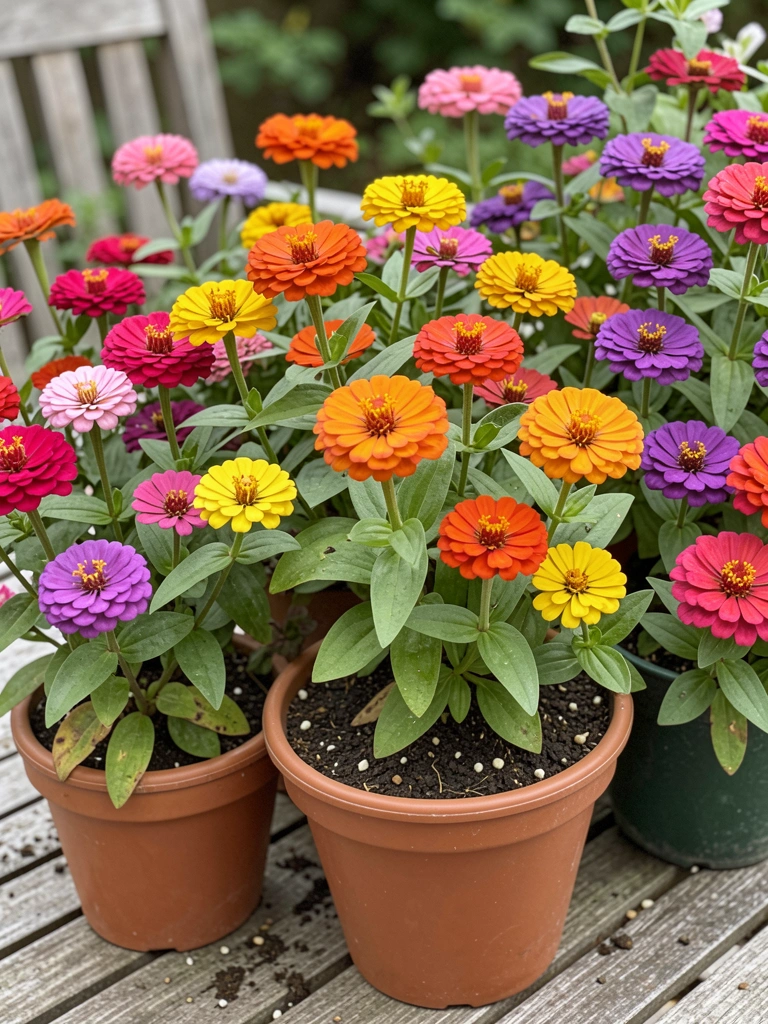
    20. Swap-Out Annuals for Color Bursts

    Deadheaded perennials out, zinnias in. Fresh color hits every spring.

    Keeps patio alive changing.

    Overplanted first year, flop. Fewer stronger.

    Seed your own cheap.

    What You’ll Need for This Look

    Zinnia seed mix

    6-inch starter pots pack

    Hand trowel

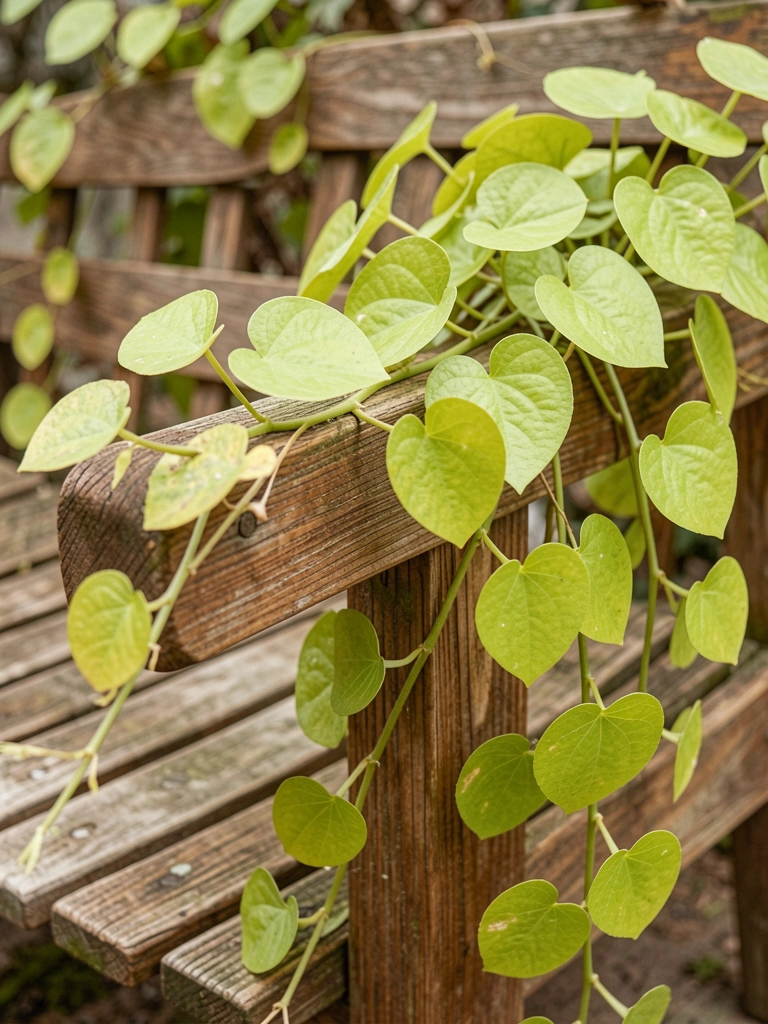
    21. Trailing Plants Over a Simple Bench

    Bench plain, vines from pots trail arms. Seat greens up soft.

    Sit enveloped, private feel.

    Vines choked bench once, prune regular.

    Pot under hides mess.

    What You’ll Need for This Look

    Sweet potato vine plant

    Folding wood bench outdoor

    Pruner scissors

    Final Thoughts

    Start with two ideas that fit your light and time. My patio built slow, mistakes and all.

    It'll feel like yours soon. Green corners wait—no rush.

    You've got the steps. Dig in.

  • 11 Small Patio Garden Ideas For Cozy Outdoor Spaces

    11 Small Patio Garden Ideas For Cozy Outdoor Spaces

    I remember staring at my tiny back patio last spring, just concrete and a rickety chair. It felt cold, forgotten. Then I started tucking plants in corners, watching how they softened the edges.

    One pot led to another. Greens filled the gaps. Suddenly, it was a spot I'd linger in after dinner, coffee in hand.

    That shift? It's what small spaces need. Real coziness from plants that fit your life.

    11 Small Patio Garden Ideas For Cozy Outdoor Spaces

    These 11 small patio garden ideas come from my own yard trials. They've turned cramped spots cozy without overwhelming work. Pick one or two to start—you'll see the difference right away.

    1. Layered Container Planting That Makes a Patio Feel Full

    I started with three pots on my patio floor—tall one in back, shorter in front. Filled the big with hostas for height, petunias tumbling from the middle, lobelia edging the smallest. It filled the empty corner overnight.

    The layers tricked the eye into seeing depth. No bare concrete anymore. Mornings, dew clung to leaves, pulling me outside earlier.

    Watch drainage—my first stack drowned the roots until I added gravel bottoms. Now it thrives on weekly water.

    What You’ll Need for This Look

    Terracotta planter set (12 inch)
    Pea gravel for drainage
    Hosta plants (1 gallon)

    2. Vertical Herb Wall That Saves Every Inch

    My patio fence was blank slate until I hung a pallet with herb pockets. Basil top row for sun, thyme and mint below. Snip for dinner straight off—no bending.

    It greened the wall fast, scents hitting you as you sit. Cozy barrier from neighbors.

    I overplanted mint once; it took over. Trim weekly, and harvest often to keep it tame.

    What You’ll Need for This Look

    Herb wall pockets (felt or wood)
    Basil starter plants
    Thyme plugs

    3. Overhanging Vine Canopy for Shaded Comfort

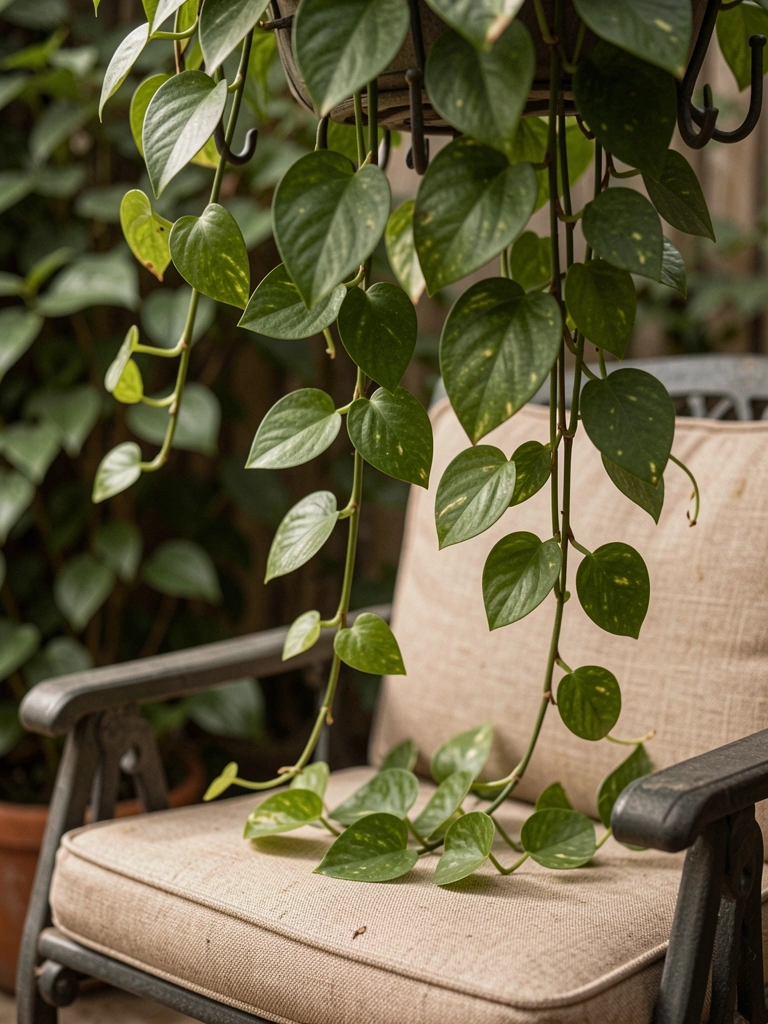
    I hooked brackets under my patio umbrella frame for pothos vines. They grew long, creating a soft overhang. Shade without blocking all light.

    Sitting under felt sheltered, like a private nook. Leaves rustle in breeze—calms the mind.

    Pothos yellowed once from too much sun. Move to partial shade spots like mine now.

    What You’ll Need for This Look

    Pothos in 10-inch hanging basket
    Heavy-duty ceiling hooks

    4. Hanging Baskets That Burst with Color

    Two baskets on my railing—fuchsias for pops, ivy trailing. They sway gently, framing the view.

    Color hits you first, then the sway draws eyes up. Patio feels taller, alive.

    Fuchsias dropped blooms in heat; consistent moisture fixed it. Mist daily in summer.

    What You’ll Need for This Look

    Wire hanging baskets (12 inch)
    Fuchsia plants (4 inch pots)
    Trailing ivy

    5. Succulent Tabletop Garden for Easy Greenery

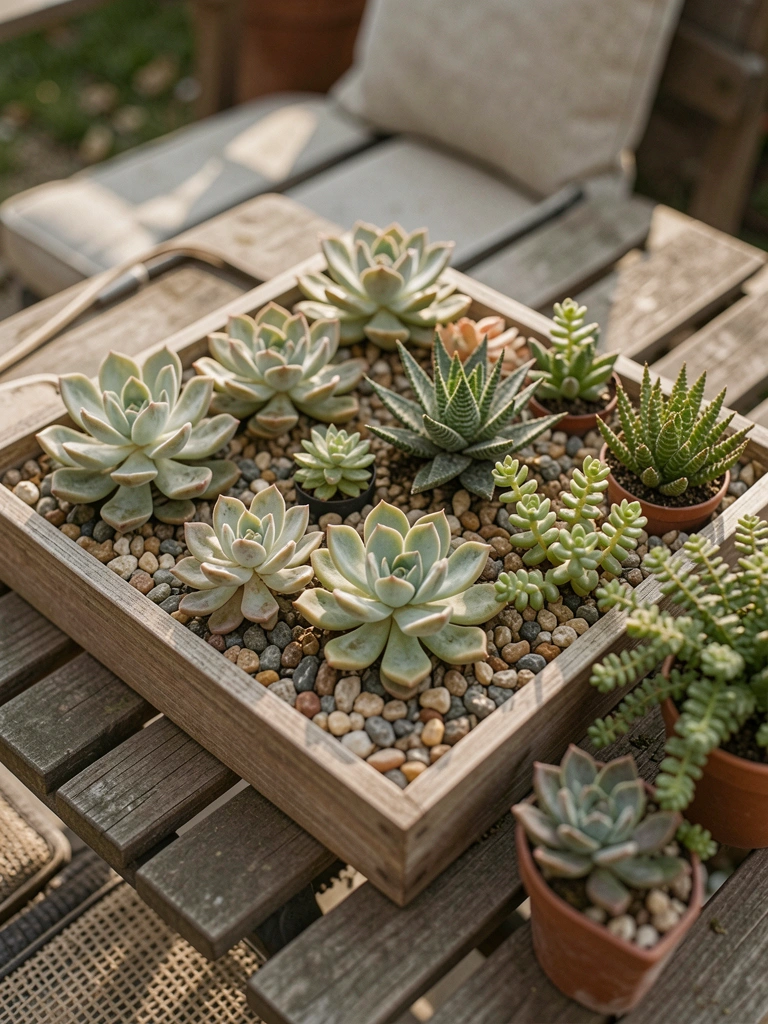
    On my side table, a tray of succulents—echeveria rosettes, sedum fillers. Gravel top keeps it neat.

    Low profile fits tight spots. Textures catch light all day—subtle but cozy.

    Overwatered once; they rotted. Let soil dry fully between soaks.

    What You’ll Need for This Look

    Succulent tray (18×12 inch)
    Assorted succulents (6-pack)
    Decorative gravel

    6. Gravel Paths Weaving Through Pots

    I raked pea gravel between my pots—lavender edges, grasses poking up. Guides steps naturally.

    Softens hard patio stone. Crunch underfoot invites slow walks.

    Weeds snuck in first time. Landscape fabric underneath stops them cold now.

    What You’ll Need for This Look

    Pea gravel (50 lb bag)
    Landscape fabric
    Lavender plants

    7. Solar Lanterns Nestled in Foliage

    Tucked solar lanterns in my ferns—warm glow at dusk. No wires cluttering.

    Evenings warm up fast. Light dances on leaves, cozy without fire.

    Batteries failed cheap ones. Stake-style holds charge through cloudy weeks.

    What You’ll Need for This Look

    Solar lanterns (warm white, set of 4)
    Boston fern plants

    8. Trellis Climbers Framing a Chair

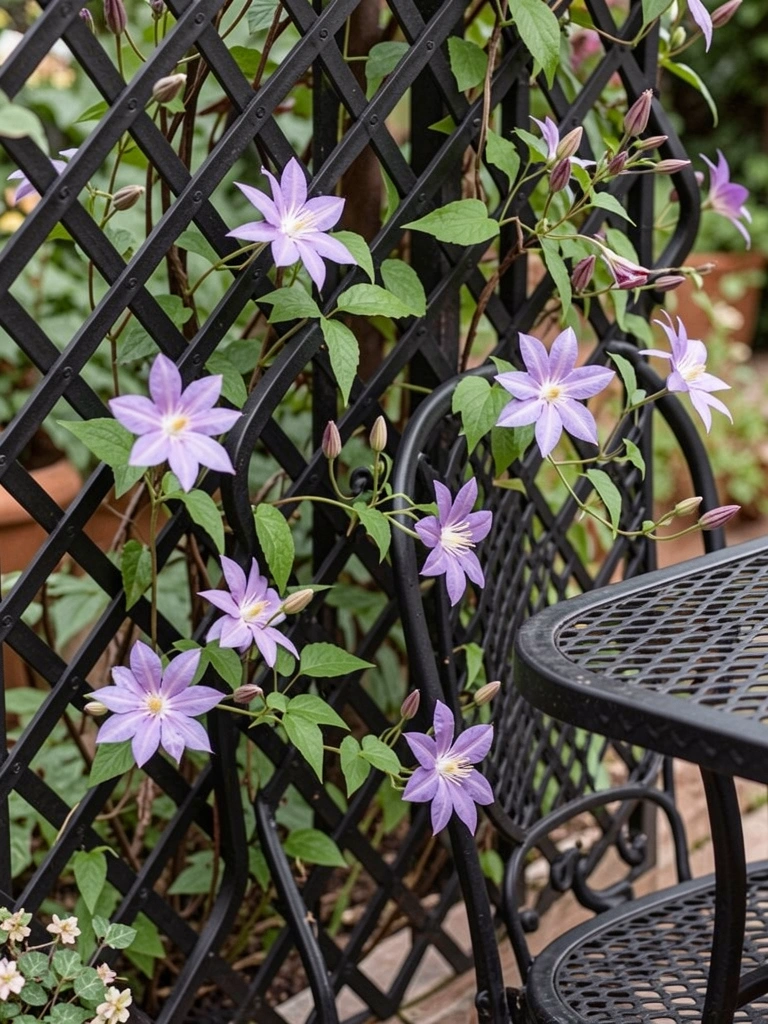
    Slim trellis behind my chair—clematis twisting up. Frames the seat perfectly.

    Pulls eyes up, makes space feel bigger. Blooms surprise yearly.

    Planted too close first; crowded chair. Space 18 inches from seat now.

    What You’ll Need for This Look

    Metal trellis (5 ft)
    Clematis vine

    9. Multi-Tiered Plant Stands for Height

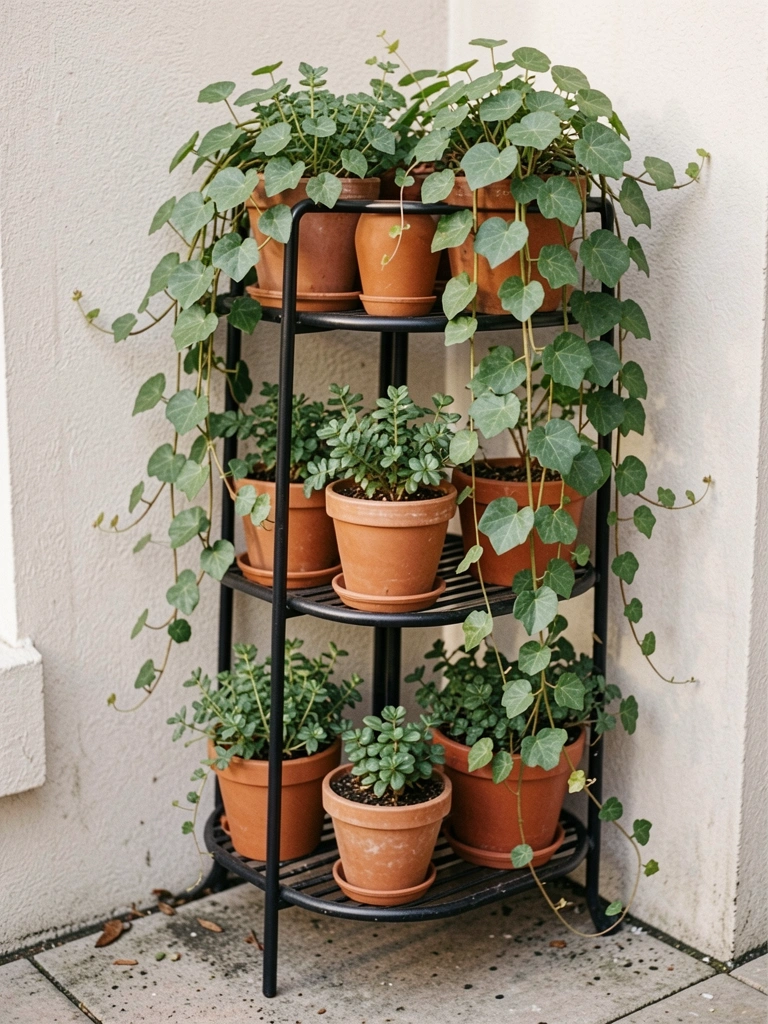
    Three-tier stand in corner—top ferns, middle herbs, bottom grasses. Vertical without walls.

    Fills air with green layers. Cozy without crowding floor.

    Wobbled on uneven stone; level feet fixed it steady.

    What You’ll Need for This Look

    Three-tier plant stand (black metal)
    Trailing fern pots

    10. Woven Rug Anchoring Potted Clusters

    Laid a seagrass rug, clustered pots on top—grasses, salvia. Defines the sitting area.

    Grounds the chaos. Feet sink in soft, plants feel rooted.

    Faded in rain first; pick UV-safe now.

    What You’ll Need for This Look

    Seagrass outdoor rug (5×7 ft)
    Ornamental grass pots

    11. Bird Bath Ringed by Low Bloomers

    Small bird bath center, violas and sedges ringing it. Birds splash, flowers nod.

    Draws life in—chirps and color. Quiet joy spot.

    Sedges browned in full sun; partial shade keeps them lush.

    What You’ll Need for This Look

    Stone bird bath (12 inch)
    Viola flower packs
    Sedge groundcover

    Final Thoughts

    Start with whatever pulls you in. My patio bloomed one idea at a time—no rush.

    These fit real life, small budgets. You'll tweak as you go.

    Watch it grow into your cozy spot. You've got this.

  • How To Make Garden Privacy Easy

    How To Make Garden Privacy Easy

    I looked at my backyard last spring. The low fence let neighbors peek over while I sat with coffee. It felt exposed, not restful. I needed privacy without building walls.

    I tried tall plants first. They blocked views but left gaps. Then I layered in screens and climbers. Now it feels enclosed, quiet.

    You can do this too. It takes feel more than work.

    How To Make Garden Privacy Easy

    This is the method I use when a yard feels too open. You'll end up with a balanced, secluded spot that screens views naturally.

    What You’ll Need

    Step 1: Walk Your Perimeter and Spot Weak Views

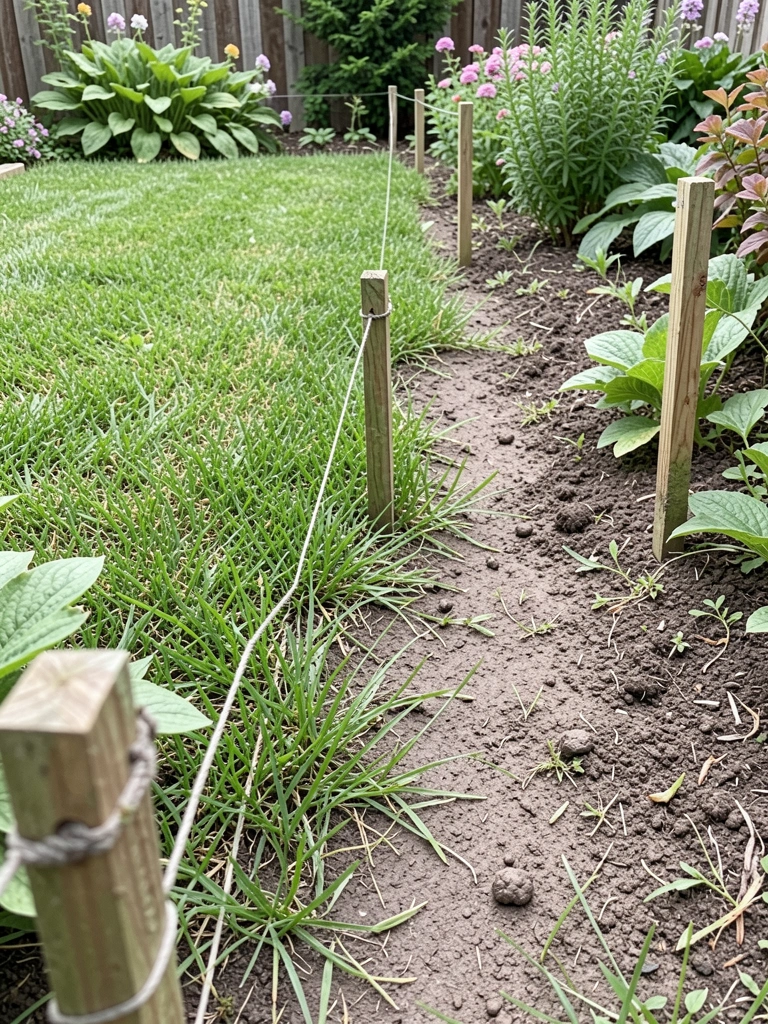
    I start by walking the edge of my yard slowly. I sit where I relax most, then look back at fences or hedges. Note where eyes peek in—over low spots or through bare areas. This shows the real trouble zones.

    Visually, the yard shifts from open to mapped. You see lines that need height.

    People miss how views change by season. Bare winter branches reveal more. Avoid rushing—mark spots with string first.

    I use 6ft bamboo privacy screen stakes here to test heights. It feels right when you can't see past it from your chair.

    Step 2: Place Tall Anchors for the Back Layer

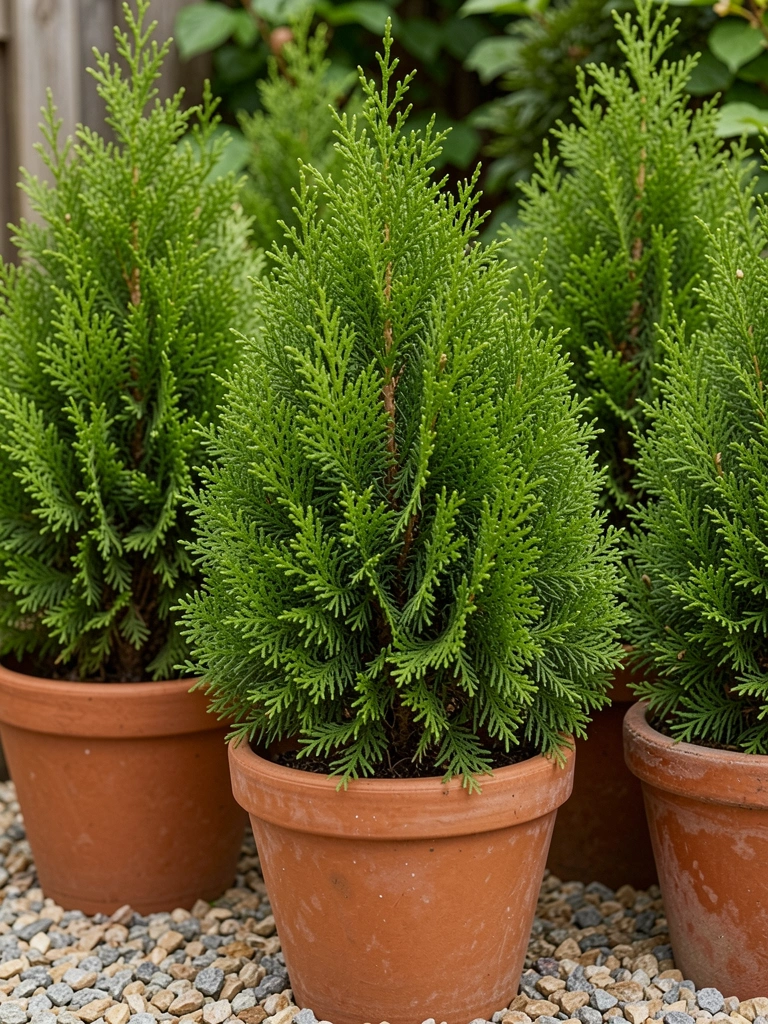
    I grab my tallest pieces next. Lean 6ft bamboo privacy screen against fences where views are worst. Secure with heavy-duty garden stakes. Add tall arborvitae evergreen shrub in large terracotta planters.

    The space looks taller instantly. Backdrop feels solid.

    Most overlook wind—screens flap without stakes. Stake deep.

    It balances when anchors line up with your sightline. Sit and check.

    Step 3: Layer Mid-Height with Trellis and Fabric

    I add 4ft metal garden trellis between tall anchors. Drape privacy fabric mesh loosely. It softens gaps without bulk.

    Views blur now. Mid-layer adds depth.

    Folks forget curve—straight lines feel rigid. Angle trellis slightly.

    From my chair, it flows. No harsh blocks.

    Step 4: Plant Climbers to Fill and Soften

    I plant fast-growing English ivy at trellis feet. Guide stems up gently. Mulch around with organic garden mulch.

    Greens weave in months. Edges look alive.

    People plant too close—climbers tangle. Space 2 feet apart.

    It feels enclosed when vines touch anchors. Natural hold.

    Step 5: Check Balance from Your Spot

    I sit in my favorite chair last. Adjust anything poking views. Tweak pots or fabric.

    The whole yard settles. Balanced heights screen fully.

    Missed insight: light shifts daily. Check morning and evening.

    Avoid overfill—gaps let air flow. Breathe easy.

    Picking Plants for Privacy

    I stick to tough growers in my yard. Evergreens hold year-round. Climbers fill fast.

    • Arborvitae for height—stays dense.
    • Ivy or clematis for coverage—no fuss.
    • Avoid finicky blooms; they drop.

    Test soil first. Wet spots need different roots. Mine thrive in average dirt.

    Keeping Privacy Low Maintenance

    Once set, it runs itself. Water new plants weekly first month. Then rain handles.

    Trim climbers yearly. Mulch smothers weeds.

    • Stake loose screens after storms.
    • Check fabric tears in fall.

    I spend 10 minutes monthly. Feels effortless.

    Privacy in Small Yards

    Tight spaces work best with pots. Move large terracotta planters as needed.

    Layer vertical. Trellis uses no ground.

    My corner nook went from bare to cozy. Scale to fit.

    Final Thoughts

    Start with one weak spot. Add layers slow.

    You'll see it shift to private quick. Trust your eye from the chair.

    Your garden feels yours now. Sit back.

  • How To Install Fence For Garden Privacy

    How To Install Fence For Garden Privacy

    I remember staring at my backyard last summer. Neighbors' glances over the low hedge. My patio felt exposed, like sitting on stage. Plants couldn't hide it alone.

    I wanted privacy without walls closing in. Something that fit the garden's loose lines.

    This fence changed that. It settled right in.

    How To Install Fence For Garden Privacy

    This shows you how I put up a simple slatted fence for garden privacy. You'll end up with a quiet, enclosed spot that blends with your plants. It's straightforward if you go slow.

    What You’ll Need

    Step 1: Pick Your Fence Line

    I walk the edge first. Where does the garden need quiet? Not straight along property lines. Curve it to hug my patio corner. That pulls eyes inward.

    Visually, it shifts. Open yard turns cozy pocket. Plants on one side frame it now.

    People miss how line sets mood. Straight feels rigid. I avoid forcing it against a bed—leaves no room for growth.

    Stay back from paths. One foot gives breathing space.

    Step 2: Set the Posts

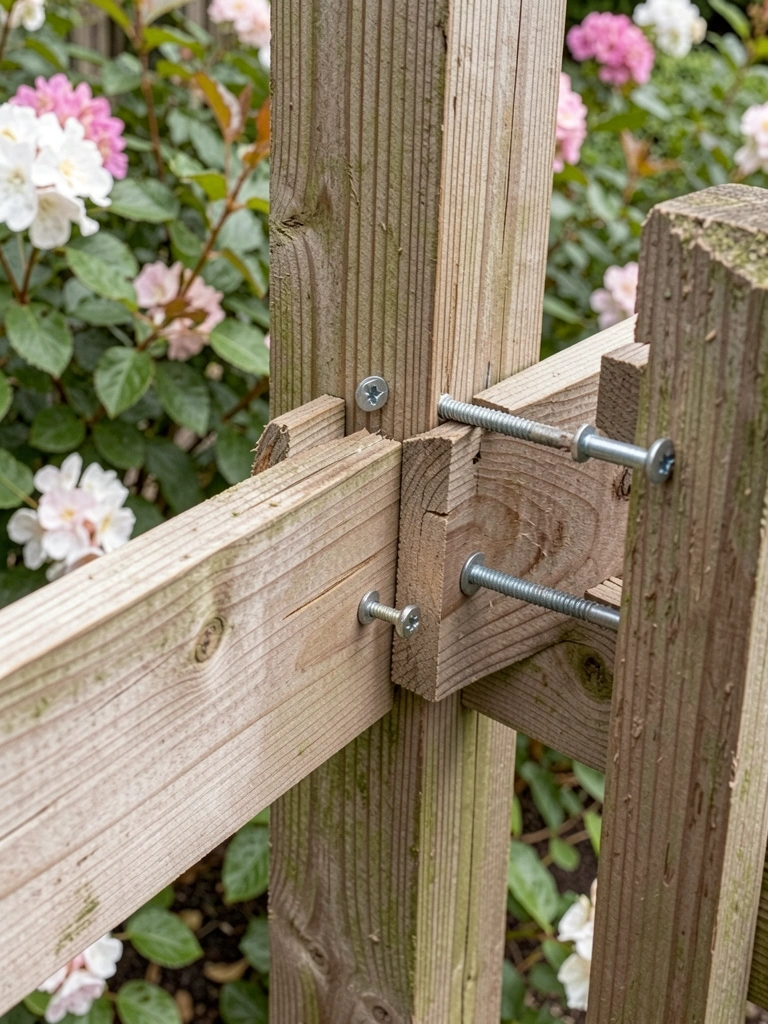
    I dig where it feels solid. No low spots that puddle. Posts go in every six feet. That spacing holds panels steady without crowding.

    Now the line stands tall. Skeleton outlines privacy. Shadows fall soft across grass.

    Insight: Level each post alone first. Whole run tilts if not. Skip that, it leans over time.

    Don't bury too deep. Frost line matters, but surface set works in my zone.

    Step 3: Hang the Panels

    Panels slot between posts. I level as I screw. Eye it from seating spot—does it block views clean?

    Fence fills out. Garden shrinks to my scale. Feels held, not shut off.

    Missed bit: Overlap ends slight. Gaps let peeks through. I check sitting down.

    Screw loose at corners. Wind catches there first.

    Step 4: Blend with Plants

    I plant climbers at base. Clematis roots in loose soil. Train stems up slats slow.

    Green softens wood fast. Fence recedes, plants lead. Balance tips natural.

    Folks forget sun check. Vines shade wrong spots. Test light first.

    Avoid crowding roots. Space them wide for spread.

    Step 5: Seal and Settle

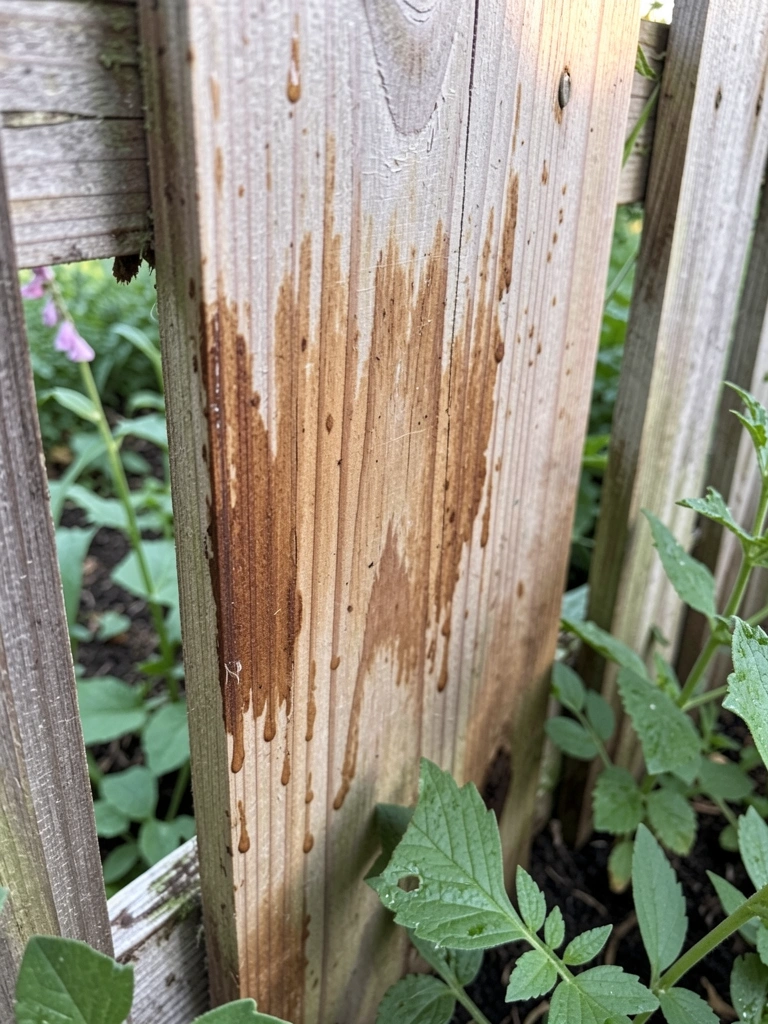
    Stain goes on damp wood. One coat sinks in. Matches my deck tone.

    Color warms it. Feels part of yard now, not add-on.

    Overlook drying time. Rain warps fresh stain. Wait two days.

    Step back often. Tweak if it jars.

    Choosing Fence Height and Style

    Height matters for feel. I stick to six feet. Blocks sightlines without looming.

    Style follows garden. Slats let breeze through. Solid boards trap heat.

    • Eye low gaps from chairs.
    • Match wood grain to beds.
    • Test wind sway before full run.

    It settles the space right.

    Pairing Plants for Year-Round Privacy

    Plants layer coverage. Evergreens base, vines climb.

    I mix heights. Low shrubs fill bottoms.

    • Clematis for summer screen.
    • Holly for winter hold.
    • Mulch to keep soil cool.

    Privacy builds gradual, lives with seasons.

    Handling Common Fence Issues

    Settling happens. Posts shift slight.

    I check yearly. Tighten screws quiet.

    • Trim vines before tangle.
    • Re-stain fades spots.
    • Clear debris at base.

    Small fixes keep it balanced.

    Final Thoughts

    Start with one section. See how it sits.

    You'll feel the shift. Garden pulls inward.

    Privacy comes quiet. Just right enclosure. Yours now.

  • 7 Narrow Garden Privacy Ideas For Tight Spaces

    7 Narrow Garden Privacy Ideas For Tight Spaces

    I had this skinny strip along my fence—maybe four feet wide. Neighbors' windows stared right in while I tried to relax. One summer, I blocked it out with plants that grew up, not out. That space went from exposed to mine.

    No big budget or fancy tools. Just trial, a few dead plants, and what stuck.

    Now it feels cozy, like a hidden path. You can do the same.

    7 Narrow Garden Privacy Ideas For Tight Spaces

    These 7 ideas come from my own tight gardens. They fit side yards or alleys under five feet wide. No room lost, just real privacy—pick one and start.

    1. Trellis Layers with Climbing Honeysuckle

    I nailed a simple trellis flat against my back fence in a two-foot gap. Planted honeysuckle at the base—it shot up fast, twisting over itself. Within a year, it filled the grid without sprawling sideways. The flowers pull you in, and it smells sweet on warm evenings.

    Before, the fence felt bare and see-through. Now it's a soft wall that sways a bit in wind, blocking views but letting air through. I watch birds perch there.

    Pay attention to the trellis height—mine's seven feet to cover upper windows. Space plants 18 inches apart so they knit together.

    One mistake: I picked a weak vine first; it flopped. Honeysuckle grips better.

    What You’ll Need for This Look

    2. Tall Switchgrass Clumps for Feathery Screens

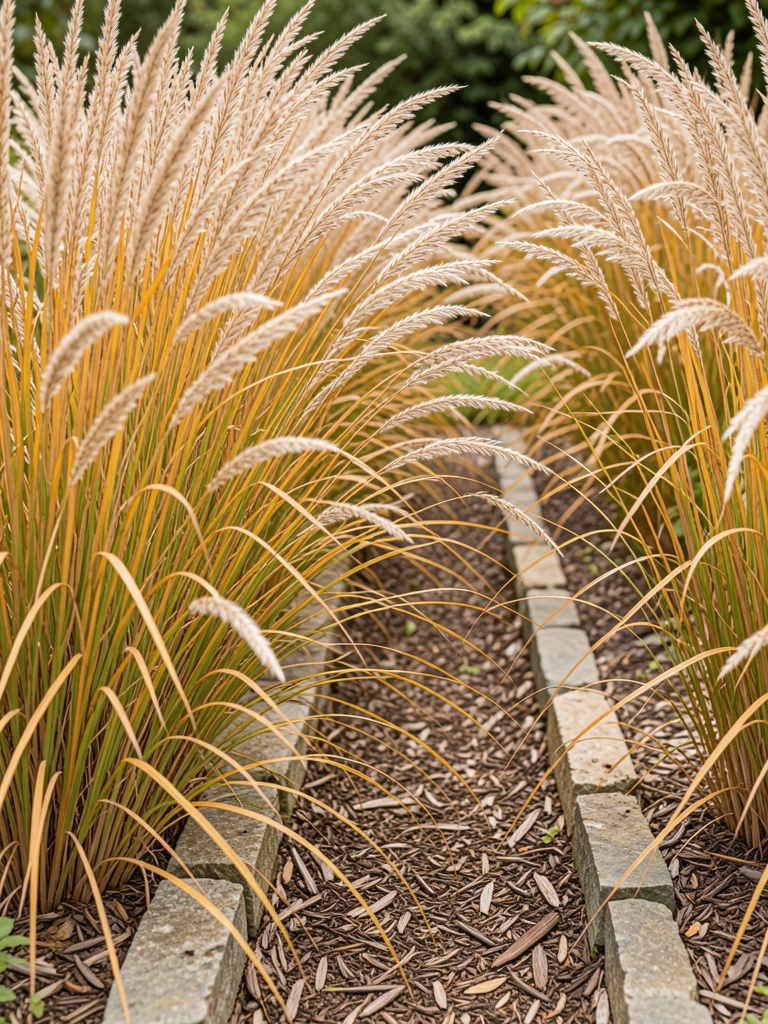
    In my side yard, barely three feet across, I planted switchgrass plugs along the edge. They grow straight up to six feet, feathers waving softly. No training needed—they fill narrow spots without flopping over.

    It changed the feel from stark alley to breezy hideaway. Light filters through, but views stop cold. In winter, the dried stalks still block sightlines.

    Choose heavy soil spots; they root deep there. Plant in odd numbers—three or five—for a natural look.

    I once crowded them too much; they leaned. Now I give 24 inches between.

    What You’ll Need for This Look

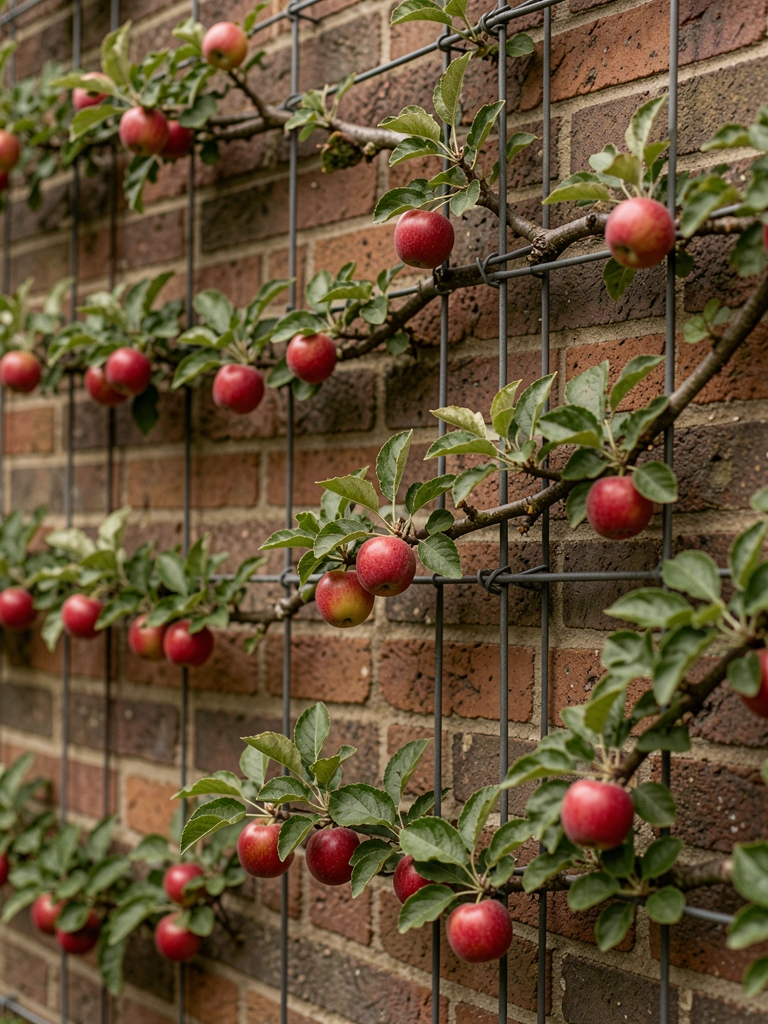
    3. Espaliered Apples Tied to the Wall

    My alley garden wall got dwarf apple espaliers—trained flat with wires. Branches fan out sideways but stay under two feet deep. Fruit hangs close enough to pick from the path.

    It hides the rough wall and stops peeks over the top. Spring blossoms make it feel alive, not just a screen.

    Wire the main arms horizontally, prune side shoots yearly. Pick disease-resistant varieties like Liberty.

    I skipped ties at first; branches sagged. Soft fabric strips hold without cutting.

    What You’ll Need for This Look

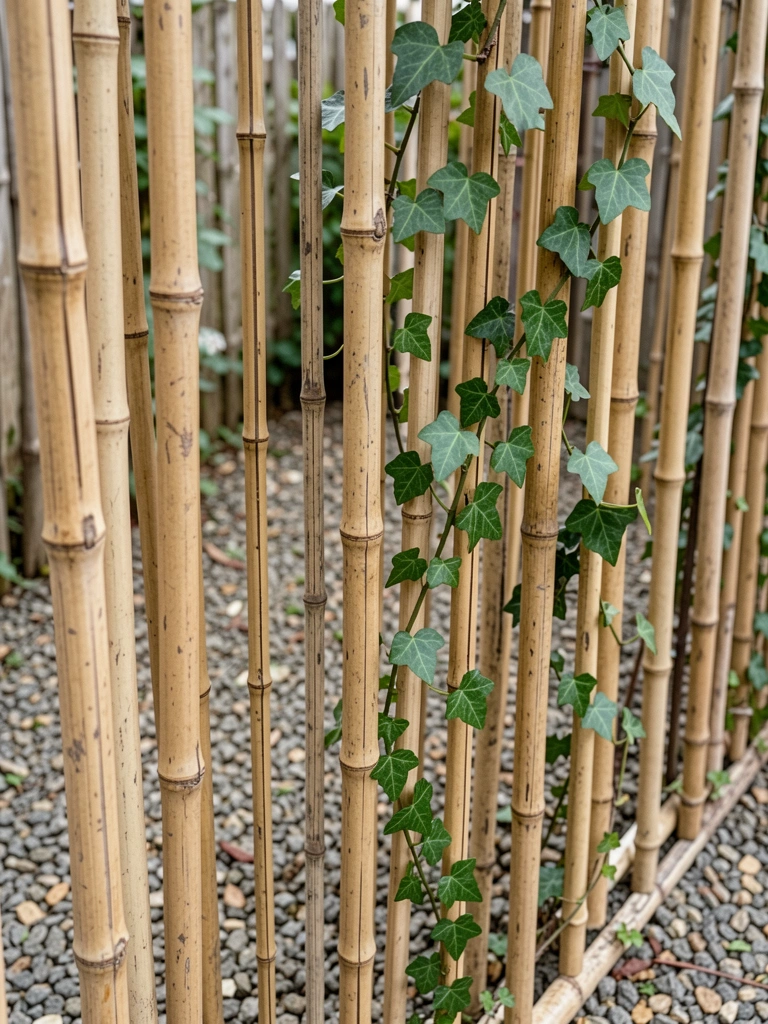
    4. Bamboo Pole Screens with Trailing Vines

    I zip-tied bamboo poles to stakes in a four-foot strip—gaps let vines peek through later. Added ivy at the bottom; it climbs and softens the poles.

    The rattle in wind feels private, like a beach shack. Blocks direct views but not all light.

    Secure poles six inches apart; overlap tops for height. Vines fill gaps by year two.

    Bought cheap poles that splintered—go for thicker ones now.

    What You’ll Need for This Look

    5. Stacked Rail Planters with Boxwood

    Along my narrow patio rail, I hung stacked planters with dwarf boxwood. They grow dense to four feet, clipping easy into shapes. No ground space used.

    It turns the rail into a thick hedge—cozy barrier from street views. Evergreen keeps it solid year-round.

    Water from the top; they cascade down. Trim twice a year for bushiness.

    Planted too dry once; roots struggled. Soak well first.

    What You’ll Need for This Look

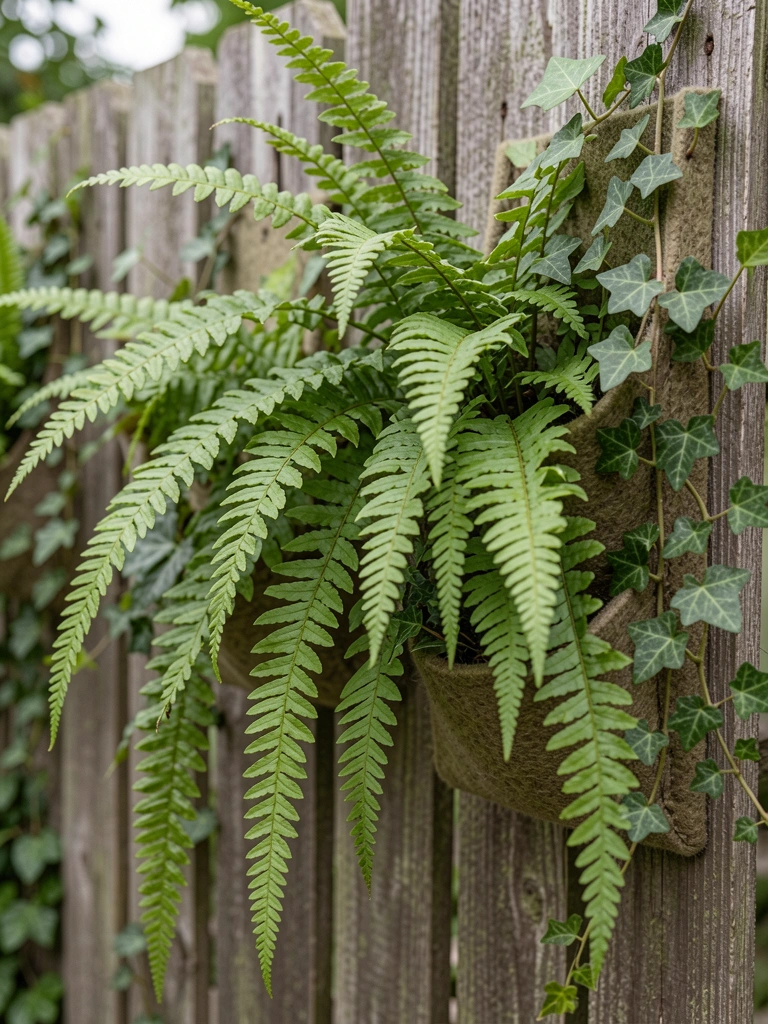
    6. Vertical Pocket Planters for Ferns and Ivy

    I screwed felt pocket planters to my shed wall in a one-foot nook. Filled with ferns and ivy—they tumble down, covering eight feet high.

    Feels like a woodland corner now, muffling noise and sight. Low light spots love it.

    Hang staggered, fill with peat mix. Mist weekly if dry.

    Overfilled pockets once; soil spilled. Half-full works best.

    What You’ll Need for This Look

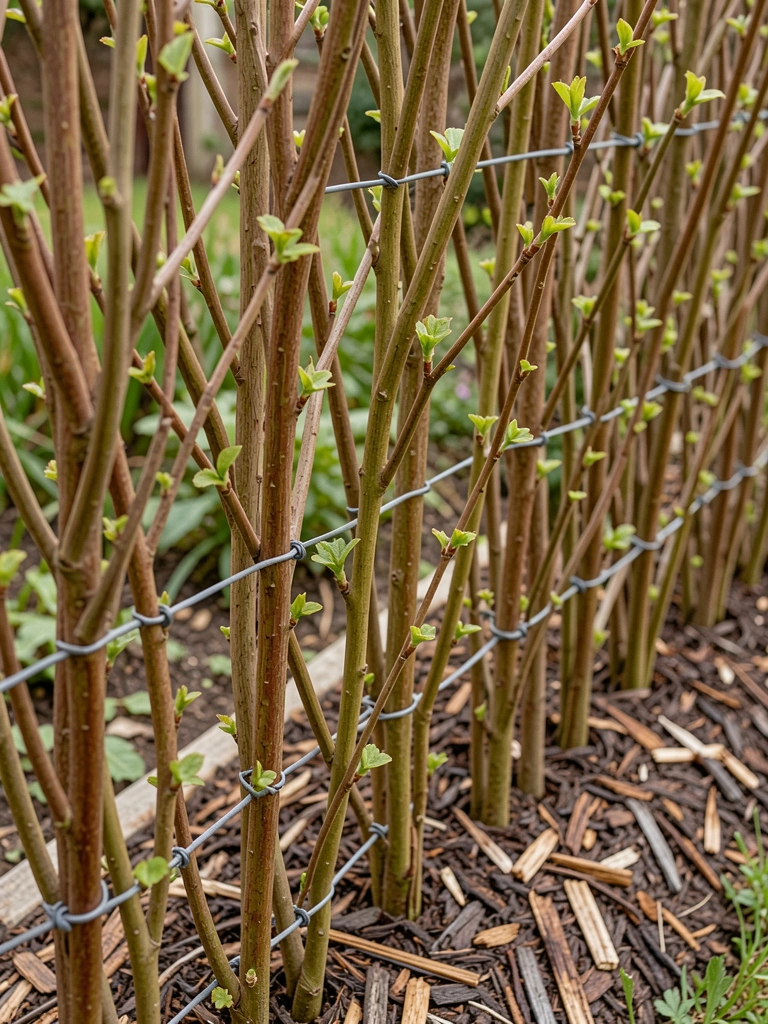
    7. Pleached Hornbeam Along Narrow Fence

    Whipcord hornbeam whips I wove along wire on my fence line—grows narrow and tall. Ties hold the pleats till they knit.

    It's a living fence now, eight feet up without width. Leaves rustle comforting in breeze.

    Plant close, three feet apart. Weave new growth yearly.

    Rushed the weaving early; broke branches. Patience pays.

    What You’ll Need for This Look

    Final Thoughts

    Start with one idea that fits your spot—maybe the grasses if you're low on time. They'll grow into privacy without much fuss.

    Your garden doesn't need perfection. A few plants shift the feel to yours alone.

    You'll sit out there soon, unnoticed and calm.

  • 21 Outdoor Garden Privacy Ideas For Peaceful Living

    21 Outdoor Garden Privacy Ideas For Peaceful Living

    I used to dread summer barbecues. Neighbors peering over the fence, right into our patio chats. One afternoon, I hauled in some pots and plants. Blocked it all out. Now, that spot feels like ours alone.
    Quiet mornings with coffee hit different when you can't see the street.

    Privacy isn't about walls. It's those soft edges that let you breathe.

    21 Outdoor Garden Privacy Ideas For Peaceful Living

    These 21 ideas come straight from my gardens over the years. Real fixes for real yards. Pick one or mix a few. They all work without fuss.

    1. Tall Bamboo Screens Rolled Out Along the Fence Line

    I stapled bamboo rolls to my chain-link fence last spring. Neighbors vanished behind the weave. Wind rustles through it softly, like a beach. No more feeling watched while weeding.

    It sways just enough to break up the fence's harsh lines. Feels cozy, not closed off.

    Height matters—get 6-foot rolls. I bought too short first time, looked silly. Staple every foot, or it'll sag.

    Trim back any sprouts poking through. Lasts years with a yearly coat of oil.

    What You’ll Need for This Look

    Bamboo screening roll 6 ft x 16 ft
    Galvanized staples for fencing
    Linseed oil for wood protection

    2. Climbing Vines Trained Up a Simple Trellis Wall

    Clematis took over my side-yard trellis in two seasons. Flowers bloom wild now, hiding the alley view completely. Sit on the bench there, total peace.

    I chose evergreen varieties for year-round cover. They grip tight, no wires needed after year one.

    Planted too close at first—vines tangled. Space them 18 inches apart. Water deep first summer.

    Prune lightly in spring. Grows fast, blocks sound too.

    What You’ll Need for This Look

    Wooden garden trellis 6 ft tall
    Clematis vine plants evergreen
    Garden twine for training

    3. Layered Potted Grasses That Fill Patio Corners

    Potted miscanthus in my patio corners grew to 7 feet. Neighbors' house disappears behind the sway. Wind moves them gently—feels alive.

    Group three pots per corner, staggered heights. Looks full fast.

    Bought dwarf version once—too short. Go tall, 5-gallon starters.

    Divide every three years. Keeps them bushy, no bare spots.

    What You’ll Need for This Look

    Large black plastic planters 20 inch
    Miscanthus grass plants tall
    Slow release fertilizer spikes

    4. Fast-Growing Privet Hedges Clipped into Shape

    Planted privet along my back fence four years back. Clipped twice yearly, it's a solid 8-foot wall now. Birds nest in it—peaceful sounds only.

    Grows anywhere, even clay soil. Mine filled in quicker than expected.

    Shears got dull fast—invest in bypass ones. Trim after new growth.

    Deer nibbled tops once. Netting helped first winter.

    What You’ll Need for This Look

    Privet hedge plants 3 gallon
    Bypass pruning shears heavy duty
    Landscape fabric pins

    5. Vertical Succulent Panels on Shed Walls

    Hung succulent panels on my shed facing the street. Thick leaves block the peeks, low water too. Textures pull your eye away from beyond.

    Easy swap-outs keep it fresh. No soil mess.

    Overwatered one panel—plants rotted. Let dry fully between.

    South-facing spots best for color.

    What You’ll Need for This Look

    Vertical succulent wall planter felt
    Assorted succulent plants 2 inch pots
    Stakes for wall mounting

    6. Pergola Draped in Dense Wisteria Vines

    Wisteria on my pergola seats dropped a curtain over the patio. Flowers hang heavy in spring, total hideaway after.

    Trained side shoots horizontally—fills faster.

    Planted too small—took three years. Get mature whips.

    Prune hard twice yearly or it flops.

    What You’ll Need for This Look

    Wooden pergola kit 10×10 ft
    Wisteria vine mature plant
    Heavy duty plant ties

    7. Outdoor Fabric Panels on Adjustable Poles

    Slid fabric panels onto poles around my deck. Wind billows them softly, blocks afternoon sun and eyes. Takes down in storms.

    Choose UV-treated canvas. Mine faded north side first.

    Poles leaned once—heavier bases fixed it.

    Easy for renters like my old place.

    What You’ll Need for This Look

    Outdoor privacy fabric panels 6×8 ft
    Adjustable tension poles 8 ft
    Sandbags for pole bases

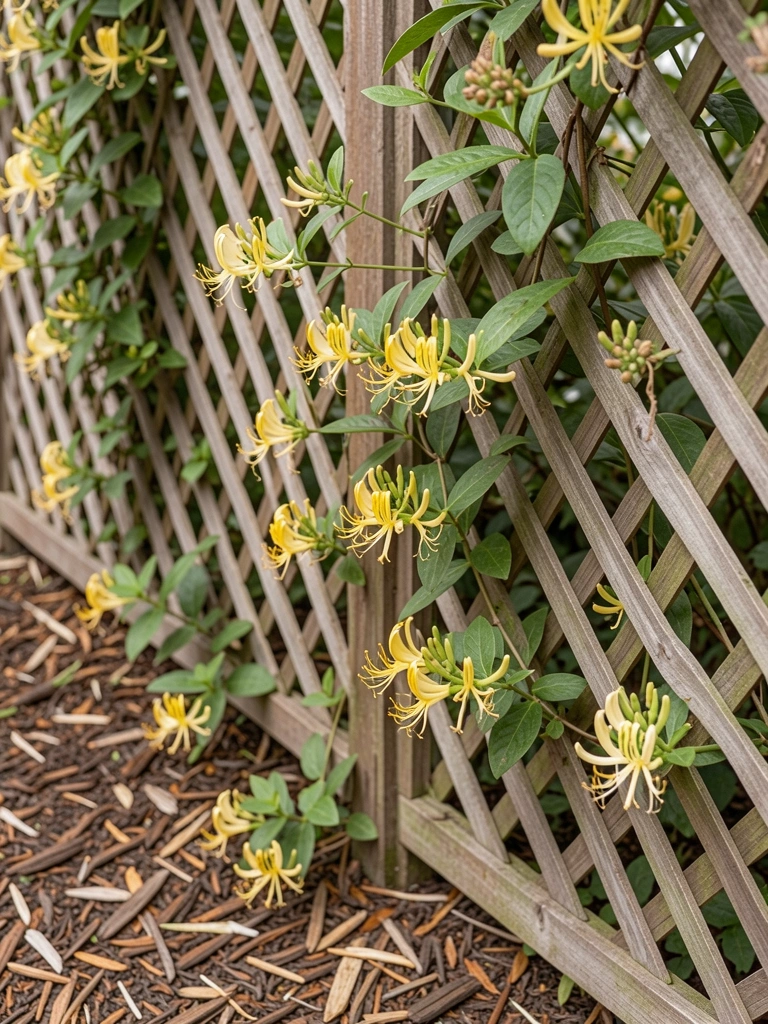
    8. Lattice Panels Overplanted with Honeysuckle

    Honeysuckle swallowed my lattice in one summer. Sweet smell fills the air, no views through. Bees love it too.

    Twine the stems early. Grows wild after.

    Picked non-invasive type—key lesson.

    Smells best near seating.

    What You’ll Need for This Look

    Vinyl lattice panels 4×8 ft white
    Honeysuckle vine non-invasive
    Post brackets for lattice

    9. Raised Beds Packed with Hollyhocks

    Raised beds of hollyhocks line my fence. Eight-foot towers hide the whole neighbor's yard. Rustic flowers sway in breeze.

    Self-seed easy. Thin extras yearly.

    Rust hit mine wet year—better drainage now.

    Blooms all summer long.

    What You’ll Need for This Look

    Cedar raised garden bed 4×8 ft
    Hollyhock seed mix tall
    Landscape staples for edging

    10. Potted Arborvitae Clustered for Corner Cover

    Clustered arborvitae pots screen my hot tub corner. Evergreen all year, softens the fence line.

    Five-gallon sizes fill quick. Rotate for even growth.

    Planted in full sun once—browned. Partial shade rules.

    Trim tips lightly for shape.

    What You’ll Need for This Look

    Terracotta planters 24 inch
    Arborvitae trees 5 gallon
    Pot feet for drainage

    11. DIY Pallet Fences Stained Dark

    Stacked pallets, stained them dark along my drive. Solid block now, cheap and sturdy. Ivy fills cracks.

    Hunt free pallets—clean first.

    Stain dripped messy—tape edges.

    Screws over nails hold better.

    What You’ll Need for This Look

    Wood stain dark walnut gallon
    Deck screws 3 inch galvanized
    English ivy groundcover plants

    12. Willow Branch Hurdle Screens Bent in Place

    Wove willow hurdles along my walkway. Natural curve hides the sidewalk view. Ages to silver patina.

    Flexible—bend to fit. Stake deep.

    Weevils munched one—rotate spots.

    Light filters soft through.

    What You’ll Need for This Look

    Willow hurdle fencing 6 ft roll
    Metal garden stakes 24 inch
    Wire for weaving reinforcement

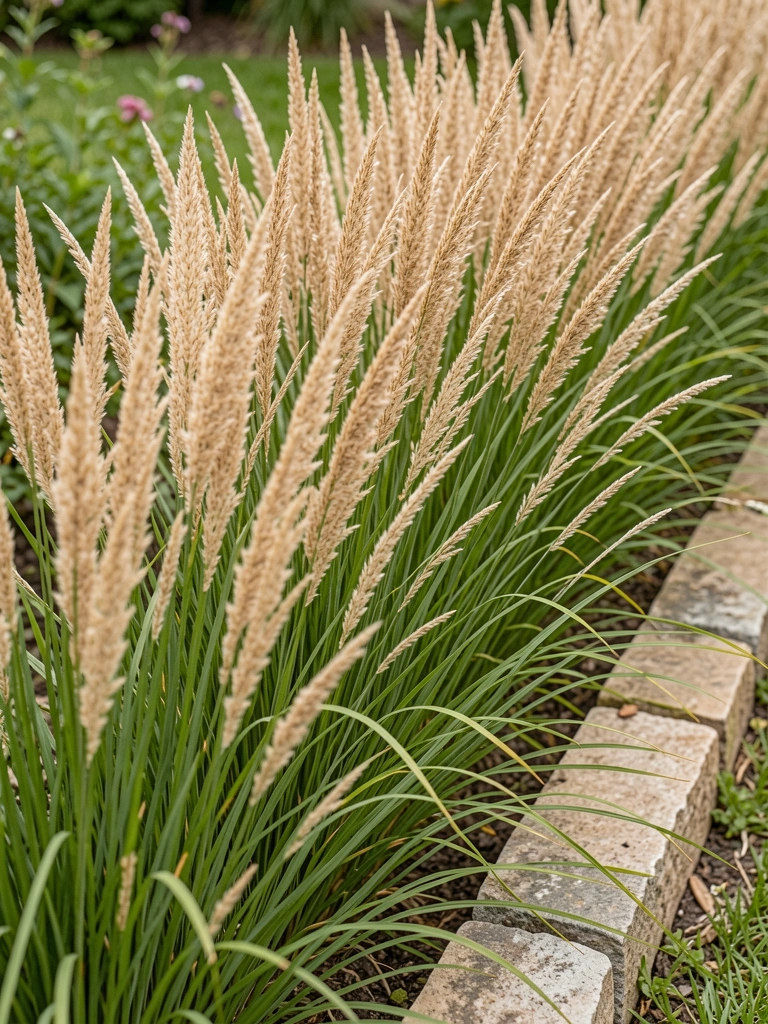
    13. Tall Feather Reed Grass in Border Rows

    Rows of feather reed grass edge my lawn. Six feet high, blocks street noise and sight. Stays upright in wind.

    Plant 2 feet apart. Fills in two years.

    Flopped first winter—divide clumps.

    Dries pretty in fall.

    What You’ll Need for This Look

    Feather reed grass plants 1 gallon
    Stone garden edging kit
    Compost for planting holes

    14. Removable Reed Mats on Balcony Rails

    Tied reed mats to my apartment balcony rail. Instant privacy for coffee time. Rolls up for storage.

    Double layer for full block. Zip ties easy.

    Frayed ends after rain—trim yearly.

    Great for small spots.

    What You’ll Need for This Look

    Reed fencing mats 6×16 ft
    Heavy duty zip ties 12 inch
    Balcony plant hangers

    15. Espaliered Apple Trees Flat Against Walls

    Espalier apples on wires along my garage wall. Branches fan out dense, fruit bonus. Hides the whole side.

    Train young—patience pays.

    Wrong variety leaned—choose dwarf.

    Prune summer for shape.

    What You’ll Need for This Look

    Dwarf apple tree espalier ready
    Wire trellis kit for espalier
    Pruning saw curved blade

    16. Bamboo Pole Curtains Tied to Posts

    Bamboo poles strung between posts screen my fire pit. Clatters softly in breeze, full cover.

    Overlap poles 6 inches. Rope strong.

    Birds pecked thin spots—thicker poles now.

    Slides open for views when wanted.

    What You’ll Need for This Look

    Bamboo poles 1 inch diameter 6 ft
    Manila rope 1/2 inch thick
    Post anchors concrete

    17. Dense Boxwood Balls on Stands

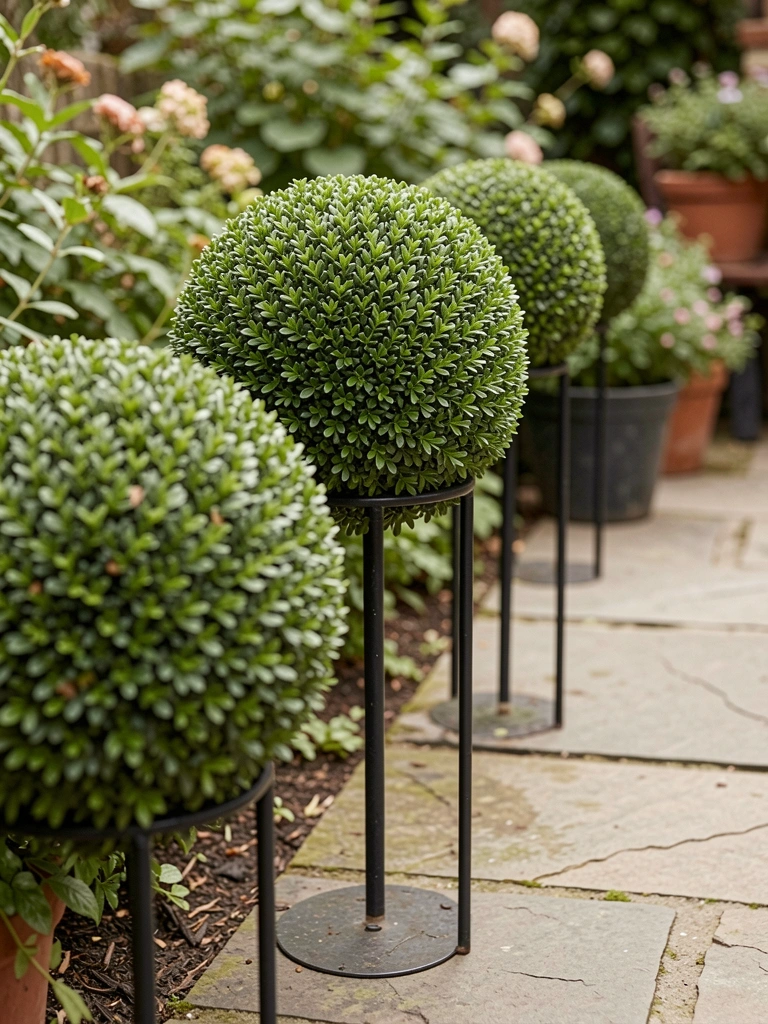
    Boxwood balls on stands ring my patio. Formal but soft, blocks low views. Clip once spring.

    Topiary wire helps shape.

    Scale insects hit mine—soap spray fixed.

    Year-round green.

    What You’ll Need for This Look

    Boxwood topiary balls 18 inch
    Metal plant stands black
    Insecticidal soap concentrate

    18. Outdoor Roll-Up Blinds on Tracks

    Roll-up blinds track along my pergola. Drop for privacy, roll for air. Weatherproof holds up.

    Motorized ones fancy, but cord-pull works.

    Snagged on vines—clear space.

    Custom fit best.

    What You’ll Need for This Look

    Outdoor roll up blinds 8 ft wide
    Aluminum track kit for blinds
    Cordless blind pull

    19. Giant Ferns in Oversized Tubs

    Giant ferns in tubs flank my deck steps. Lush 5-foot fronds hide the approach. Shade lovers.

    Moist soil key. Mulch holds it.

    Slugs ate edges—beer traps worked.

    Feels jungle cozy.

    What You’ll Need for This Look

    Fiberglass tubs 30 gallon
    Giant ostrich fern plants
    Organic slug bait pellets

    20. Vine-Covered Arbors at Gate Entries

    Grape arbor at my gate entrance. Thick canopy screens arrivals. Fruit in fall sweet reward.

    Cross-pollinate varieties.

    Birds stole grapes—net now.

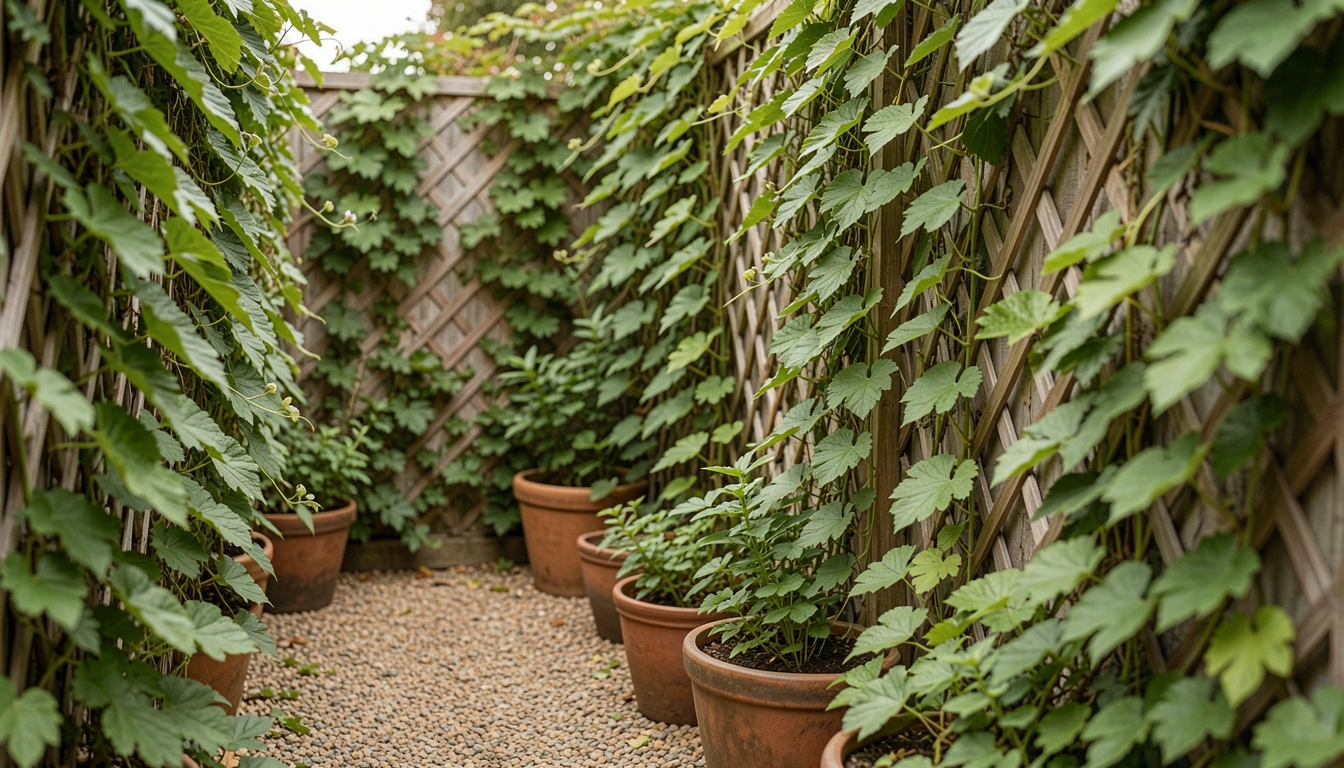
    Walk-through privacy.

    What You’ll Need for This Look

    Freestanding arbor kit metal
    Grape vine table variety
    Deer netting 7×50 ft

    21. Mixed Perennial Borders with Rudbeckia

    Perennial border of rudbeckia and phlox hugs my fence. Blooms layer high, no gaps. Butterflies come, neighbors don't see in.

    Mix heights. Deadhead for more flowers.

    Powdery mildew year one—air space fixed.

    Returns stronger yearly.

    What You’ll Need for This Look

    Rudbeckia perennial plants 1 gallon
    Garden phlox tall mix
    Fungicide powder for plants

    Final Thoughts

    Start with one idea that fits your yard's light and soil. Watch it settle in over months. No rush—gardens build peace slow.

    You've got this. A little green goes far for quiet corners.

    Mix what calls to you. Enjoy the calm.