Blog

  • 7 Garden Brick Walkway Ideas For Classic Paths

    7 Garden Brick Walkway Ideas For Classic Paths

    I stepped out one morning after rain, and my old dirt path had turned into a slick mess. Shoes caked, plants trampled. That's when I started laying bricks. Simple ones, nothing fancy.

    Over years of tweaking, those paths changed everything. They guide your eye, keep feet dry, make the garden feel like home.

    Now, every walk pulls you deeper into the green. It's that quiet satisfaction.

    7 Garden Brick Walkway Ideas For Classic Paths

    These 7 ideas come straight from my gardens—the ones with real dirt under nails. Pick one that fits your space. They're straightforward, with what works and what to watch for.

    1. Winding Brick Path Edged with Creeping Thyme
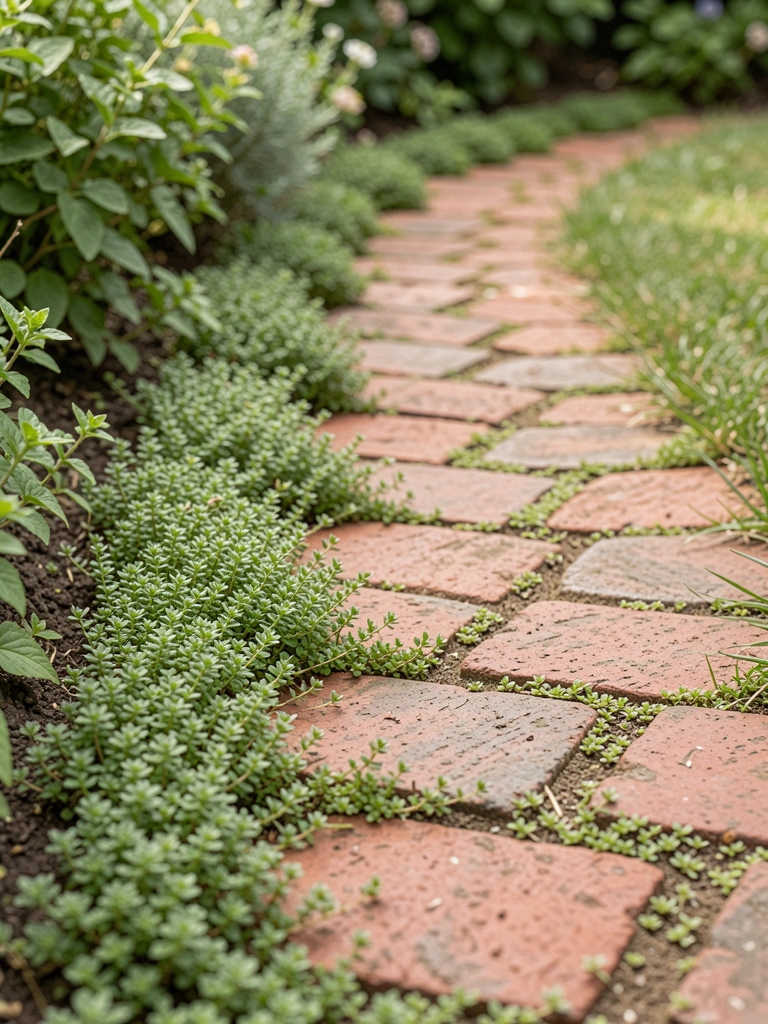
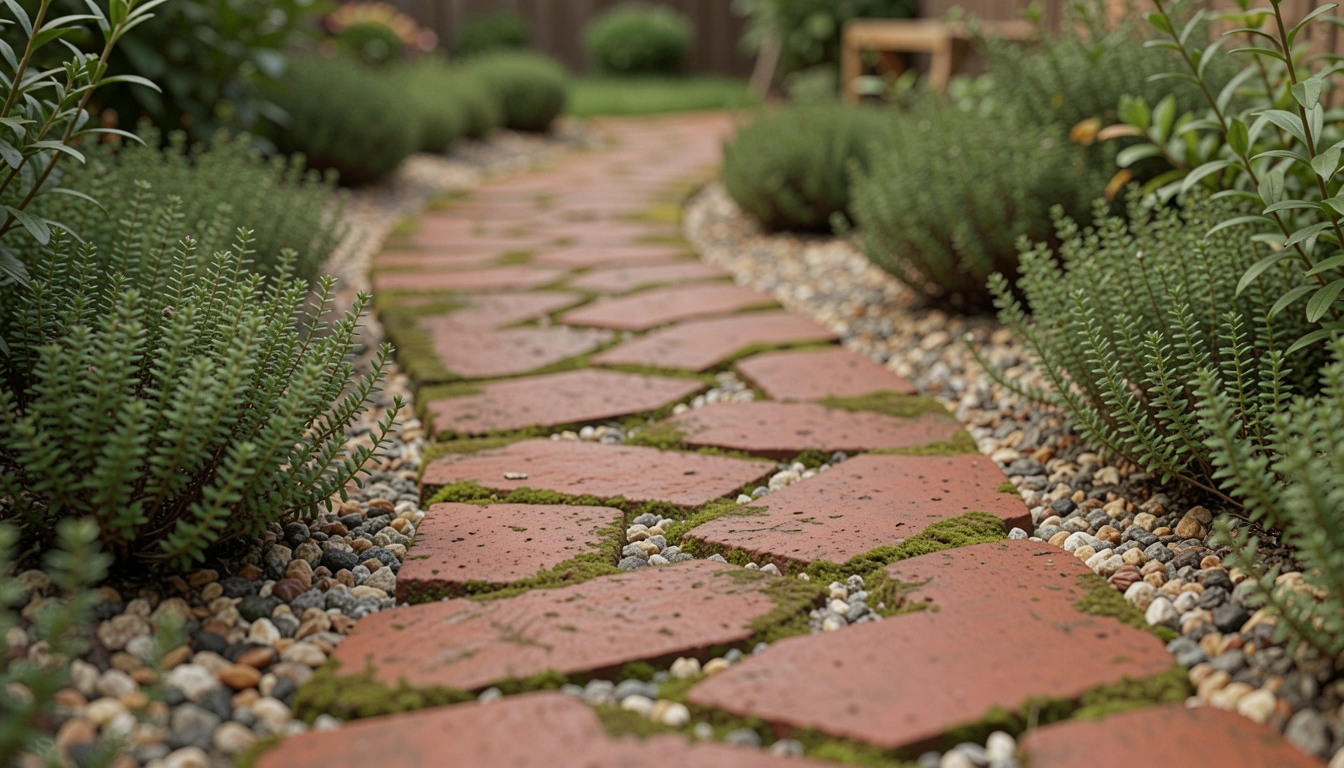
    I laid this winding path to my shed because straight lines felt too stiff. Bricks in a gentle curve, about 3 feet wide, let thyme creep in from the sides. It softens the edges, smells good when you brush it.

    At first, I planted too much grass nearby, and it invaded. Pulled it all, added thyme instead. Now, no mowing needed there, and it fills in thick by summer.

    The path pulls you around roses without feeling forced. Feet stay clean, even after rain.

    Watch the thyme spread—it covers cracks if you let it. Trim once a year.

    What You’ll Need for This Look

    Creeping thyme plants (4-inch pots)

    Red clay pavers (12×12 inch)

    Landscape gravel for edges (50 lb bag)

    2. Straight Brick Runner Flanked by Lavender Borders
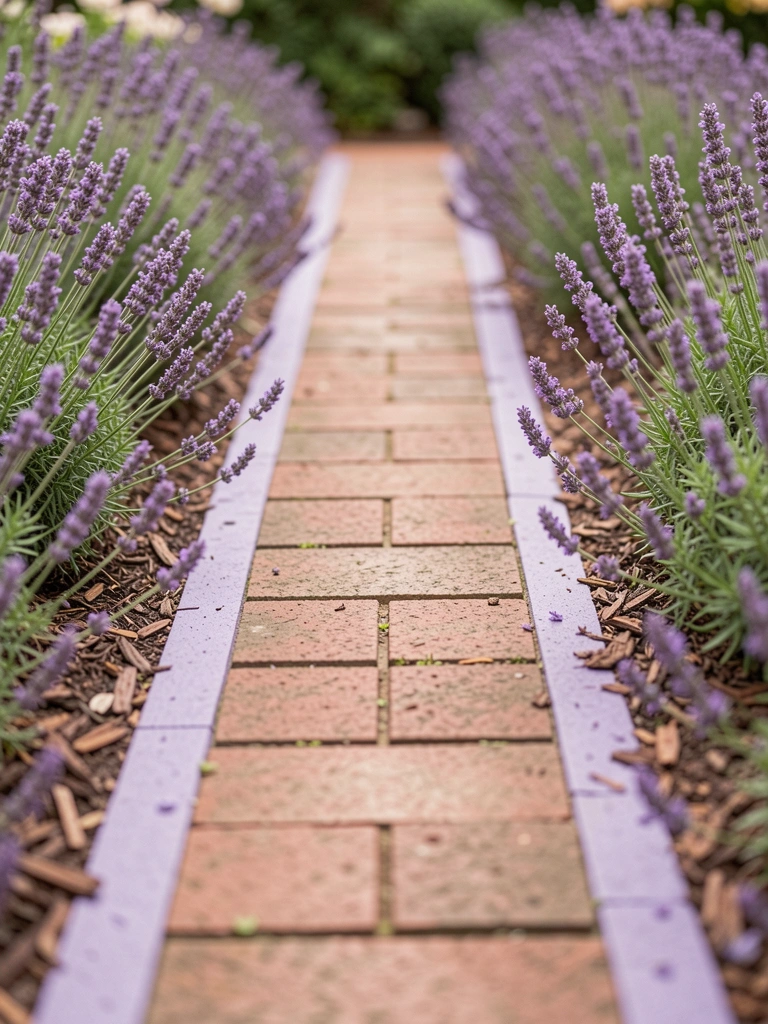
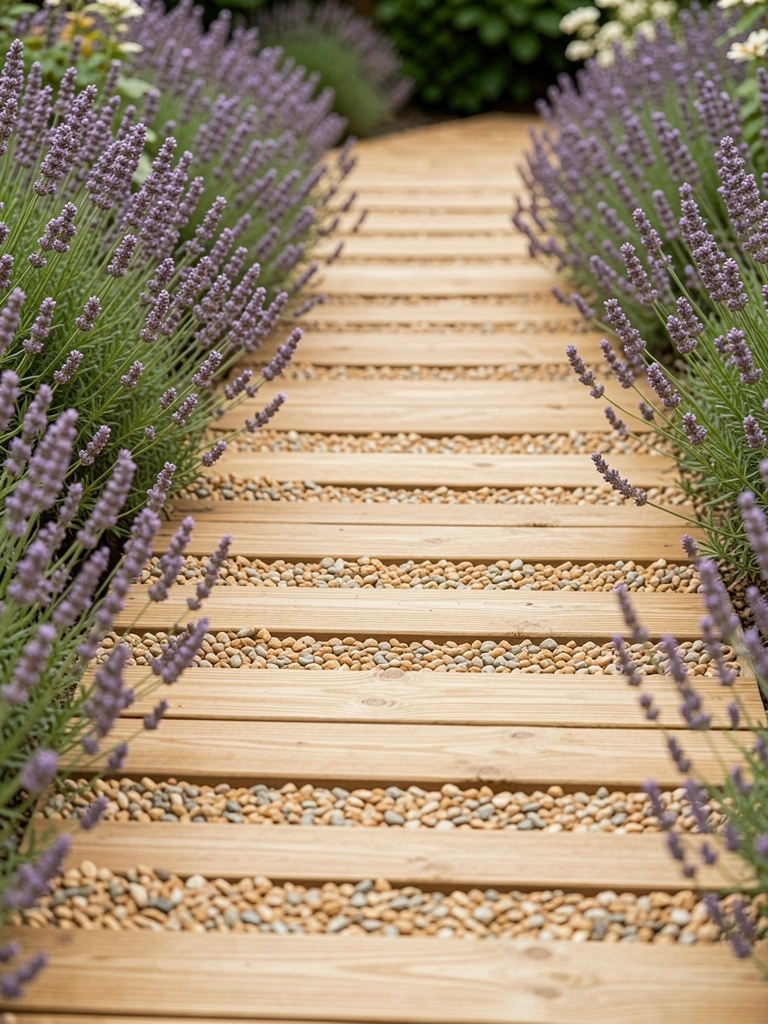
    My backyard needed a quick path from gate to patio. I used skinny bricks in a single row, lavender bushes on both sides. It's narrow, just right for one person, but feels generous with the plants.

    Lavender grew taller than I thought first year, shading the bricks. Pruned it back, and now it frames without crowding. Bees love it, adds that hum on warm days.

    The straight line makes the yard look longer. Walk it, and you're at the chairs fast.

    Plant lavender a foot from bricks—they spread. Water less once established.

    What You’ll Need for This Look

    English lavender plants (1 gallon)

    Thin brick pavers (4×8 inch runner style)

    Solar path lights, black finish

    3. Herringbone Brick Pattern with Gravel Infill
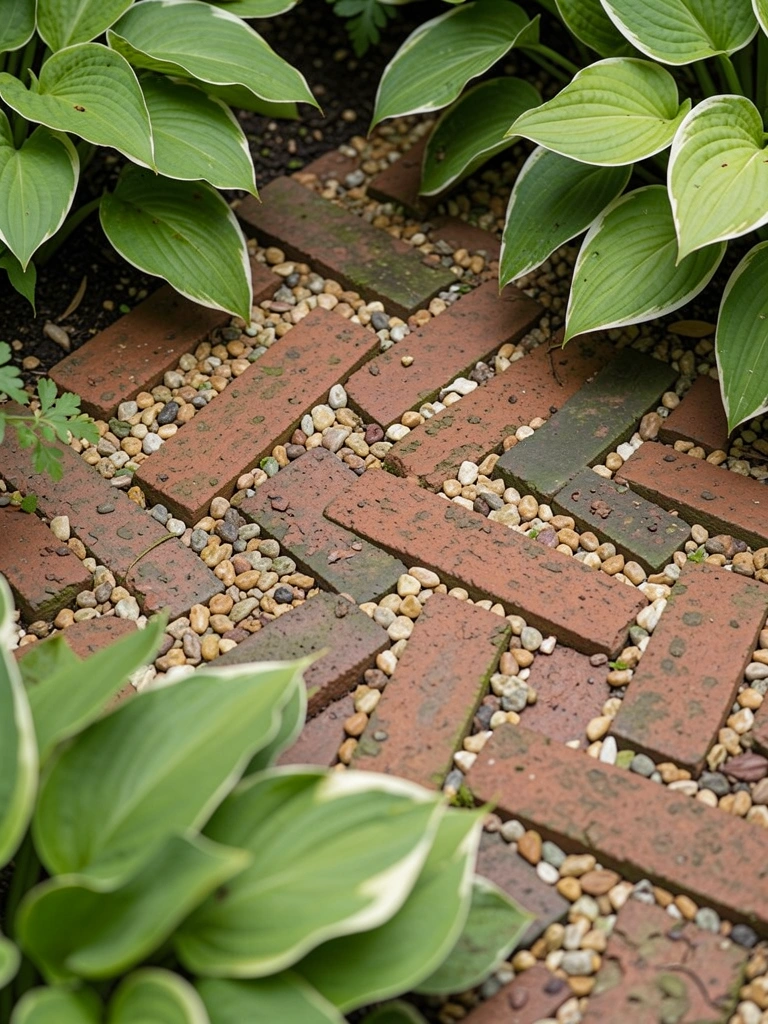
    I tried herringbone in my side yard for that old-farm feel. Bricks at 45 degrees, gravel packed tight between. It grips better than flat lays, no slipping.

    First go, gravel washed out in heavy rain. Mixed in sand next time—stays put. Now it's solid, with hostas poking up along the edges.

    The pattern draws your eye without shouting. Makes a short path feel like an adventure.

    Lay on sand base, two inches deep. Tamp well.

    What You’ll Need for This Look

    Pea gravel (40 lb bag)

    Herringbone brick pavers (6×9 inch)

    Landscape fabric underlay (3 ft x 50 ft)

    Hosta plants (1 quart)

    4. Brick Steps with Trailing Verbena Sides
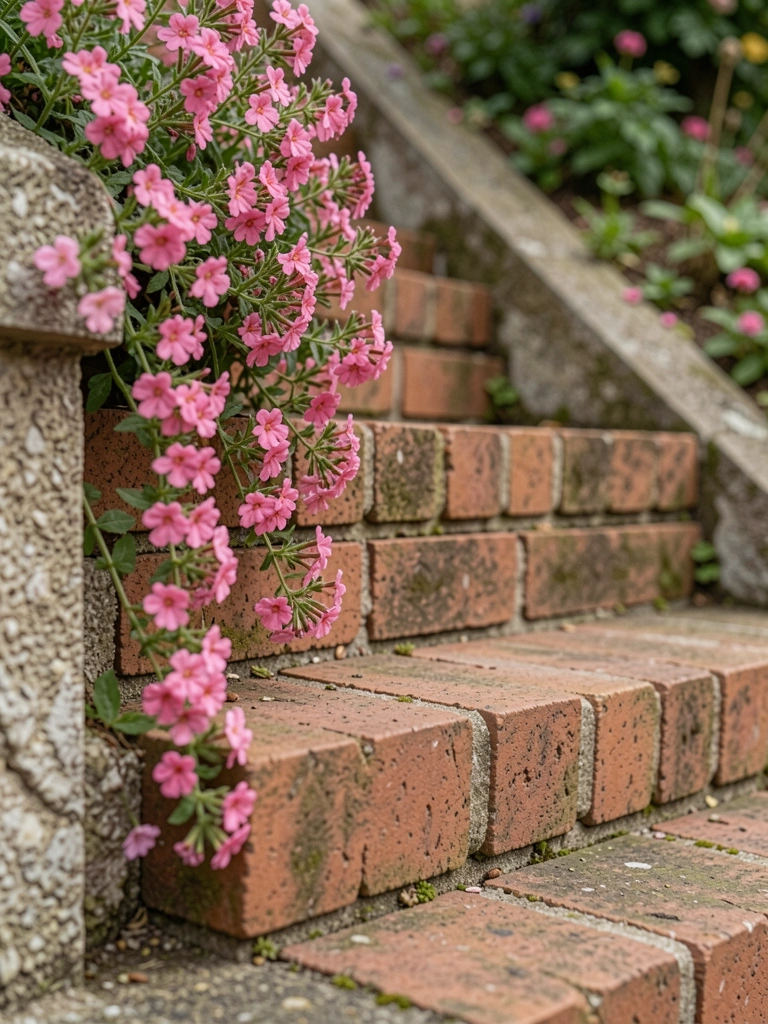
    Up my hillside, I built low steps with bricks. Each tread two bricks wide, verbena trailing down the risers. It softens the climb, flowers all summer.

    Bought the wrong verbena once—too upright. Switched to trailing kind, now it drapes perfect.

    Steps feel part of the hill, not added on. Safer too, with plants gripping soil.

    Stack bricks dry or mortar light. Check level each step.

    What You’ll Need for This Look

    Trailing verbena plants (4-inch pots)

    Tumbled brick step treads (12×18 inch)

    Construction sand (50 lb bag)

    5. Curved Brick Path Lined with Boxwood
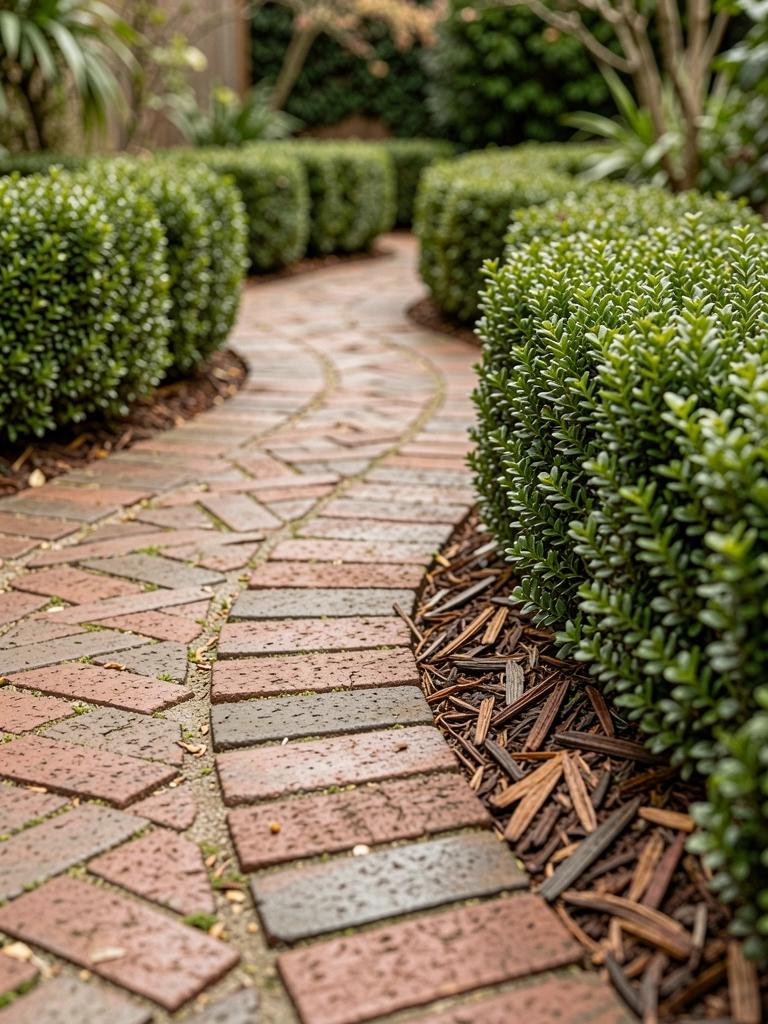
    Curved this path to my veggie beds with fan-shaped bricks. Boxwood low along the sides, clipped round. Keeps it neat, hides the turn.

    Boxwood yellowed first winter—too much sun. Moved some, added shade cloth. Greener now.

    Curve invites slow walks, frames the beds ahead. Feels intentional.

    Space boxwood 18 inches apart. Trim spring.

    What You’ll Need for This Look

    Dwarf boxwood plants (1 gallon)

    Fan brick pavers for curves (8 inch radius)

    Garden shears, ergonomic handle

    6. Rustic Brick Walkway with Solar Lanterns
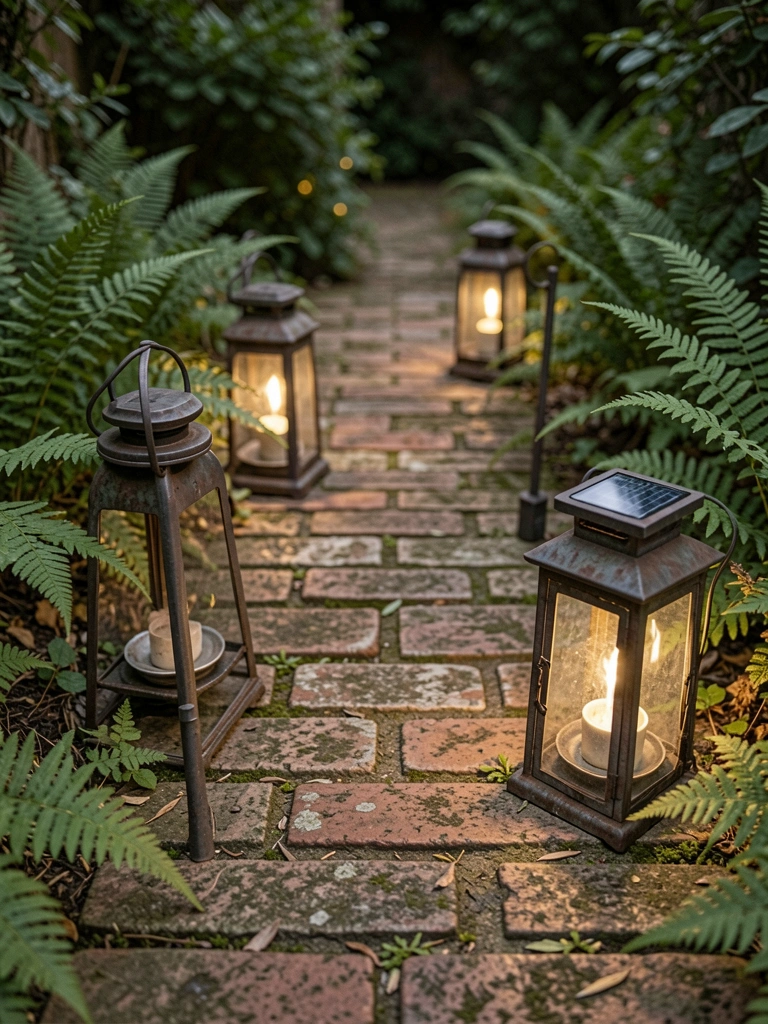
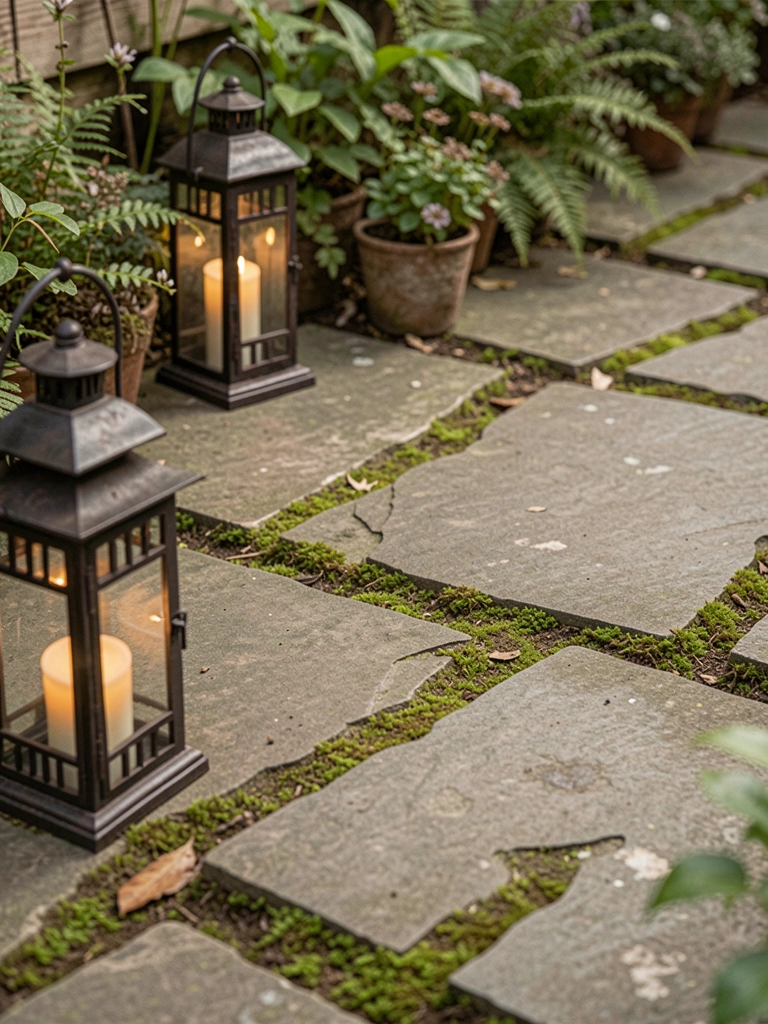
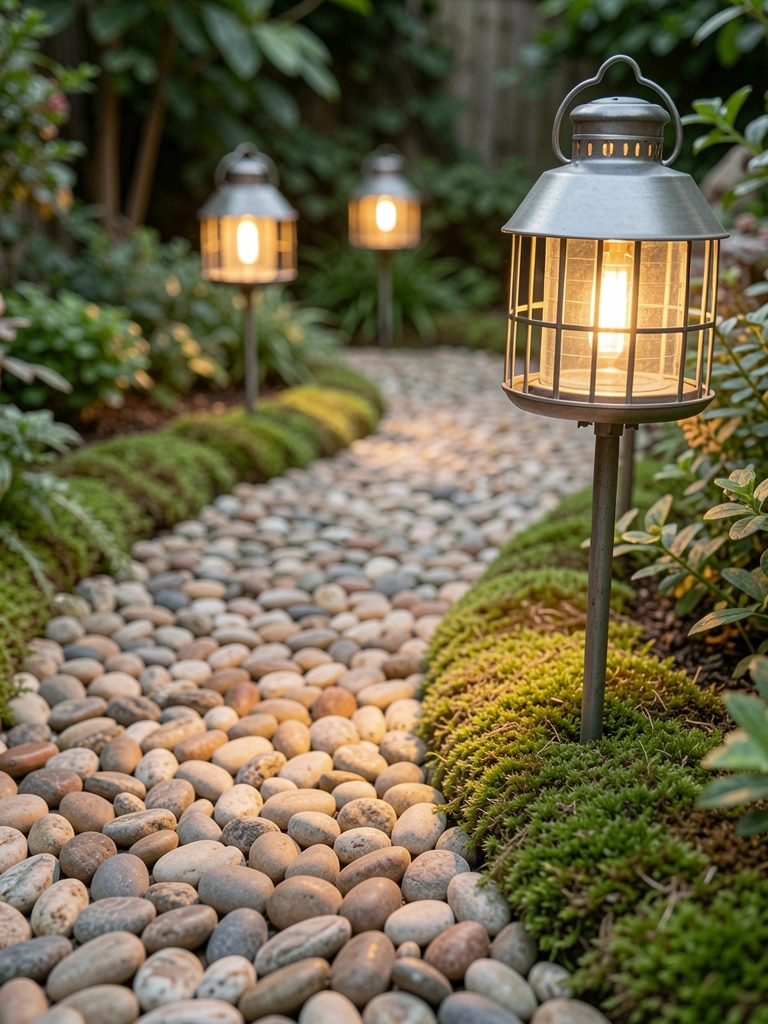
    Rustic bricks, uneven ones, lead to my fire pit. Solar lanterns every few feet, tucked into ferns. Lights up soft at dusk.

    Lanterns died fast first set—cheap batteries. Upgraded, last years now.

    Path feels welcoming after dark, guides without glare.

    Sink lanterns shallow, face down path.

    What You’ll Need for This Look

    Solar lanterns, black metal (set of 6)

    Reclaimed brick pavers (mixed sizes)

    Fern plants, autumn variety (1 quart)

    7. Brick Path Through a Sedum Border
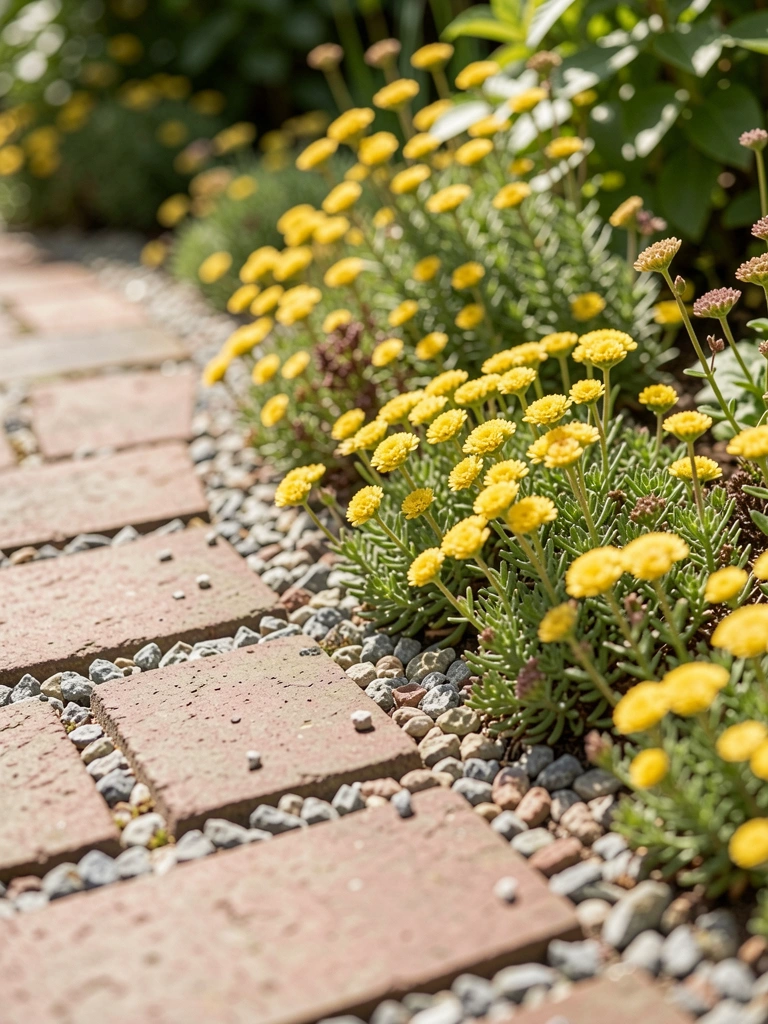
    Straight bricks cut through sedum for low fuss. Plants mound up, pink flowers late summer, die back clean.

    Sedum flopped over path at first—too wet soil. Raised the bed edges, fixed.

    Path stays visible, adds color without work. Drought tough too.

    Plant sedum back from bricks. Divide every three years.

    What You’ll Need for This Look

    Autumn joy sedum plants (4-inch pots)

    Square brick pavers (6×6 inch)

    Mulch, dark bark (2 cu ft bag)

    Final Thoughts

    Start with one idea that matches your dirt and light. Bricks last, paths guide.

    Mine evolved slow—yours will too. No rush.

    Walk it soon, feel the difference. You've got this.
  • 21 Garden Wood Walkway Ideas For Natural Style

    21 Garden Wood Walkway Ideas For Natural Style

    I used to dread rainy days in my garden. Mud clung to everything, and I'd slip reaching for the back tomatoes. One afternoon, I grabbed spare cedar planks and laid a simple path. Suddenly, the space felt welcoming, like it breathed easier. Walking it now pulls me right in.

    No perfection needed. Just wood that grounds you among the plants.

    21 Garden Wood Walkway Ideas For Natural Style

    These 21 garden wood walkway ideas come from my own trial-and-error plots. They're straightforward, blend with nature, and handle real use. Grab one that fits your yard and start stepping.

    1. Reclaimed Pallet Planks for a Rustic Stroll

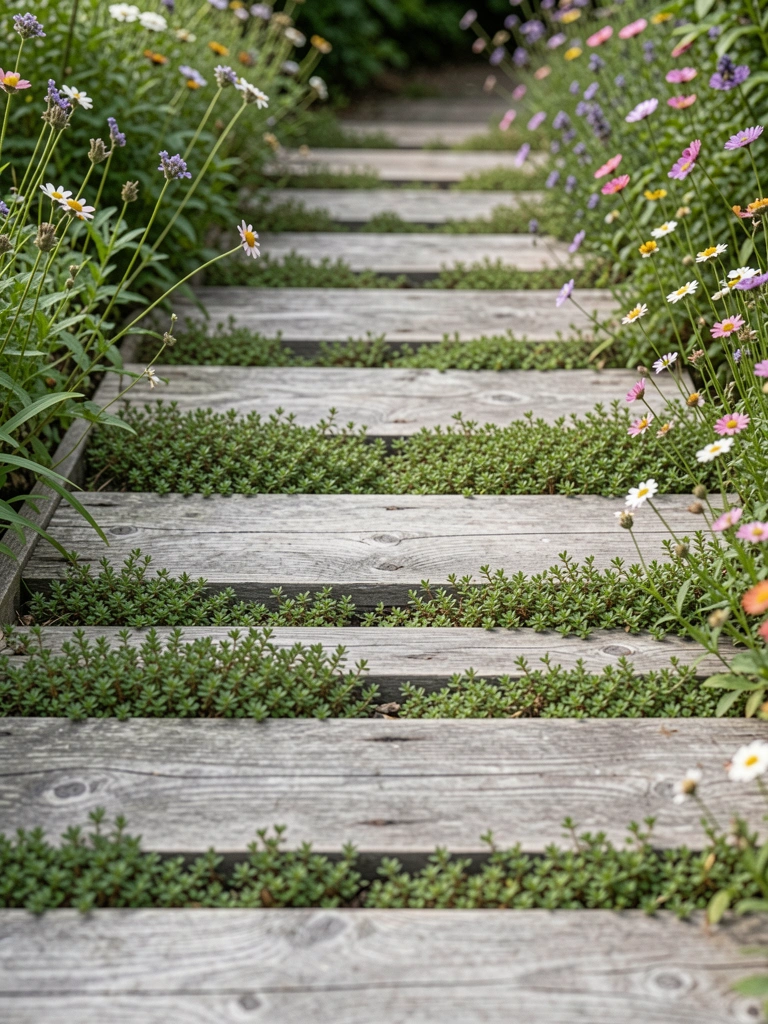
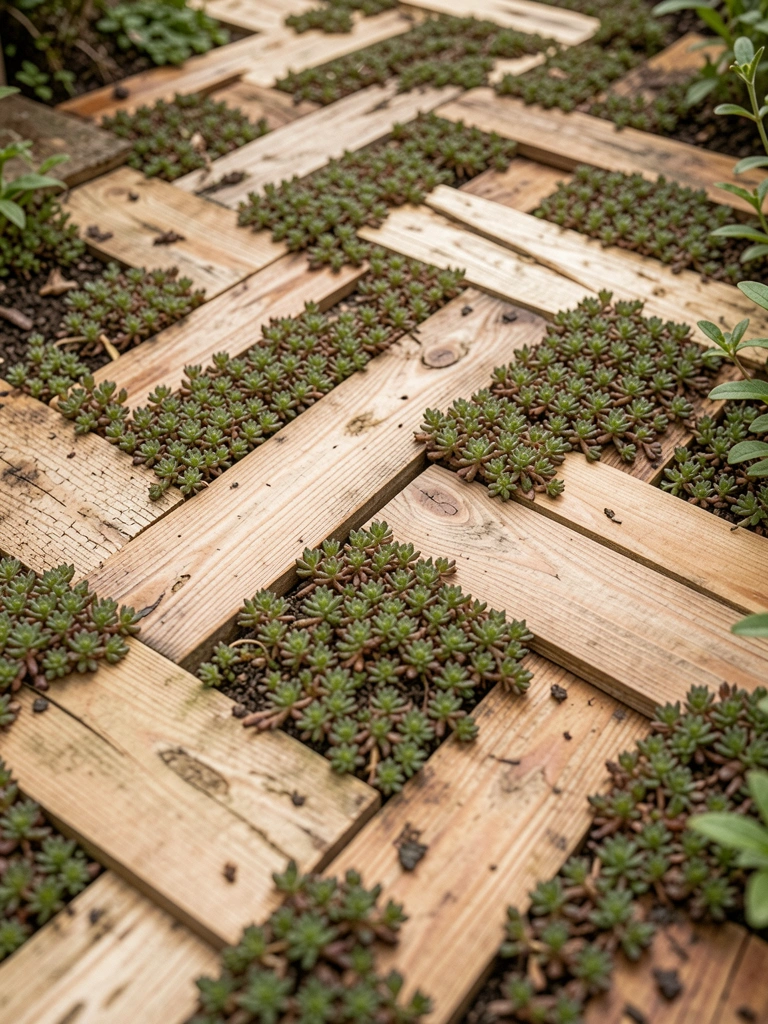
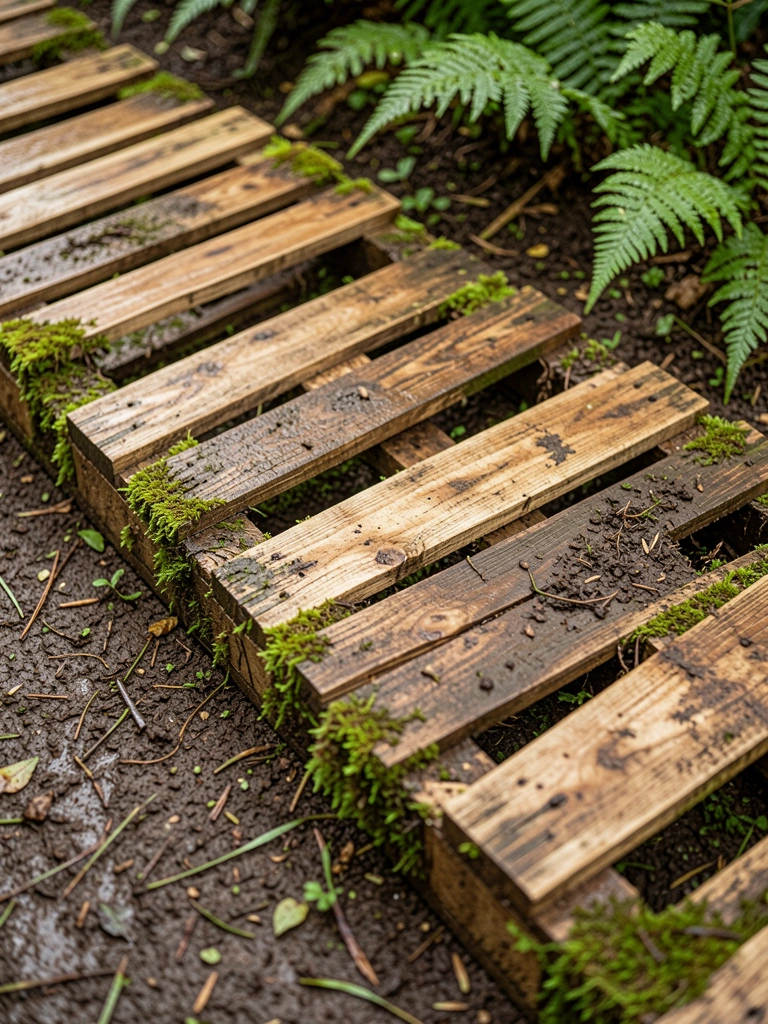
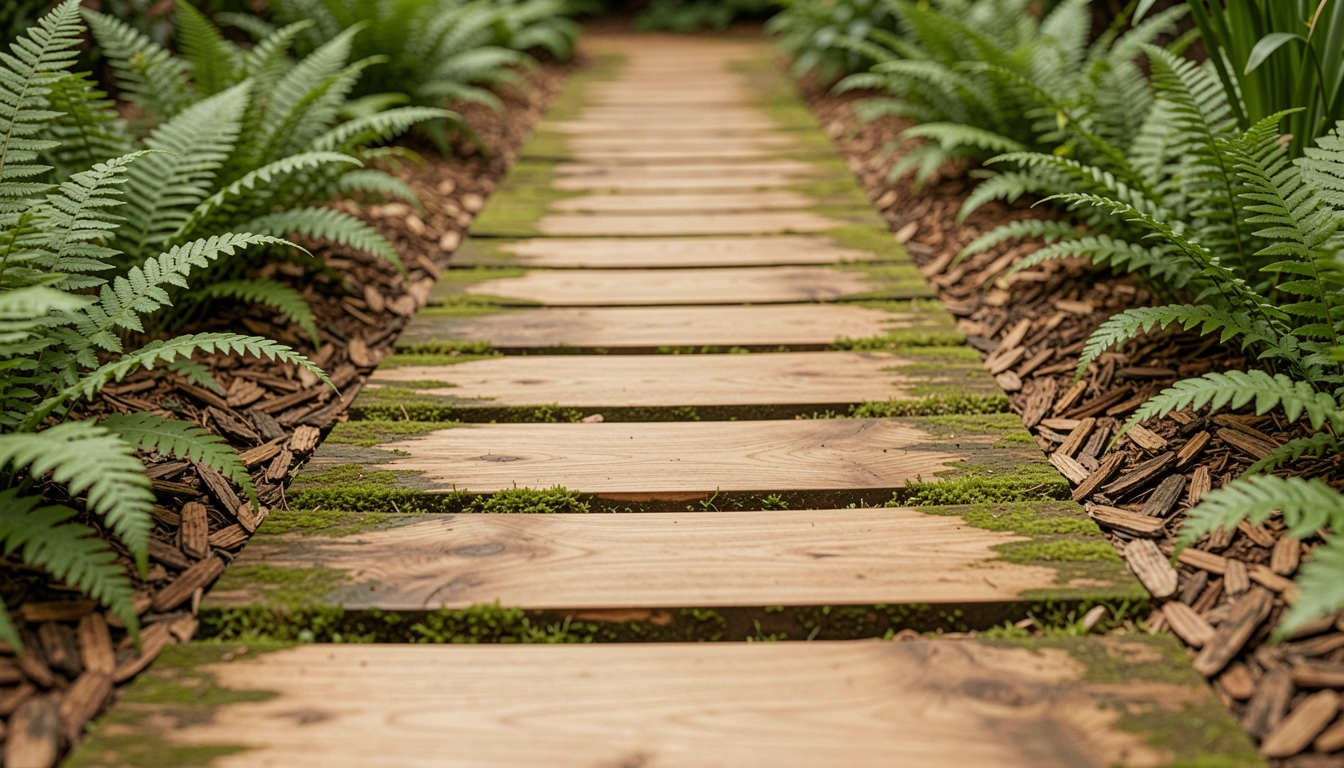
    I broke down old pallets from a neighbor's shed and laid the planks flat across my veggie patch entrance. They settled unevenly at first, but after a season, the wood grayed nicely, matching the fence. It cut the mud and let wheelbarrows roll smooth.

    The path draws your eye to the raised beds now. Feels cozy, not forced.

    Space planks an inch apart for drainage—keeps them from cupping. I wedged in thyme plugs; they spill over without fuss.

    What You’ll Need for This Look

    Reclaimed pallet wood planks (4×8 feet)

    Creeping thyme groundcover plants (4-inch pots)

    Landscape fabric pins (6-inch galvanized)

    2. Cedar Round Stepping Stones in a Winding Path

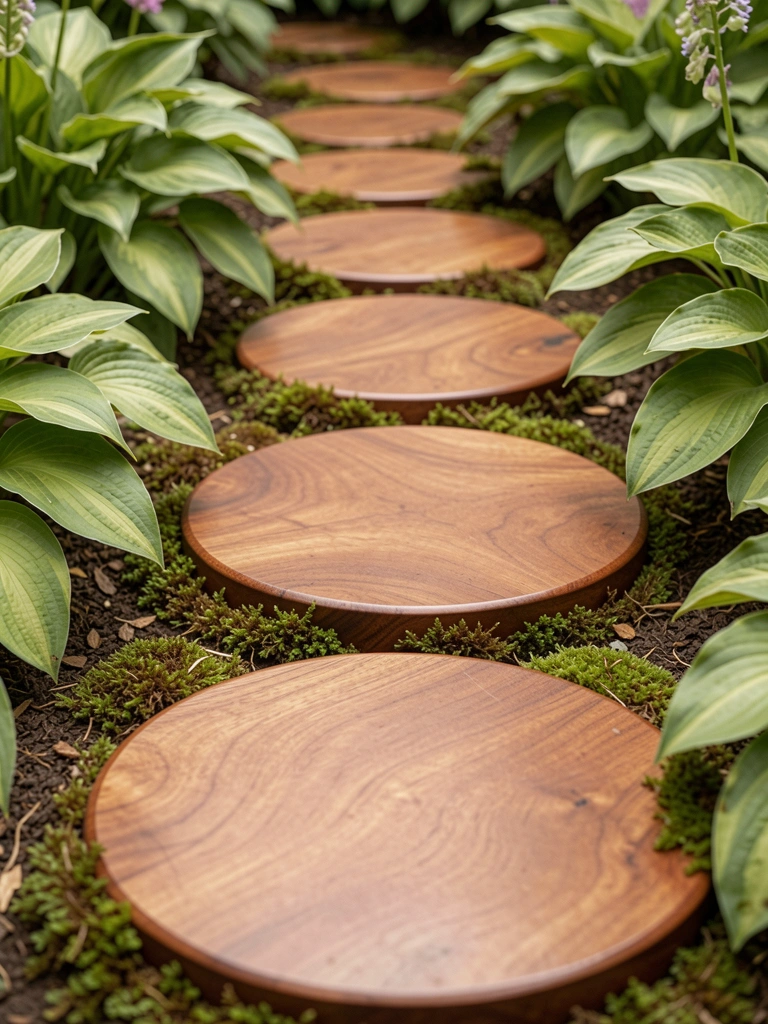
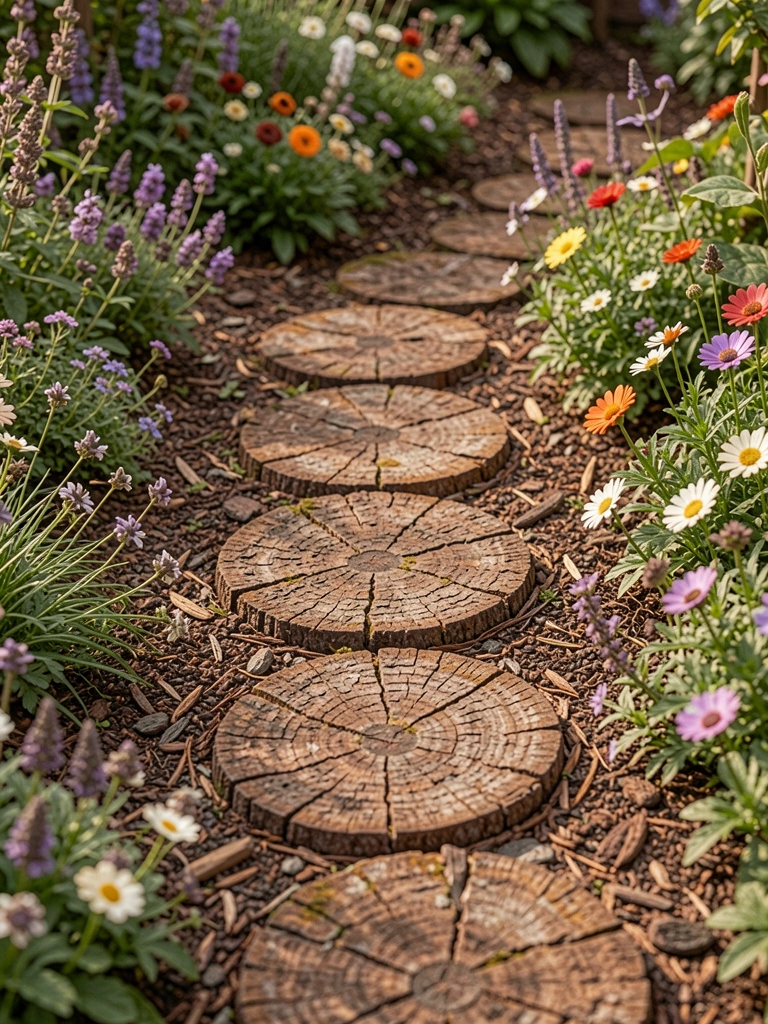
    Sliced up leftover cedar logs into thick rounds for a meandering path through my front bed. Placed them snug but not touching—airflow matters. Rain beads off them still, and the scent hits you fresh each time.

    It slows you down, makes the ferns feel taller. Changed how I see the whole border.

    Set them level with a tamper; mine shifted once from frost heave.

    What You’ll Need for This Look

    Cedar log rounds (18-inch diameter)

    Hostas bare root plants (perennial mix)

    Hand tamper tool (12×12 inch plate)

    Solar path lights (stainless steel)

    3. Pressure-Treated Timber Edged with Gravel

    Buried 4×4 timbers end-to-end along my side yard, topped with gravel for a clean line to the compost. The wood holds firm, gravel shifts just enough to feel natural. No more ankle twists in soft dirt.

    It frames the herbs perfectly, pulls the eye straight.

    Rake gravel yearly; it compacts nice.

    What You’ll Need for This Look

    Pressure-treated landscape timbers (4x4x8 feet)

    Pea gravel bulk bag (50 pounds)

    Lavender plants (8-inch pots)

    Gravel rake (60-inch handle)

    4. Narrow Boardwalk Between Flower Beds

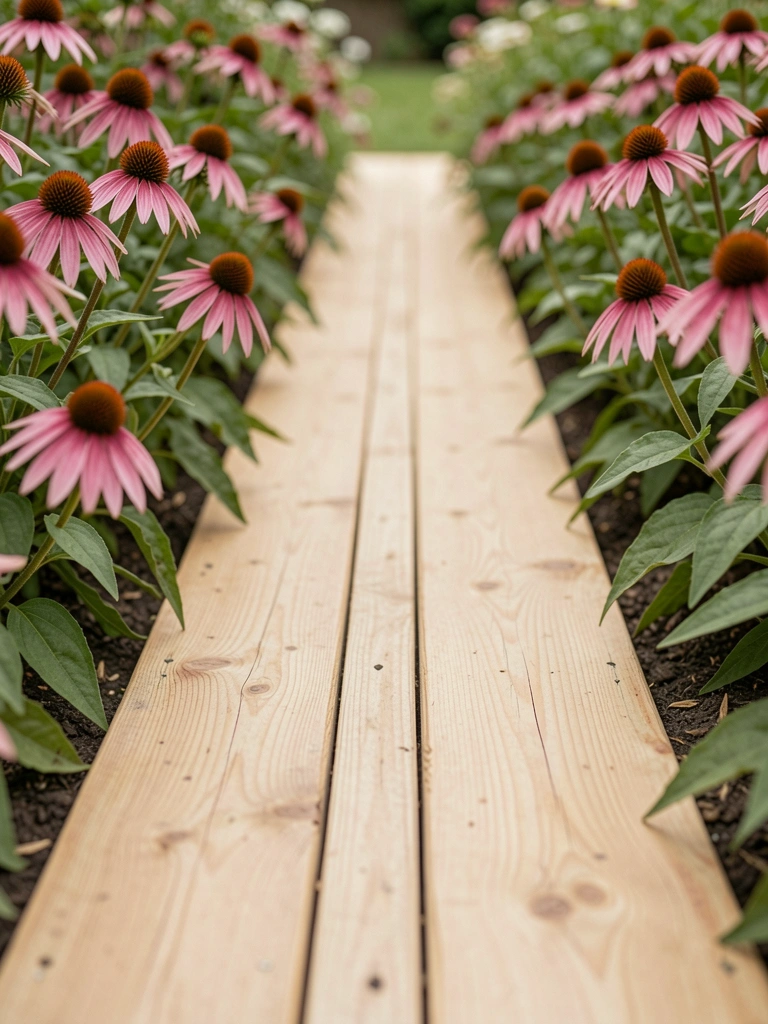
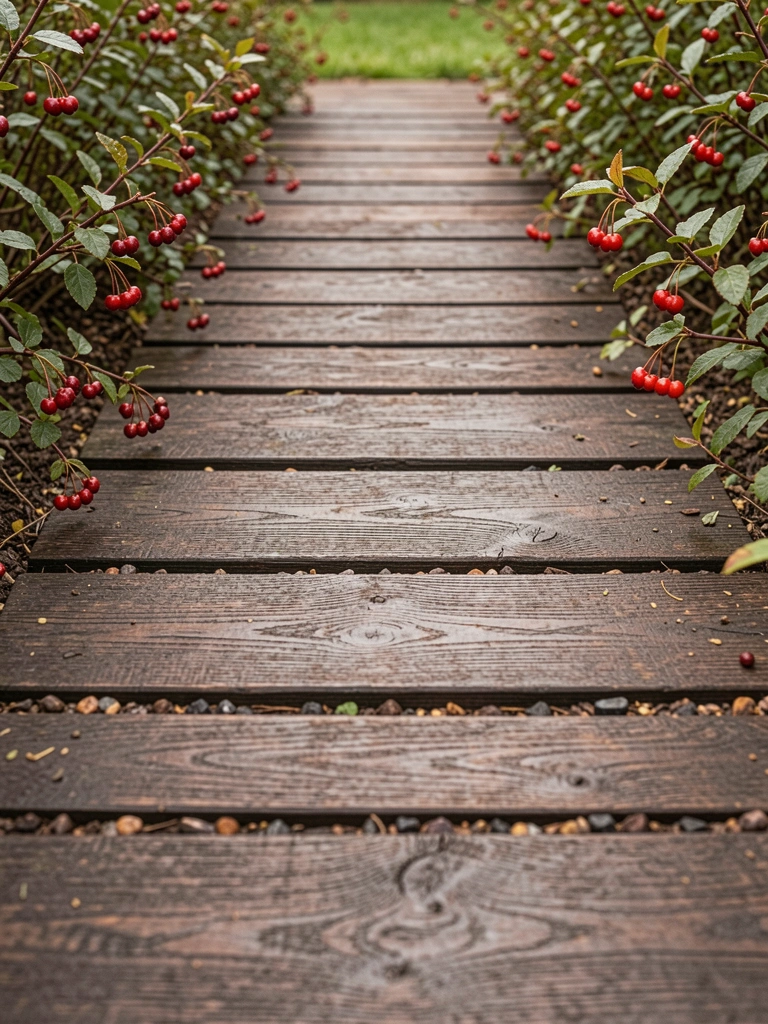
    Nailed 2×6 pine boards side-by-side for a skinny walkway squeezing my perennials. Lets me deadhead without trampling. The boards cup slightly now, holding water for moss to creep in.

    Feels tucked away, intimate. Beds look fuller from it.

    Elevate ends on bricks if low spots flood.

    What You’ll Need for This Look

    Pine boards untreated (2x6x8 feet)

    Echinacea coneflower seeds (perennial pack)

    Galvanized deck screws (3-inch)

    Concrete bricks (8x8x2 inch)

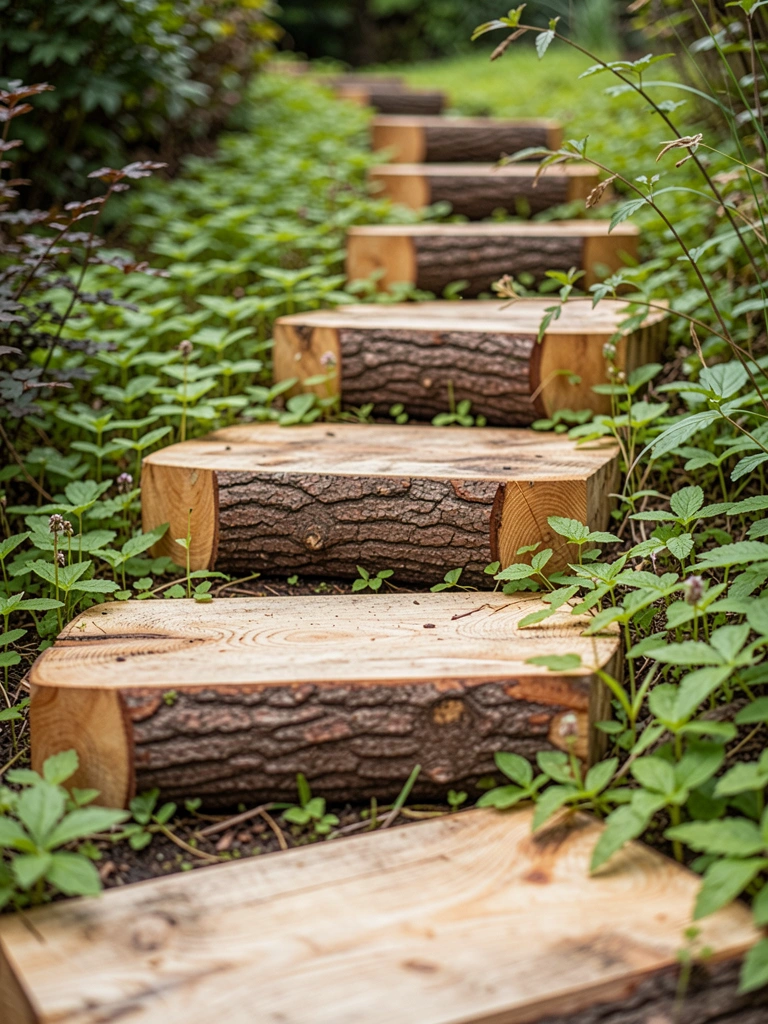
    5. Zigzagging Log Slices Down a Gentle Slope

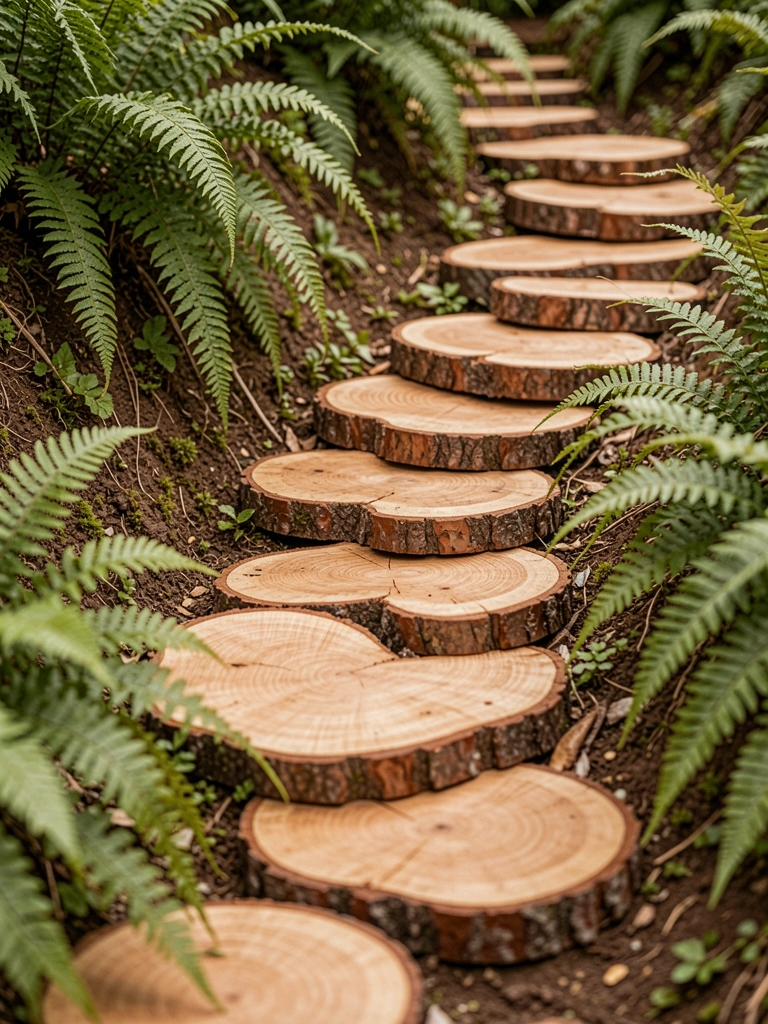
    Chopped pine logs into slices and zigzagged them down my backyard incline. Each step drops a bit, guiding feet naturally. Ferns tuck in the gaps, softening the drop.

    No slipping now, even damp. Path blends into the hill.

    Bury half-deep for stability.

    What You’ll Need for This Look

    Pine log slices (12-inch diameter)

    Fern plants shade-loving (1-gallon pots)

    Post hole digger manual

    6. Flat-Laid Sleepers for Wheelbarrow Access

    Laid old oak sleepers flat to my shed—wide enough for loads of soil. They darkened over summer, roots pushing up edges just right. Handles heavy feet fine.

    Clears the clutter feel instantly.

    Check for creosote if reusing old ones.

    What You’ll Need for This Look

    Oak railroad ties (8x8x8 feet)

    Raspberry bush plants (bare root)

    Wheelbarrow steel (6 cubic feet)

    Wood sealer natural finish

    7. Moss-Covered Timber Slabs in Shade Garden

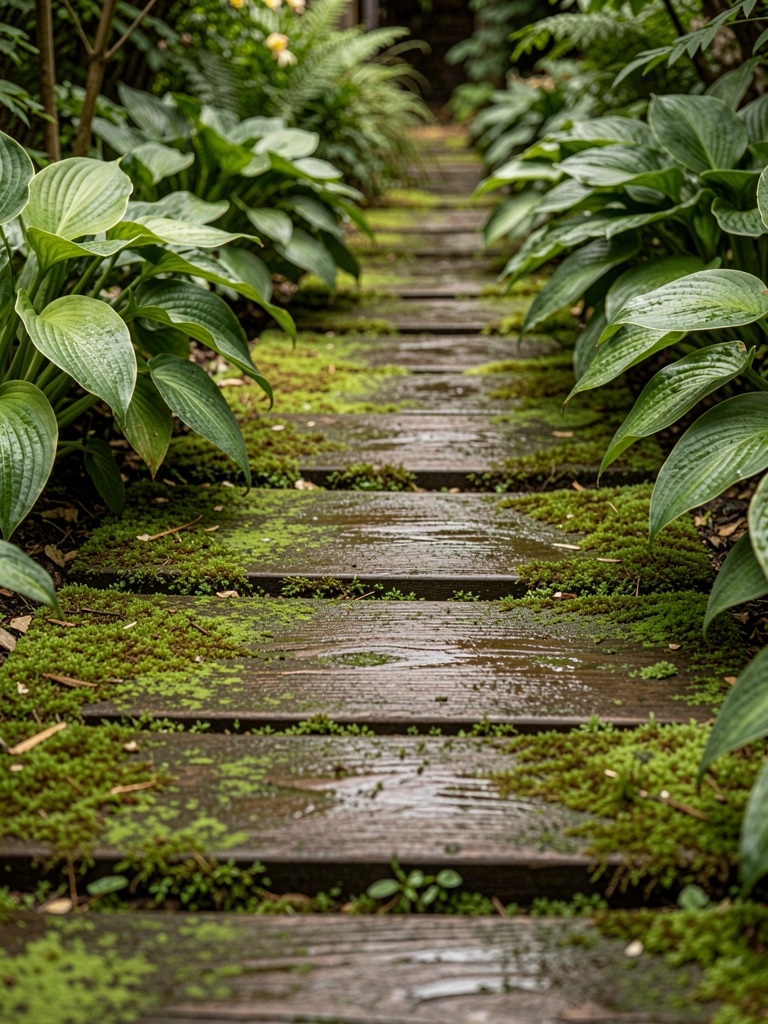
    Placed cedar slabs in my north bed; moss took hold quick from overhead branches. Slippery first winter—lesson learned, added gritty sand topper. Now it's velvet underfoot.

    Shade plants thrive closer. Pure calm.

    Mist lightly to encourage moss.

    What You’ll Need for This Look

    Cedar timber slabs (24×24 inch)

    Moss milkshake starter kit

    Coarse sand builder's (50-pound bag)

    Hostas shade perennials

    8. Herringbone Scrap Wood Pattern

    Cut fence scraps into blocks, laid herringbone to my patio edge. Tight pattern locks them, weeds barely poke through. Wood mellows to silver now.

    Adds quiet interest without shouting.

    Nail edges if loose soil.

    What You’ll Need for This Look

    Scrap pine fence pickets (5/8×5.5 inch)

    Sedum groundcover plugs

    Wood chisel set (carpenter grade)

    9. Elevated Walkway Over Wet Spots

    Built a low bridge with 2x8s over my boggy corner—joists on blocks. Dry feet to the pond plants. Boards weather to patina fast.

    Keeps the wet wild below.

    Level blocks first.

    What You’ll Need for This Look

    Pine 2×8 boards (10-foot lengths)

    Concrete pier blocks (10×10 inch)

    Iris siberian rhizomes

    Level bubble tool (24-inch)

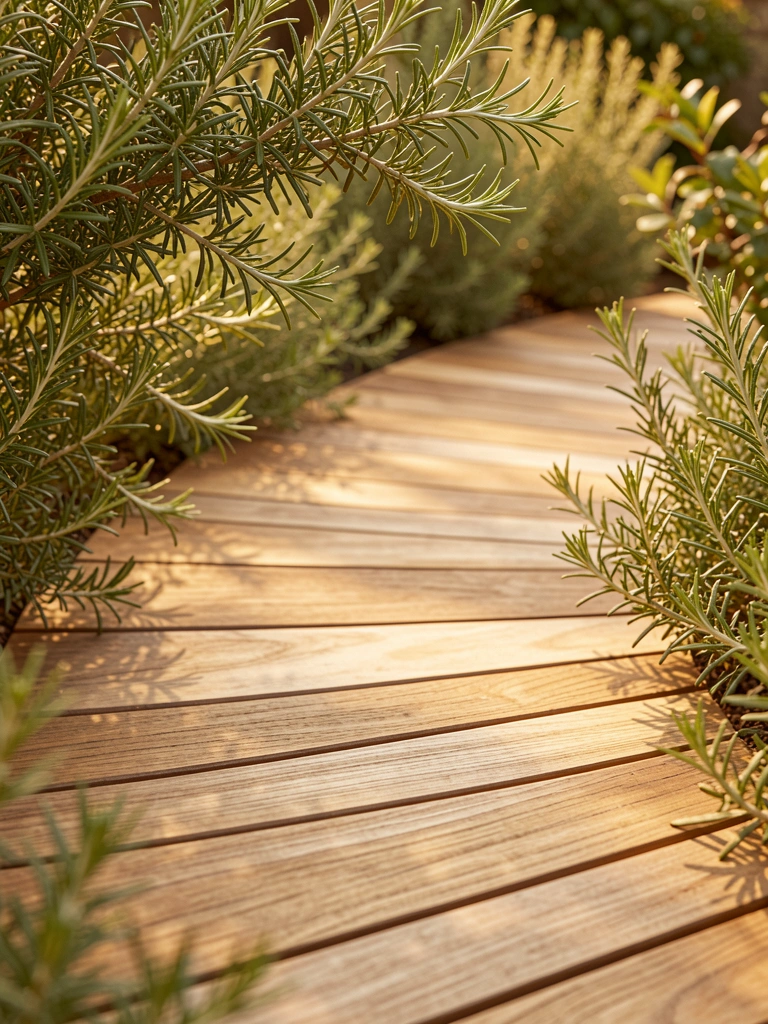
    10. Curved Acacia Path with Overhanging Plants

    Bent thin acacia strips into curves around my rose bed. Plants lean over, brushing shoulders. Oil in the wood repels water well.

    Feels like a secret lane.

    Steam-bend if needed, or score.

    What You’ll Need for This Look

    Acacia hardwood strips (1x4x8 feet)

    Rosemary upright plants (1-gallon)

    Wood steamer rental kit

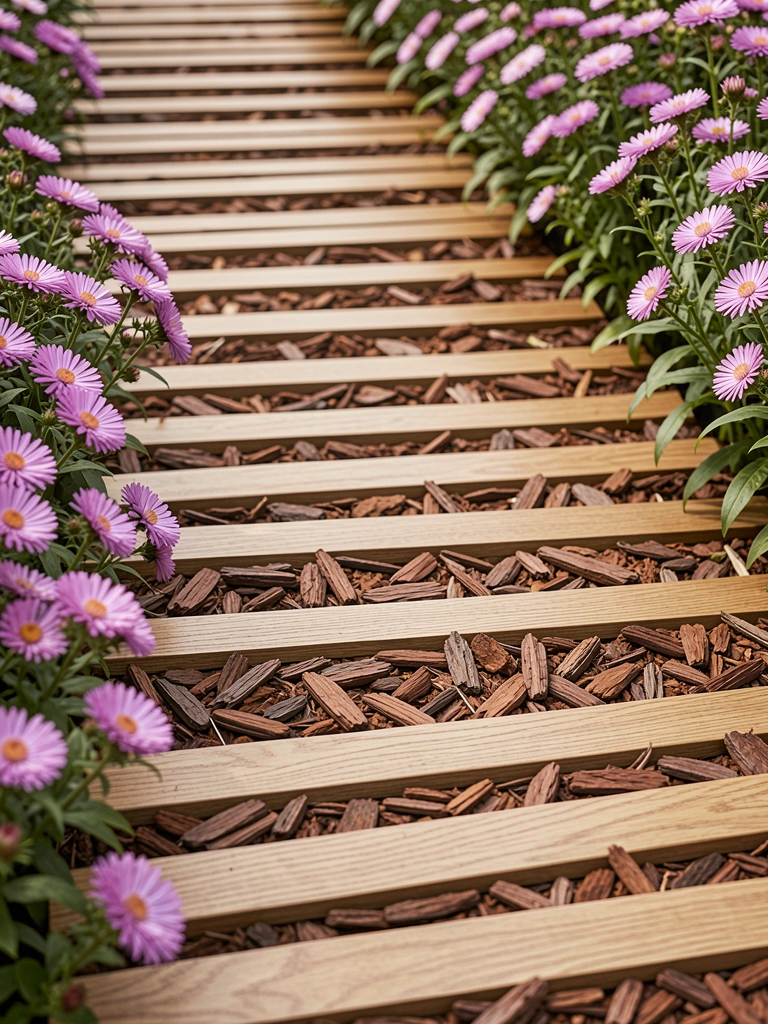
    11. Low-Profile Wood Mulch Hybrid Path

    Sandwiched 1×4 oak in bark mulch to the orchard. Mulch quiets steps, wood gives footing. Blends right in.

    Apples seem closer now.

    Top up mulch yearly.

    What You’ll Need for This Look

    Oak 1×4 boards (8-foot)

    Bark mulch nuggets (2 cubic feet)

    Aster perennial plants

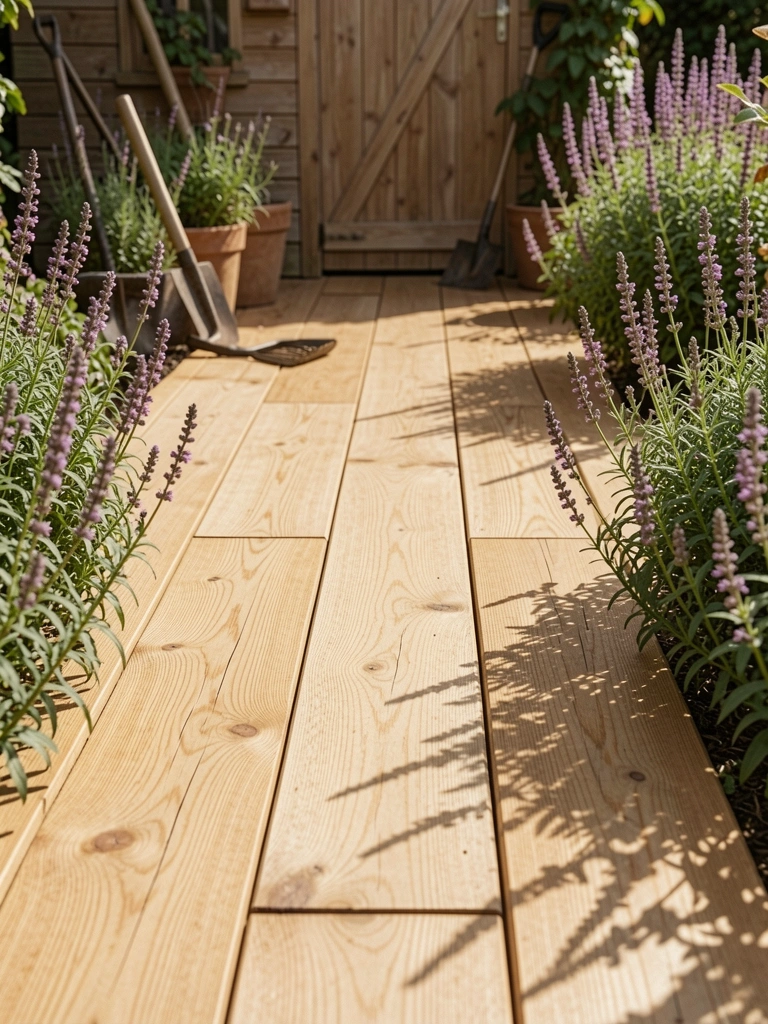
    12. Wide Plank Avenue to the Tool Shed

    Butted 2×12 larch planks for a broad run to storage—hauls gear easy. Forgot to seal ends first; they checked, but character now.

    Straight shot feels purposeful.

    Plane high spots.

    What You’ll Need for This Look

    Larch 2×12 planks (12-foot)

    Salvia plants may night (4-inch)

    Hand plane adjustable

    End grain sealer

    13. Stepped Logs on a Steep Bank

    Halved logs, stepped into my bank to the upper beds. Flat tops grip boots. Ginger fills under, holds soil.

    No erosion fight anymore.

    Stake if soil's loose.

    What You’ll Need for This Look

    Pine half logs (6-foot lengths)

    Wild ginger plants (shade groundcover)

    Landscape staples (6-inch)

    14. Interwoven Branch and Board Path

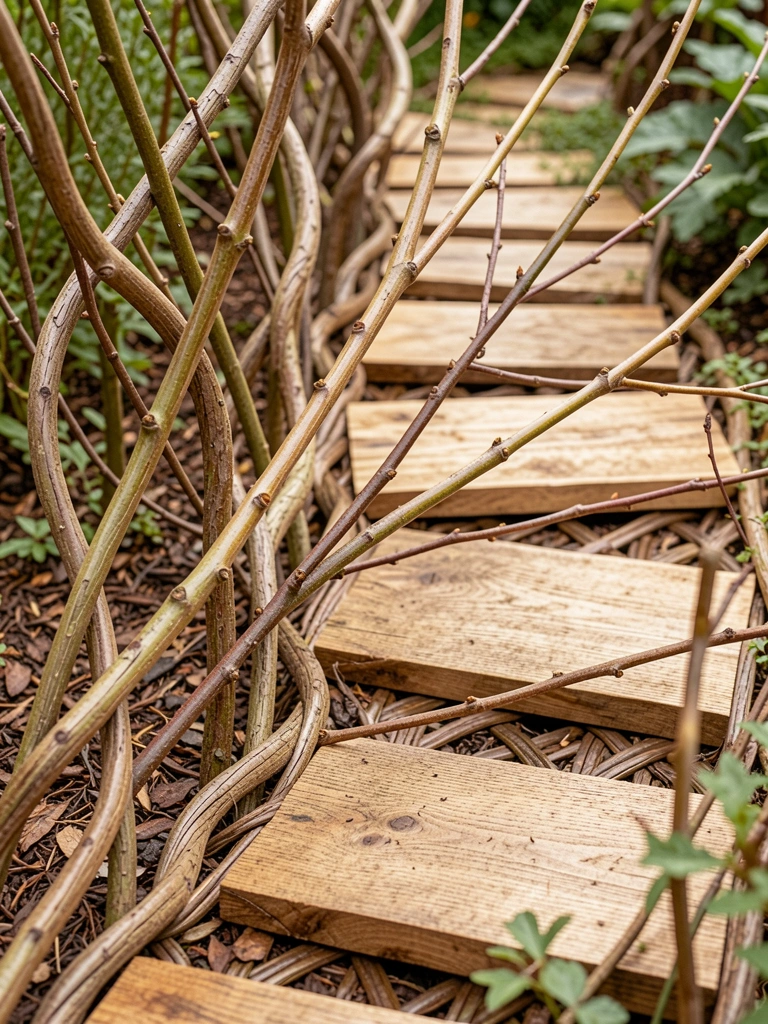
    Wove willow whips between pine boards in my wild corner. Tops level for walking, branches arch low. Very alive feel.

    Birds perch there now.

    Trim suckers yearly.

    What You’ll Need for This Look

    Willow branches live (5-foot bundles)

    Pine boards 1×6 (8-foot)

    Pruning shears bypass

    15. Composite Wood Strips for Clean Modern Lines

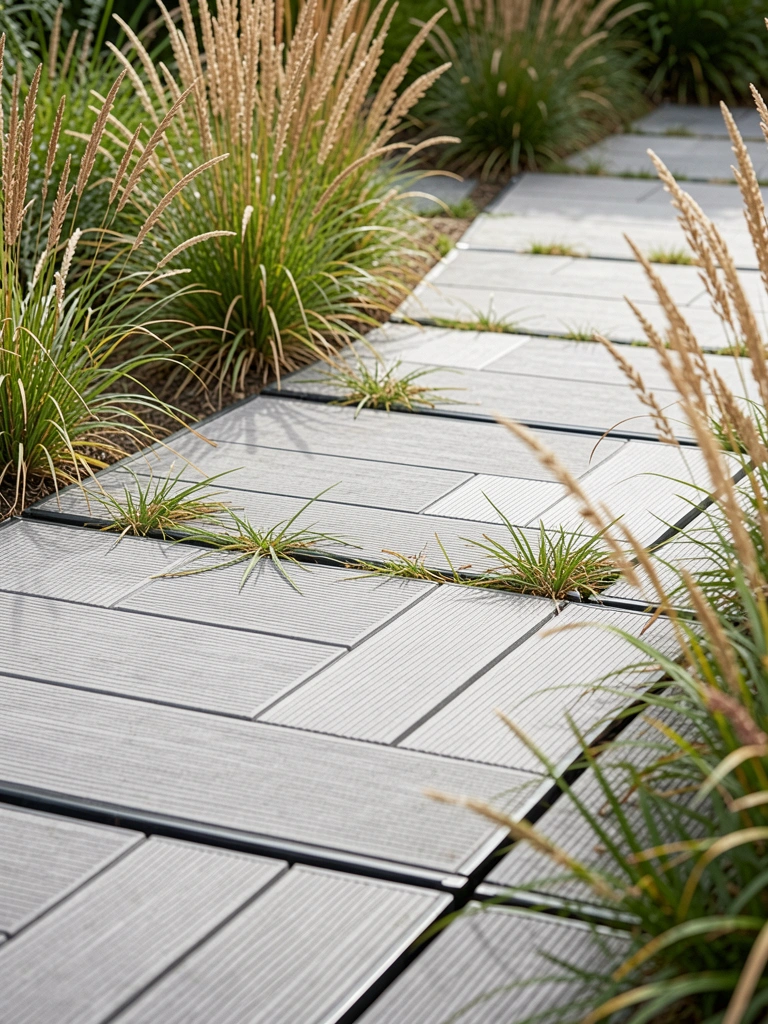
    Clicked composite strips along my clean-back bed. No splinters, zero warp. Grasses poke neat gaps.

    Low fuss, sharp look.

    Expand for heat.

    What You’ll Need for This Look

    Composite decking strips (5.5×12 foot gray)

    Feather reed grass plants

    Hidden deck fasteners

    16. Bamboo Pole Side-by-Side Walk

    Lashed bamboo poles tight for my zen spot path. Flexes soft under step, smells grassy. Poles silvered gentle.

    Light steps only.

    Tie with jute.

    What You’ll Need for This Look

    Bamboo poles 2-inch diameter (6-foot)

    Jute twine natural (200-foot)

    Bamboo fern companion plants

    17. Teak Slats with Drainage Gaps

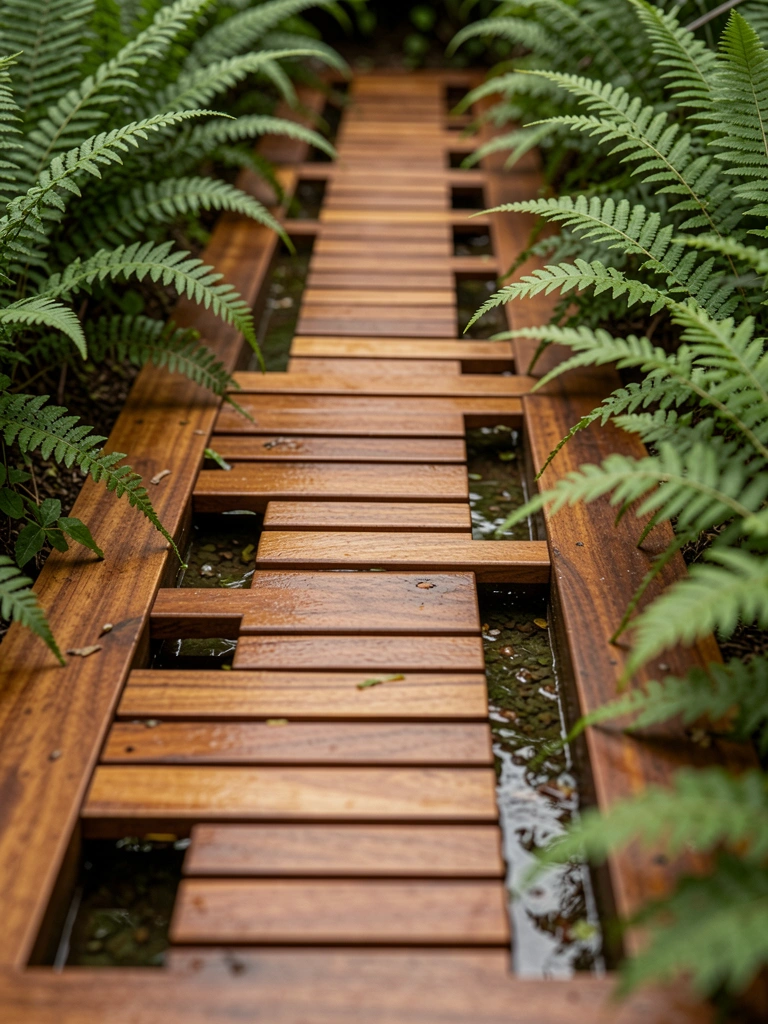
    Spaced teak slats a thumb-width over my damp path. Water runs free, no pooling. Color holds deep.

    Slats warm bare feet summer.

    Wider gaps in rain zones.

    What You’ll Need for This Look

    Teak slats 1×4 (8-foot)

    Ostrich fern plants

    Spacing jig wood deck

    18. Pine Bark Rounds in Cottage Style

    Bark rounds from mill ends—charming but shed fibers first year, vacuumed lots. Now settled, flowers pop around.

    Cottage heart.

    Press firm.

    What You’ll Need for This Look

    Pine bark rounds (16-inch)

    Shasta daisy plants

    Garden vacuum blower combo

    19. Recycled Fence Picket Path

    Flipped old pickets flat to the berry row. Light weight, easy move. Gray fast.

    Upcycles nice.

    Overlap ends.

    What You’ll Need for This Look

    Fence pickets recycled style (5/8x6x8)

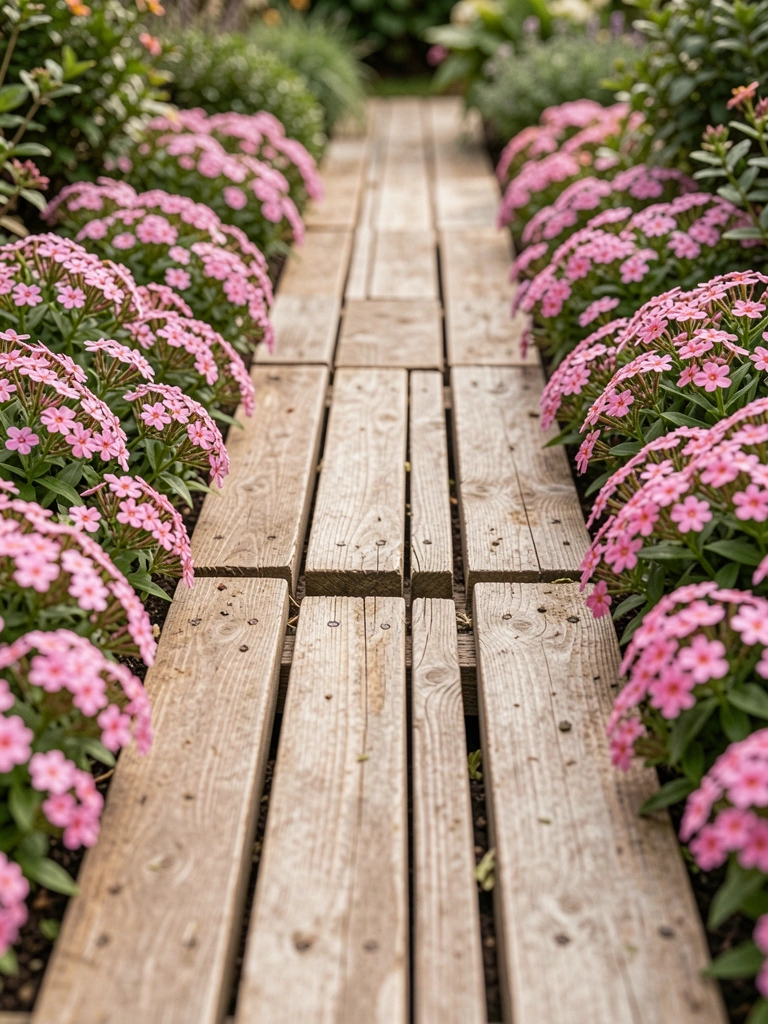
    Phlox garden plants

    20. Larch Timber Grid Layout

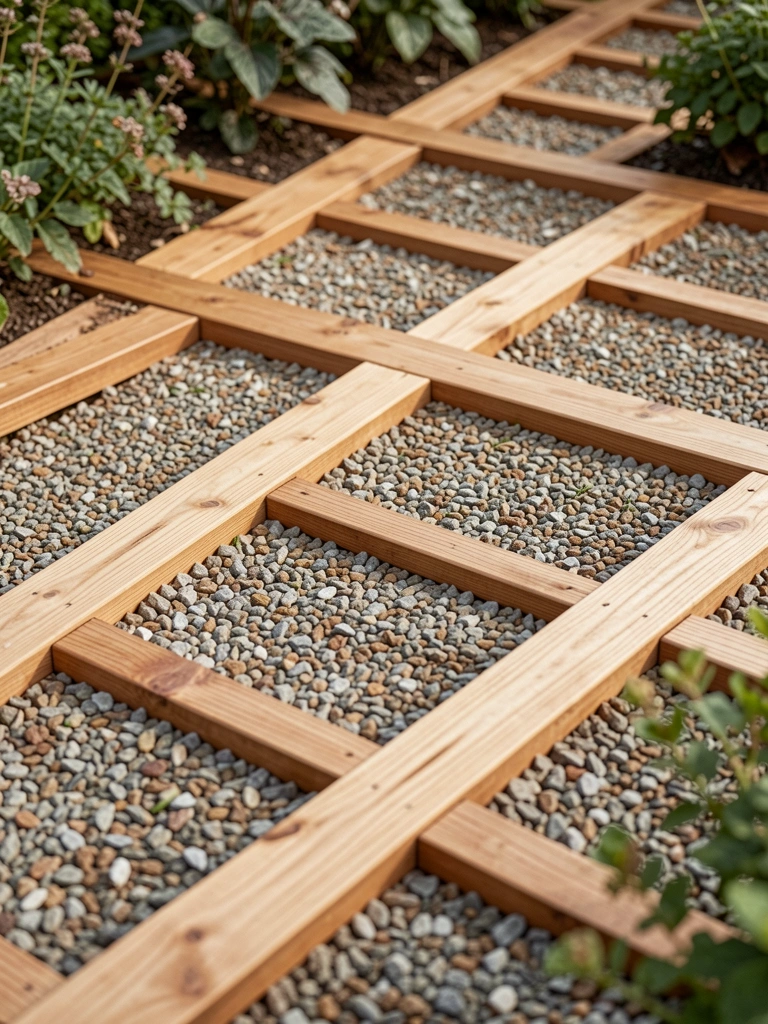
    Framed larch timbers in grid, gravel inside. Stable grid, weeds out. Modern cozy.

    Weed fabric under.

    What You’ll Need for This Look

    Larch timbers 4×4 (8-foot)

    Weed barrier fabric (3×50 foot)

    Decomposed granite gravel

    21. Oak Chunk Steps to Raised Beds

    Stacked oak chunks for wide steps up to beds. Chunky grip, harvest easy. Ages bold.

    Level bases.

    What You’ll Need for This Look

    Oak chunk stepping stones (12×18 inch)

    Raised bed cedar kits (4×8 foot)

    Tomato starter plants

    Final Thoughts

    Pick one path that bugs you most. Lay it this weekend. It'll connect your garden pieces without overwhelming.

    Wood settles, plants fill in. Yours will feel right soon. You've got this.

  • 11 Garden Walkway Ideas For Beautiful Outdoor Paths

    11 Garden Walkway Ideas For Beautiful Outdoor Paths

    I used to dread crossing my side yard after a rain. Mud sucked at my boots, and I slipped more than once carrying tools. Then I started laying paths where I actually walked.

    Paths pull your eye through the garden. They make it feel bigger, more yours.

    Over years of trial and error, I've found ways to build walkways that last without fuss. These ideas come from my own dirt.

    11 Garden Walkway Ideas For Beautiful Outdoor Paths

    Here are 11 garden walkway ideas pulled from my real gardens and fixes. Each one works in everyday yards. You'll see exactly how to make them your own.

    1. Stepping Stones Set in Lawn for Easy Mow-Around

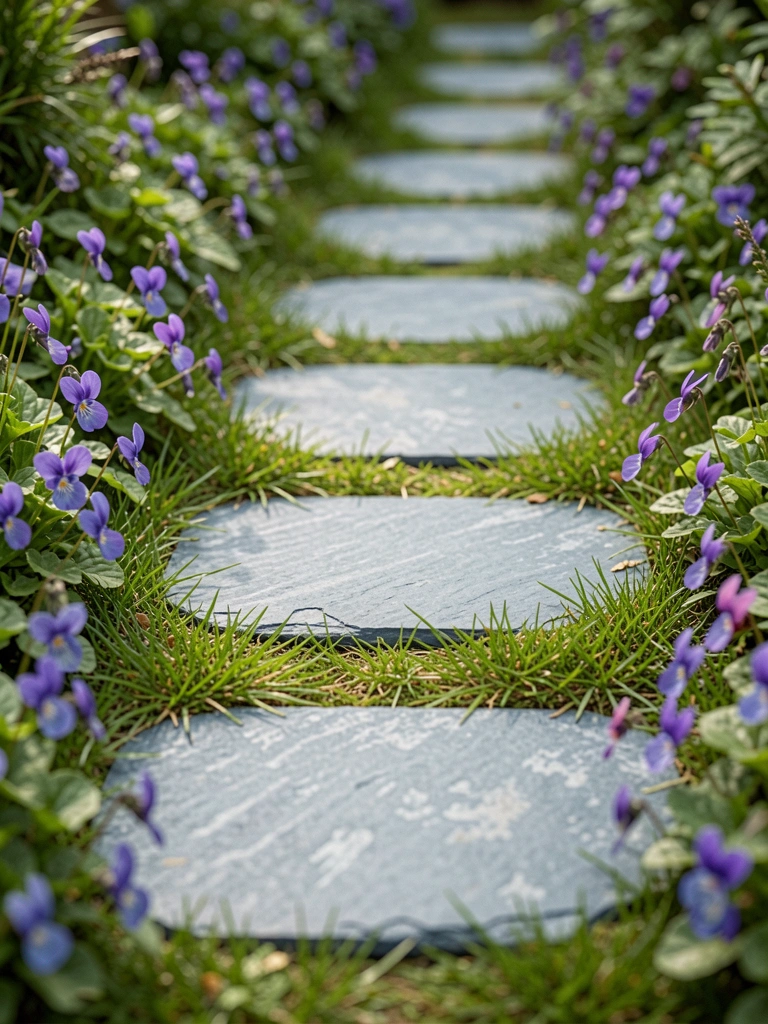
    I laid these in my front lawn first. Wore a natural path from gate to door, so I just dropped stones there. No digging deep—just set them level in the grass.

    Mowing stays simple; the stones pop against green. It feels open, not rigid.

    One year, I spaced them too wide—tripped with groceries. Now I keep them boot-sized apart. Watch your stride when placing.

    They guide feet without crowding plants. Add low sedum between for color.

    What You’ll Need for This Look

    Bluestone stepping stones (18 inch)

    Sedum groundcover plants

    2. Gravel Path with Bent Metal Edging

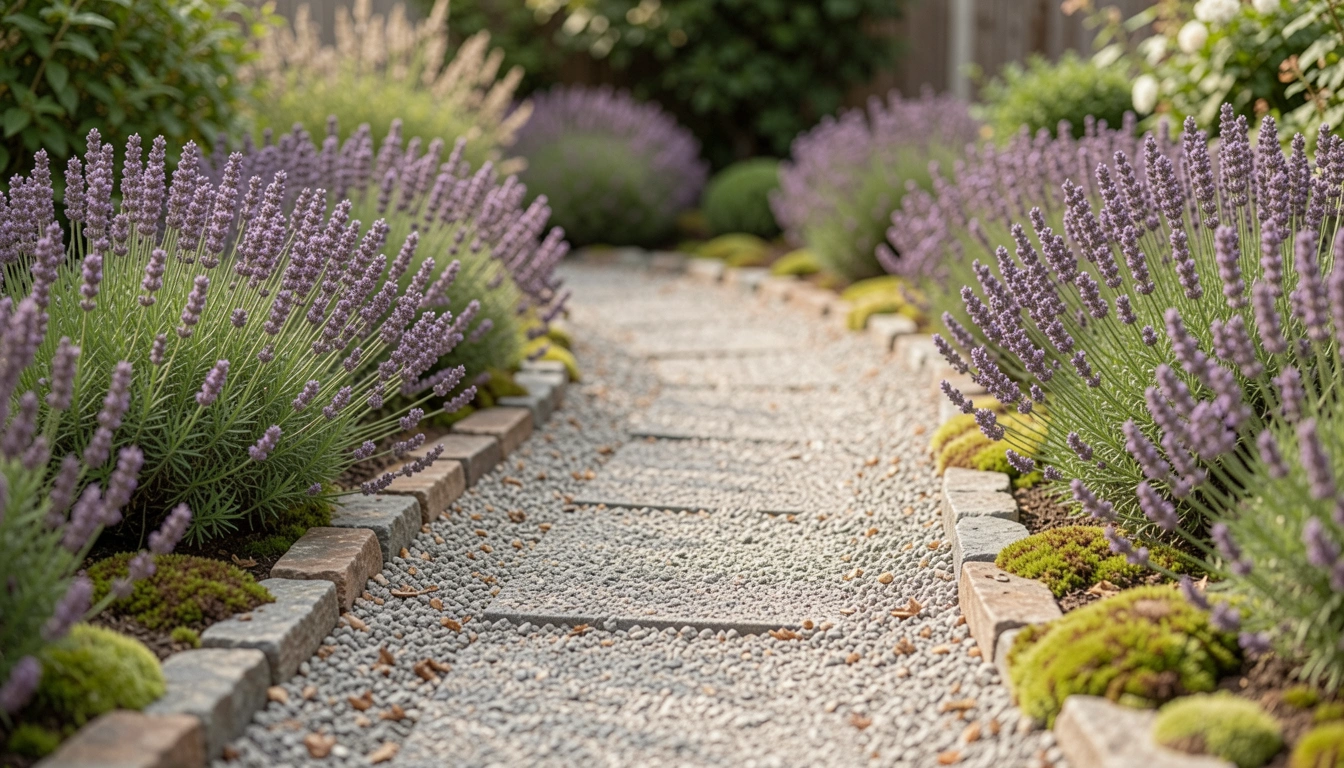
    My side path was weeds before gravel. I edged with cheap metal strips bent to curve. Poured 4 inches deep—drains fast, no mud.

    It crunches underfoot, softens the yard's edges. Lavender along it smells great in summer heat.

    Bought edging too short once; overlapped it. Hammer stakes in firm or it shifts.

    Keeps wheelbarrows steady. Feels cottage-y without work.

    What You’ll Need for This Look

    Pea gravel bag (50 lb)

    Steel landscape edging (24 inch)

    Lavender plants (gallon size)

    3. Brick Path in Herringbone for Side Yards

    Squeezed this into my shady side yard. Old bricks from a teardown—laid herringbone for grip. Sand in joints settles soft.

    It hugs the fence, leads to my shed clean. Ferns lean over without crowding.

    Laid on sand base; skipped gravel once and it heaved. Level first, always.

    Turns a slog into a stroll. Warm underfoot by noon.

    What You’ll Need for This Look

    Reclaimed brick pavers (4×8 inch)

    Landscape fabric for base

    Ferns in pots

    4. Mulch Walkway Lit with Solar Stakes

    Back path to compost got this treatment. Dark mulch hides dirt, solar stakes glow just enough at night.

    Feels secret, safe after dark. Ajuga fills edges green year-round.

    Over-mulched first time; weeds poked through. 3 inches max, rake yearly.

    No wires to trip over. Cozy for evening checks.

    What You’ll Need for This Look

    Cedar mulch bags (2 cu ft)

    Solar pathway stake lights (warm white)

    Ajuga groundcover

    5. Flagstone Meander Through Perennials

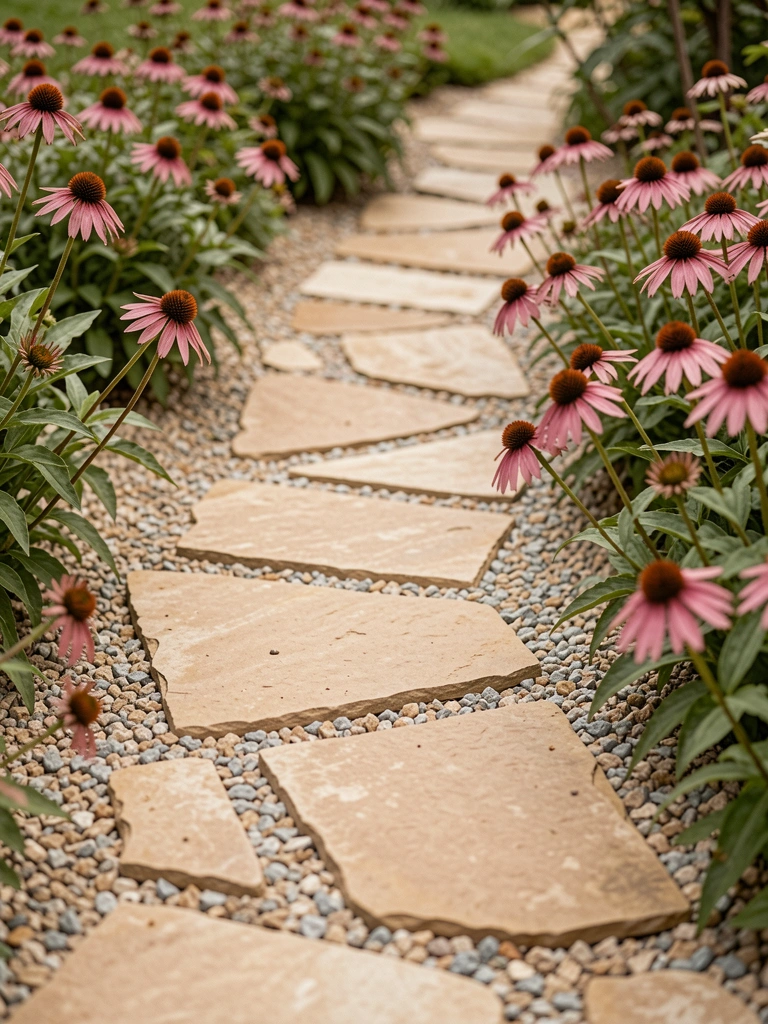
    Curved this through my flower bed. Big flagstones set loose in soil—plants grow right up.

    It wanders like a creek, slows you down. Echinacea nods over edges in July.

    Set too high once; scuffed shins. Sink them flush with dirt.

    Feels natural, not forced. Pulls you deeper in.

    What You’ll Need for This Look

    Flagstone slabs (18×24 inch)

    Echinacea perennial plants

    6. Wooden Pallet Slabs for Budget Boardwalk

    Wet corner needed this. Broke down pallets, laid slabs flat over mud. Screwed together simple.

    Gives dry footing where grass quits. Ferns hide the sides soft.

    Used untreated wood first—rotted fast. Pressure-treat or seal now.

    Rustic, free-ish. Handles boots fine.

    What You’ll Need for This Look

    Pressure-treated lumber (2×6 boards)

    Outdoor wood sealer spray

    Fern starters

    7. River Rock Mix with Pea Gravel Core

    Mixed this for drainage in clay soil. Big rocks edge, pea gravel walks smooth.

    No puddles after storms. Yarrow spills yellow over it summer.

    Too much big rock once; ankles turned. 60/40 pea to cobble.

    Feels beachy inland. Stays put.

    What You’ll Need for This Look

    River rock cobbles (1 inch)

    Pea gravel (50 lb bag)

    Yarrow plants

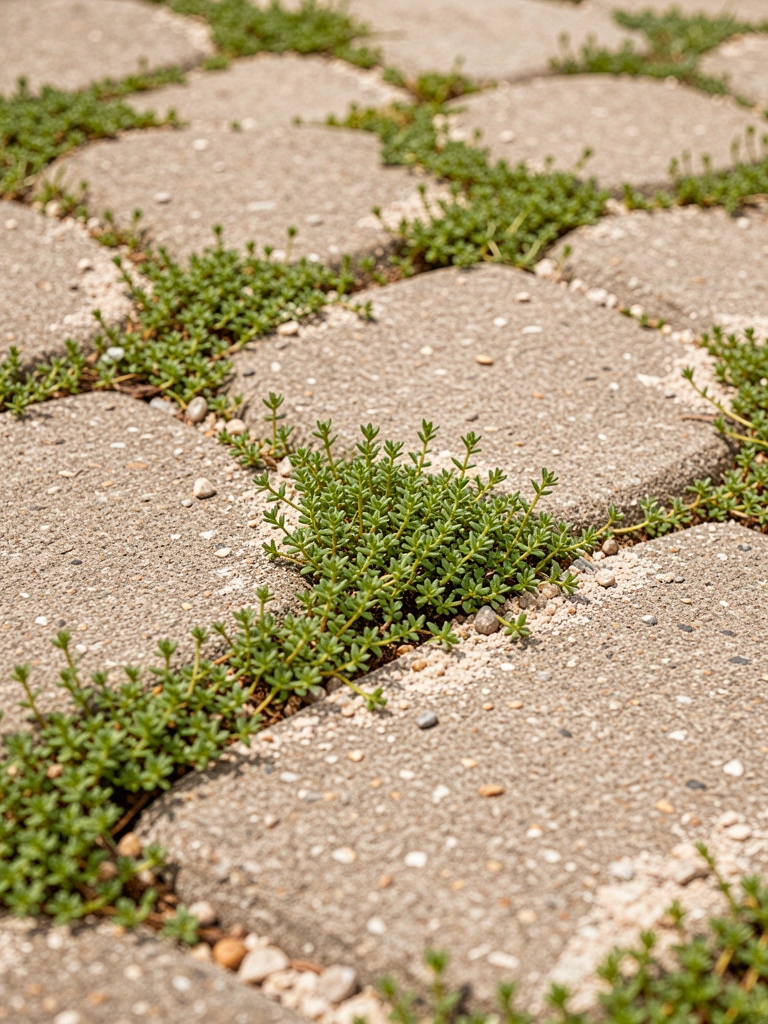
    8. Paver Grid Filled with Creeping Thyme

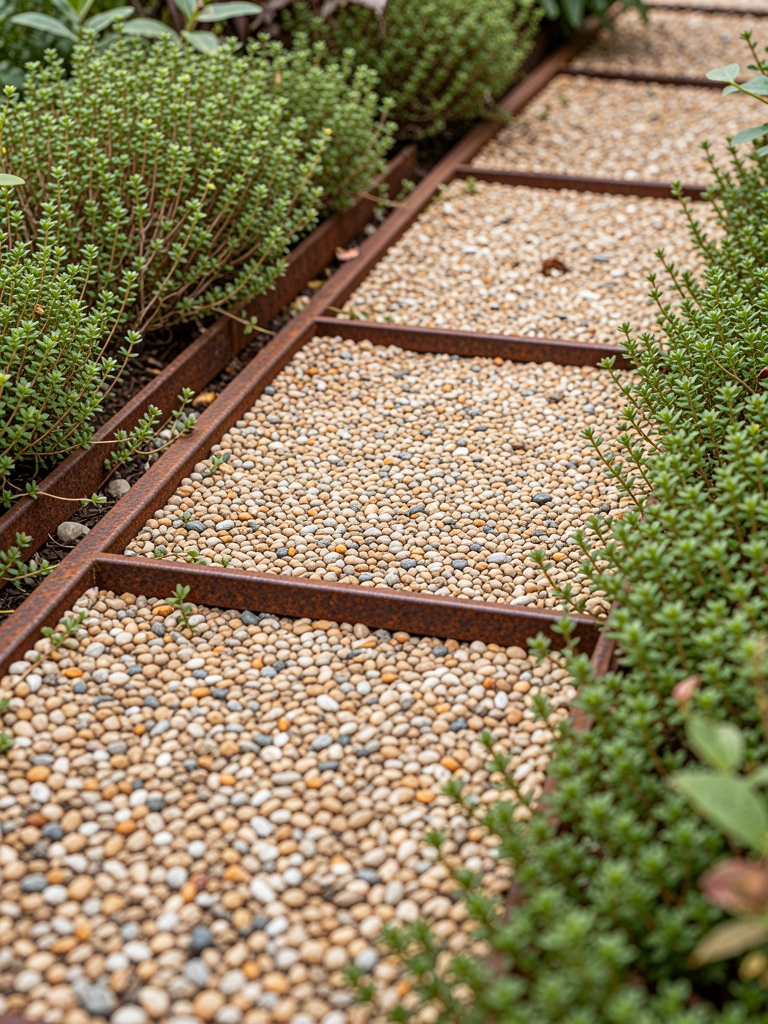
    Grid pavers in my veggie path. Thyme fills cracks, smells when stepped. Low water once set.

    Clean lines, softens with green. Herbs close for picking.

    Planted thyme too soon; smothered it. Wait till pavers settle.

    Modern but alive. No mowing there.

    What You’ll Need for This Look

    Concrete paver squares (12×12 inch)

    Creeping thyme plugs

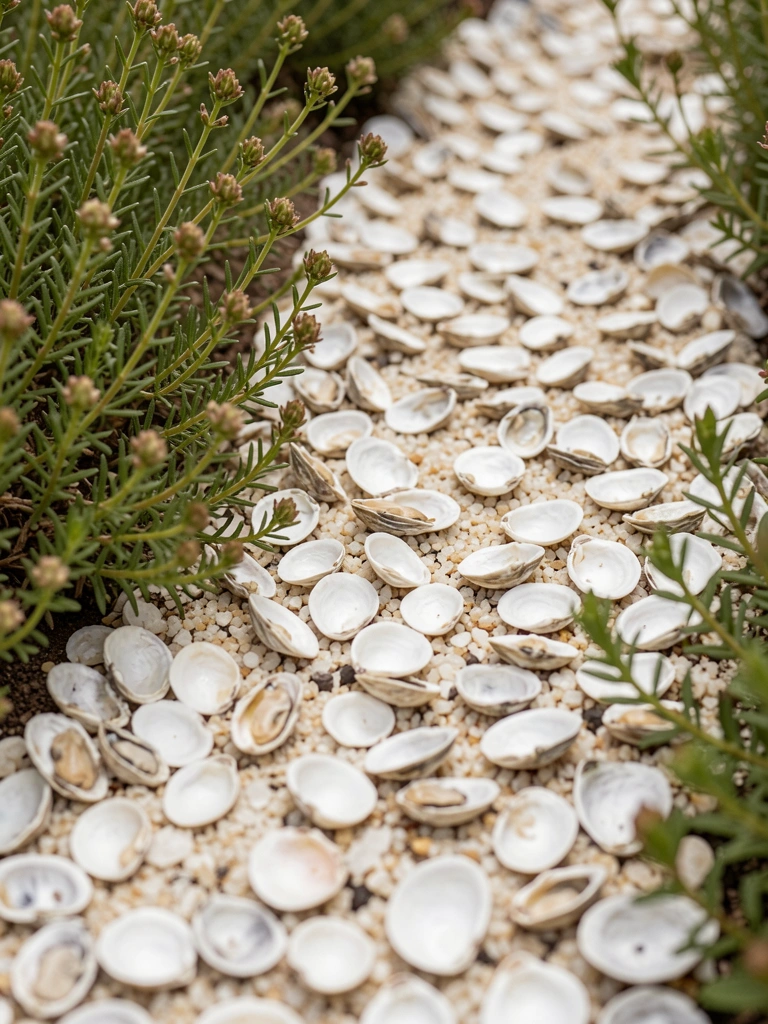
    9. Crushed Shell Path for Soft Coastal Crunch

    Tried shells from a beach haul. Crushed fine, laid over fabric—no weeds.

    Light color brightens shade. Sea thrift edges pink.

    Compacted wrong first; ruts formed. Tamp after rain.

    Feels vacation-y daily. Drains like sand.

    What You’ll Need for This Look

    Crushed oyster shell (40 lb)

    Landscape fabric pins

    Sea thrift plants

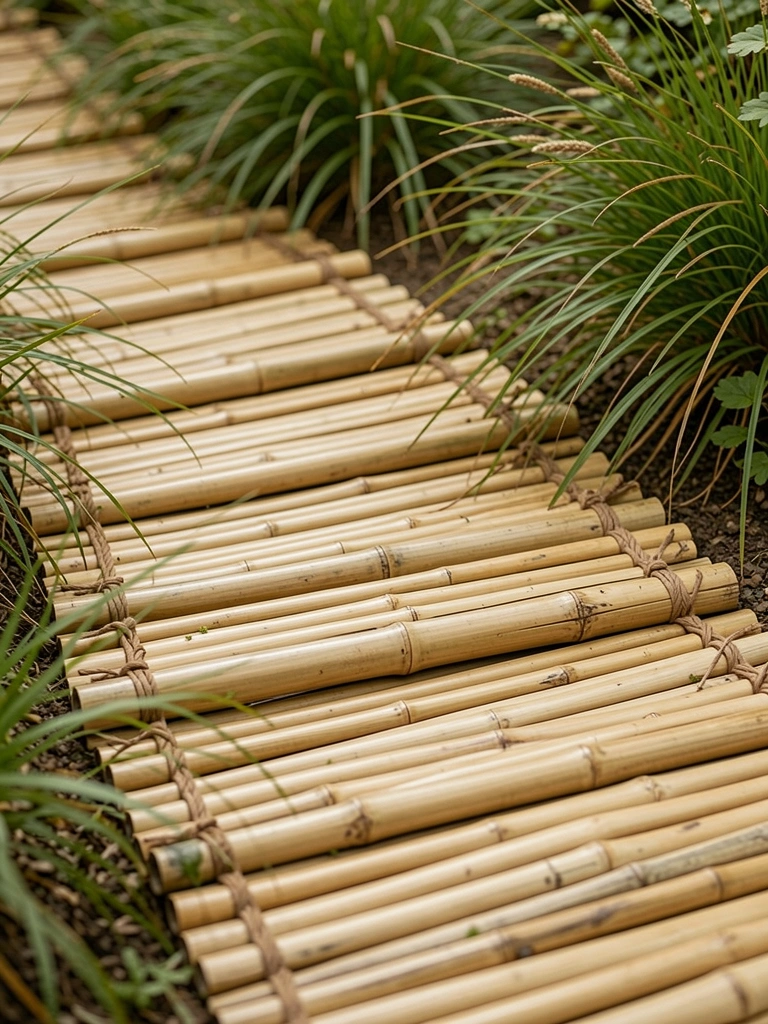
    10. Bamboo Mat Rolls Over Uneven Ground

    Sloped path got bamboo mats. Rolled out, pegged down—covers bumps quick.

    Flexible on hills, shades soil. Carex softens sides.

    Mats frayed untied; secure ends tight.

    Light, temporary feel. Good for renters.

    What You’ll Need for This Look

    Bamboo mat rolls (3 ft wide)

    Landscape staples

    Carex grass plants

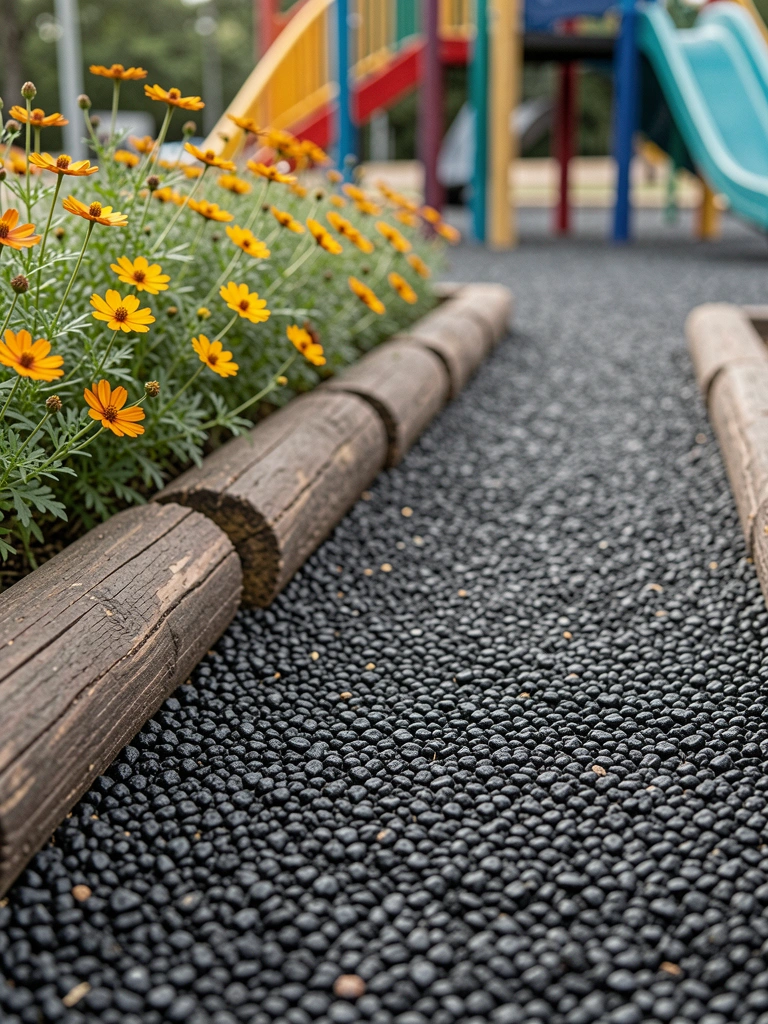
    11. Recycled Rubber Mulch for Low-Maintenance Kid Paths

    Kids' path used tire rubber mulch. Soft under knees, no splinters. Edges with logs.

    Holds up to running, bikes. Coreopsis adds cheer.

    Shed color first rain; hose it off.

    Clean, forgiving. Stays put years.

    What You’ll Need for This Look

    Rubber mulch nuggets (black, 40 lb)

    Log edging sections

    Coreopsis plants

    Final Thoughts

    Pick one path that fits your steps. Start small—my first was just stones.

    They grow with you. No rush for all 11.

    Your garden will feel right underfoot soon. You've got this.
  • How To Make Japanese Garden Beautiful

    How To Make Japanese Garden Beautiful

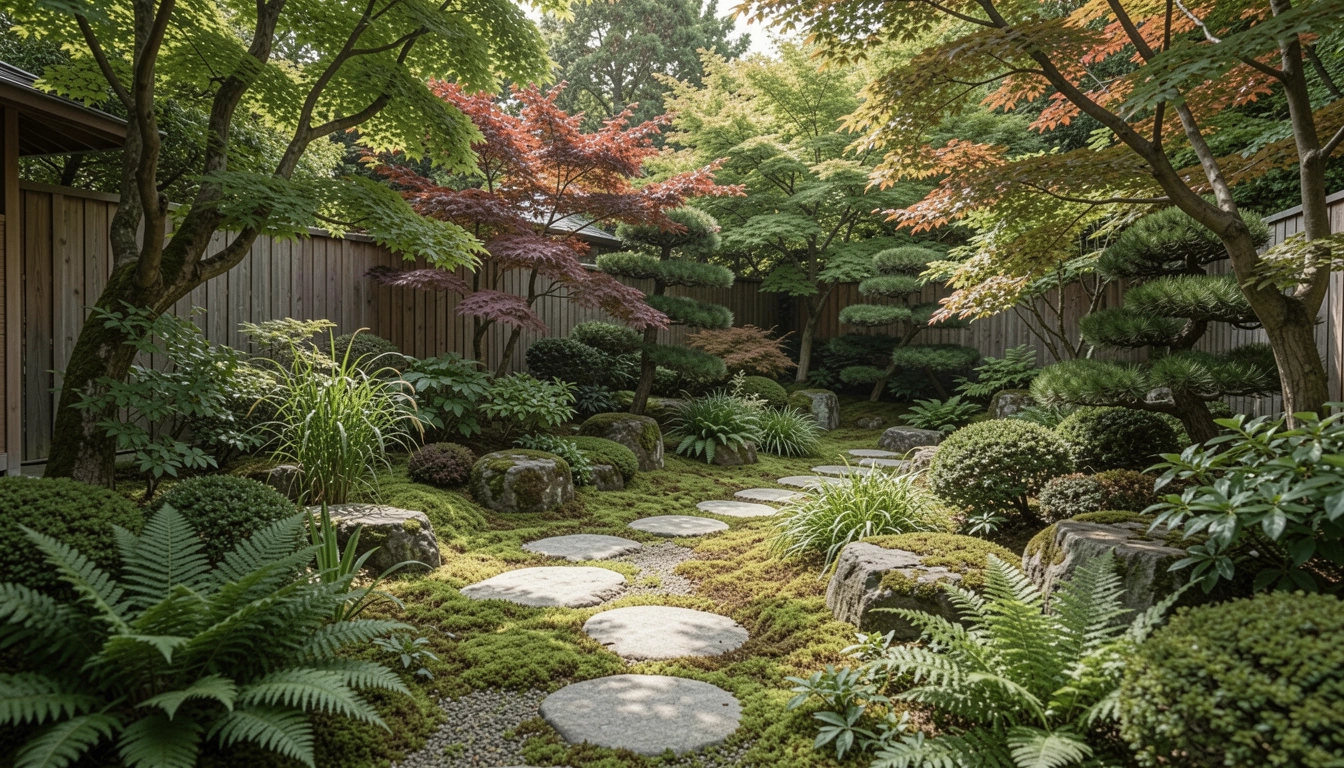
    I stared at my small backyard corner. It had rocks and a lantern, but it felt busy, not calm. Paths wandered without purpose. Plants crowded each other.

    One afternoon, I stepped back. The space needed quiet flow, not more stuff. I wanted that steady peace you feel in real Japanese gardens.

    I've fixed this spot three times now. Each tweak brought balance closer.

    How To Make Japanese Garden Beautiful

    This is the way I settle a Japanese garden into its space. You'll end up with a calm, flowing area that pulls you in quietly. It works even in tight yards.

    What You’ll Need

    Step 1: Clear to Find the Bones

    I walk the space first. Pull weeds and move junk aside. This uncovers the ground's natural shape.

    Why? Clutter hides the flow. Now, you see dips and rises. It starts to breathe.

    People miss how empty feels right at first. Don't add back too soon. Mistake: Leaving old plants that fight the calm.

    The ground looks honest now. Ready for what matters.

    Step 2: Place Anchor Stones for Stillness

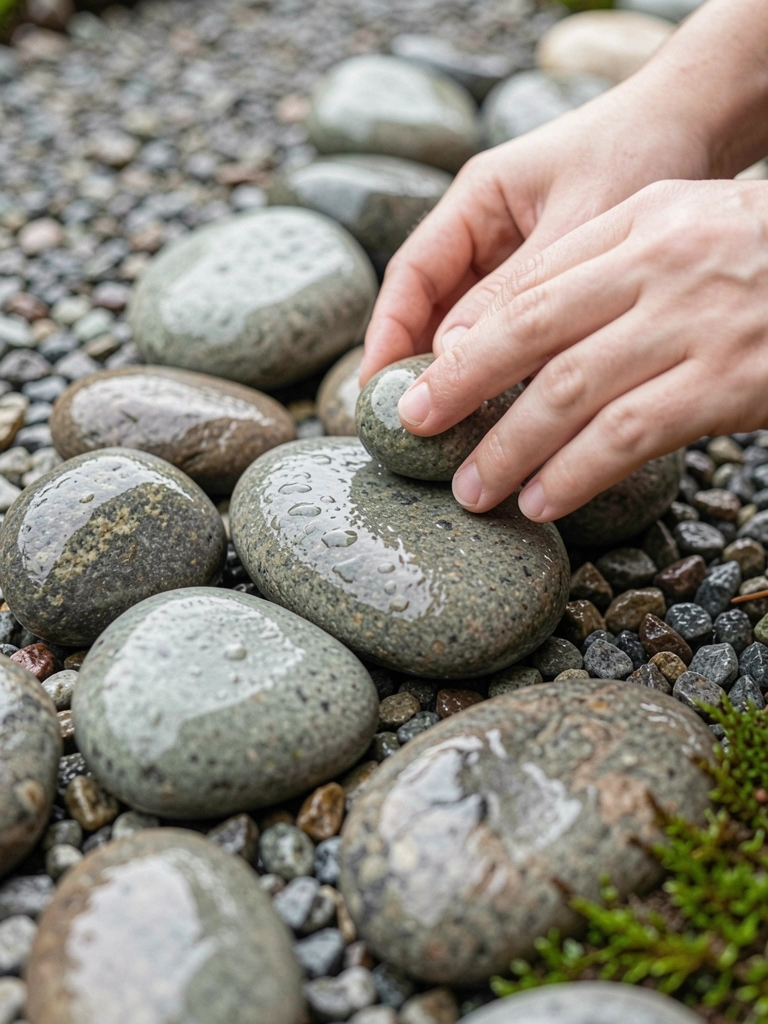
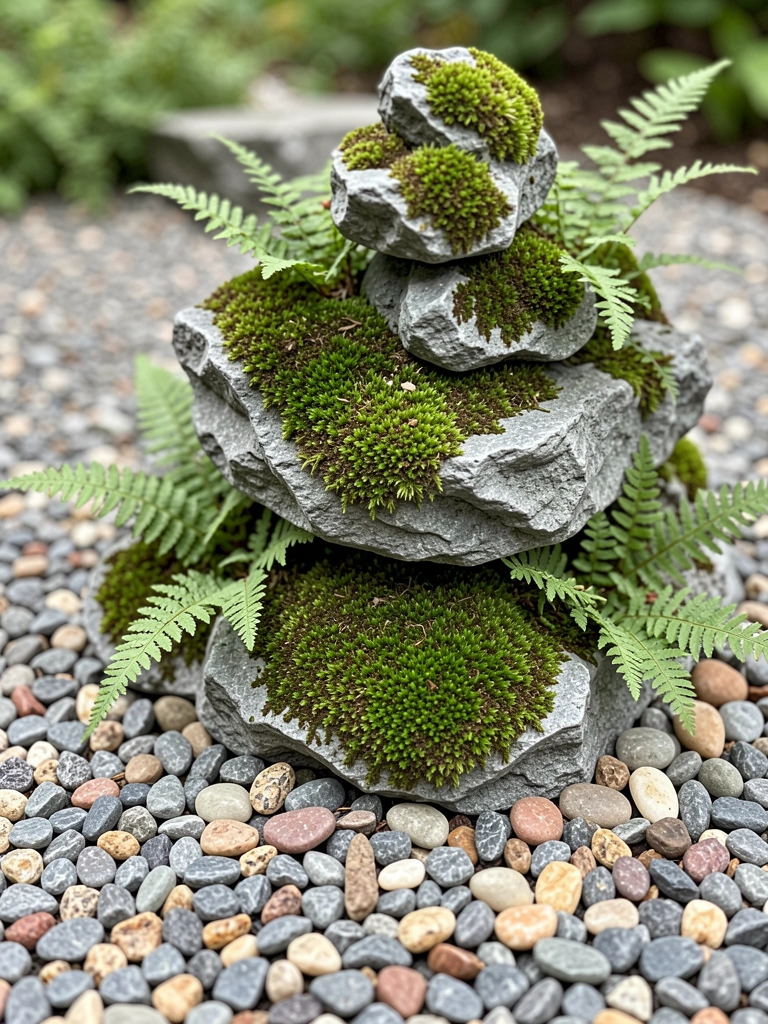
    I pick three big rocks. Set them uneven – one tall, two low. Bury bases halfway.

    This anchors everything. They draw your eye without shouting.

    Insight: Odd numbers feel alive, not stiff. Avoid lining them up even – it stiffens the space.

    Visual shift hits here. Quiet weight settles in.

    Step 3: Rake Gravel for Quiet Flow

    I spread gravel between stones. Rake soft waves, not straight lines.

    Why waves? They mimic water, guide the eye gently.

    Most skip varying patterns – keep it simple, repeat loosely. Don't over-rake to perfection; wind changes it anyway.

    Now, the ground moves underfoot. Calm deepens.

    Step 4: Set Lantern Off to One Side

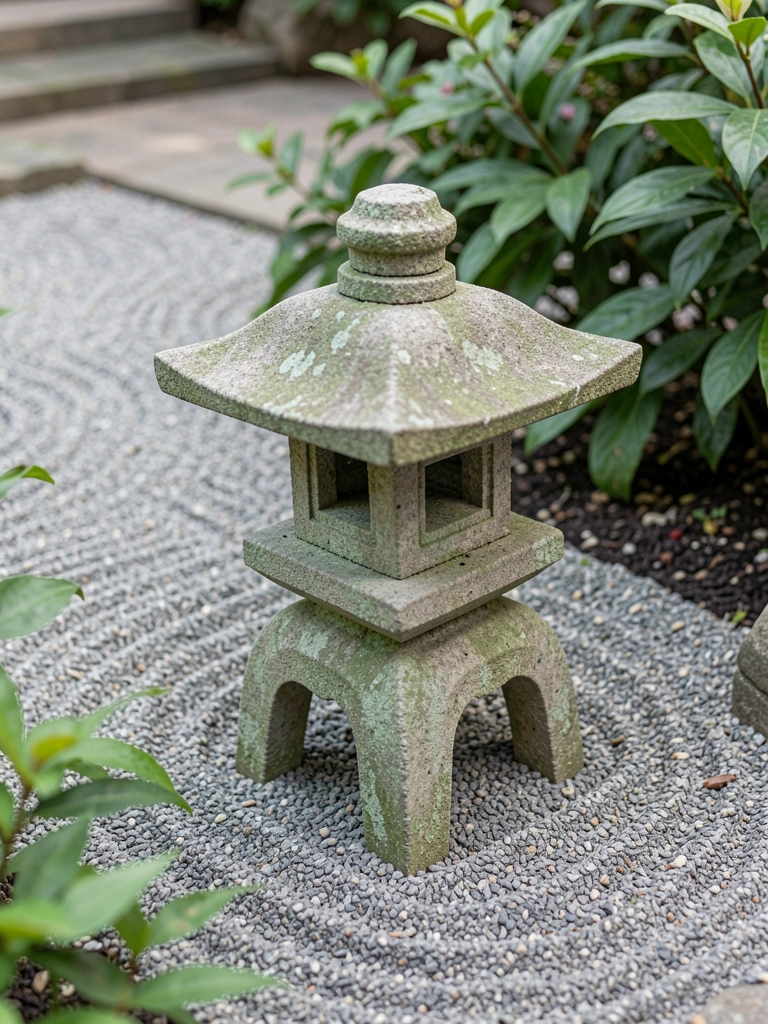
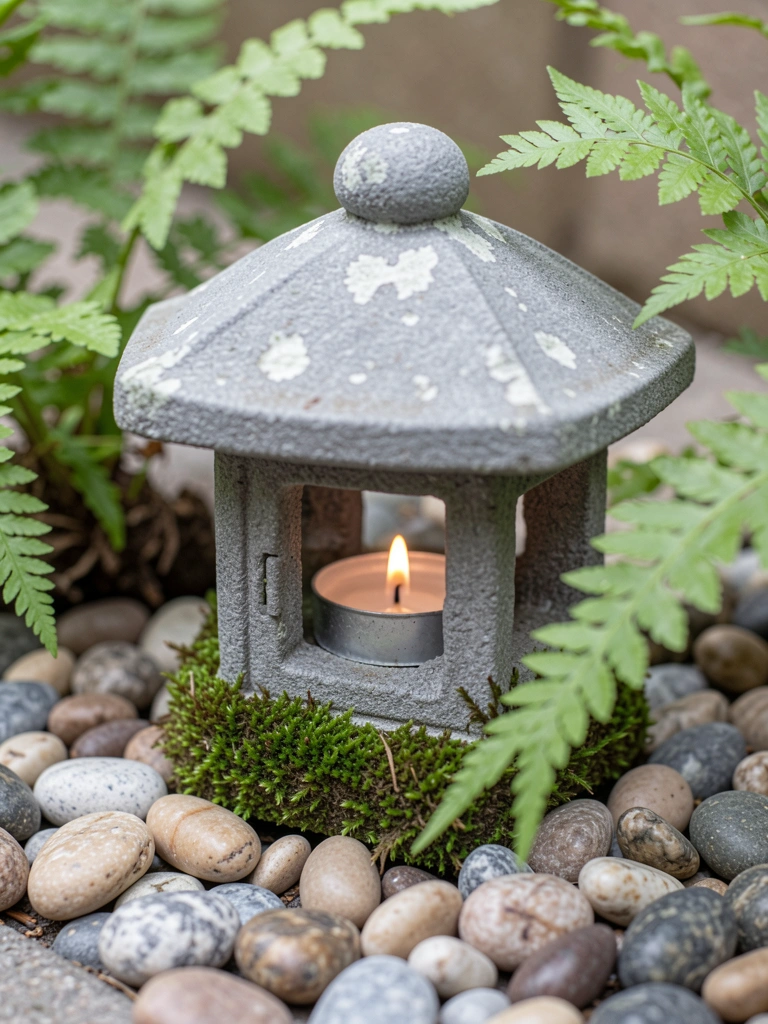
    I position the lantern aside, not center. Angle it toward a path.

    It invites pause without dominating. Balance shifts to comfortable.

    Missed point: Height matters – low feels grounded. Avoid centering; it crowds the view.

    Light catches it soft. Space feels lived-in.

    Step 5: Layer Plants for Depth

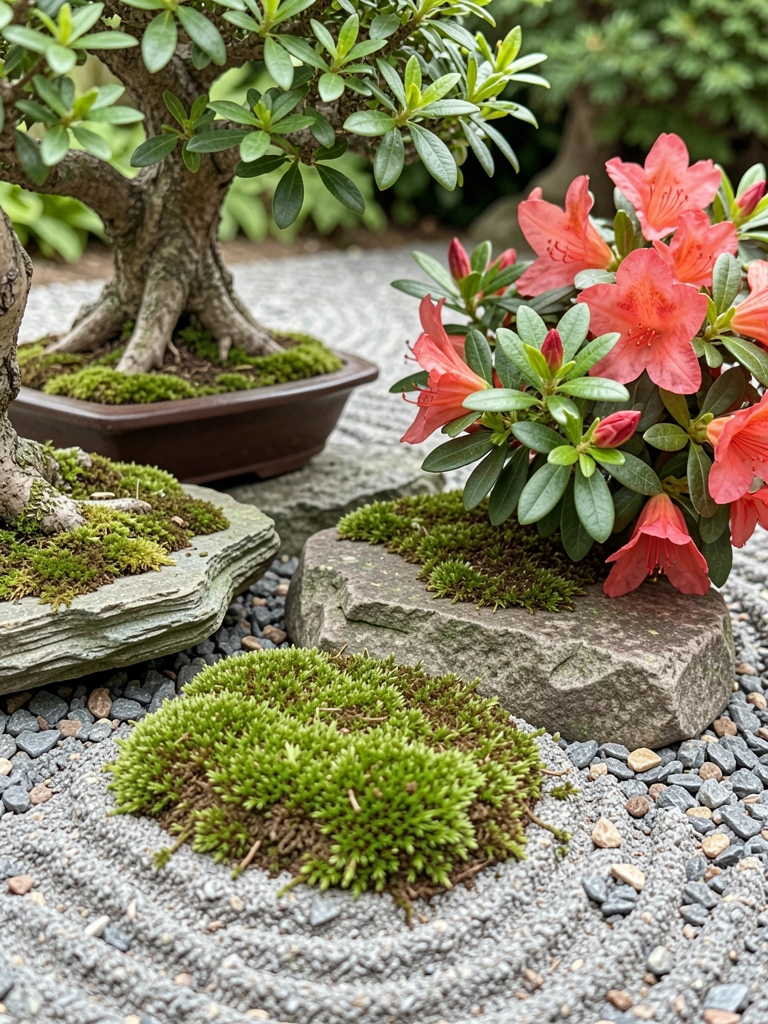
    I tuck moss around rocks first. Add dwarf maple behind, bonsai forward.

    Layers build without filling every inch. Air stays.

    Insight: Evergreens hold winter. Don't plant too dense – gaps let light play.

    Green softens edges. Balance feels right.

    Step 6: Wind Path to Pull You Through

    I lay stepping stones in a loose curve. Space them so steps slow you.

    Paths make it yours. They connect without rushing.

    Common miss: Straight paths bore. Avoid even spacing – vary for rhythm.

    Now it flows. You want to walk it.

    Plants That Hold Up Year-Round

    I lean on tough ones. They keep the feel steady.

    Dwarf maples drop leaves clean. Black pine stays green through frost.

    • Moss fills gaps, no fuss.
    • Avoid big shrubs; they overwhelm.

    One winter, mine looked better bare. That's the point.

    Working Rocks into Balance

    Rocks aren't decoration. They're the garden's bones.

    Group by size. Tall ones back, flats for paths.

    • Uneven heights breathe life.
    • Wet them to see flow.

    I've moved mine once a season. It settles deeper each time.

    Soft Edges with Bamboo and Gravel

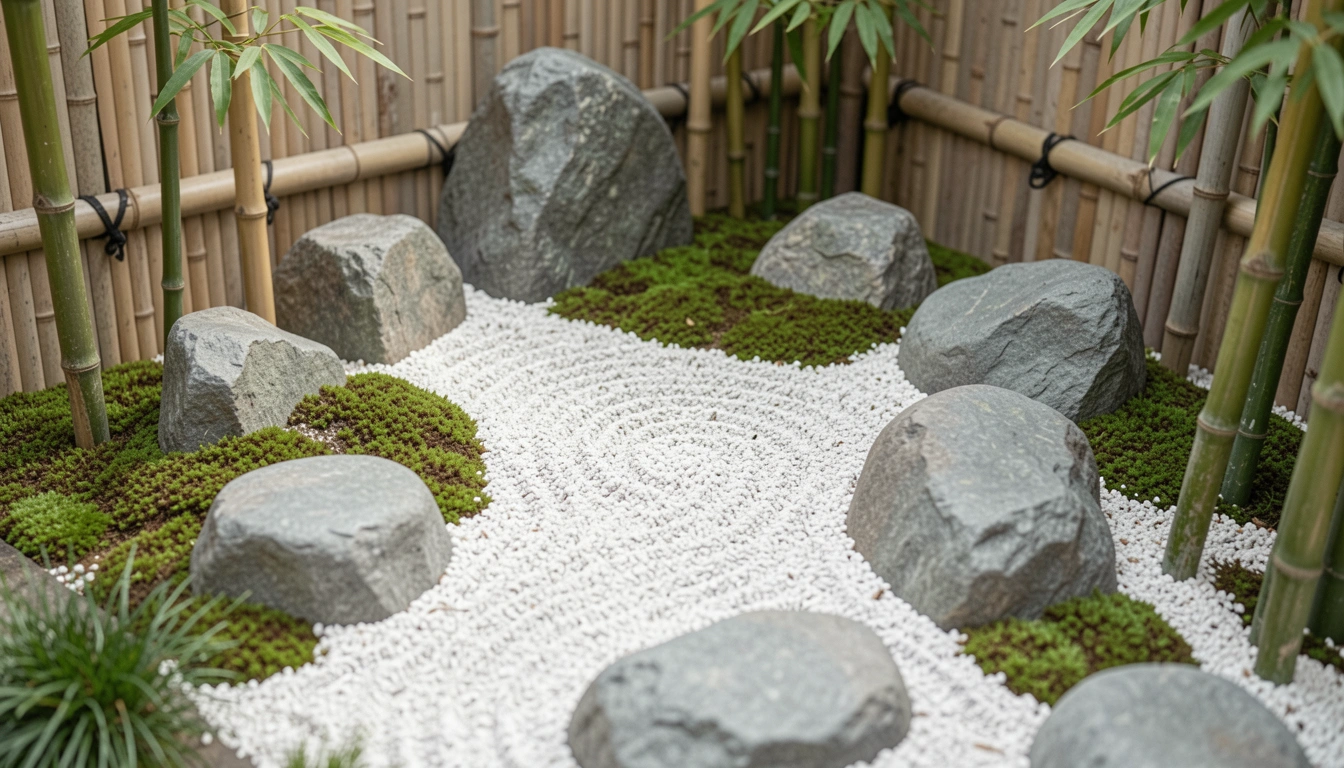
    Bamboo screens harsh fences. Gravel mutes hard lines.

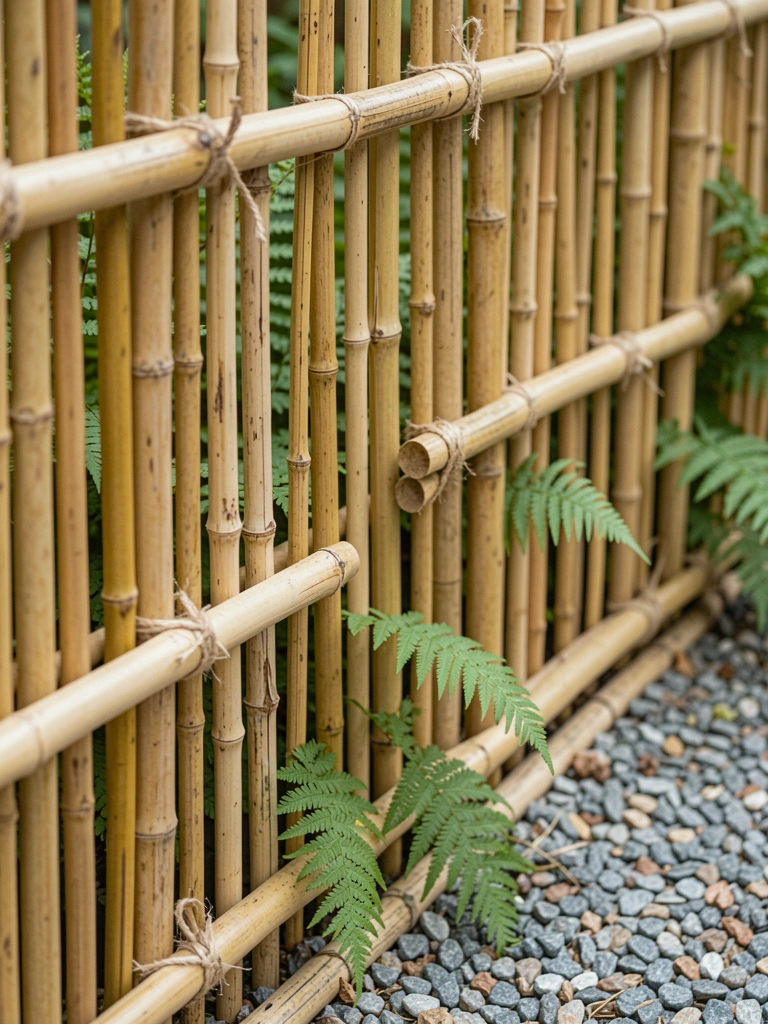
    I roll it out loose, not tight.

    • Let gravel spill natural.
    • Trim bamboo low.

    This keeps it simple, not fenced in. Feels open.

    Final Thoughts

    Start with one corner. Just stones and gravel.

    You'll see the calm build. No rush.

    Mine draws me out mornings now. Yours will too. It's about that quiet pull.

  • How To Make Japanese Garden In Small Space

    How To Make Japanese Garden In Small Space

    I stared at my tiny back corner. It was cramped, full of junk, and never felt right. I wanted that quiet Japanese calm, but small spaces fight back. Everything looked forced.

    One rainy afternoon, I started small. Cleared it out. Added a few stones. Suddenly, it breathed.

    Now, that spot pulls me in. Peace without trying too hard. You can do this too.

    How To Make Japanese Garden In Small Space

    This is the way I shape a small space into a Japanese garden. You end up with a calm, balanced spot that fits your life. It feels right, not crowded.

    What You’ll Need

    Step 1: Clear and Frame the Space

    I start by pulling everything out. No plants, no pots. Just bare ground. This gives the space room to settle. Why? Clutter kills that open Japanese feel.

    Visually, it shifts fast. The corner looks bigger already. Empty but ready.

    People miss how framing pulls it together. I add the bamboo screen along one edge. It softens walls without closing in. Mistake to avoid: Don't stretch it too tight. Let it lean a bit for life.

    Now it waits, quiet.

    Step 2: Lay the Gravel Base

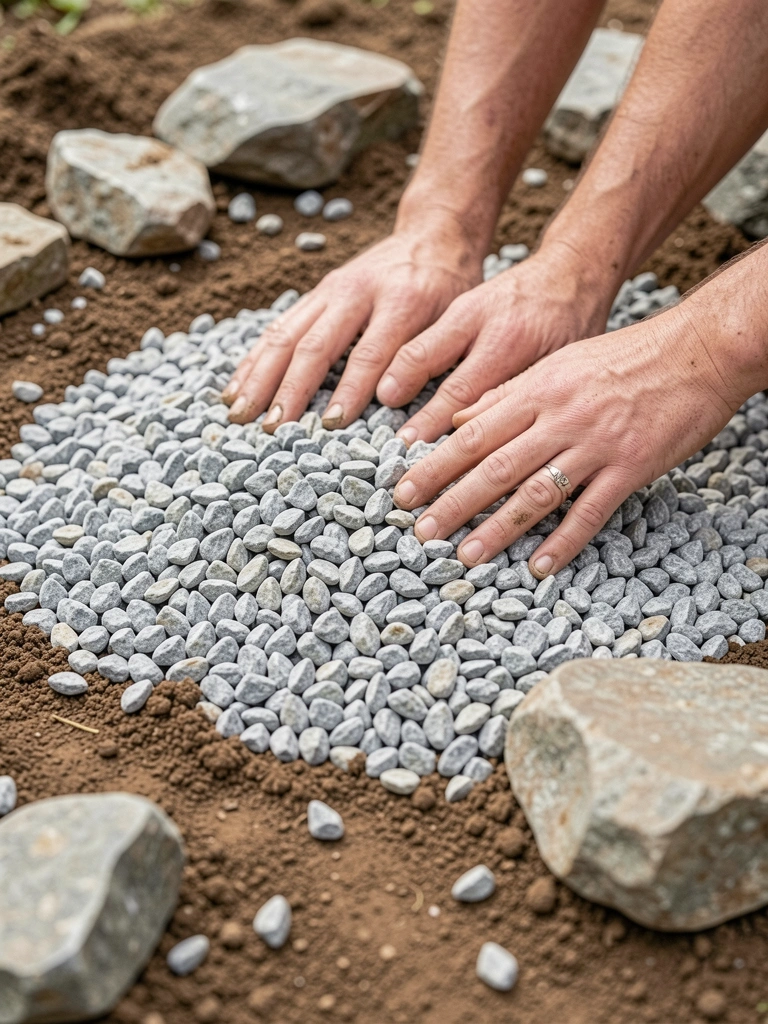
    Next, I level the dirt smooth. Then spread pea gravel two inches deep. It drains water and sets a clean base. This grounds everything.

    The change hits right away. Gray gravel calms the eye. No mud, just soft flow.

    Insight folks skip: Gravel mutes noise from outside. Rake it once for waves. Avoid piling it against edges—keeps it from spilling.

    I step back. It feels steady now.

    Step 3: Place the Stones

    I pick three or five rocks. Odd numbers work best. Place bigger ones first, toward the back. They anchor the feel.

    Visually, stones make it solid. Gravel peeks between, breathing.

    Most miss uneven heights. Stack slightly off—mimics nature. Don't line them up perfect; looks stiff.

    I nudge until balanced. The space holds still.

    Step 4: Add Plants and Moss

    Now plants. Bonsai in front left, azalea right. Moss sheets over damp spots. They layer green softly.

    It greens up gentle. No bushy mess—space stays open.

    Key insight: Plants frame paths, not block. Mistake: Too many greens clash. Stick to three types max.

    I water light. It settles in.

    Step 5: Set the Lantern and Finish

    Last, the lantern. Off-center, half in gravel. Rake patterns around it.

    Final shift: Pure calm. Light catches stone at dusk.

    People overlook lantern height—eye level draws you in. Avoid centering it; breaks flow.

    Stand back. It's done. Peaceful corner.

    Choosing Plants That Fit Small Spaces

    I stick to compact ones. They grow slow, stay in scale.

    Bonsai and azaleas handle shade. Moss fills gaps without spreading wild.

    • Pick evergreens for year-round green.
    • Dwarf varieties only—no giants.
    • Group in threes for rhythm.

    Test by holding pots up first. See the balance.

    Keeping the Balance Over Time

    Rake gravel weekly. Pull weeds young.

    Trim plants light—Japanese style clips tips.

    • Water deep, less often.
    • Refresh moss yearly.
    • Stones shift? Nudge back.

    It ages nice, gets better.

    Handling Common Small-Space Hiccups

    Tight spots tempt overplanting. I hold back.

    Sun issues? Swap for shade lovers.

    • Wall too close? Bamboo softens.
    • Drainage poor? More gravel.
    • Feels empty? One lantern fixes.

    Watch a season. Adjust once.

    Final Thoughts

    Start with your smallest spot. One gravel patch, three stones.

    You'll see it work. No rush.

    That quiet pull comes easy. Your space, your calm. Just tend it steady.

  • 10 Small Japanese Rock Garden Ideas For Minimal Design

    10 Small Japanese Rock Garden Ideas For Minimal Design

    I remember staring at my tiny backyard patio, cluttered with pots and feeling overwhelmed. One rainy afternoon, I cleared it all and laid down some gravel. Suddenly, calm hit. That tight space breathed.

    Japanese rock gardens pull you in like that. No fuss, just rocks and space that quiets the mind. I've messed up a few—too many plants, gravel that washed away—but these small setups stuck.

    They fit anywhere: balcony, side yard, even indoors. Simple to start, they grow on you.

    10 Small Japanese Rock Garden Ideas For Minimal Design

    These 10 small Japanese rock garden ideas come from my own yard trials. They're minimal, low-fuss, and fit tight spots. You'll see exactly what to grab and how it plays out—no big budget needed.

    1. Single Focal Boulder with Raked Gravel Waves

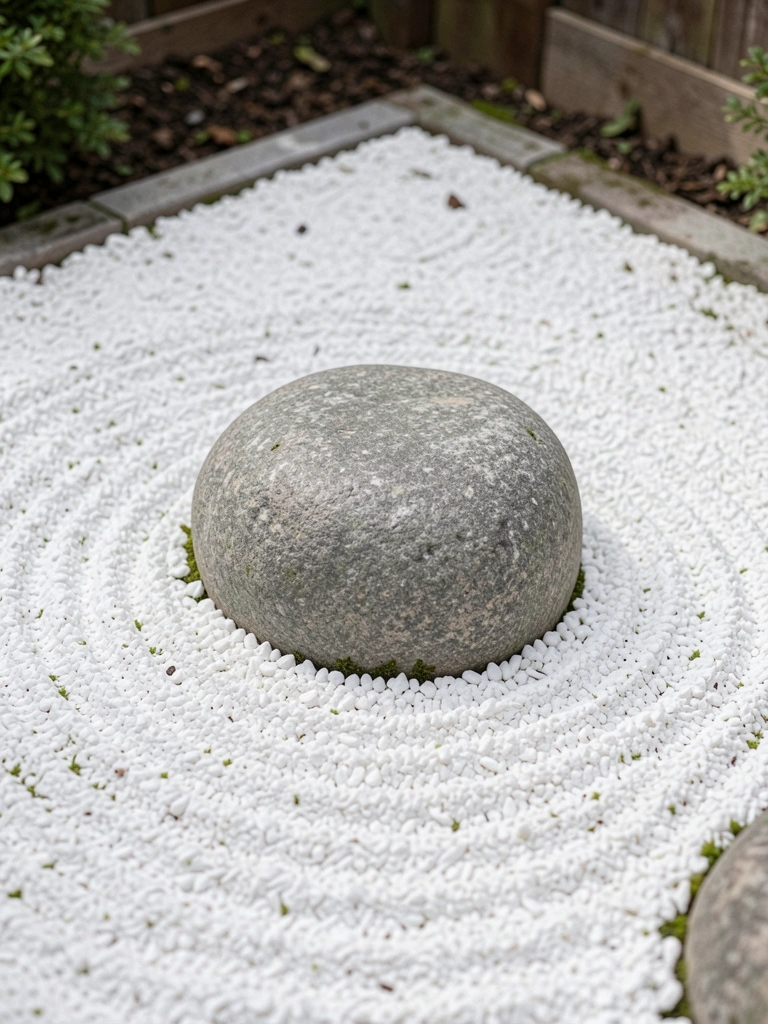
    I plunked a knee-high boulder in the middle of my side yard gravel patch last spring. Raked simple waves around it with a garden fork. It draws your eye right in, makes the 4×4 space feel bigger.

    At first, the gravel clumped from rain, but finer stuff fixed that. Now, mornings there feel steady, like the rock's holding everything down. Wind doesn't mess it up much.

    Watch the rake angle—gentle curves mimic water best. Sit nearby on a stool; it pulls you to breathe slow.

    What You’ll Need for This Look

    A smooth gray basalt boulder (12-18 inches)

    Fine white pea gravel (50 lb bag)

    Zen garden rake tool (wooden)

    2. Mossy Rock Cluster Under a Bamboo Screen

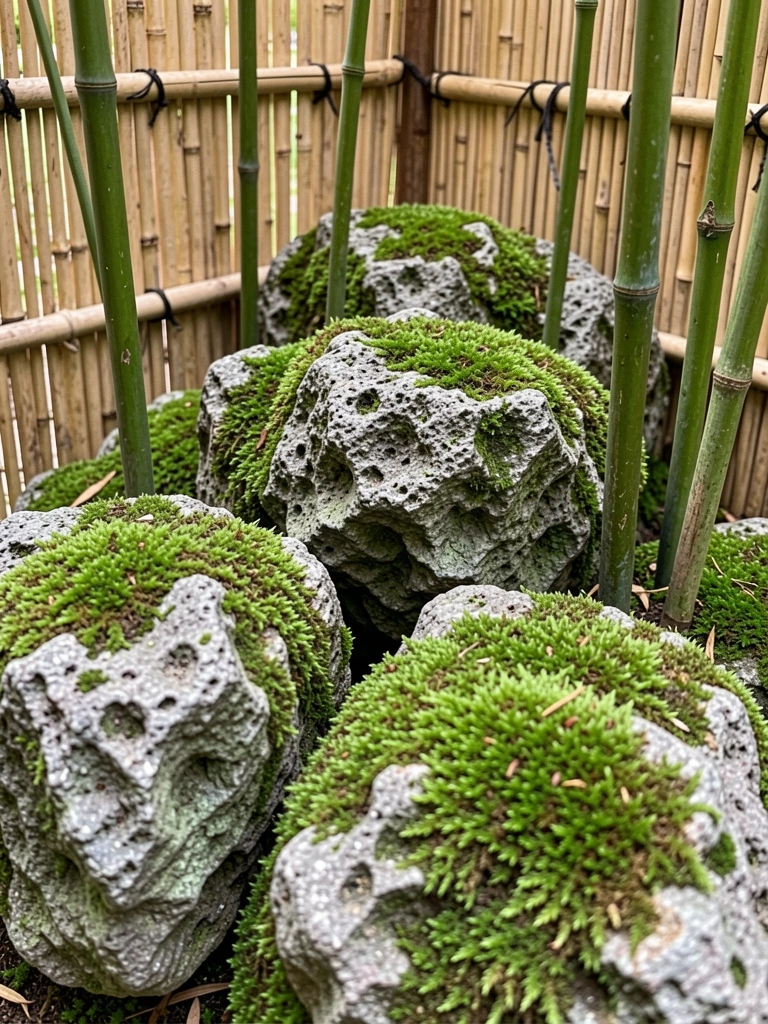
    Tucked three mossy rocks under a bamboo fence scrap in my shady back corner. The green fuzz softened the edges, turned a bare spot cozy. It's about 3×3 feet, fits perfect by the fence.

    I bought dry moss at first—big mistake, it died quick. Live chunks from a local patch rooted better. Now it spreads slow, fills gaps natural.

    Keep it damp but not soggy; mist weekly. Feels like a hidden forest pocket, calms after yard work.

    What You’ll Need for This Look

    Moss-covered landscape rocks (assorted 6-10 inches)

    Bamboo garden fencing roll (3 ft high)

    Handheld spray mister bottle

    3. Dry Pebble Stream with Stepping Stones

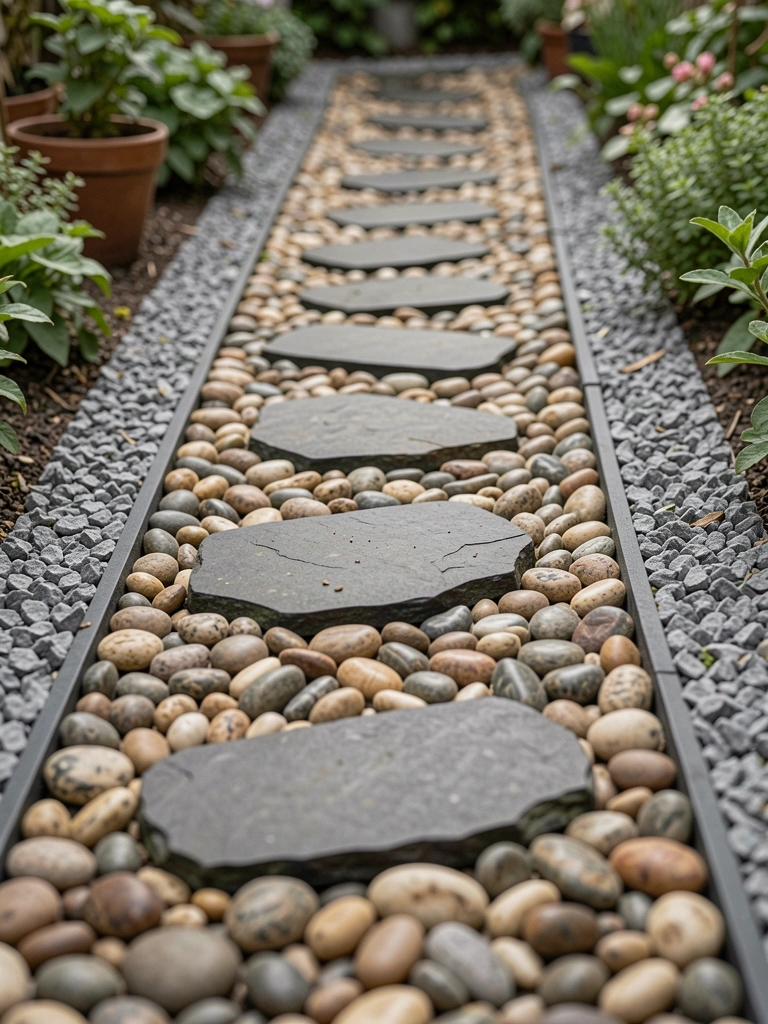
    Laid a winding pebble "river" across my patio edge, 2 feet wide. Flat stones poke up like islands. Moves your eye, makes walking through feel like crossing water.

    Coarse pebbles first washed out—switched to smaller ones, packed tight. Stays put now, even in storms.

    Step stones low, ankle height max. Bare feet on them ground you. Simple joy in a small yard.

    What You’ll Need for This Look

    Natural river pebbles (40 lb bag, mixed sizes)

    Flat slate stepping stones (12 inch squares)

    Landscape fabric underlay (3×10 ft)

    4. Mini Stone Lantern on Gravel Base

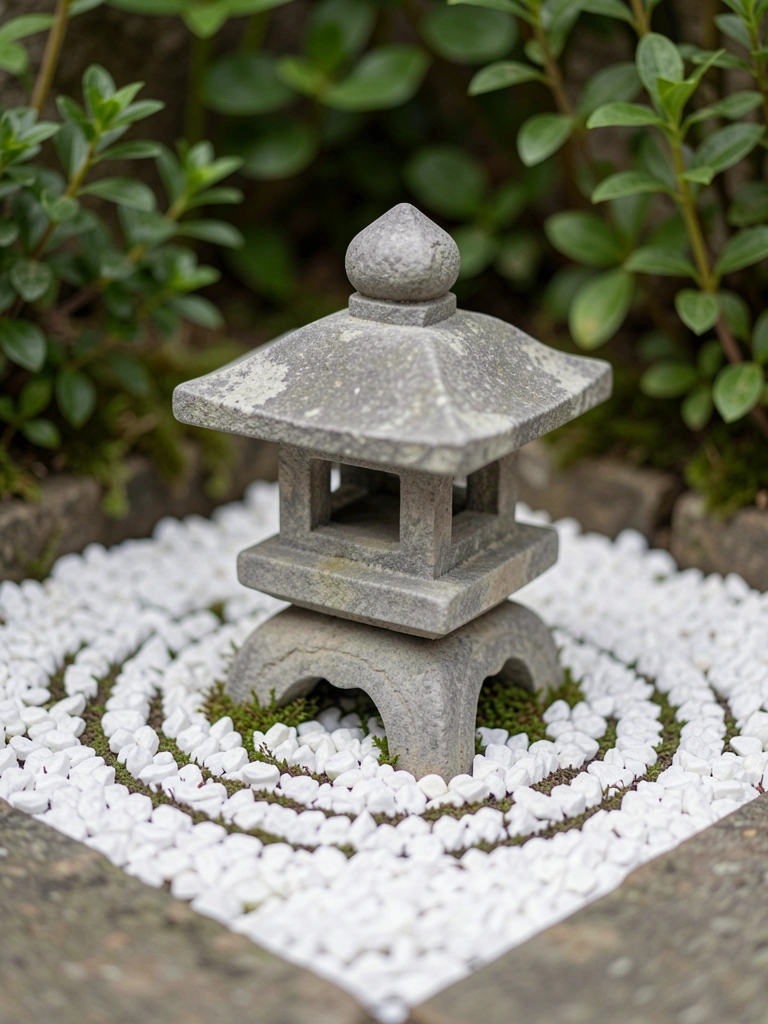
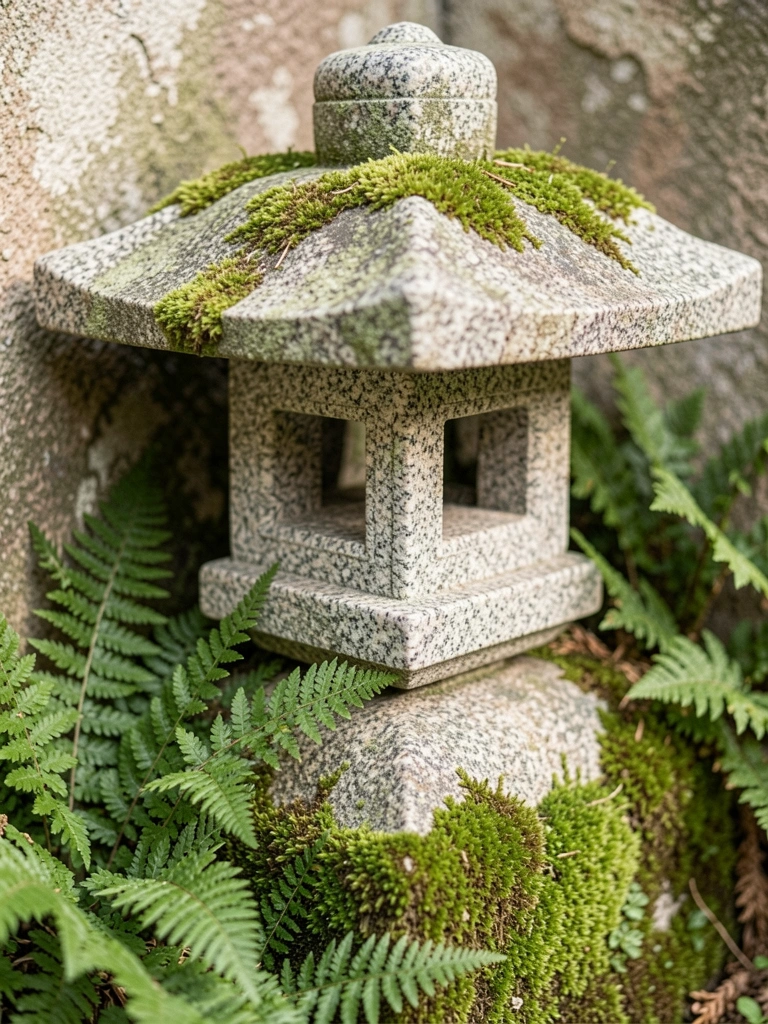
    Set a foot-tall lantern on gravel in my front stoop nook. Lights it soft at dusk with a solar bulb. Pulls the eye, feels welcoming without flowers.

    Cheaper plastic version cracked—real stone holds up. Gravel mounded slight around base hides the stand.

    Angle it toward seating. Even unlit, it anchors the spot quiet.

    What You’ll Need for This Look

    Small replica stone lantern (12 inches tall)

    Solar lantern LED bulb (warm white)

    White decorative gravel (20 lb)

    5. Bonsai Perch on Weathered Rock Slab

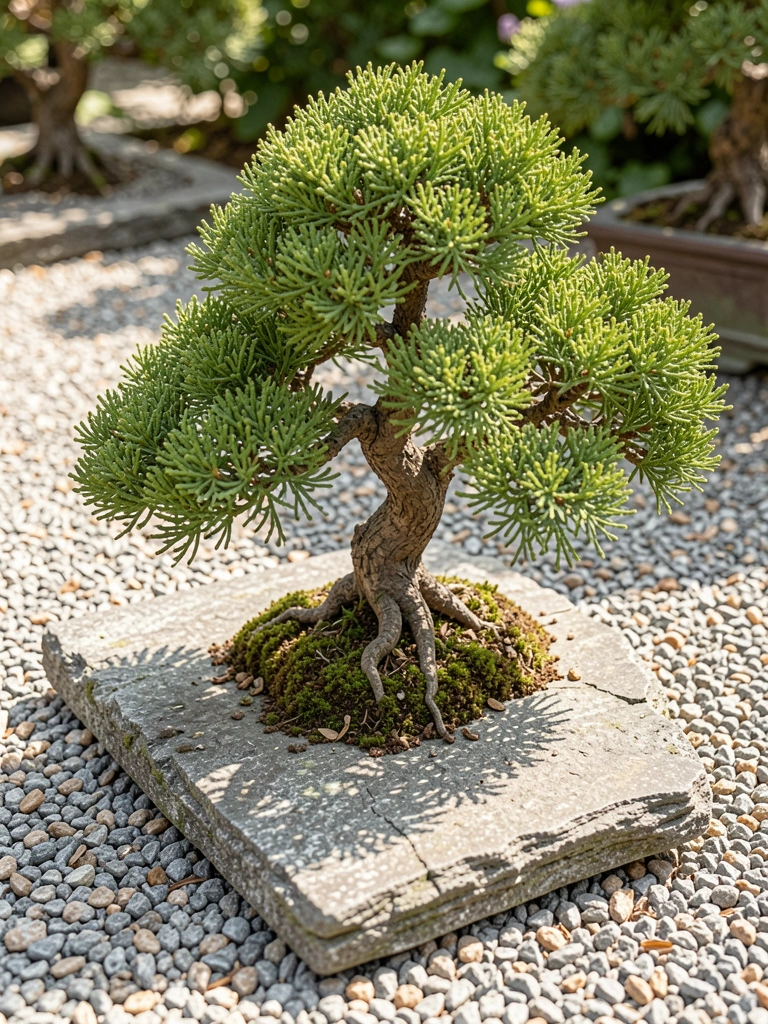
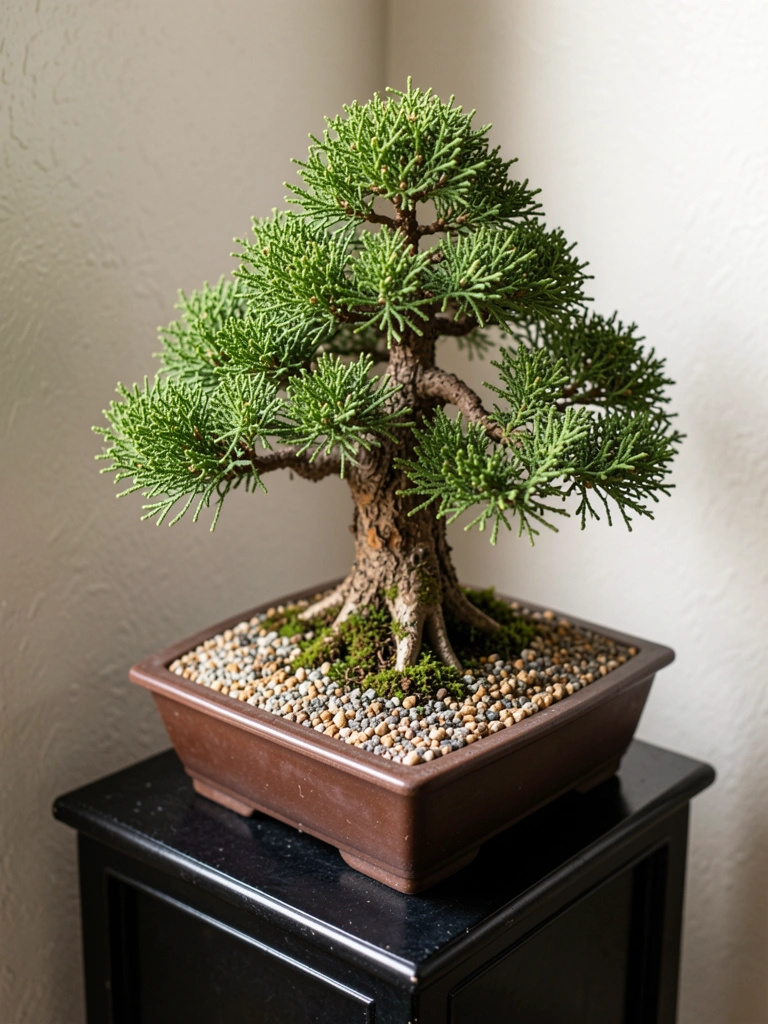
    Placed my juniper bonsai on a slab rock in a gravel bed, balcony-sized. Branches twist over it like guarding the space. Instant depth in 2×3 feet.

    Overwatered once, lost needles—now dry soil mix. Thrives, sways gentle in breeze.

    Pick a low-maintenance juniper. Wire branches yearly if you want. Feels alive, not stiff.

    What You’ll Need for This Look

    Starter juniper bonsai tree (6-8 inches)

    Weathered granite slab (18×12 inches)

    Bonsai soil mix (bonsai-specific)

    6. Vertical Rock Wall with Gravel Footing

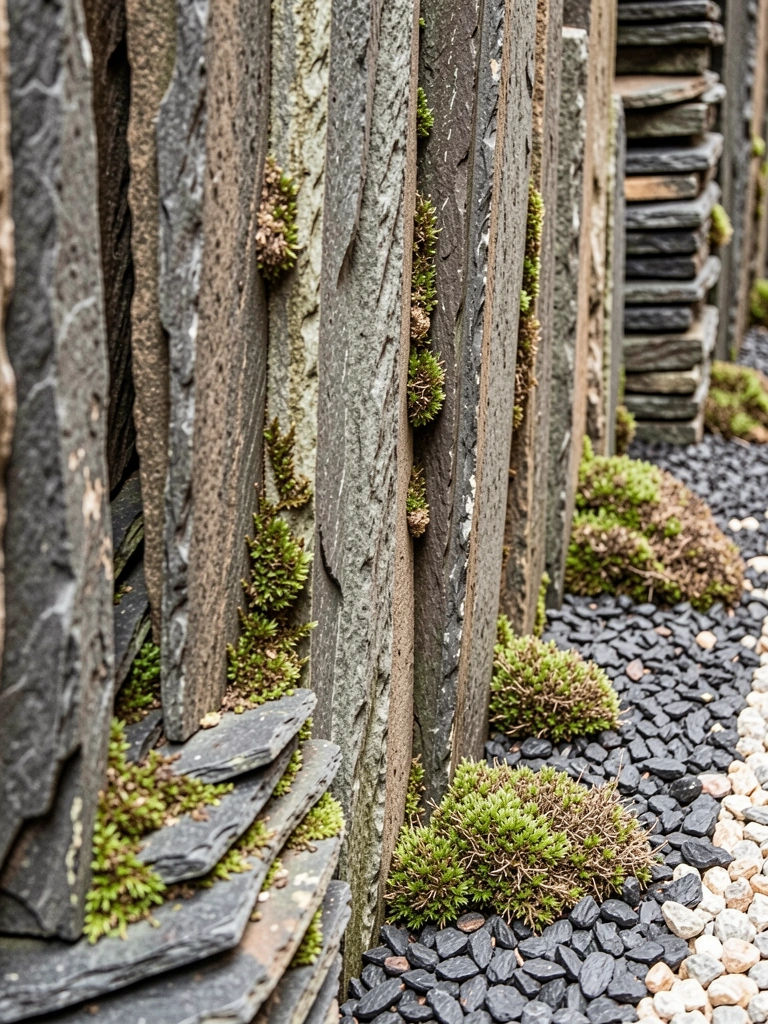
    Stacked slate into a 3-foot wall along my fence line, gravel at bottom. Blocks wind, frames the yard end. Narrow spot looks taller now.

    Loose stack first tumbled—mortar dots fixed it. Moss sneaks in, softens top.

    Lean it slight for interest. Touch the texture; grounds you.

    What You’ll Need for This Look

    Thin slate wall stones (natural gray)

    Construction adhesive dots (outdoor)

    Dark pea gravel (30 lb)

    7. Succulent Mountain Trio in Raked Sand

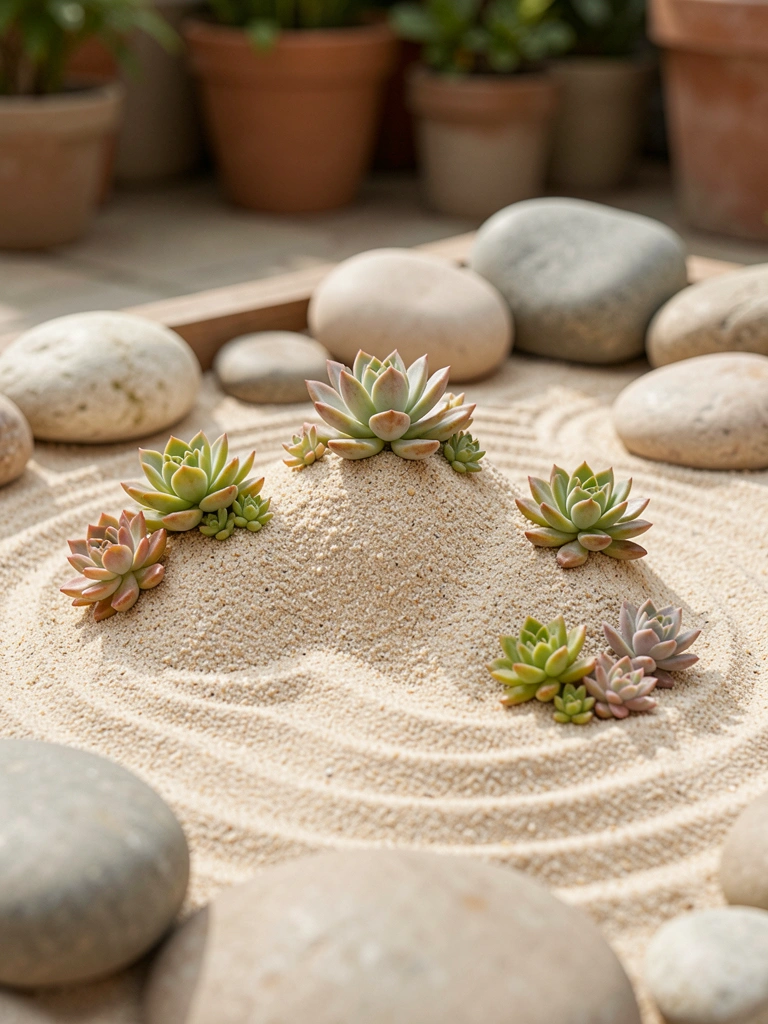
    Mounded sand into three "peaks," planted tough succulents on each. Rake valleys between. 4×4 patio spot mimics real mountains, zero water needs.

    Planted too deep once—roots rotted. Shallow now, they clump nice.

    Full sun spot. Rake patterns daily if you pass by. Quiet focus.

    What You’ll Need for This Look

    Assorted low succulent plants (3-pack)

    Fine play sand (50 lb bag)

    Small smoothing rake

    8. Curved Bamboo Bridge Over Pebbles

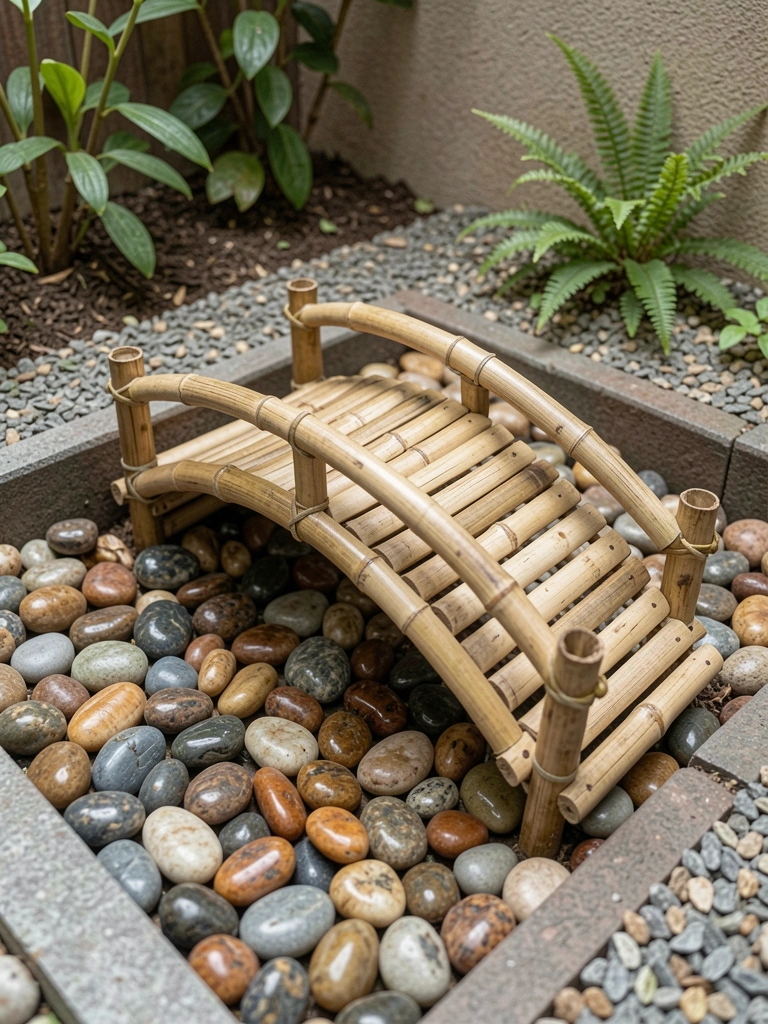
    Bent bamboo into a small bridge over pebbles in my walkway kink. Step across feels deliberate, slows you down. Fits 3-foot wide gap.

    Glue joints loose first—epoxy now holds. Pebbles under shift less packed.

    Short span, 18 inches max. Cross it barefoot; pebbles massage feet.

    What You’ll Need for This Look

    Bamboo poles for bridge (1-inch diameter)

    Outdoor epoxy glue (clear)

    Polished decorative pebbles (20 lb)

    9. Lantern-Lit Gravel Meditation Nook

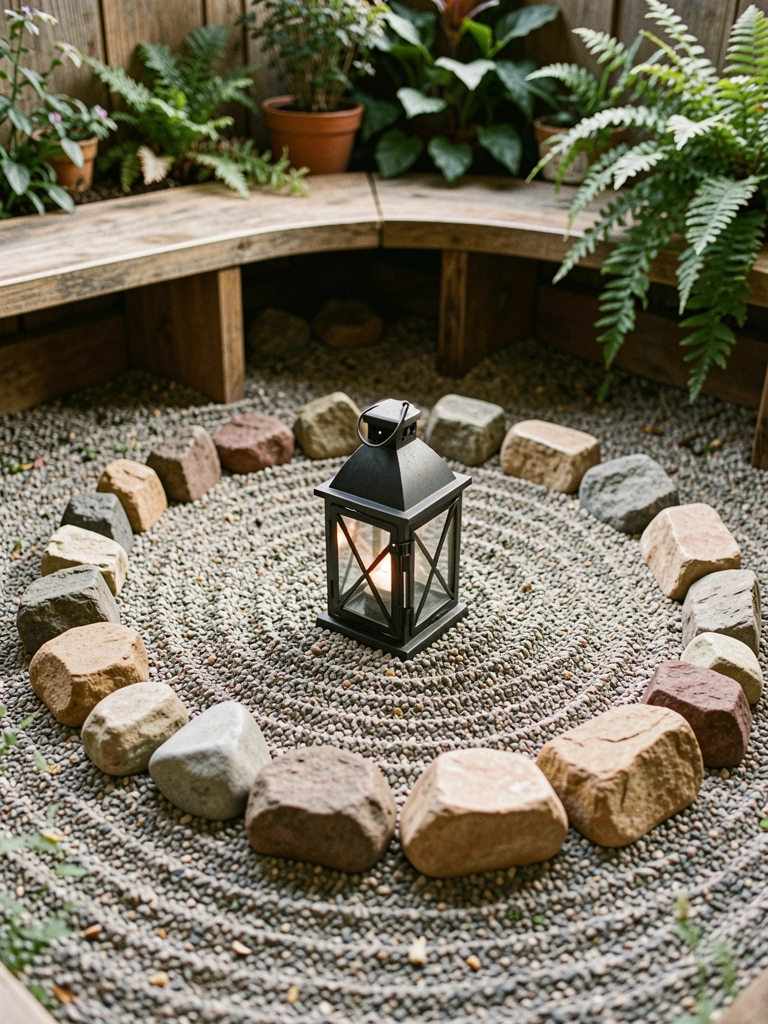
    Circled gravel 3 feet round, lantern dead center, rocks around edge. Stool fits inside. My evening unwind spot now.

    Light too bright first—dimmable swapped. Gravel fine, doesn't stick shoes.

    Face lantern outward slight. Sit five minutes; mind settles.

    What You’ll Need for This Look

    Mini LED lantern (dimmable, 8 inches)

    Fine gray gravel (40 lb)

    Border landscape rocks (6-inch)

    10. Container Rock Garden with Moss Accents

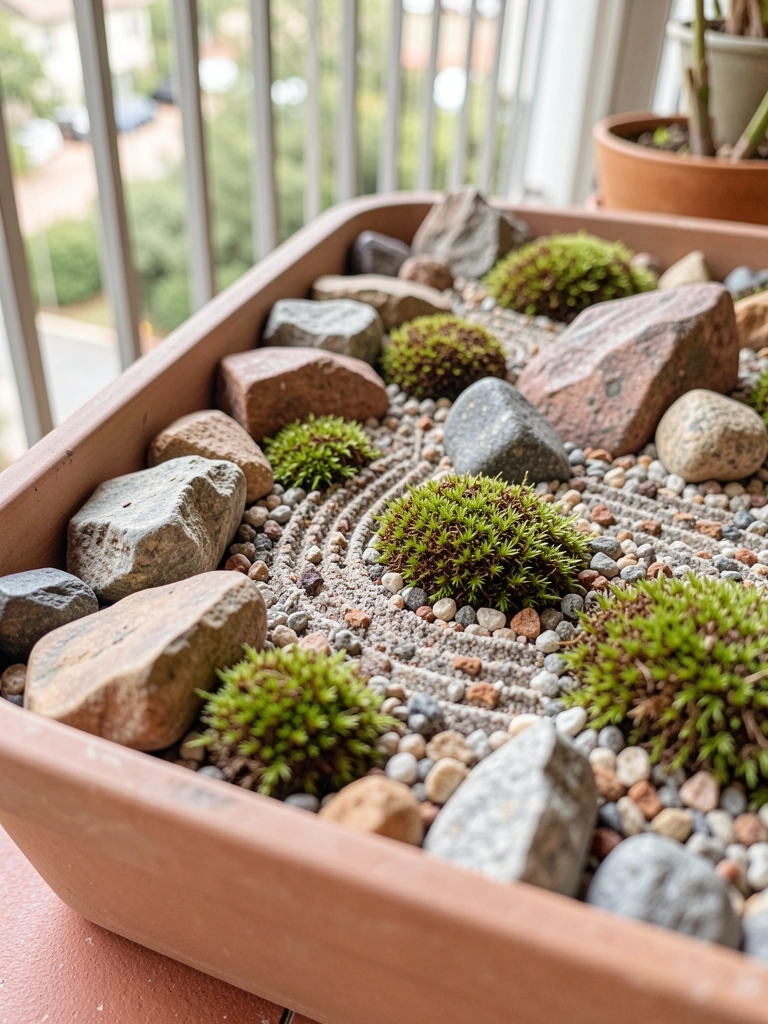
    Filled a big tray with gravel, rocks, moss bits on my apartment balcony. Rake inside, rearrange easy. No yard? This works 2×2 feet.

    Too much water pooled—drain holes drilled. Moss loves mist.

    Indoor-outdoor fine. Wipe dust monthly. Portable calm anywhere.

    What You’ll Need for This Look

    Shallow rectangular zen tray (24×12 inches)

    Live sheet moss (small pack)

    Assorted mini rocks (kit)

    Final Thoughts

    Pick one idea that fits your spot—start small, like I did. They'll settle in over time, weeds and all.

    No need for perfection. These rock setups forgive mistakes, reward glances.

    You've got this. Grab gravel, rake once, feel the shift.
  • 23 Small Corner Japanese Garden Ideas For Tight Spaces

    23 Small Corner Japanese Garden Ideas For Tight Spaces

    I remember squeezing a Japanese garden into that awkward 4×4 foot spot by my back door. It was bare dirt, nothing growing right. Then I raked in some gravel, added rocks. Suddenly, calm hit. No big budget, just tweaks over time.

    Tight spaces like yours? They beg for this quiet style. I've messed up placements, watched maples scorch in sun. But these corners now breathe peace.

    You can shape one too. From my trial-and-error.

    23 Small Corner Japanese Garden Ideas For Tight Spaces

    These 23 ideas fit real tight spots like patios, balconies, or yard nooks. I've built most in my own gardens. Each one works small—pick what matches your light and soil.

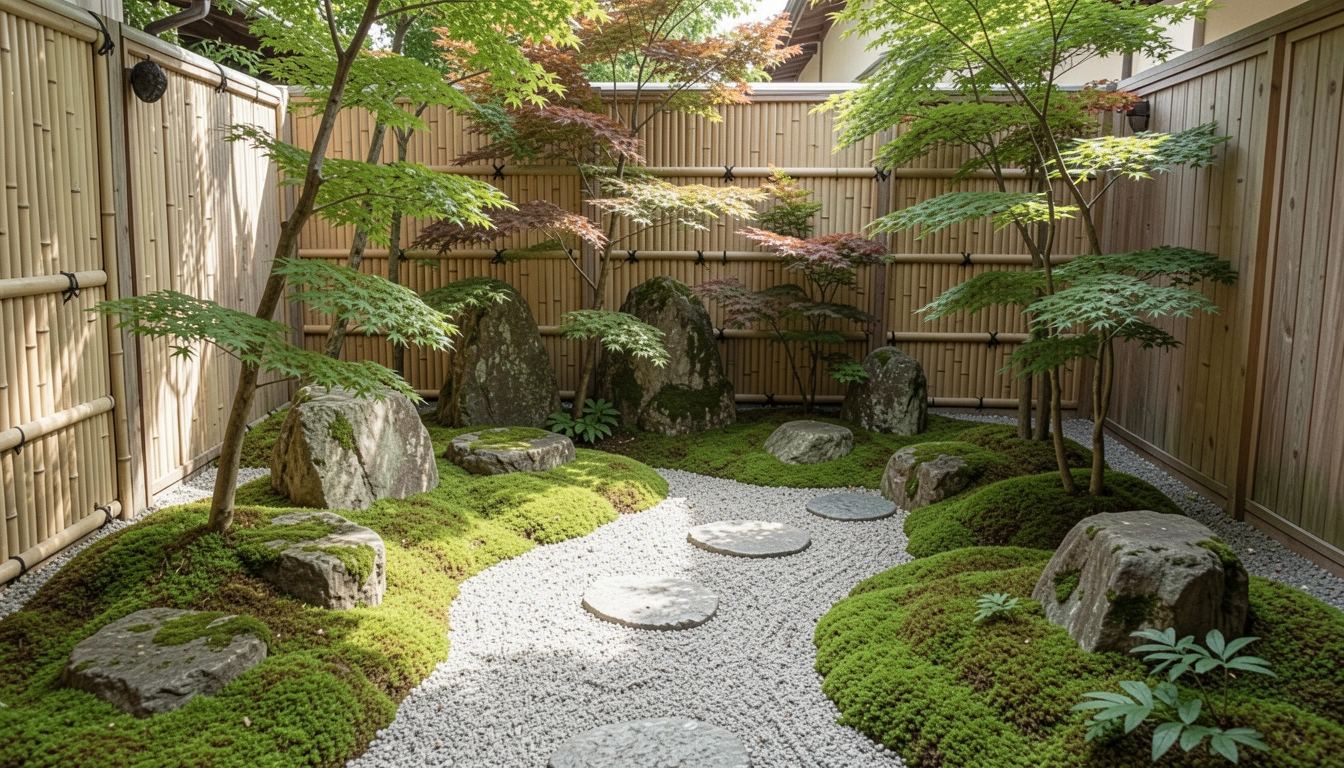
    1. Gravel Zen Box with Hand-Raked Patterns

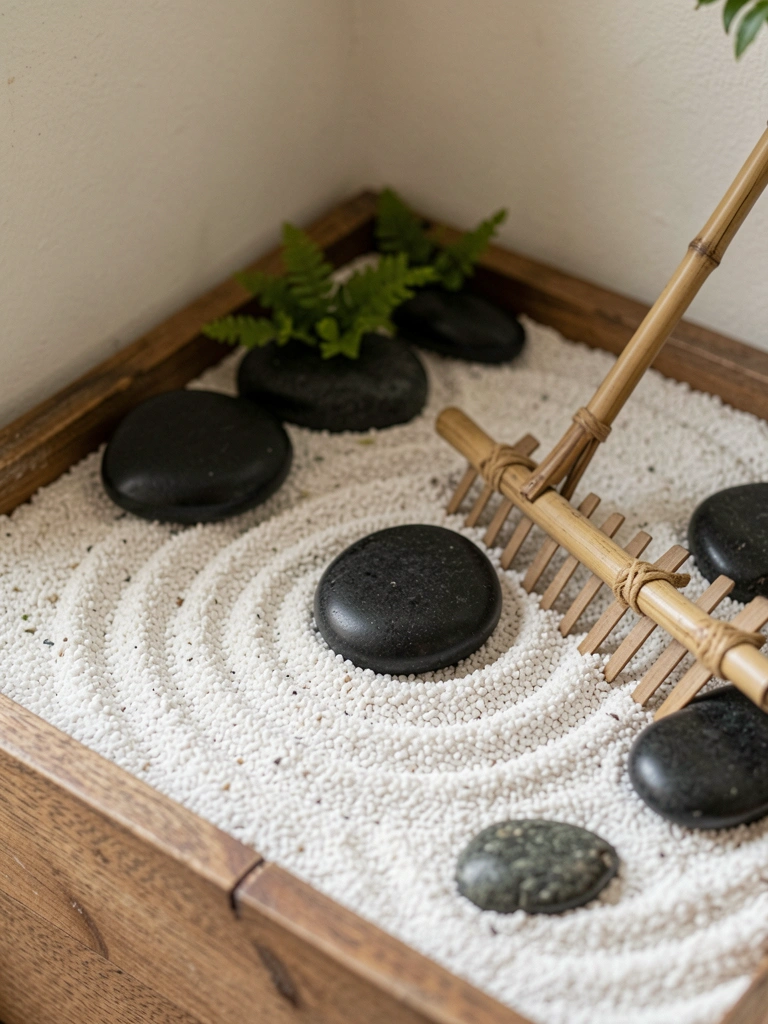
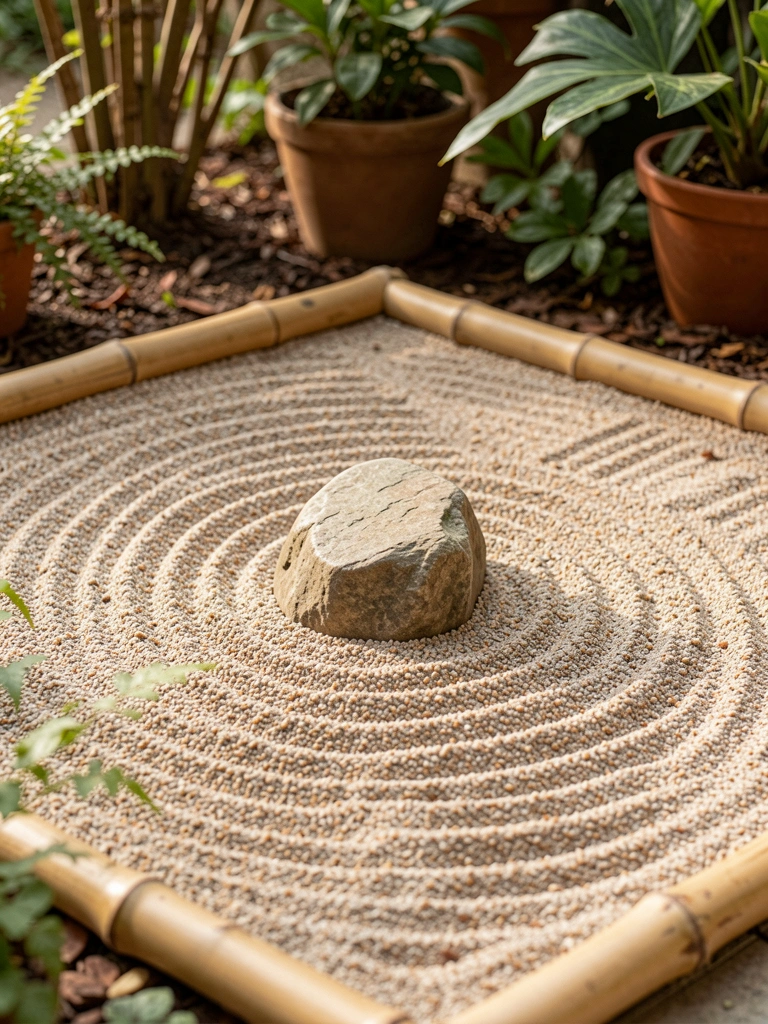
    I carved out this gravel box in a neglected patio corner, maybe 3 feet square. Used fine white gravel—raked waves daily at first. It quiets the mind, pulls your eye from clutter. One winter, rain washed patterns flat, so I switched to coarser gravel that holds shape.

    Rocks sit uneven, like they rolled there naturally. Paired with a single bamboo stalk, it feels deeper than it is. Mornings, soft light hits just right.

    Watch drainage—elevate if wet. Rake when stressed; it's therapy.

    What You’ll Need for This Look

    2. Bamboo Screen Backed Mini Rock Garden

    That chain-link fence corner screamed for privacy. I leaned split bamboo screens against it, filled front with pebbles and three fist-sized rocks. Wind rustles bamboo soft, rocks ground it. Forgot to trim once—shot up wild, but now it's fuller.

    From the deck, it hides trash cans, frames quiet. Pebbles shift underfoot, inviting closer look.

    Secure screens with zip ties. Add moss if shady; it clings free.

    What You’ll Need for This Look

    3. Pedestal Bonsai with Gravel Mulch

    My first bonsai went leggy in full sun—lesson learned. Moved to shaded corner pedestal, mulched gravel around base. Trunk twists slow, branches clip easy now. Feels ancient in 2×2 space.

    Glance over coffee, it's meditative. Gravel keeps weeds out, soil moist.

    Pot feet off ground for air. Prune yearly; wire gentle.

    What You’ll Need for This Look

    4. Mossy Stone Lantern Base Planting

    Planted moss around a cheap lantern knockoff—glows at dusk. Corner by garage door, it softens concrete. Moss spread slow, but ferns tuck in gaps. Rain makes it lush.

    Pulls you in, hides ugly wall. Mistake: too much sun killed first moss; shade cloth fixed.

    Press moss scraps in soil. Water light.

    What You’ll Need for This Look

    5. Layered Japanese Maple Container Stack

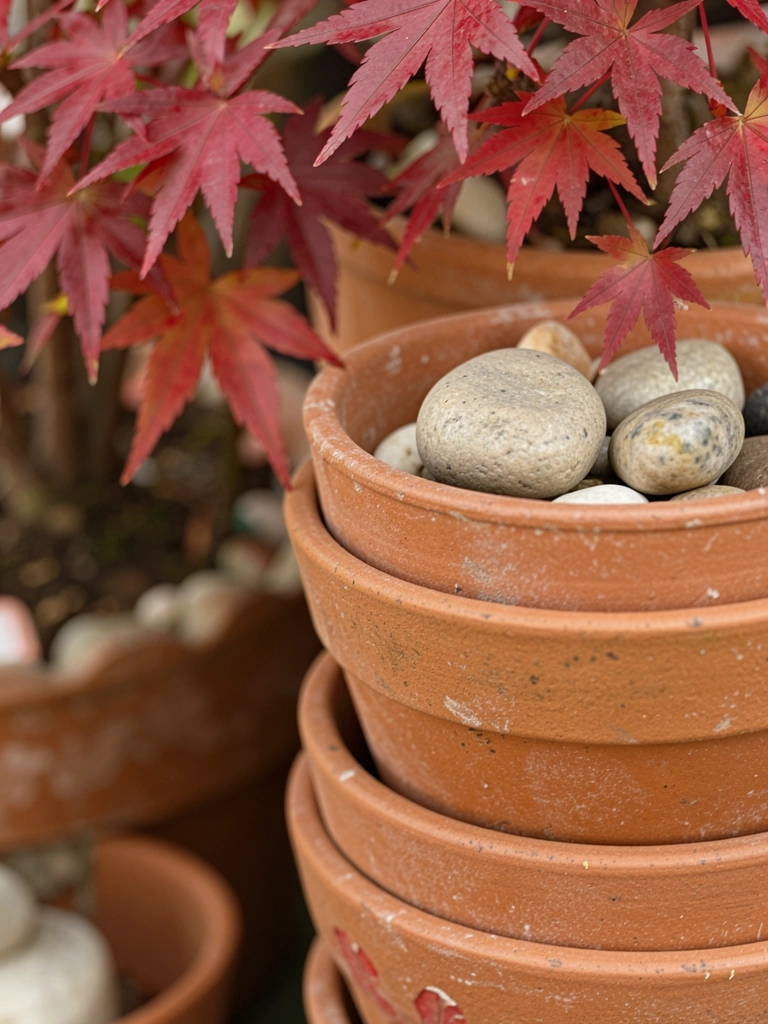
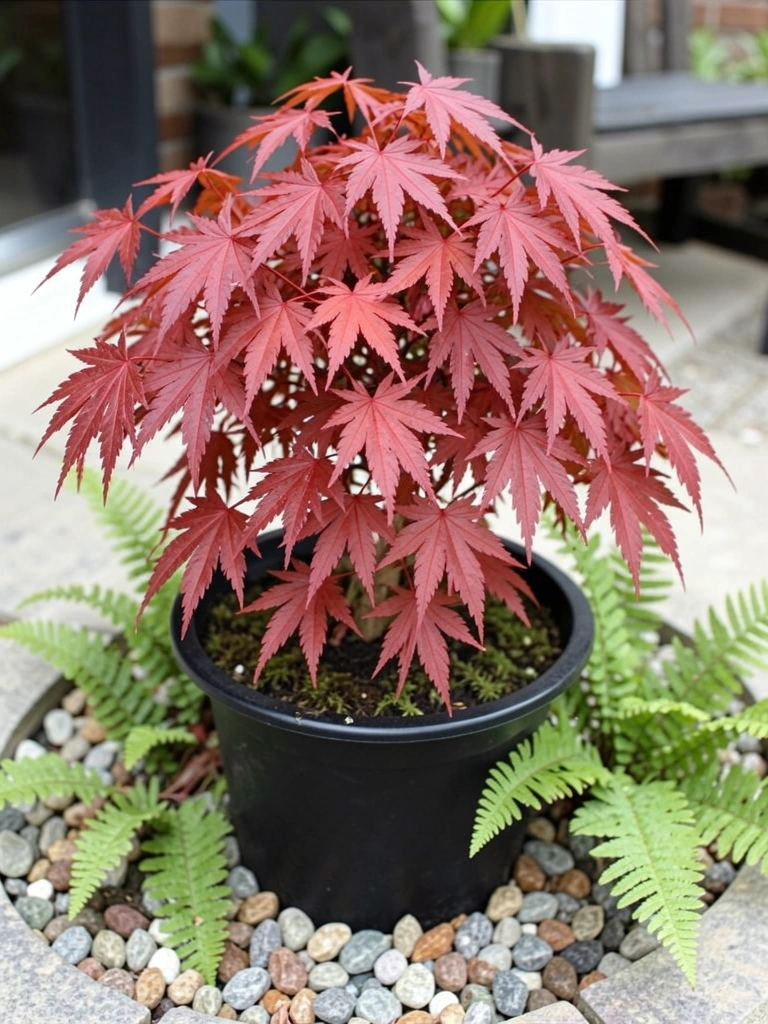
    Stacked three pots for height in tight balcony corner—dwarf maple on top. Leaves turn fire red fall. Pebbles crown it clean. Wind toppled once; wider base now.

    Fills view without sprawl. Shade lover, thrives partial sun.

    Drain holes key. Fertilize spring.

    What You’ll Need for This Look

    6. Vertical Bamboo Pole Privacy Wall

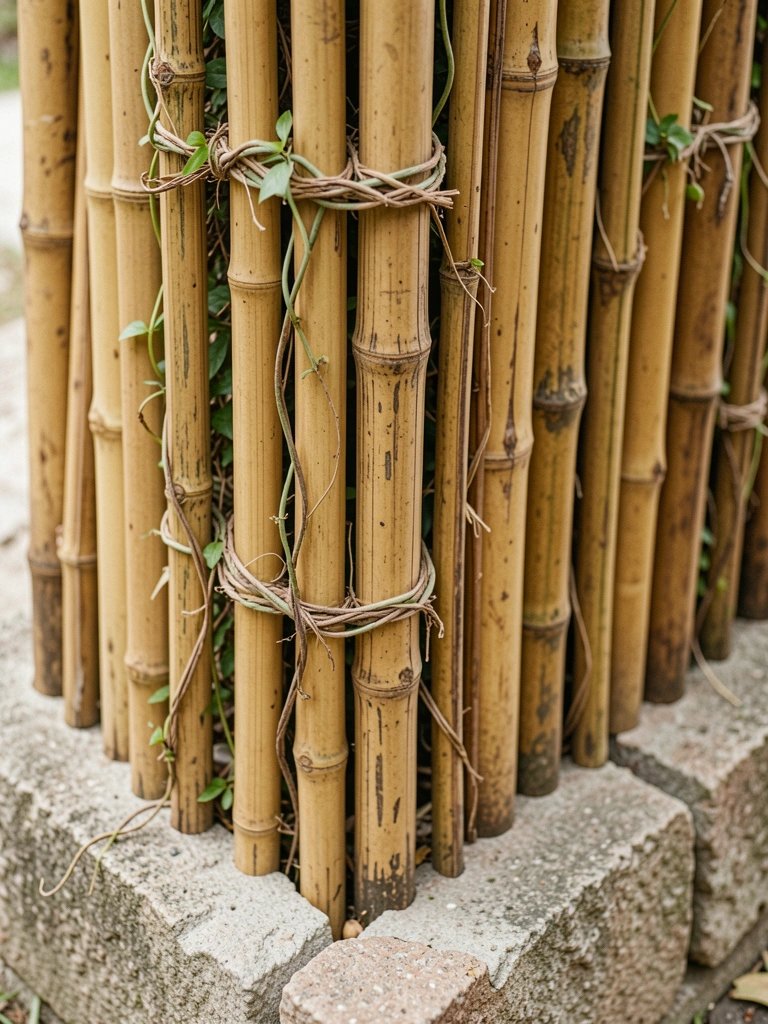
    Drove bamboo poles vertical against fence—ties every foot. Vines climb lazy. Blocks neighbor view in 3-foot nook. Poles yellowed first year; sealed now.

    Rustles gentle, frames rocks below. Feels enclosed, private.

    Sink 2 feet deep. Trim tops even.

    What You’ll Need for This Look

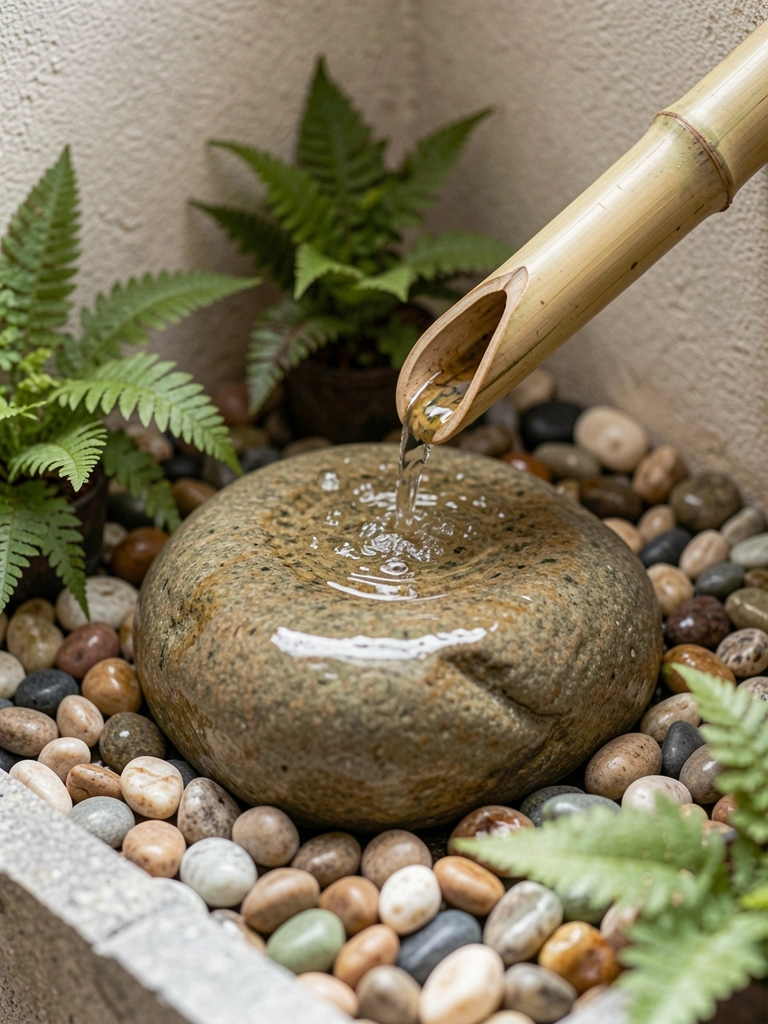
    7. Bubbling Rock Fountain in Pebbles

    Hollowed a rock for pump—bubbles over pebbles. Corner pond vibe, no standing water. Sound soothes traffic noise. Pump clogged leaves once; net now.

    Draws birds, calms nerves. Keep clean.

    Submersible pump quiet. Level base.

    What You’ll Need for This Look

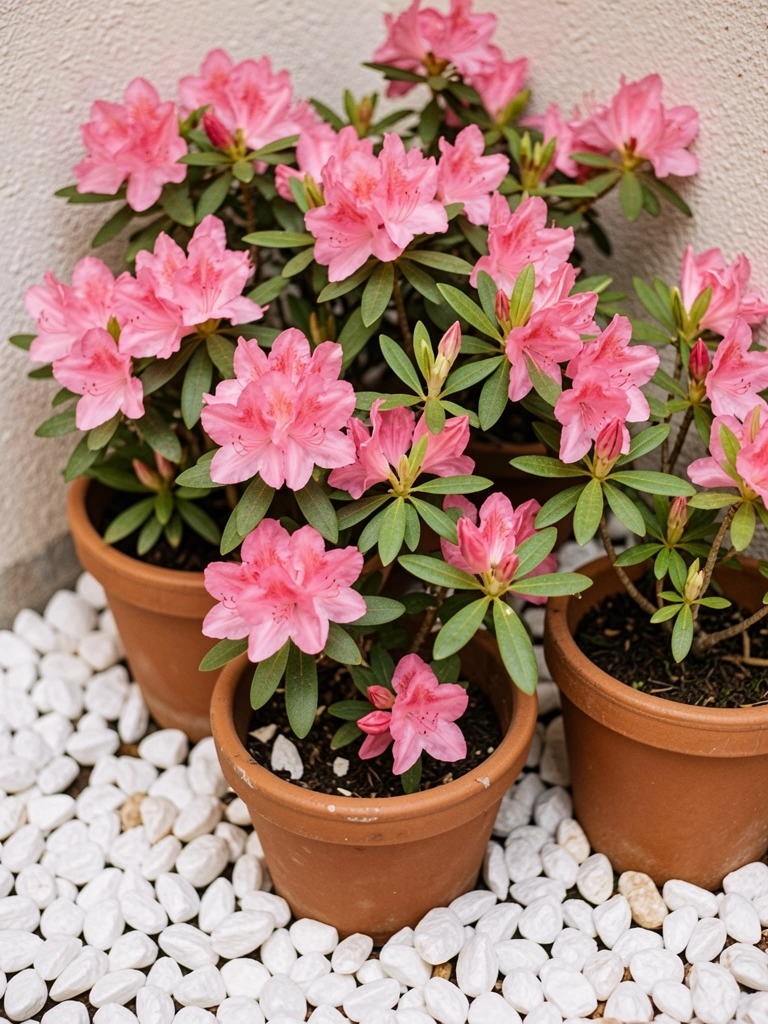
    8. Clustered Azalea Pots on Gravel

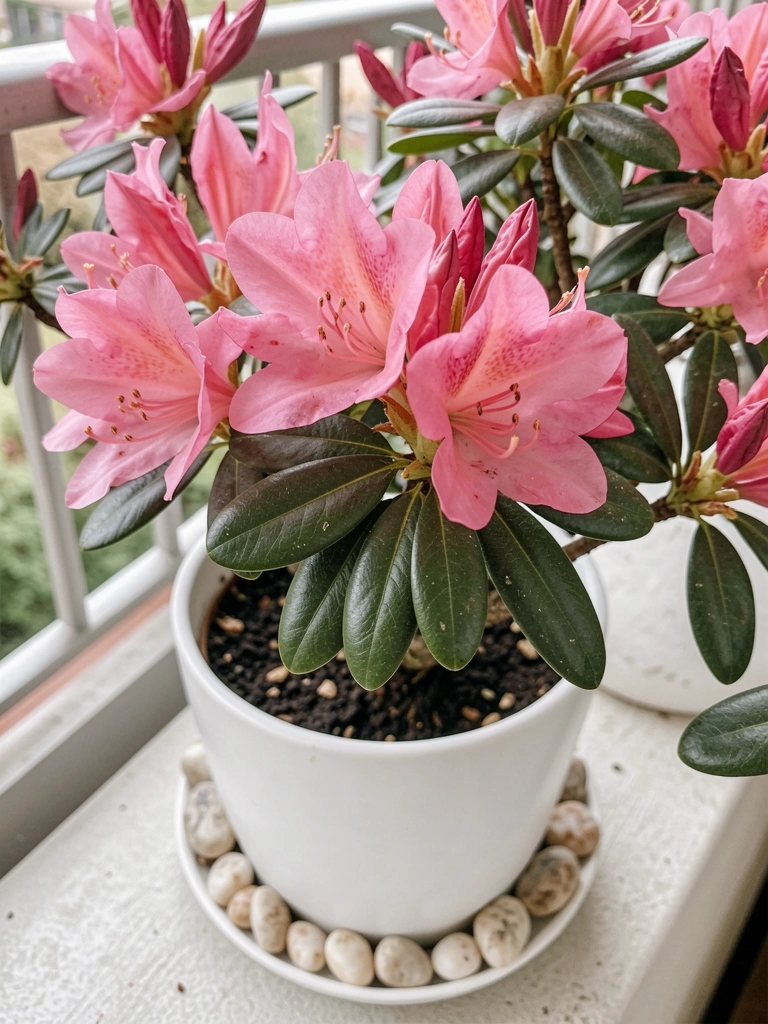
    Clustered three azalea pots on gravel pad—blooms pop spring. Acid soil mix key; first batch yellowed. Now lush in shady nook.

    Softens brick wall, invites touch. Mulch pots.

    Group odd numbers. Acidic fertilizer.

    What You’ll Need for This Look

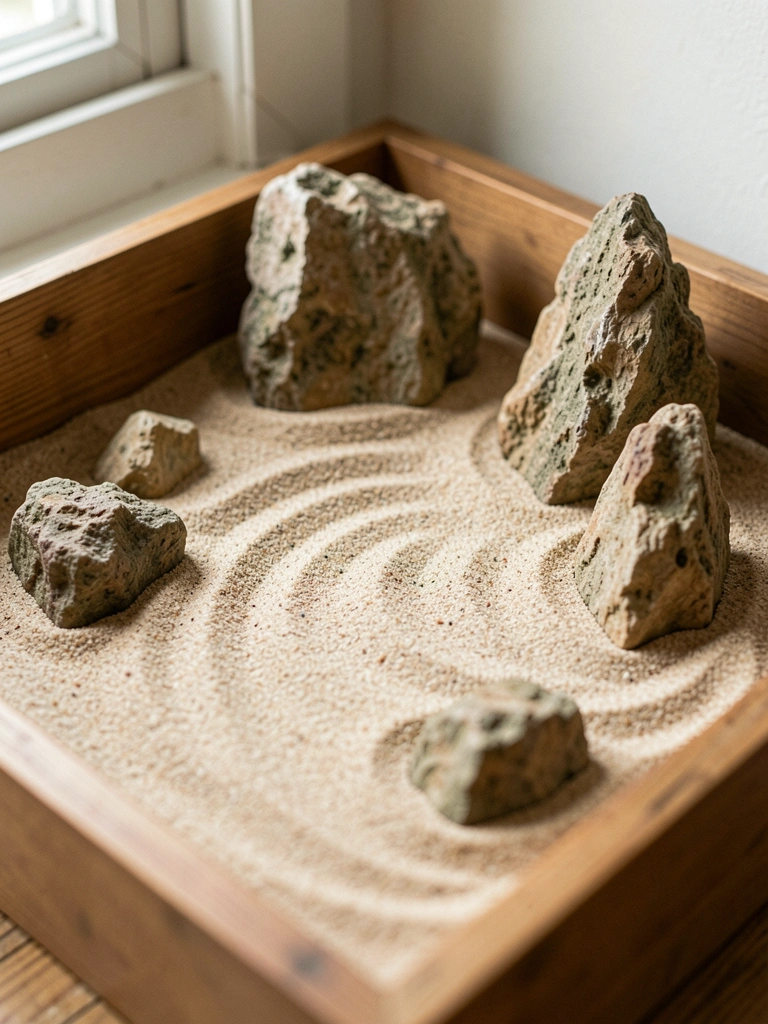
    9. Raked Sand Tray with Island Rocks

    Wood tray holds play sand—raked islands around rocks. Portable for apartment deck. Sand dusts everywhere first try; tray edges fixed.

    Mimics beach, relaxes instant. Indoors winter.

    Coarse sand grips. Rake small tines.

    What You’ll Need for This Look

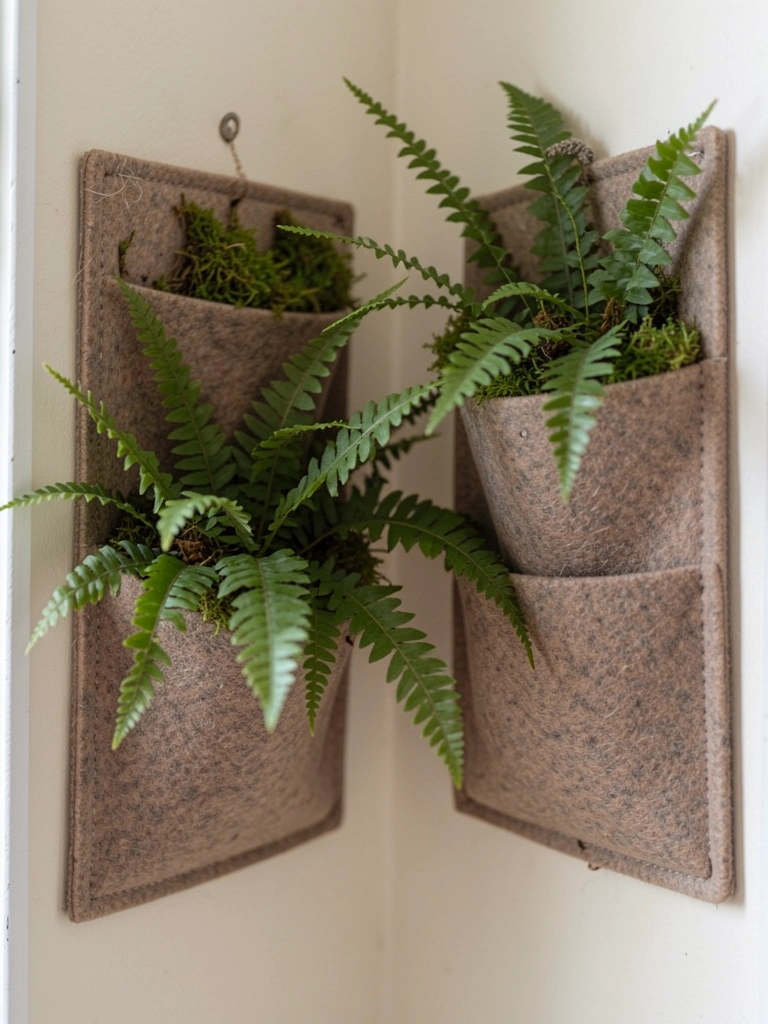
    10. Pocket Wall Ferns and Moss

    Hung felt pockets on blank wall—ferns and moss spill soft. Vertical green in zero floor space. Dried out fast first; drip irrigation now.

    Hides pipe, adds life. Shade must.

    Soak pockets weekly. Mist daily.

    What You’ll Need for This Look

    11. Pagoda Pot Cluster with Gravel

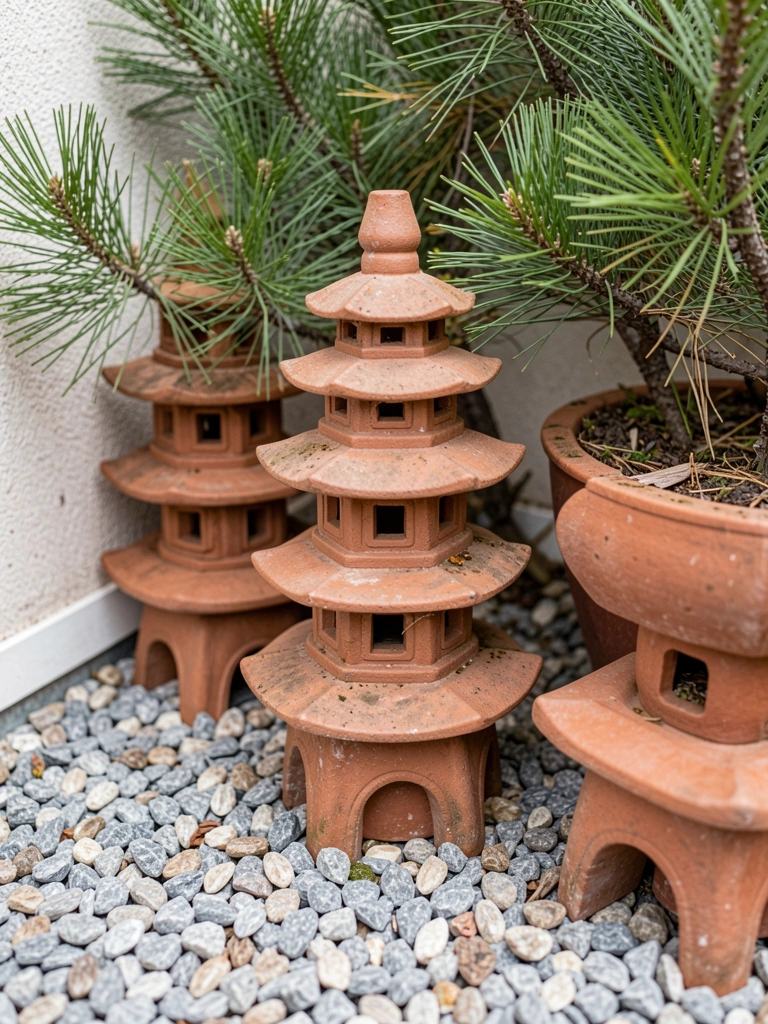
    Three pagoda pots staggered on gravel—pines peek out. Architectural in plain spot. Pots cracked sun; glazed now.

    Structures space, evergreen anchor. Group tight.

    Drain gravel layer. Wind-proof.

    What You’ll Need for This Look

    12. Dry Pebble Stream Path

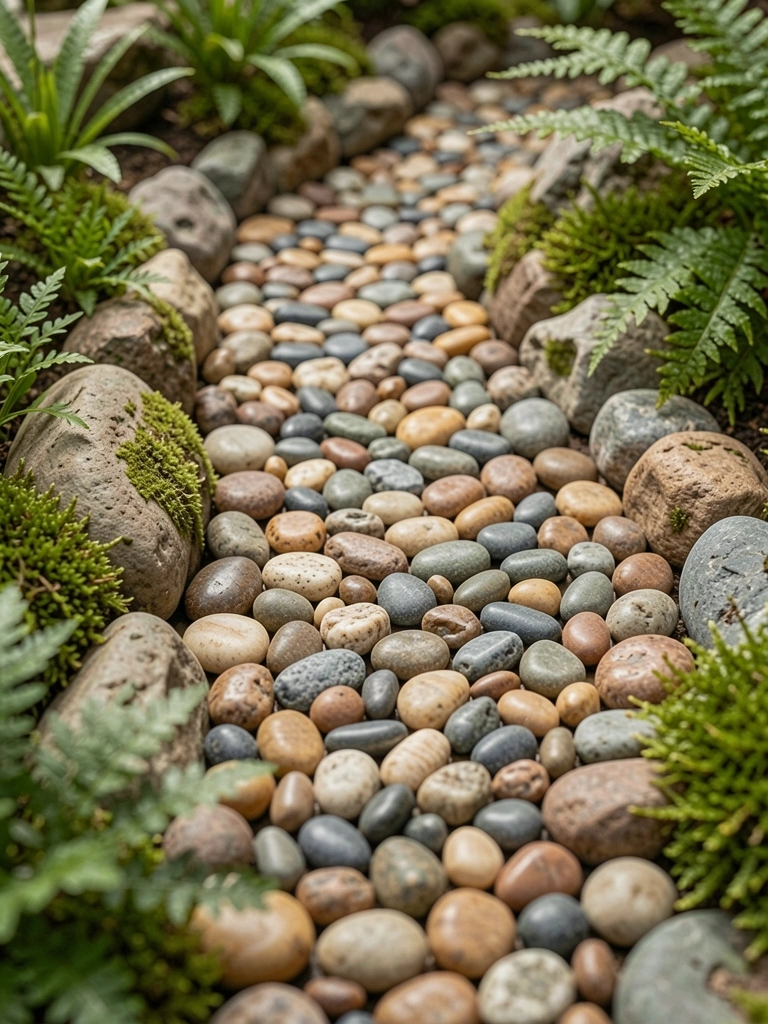
    Curved pebbles mimic stream between rocks—leads eye around corner. No water mess. Pebbles sank soft soil; landscape fabric under.

    Guides steps, adds flow. Border firm.

    Edger tool shape. Vary pebble size.

    What You’ll Need for This Look

    13. Shallow Tray Black Pine Garden

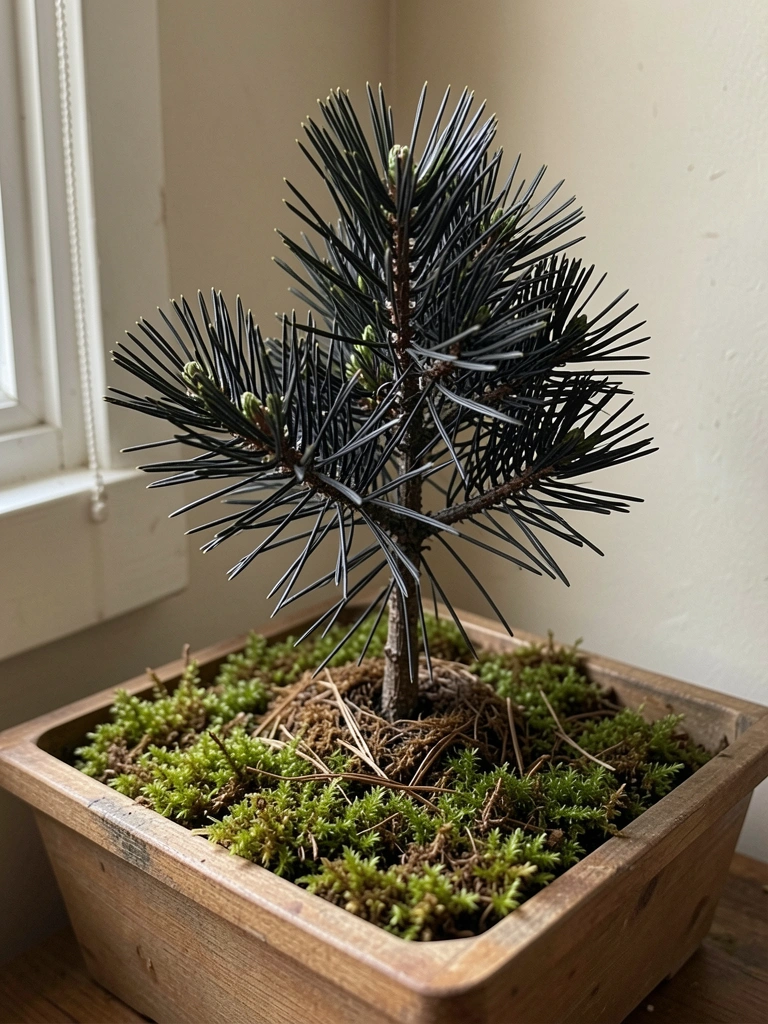
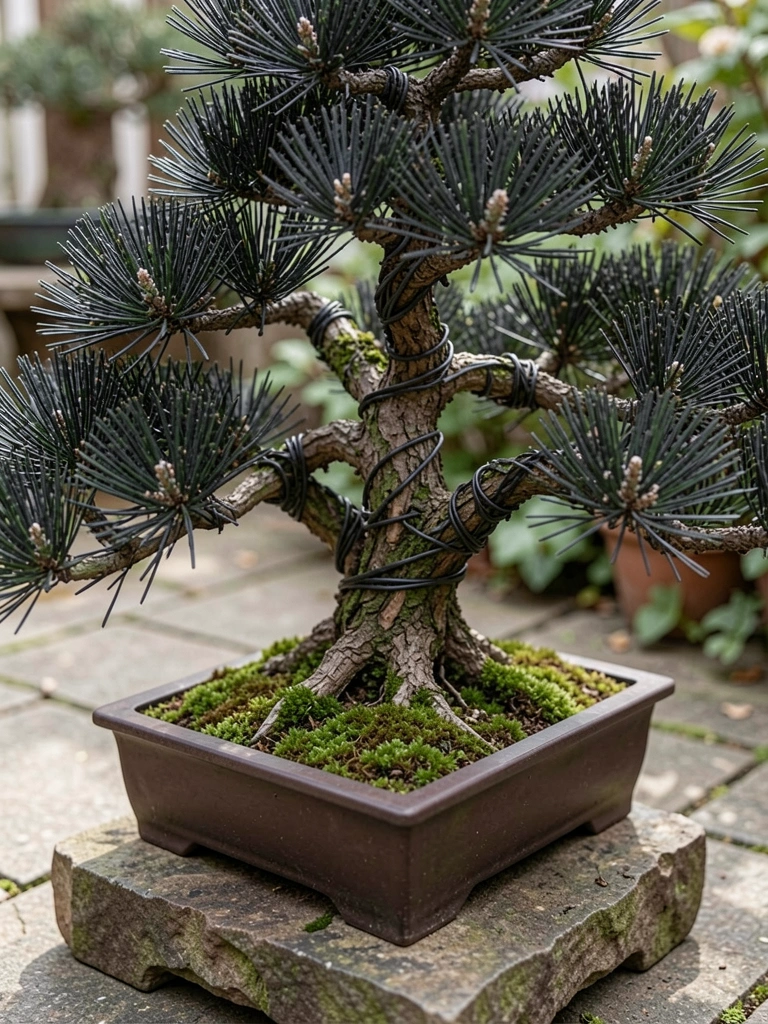
    Black pine in long tray—needles sharp, form tight. Fits shelf corner. Overwatered roots once; bonsai soil saved.

    Textured bark draws near. Slow grower.

    Well-draining mix. Root prune yearly.

    What You’ll Need for This Look

    14. Lantern-Lit Gravel Meditation Spot

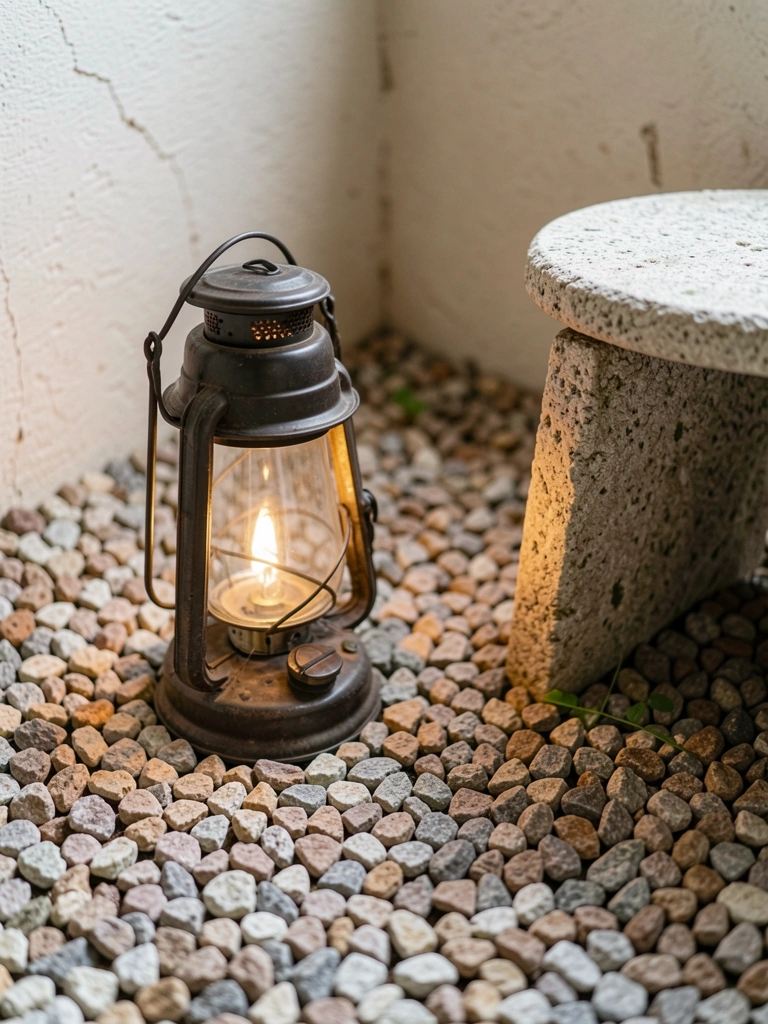
    Solar lantern lights gravel circle—sit on stone stool evenings. Cozy glow. Bulb burned first; waterproof now.

    Invites pause, night calm. Low voltage safe.

    Stake lantern secure. Rake daily.

    What You’ll Need for This Look

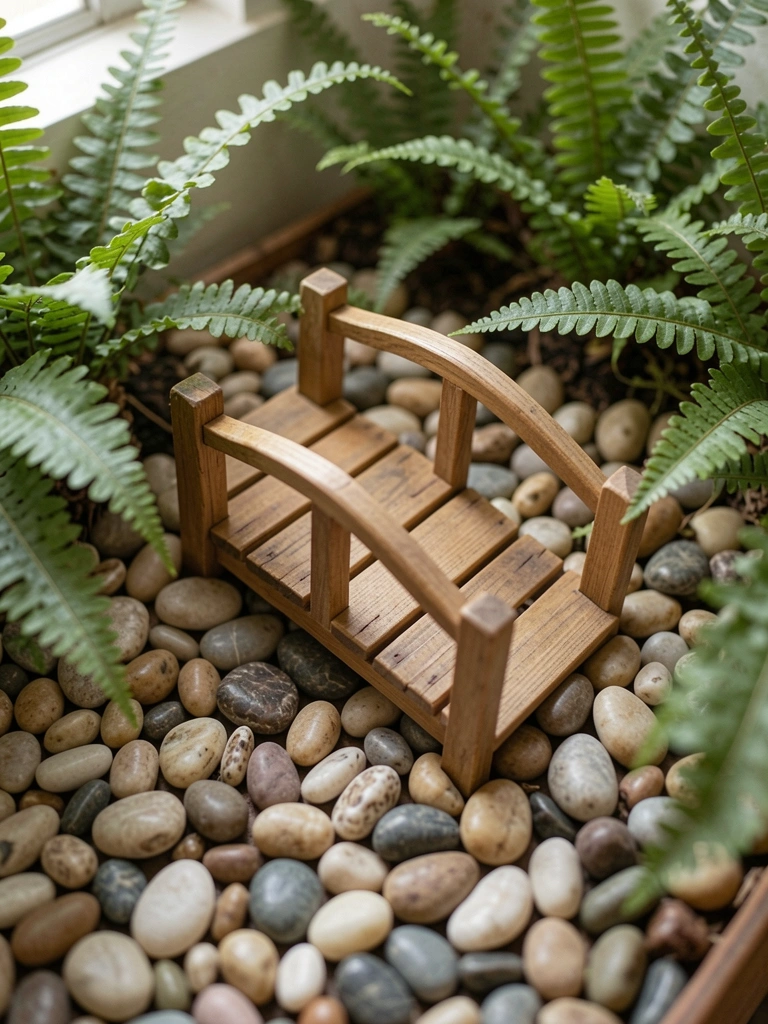
    15. Mini Arched Bridge Over Pebbles

    Tiny bridge spans pebble "river"—step over fun. Balcony tight fit. Glue loosened rain; epoxy fixed.

    Adds whimsy without space. Ferns frame.

    Anchor legs. Varnish wood.

    What You’ll Need for This Look

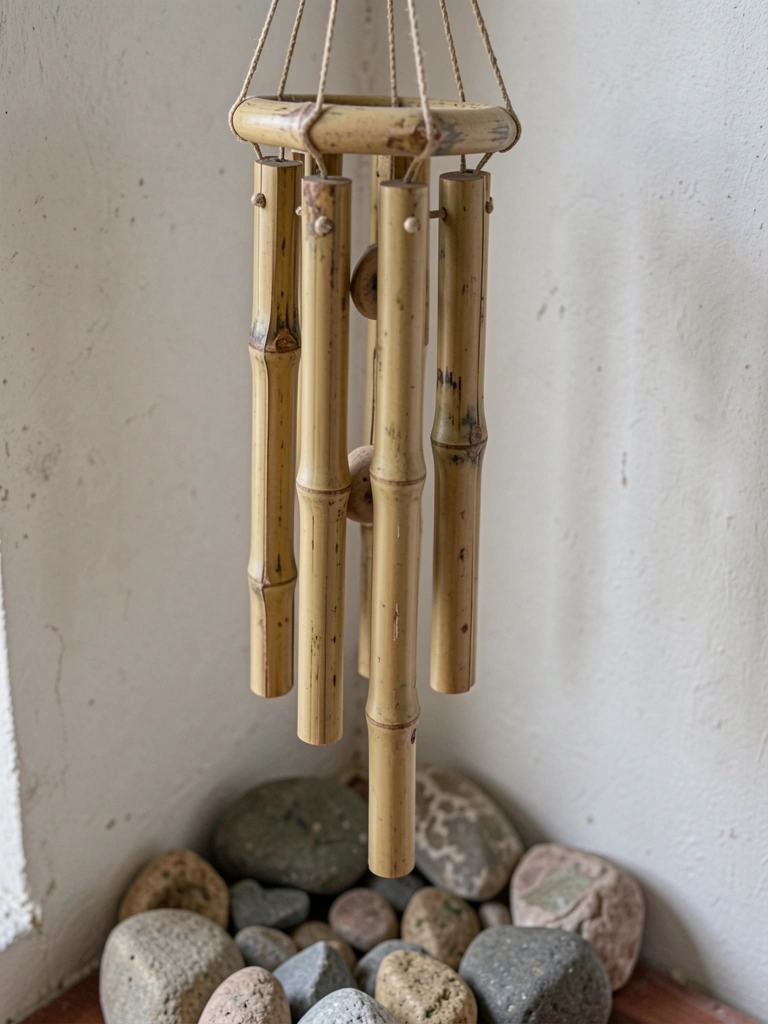
    16. Hanging Bamboo Wind Chime Nook

    Hung chimes from bamboo pole—tinkles soft breeze. Corner sound garden. Tubes cracked cold; thicker gauge now.

    Tunes relax, marks seasons. Hang high.

    Cotton cord strong. Oil tubes.

    What You’ll Need for This Look

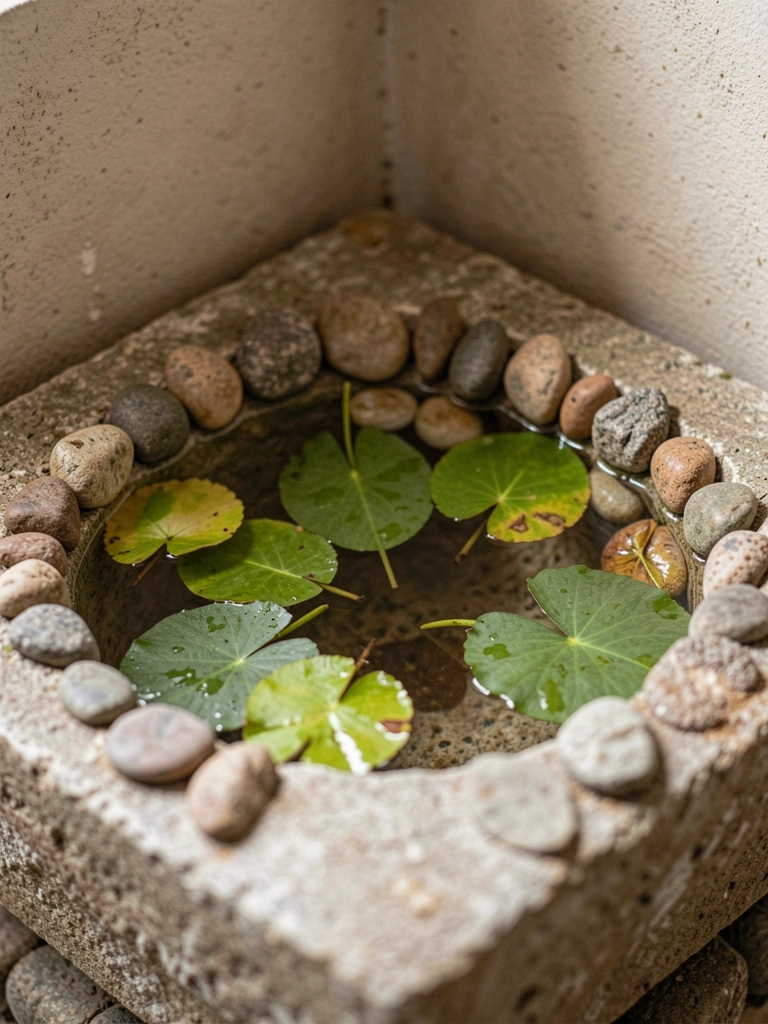
    17. Stone Basin with Floating Leaves

    Basin holds rainwater, leaves float. Tsuku basin style simple. Algae grew fast; barley straw cleared.

    Reflects sky, bird bath. Change water.

    Level spot. Mosquito dunks.

    What You’ll Need for This Look

    18. Branch Cherry Blossom Armature

    Wired real branches for blossoms—seasonal swap. Vase anchors. Petals faded sun; UV fabric now.

    Brings spring year-round. Light touch.

    Floral wire thin. Trim neat.

    What You’ll Need for This Look

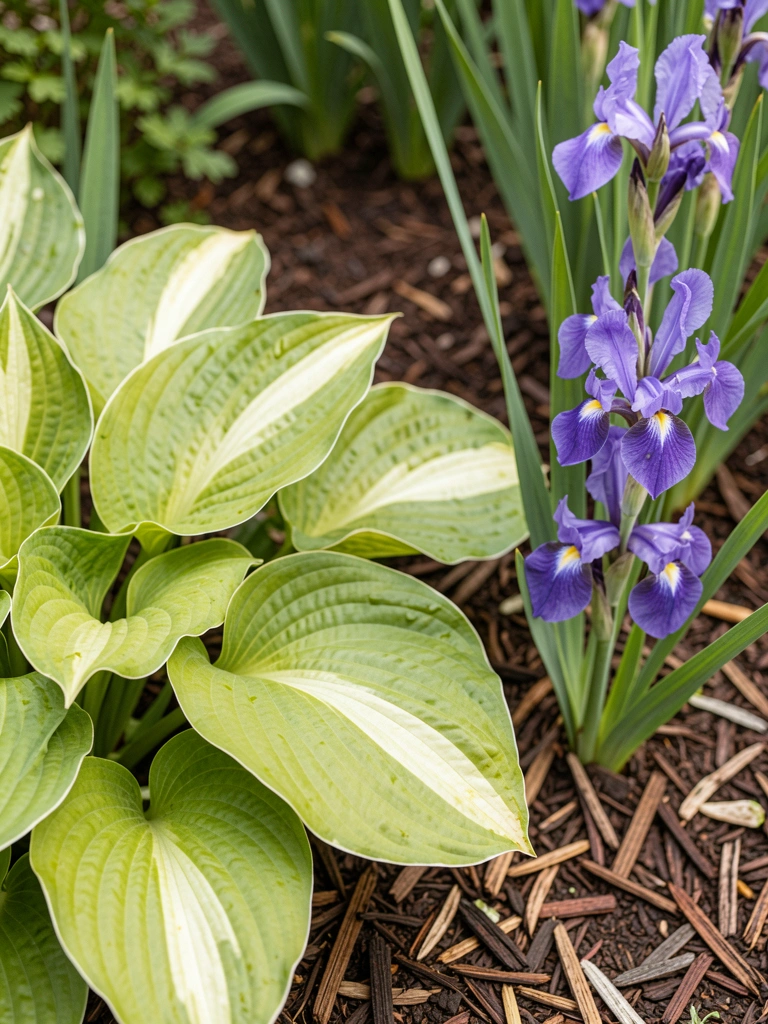
    19. Hosta Iris Shade Border

    Hostas and iris edge corner bed—texture mix. Shade thrives. Slugs munched; beer traps work.

    Fills low light lush. Blooms surprise.

    Divide every 3 years. Slug bait safe.

    What You’ll Need for This Look

    20. Single Boulder Moss Zen Spot

    One big boulder, moss grows natural—gravel ring frames. Heavy lift team help. Moss slow; yogurt slurry sped.

    Bold focal, quiet power. Rain revives.

    Bury part deep. Yogurt mix live moss.

    What You’ll Need for This Look

    21. Low Bench Tea Nook Gravel

    Low bench faces gravel—tea spot calm. Bamboo backrest. Splintered first; sanded smooth.

    Sit close earth, unwind. Feet gravel crunch.

    Level legs. Cushion add.

    What You’ll Need for This Look

    22. Stepping Stone Lantern Path

    Irregular stones lead to lantern—path invites walk. Short 4-step. Sank mud; sand base now.

    Connects spaces subtle. Lantern lights night.

    Set firm, level. Moss joints.

    What You’ll Need for This Look

    23. Moss Log Slice Seating Circle

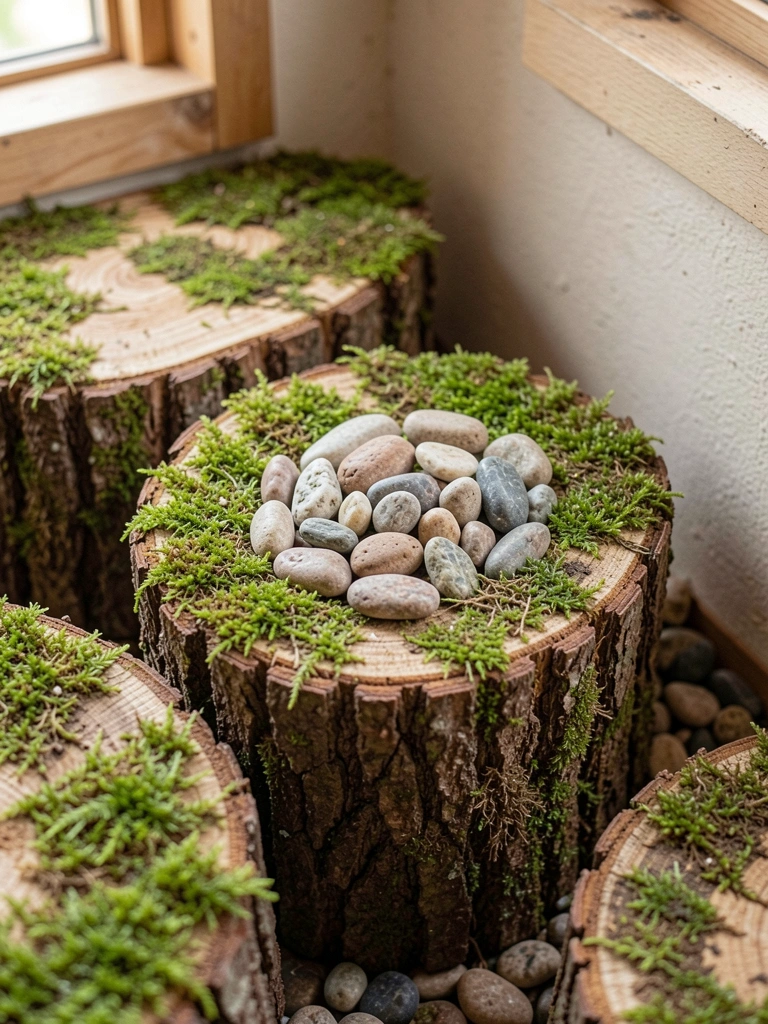
    Log slices moss-topped circle—sit intimate. Natural stools. Rot started damp; elevate now.

    Grounded gathering spot. Moss softens.

    Seal bottoms. Dry spot.

    What You’ll Need for This Look

    Final Thoughts

    Start with one idea that fits your corner's light. No need for all 23—mine evolved slow, piece by piece. You'll feel the shift to calm right away.

    Mistakes happen, like my scorched maples, but they teach. You've got this. Plant simple, watch it settle.
  • 17 Small Indoor Japanese Garden Ideas For Zen Homes

    17 Small Indoor Japanese Garden Ideas For Zen Homes

    I crammed a bit of Japanese calm into my apartment windowsill after a rough week. Just rocks, a tiny tree, some moss. It stopped my mind racing. That quiet hit different.

    Now I tweak these setups weekly. They fit anywhere tight.

    You don't need a big space. Grab basics, layer simple. Feel the shift yourself.

    17 Small Indoor Japanese Garden Ideas For Zen Homes

    Here are 17 small indoor Japanese garden ideas I've pieced together in my real spaces. They work in corners or shelves. Easy starts, no fuss. Let's get into them.

    1. Windowsill Bonsai That Grounds Your Coffee Mornings

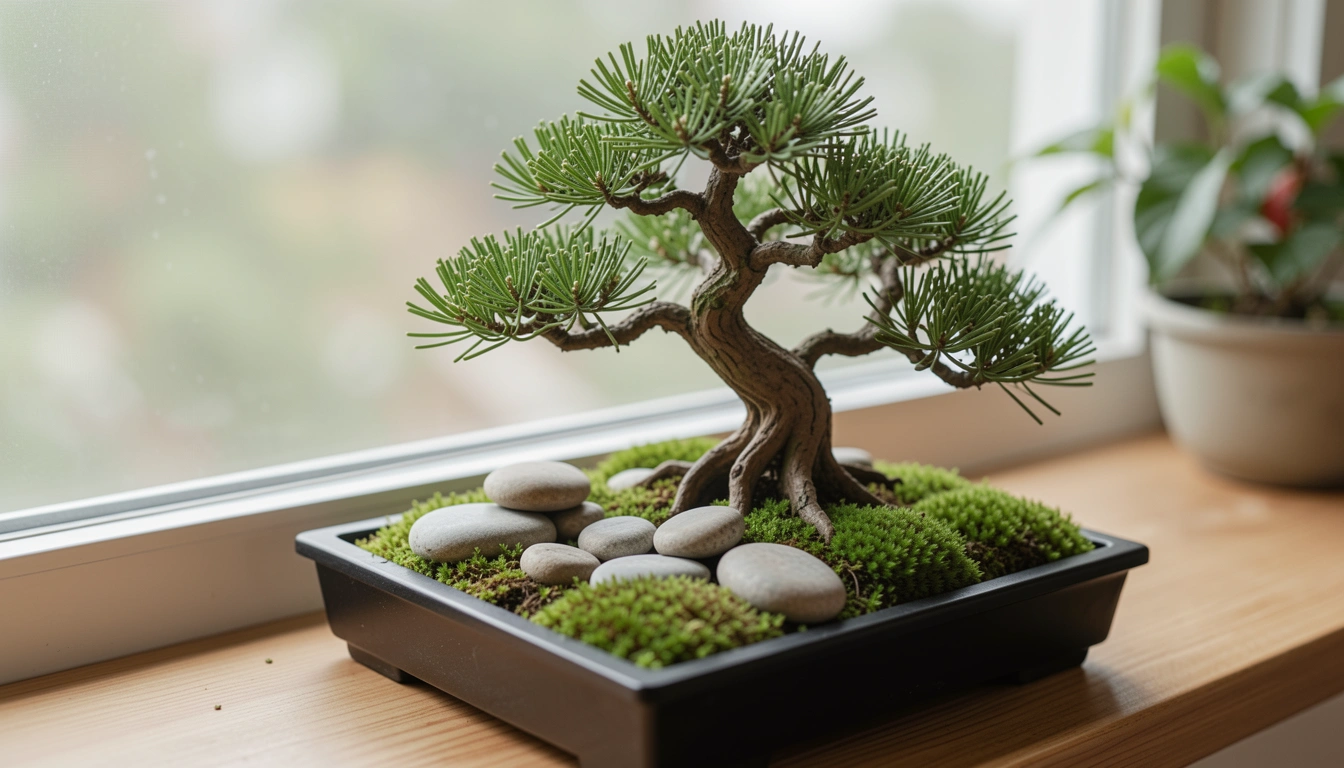
    I stuck a baby pine bonsai on my kitchen sill last spring. It caught the east light just right, branches twisting slow. Mornings feel steady now, sipping coffee watching dew settle.

    The key? Shallow pot keeps roots tight, mimics wild hills. I wired branches wrong first time—snapped one. Now I go gentle, check weekly.

    Visual shift hits: clutter gone, focus sharp. Yours will too if you turn it daily for even growth.

    Mist leaves light, never soak. That one change saved mine.

    What You’ll Need for This Look

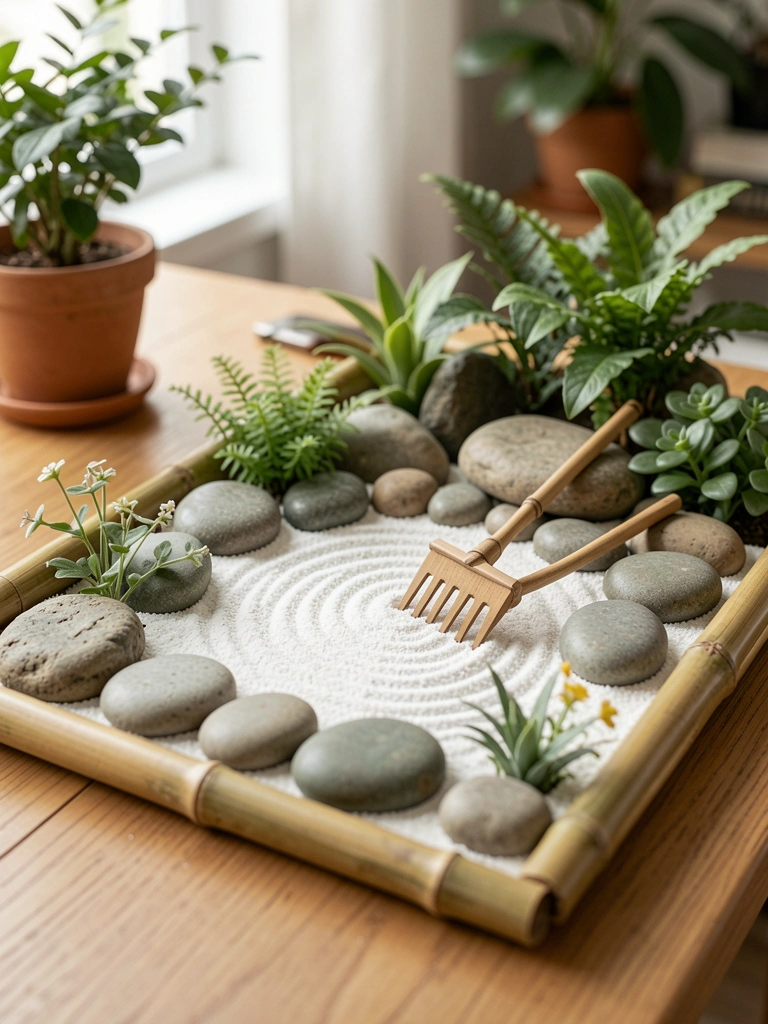
    2. Tray Rock Garden for Desk Calm

    My desk faced chaos till I dropped a black tray there. Piled smooth rocks, raked fine sand into waves. Fingers move slow now, breath evens out.

    It shrank my work stress—eyes drift to ripples during calls. Started with uneven rake lines, too deep. Light strokes fixed it.

    Feels like a mountain stream shrunk down. Turn it 180 degrees daily for fresh view.

    Dust settles fast, so shake gentle over sink weekly.

    What You’ll Need for This Look

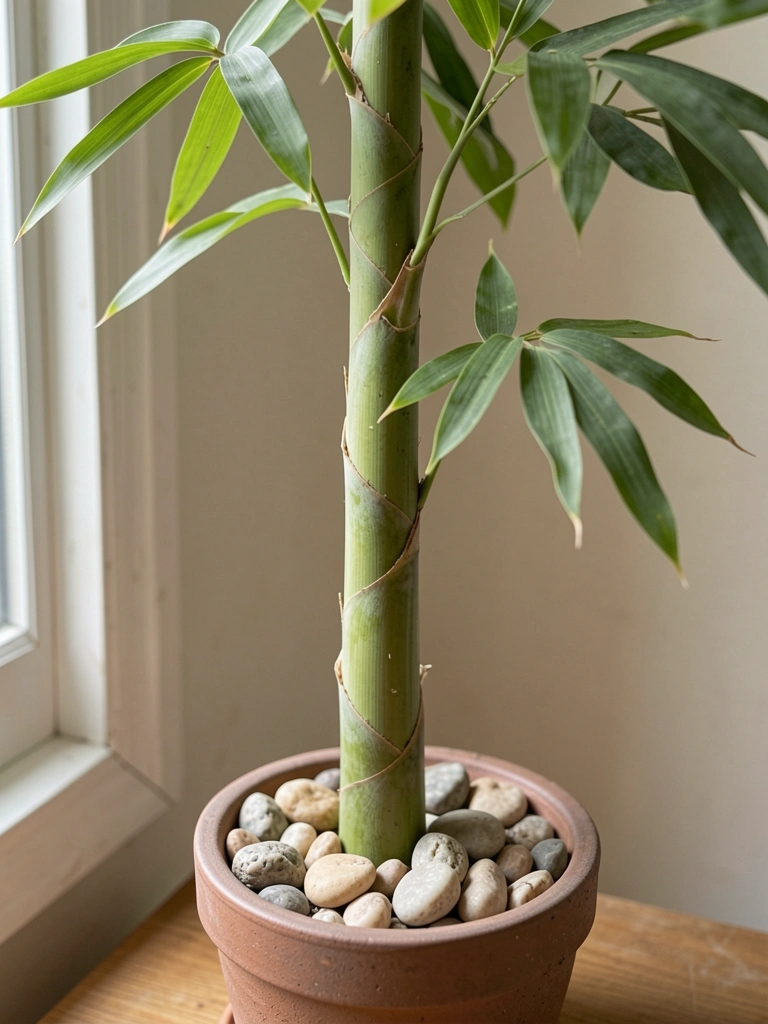
    3. Corner Bamboo Shoot That Whispers Wind

    Tucked a lucky bamboo stalk in my reading corner. Leaves rustle faint when air moves, like real wind through stalks. Room softens instant.

    I drowned it once—yellow tips taught me. Now top-water only, room temp. Grows steady, hits ceiling slow.

    Changes the feel: tall line draws eye up, space breathes. Cluster three for fuller screen.

    Wipe leaves monthly, keeps that fresh green pop.

    What You’ll Need for This Look

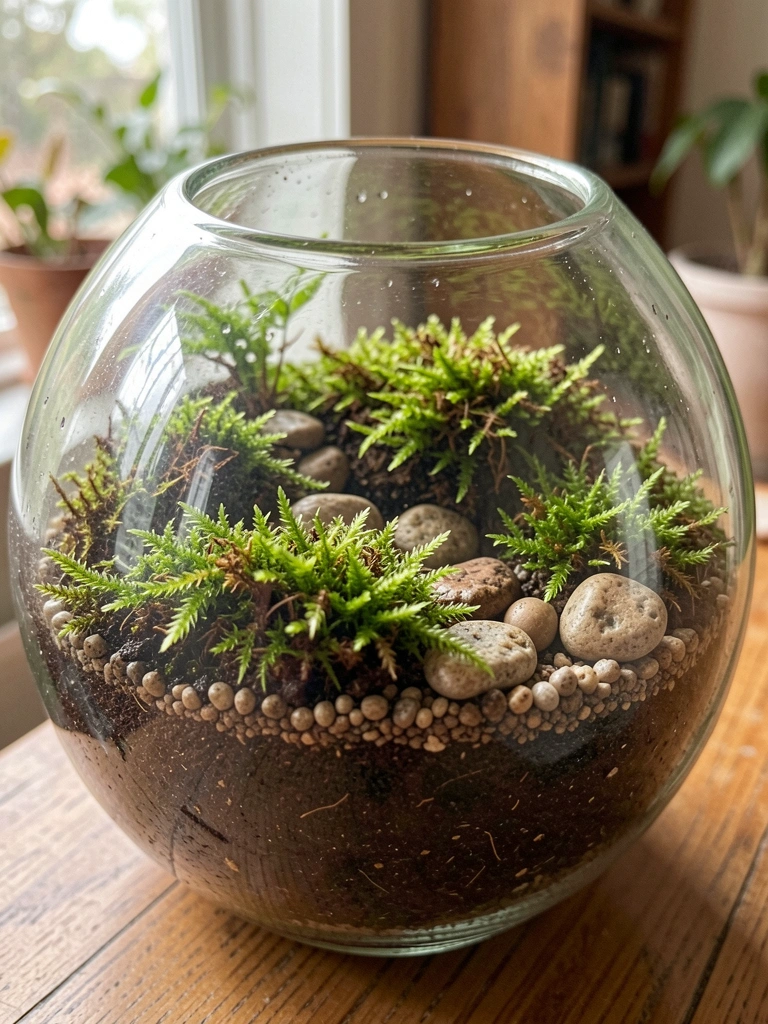
    4. Moss Terrarium That Feels Like Forest Floor

    Glass jar in my bathroom grew moss thick after I layered damp soil. Touches like damp earth path, smells clean.

    Over-misted early, turned slimy. Now spray twice weekly max. Stays lush, no fuss.

    That earthy patch quiets showers. Add a frog figurine? Skip—real moss steals show.

    Seal lid loose for air flow.

    What You’ll Need for This Look

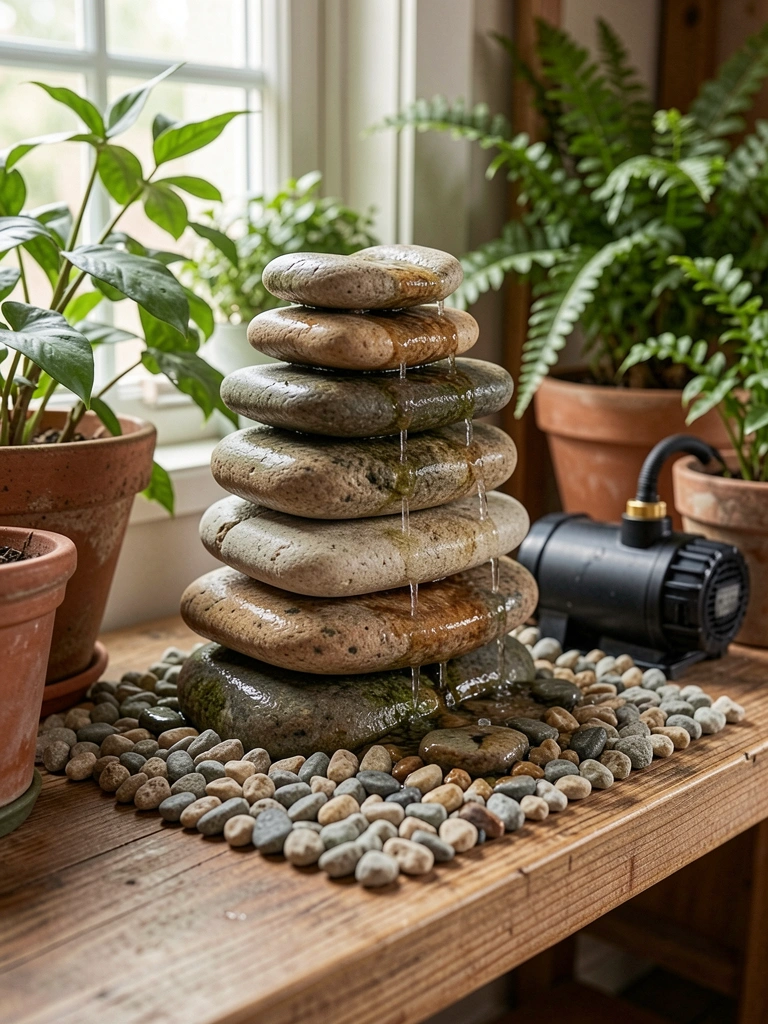
    5. Pebble Fountain Bubbling Soft on Shelf

    Shelf got a mini fountain—pumped water over pebbles. Bubble sound drowns street noise, pure relax.

    Pump clogged first month from dust. Clean monthly now, runs quiet.

    Water pulls eye, zen center forms. Balance stones tight, no wobble.

    Refill weekly, keeps flow steady.

    What You’ll Need for This Look

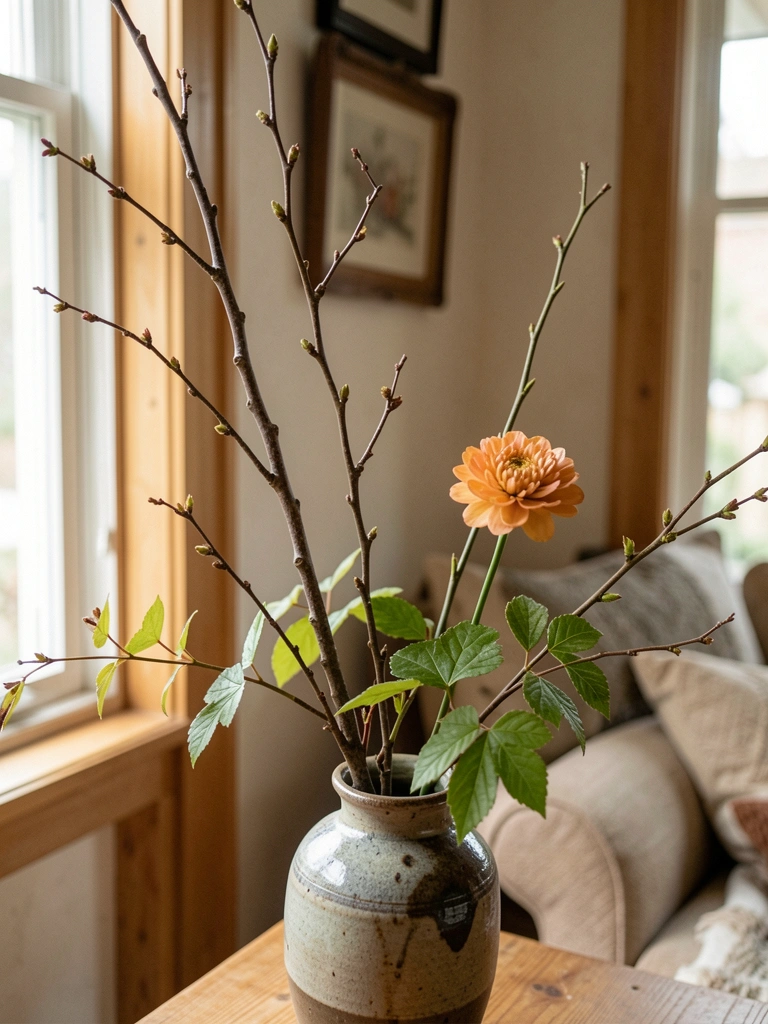
    6. Ikebana Vase with Branch and Flower Sparsity

    Tall vase holds one branch, few greens. Emptiness speaks loud—my hall feels open.

    Cut wrong angle once, wilted fast. 45-degree snip, fresh water daily fixes.

    Line draws breath deep. Heaven-earth-man rule: tall, mid, low. Simple power.

    Swap weekly for season shift.

    What You’ll Need for This Look

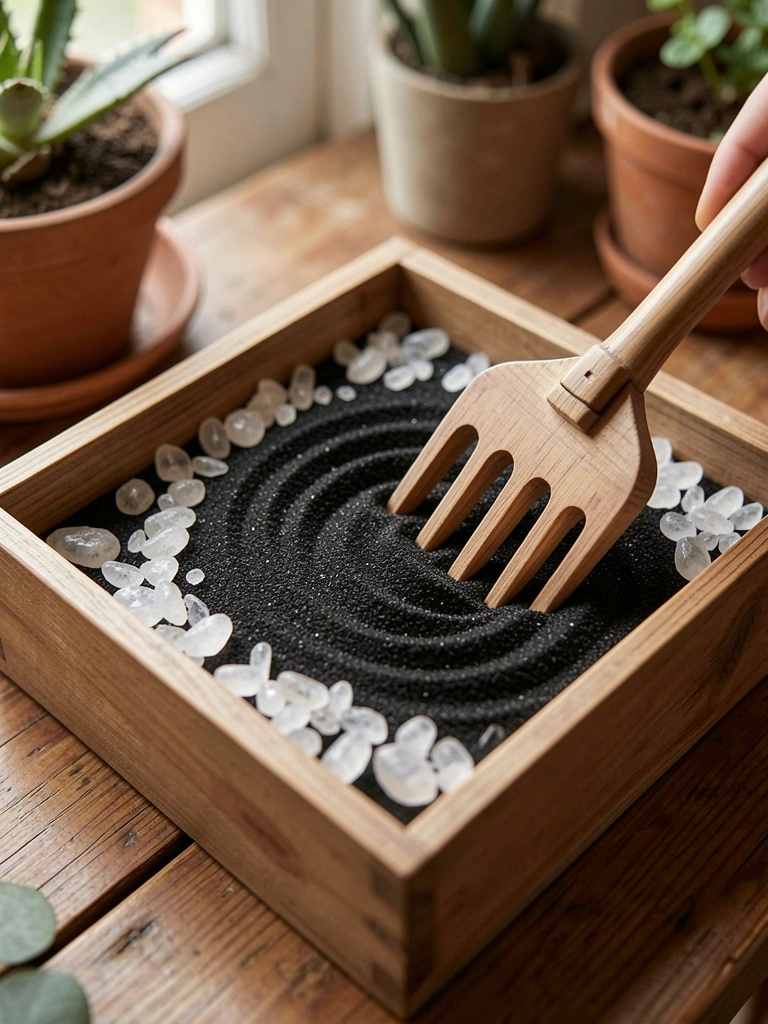
    7. Black Sand Raking Box Under Lamp

    Black sand box sits lamp-side. Rake curls mimic waves—fingers slow, mind quiets.

    Sand clumped wet once. Dry rake now, perfect lines.

    Night light warms it, corner glows cozy. Add one crystal peak.

    Wipe edges clean daily.

    What You’ll Need for This Look

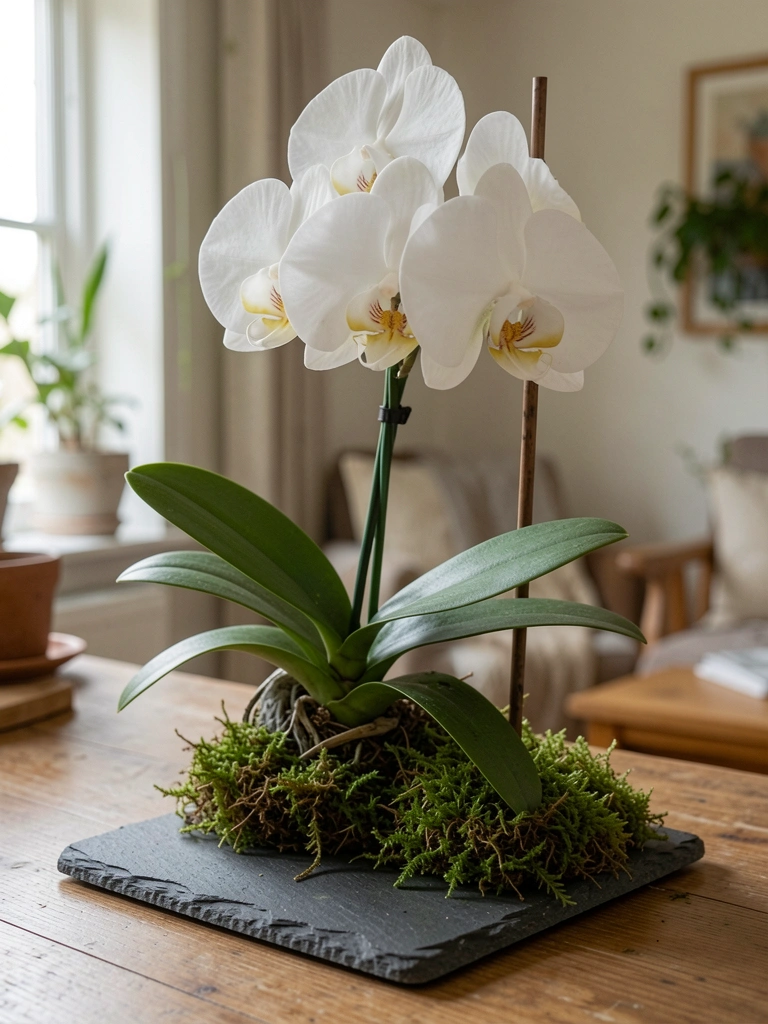
    8. Orchid Perched on Stone Slab

    Phalaenopsis orchid rests on slate—blooms hang graceful. Air feels lighter near it.

    Roots rotted in soil first try. Bare root now, ice cube weekly. Thrives.

    Pale flowers lift mood subtle. Elevate on slab for driftwood vibe.

    Humidity tray below if dry air.

    What You’ll Need for This Look

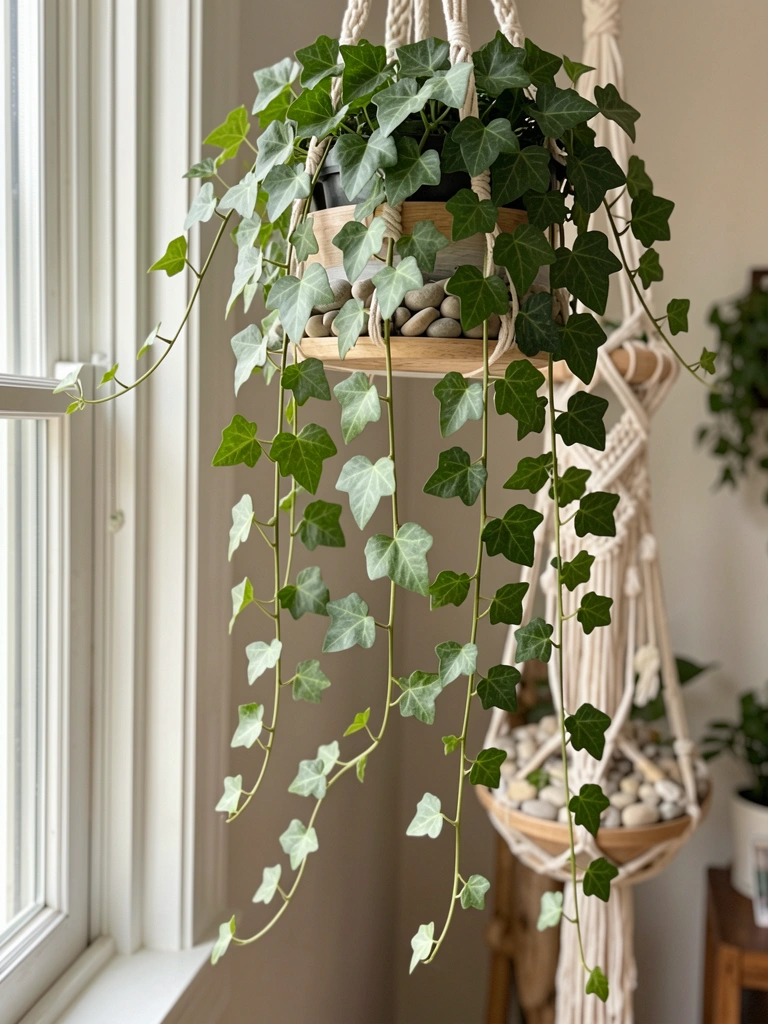
    9. Hanging Trailing Ivy Over Pebbles

    Ivy trails from hook over pebble tray. Greens cascade soft, catches light.

    Overhung window once, leggy growth. Indirect light now, fuller.

    Wall softens, movement calms eye. Trim tips monthly.

    Water from top, drain fast.

    What You’ll Need for This Look

    10. Gravel River Path with Tiny Bridge

    Gravel "river" winds tray, mini bridge crosses. Path invites quiet walks in mind.

    Bridge tipped early—heavy glue fixed. Steady now.

    Flow pulls you along visually. Flank with moss clumps.

    Brush gravel smooth weekly.

    What You’ll Need for This Look

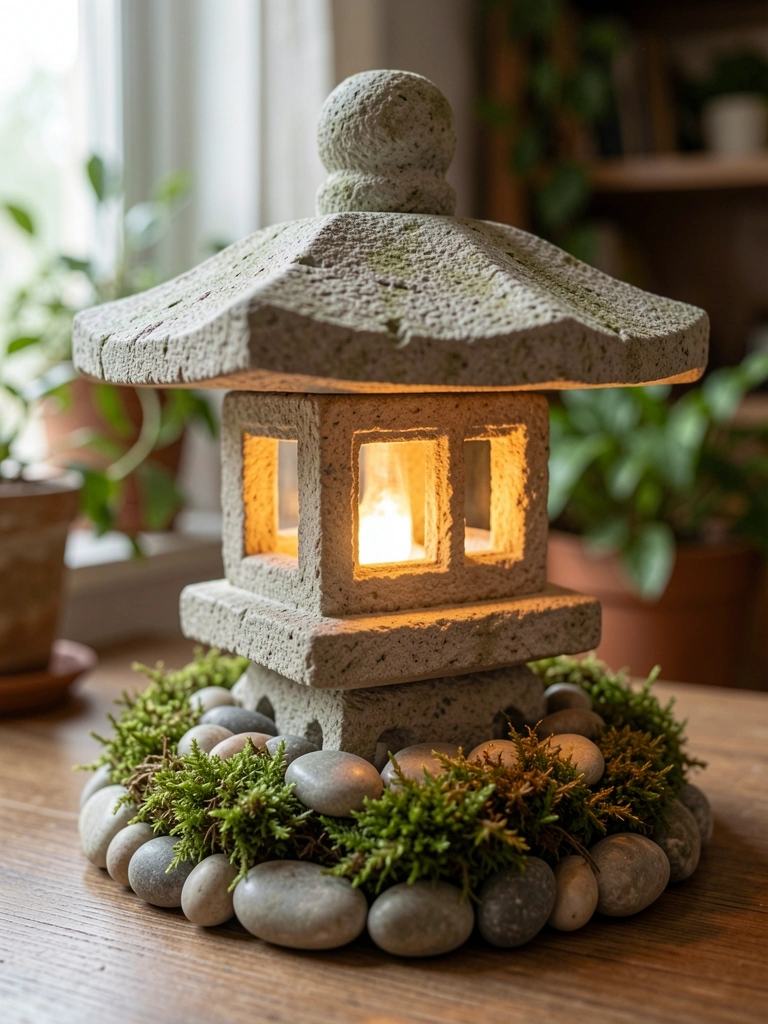
    11. Stone Lantern Glowing with LED

    Replica lantern on pebbles, LED inside flickers soft. Evening nook warms up.

    Battery died fast first—rechargeable now. Lasts weeks.

    Light dances on stones, peace settles. Angle for shadow play.

    Dust lantern gentle.

    What You’ll Need for This Look

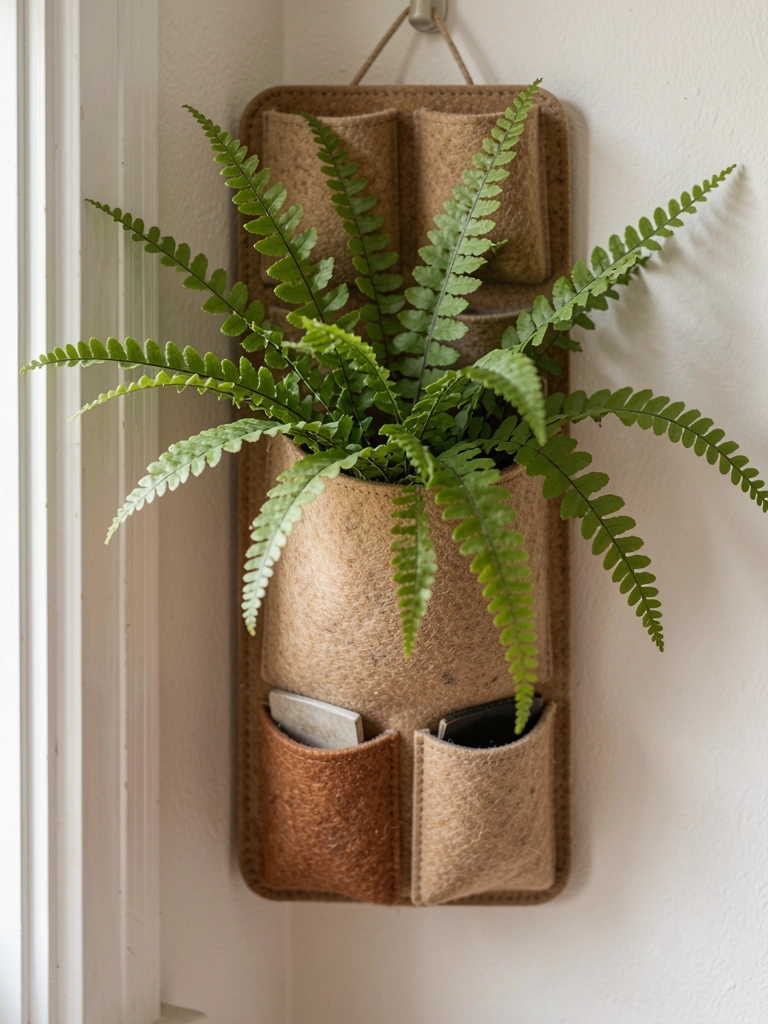
    12. Vertical Fern Pocket Wall

    Felt pockets on wall hold baby ferns. Greens climb soft, fills blank space.

    One pocket leaked—lined plastic fixed. Mist daily.

    Height draws calm up. Space feels alive, not flat.

    Hang humid spot.

    What You’ll Need for This Look

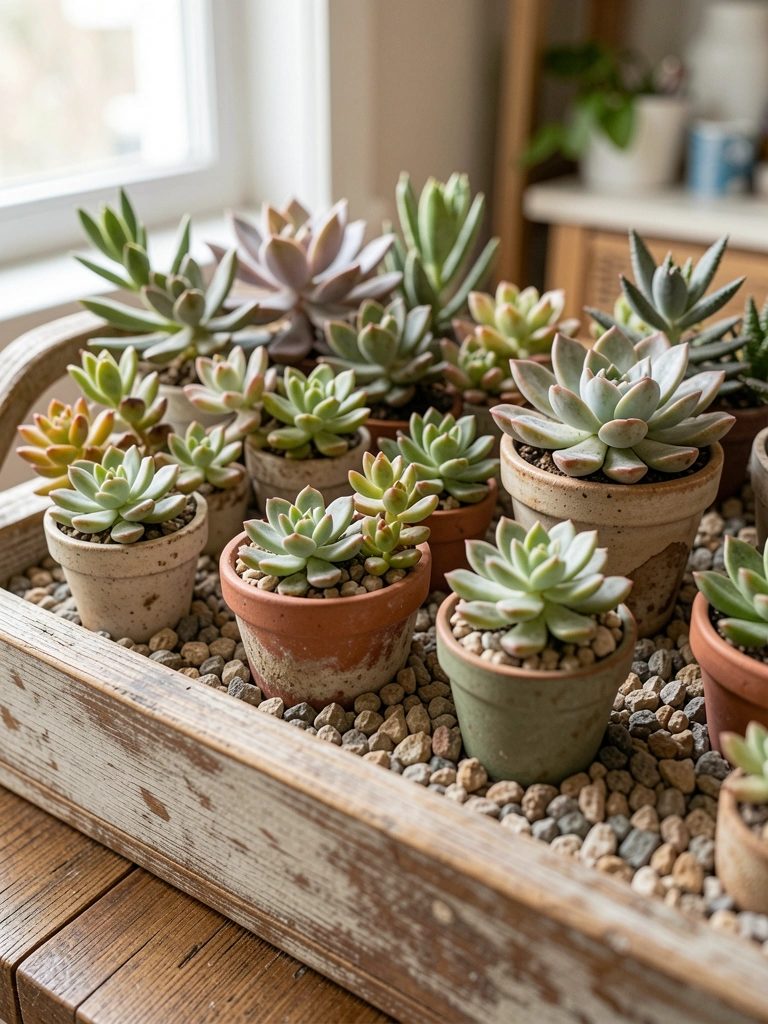
    13. Succulent Tray in Wabi-Sabi Style

    Succulents crowd tray uneven—cracks and all feel right. Textures mix rough.

    Overcrowded once, leggy. Space them now.

    Imperfection comforts. Gravel hides soil mess.

    Water deep, infrequent.

    What You’ll Need for This Look

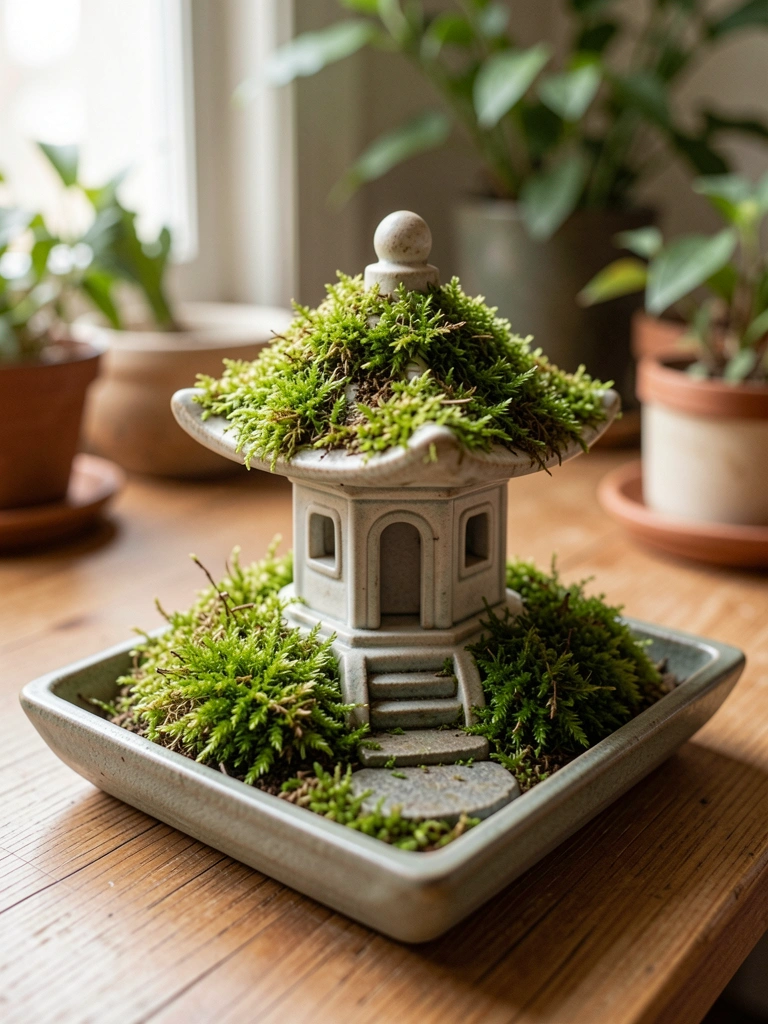
    14. Mini Pagoda Flanked by Moss

    Pagoda sits moss path. Tiny temple vibe grounds shelf.

    Moss dried out—damp tray saves.

    Structure anchors chaos. Path leads eye in.

    Light from side for depth.

    What You’ll Need for This Look

    15. Shoji Screen Backdrop with Potted Fern

    Shoji screen hides corner, fern pots front. Light diffuses gentle.

    Screen tore easy—rice paper careful. Ferns love shade.

    Layers add mystery, calm deepens.

    Wipe screen dust-free.

    What You’ll Need for This Look

    16. Tea Tray Garden with Bamboo Mat

    Old tea tray holds pots on bamboo mat. Brew spot turns serene.

    Spill stained mat—wipe quick.

    Ritual builds peace. Tiny pots cluster tight.

    Steep tea slow here.

    What You’ll Need for This Look

    17. Shallow Dish Bonsai Forest Cluster

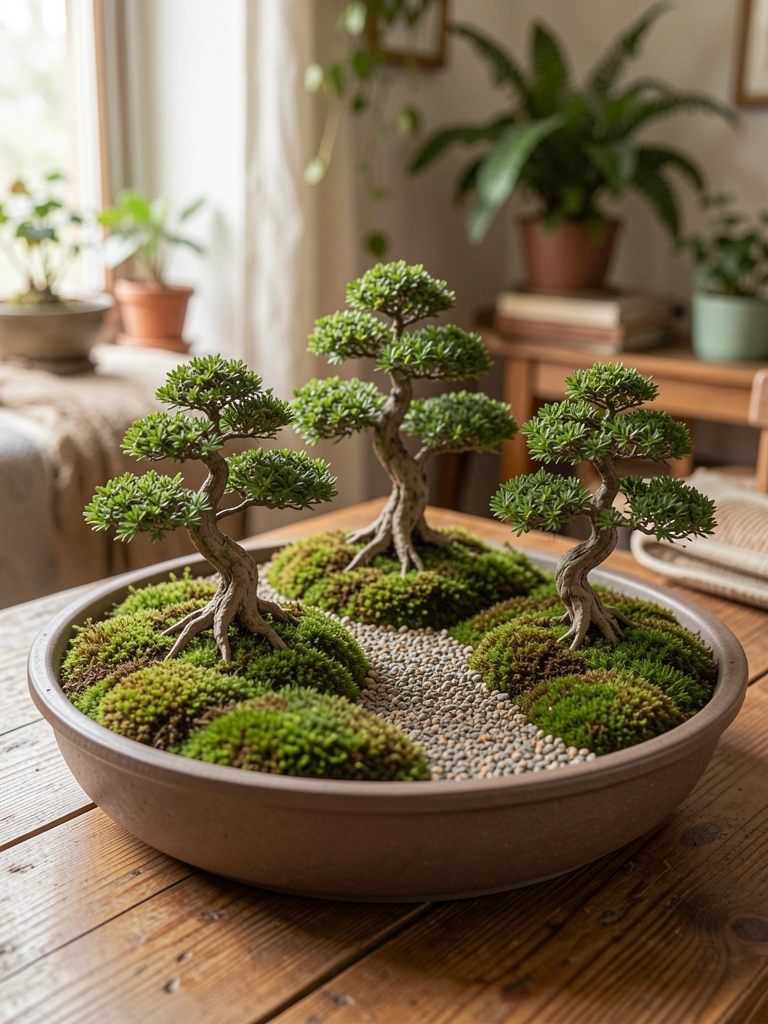
    Three baby bonsai in wide dish, moss between. Forest feels vast small-scale.

    Crowded roots early—prune yearly. Depth grows.

    Scale tricks eye big. Paths between trees guide gaze.

    Turn for light even.

    What You’ll Need for This Look

    Final Thoughts

    Pick one idea that fits your spot. Start small, tweak as it settles.

    Mine evolved over months—yours will too. No rush.

    These bring zen real, day by day. You've got this.
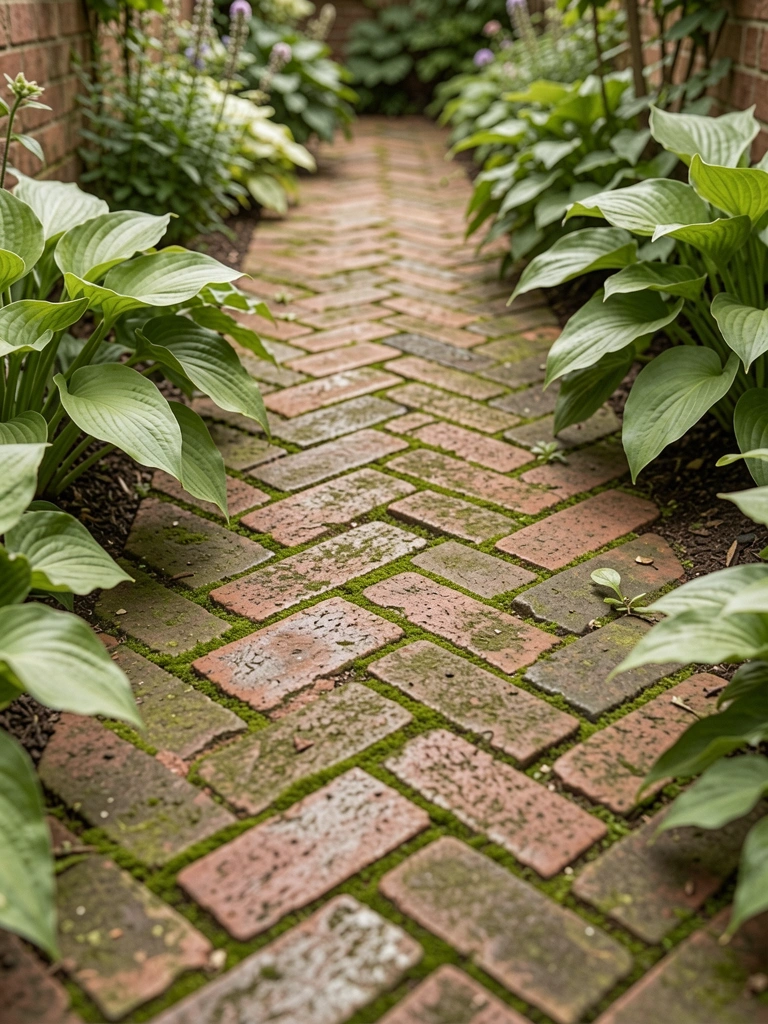
  • 13 Small Japanese Balcony Garden Ideas For Compact Living

    13 Small Japanese Balcony Garden Ideas For Compact Living

    I remember staring at my tiny balcony, just six feet wide, feeling boxed in by the city. Then I started with one gravel tray. It calmed everything down. Suddenly, it felt like a retreat.

    Over years of trial, I've squeezed Japanese touches into real spaces. Windy spots, low light—no perfection, just what holds up.

    These ideas come from my own messes and wins. They'll make your balcony feel open and steady.

    13 Small Japanese Balcony Garden Ideas For Compact Living

    These 13 ideas fit tight balconies like mine. They're simple to set up, low fuss, and built from what I've tested. You'll see exactly what works.

    1. Gravel Tray Zen Garden on the Rail

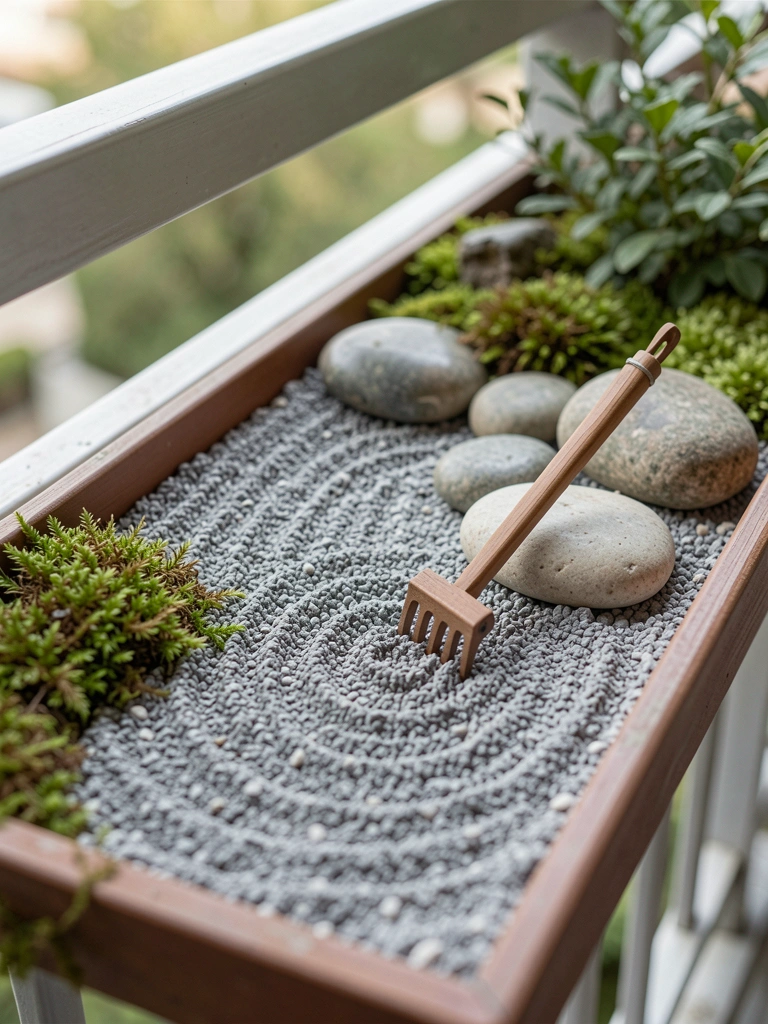
    I set a shallow tray right on my rail last spring. Filled it with fine gravel and a few smooth stones. Raking patterns each morning quiets my head after work. It tricks the eye into seeing depth where there's none.

    The gray gravel softens the concrete below. Stones in odd groups—three here, five there—feel right, not fussy. Wind doesn't scatter it if you pick fine grit.

    Watch the tray doesn't tip; I glued rubber feet once. Skip big rocks—they unbalance.

    Now it anchors the whole side, pulling focus from the chaos outside.

    What You’ll Need for This Look

    2. Bamboo Screen Windbreak Along the Edge

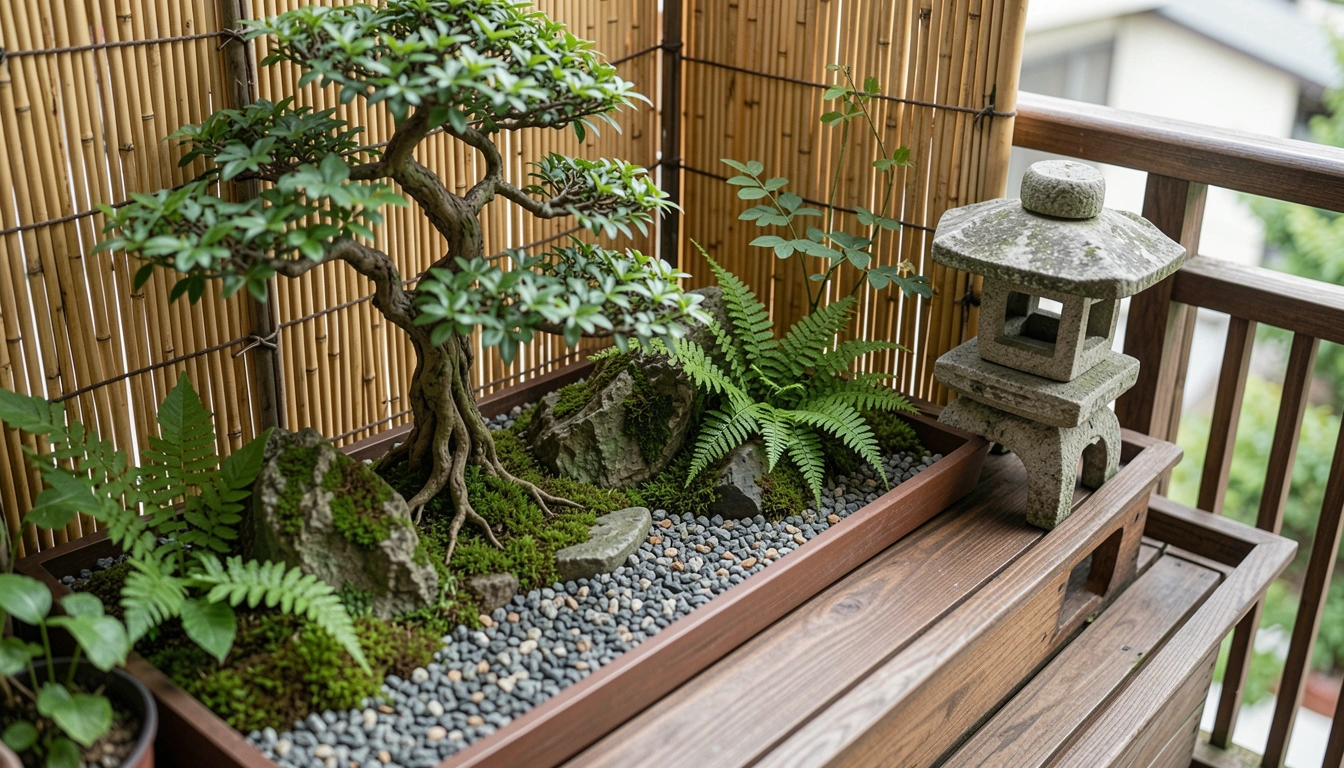
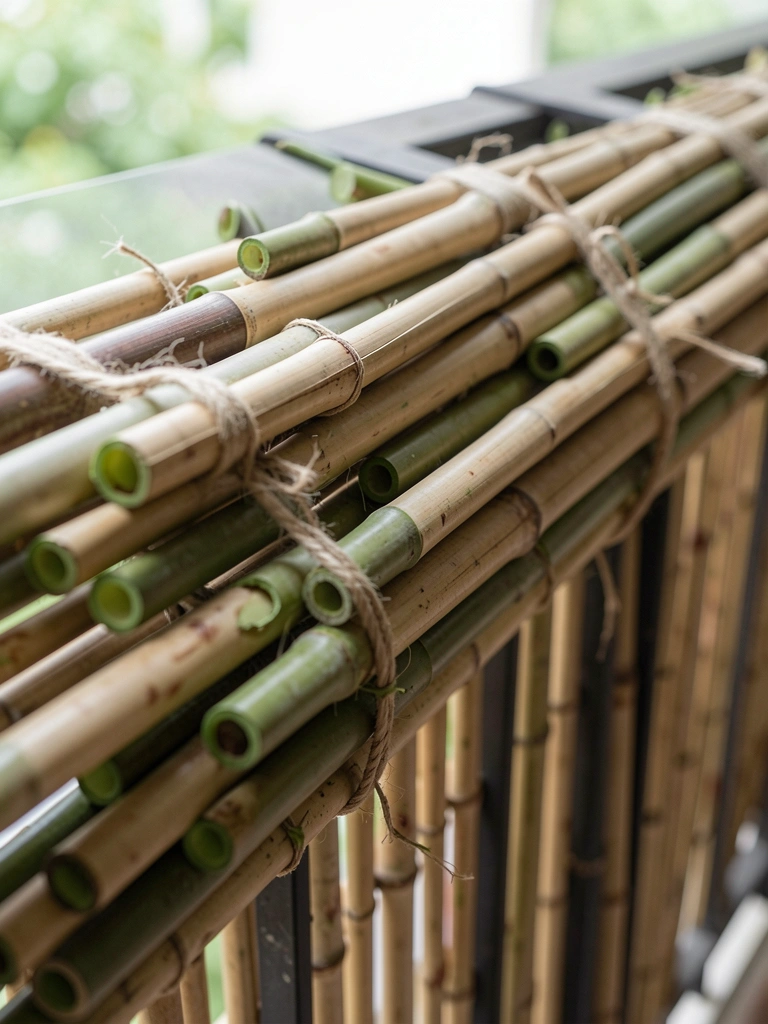
    Bamboo poles rolled out along my rail cut the wind that shredded plants before. I zip-tied them loose so they sway a bit. It softens the view into the alley, makes mornings feel private.

    The warm tones warm up cold metal rails. Gaps let light filter, not block. Feels taller than it is.

    I bought too-thin poles first—they snapped. Go medium-thick for hold.

    Now birds perch there. It's my quiet wall.

    What You’ll Need for This Look

    3. Compact Bonsai Pine in a Low Pot

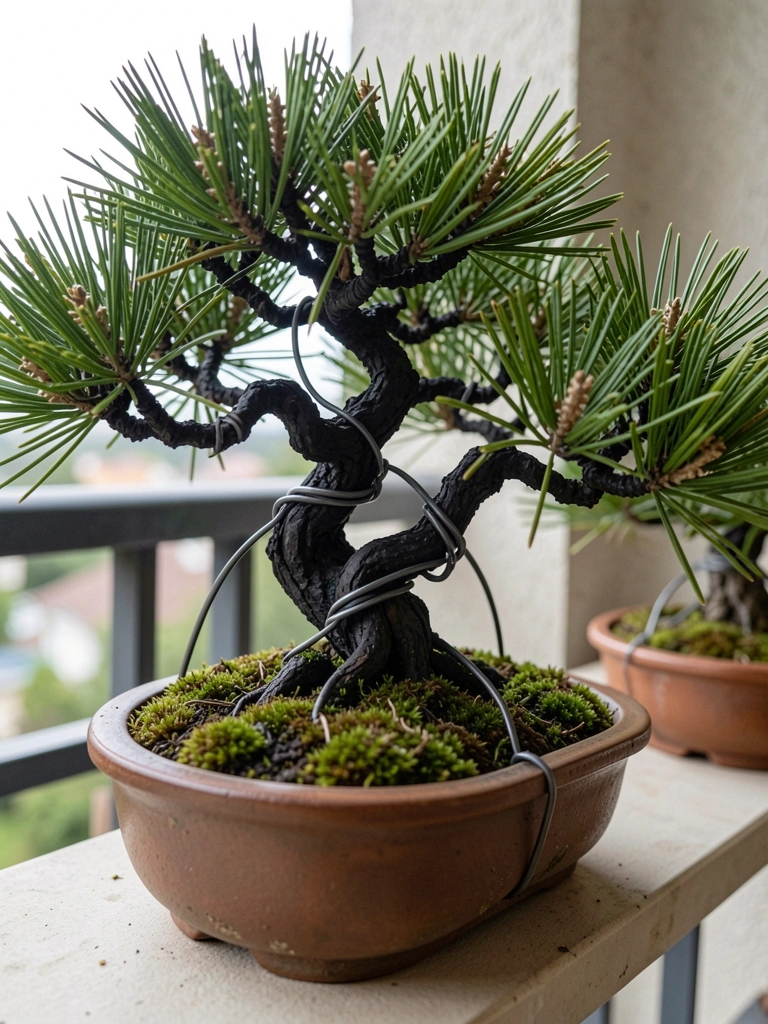
    My black pine bonsai sits low on a stool I made from scrap wood. Wires shape the branches slow—patience pays. It draws your eye up without crowding the floor.

    Needles stay deep green even in partial shade. Trunk thickens over time, adds weight.

    I overwatered at first; roots rotted. Now I check soil dry first.

    This one piece centers the space. Feels ancient in a matchbox spot.

    What You’ll Need for This Look

    4. Moss-Covered Stone Lantern Base

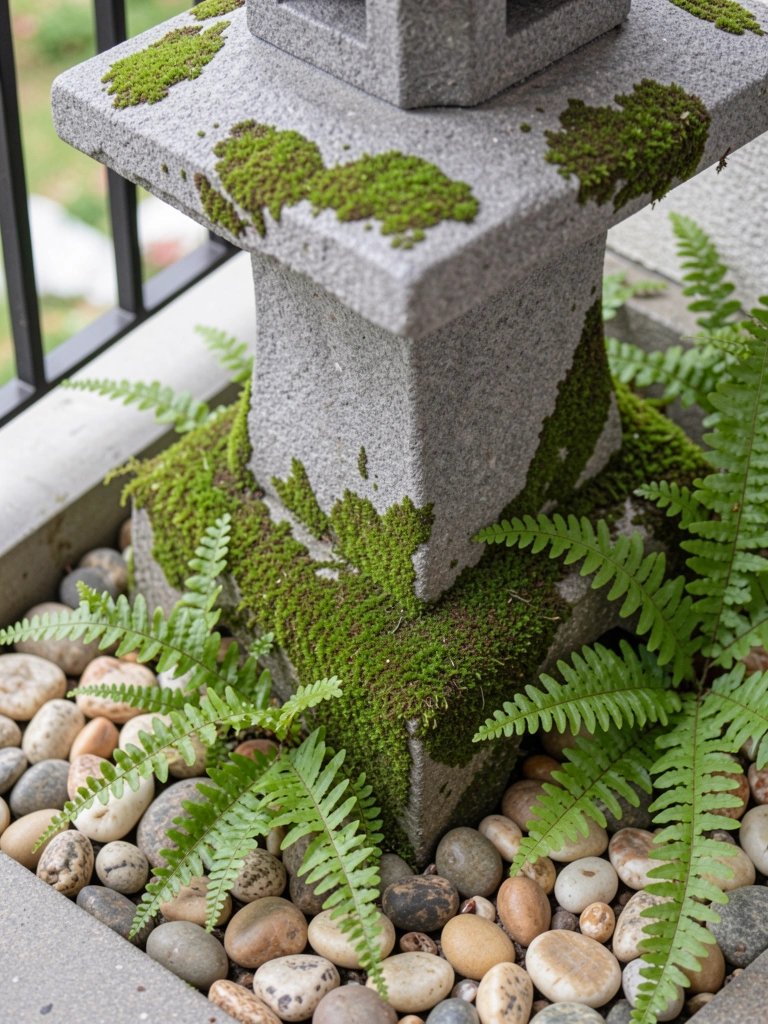
    I plunked a lantern replica in the corner, piled moss around the base. It glows soft at dusk. Pebbles hold moisture for the moss—no daily water.

    The texture pulls you in close. Breaks up flat railings.

    Moss spread uneven at first; I misted regular. Now it's steady.

    This nods to temples without trying hard. Cozy anchor.

    What You’ll Need for This Look

    5. Dwarf Japanese Maple Container Glow

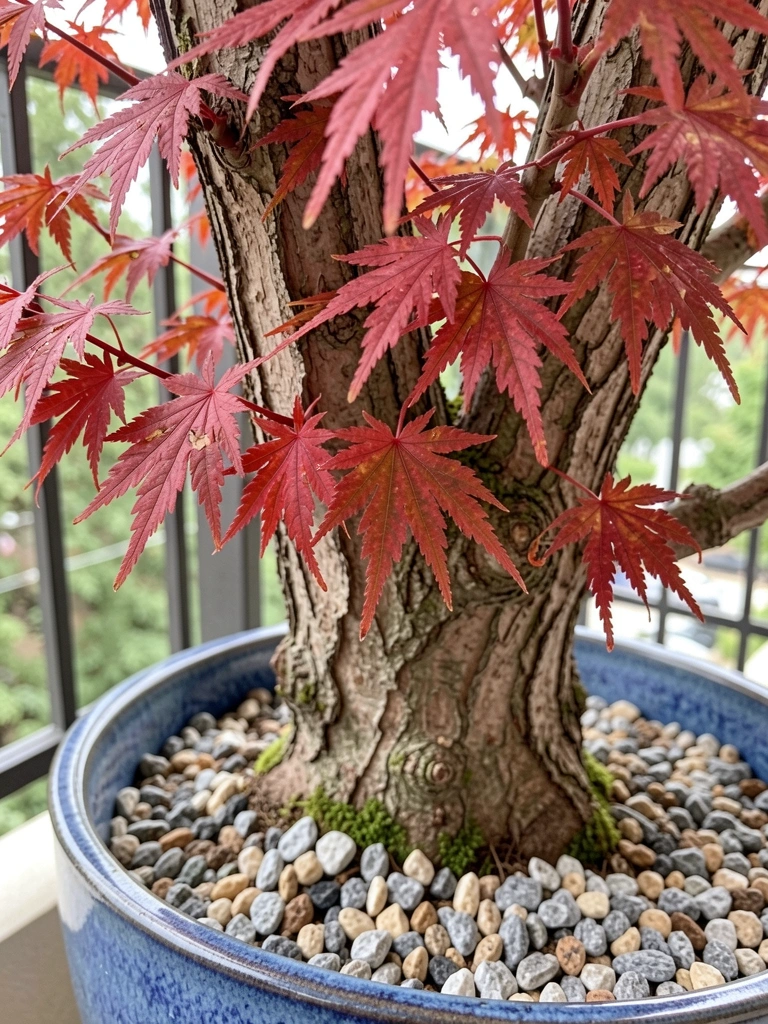
    A dwarf maple in a blue pot catches light through leaves. Red tips in fall pop against green. I mulched gravel to keep roots cool.

    It sways gentle in breeze, adds movement. Fills without sprawling.

    Planted too deep once—stunted. Now crown sits proud.

    This brings seasons to concrete. Worth the watch.

    What You’ll Need for This Look

    6. Bamboo Drip Fountain Edge Piece

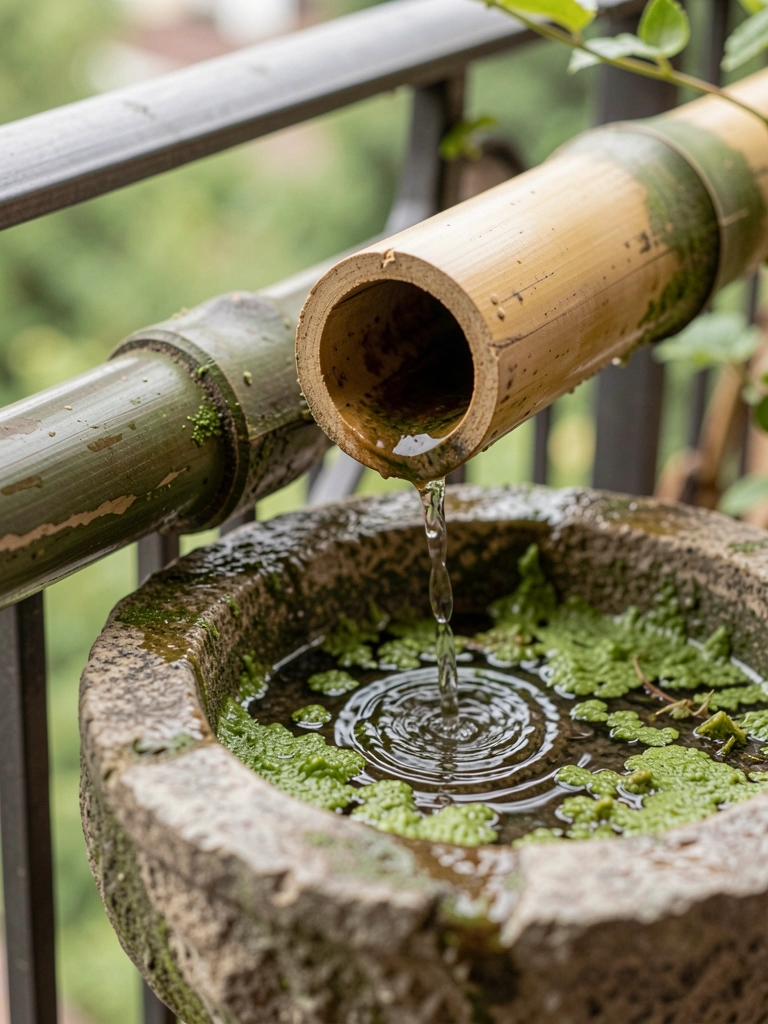
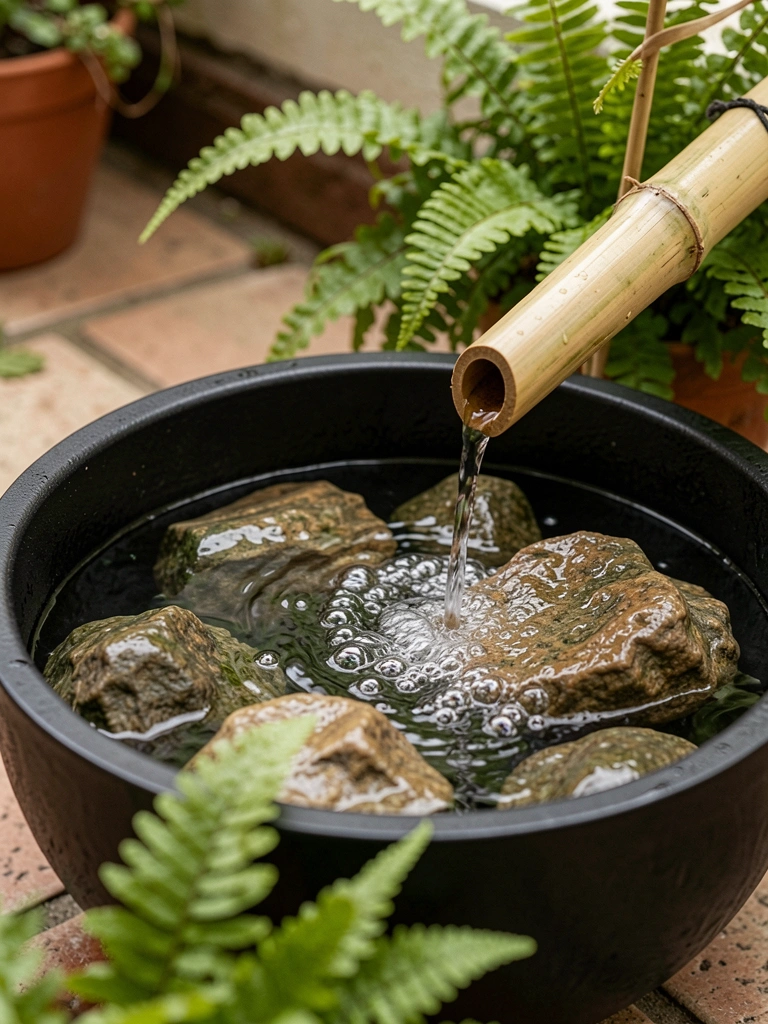
    Hollow bamboo tube drips into a basin on my rail. Water sound drowns traffic hum. Subtle flow, no splash mess.

    Rocks steady it. Algae greens up natural.

    Pump clogged from leaves first time. Clean monthly.

    Pulls the space together. Pure calm.

    What You’ll Need for This Look

    7. Azalea Shallow Pot Border Line

    Azaleas in white pots line my ledge. Pink blooms spring burst, then green holds summer. Shallow roots fit tight.

    They hug the rail, soften edges.

    Over-fertilized once—burned leaves. Acid soil only.

    Brings quiet color. Steady friends.

    What You’ll Need for This Look

    8. Ferns Tucked Under Mini Lantern

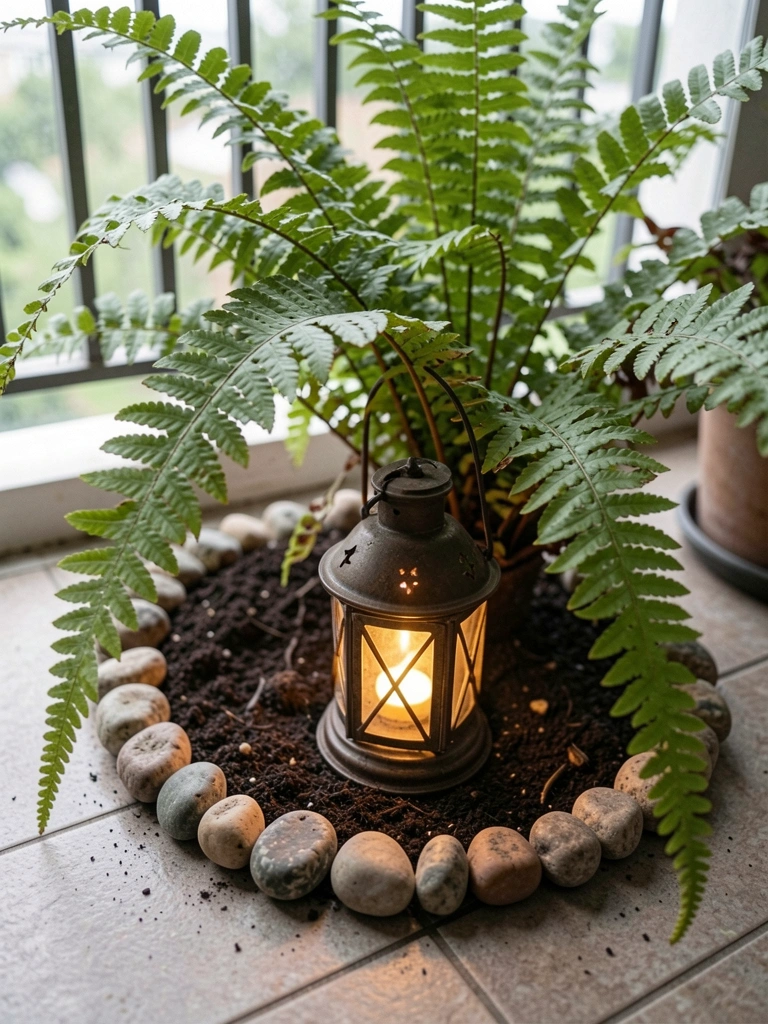
    Ferns nestle under a lantern on the floor. Fronds arch soft, shade roots. Pebbles keep wet off wood.

    Deep green cools hot afternoons.

    Wrong spot first—dried out. Shade lover.

    Woodsy feel in air. Hidden gem.

    What You’ll Need for This Look

    9. Raked Sand Mini Mountain Scene

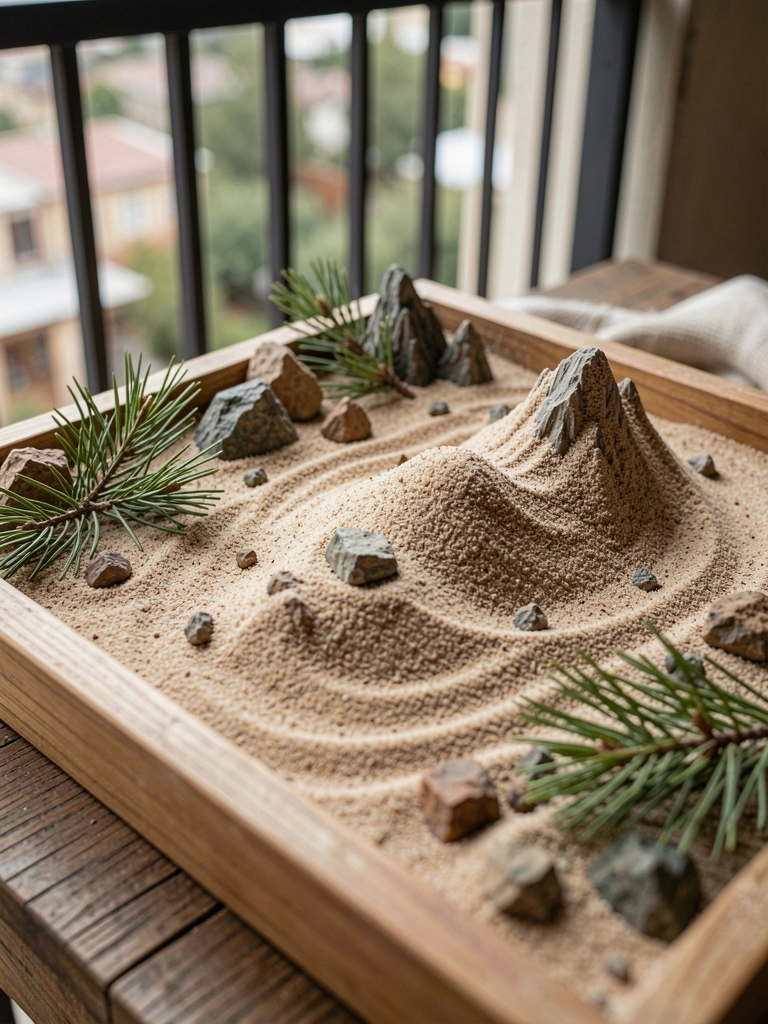
    Sand tray with twig "trees" and rocks mimics hills. Rake waves daily—meditates me.

    Light sand shifts easy, stays put.

    Too coarse first—didn't hold shape. Fine works.

    Expands the mind. Tiny world.

    What You’ll Need for This Look

    10. Vertical Bamboo Pole Cluster

    Bamboo poles zip-tied vertical eat space smart. Vines climb slow, green up.

    Breaks sight lines, adds height.

    Loose ties first—rattled. Tighten firm.

    Screen with soul. Reaches up.

    What You’ll Need for This Look

    11. Pagoda Stacked Planter Tower

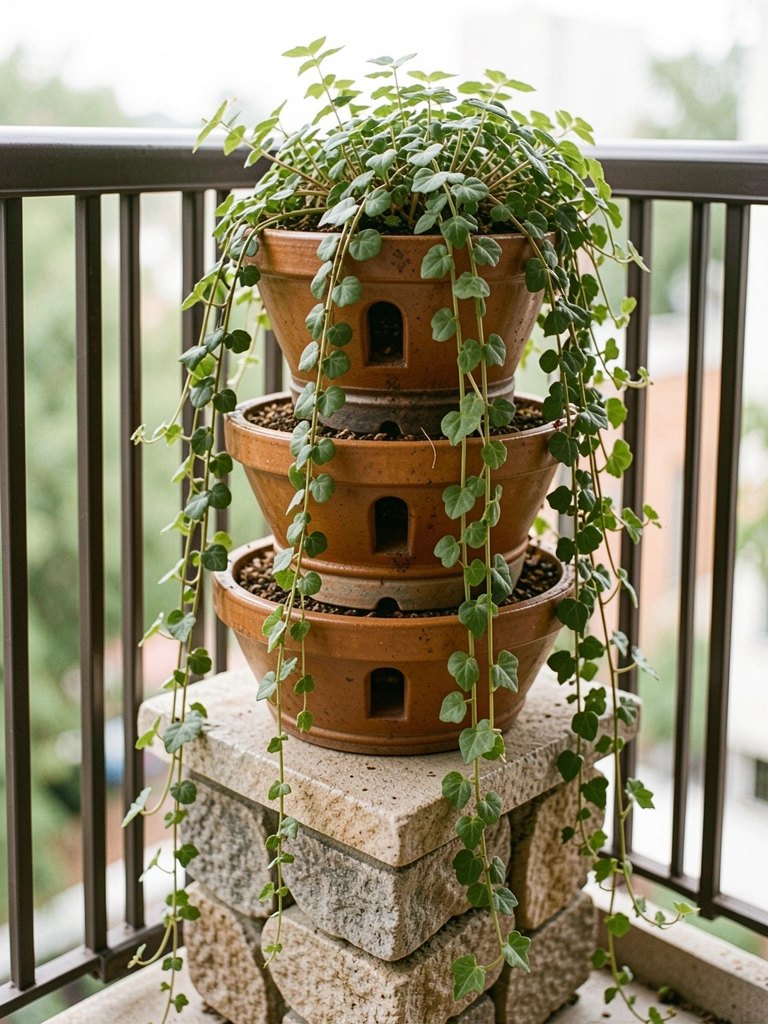
    Pagoda pots stack tight, trail sedum over edges. Each tier holds different green.

    Layers without width.

    Top-heavy once—tipped. Anchor base.

    Towers gentle. Fits neat.

    What You’ll Need for This Look

    12. River Rock Path Along the Floor

    Flat river rocks set in gravel make a path. Steps feel grounded, not slick.

    Guides flow, hides scuffs.

    Uneven gaps first—tripped. Level careful.

    Walkway peace. Solid underfoot.

    What You’ll Need for This Look

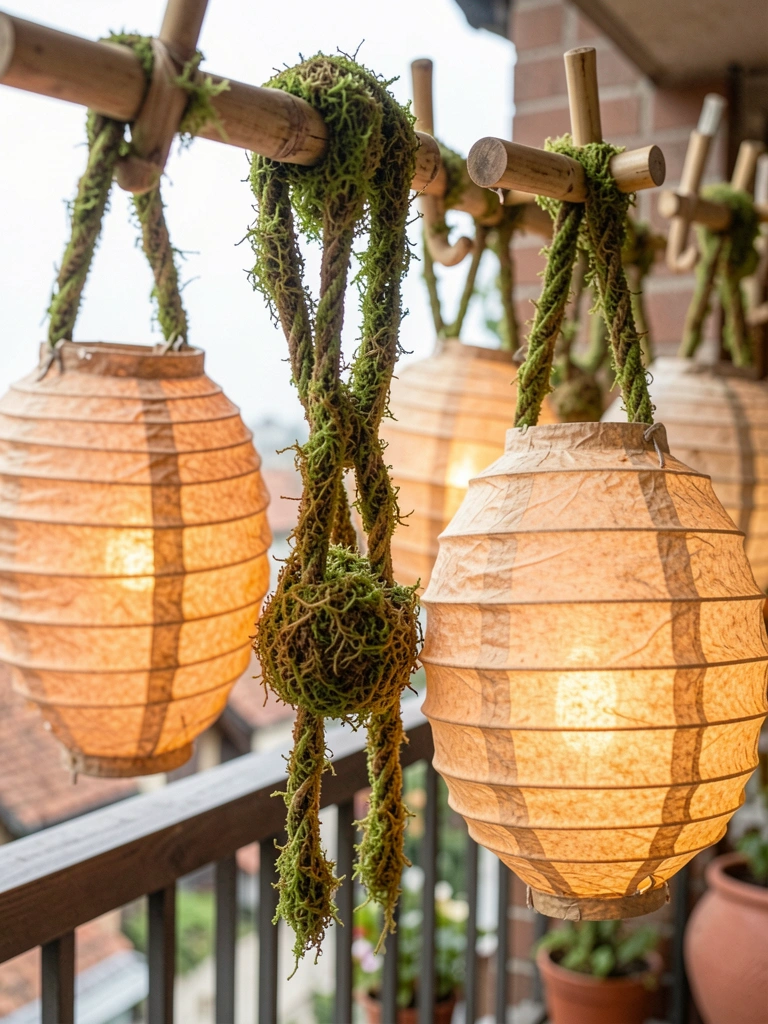
    13. Soft Paper Lanterns with Moss Hangers

    Paper lanterns hang low, moss-wrapped cords blend. Solar lights warm evenings soft.

    Glows through leaves, invites sit.

    Battery died fast first—solar only.

    Night retreat. Gentle light.

    What You’ll Need for This Look

    Final Thoughts

    Pick one or two ideas that pull at you. Start small—my balcony grew piece by piece.

    They hold up to real life: wind, forgetful watering. You'll shape your spot.

    Breathe easy. You've got this.
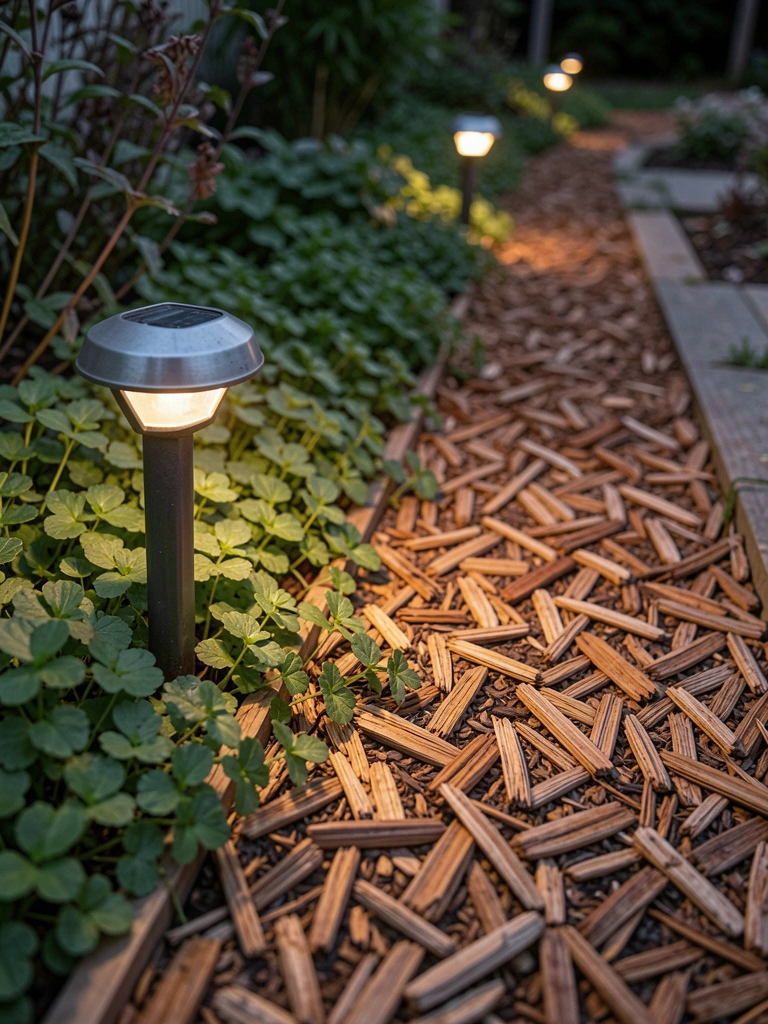
  • 15 Small Japanese Garden Patio Ideas For Outdoor Calm

    15 Small Japanese Garden Patio Ideas For Outdoor Calm

    I stepped onto my cramped patio one evening, city noise pressing in. Needed calm, bad. Started small—gravel, a rock, some moss. Watched tension melt as I sat there.
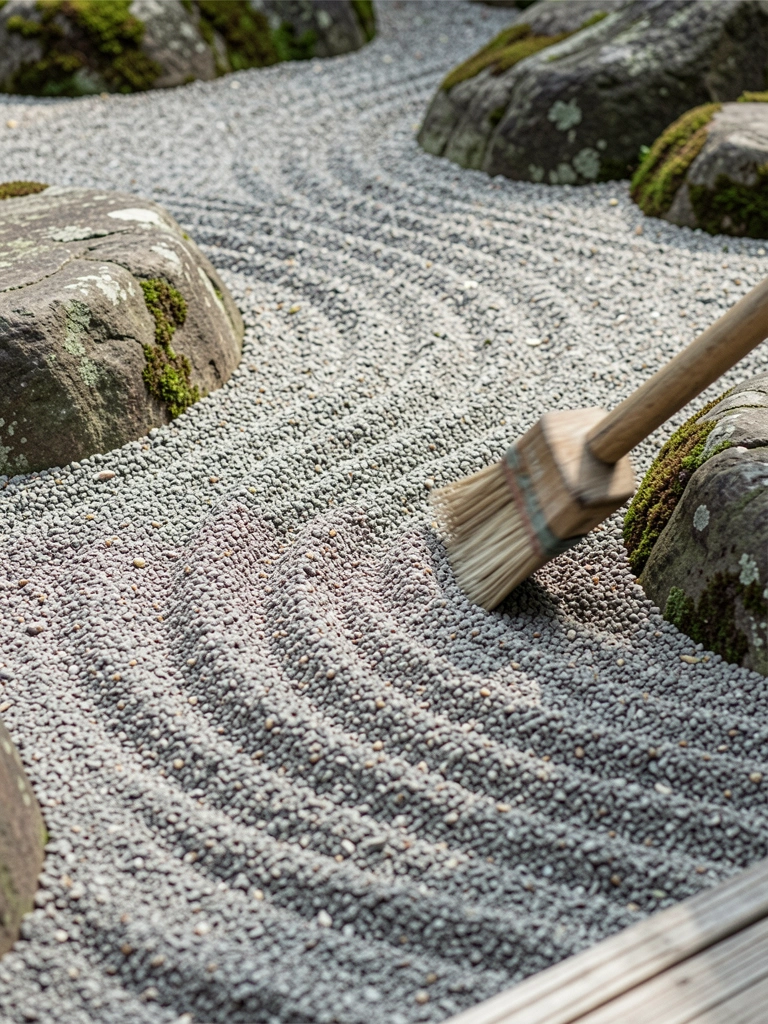
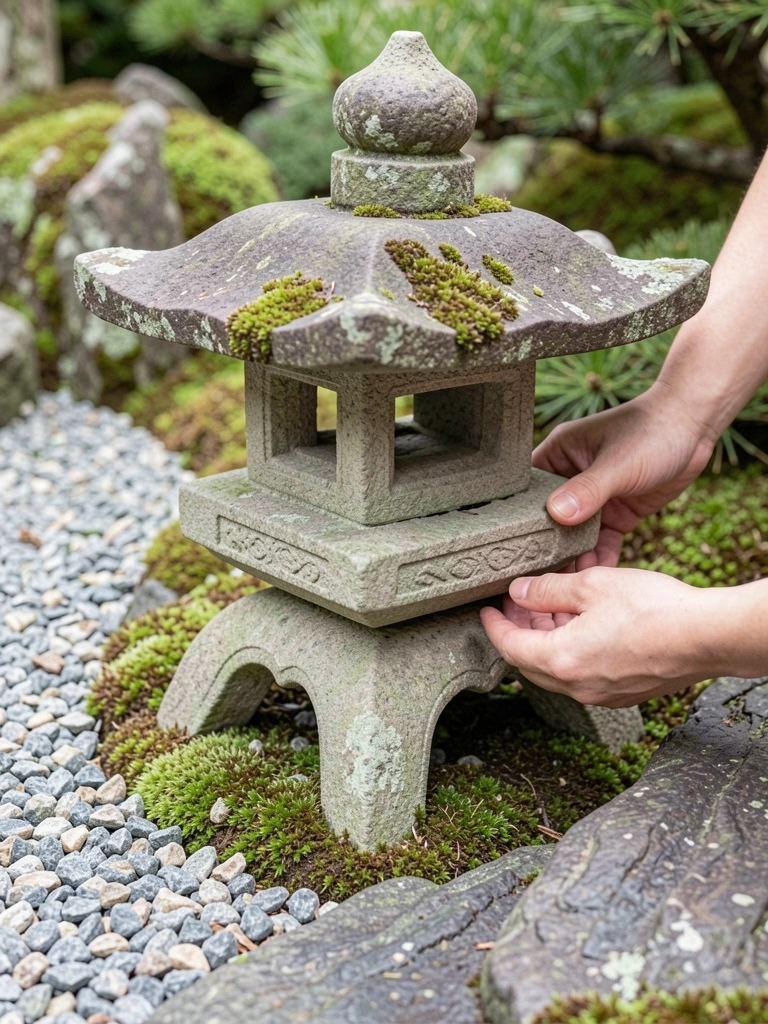
    That tiny shift hooked me. Over years, tweaking for real life, not magazines.
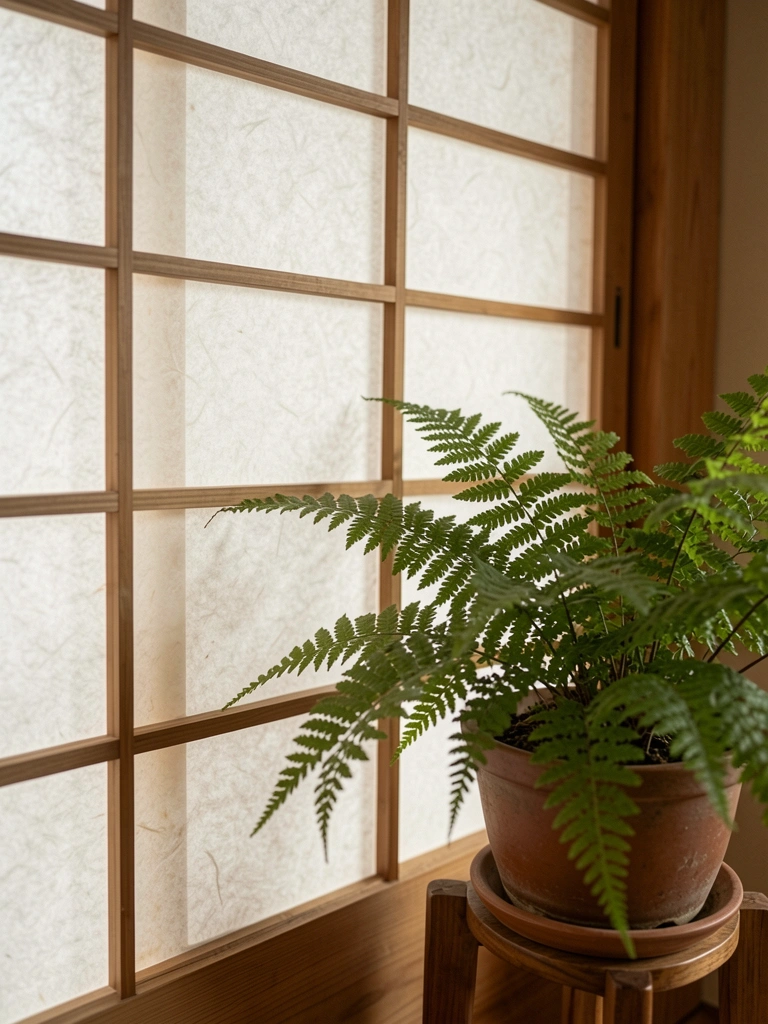
    Now my patio breathes Japanese quiet. You can too, even in tight spots.

    15 Small Japanese Garden Patio Ideas For Outdoor Calm

    These 15 small Japanese garden patio ideas come from my own patio trials. They're simple, forgiving, and bring real peace. Each fits under 10×10 feet.

    1. Gravel Zen Corner That Fits Any Patio

    I cleared a 4×4 foot corner on my concrete patio. Dumped in pea gravel, raked simple waves. Added three river rocks I found hiking—different sizes, not matched.

    Sat there mornings, hand raking patterns. Stress from work faded fast. The sound, the repetition, it grounds you.

    Watch gravel color—light gray or white pops against green pots nearby. Avoid over-raking; let wind soften it.

    One mistake: too much gravel at first, drowned plants. Thin layer now, two inches max.

    What You’ll Need for This Look

    White pea gravel bag (50 lb)

    Smooth river rocks set (medium)

    Bamboo garden rake small

    2. Bamboo Screen for Instant Patio Privacy

    Neighbors peering over my low fence bugged me. Rolled out bamboo screening, 6 feet high, stapled loose to wood frame. Let breeze move it.

    Patio felt mine alone. Light filters soft, shadows dance on gravel.

    Pick poles 1-inch diameter—thicker blocks too much sun. Secure top and bottom; wind rips loose ones.

    Tried cheap plastic fake once—looked dead in a month. Real bamboo weathers cozy.

    What You’ll Need for This Look

    Bamboo fencing roll (6×8 ft)

    Garden staples galvanized (pack)

    Natural twine roll

    3. Mini Stone Lantern That Anchors the Space

    Hauled a concrete lantern half my height to patio edge. Planted moss at base, pebbles circle. Lights up at dusk with LED candle.

    Feels like a focal point now, draws eye calm. Evenings, it pulls me outside.

    Size matters—18 inches tall max for small patios. Place off-center for flow.

    Bought a tall one first—overpowered everything. This squat one's right.

    What You’ll Need for This Look

    Mini concrete garden lantern (18 inch)

    LED tea lights rechargeable

    Live moss sheet small

    4. Mossy Rock Clusters for Soft Texture

    Gathered rocks from yard, stacked loose clusters knee-high. Pressed in moss scraps, mist daily first week.

    Texture changed everything—soft against hard gravel. Touch it, feels alive.

    Uneven stacks look natural; glue ruins it. Mist in dry spells.

    Planted moss too sunny once—fried. Shade cloth helped till established.

    What You’ll Need for This Look

    Assorted landscape rocks (10 lb)

    Preserved moss patches green

    Spray bottle fine mist

    5. Bubbling Water Basin for Soothing Sound

    Sunk a wide basin into gravel, added submersible pump, bamboo spout. Water trickles constant.

    Sound drowns traffic—pure calm hits. Birds come now.

    Keep pump hidden under rocks. Clean monthly; algae sneaks.

    Overfilled basin first—splashed everywhere. Level lip now.

    What You’ll Need for This Look

    Black resin water basin (20 inch)

    Submersible pond pump small

    Bamboo fountain spout (12 inch)

    6. Container Japanese Maple for Fall Drama

    Potted a dwarf Japanese maple in deep blue-glazed pot. Pruned light spring.

    Fall reds light up patio—warm glow against green. Slow grower fits small.

    Turn pot seasonal for even sun. Mulch root zone.

    Chose big one first—crowded fast. Dwarf stays happy.

    What You’ll Need for This Look

    Dwarf Japanese maple tree (3 gallon)

    Blue glazed ceramic pot (18 inch)

    Organic mulch bag small

    7. Black Pine Bonsai on a Simple Stand

    Wired a black pine bonsai on wooden stand corner. Mist leaves daily.

    Shape draws you in—meditative to watch. Fits 2×2 spot perfect.

    Humidity tray underneath. Trim yearly, not heavy.

    Neglected wiring once—grew wild. Now routine keeps it.

    What You’ll Need for This Look

    Black pine bonsai starter (6 inch)

    Bonsai wooden stand low

    Bonsai wire kit aluminum

    8. Solar Lantern Path for Night Calm

    Staked solar lanterns along pebble path. Charge day, glow soft night.

    Guides steps safe, adds hush after dark. No wires mess.

    Face south for charge. Clean lenses monthly.

    Cheap ones dimmed fast—mid-price lasts.

    What You’ll Need for This Look

    Solar lantern stakes black (pack of 6)

    White pebble path stones (20 lb)

    9. Raked Gravel Meditation Spot

    Outlined 5-foot gravel circle, center smooth boulder. Rake daily swirls.

    Sit on cushion edge, breathe. Patio's heart now.

    Deeper gravel holds patterns. Rake wood, not metal—scratches.

    Wind smoothed too much first—edged with bamboo stops it.

    What You’ll Need for This Look

    Fine gravel white (40 lb)

    Large smooth boulder (12 inch)

    Wooden zen rake small

    Bamboo edging strips (6 ft)

    10. Tiny Bamboo Fountain Trickle

    Stacked bamboo tubes over basin, pump cycles water up. Gentle clack relaxes.

    Sound layers with birds. Compact, 2-foot square.

    Adjust tube heights for rhythm. Winter store pump.

    Tubes split once—seal ends.

    What You’ll Need for This Look

    Bamboo fountain tubes set

    Small pond pump solar

    Gray rock basin (16 inch)

    11. Stepping Stone Path Meander

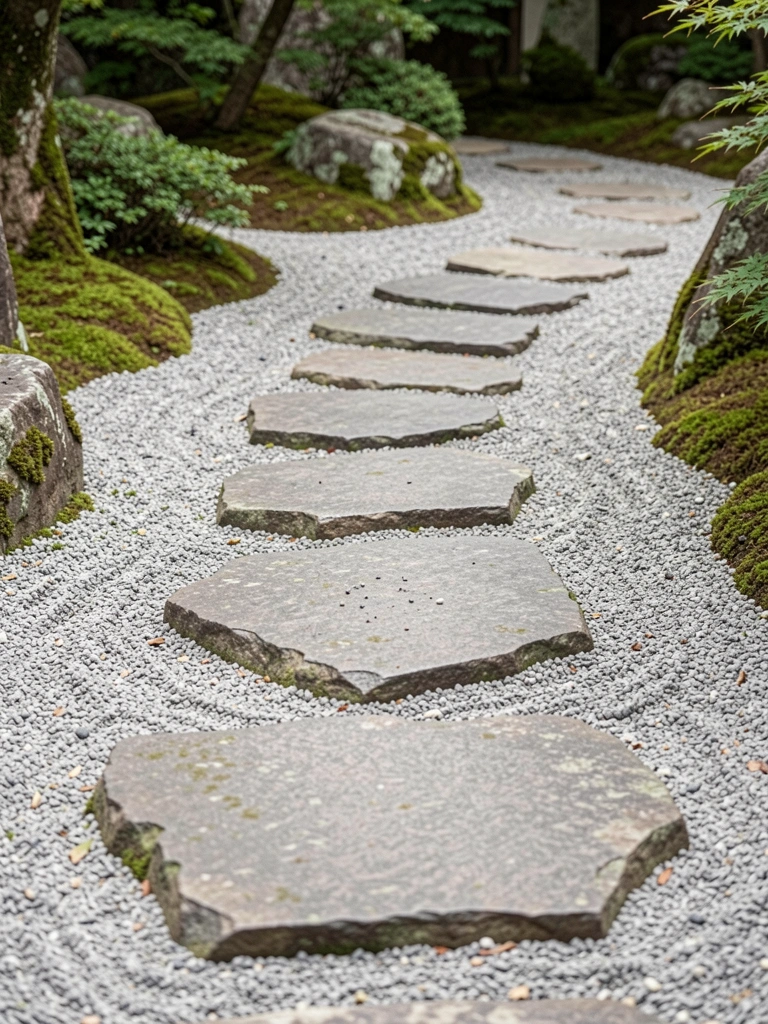
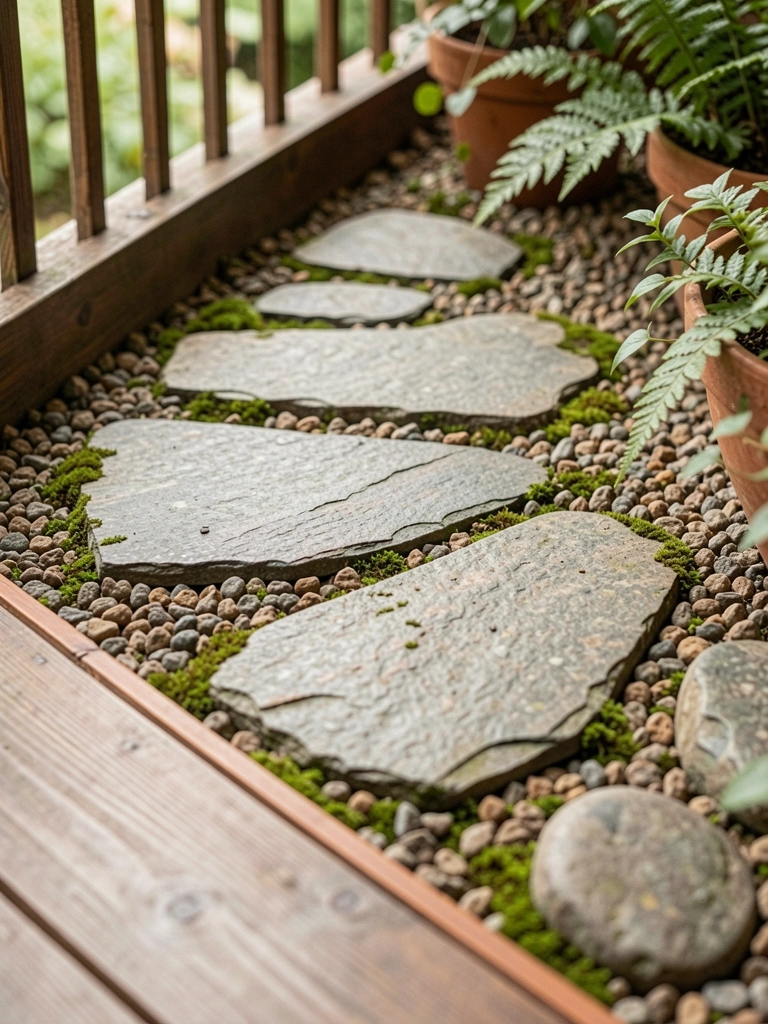
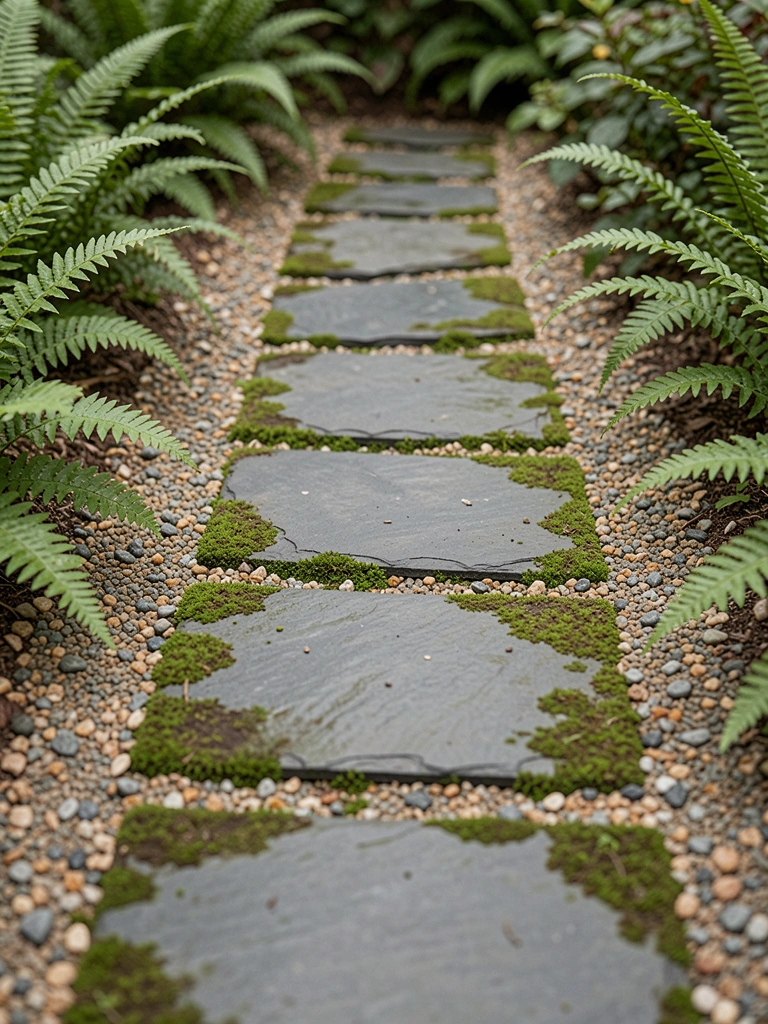
    Laid flat slate stones zigzag through gravel. Moss fills gaps.

    Slows your walk, mindful steps. Invites linger.

    Irregular shapes, not grid. Tamp firm.

    Slippery wet first—textured slate fixes.

    What You’ll Need for This Look

    Slate stepping stones irregular (pack of 8)

    Sphagnum moss dry (bag)

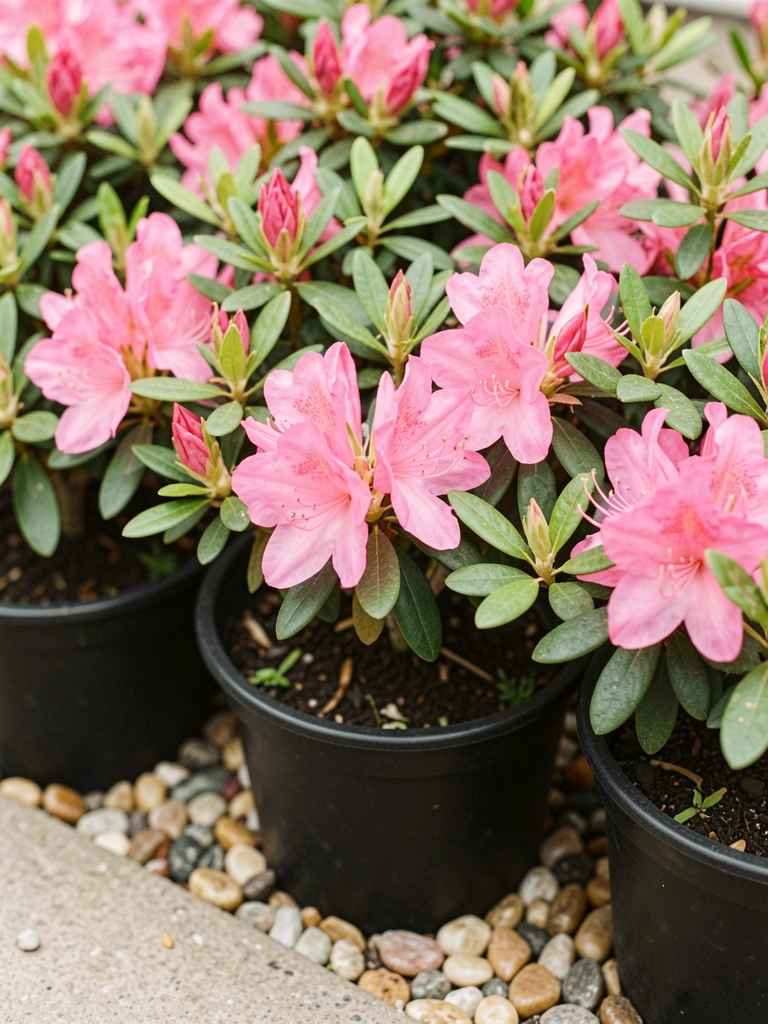
    12. Azalea Pots for Seasonal Pop

    Grouped three azalea pots near wall. Acid soil, shade.

    Spring pinks brighten gravel. Foliage fills summer.

    Acidic fertilizer monthly bloom. Prune post-flower.

    Full sun burned leaves—shade cloth now.

    What You’ll Need for This Look

    Dwarf azalea pink (2 gallon)

    Black plastic pots deep (14 inch)

    Azalea fertilizer granules

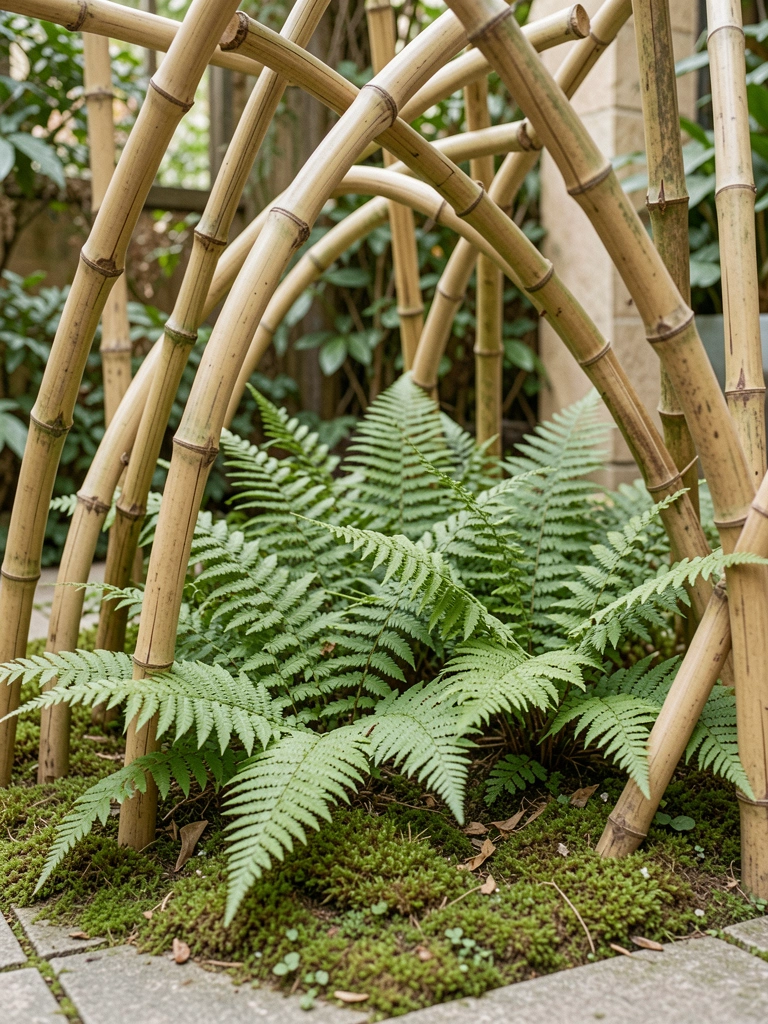
    13. Fern Grotto Under Bamboo Arch

    Bent bamboo poles into arch, hung ferns below. Moist shade thrives.

    Feels tucked away, cool sit spot.

    Tie loose, natural sway. Water weekly deep.

    Dry ferns once—daily mist now.

    What You’ll Need for This Look

    Bamboo poles natural (1 inch x 6 ft)

    Hanging ferns live (pack)

    Garden twine natural

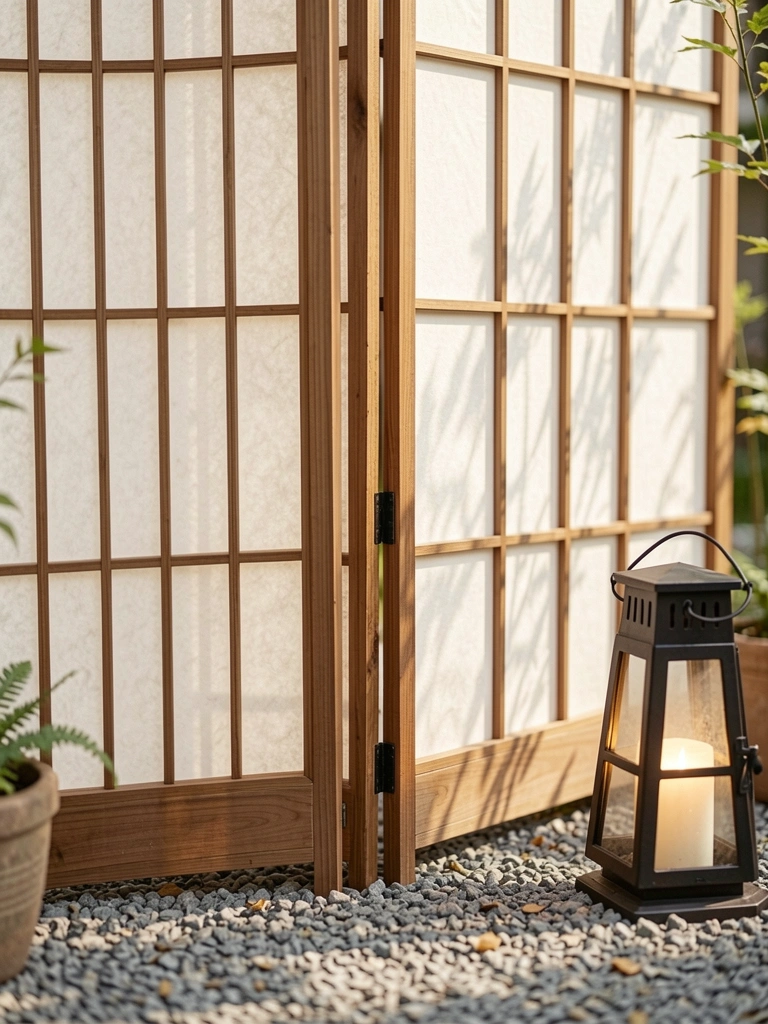
    14. Foldable Shoji Screen Divider

    Set up lightweight shoji screen to zone seating. Folds away.

    Softens harsh fence, diffuses light gentle.

    Weatherproof panels key outdoors. Anchor base.

    Paper tore rain—laminated version holds.

    What You’ll Need for This Look

    Foldable shoji screen outdoor (4 panel)

    Sandbag anchors small (pack)

    15. Pebble River Bed Border

    Curved black pebbles along patio edge, mimicking stream. Larger rocks edge.

    Guides eye, frames plants soft.

    Mix sizes for depth. Hose "flow" occasional.

    Mixed colors muddied—stick monochrome.

    What You’ll Need for This Look

    Black river pebbles (30 lb)

    Decorative edge rocks set

    Final Thoughts

    Pick one or two ideas that call to you. My patio built slow, over seasons.

    Mistakes teach—plants die, layouts shift. That's normal.

    Yours will settle into calm. Sit back, rake gravel, breathe. You've got this.