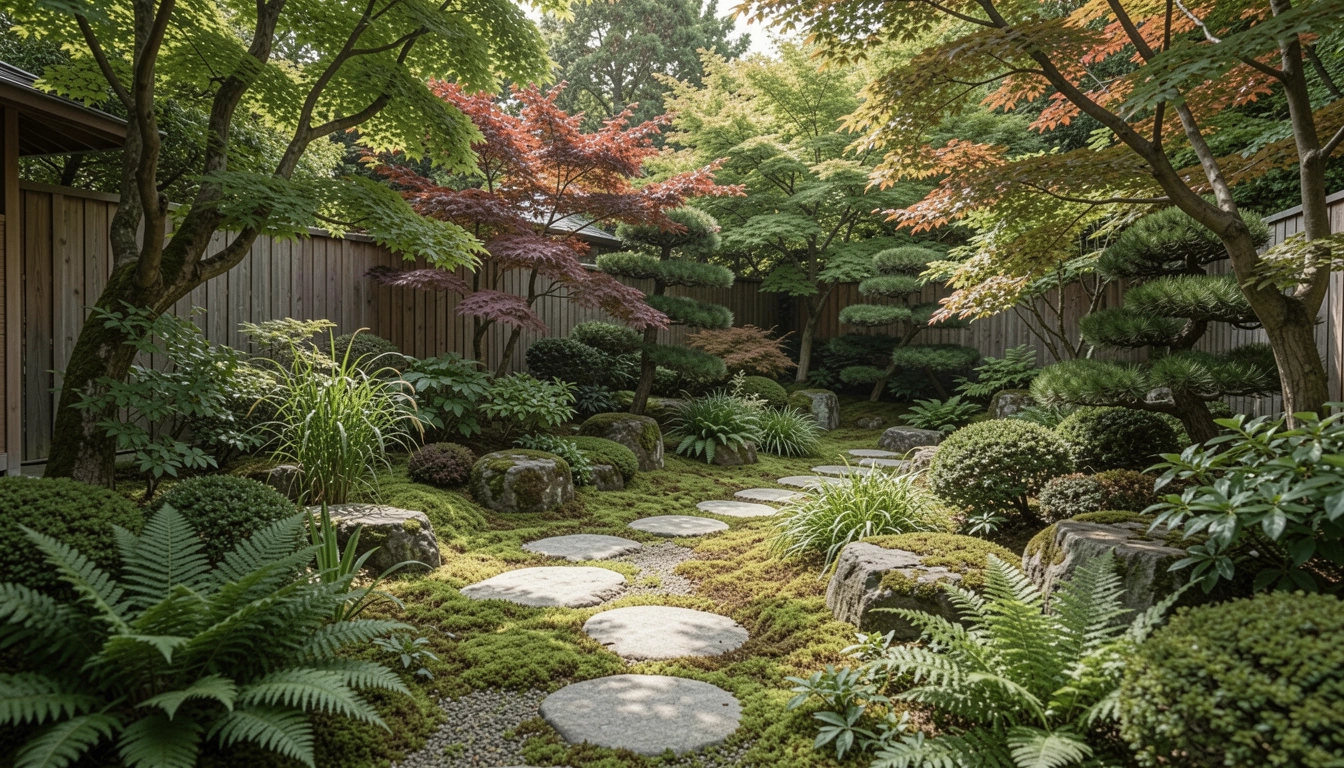
I stared at my small backyard corner. It had rocks and a lantern, but it felt busy, not calm. Paths wandered without purpose. Plants crowded each other.
One afternoon, I stepped back. The space needed quiet flow, not more stuff. I wanted that steady peace you feel in real Japanese gardens.
I've fixed this spot three times now. Each tweak brought balance closer.
How To Make Japanese Garden Beautiful
This is the way I settle a Japanese garden into its space. You'll end up with a calm, flowing area that pulls you in quietly. It works even in tight yards.
What You’ll Need
- 12-inch gray stone lantern
- Natural river rocks, 5-10 pounds
- Fine gravel rake, 10-inch bamboo handle
- Dwarf Japanese maple, 2-gallon pot
- Moss spores, 1-ounce pack
- Bamboo fence panel, 3×6 feet
- Black pine bonsai, 6-inch pot
- Stepping stones, flat slate, set of 6
Step 1: Clear to Find the Bones
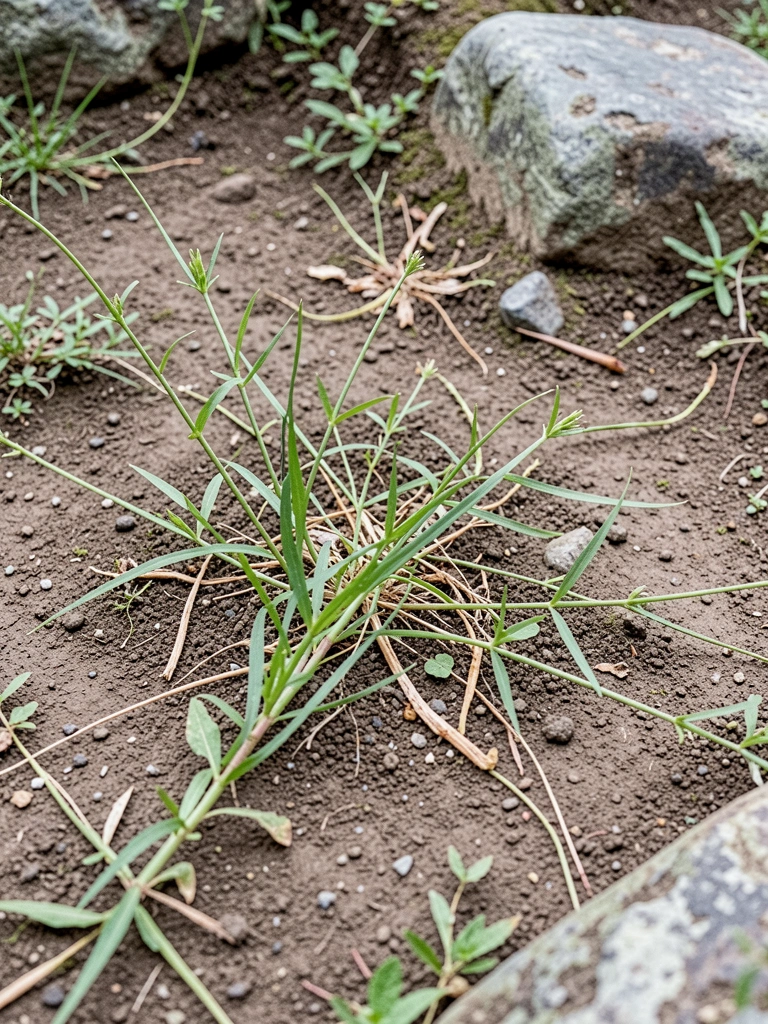
I walk the space first. Pull weeds and move junk aside. This uncovers the ground's natural shape.
Why? Clutter hides the flow. Now, you see dips and rises. It starts to breathe.
People miss how empty feels right at first. Don't add back too soon. Mistake: Leaving old plants that fight the calm.
The ground looks honest now. Ready for what matters.
Step 2: Place Anchor Stones for Stillness
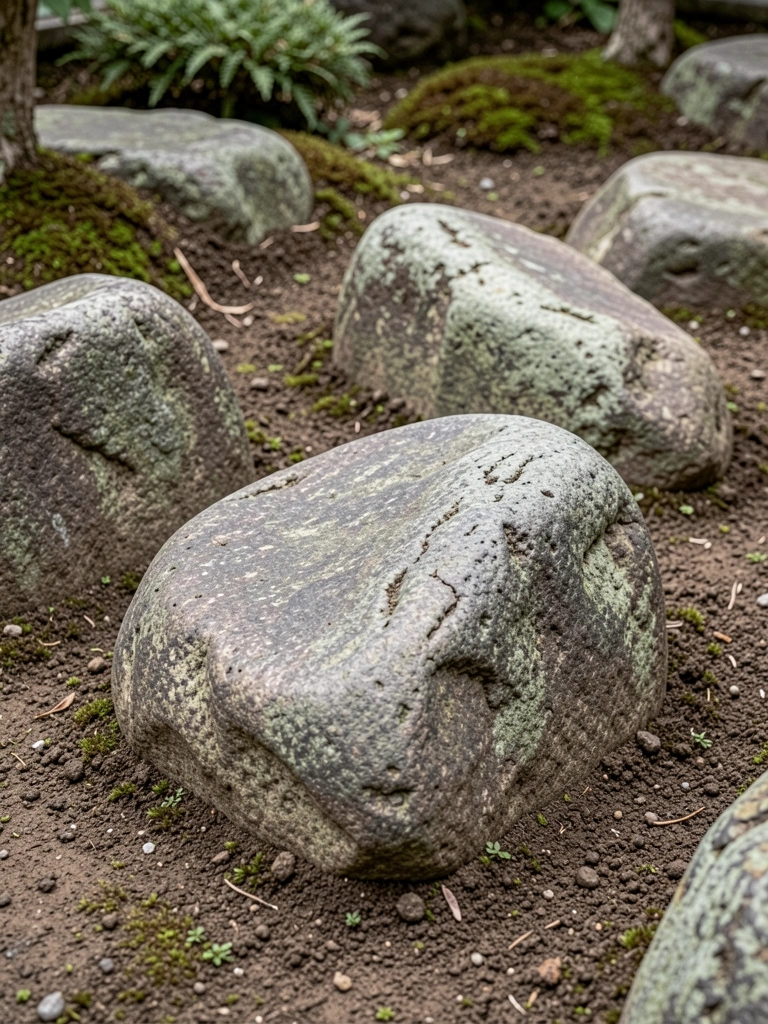
I pick three big rocks. Set them uneven – one tall, two low. Bury bases halfway.
This anchors everything. They draw your eye without shouting.
Insight: Odd numbers feel alive, not stiff. Avoid lining them up even – it stiffens the space.
Visual shift hits here. Quiet weight settles in.
Step 3: Rake Gravel for Quiet Flow
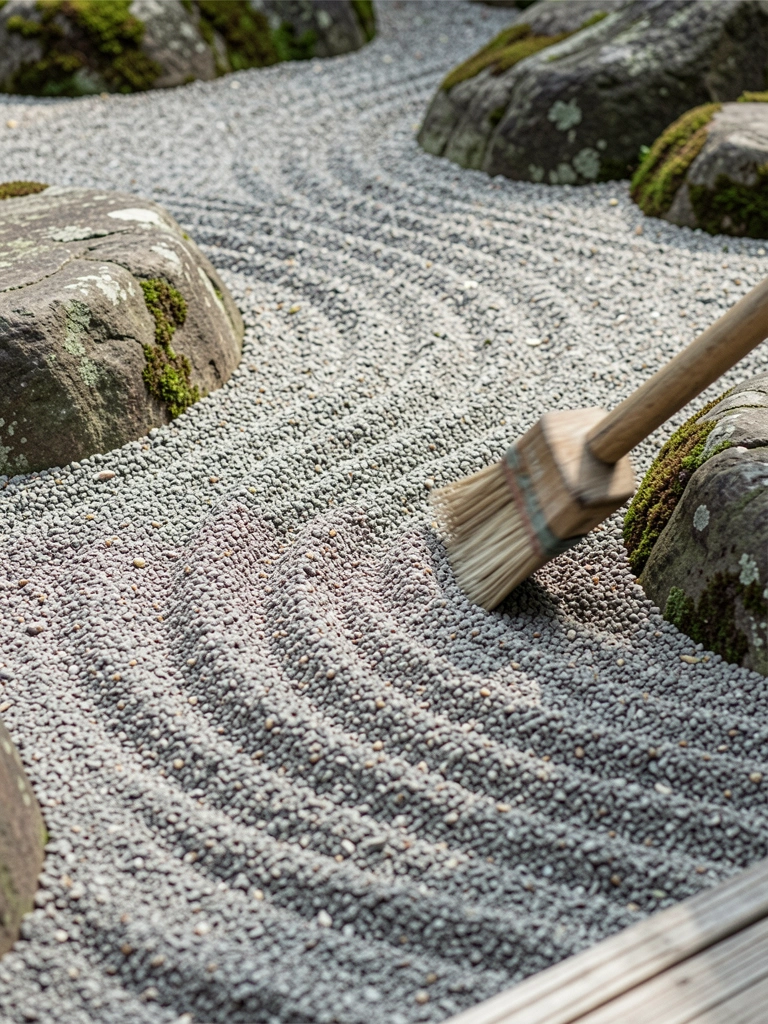
I spread gravel between stones. Rake soft waves, not straight lines.
Why waves? They mimic water, guide the eye gently.
Most skip varying patterns – keep it simple, repeat loosely. Don't over-rake to perfection; wind changes it anyway.
Now, the ground moves underfoot. Calm deepens.
Step 4: Set Lantern Off to One Side
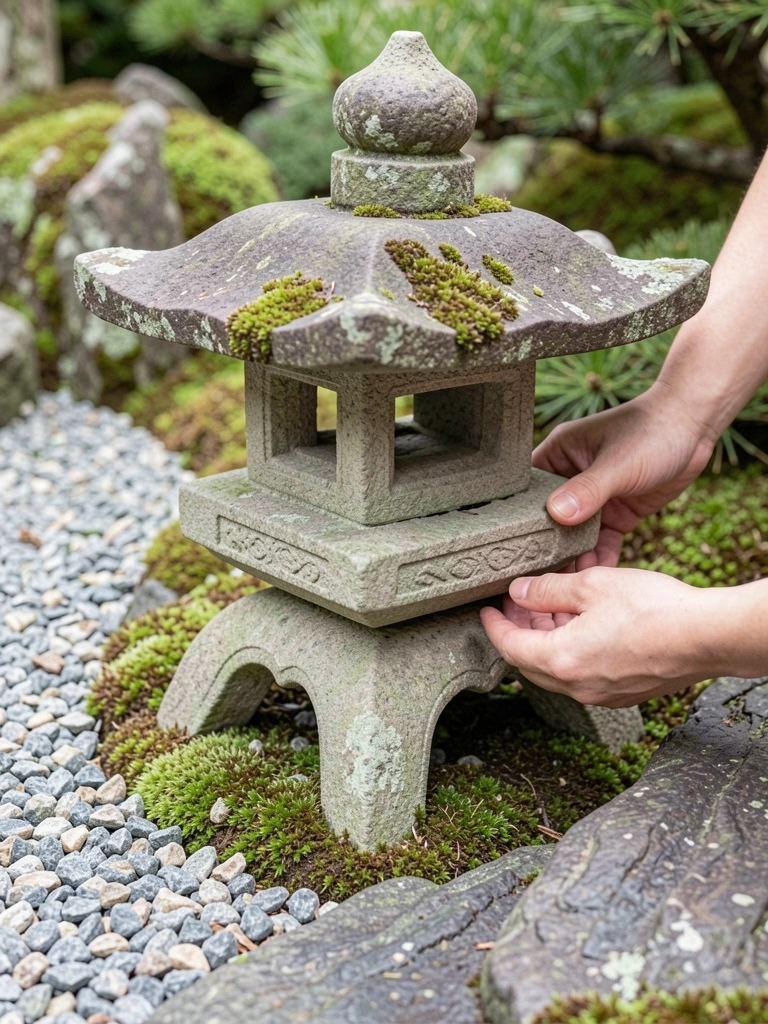
I position the lantern aside, not center. Angle it toward a path.
It invites pause without dominating. Balance shifts to comfortable.
Missed point: Height matters – low feels grounded. Avoid centering; it crowds the view.
Light catches it soft. Space feels lived-in.
Step 5: Layer Plants for Depth
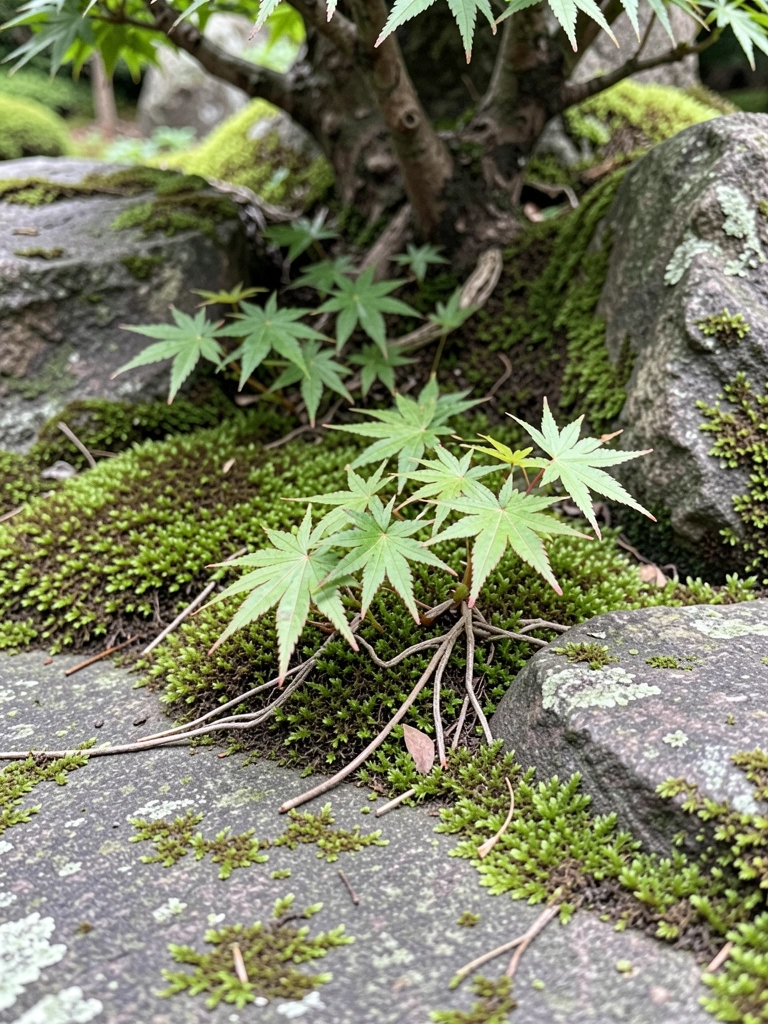
I tuck moss around rocks first. Add dwarf maple behind, bonsai forward.
Layers build without filling every inch. Air stays.
Insight: Evergreens hold winter. Don't plant too dense – gaps let light play.
Green softens edges. Balance feels right.
Step 6: Wind Path to Pull You Through
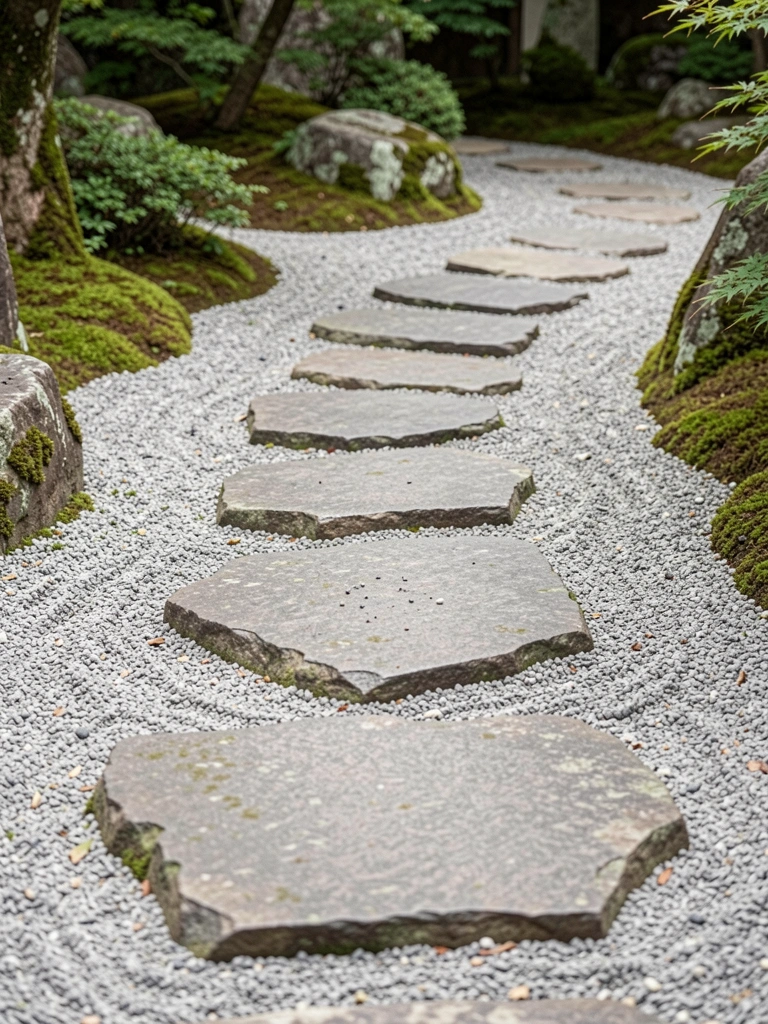
I lay stepping stones in a loose curve. Space them so steps slow you.
Paths make it yours. They connect without rushing.
Common miss: Straight paths bore. Avoid even spacing – vary for rhythm.
Now it flows. You want to walk it.
Plants That Hold Up Year-Round
I lean on tough ones. They keep the feel steady.
Dwarf maples drop leaves clean. Black pine stays green through frost.
- Moss fills gaps, no fuss.
- Avoid big shrubs; they overwhelm.
One winter, mine looked better bare. That's the point.
Working Rocks into Balance
Rocks aren't decoration. They're the garden's bones.
Group by size. Tall ones back, flats for paths.
- Uneven heights breathe life.
- Wet them to see flow.
I've moved mine once a season. It settles deeper each time.
Soft Edges with Bamboo and Gravel
Bamboo screens harsh fences. Gravel mutes hard lines.
I roll it out loose, not tight.
- Let gravel spill natural.
- Trim bamboo low.
This keeps it simple, not fenced in. Feels open.
Final Thoughts
Start with one corner. Just stones and gravel.
You'll see the calm build. No rush.
Mine draws me out mornings now. Yours will too. It's about that quiet pull.
Leave a Reply