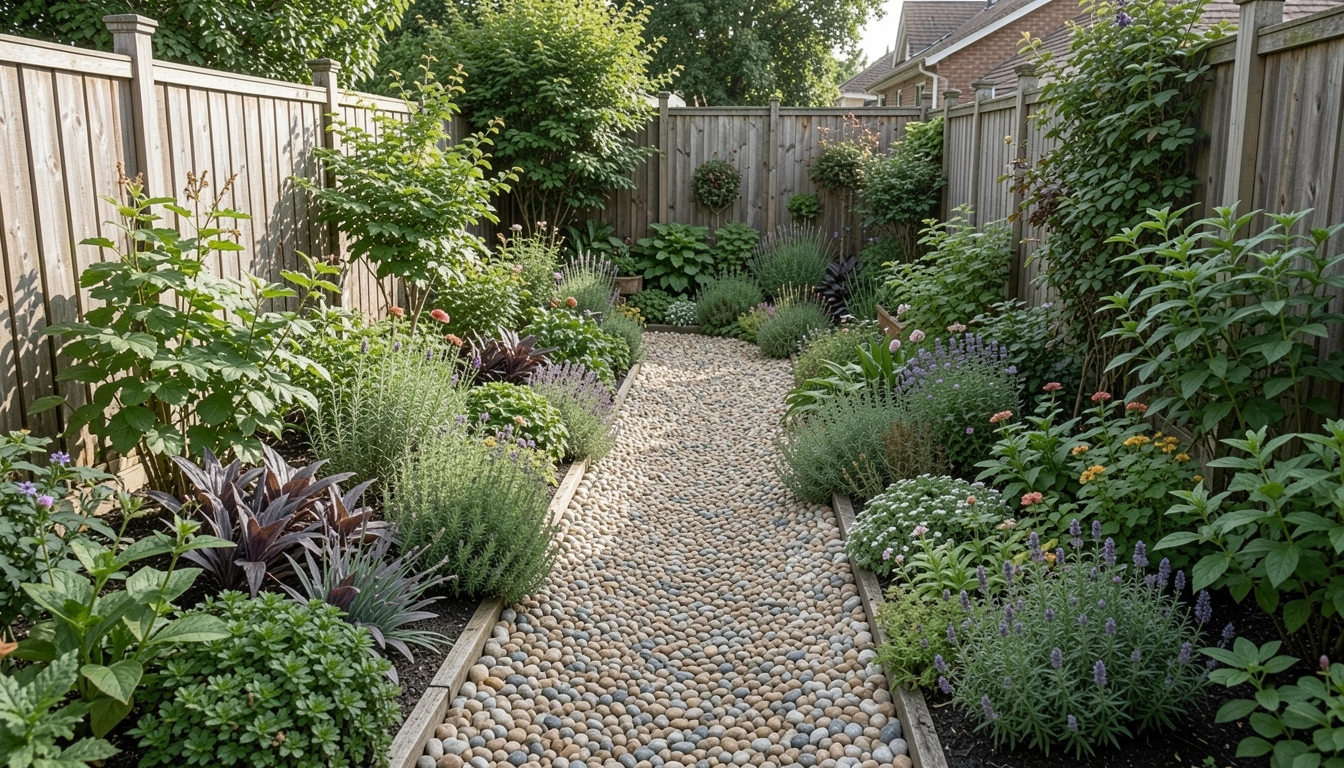
I stared at the muddy strip between my patio and shed. Every rain turned it into a slip hazard. Walking there felt like an afterthought, not part of the garden.
I'd tried grass, but it drowned. Mulch washed away. The path needed to fit the space, guide the eye without shouting.
One afternoon, I laid pebbles. Now it pulls you through quietly, dry underfoot.
How To Create A Pebble Path
This shows you how I shape a pebble path that settles into the garden. It connects spots naturally. You'll end up with a clean line that invites steps.
What You’ll Need
- 12-inch galvanized steel landscape edging
- 3/8-inch pea gravel, 50-pound bag
- 4-inch by 4-inch pressure-treated landscape timbers
- Non-woven landscape fabric, 3-foot by 50-foot roll
- Heavy-duty garden rake with wooden handle
- Coarse sand, 50-pound bag
- Rubber mallet, 16-ounce
- Weed barrier landscape staples, 6-inch, pack of 100
Step 1: Trace the Path's Natural Line
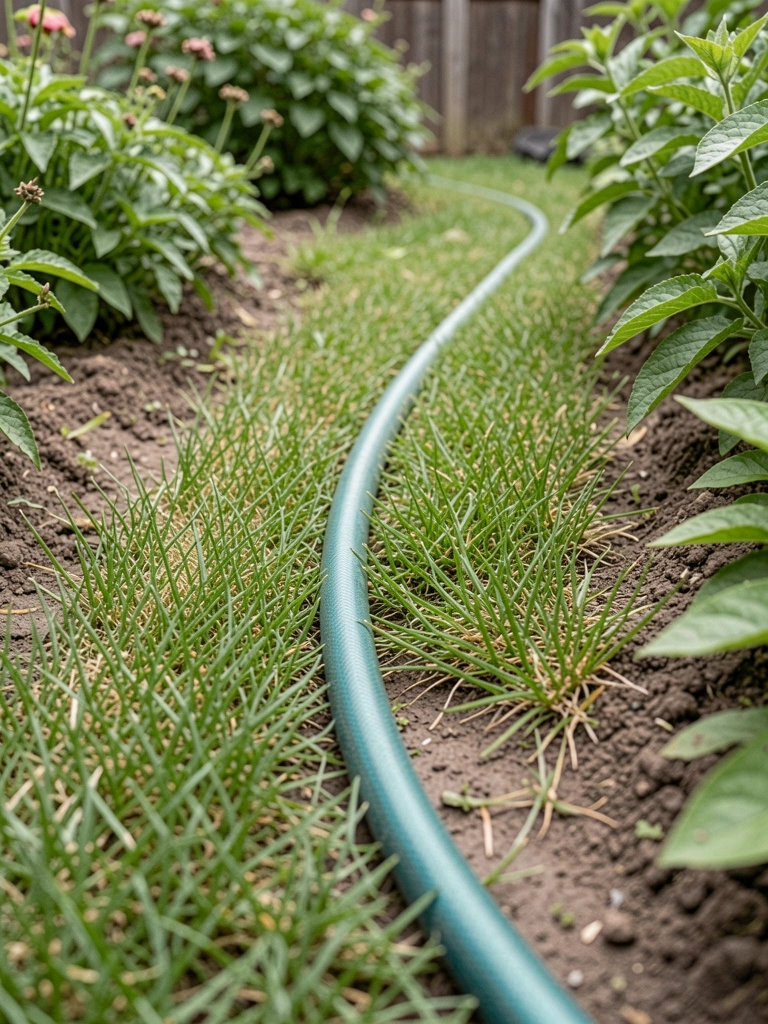
I walk the route first, hose in hand. It snakes where my feet want to go—around that shrub, hugging the bed. This sets a flow that feels right, not forced.
Visually, the hose paints a soft curve. The garden starts breathing, linking spots.
People miss how a straight line jars. Curve it slightly. Avoid forcing it ruler-straight; it fights the yard's shape.
I secure the hose with stakes. Eye it from the patio. Adjust until it pulls you along.
Step 2: Clear and Level the Base

I dig out grass and roots, four inches deep. Rake smooth. This base holds steady, no sinking later.
The strip turns bare, ready. It frames the plants beside it better.
Most overlook loose soil shifting. Compact it firm with your feet. Skip this, pebbles roll.
I check level with my eye, not tools. Slight slope sheds water. Feels solid now.
Step 3: Set the Edging for Clean Lines
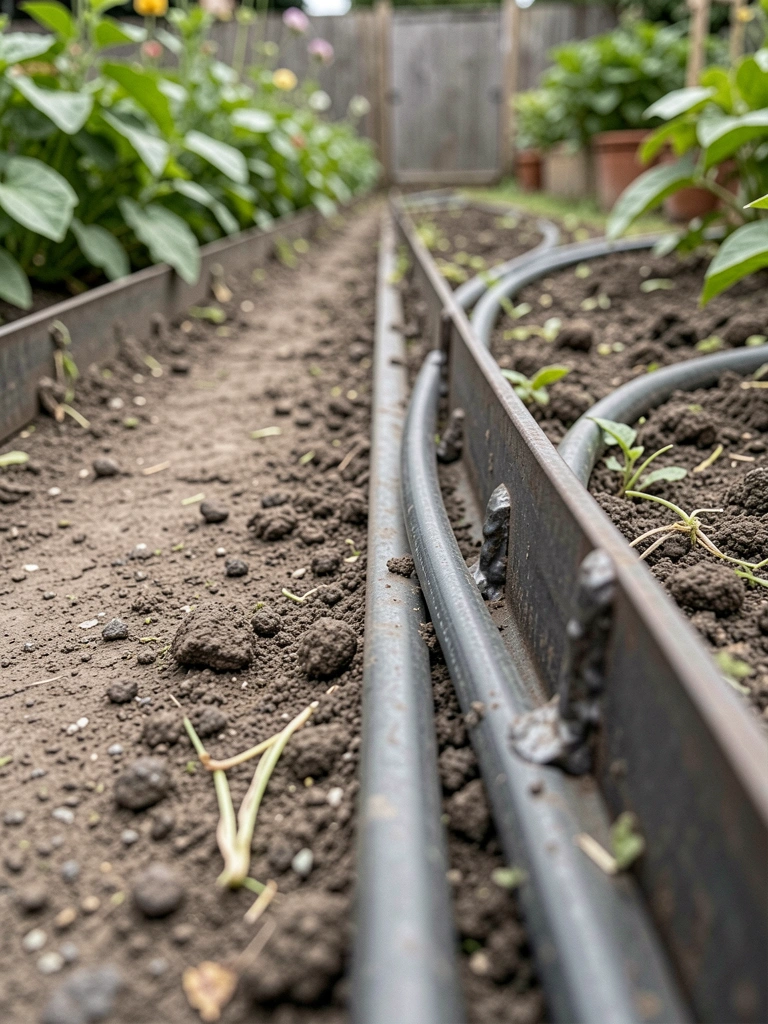
I unroll edging along the hose. Tap it in with the mallet, just proud of ground. It holds the pebbles, keeps grass out.
Edges sharpen. The path claims its space, balanced against beds.
Folks bury it too deep. Leave a half-inch lip for mowing. Don't butt joints tight; overlap for give.
I step back. It echoes the garden's lines, quiet containment.
Step 4: Layer the Base for Stability

Fabric goes down first, stapled. Then two inches sand, raked even. This locks everything, drains rain.
The trench fills solid. No more mud hollows.
Insight: Skip fabric, weeds punch through. Weeds love loose pebbles. Pin it well.
Top with gravel now? No, settle layers separate. Water it lightly. Beds nearby look framed.
Step 5: Spread and Settle the Pebbles

I dump gravel, rake thin layers. Walk it in. It nestles, one color blending.
Path glows soft gray. Steps crunch right, draws you forward.
People heap too thick. Two inches max, or it shifts. Rake from edges in.
I hose it gentle. Pebbles lock. Sit on the patio—path fits perfect.
Step 6: Blend with Surrounding Plants

I tuck low growers like sedum along edges. They soften the line, spill casual.
Path recedes, plants lead. Whole area balances.
Missed tip: Overplant smothers it. Space three feet wide minimum. Avoid tall stuff blocking.
Trim back once. It settles lived-in, guides without dominating.
Choosing Pebbles That Fit Your Garden
I pick pea gravel for its small size. It shifts less in walks. River rock works for wider paths.
Size matters for feel. Tiny ones pack tight. Larger give more crunch.
- 3/8-inch: Everyday paths, drains fast.
- 3/4-inch: Bolder look, fewer weeds.
- Match soil tone: Gray pebbles on clay yards blend.
Test a handful. Does it feel right underfoot?
Planting Alongside for Balance
Plants frame the path. I use tough ones that take foot spill.
Low evergreens hold year-round. Perennials add seasons.
- Creeping thyme: Fills gaps, smells good.
- Lavender: Softens edges, draws bees.
- Avoid invasives: They overrun.
Plant after pebbles settle. Water deep. Path looks intentional.
Handling Slopes and Curves
Slopes need wider bases. I add extra sand downhill.
Curves hold with bent edging. Walk it daily first.
- Slope over 5%: Step it or gravel deeper.
- Tight turns: Flare ends gentle.
- Wet areas: More drainage layer.
It flows natural. No slips.
Final Thoughts
Start with five feet. See how it sits.
Your yard knows the line. Trust your walk.
Pebbles wait patient. One path done, the garden connects.
Leave a Reply