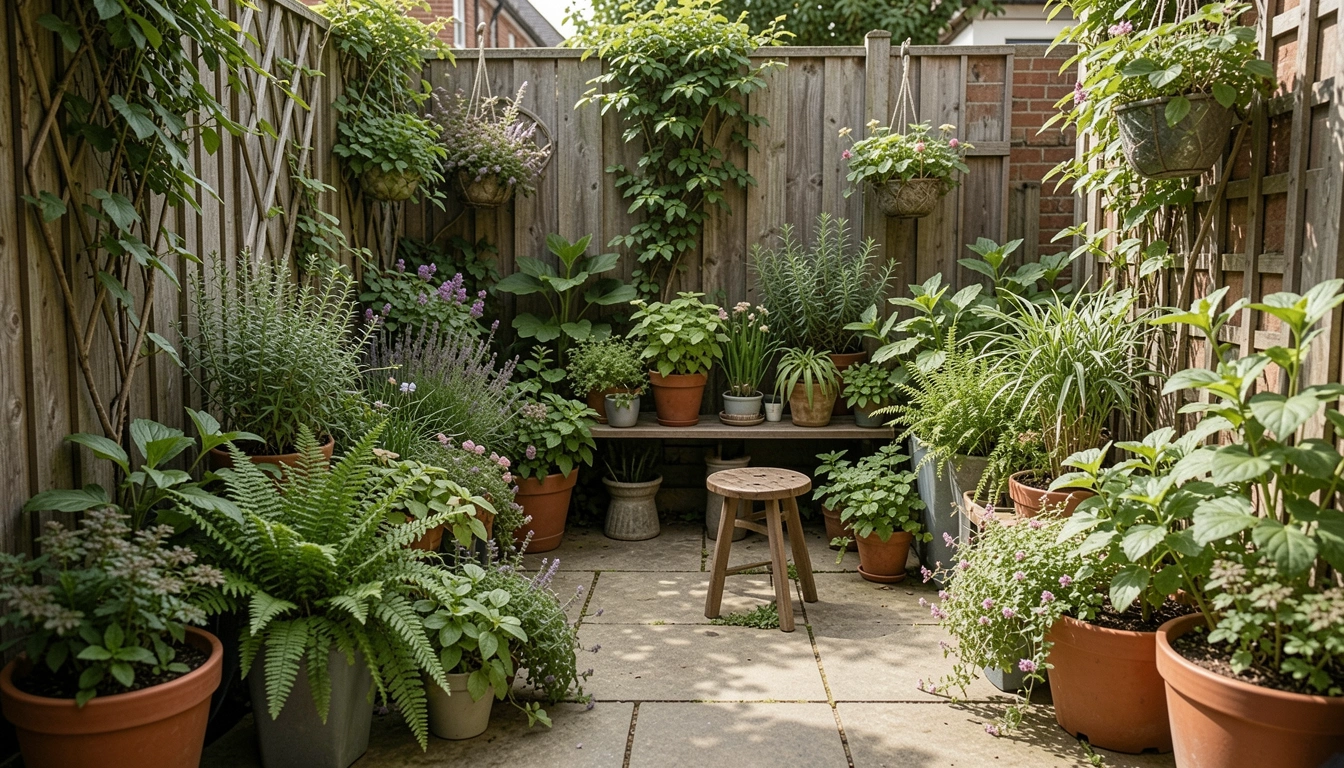
I stared at my concrete patio last spring. Bare slabs, a table, some chairs. It felt flat, unused. Like a room missing its soul.
I'd tried pots before. They crowded the edges or wilted fast. Nothing settled right.
Then I stepped back. Started simple. Now it holds together, even on windy days.
How To Create A Small Patio Garden
This is how I turn a plain patio into a comfortable spot. You'll end up with balanced containers, layered plants, and open walking space. It works in tight corners.
What You’ll Need
- 13-inch terracotta clay pots
- 8-inch galvanized metal planters
- Premium potting soil mix, 2 cubic feet
- Lavender perennials in 1-gallon pots
- Trailing ivy plants, 6-inch pots
- Ornamental grasses, 1-gallon size
- Pea gravel, 0.5 cubic foot bag
- Woven seagrass baskets, 12-inch
Step 1: Clear and Measure Your Patio Floor

I walk my patio first. Sweep leaves, move furniture to one side. Measure the open floor—mine's 8 by 10 feet.
This gives breathing room. The space feels larger already. Without it, pots fight the table.
People miss how light changes here. Morning sun hits one corner hard—note that. Don't cram tall pots there yet. Skip stacking extras against walls; it blocks flow.
Now the floor waits, calm.
Step 2: Place Containers for Balance
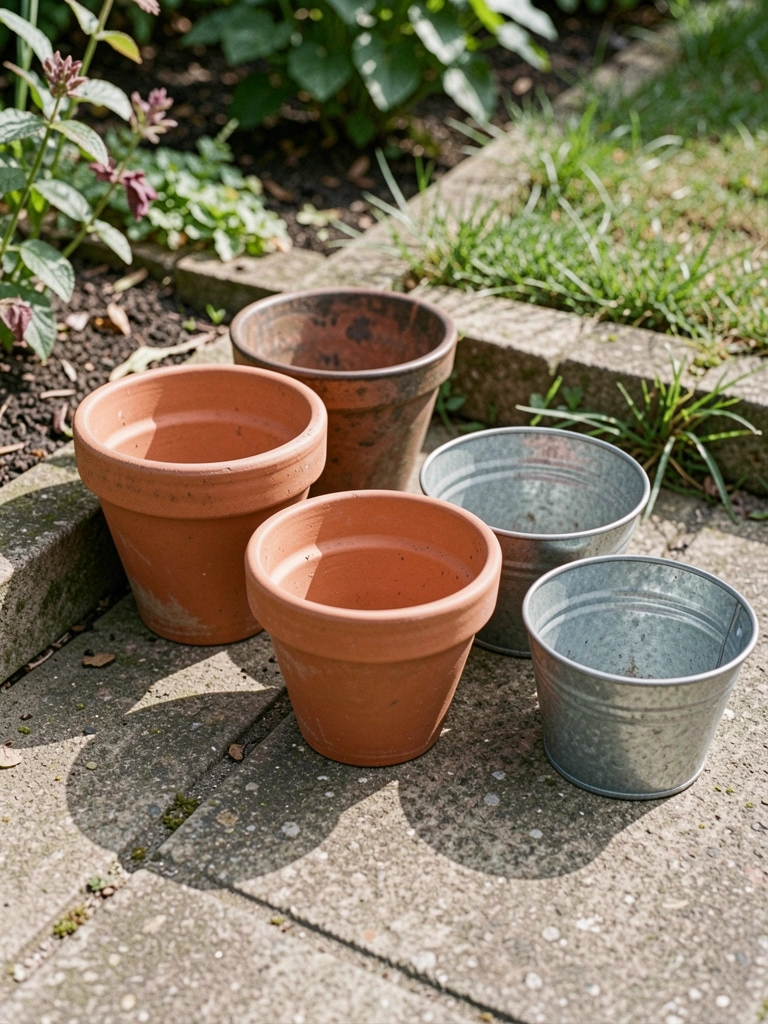
I grab my pots. Set three terracotta ones in a loose triangle—one near the door, two by the seating. Add metal planters at knee height.
It creates anchors. The patio pulls together visually, no dead zones.
Most forget height variation. Low baskets balance tall pots—avoids top-heaviness. Don't line them up like soldiers; cluster for comfort.
Step back. Walk through. Adjust one inch at a time.
Step 3: Layer in Soil and Gravel Base
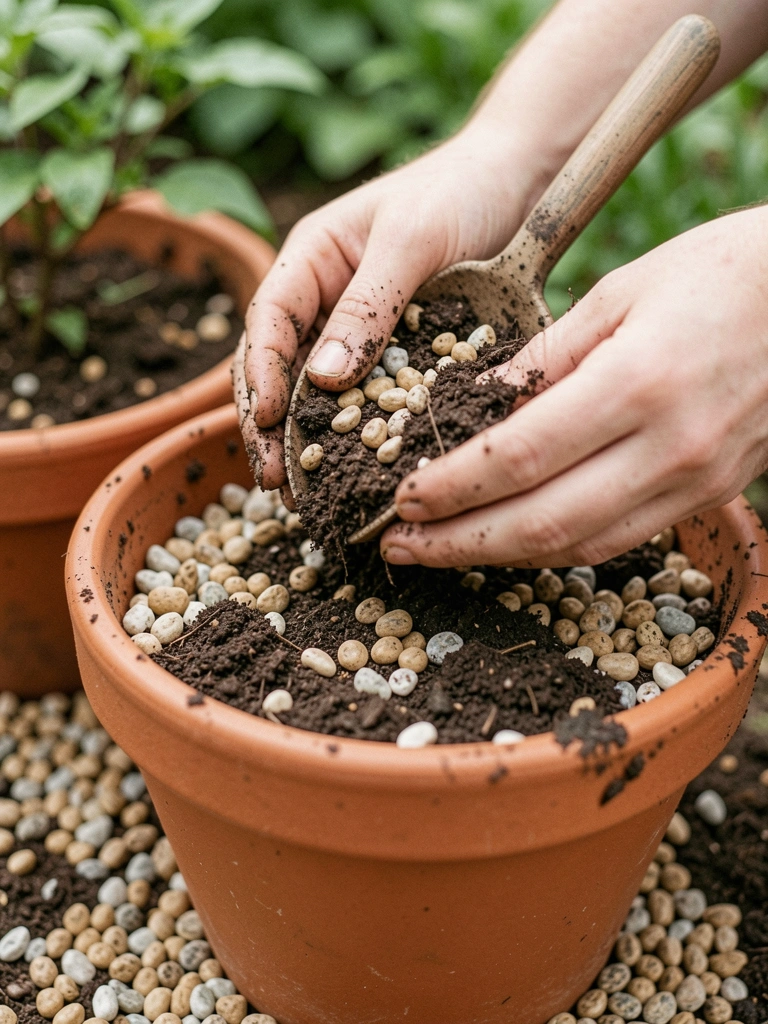
I fill pots halfway with soil. Top with gravel for drainage—keeps roots happy.
Colors warm up. Gravel catches light, ties to the floor.
The insight? Gravel prevents rot in rain. Skip it, and plants slump. Don't overfill; leave space for roots to settle.
Pots look ready now, grounded.
Step 4: Plant for Height and Spill

I plant grasses tallest in back pots. Lavender mid-height. Let ivy trail over edges.
Layers build depth. Space reads full but open—chair legs clear.
Folks overlook spill-over plants. They soften hard edges. Avoid all uprights; it stiffens the feel.
Water gently. Watch it settle.
Step 5: Step Back and Tweak Flow
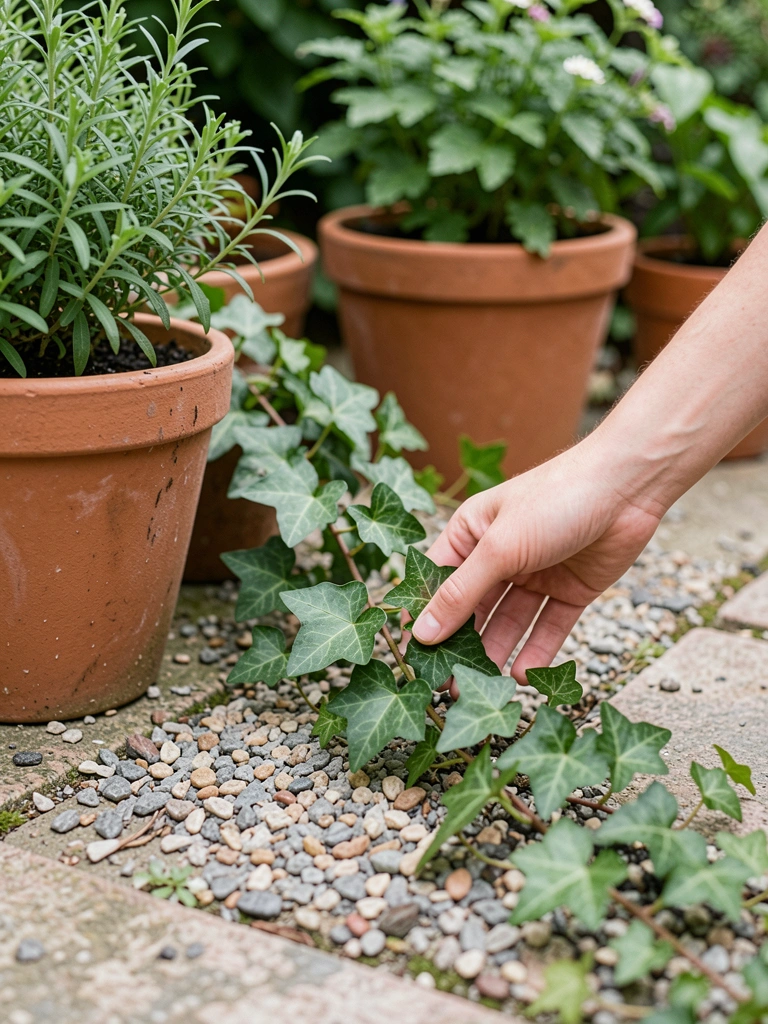
I sit with coffee. Walk the path again. Nudge a pot left, trim a stray leaf.
Flow emerges. Nothing blocks steps; eyes move easy.
Common miss: ignoring your habits. Plant where you brush past? Trim low. Don't fixate on symmetry—nature isn't.
It holds now, day or night.
Choosing Plants for Your Patio
I pick plants that fit my light and care level. Full sun gets lavender and grasses. Shade corners take ferns.
Heights matter. Tall in back, trailers in front. Colors stay soft—greens, silvers.
- Lavender: Fragrant, bee-friendly, drought-tough.
- Ivy: Fills gaps, year-round green.
- Grasses: Sways in breeze, low fuss.
Mix three types max. Overdo varieties, it clutters.
Simple Maintenance Routine
I check weekly. Water when top soil dries—finger test.
Deadhead flowers. Snip spent grass blades.
- Spring: Fresh soil top-up.
- Fall: Mulch bases for winter.
Patios dry fast. Mist leaves on hot days. Skip chemicals; bugs balance out.
Handling Seasons in a Small Space
Summer fills out lush. I shear back midsummer for air.
Winter: Swap tender plants indoors. Grasses stay, add structure.
Evergreens anchor year-round. Empty pots? Tuck bulbs inside for spring surprise.
Pot up small. Scale matches the patio.
Final Thoughts
Start with two pots if five feels much. Mine grew that way.
You'll see it shift—more inviting sits.
Patios like this pull you outside. Just keep tweaking as you live in it.
Leave a Reply