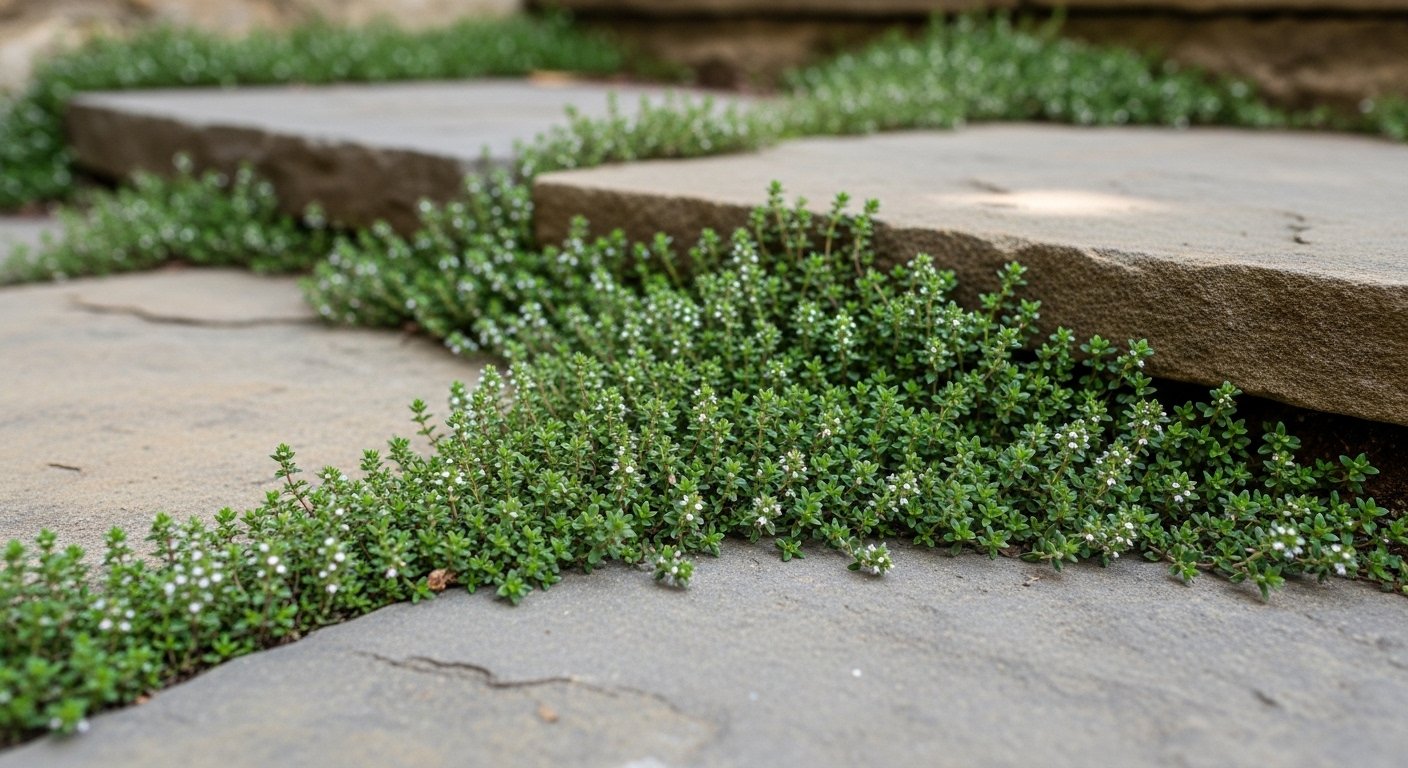
I finally stopped overplanting and learned to let the ground do the heavy lifting. I wanted coverage that wouldn’t need constant fuss.
I tried a lot of hard lessons—wrong sun, wrong soil—and kept the survivors. These picks are plants and small setups I actually use, so you’ll know what to buy and where to tuck it.
27 Genius Low Maintenance Ground Cover Plants For Easy Landscaping
These 27 ideas are practical, easy to copy, and honest about what I actually use in my garden. You’ll get plant choices, a few small fixes I learned, and exact items to buy. These are 27 real options.
1. Creeping Thyme Between Stepping Stones
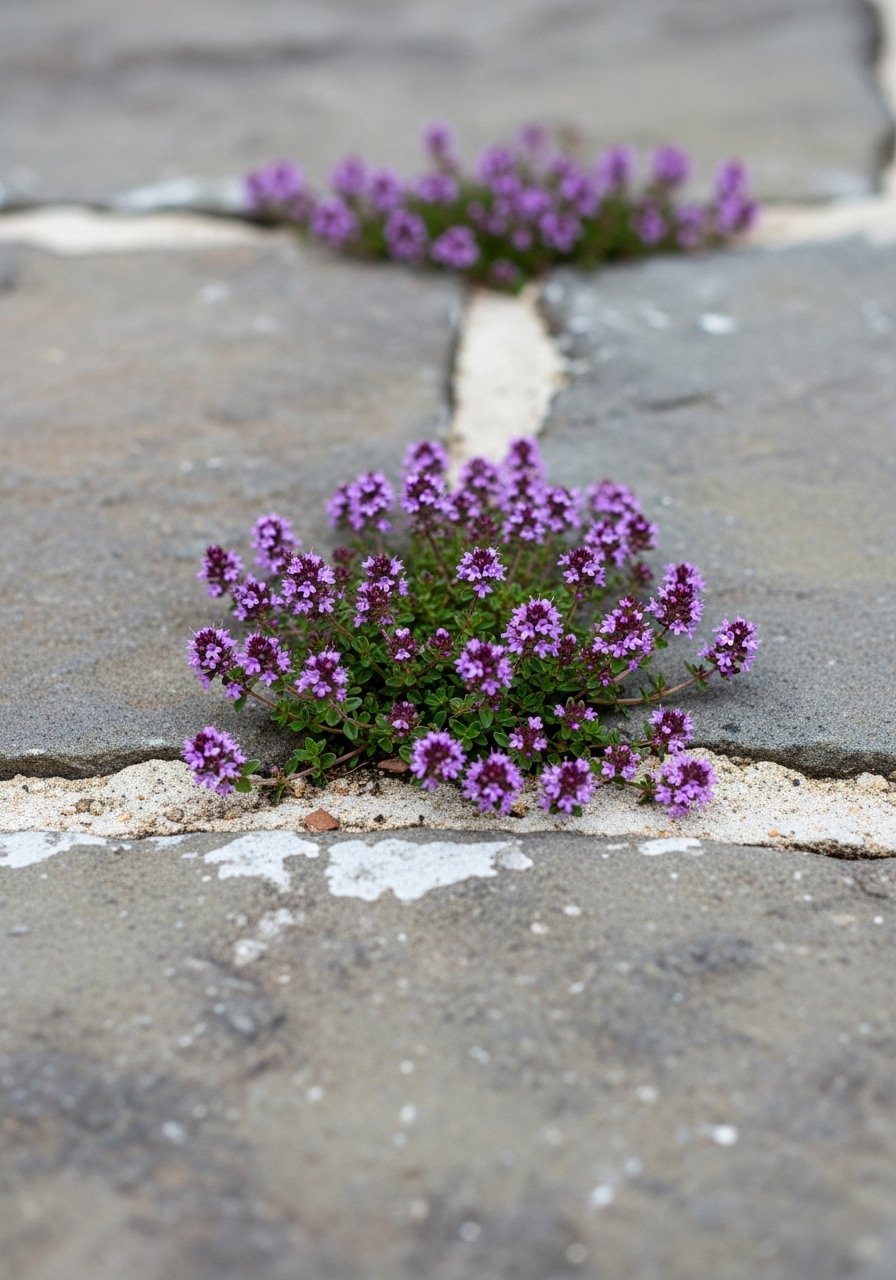
I planted creeping thyme between my stepping stones to soften rigid paths. It smells like summer when I walk over it and stays low without trimming. It prefers sun and drains well—mine struggled where mulch stayed damp.
Visually it ties stones together with a green carpet and tiny blooms. I learned to only add a shallow layer of soil so it wouldn’t sit wet.
What You’ll Need for This Look
- Creeping thyme plants (pack)
- Flagstone stepping stones, natural
- Fine garden soil, top dressing (small bag)
2. Woolly Thyme for a Soft, Sun-Baked Mat
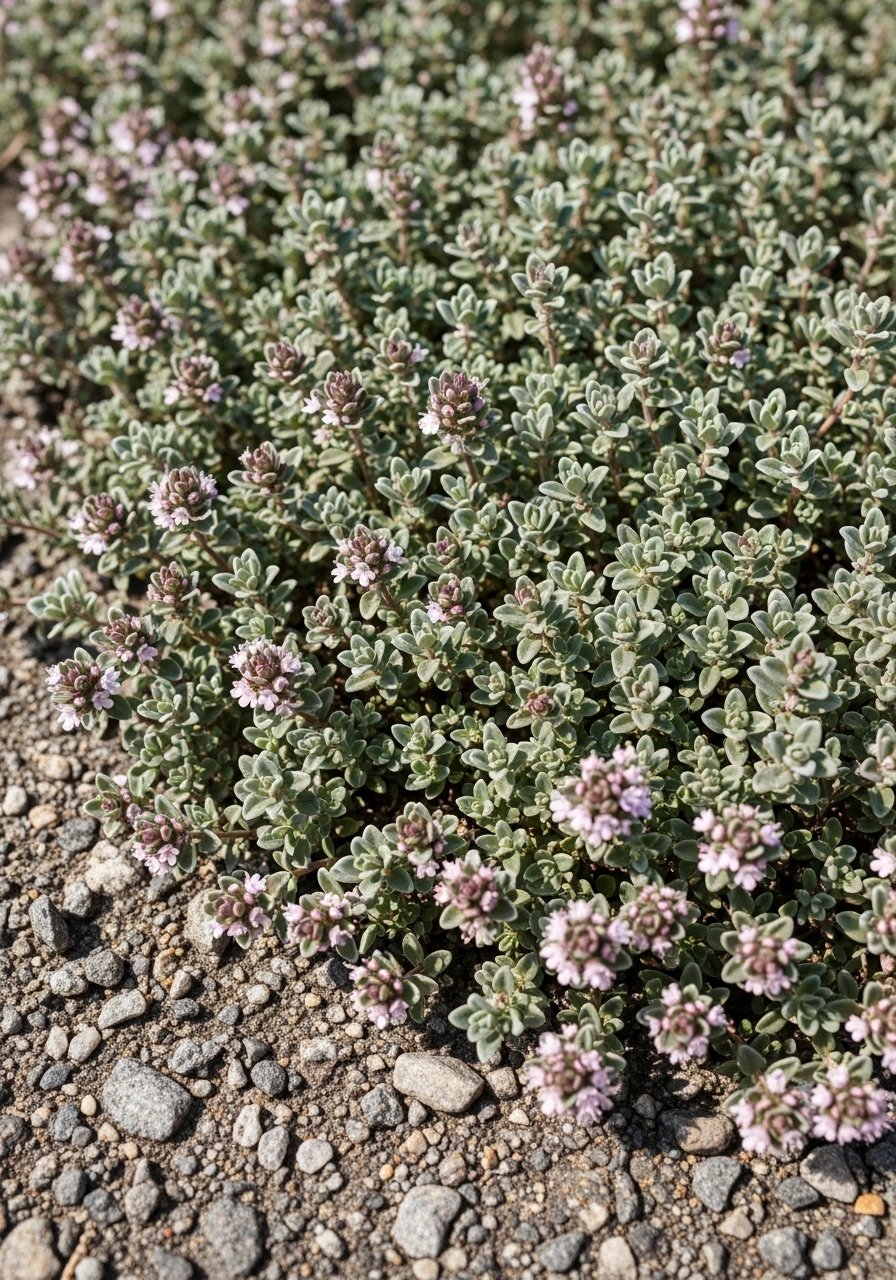
I planted woolly thyme on a hot, dry patch where little else lived. Its fuzzy leaves handle drought and give a lovely silver tone next to warm pavers. It’s low and slow—no trimming needed.
It doesn’t like heavy shade. I found it works best as a filler in rock gardens or along sunny edges where water is scarce.
What You’ll Need for This Look
- Woolly thyme plants (pack)
- Decorative gravel, 20 lb (neutral color)
- Hand transplanter, stainless steel
3. Ajuga (Bugleweed) for Fast Shade Cover
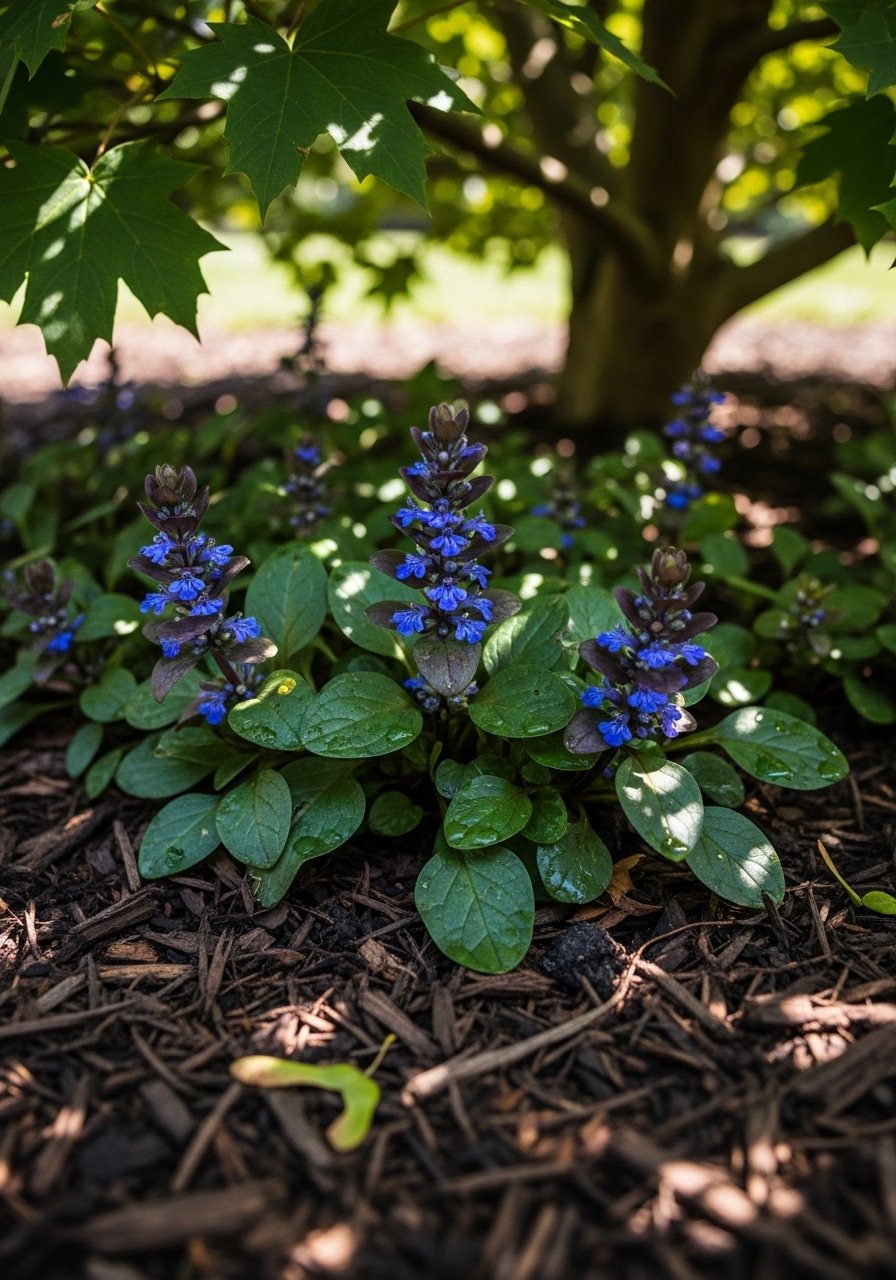
I used ajuga to patch an under-tree bare spot and it filled in fast. The dark leaves brighten shady corners and it tolerates compact soil. My mistake was planting it too close to delicate perennials—it can creep into beds.
It spreads by runners, so I now plant it where I want a bold swath of color. It’s one of the few shade covers I’ve kept without daily tending.
What You’ll Need for This Look
4. Vinca Minor (Periwinkle) for Evergreen Shade
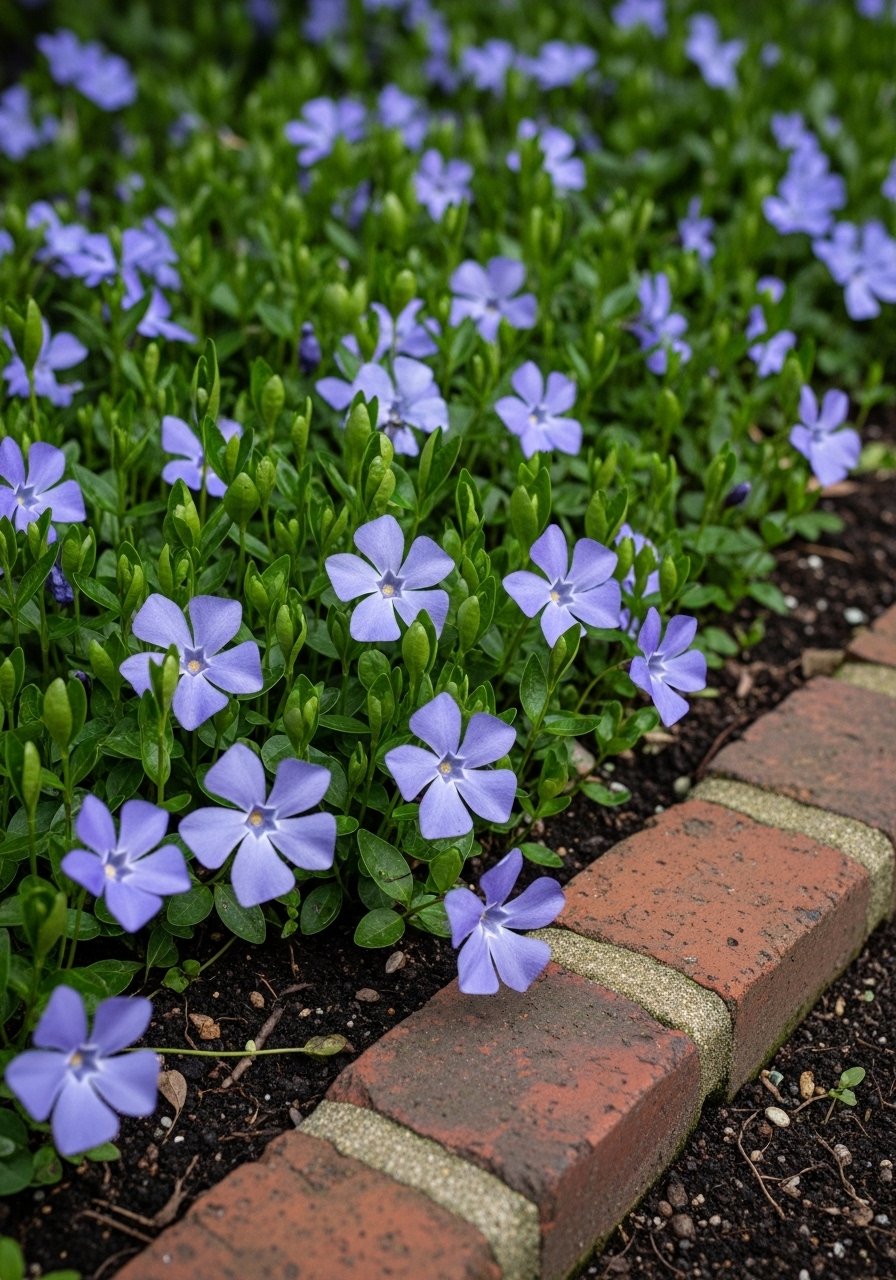
I planted periwinkle along a north-facing fence where nothing stayed green. It stayed evergreen and flowered in spring, bringing life to a gloomy border. It climbs slightly, so I keep it trimmed back from walkways.
It’s forgiving of soil types and dries out less than many shade plants. I treat it like a permanent green carpet rather than a showy bed.
What You’ll Need for This Look
5. Pachysandra for Deep Shade and Low Fuss
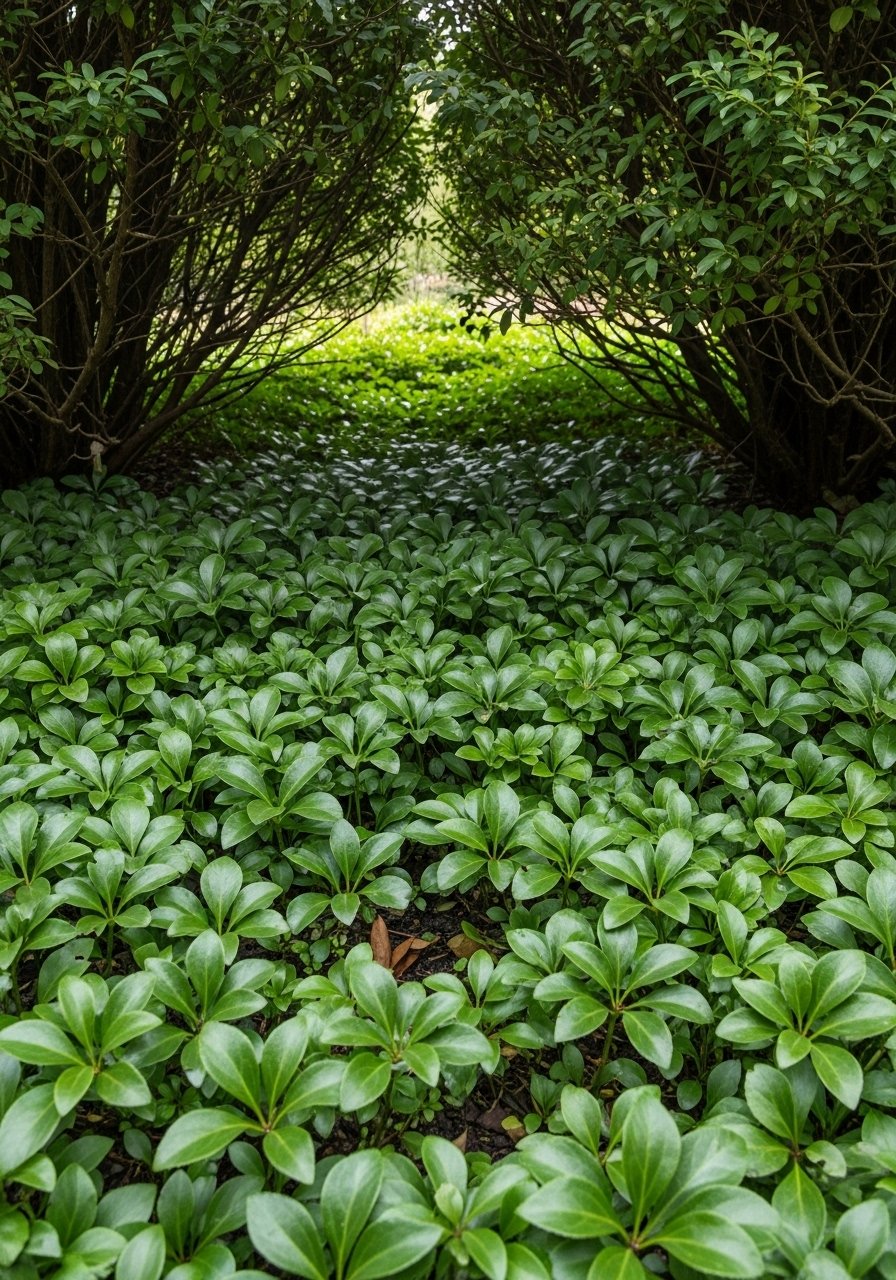
I turned a gloomy strip under shrubs into a dense green carpet with pachysandra. It tolerates deep shade and stays green all winter. Early on I overcrowded it and had crown rot in a soggy spot—lesson learned: space it and improve drainage.
It’s slow to flower but great for a clean, low-maintenance look where grass won’t grow.
What You’ll Need for This Look
6. Sedum spurium 'Dragon's Blood' for Color and Rock Garden Charm
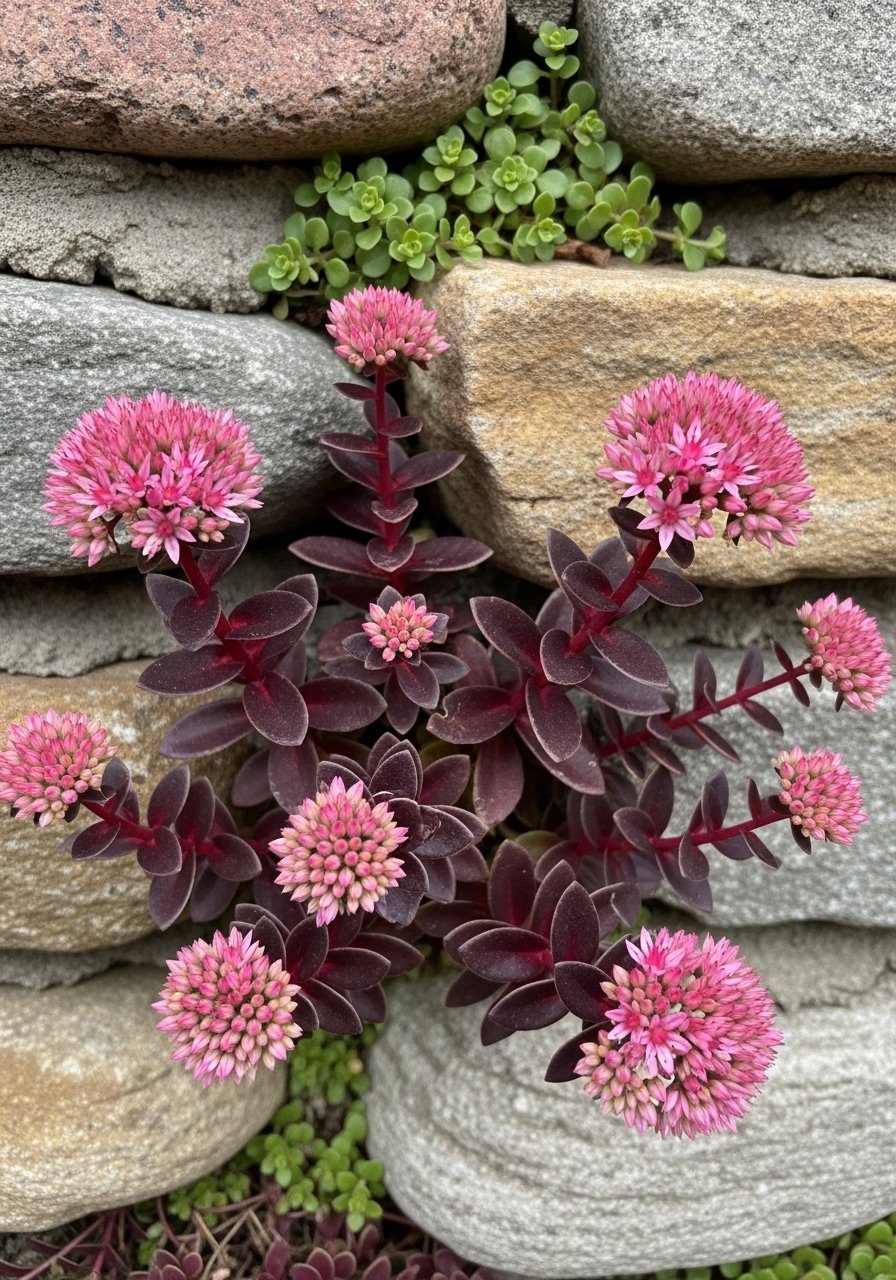
I use Dragon’s Blood sedum along dry stone walls. It colors up in sun, tolerates drought, and hugs crevices. It never needed much attention, and the blooms attract pollinators.
I once planted it in shade and it sulked, so I moved it to full sun. Now it’s my go-to for low, colorful texture on slopes and rocks.
What You’ll Need for This Look
7. Sedum album for Cracks, Steps, and Hot Spots
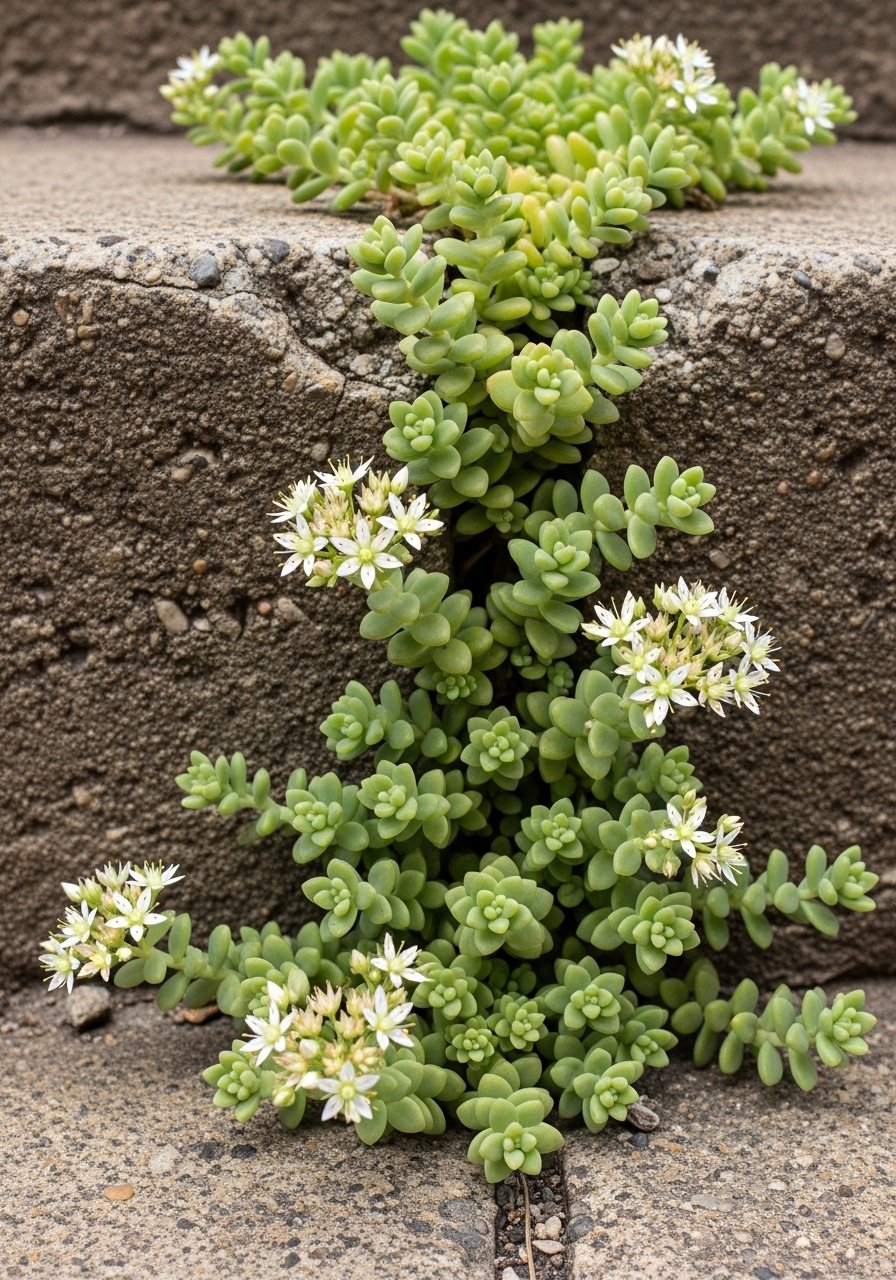
I let Sedum album colonize cracked concrete and it softened harsh edges instantly. It’s a succulent, so it tolerates heat and thin soil. I like its tiny white blooms and how it survives drought summers.
The key is sun and drainage; where I put it in heavy shade it thinned out. Now I plant it in edges, containers, and sunny cracks.
What You’ll Need for This Look
8. Irish Moss (Sagina subulata) for Soft, Low Green Rugs
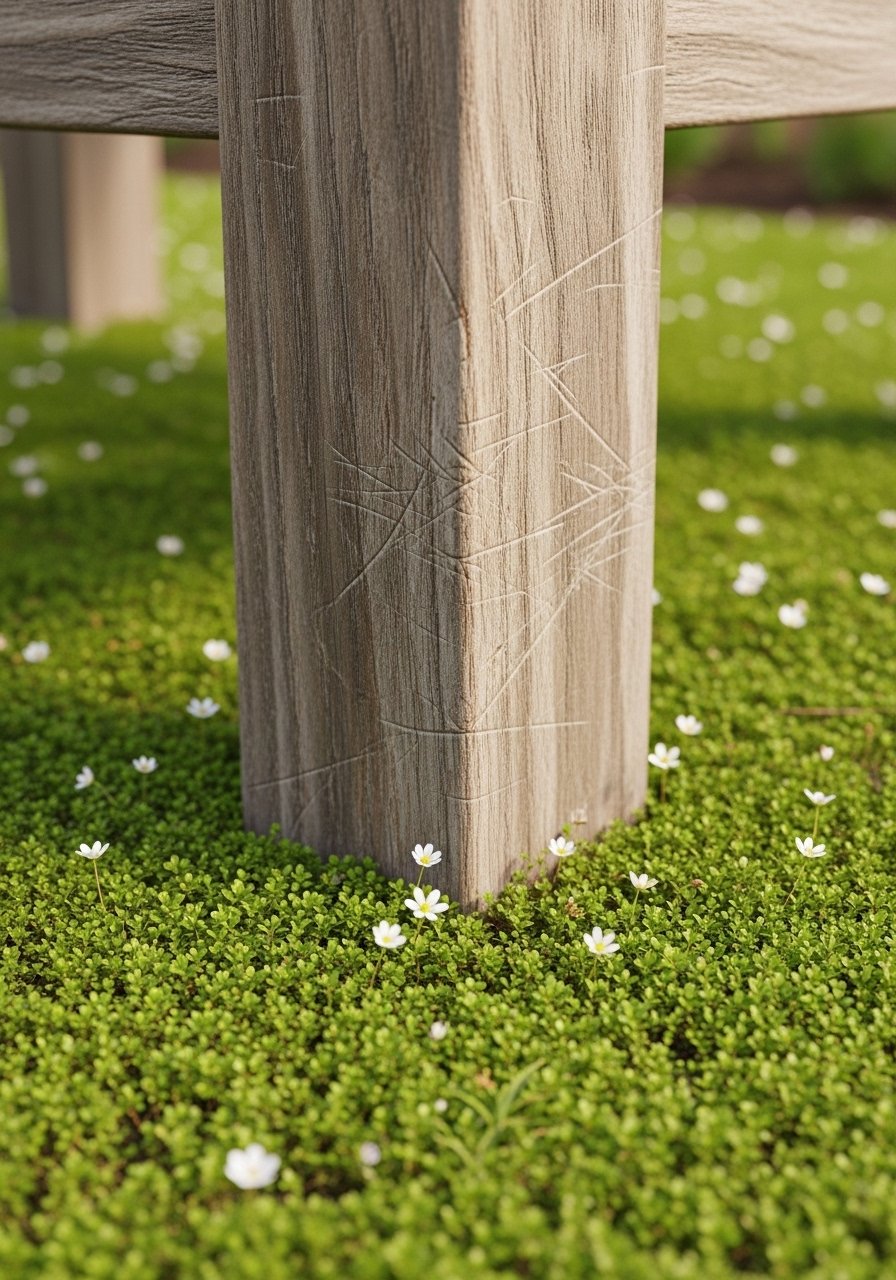
I planted Irish moss around a bench to make a soft green rug that stays low. It likes consistent moisture and bright shade to sun transition. I found it can brown if stepped on constantly, so I save it for edges.
It’s amazing between pavers if you water a bit more. The tiny flowers are a sweet bonus in spring.
What You’ll Need for This Look
- Irish moss (Sagina) plants (pack)
- Small garden bench, weathered wood finish
- Watering can with long spout (1 gal)
9. Lamium maculatum (Variegated Dead-Nettle) for Shade with Pattern
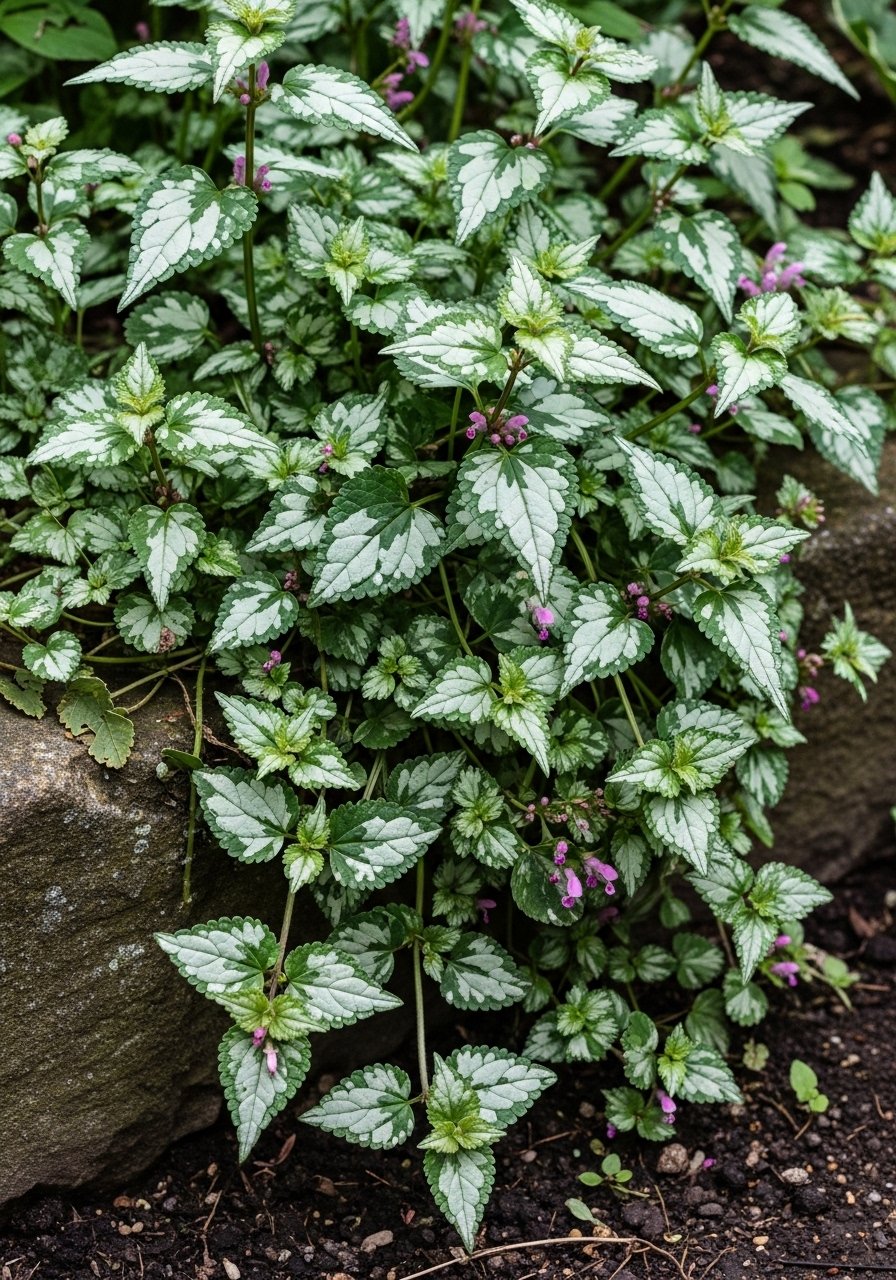
I love lamium’s patterned leaves under my shade trees. It brightens dark corners and stays low. My early mistake was planting a roadside variety that flopped in summer heat—I switched to a cultivar that tolerates warmer microclimates.
It’s a forgiving filler and plays well with hostas and ferns. I just watch for aggressive spread in very fertile beds.
What You’ll Need for This Look
10. Mazus reptans for Spring Carpet and Fast Fill
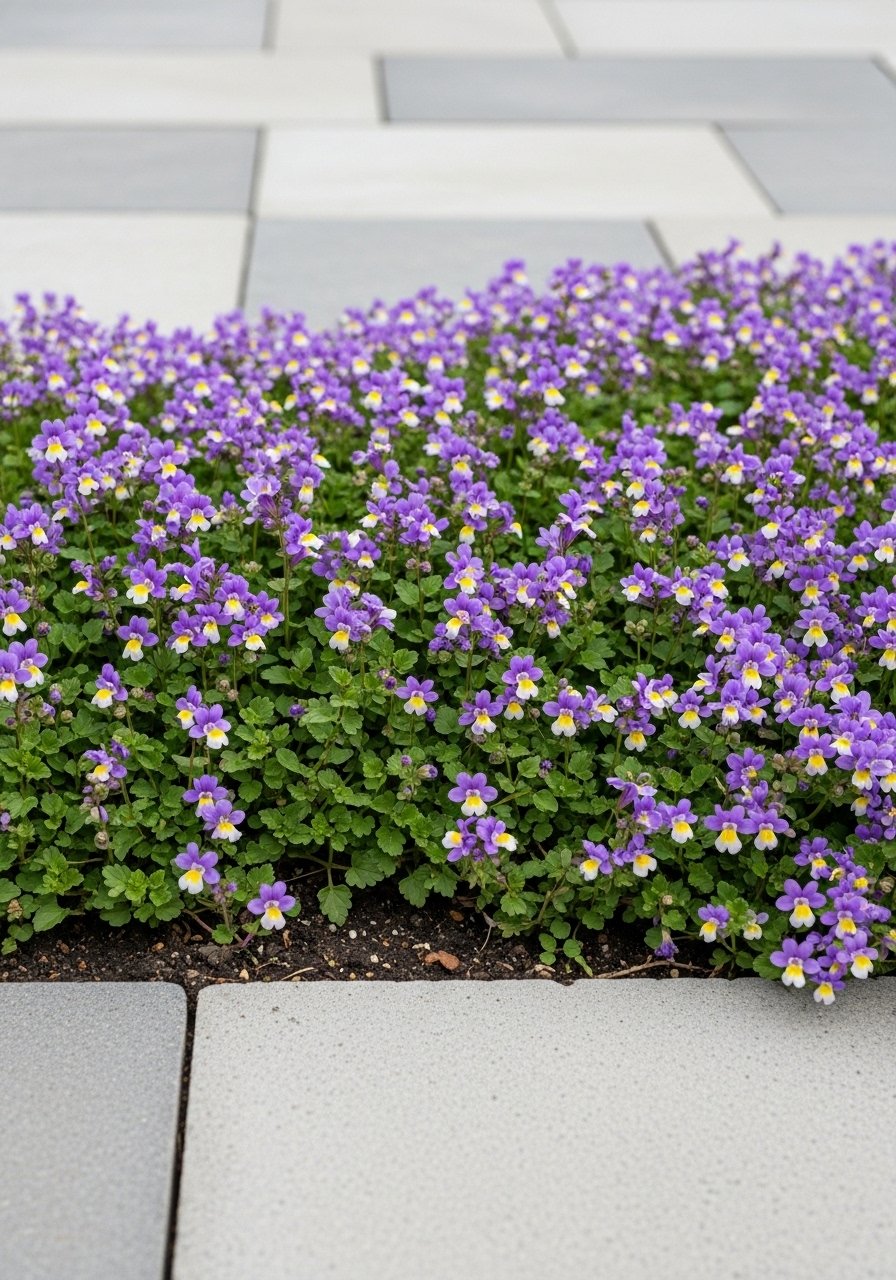
I discovered mazus when I needed quick spring color for a patio gap. It fills fast, flowers early, and tolerates light foot traffic. It dies back a bit in heat but returns quickly in cooler seasons.
I use it where I want a lush spring look without constant planting. It’s especially nice next to containers and low walls.
What You’ll Need for This Look
11. Dichondra repens (Kidney Weed) for a Soft Lawn Alternative
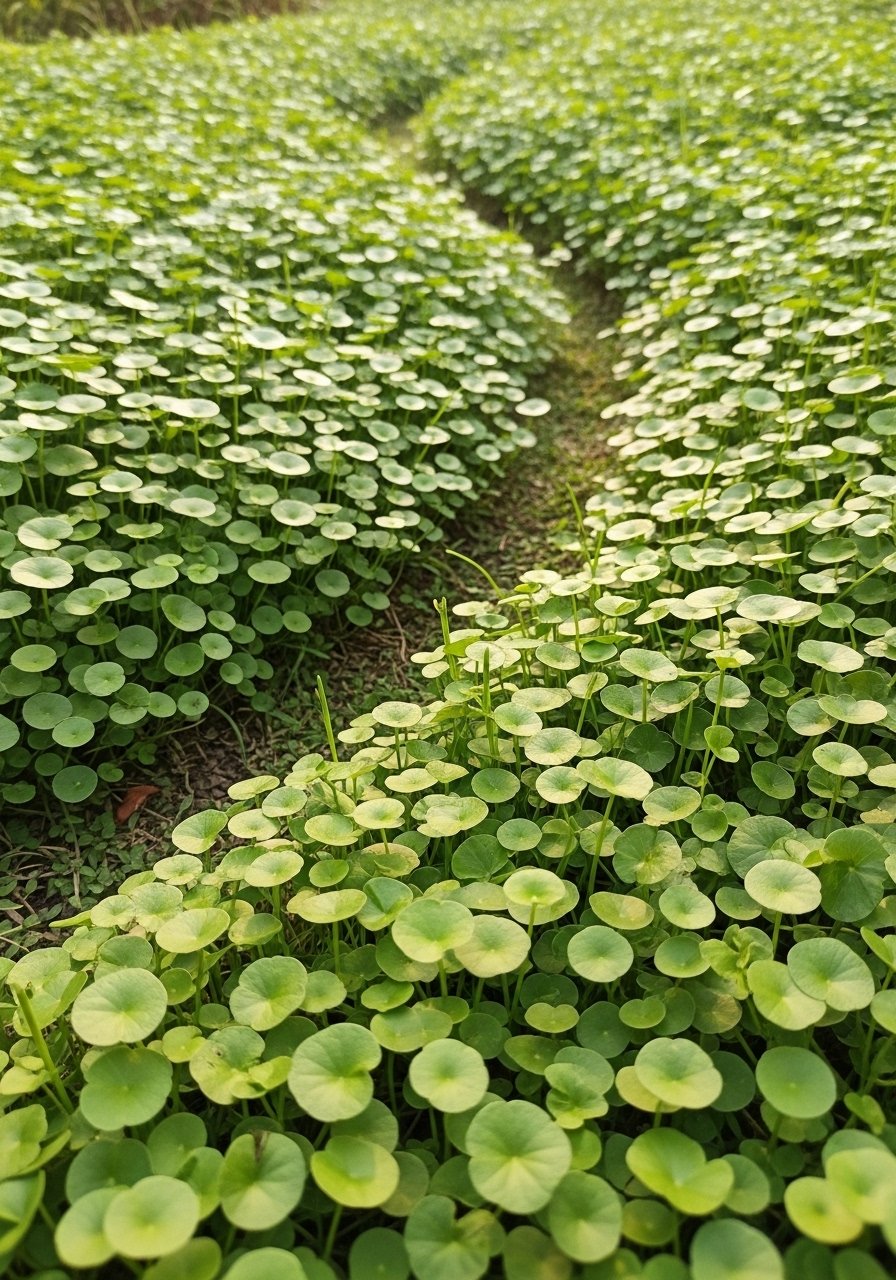
I swapped a tiny front-lawn patch for dichondra and stopped mowing weekly. It stays very low and has a soft, velvety look. It dislikes heavy foot traffic, so I keep it in small, visual lawn pockets.
It’s forgiving in sun or part shade but can thin in drought. A light watering routine keeps it lush without fuss.
What You’ll Need for This Look
12. Liriope spicata for Evergreen Stripes and Easy Borders
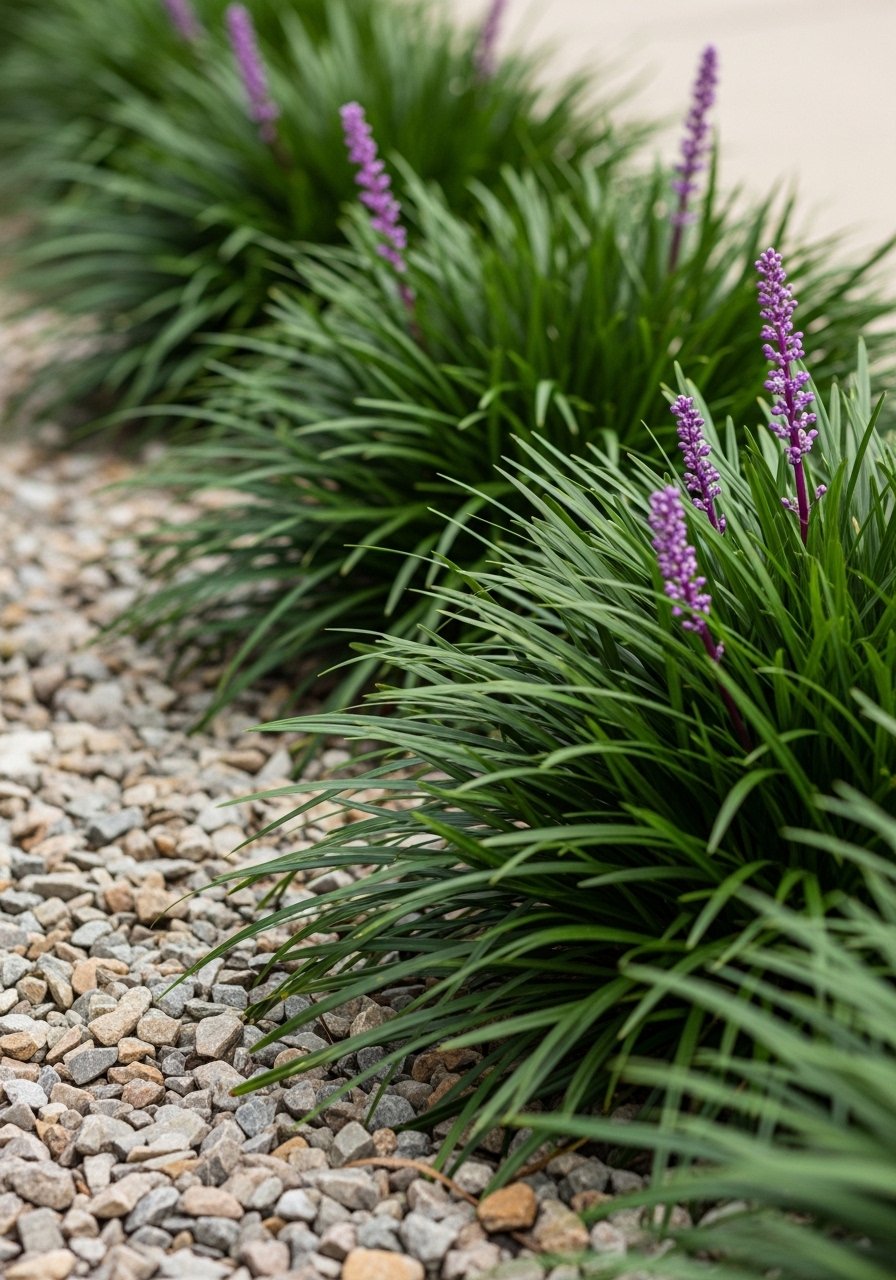
I use Liriope spicata along driveways because it tolerates sun and shade and stays tidy. It forms a dense stripe that resists erosion. I once planted the wrong variety and had larger clumps than I wanted—now I buy the spreading type.
It gives a neat edge without frequent trimming and handles compacted soil well.
What You’ll Need for This Look
13. Creeping Jenny (Lysimachia nummularia) for Bright, Wet Spots
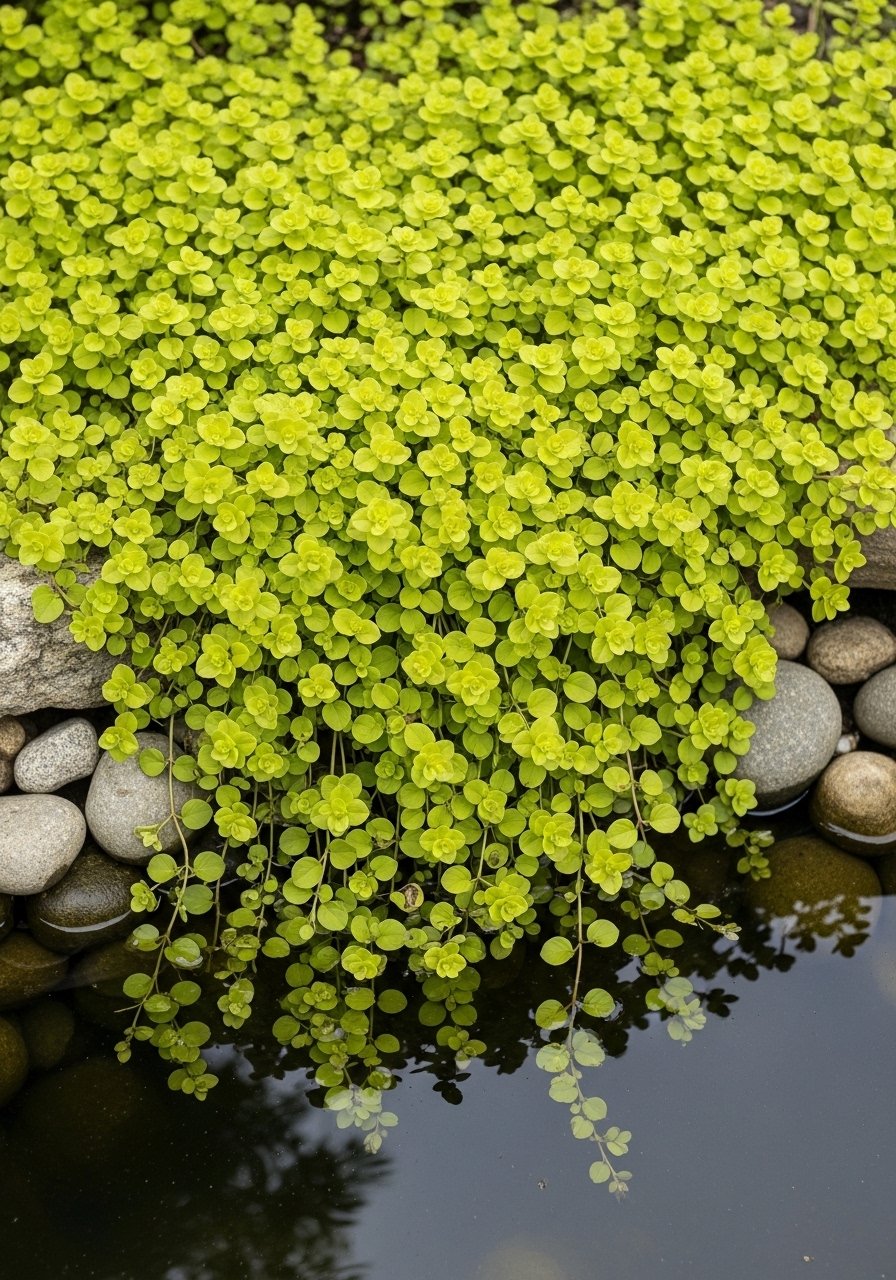
I planted Creeping Jenny at a damp pond edge to add immediate color. Its chartreuse leaves pop against water and it tolerates soggy soil. My mistake was planting it in dry soil where it browned—now I reserve it for wet spots.
It spreads fast, so I plant in contained beds or let it drape from stone-bordered ponds.
What You’ll Need for This Look
14. Creeping Phlox for Spring Color on Slopes
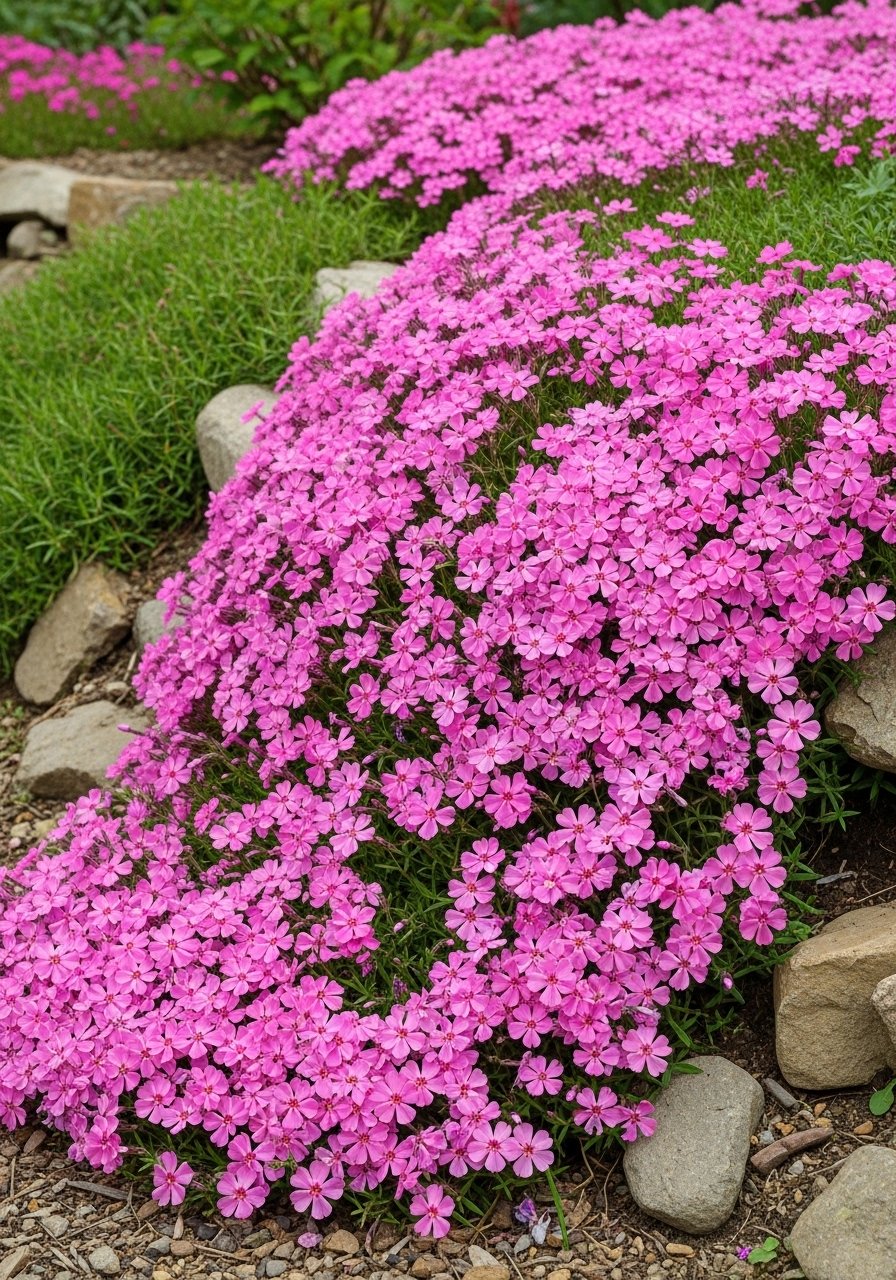
I planted creeping phlox on a sunny slope and loved the spring carpet of flowers. It handles cool winters and bright sun, and it reduces erosion on steeper banks. It dies back after bloom but the foliage still looks tidy.
I now pair it with sedums for summer interest so the slope isn’t bare after phlox fades.
What You’ll Need for This Look
15. Dianthus deltoides (Maiden Pink) for Textured Rock Garden Patches
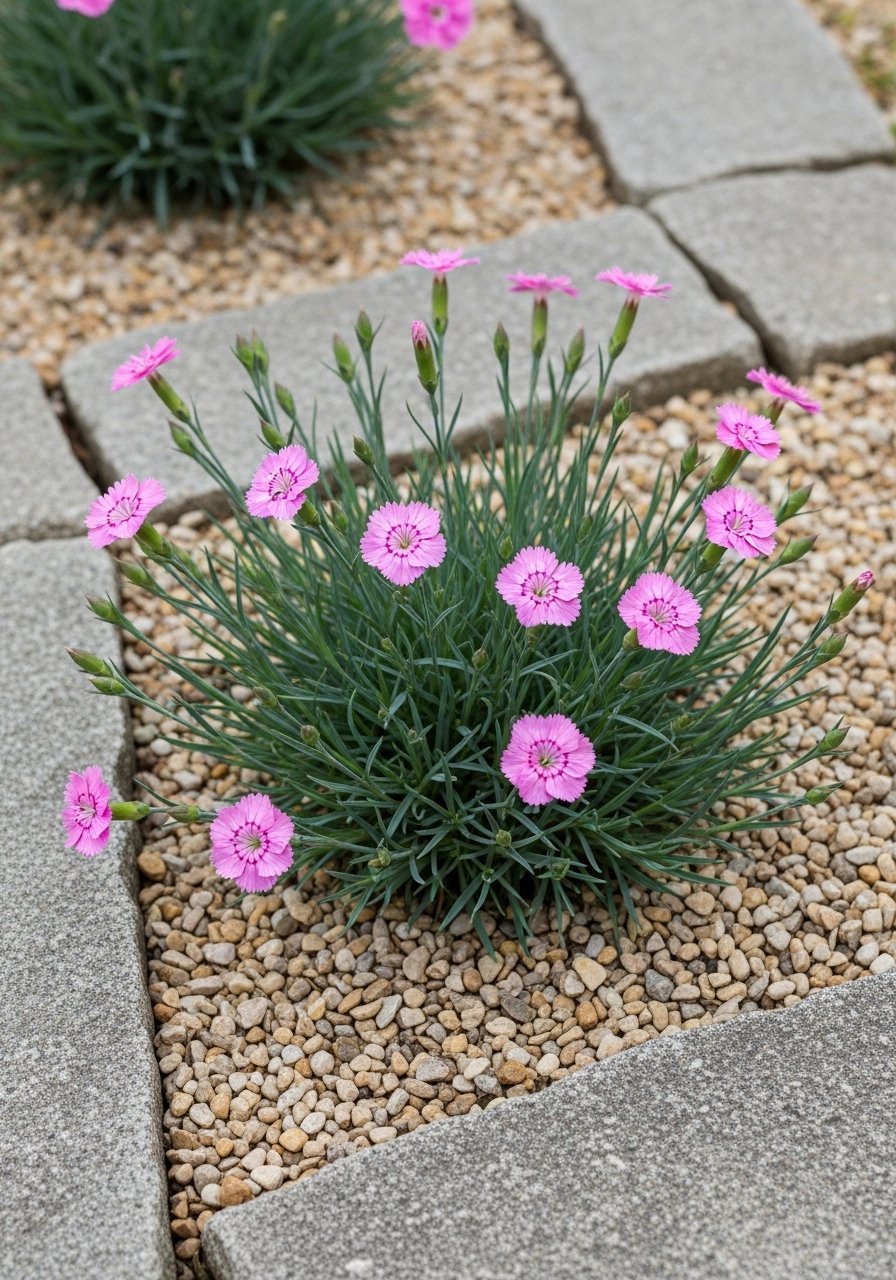
I tucked maiden pink into a sunny rock garden to add a cottagey edge that needs almost no care. It prefers sharp drainage and sun. I learned not to overwater—too much rich soil makes it floppy.
It reseeds lightly in my garden, giving a pleasant, natural spread without being invasive.
What You’ll Need for This Look
16. Aubrieta for Long-Lasting Wall Cascades
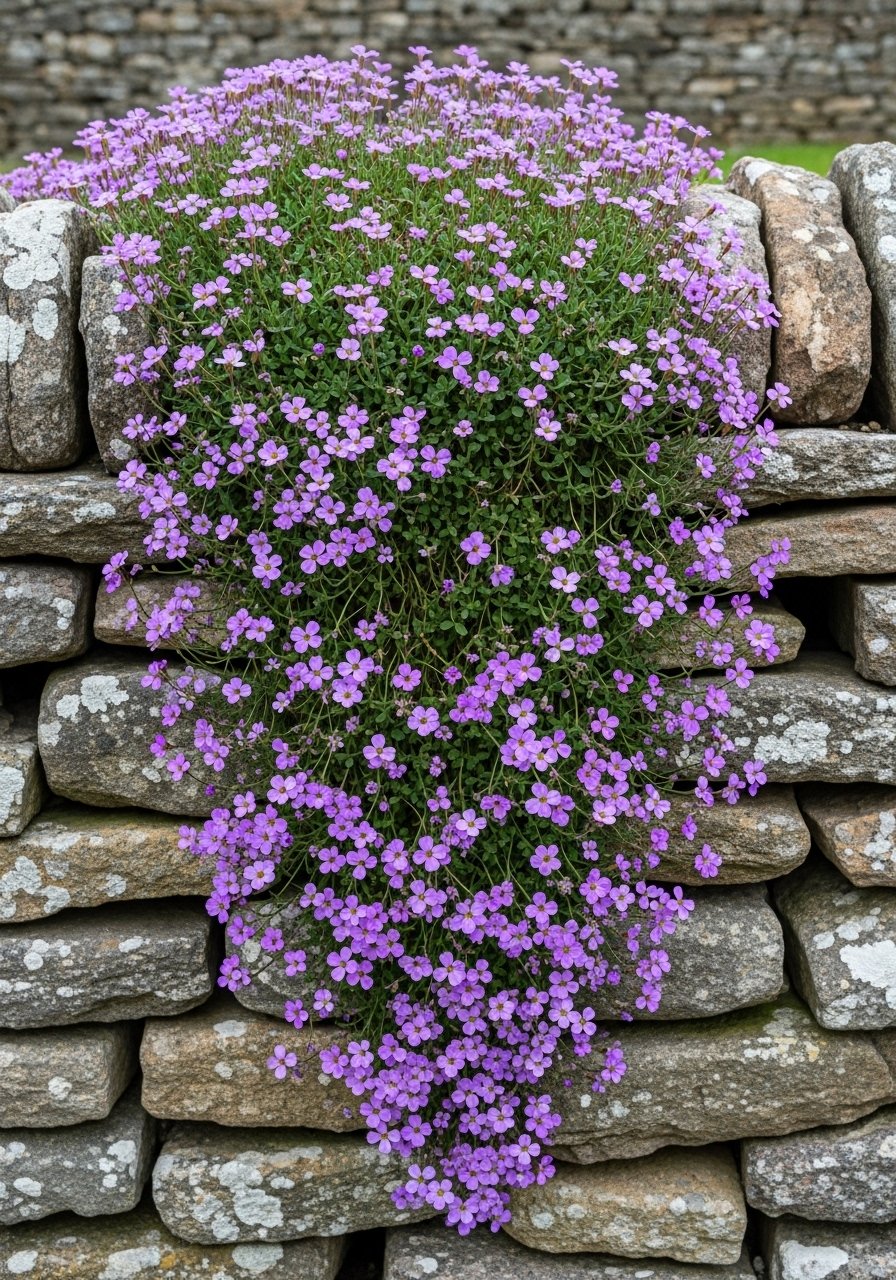
I planted aubrieta along an old wall and it cascaded beautifully each spring. It handles windy, exposed sites and clings to crevices. It’s low and dense, perfect for softening stone edges.
It’s happiest in sun and thin soil—too rich and it sulks. I let it naturalize and only tidy after bloom.
What You’ll Need for This Look
17. Arabis caucasica (Rock Cress) for Early White Spring Bloom
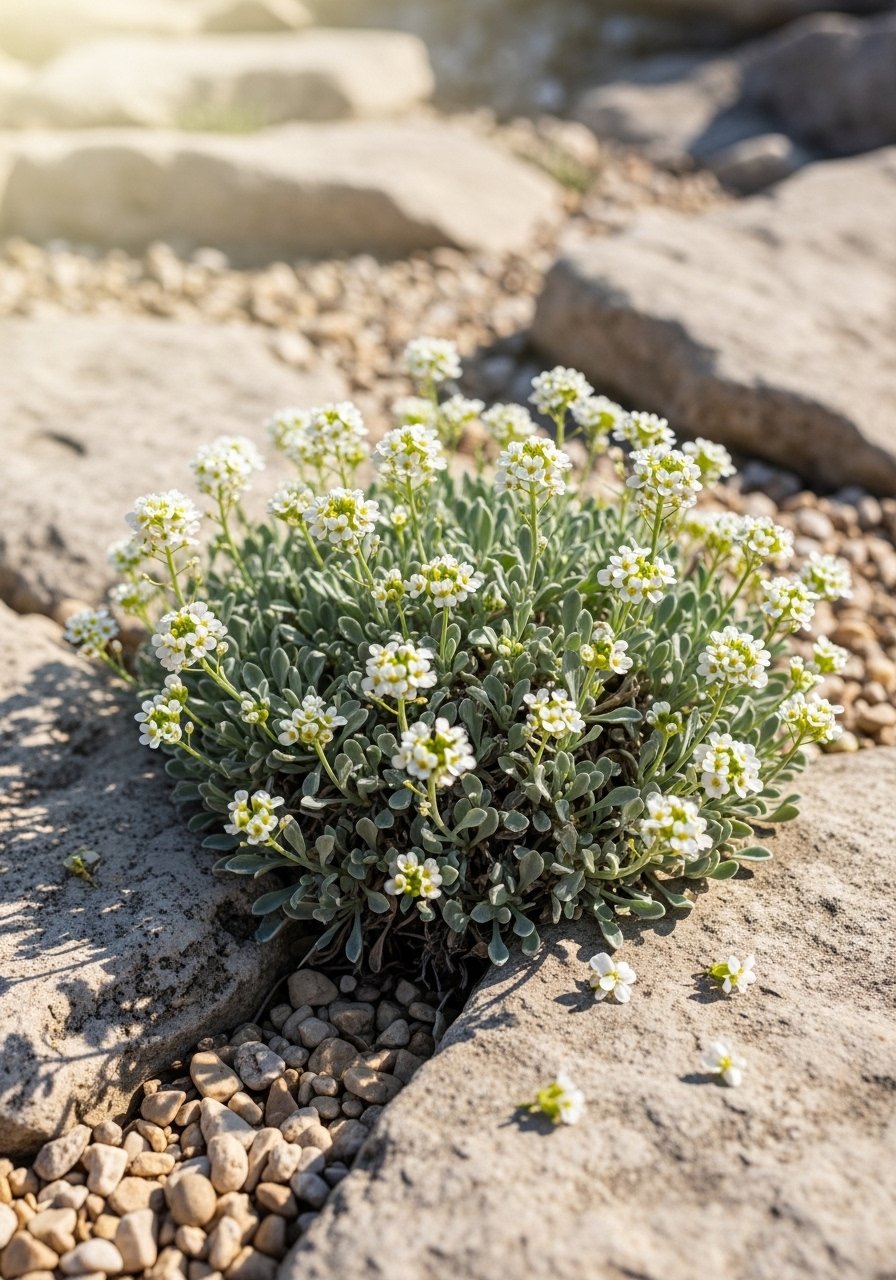
I planted rock cress for reliable early-season white blooms that brighten a stony slope. It’s super low-care, tolerates poor soil, and stays compact. I like that it signals spring before most other ground covers wake up.
It doesn’t need rich soil—lean sites make it happiest. I use it in front of low walls and along sunny walkways.
What You’ll Need for This Look
18. Campanula portenschlagiana (Dwarf Bellflower) for Cracks and Borders
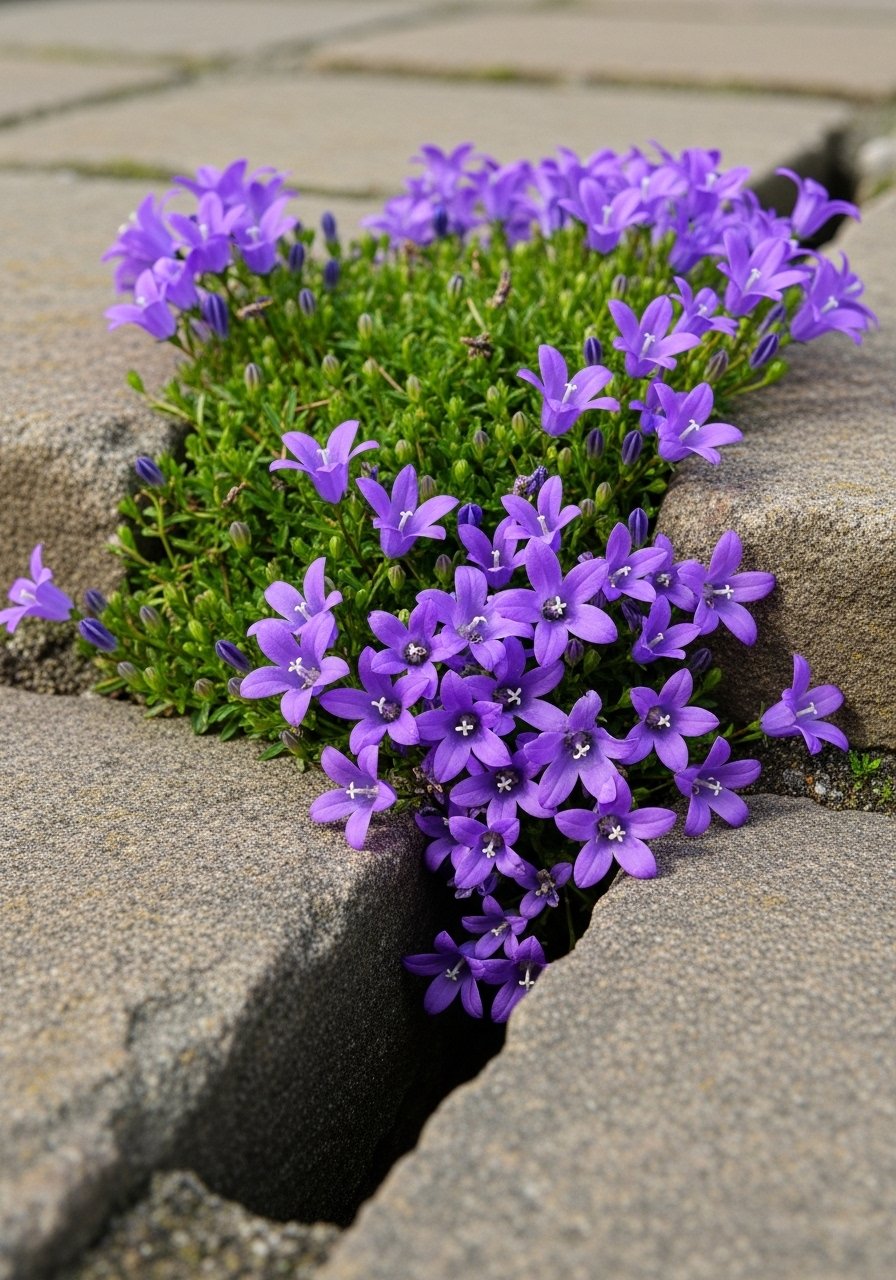
I planted dwarf bellflower in patio cracks for pockets of summer lavender-blue bells. It tolerates some foot traffic and blooms reliably. My early mistake was planting it too deep; I raised the crowns and it recovered.
It’s a great filler for tight spaces where nothing else settles easily. I let it seed lightly where I want a relaxed meadow feel.
What You’ll Need for This Look
19. Euphorbia myrsinites (Donkey Tail Spurge) for Architectural Low-Care Color
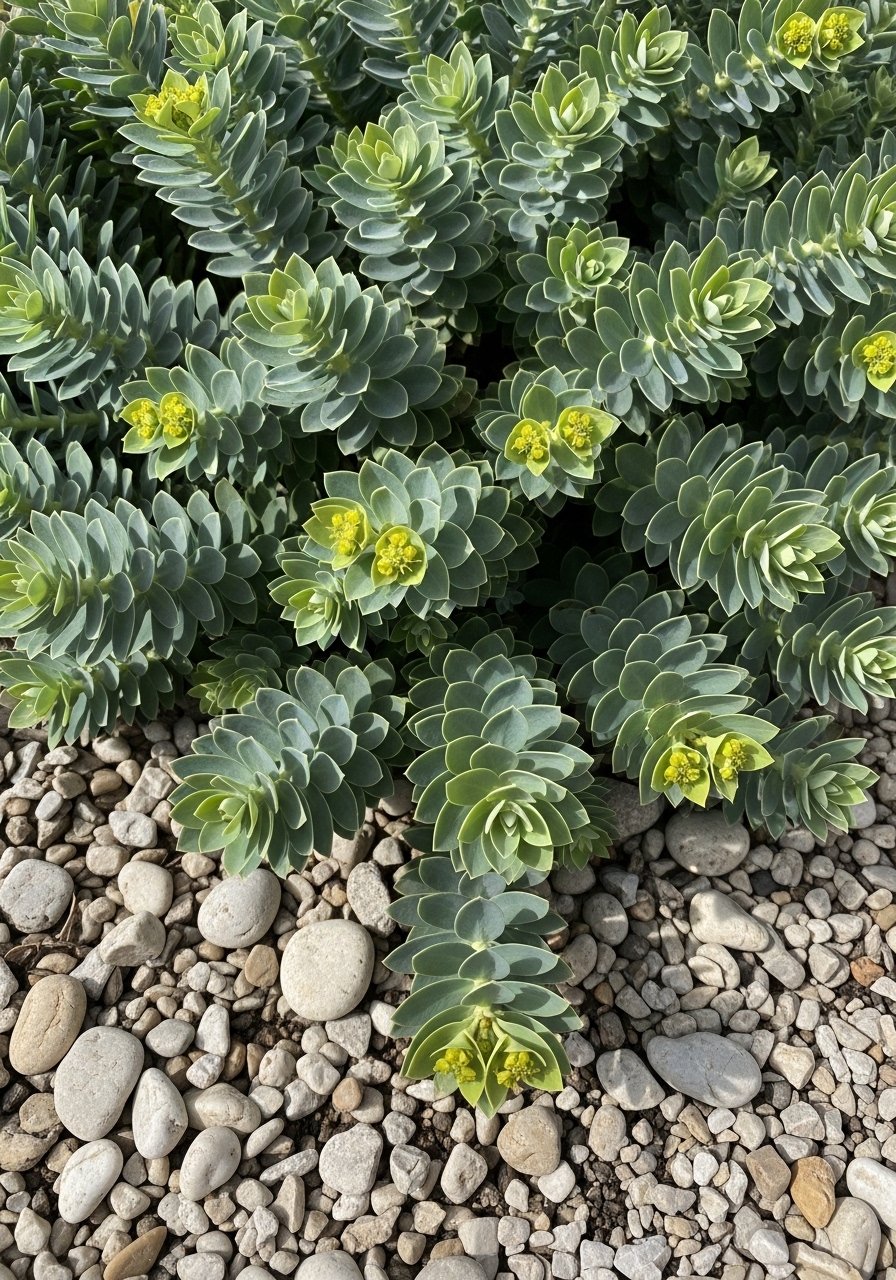
I used donkey tail spurge where I wanted architectural form with minimal water. It holds color through dry spells and adds a modern edge. It can be toxic to pets, so I keep it away from play areas.
It’s drought-hardy and rarely needs feeding. I pair it with gravel and grasses for a clean, low-tending bed.
What You’ll Need for This Look
20. Veronica repens for Low Blue Carpet
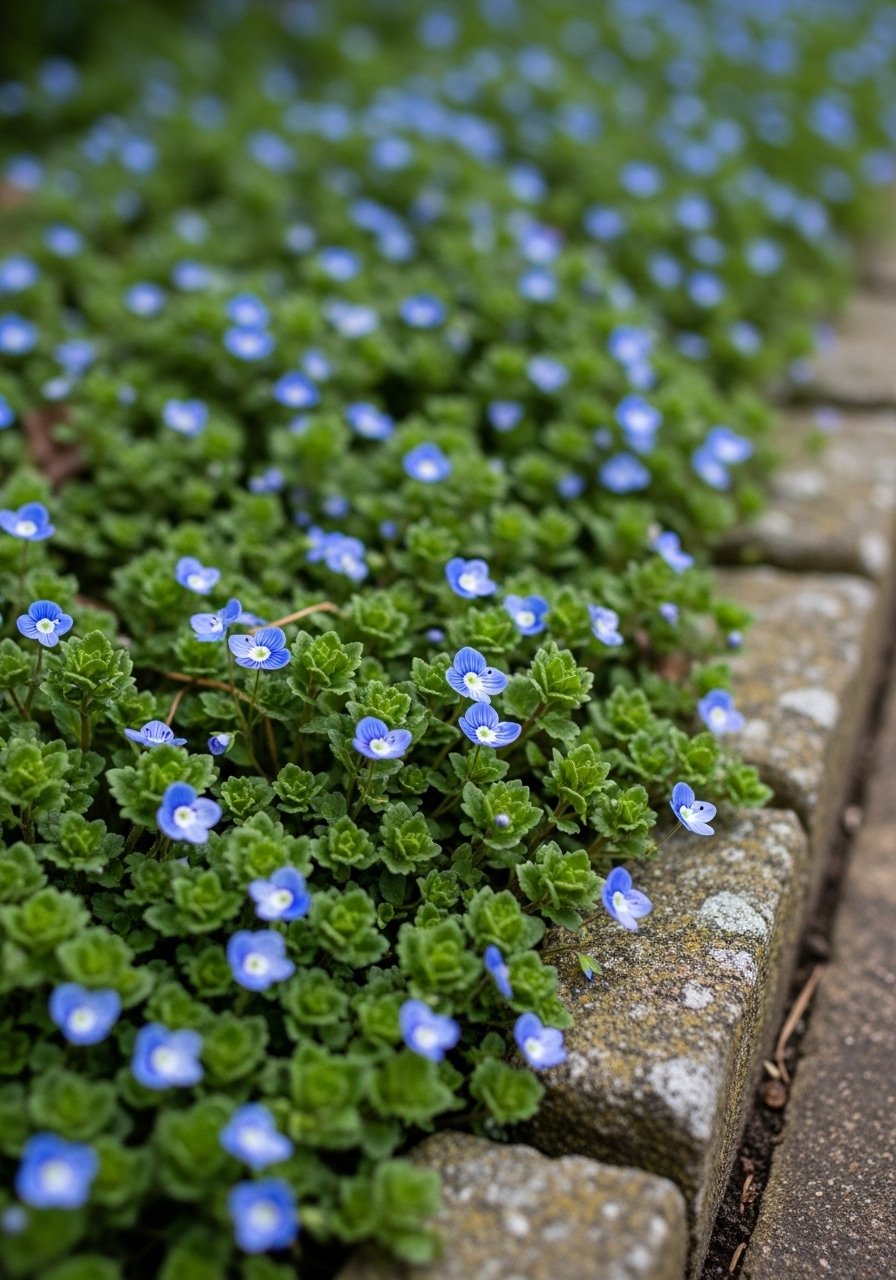
I tried Veronica repens for a low blue carpet that blooms repeatedly. It’s a patient spreader and handles light foot traffic better than some mats. It prefers sun to part shade and looks delicate even when left alone.
I use it in mixed beds where I want a tidy, low ground layer that returns every year without fuss.
What You’ll Need for This Look
21. Wild Strawberry (Fragaria vesca) for Edible Groundcover
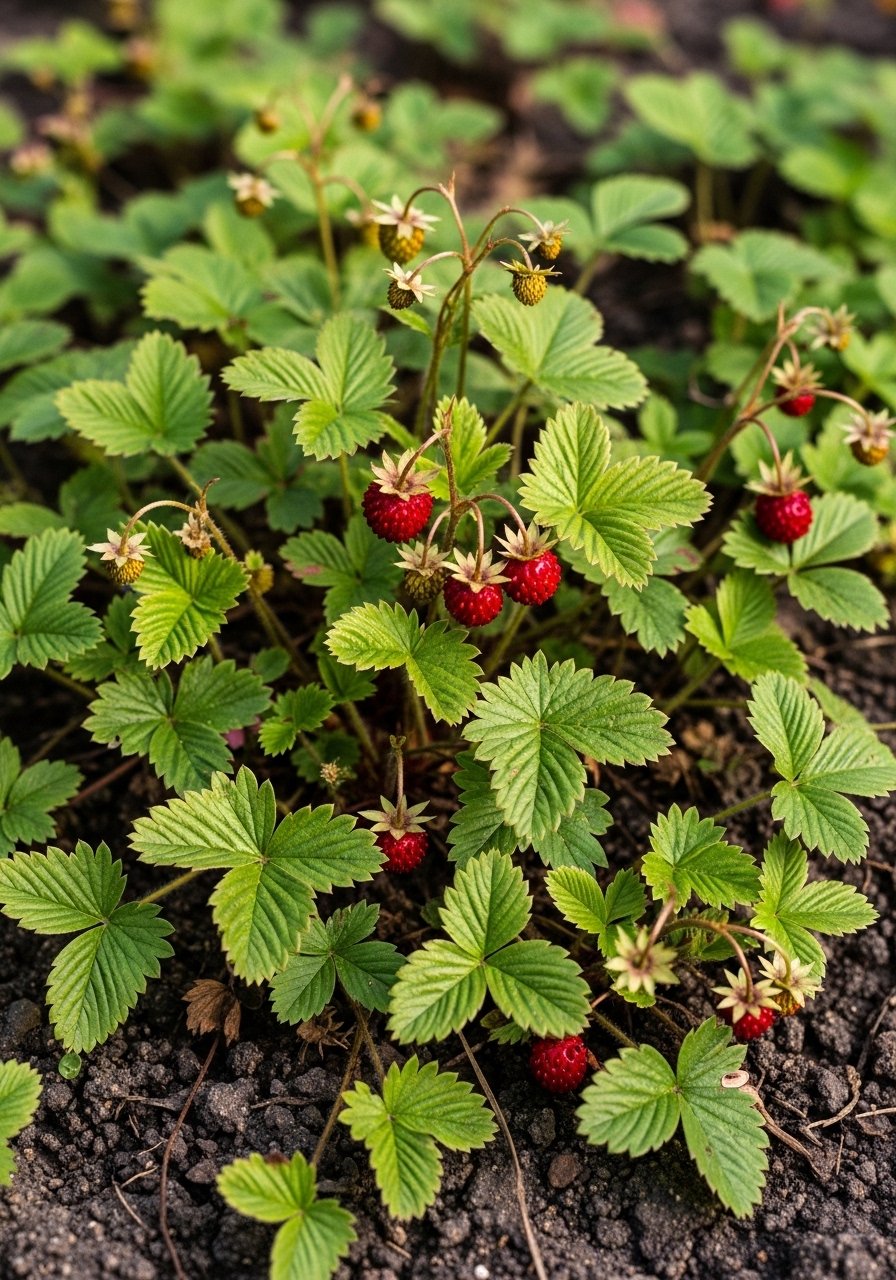
I let wild strawberries roam a sunny patch for an edible groundcover that blooms and fruits. The berries are small but tasty and the flowers are pretty. My early mistake was letting it creep into planted beds—now I keep it contained with low edging.
It’s simultaneously useful and pretty. I pick berries and enjoy the low, pet-friendly cover in spring and early summer.
What You’ll Need for This Look
22. Sweet Woodruff (Galium odoratum) for Shady, Fragrant Paths
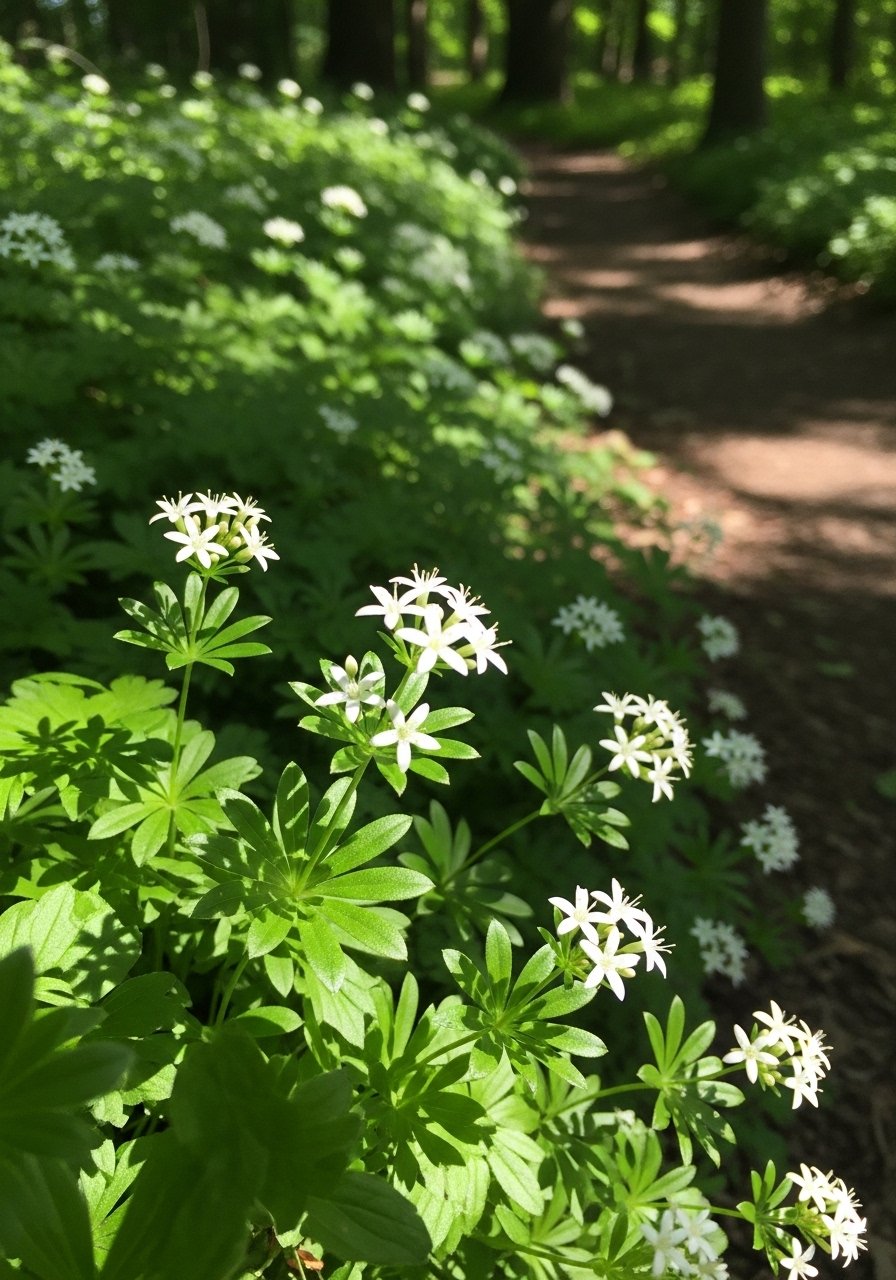
I plant sweet woodruff along shaded garden paths; its spring scent is lovely when damp. It forms a neat carpet and tolerates deep shade. It dies back in hot summers here but comes back in cooler seasons.
It’s an easy, fragrant choice for underplanting shrubs and creating soft walkways without mowing.
What You’ll Need for This Look
23. Phyla nodiflora (Lippia / Frogfruit) for Hot, Low Water Lawns
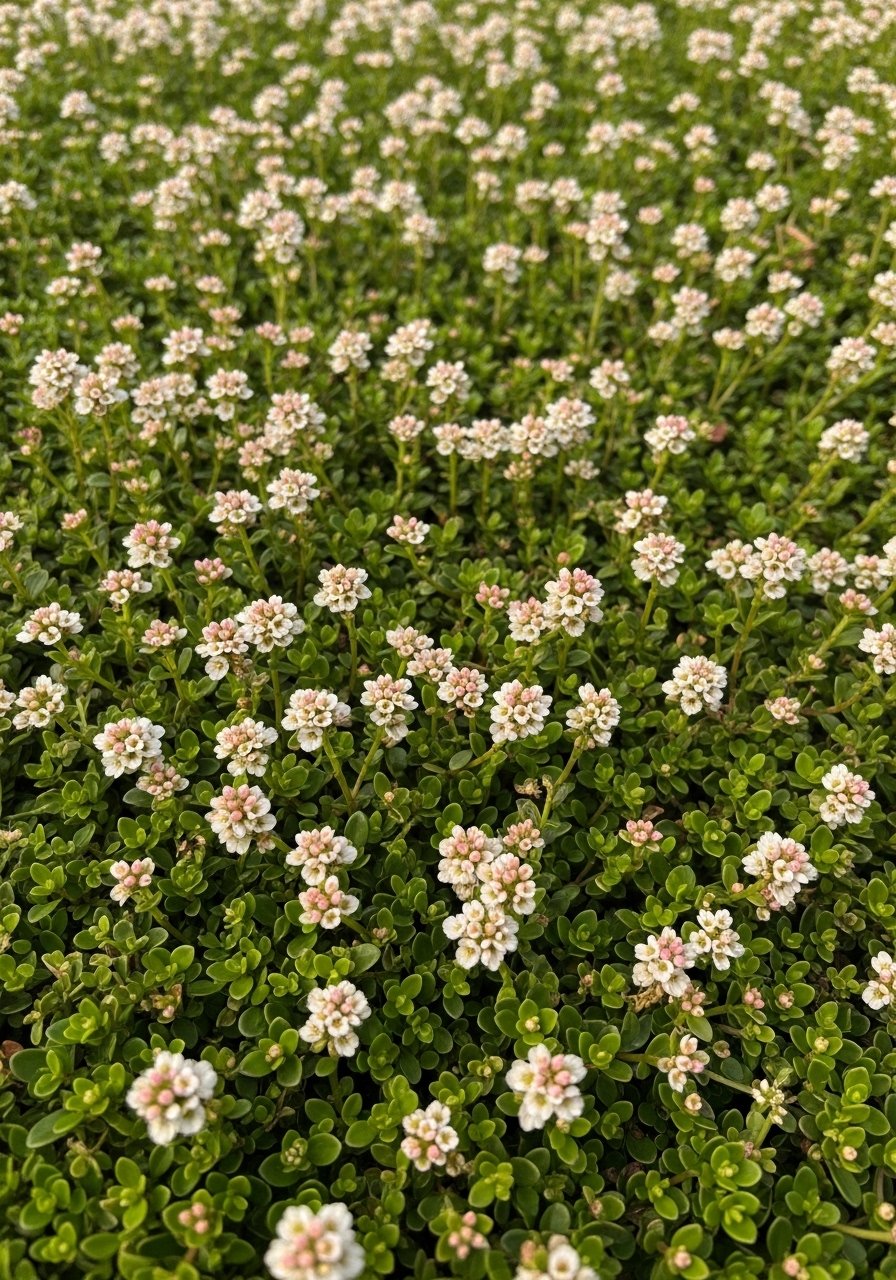
I used lippia as a hot-climate lawn substitute on a patch where grass kept failing. It tolerates heat and little water and blooms with tiny white flowers. It spreads to cover quickly and recovers from neglect.
It’s especially useful in coastal or southern yards where standard grass struggles. I treat it like a living mulch.
What You’ll Need for This Look
24. Mondo Grass (Ophiopogon japonicus) for Evergreen Texture
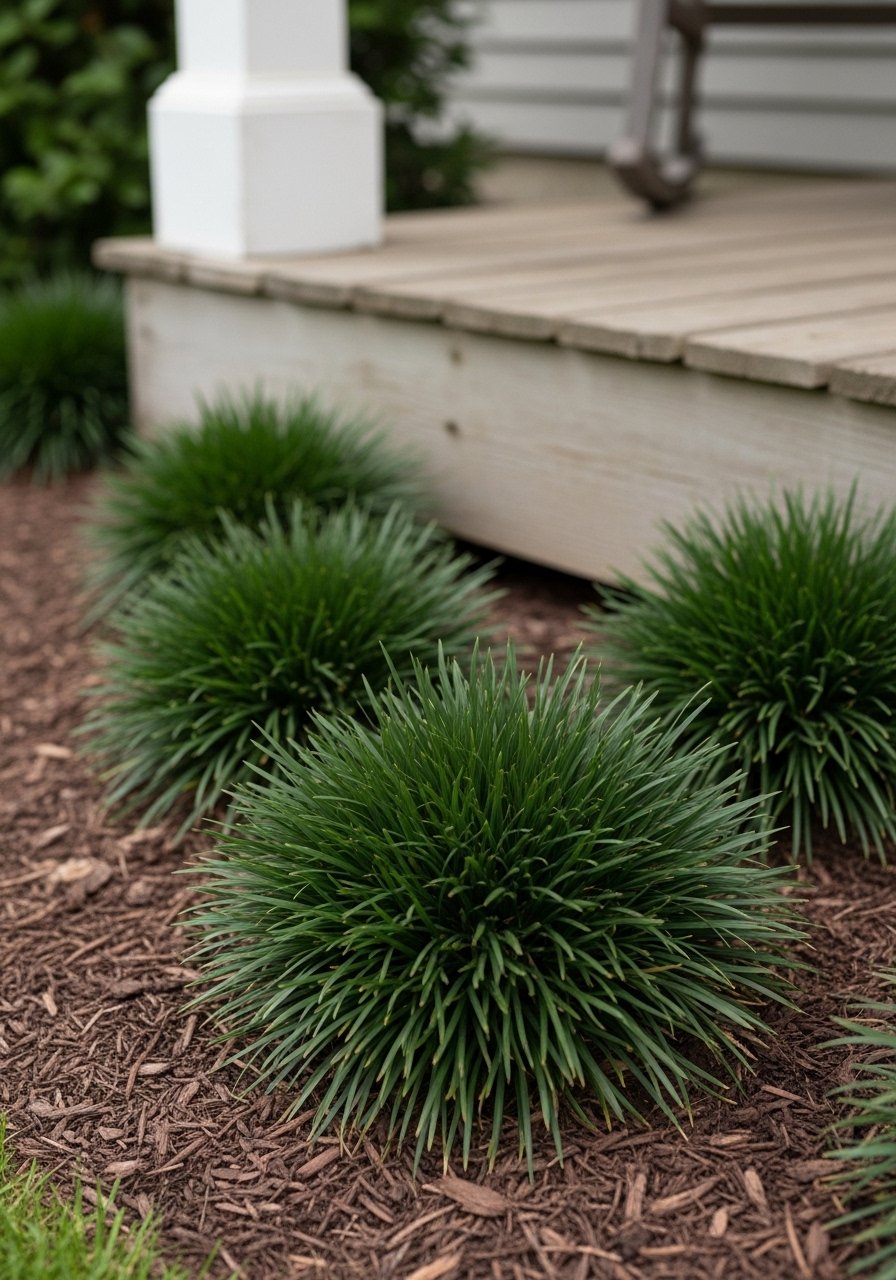
I plant mondo grass in narrow borders and under shrubs for evergreen texture. It’s slower than liriope but finer and cleaner. It tolerates shade and I hardly need to care for it.
I learned that planting in groups creates a stronger visual impact than single blades scattered about.
What You’ll Need for This Look
25. Blue Star Creeper (Isotoma fluviatilis) for Tiny Starry Ground Cover
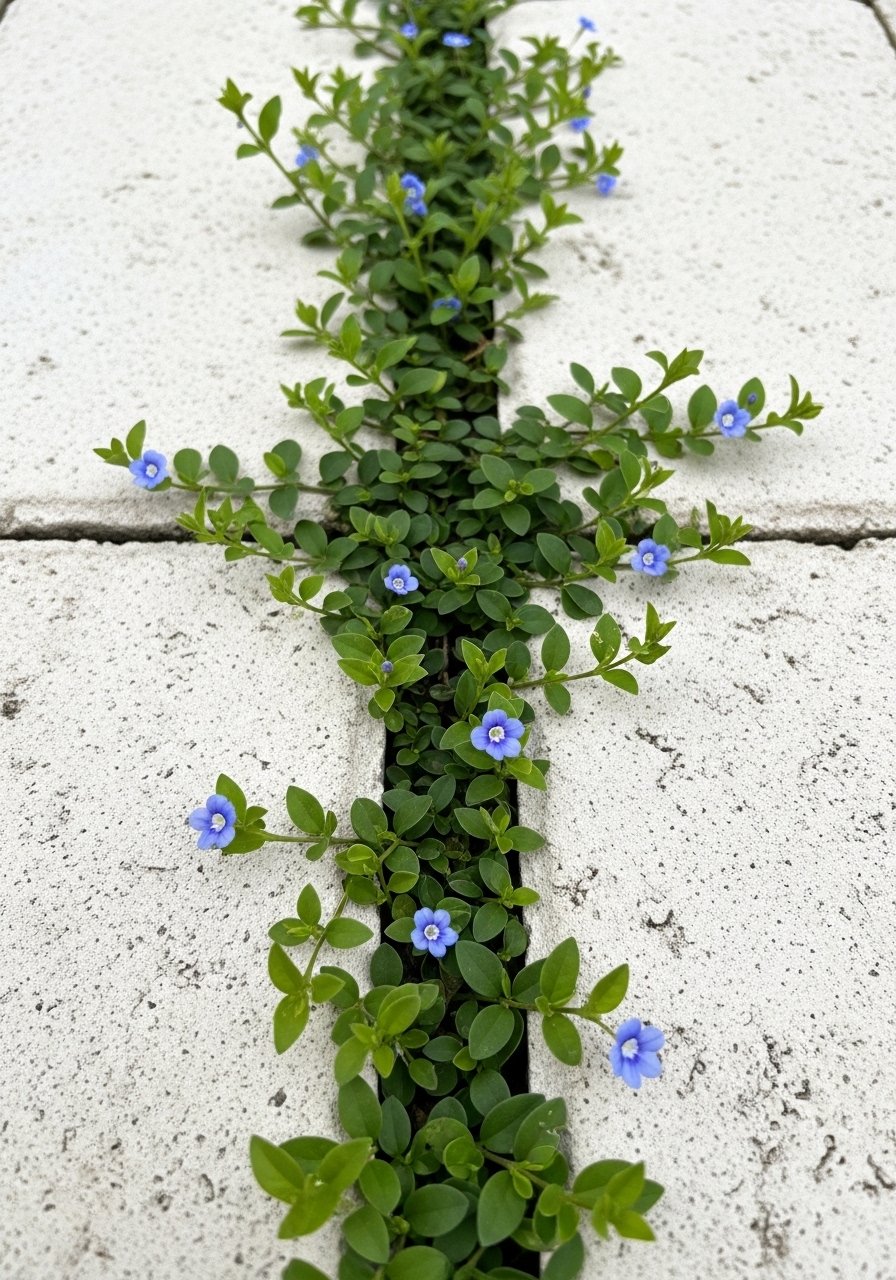
I use blue star creeper between pavers for a delicate, starry look. It tolerates light foot traffic and fills gaps gracefully. It’s low-growing and flowers intermittently through the season in my yard.
I water it more during heatwaves and it rewards me with a soft, integrated patio surface.
What You’ll Need for This Look
26. Sedum rupestre 'Blue Spruce' for Architectural Succulent Lines
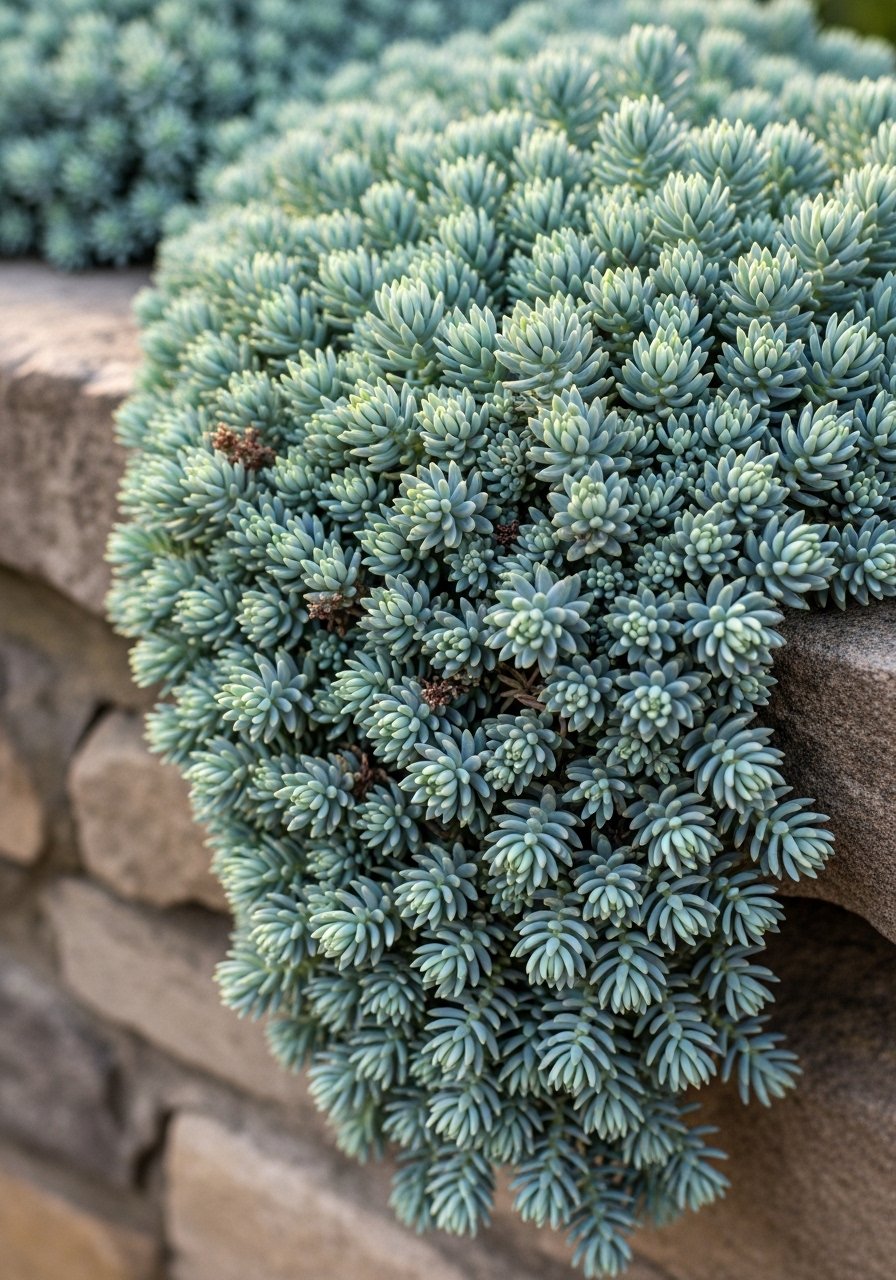
I plant Blue Spruce sedum along ledges and sunny borders for sculptural texture. It tolerates drought and poor soil and keeps a neat thread of color through summer. It’s low and slowly spreads into a pleasing mat.
It’s practically care-free once established and pairs well with grasses and other succulents.
What You’ll Need for This Look
- Sedum rupestre 'Blue Spruce' plants (pack)
- Terracotta tray for succulents, 12 inch
- Succulent fertilizer, low nitrogen
27. Armeria maritima (Sea Thrift) for Coastal Toughness and Pink Pom-Poms
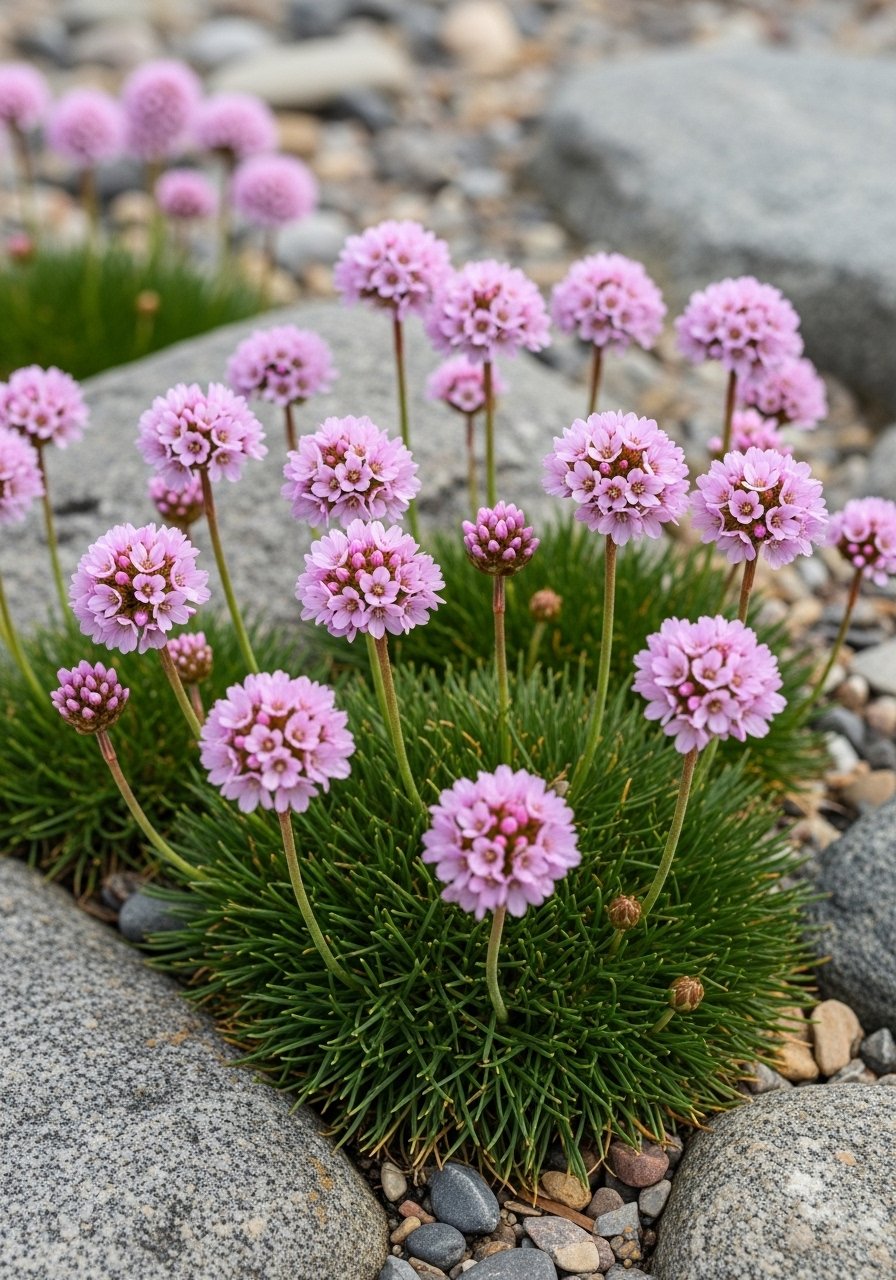
I use sea thrift on exposed banks and coastal-style borders because it shrugs off wind and salt spray. The little pom-pom flowers add a long-lasting spring-to-summer display. It’s compact and likes gritty soil.
It’s one of those plants that looks intentional even when you forget it for weeks.
What You’ll Need for This Look
- Armeria maritima plants (pack)
- Sandy soil mix for coastal plants, small bag
- Rock mulch, coastal style (small)
Final Thoughts
Low-maintenance ground covers change the garden by doing the slow, steady work. I don’t plant everything at once; I pick a few places and let them settle.
Start with one or two of these and buy the small tools or edging I mentioned. You’ll see steady payoff without daily chores.
Leave a Reply