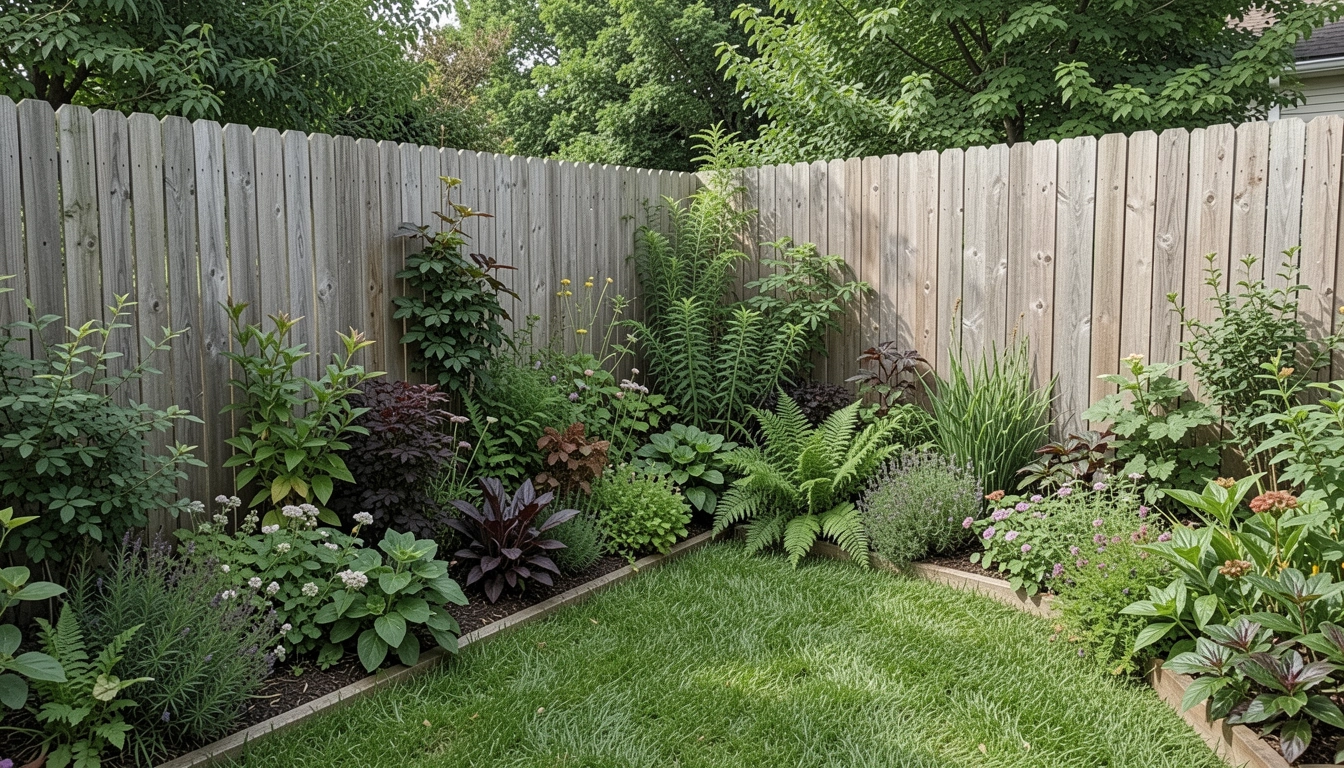
I remember staring at my backyard last summer. Neighbors' glances over the low hedge. My patio felt exposed, like sitting on stage. Plants couldn't hide it alone.
I wanted privacy without walls closing in. Something that fit the garden's loose lines.
This fence changed that. It settled right in.
How To Install Fence For Garden Privacy
This shows you how I put up a simple slatted fence for garden privacy. You'll end up with a quiet, enclosed spot that blends with your plants. It's straightforward if you go slow.
What You’ll Need
- 6-foot cedar fence panels, slatted for airflow
- Galvanized steel post anchors, 4×4 size
- Pressure-treated 4×4 posts, 8-foot length
- Exterior wood screws, 3-inch galvanized
- Clematis vine plants, evergreen variety
- Landscape fabric stakes, 12-inch metal
- Wood preservative stain, natural cedar tone
Step 1: Pick Your Fence Line
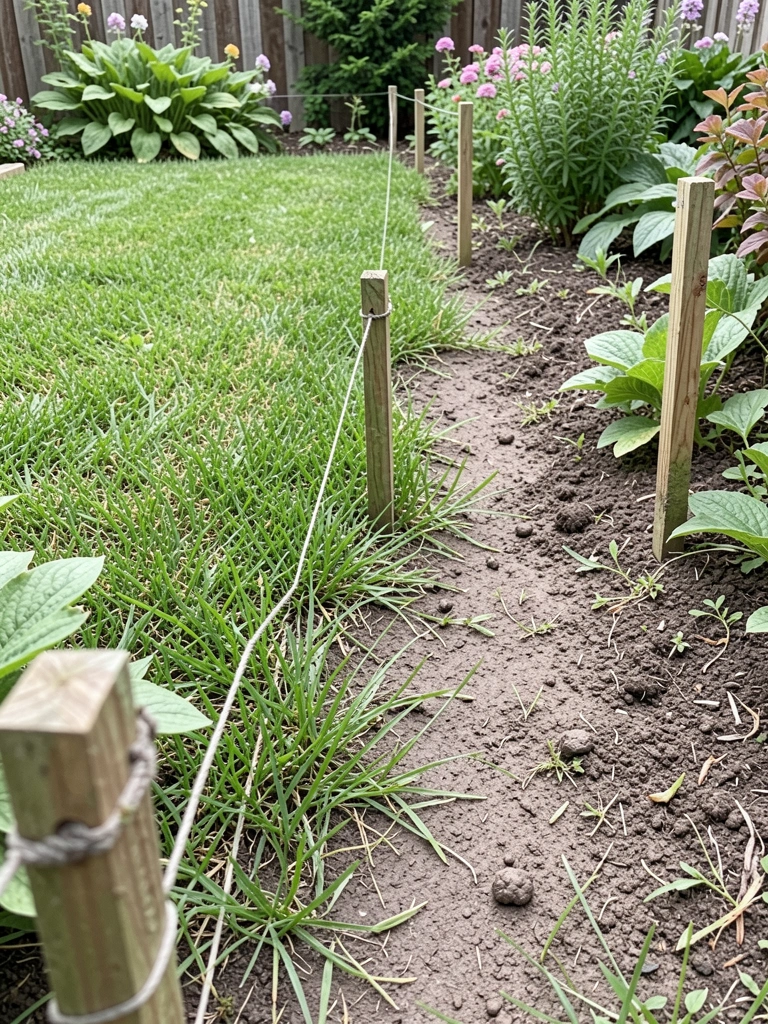
I walk the edge first. Where does the garden need quiet? Not straight along property lines. Curve it to hug my patio corner. That pulls eyes inward.
Visually, it shifts. Open yard turns cozy pocket. Plants on one side frame it now.
People miss how line sets mood. Straight feels rigid. I avoid forcing it against a bed—leaves no room for growth.
Stay back from paths. One foot gives breathing space.
Step 2: Set the Posts

I dig where it feels solid. No low spots that puddle. Posts go in every six feet. That spacing holds panels steady without crowding.
Now the line stands tall. Skeleton outlines privacy. Shadows fall soft across grass.
Insight: Level each post alone first. Whole run tilts if not. Skip that, it leans over time.
Don't bury too deep. Frost line matters, but surface set works in my zone.
Step 3: Hang the Panels
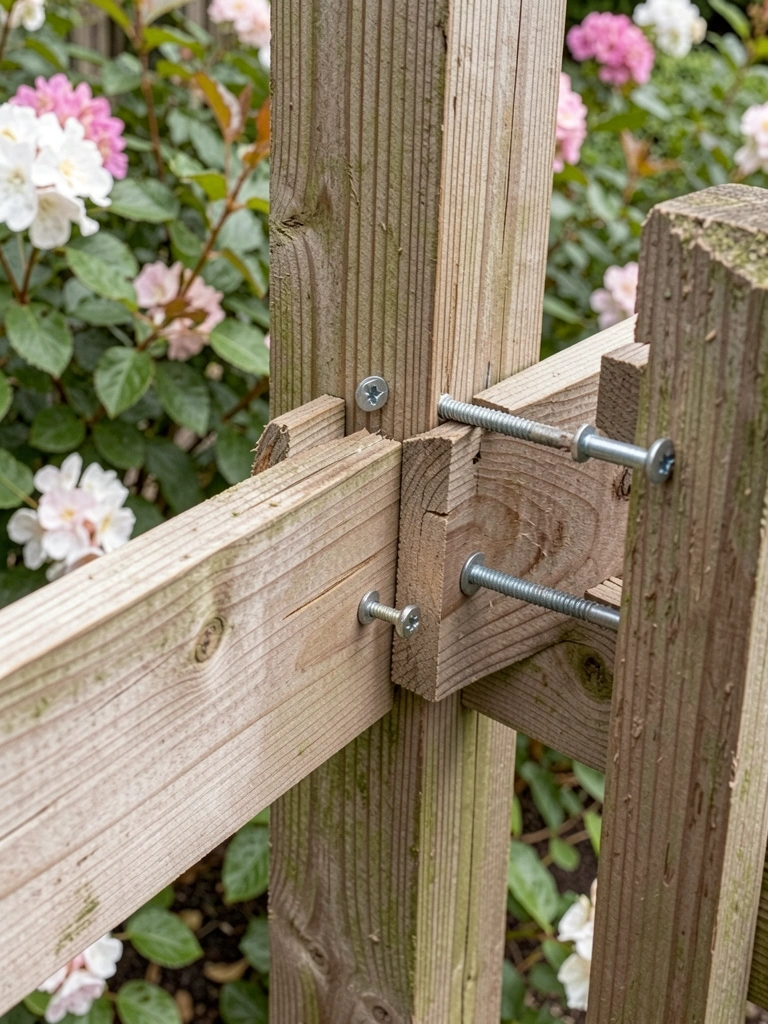
Panels slot between posts. I level as I screw. Eye it from seating spot—does it block views clean?
Fence fills out. Garden shrinks to my scale. Feels held, not shut off.
Missed bit: Overlap ends slight. Gaps let peeks through. I check sitting down.
Screw loose at corners. Wind catches there first.
Step 4: Blend with Plants

I plant climbers at base. Clematis roots in loose soil. Train stems up slats slow.
Green softens wood fast. Fence recedes, plants lead. Balance tips natural.
Folks forget sun check. Vines shade wrong spots. Test light first.
Avoid crowding roots. Space them wide for spread.
Step 5: Seal and Settle
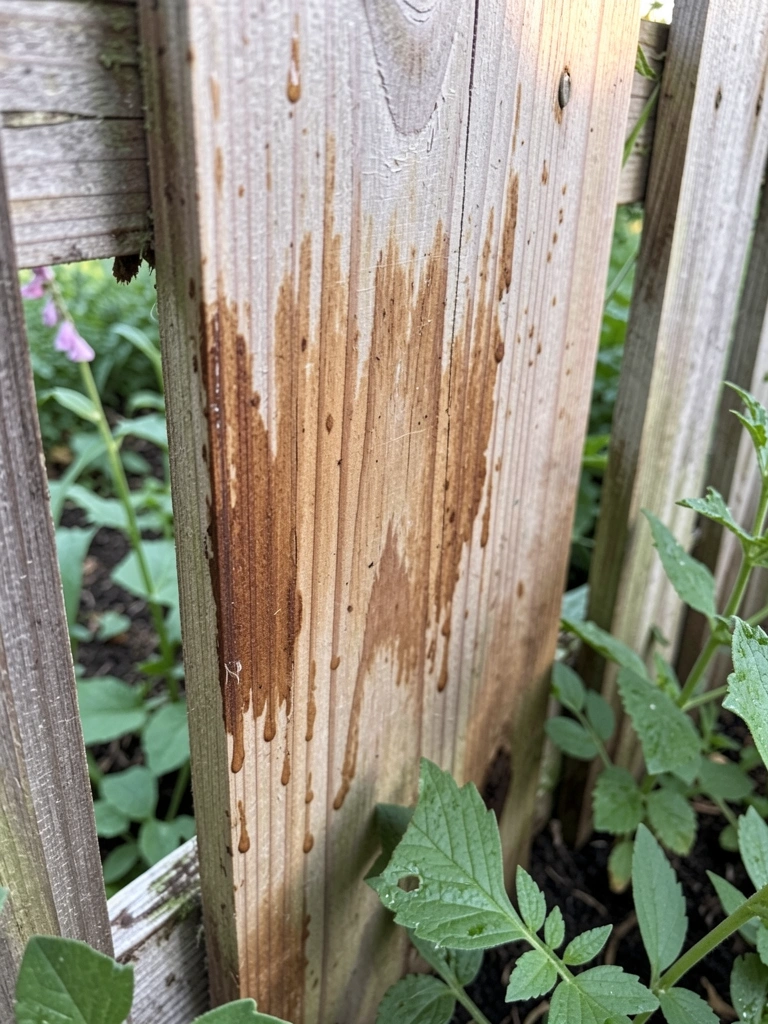
Stain goes on damp wood. One coat sinks in. Matches my deck tone.
Color warms it. Feels part of yard now, not add-on.
Overlook drying time. Rain warps fresh stain. Wait two days.
Step back often. Tweak if it jars.
Choosing Fence Height and Style
Height matters for feel. I stick to six feet. Blocks sightlines without looming.
Style follows garden. Slats let breeze through. Solid boards trap heat.
- Eye low gaps from chairs.
- Match wood grain to beds.
- Test wind sway before full run.
It settles the space right.
Pairing Plants for Year-Round Privacy
Plants layer coverage. Evergreens base, vines climb.
I mix heights. Low shrubs fill bottoms.
- Clematis for summer screen.
- Holly for winter hold.
- Mulch to keep soil cool.
Privacy builds gradual, lives with seasons.
Handling Common Fence Issues
Settling happens. Posts shift slight.
I check yearly. Tighten screws quiet.
- Trim vines before tangle.
- Re-stain fades spots.
- Clear debris at base.
Small fixes keep it balanced.
Final Thoughts
Start with one section. See how it sits.
You'll feel the shift. Garden pulls inward.
Privacy comes quiet. Just right enclosure. Yours now.
Leave a Reply