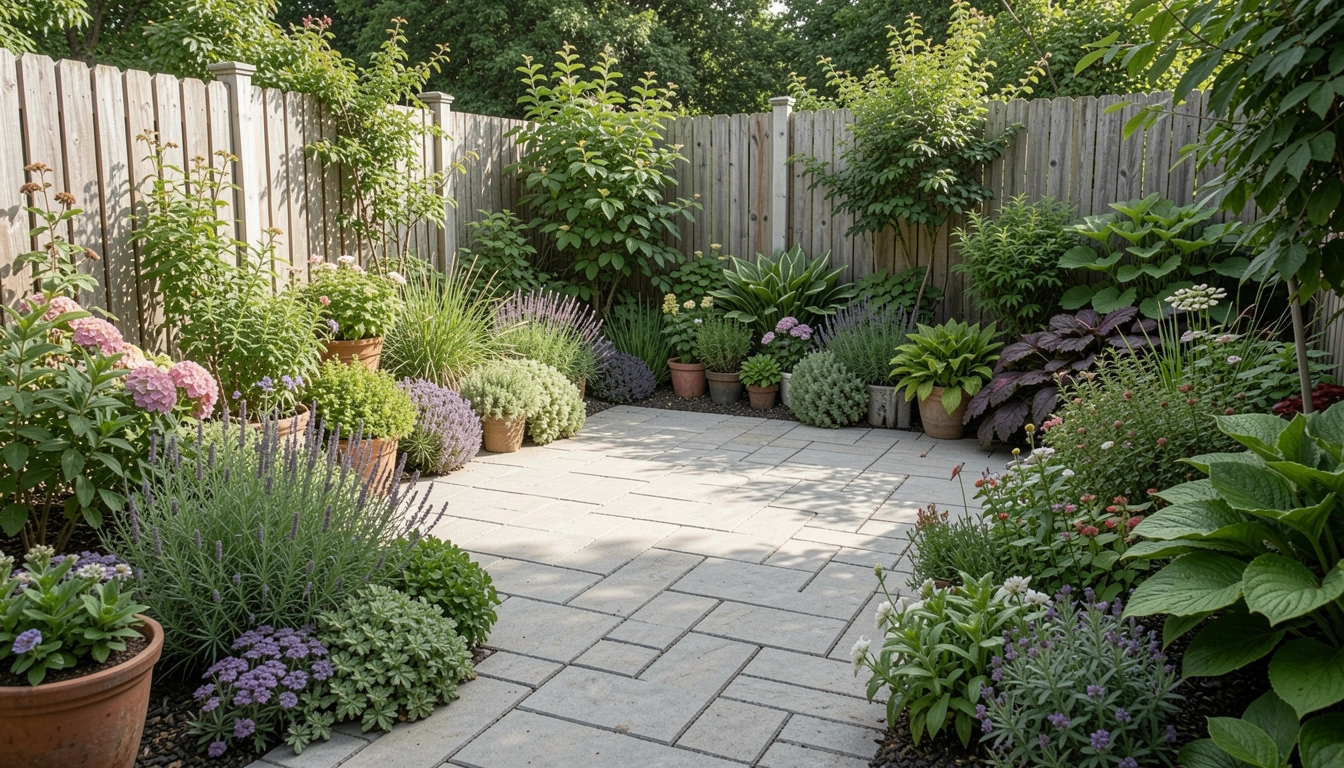
My backyard sloped awkwardly toward the fence. Rain pooled there. Plants washed out. I needed a flat spot to set a chair, eat dinner outside. Not fancy. Just usable.
I'd tried mulch paths before. They sank and scattered. Grass wouldn't hold. The dirt stayed empty.
One summer, I laid pavers instead. Now it's level. Dry. Feels right.
How To Build A Paver Patio
This shows you how I create a simple paver patio that sits balanced in the yard. You'll end up with a clean, steady surface for chairs or pots. It's straightforward. I've done it in tight corners too.
What You’ll Need
- 12×12 inch gray concrete pavers
- Pea gravel 0.5 cubic foot bag
- Polymeric joint sand 50 lb bag
- Landscape fabric 3×50 foot roll
- Plastic landscape edging 40 foot coil black
- Coarse mason sand 50 lb bag
- 4-foot level aluminum
- Rubber mallet 16 oz
Step 1: Mark and Clear the Spot
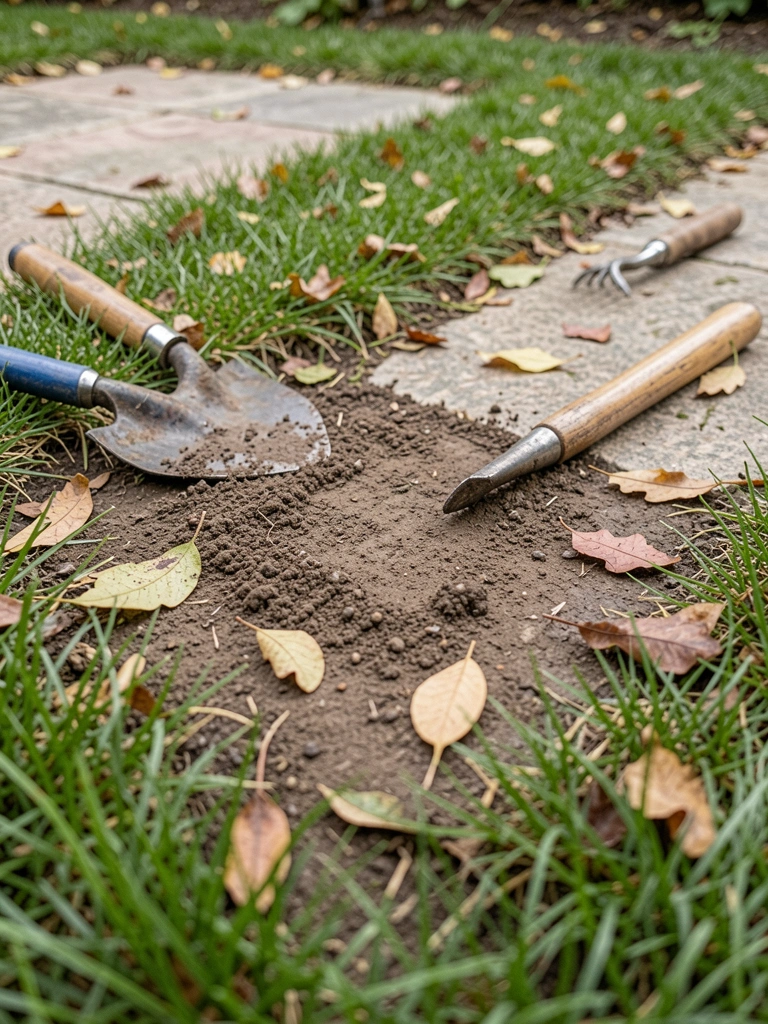
I walk the yard first. Eye the flat stretch near the door. That's where chairs go. Mark it with stakes and string. Square it off. Twice the width of my table.
Clear grass and roots. Dig even. Six inches deep feels right. The ground firms up. Looks ready.
People miss checking slope here. Water must run off, not pool. I tilt it a hair away from house. Avoid digging too deep—makes the base shaky.
Now the space breathes. Balanced outline.
Step 2: Level the Base Layer
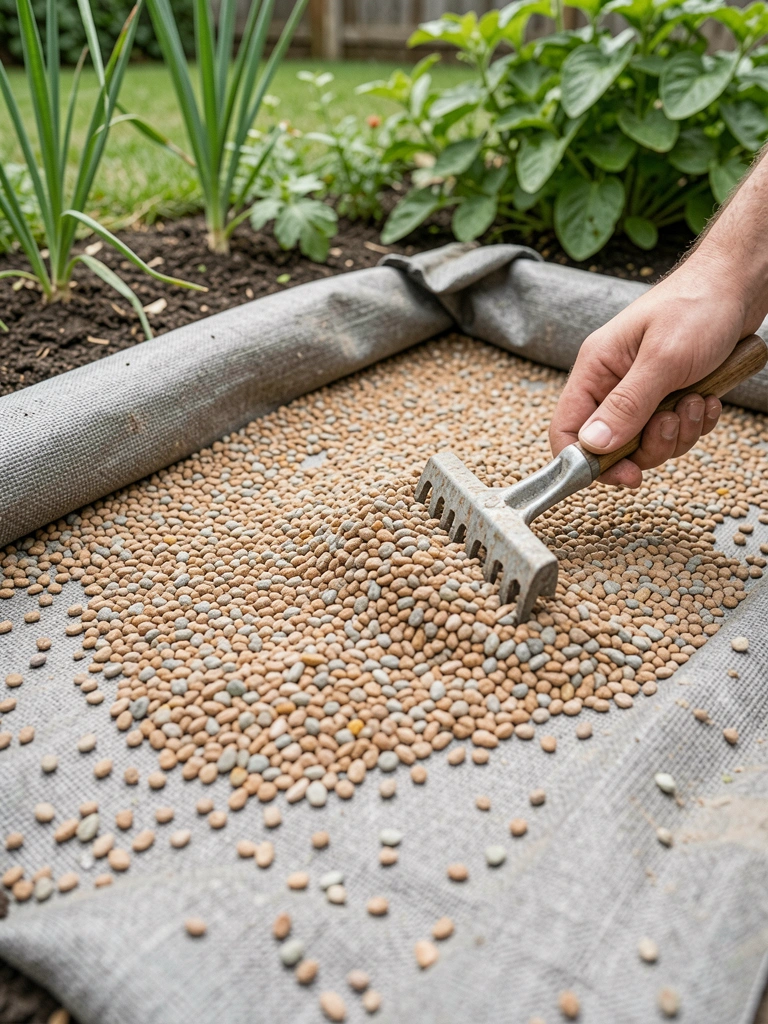
Lay landscape fabric down. Cuts weeds. Add three inches of pea gravel. Rake smooth. Use the level often.
Compact it with my feet first. Then the tamper. It settles firm. No wobble.
Insight: Gravel drains rain fast. Dirt alone turns mud. Skip compacting? Pavers sink over winter.
Visually, it's even now. Gray base peeks through. Steady underfoot.
Step 3: Add Sand and Set Pavers
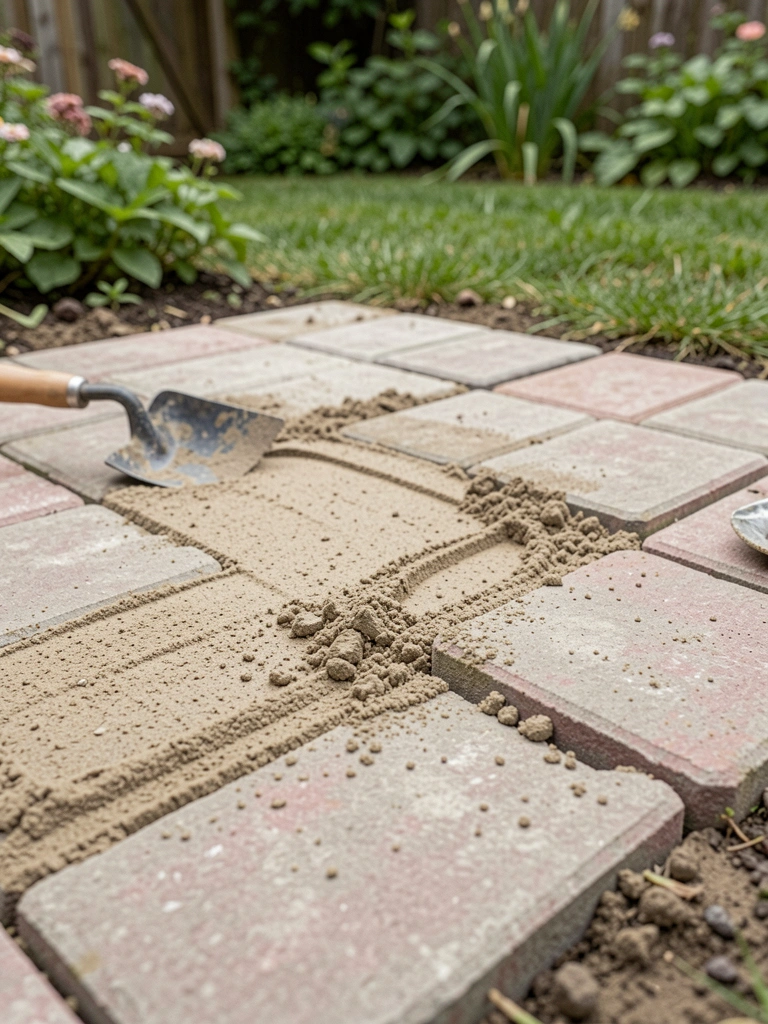
Screed one inch of sand over gravel. Straight boards make it flat. Lay pavers in rows. Tap with mallet. Keep joints tight.
Start center. Work out. They nestle close. Gray tones blend with yard.
Missed insight: Dry lay first. Test pattern. Random looks busy—stick to rows for calm.
Visual shift: Surface appears. Solid gray plane. Chairs test steady.
Step 4: Edge and Fill Joints
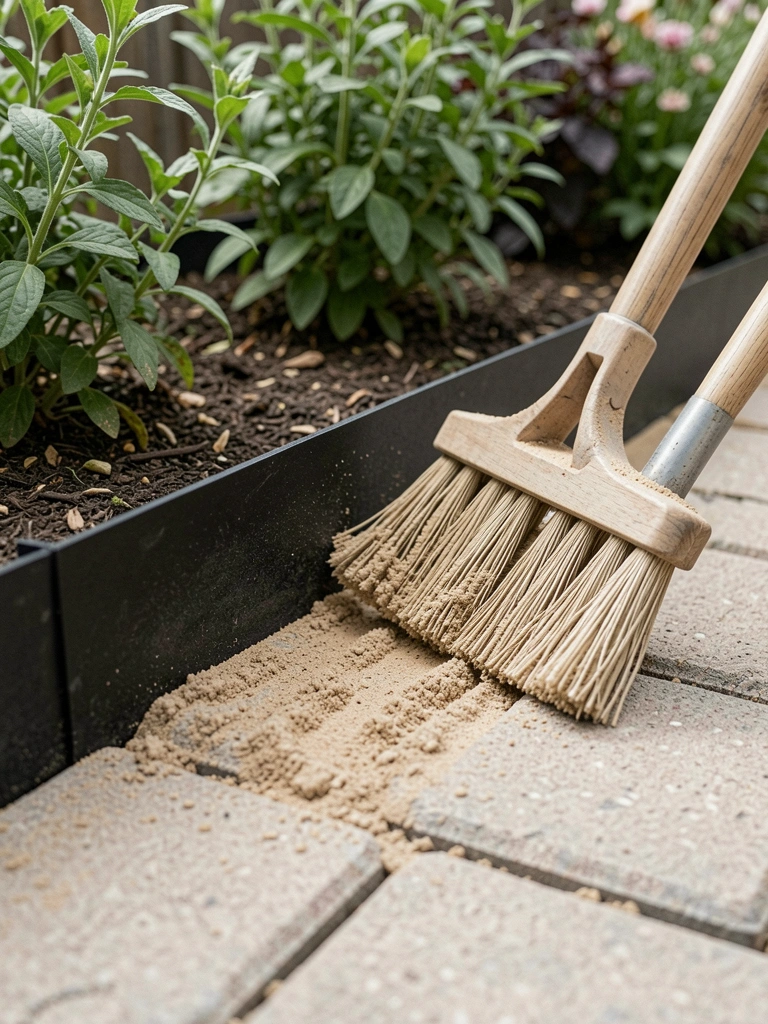
Bury edging along sides. Pins hold it. Keeps pavers locked.
Sweep polymeric sand in. Mist lightly. It sets hard.
Common mistake: Over-water. Sand washes out. Let it haze dry.
Now it's done. Clean lines. Patio holds pots balanced.
Step 5: Settle and Blend

Walk over it heavy shoes. Tap any high spots. Add gravel outside edges.
Tuck low plants around. Lavender softens corners.
People forget blending. Bare edges scream new. Plants make it lived-in.
Feels complete. Warm under sun.
Planting Around the Edges
Pavers sit best with greens framing them. I plant low growers close.
- Lavender or sedum trail over edges. Stay tidy.
- Taller grasses back it. Hide fence.
- Mulch between. Ties to yard.
It softens the hard lines. Yard flows now.
One year, bare pavers felt stark. Added pots first. Then beds. Balanced.
Keeping It Clean Year-Round
Patios gather leaves. Moss in shade.
- Hose joints monthly. Loose sand first.
- Vinegar spray moss. Gentle.
- Re-sand cracks yearly.
Winter salt? Skip it. Ruins pavers.
Mine stays comfortable. Chairs out early spring.
When to Call It Good Enough
Not every yard needs huge patios. Mine's 10×10. Fits two chairs, table.
- Measure traffic first.
- Skip fancy cuts. Straight works.
- Add later if needed.
Perfection waits. Use it as is.
Final Thoughts
Start with a small patch. Test by the door. You'll see how it grounds the yard.
Pavers shift a space from messy to intentional. Without fuss.
Mine gets used daily now. Sit with coffee. Feels like it belongs. Yours will too.
Leave a Reply