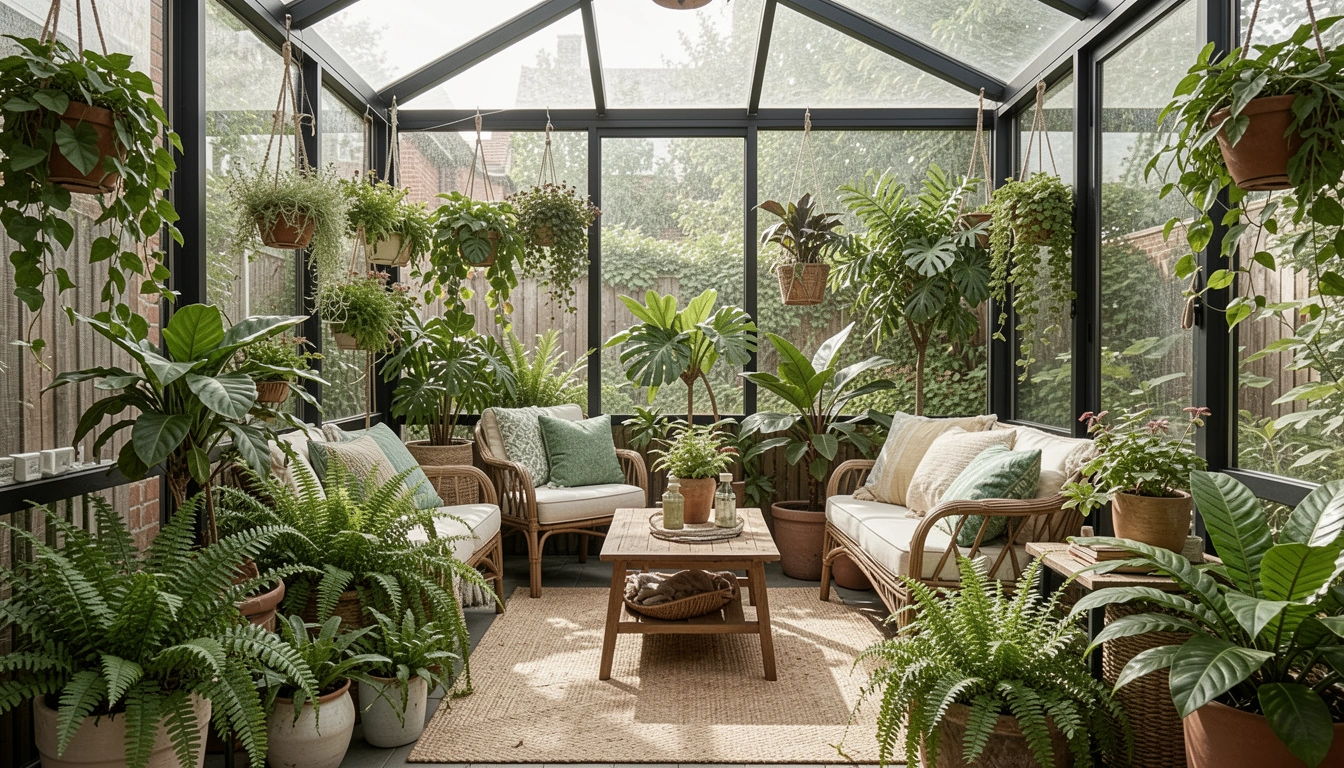
I stared at my enclosed patio last spring. It had walls on three sides, a roof overhead. Felt like a box. No flow. Just empty corners and a lonely chair.
I'd tried pots here and there. They sat awkward. The space stayed flat. I wanted it comfortable, like an outdoor room I actually used.
One afternoon, I stepped back. Saw it needed balance first. Layers that drew the eye around.
How To Decorate An Enclosed Patio
This is the method I use every time an enclosed patio feels off. You'll end up with a balanced, lived-in space. Comfortable for coffee or reading. It works in any size.
What You’ll Need
- 8×10 ft outdoor jute rug, neutral beige
- 24-inch terracotta pots, set of 3
- Boston fern hanging basket
- Weatherproof throw pillows, 18-inch cream linen
- Solar lantern string lights, warm white
- Wicker side table, 20-inch round
- Pothos trailing plant in 10-inch pot
Step 1: Ground the Floor
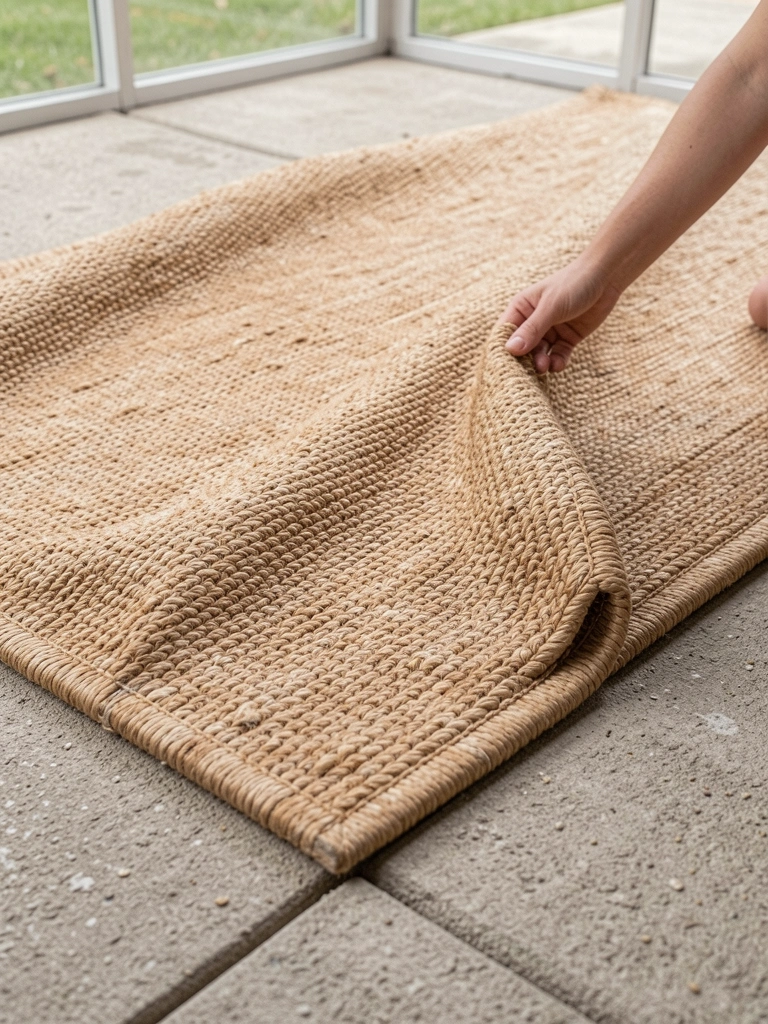
I start with the floor. Roll out the rug off-center. It anchors everything. Why? Bare concrete feels cold. The rug warms it, pulls your eye in.
Visually, the space shrinks comfortably. No longer a big empty box.
People miss how height matters here. Rug low, plants will layer above. Mistake: centering it perfect. Off-center invites flow.
I nudge mine toward the seating wall. Feels right.
Step 2: Place Seating for Flow
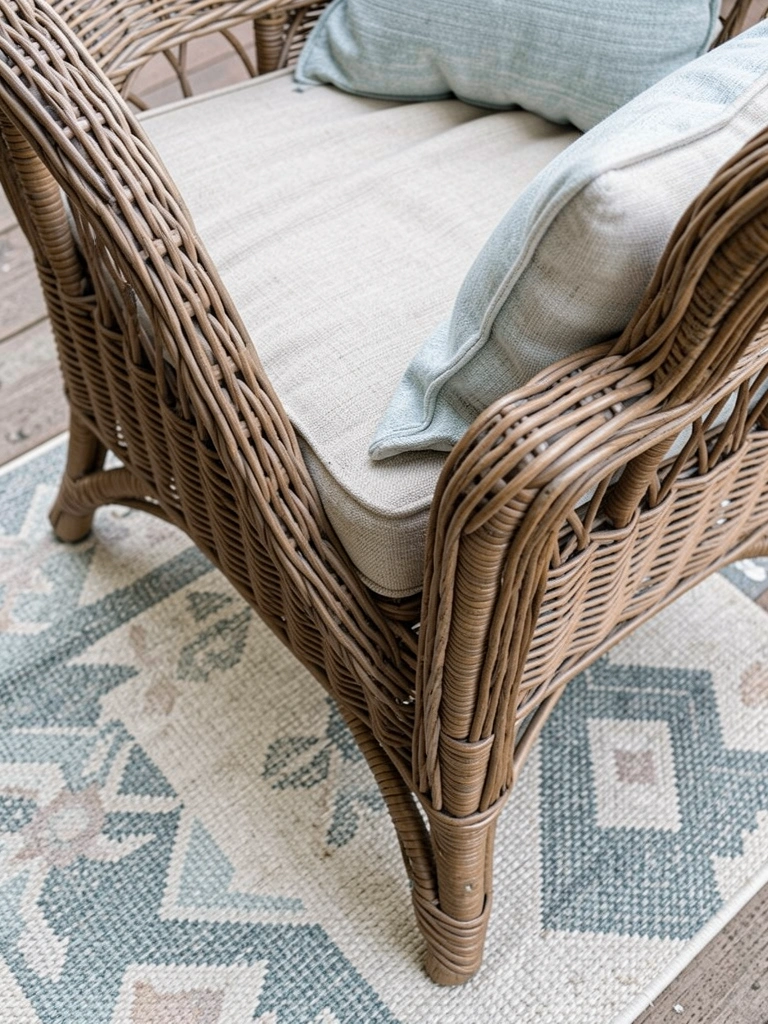
Next, chairs go on the rug. One against the wall, one pulled out. Why? Creates a path. Draws you through.
Now it feels like a spot to sit. Not scattered furniture.
Insight: angle them slightly. Faces conversation, not walls. Avoid pushing backs tight to edges. Leaves dead space.
Mine sits easy. I walk by, want to pause.
Step 3: Layer Low Plants

Pots hit the floor next. Cluster three near seating. Low growers like ferns. Why? Builds height without crowding.
The patio gains depth. Green softens hard walls.
Most overlook even spacing. Cluster tight for balance. Don't line them up. Skews the eye.
I water mine there. Roots settle in.
Step 4: Hang and Trail Greenery
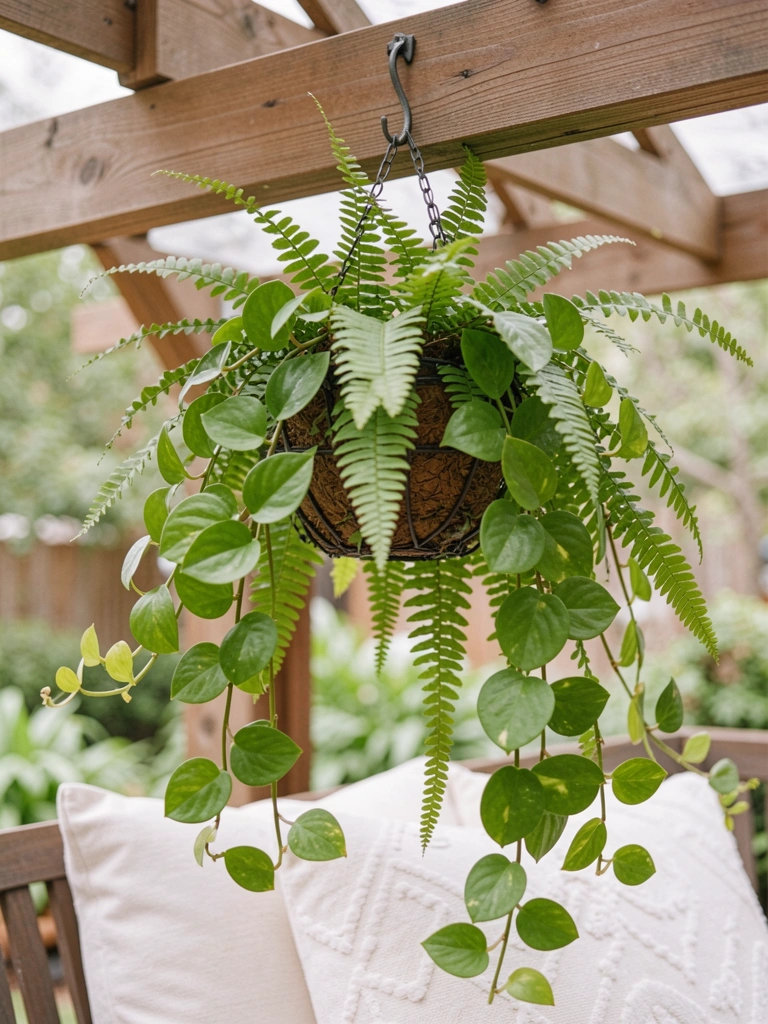
Hang one basket high. Trailers drape down. Why? Fills vertical space. Breaks the box feel.
Light filters softer now. Greenery connects floor to ceiling.
Missed bit: check light first. Shade plants for enclosed spots. Avoid full sun lovers. They scorch.
Pothos climbs mine slow. Natural.
Step 5: Add Side Table and Pillows
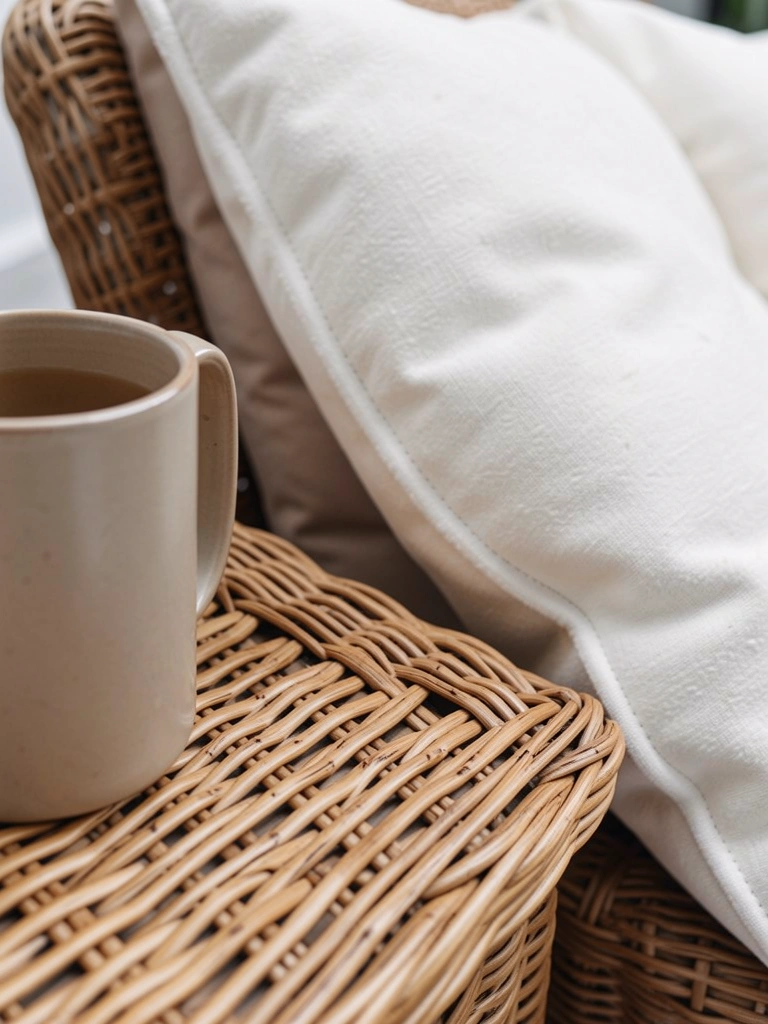
Table tucks beside the chair. Pillows lean casual. Why? Invites use. Makes it lived-in.
Balance settles. No empty spots.
People forget scale. Small table fits tight spaces. Skip huge ones. Overpowers.
Pillows stay fluffed loose on mine.
Step 6: String Soft Lighting
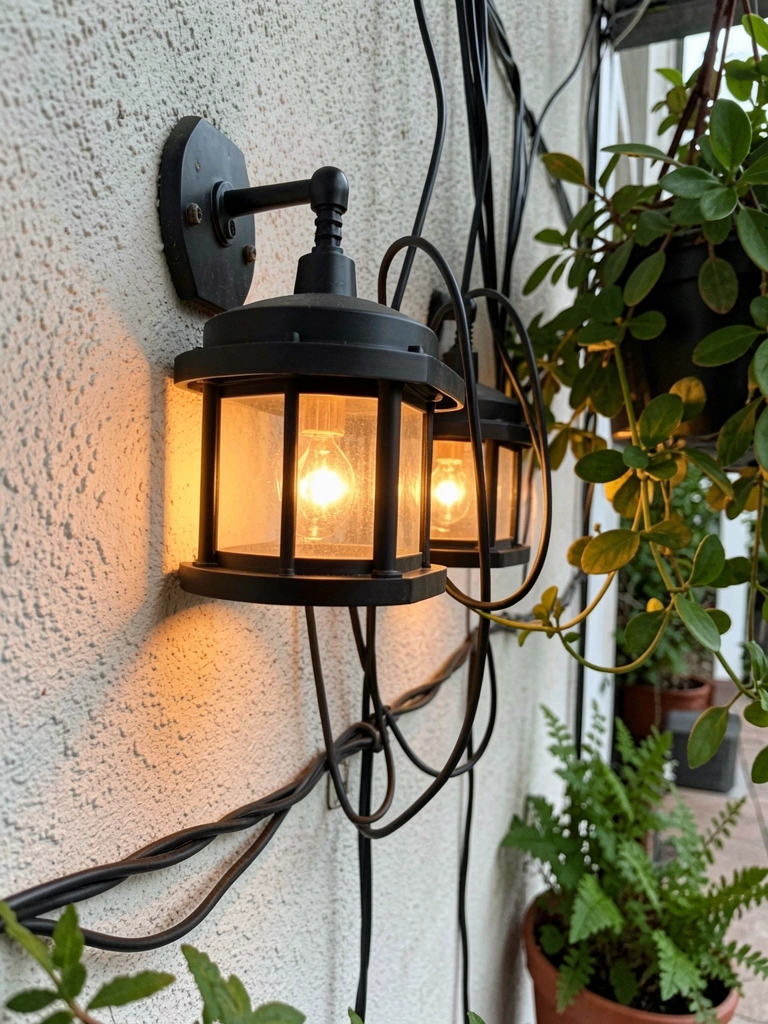
Last, lights drape walls. Lantern style, not harsh. Why? Extends the day. Cozy evenings.
Whole space glows balanced. Intentional.
Insight: space them uneven. Feels organic. Avoid straight lines. Too rigid.
Mine sways light now.
Choosing the Right Plants
Enclosed patios trap heat and shade. I pick what thrives there.
Go for ferns and pothos. They handle low light. Trailers soften edges.
- Ferns: Lush, forgiving.
- Pothos: Grows anywhere.
- Avoid succulents: Need sun.
Test one plant first. See how it sits.
Working with Your Light
My patio gets morning sun, then shade. Directs choices.
Observe yours a day. Note hot spots.
Hang trailers in dim corners. Floor pots catch light.
North-facing? All shade lovers. Balance green tones.
Keeping It Balanced Year-Round
Seasons shift. I swap spent plants.
Winter: Hardy evergreens in pots.
Summer: Refresh trailers.
- Trim yellow leaves weekly.
- Mist for humidity.
It stays comfortable. No big changes.
Final Thoughts
Start with the rug. One step at a time.
You'll see the shift. Feels like your space.
Patios like this pull me outside daily. Yours will too. Just keep it simple.
Leave a Reply