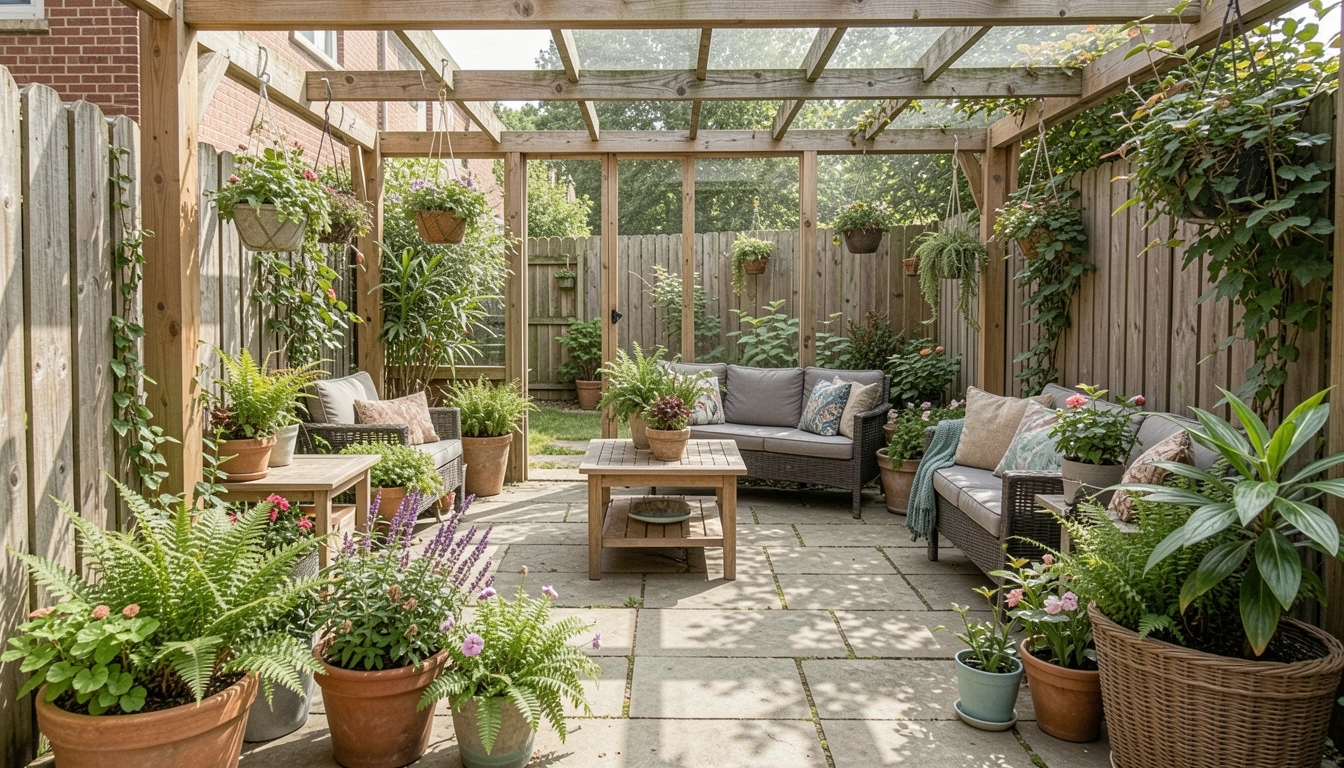
My patio felt too exposed. Neighbors glancing over while I sat with coffee. Wind whipped through empty corners. I wanted privacy without spending much or building permanent walls.
I stepped back one afternoon. Looked at the bare edges. Realized plants and simple screens could close it in. Made the space feel like mine.
You can do this too. It changes everything.
How To Enclose A Patio Cheaply
This method uses screens, plants, and frames to create a cozy boundary. Your patio ends up private and balanced. It works on any size space.
What You’ll Need
- 6 ft bamboo privacy screen panels, natural reed fencing
- 4 ft metal garden trellis, black powder-coated steel
- 20 inch terracotta outdoor planters, set of 4
- Fast-growing ivy plants, 4 inch pots, set of 6
- Outdoor curtain panels, 8 ft linen beige, set of 2
- Heavy-duty outdoor hooks, galvanized steel, pack of 10
- Coir garden twine, 100 ft roll
Step 1: Map Your Patio Edges
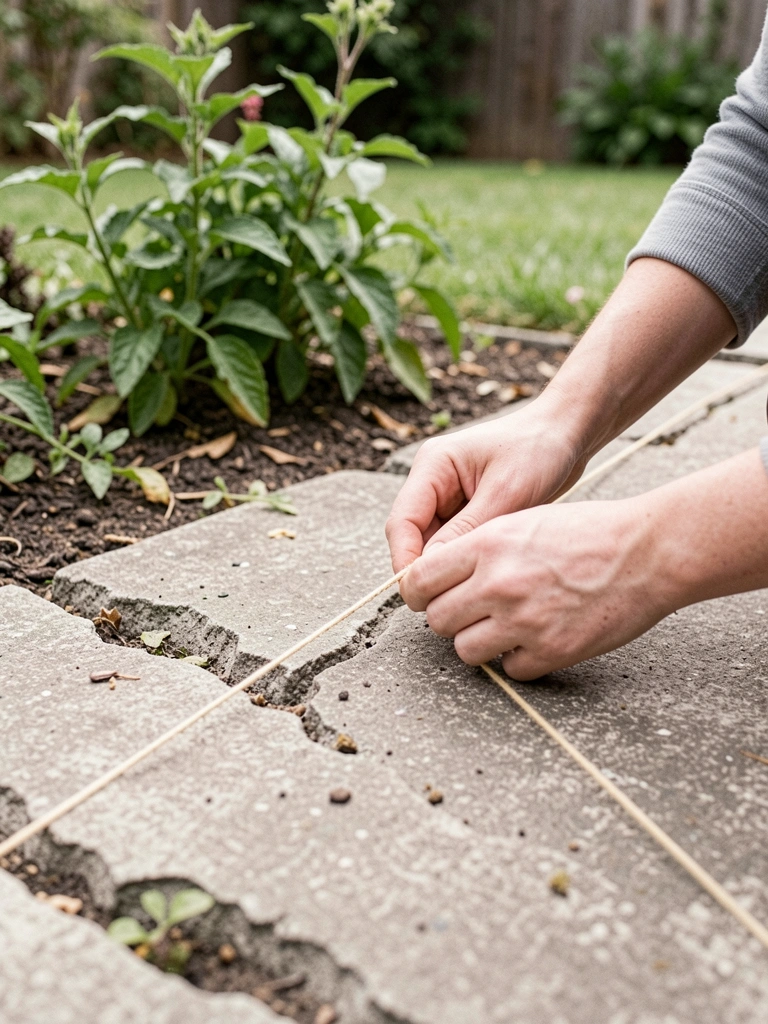
I walk the patio first. Eye the open sides. Use twine to outline where walls would sit. This sets the enclosure's shape.
Visually, lines appear. Space shrinks to feel contained. One insight: curves work better than straight lines here. They guide the eye softly.
Don't pull twine too tight. It warps the balance. Keep it loose for natural flow.
I step back. See if it frames my chairs right. Adjust once.
Step 2: Anchor Screens Along Lines
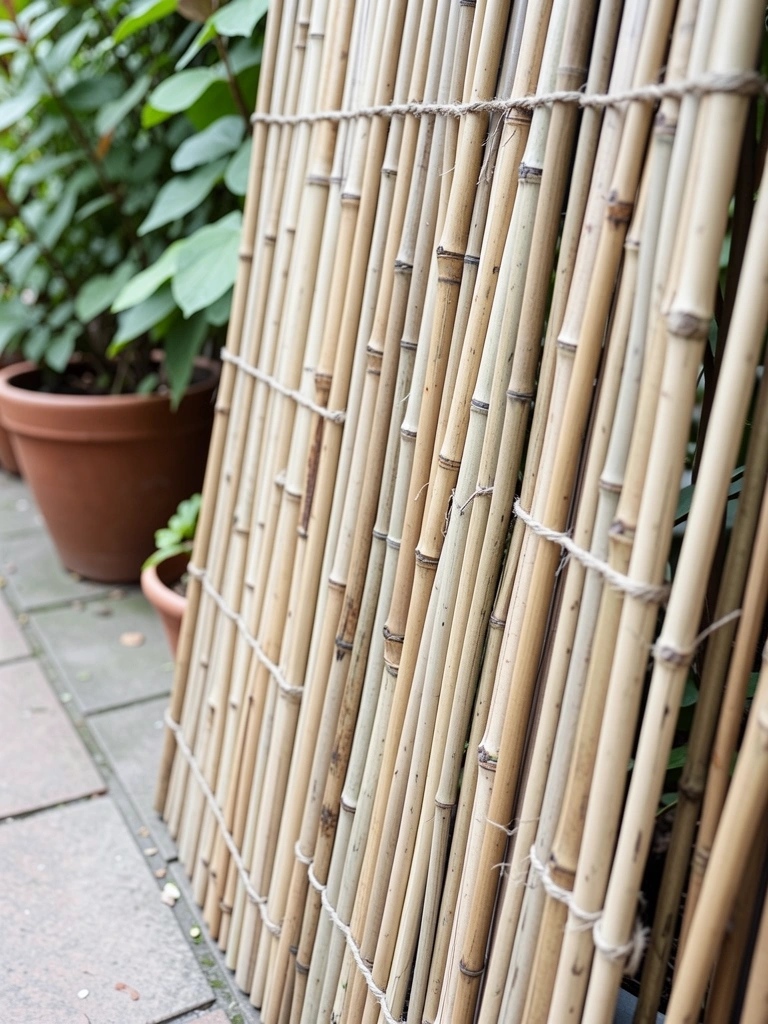
I lean bamboo screens where twine marks. Wedge into soil or pots. They block views without digging.
Now sightlines close. Patio breathes inward. People miss how screens layer depth—stack two for height.
Avoid centering them perfectly. Offset pulls the eye around. Creates comfort.
I tug gently. Ensure they sway with wind, not crash.
Step 3: Frame with Trellises for Height
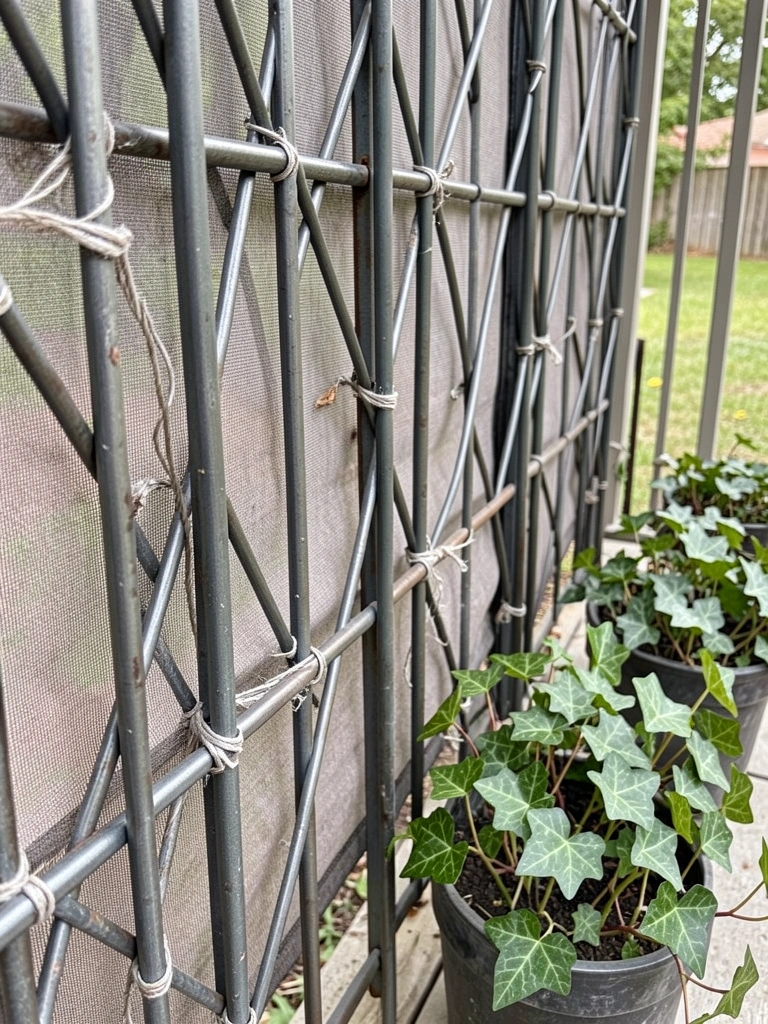
I position trellises behind screens. Tie with twine to corners. They rise taller, ready for plants.
Edges lift. Space gains vertical pull. Insight: gaps between let light filter, keeping it open.
Skip glue or screws. Twine flexes better outdoors. Lasts longer.
I check from my chair. Feels taller, safer.
Step 4: Plant Climbers for Soft Fill
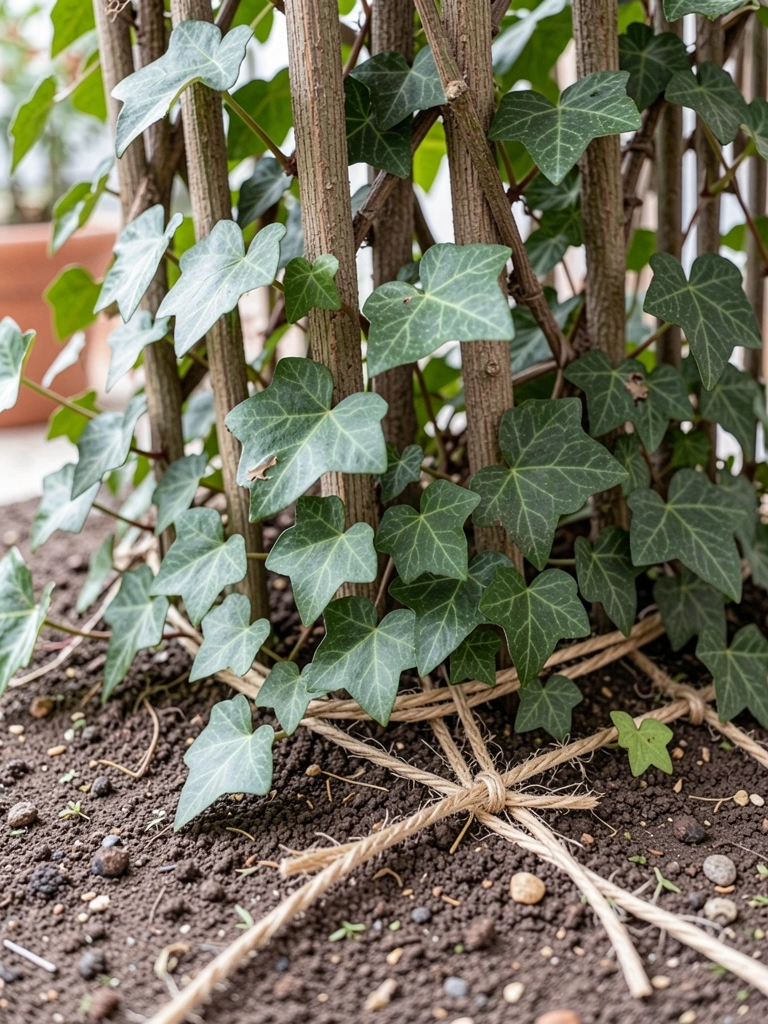
I plant ivy at trellis feet. Water deep. Train stems up with loose ties.
Greens soften lines. Fills emerge over weeks. Most overlook spacing—cluster three plants per trellis for quick cover.
Don't overwater early. Roots rot fast. Let soil dry between.
Patio warms. Feels alive now.
Step 5: Layer Pots and Curtains for Depth
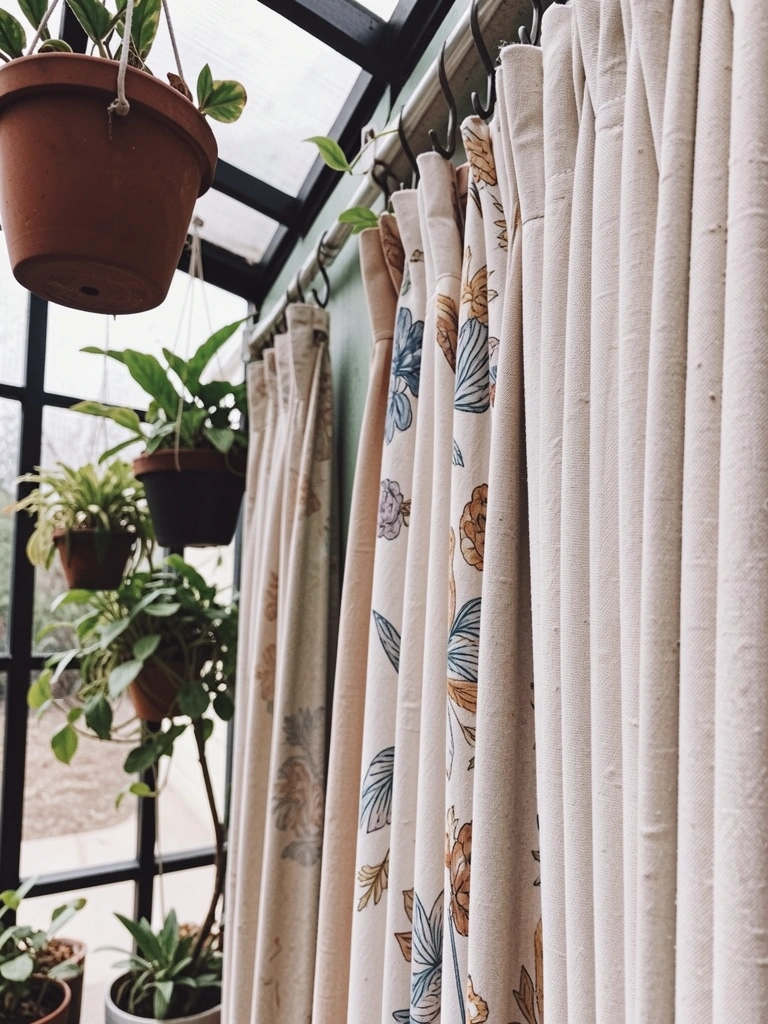
I cluster pots along the base. Hang curtains from hooks on frames. Drape loosely.
Layers build. Privacy deepens without walls. Tip: vary heights—tall pots block low, curtains mid.
Resist filling every inch. Empty spots let breeze through. Keeps balance.
Sit back. Space holds together.
Picking Plants That Screen Best
I stick to climbers like ivy or jasmine. They grip fast. Fill gaps in months.
Start small pots. They establish quicker.
- Ivy for shade tolerance
- Honeysuckle for scent
- Clematis for flowers
Watch sun patterns first. Wrong spot slows growth.
Handling Open Corners
Corners catch eyes first. I tuck tall pots there. Add a screen fold.
Wind hits hardest here. Anchor with rocks.
- Weigh pots down
- Tie screens low
- Plant deep-rooted fillers
It settles the whole enclosure.
Budget Stretches for Bigger Patios
Double up on cheap screens. Reuse pots year-round.
Hunt end-of-season sales for plants.
- Buy bare-root climbers
- Split perennials
- Layer thrift fabric
Mine cost under $150. Yours can too.
Final Thoughts
Start with one side. See how it shifts the feel.
You'll notice neighbors fade back. Space quiets.
Patios like this grow with you. Just keep tending.
Leave a Reply