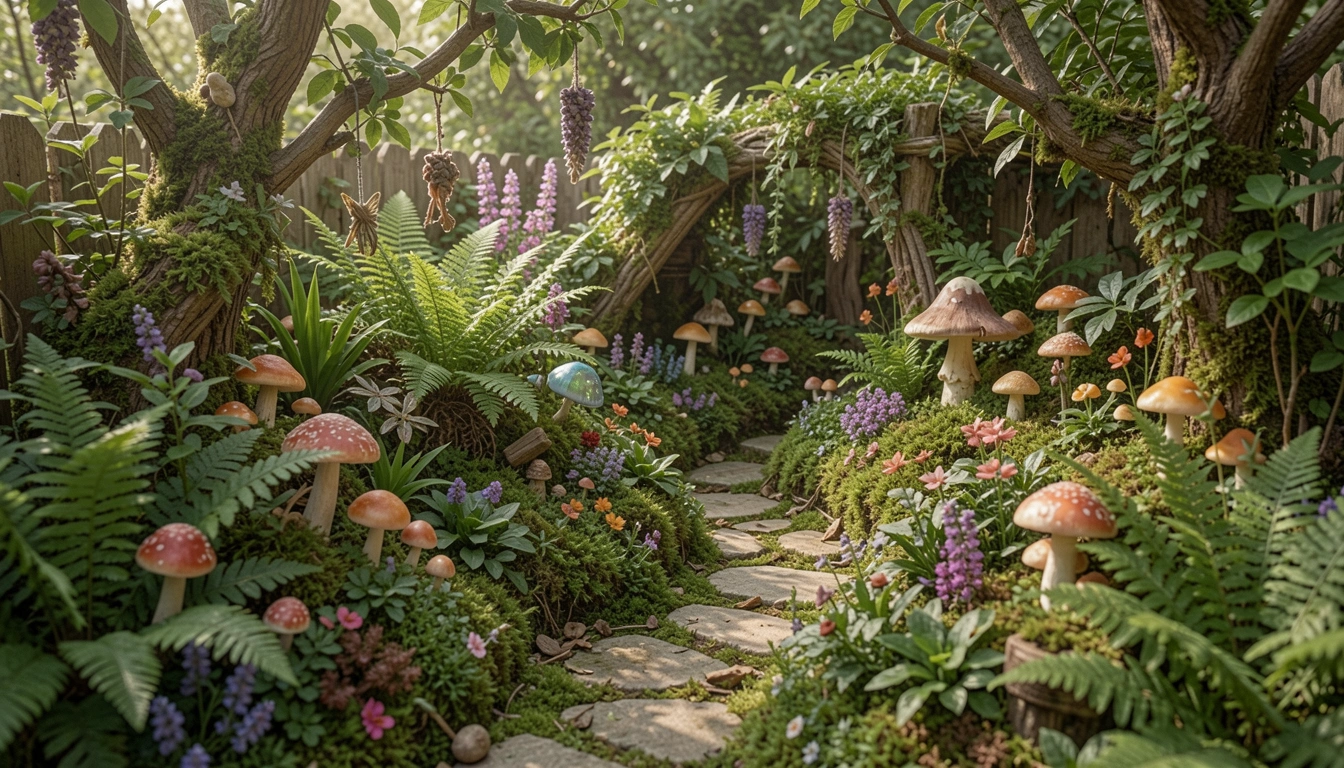
I'd set up a fairy garden last spring in an old pot by the patio. It started flat—bare soil, a tiny house dumped in the middle. Looked crowded or empty, no matter what I added. I stepped back, saw the problem: no sense of place, no flow.
You know that feeling. Your spot looks like scattered toys, not a hidden world.
I fiddled until it settled. Now it draws the eye, holds together through rain.
How To Make Fairy Garden Beautiful
This is the way I settle a fairy garden so it feels right—balanced paths, soft layers, quiet corners. You'll end up with a spot that pulls you in, steady and alive.
What You’ll Need
- Miniature fairy house with mossy roof, 4-inch stone cottage
- Tiny wooden bridge, 3-inch arched natural bark
- Assorted pebbles, 1/2-inch smooth river stones in gray and tan
- Mini hostas, 2-inch potted shade-loving plants
- Fairy garden path stepping stones, 1-inch mossy slate rounds
- Small lantern accessory, 2-inch metal with patina finish
- Fine gravel mulch, 1-quart bag natural beige
- Twigs and bark pieces, assorted 2-4 inch natural bundle
Step 1: Settle the Base Layer
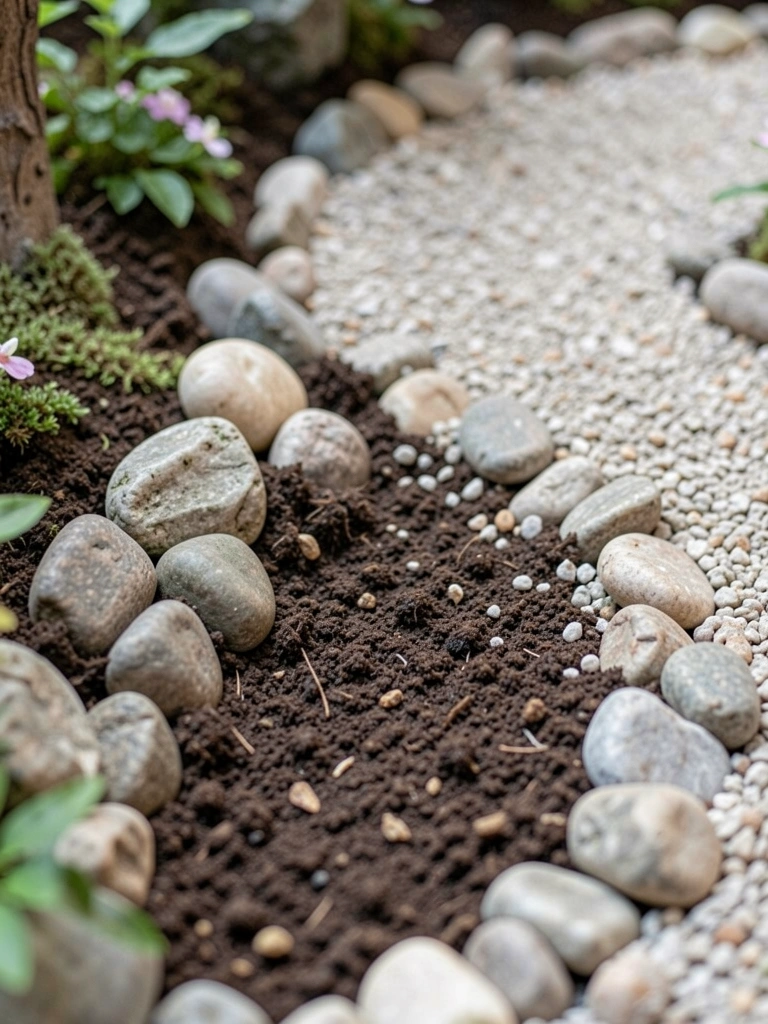
I start low, right in the pot or bed. Spread fine soil, then edge it with pebbles. This grounds everything—holds the wet in, keeps edges clean.
Visually, the base shifts from mud to a quiet floor. It invites the next pieces.
People miss how the edge pebbles echo real forest floors. Skip big rocks; they overwhelm. They make it feel like a rock pile, not a garden.
Push them in firm, but leave gaps for paths. That one gap changes the pull of the whole spot.
Step 2: Place the Main House Off-Center
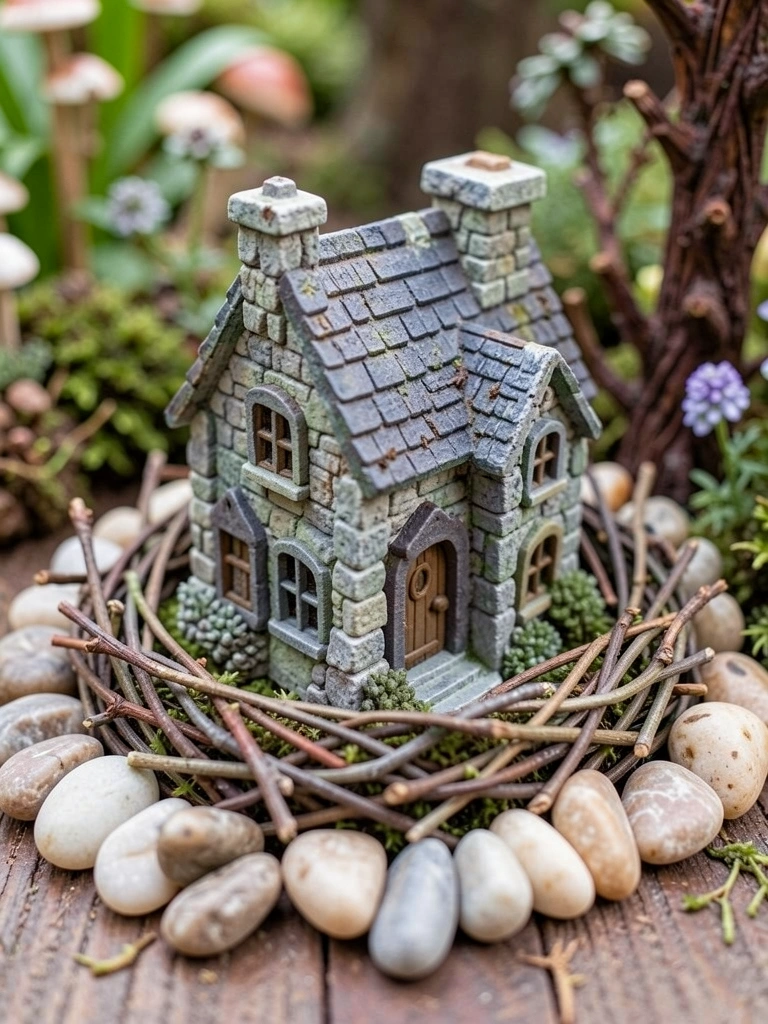
I tuck the fairy house to one side, not smack in the middle. Lean it into a twig fence or soil mound. Why? Center feels forced; off-side makes room breathe.
Now the space opens up—one side empty for paths, the other cozy.
Most overlook the lean—it softens the house, like it's grown there. Don't glue it straight; tilt draws the eye around.
Test from two angles. If it blocks flow, shift an inch. That nudge settles it.
Step 3: Wind in a Path
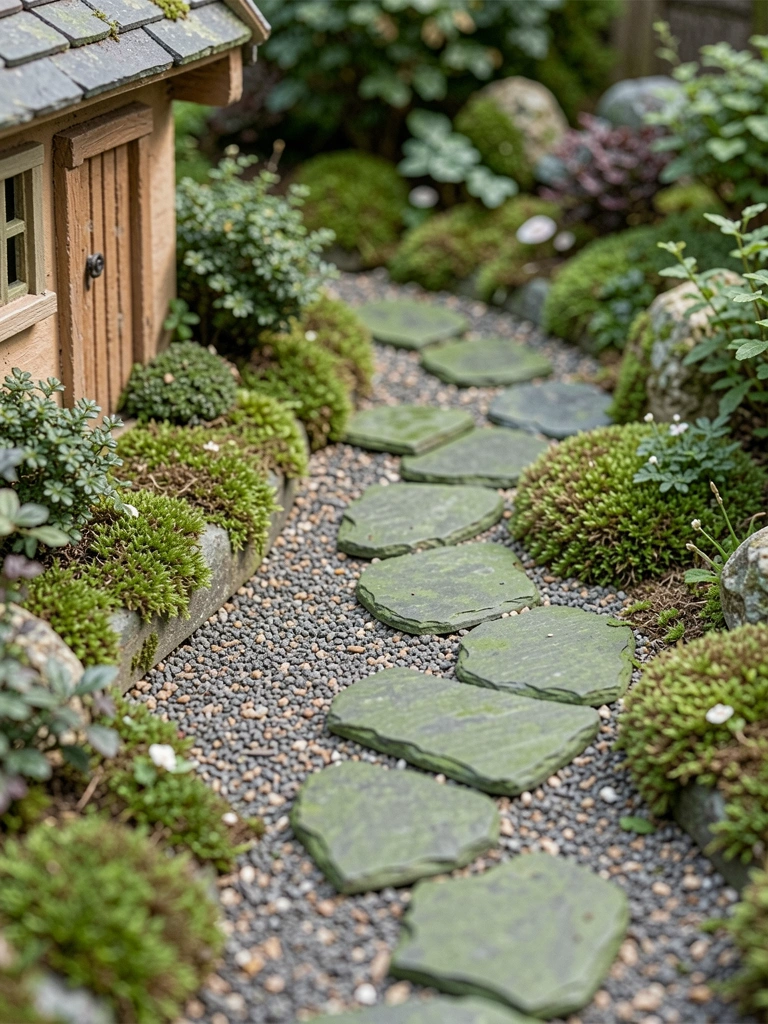
I lay stepping stones in a loose curve from the house door. Space them wide enough for a fairy's step, fill gaps with gravel. This pulls your eye through, creates direction.
The garden gains depth—front feels entered, back hidden.
Folks forget paths need bends; straight lines box it in. Avoid lining them tight; gaps let moss creep, add life.
Walk it yourself. Does it guide without rushing? Adjust one stone, feel the shift.
Step 4: Layer Low Plants Around Edges
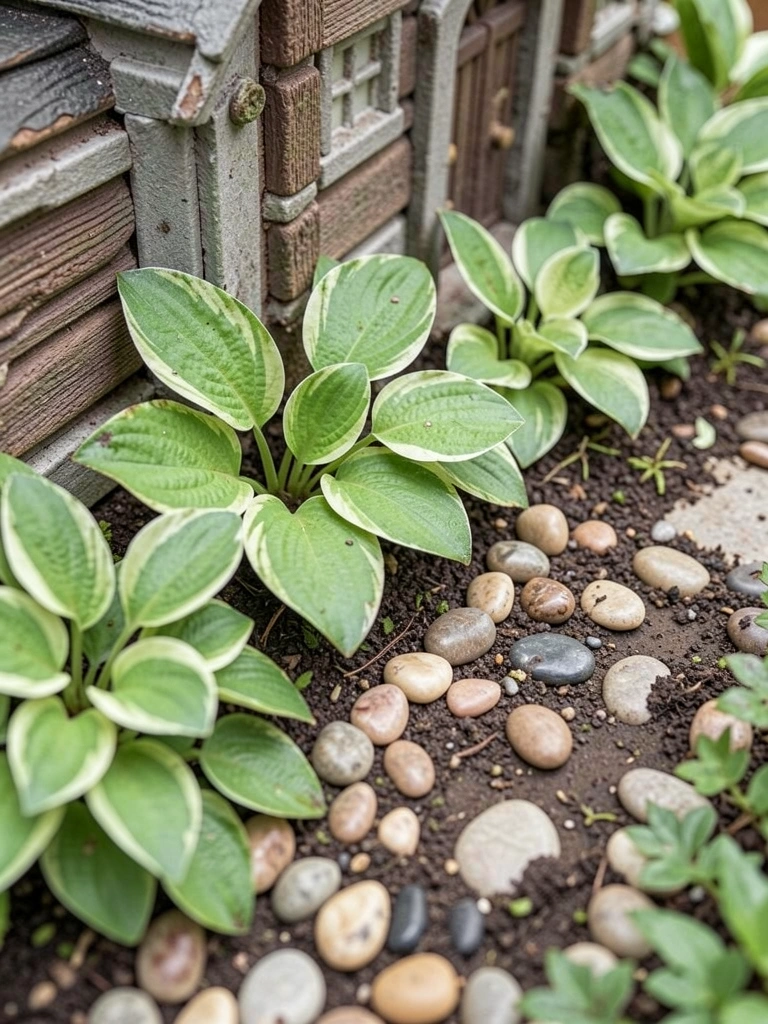
I plant mini hostas or ferns along the back and sides, not front. Pat soil firm, mulch lightly. They frame without crowding, soften hard edges.
Colors warm up—greens hug the house, make paths pop.
The miss is planting too full; thin spots let light play. Don't overwater new ones; soggy kills the balance quick.
Stand back. Plants should whisper, not shout. Trim a leaf if it pokes.
Step 5: Add Quiet Accents for Balance
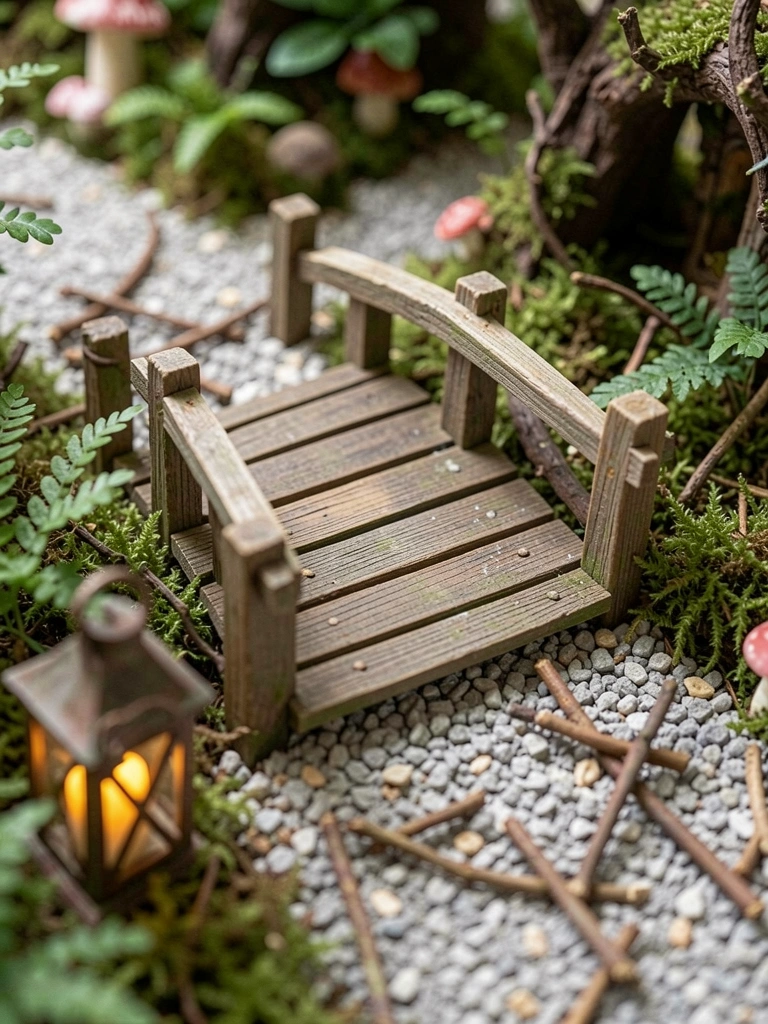
I drop in the bridge over a path dip, lantern by a plant base, a few twigs loose. Place for echo—bridge answers the house curve.
Now it holds together, every bit in talk.
People pile accents center; spreads them out instead. Skip shiny bits; they jar the calm.
Step away, water light. Does it settle or fight? One less twig often fixes it.
Handling Uneven Spots
I've got sloped beds where fairy gardens slide. I level with extra soil first, then pebble walls.
- Build low berms on down slopes—holds plants steady.
- On flats, mound center slight for drainage feel.
Watch rain first week. Adjust if pools form. Keeps the lived-in balance.
Scaling for Containers
Pots cramp fairy worlds. I pick wide, shallow ones—room without tall sides blocking.
Short plants front, house mid. Paths hug curves.
Test scale: house half pot height max. Oversize kills cozy pull.
Keeping It Through Seasons
Rain fades gravel, weeds sneak. I refresh mulch twice yearly, pull strays gentle.
Winter, tuck dry moss over beds. Spring, new hostas revive.
No big cleans—patina builds the real feel.
Final Thoughts
Start with one pot corner. Mess it up, shift pieces—it's yours.
You'll see the flow click. That quiet pull comes from nudges, not perfection.
Now your spot sits right, draws a longer look. Get hands in soil.
Leave a Reply